
Yes, you can absolutely grow a man bun, and for most people it's worth the wait. But whether it's the right move for you right now depends on three things: how much hair you're starting with, how much patience you genuinely have for an awkward middle phase, and whether your hair type and lifestyle will actually work with a bun long-term. This guide walks you through all of that so you can decide with your eyes open.
Should I Grow a Man Bun? A Step-by-Step Guide

Marcus Vickers
11 May 2026
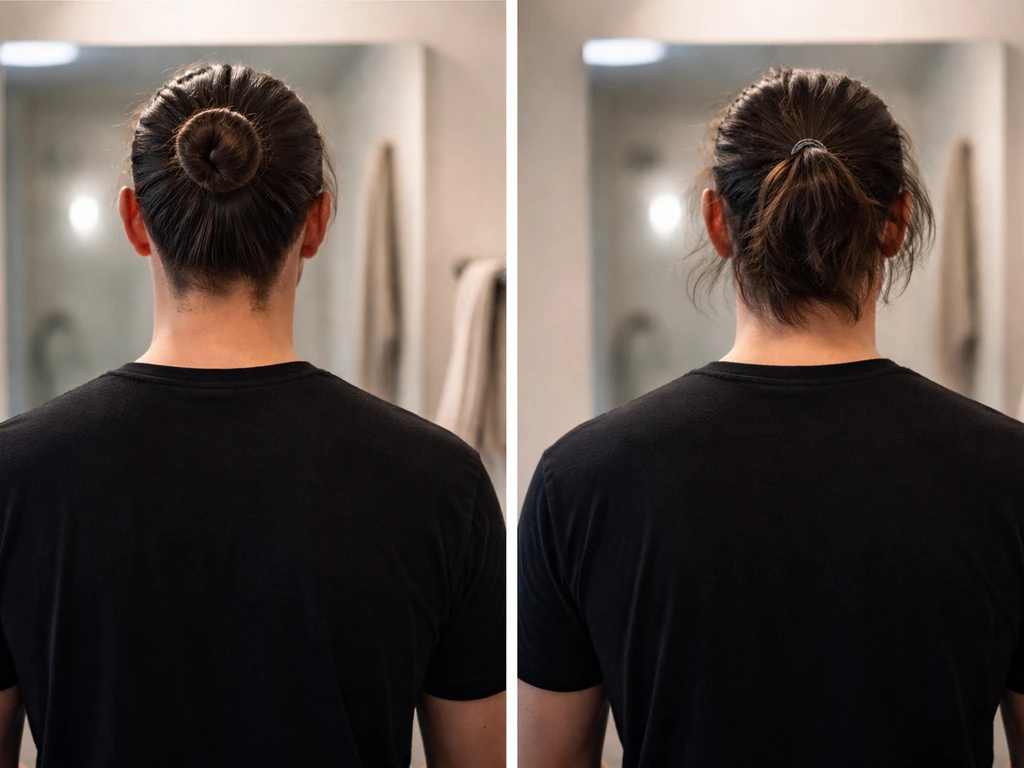
What a man bun does (and who it suits)
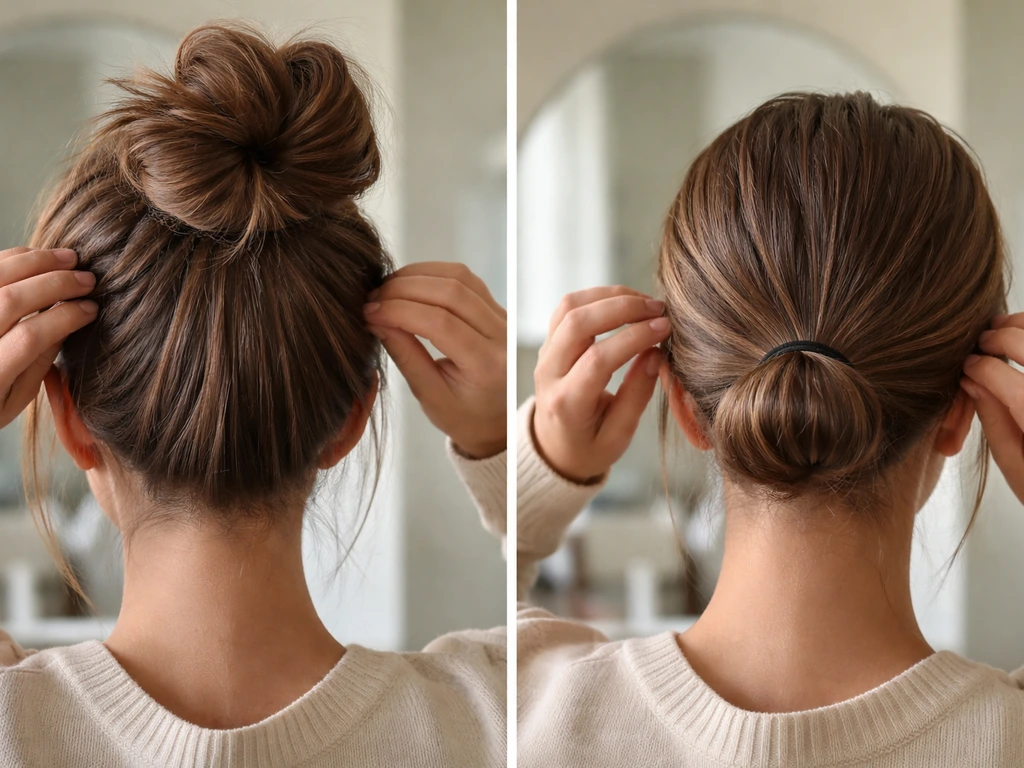
A man bun is simply hair gathered and secured at the crown or back of the head. The topknot version sits higher and tends to elongate the face visually, which works well on rounder face shapes. A lower, fuller bun at the nape adds width and works better for those with longer or narrower faces. Stylists generally agree that oval, rectangular, square, and triangular face shapes all have good options within the man bun family, so most people can find a placement and size that flatters them. If you have very thick hair, be aware that a high topknot can look quite voluminous and may feel heavier to manage than you expect.
Hair texture matters too. Wavy or slightly coarse hair actually holds a bun better than very fine, slippery hair. Curly hair can create a beautiful full bun but usually needs extra moisture to avoid frizz at the hairline. Straight fine hair works, but it tends to need product to keep the bun from drooping during the day.
Hair-length requirements and realistic timelines
The minimum for a small, workable bun is around 6 inches of actual hair length. At that point you can use a two-elastic method: a short ponytail with the end looped back through a second elastic to form a stubby bun. For a fuller, cleaner bun that holds itself and looks intentional, you're looking at 10 to 16 inches, which is roughly when your hair is brushing your shoulders or just past them.
| Bun Style | Minimum Hair Length | Rough Timeline from a Buzz Cut |
|---|---|---|
| Small topknot / two-elastic bun | ~6 inches | 8–12 months |
| Decent half-up bun | ~8 inches | 12–14 months |
| Full man bun (clean, holds shape) | 12–16 inches | 16–24 months |
Most people grow around half an inch to three-quarters of an inch per month. Hitting more than three-quarters of an inch consistently is uncommon without a genetic edge. So if you're starting from a buzz cut or very close crop, budget 18 months to two years for a genuinely full bun, and around 6 to 10 months for enough length to start tying anything at all. If you're starting with 3 to 4 inches already (think a longer taper or grown-out short back and sides), you could be tying a small bun in as little as four to six months.
Grow-out stages from your current cut
The grow-out doesn't feel the same at every stage, so it helps to know what to expect at each one.
Months 1 to 3: the stubble-to-flop phase
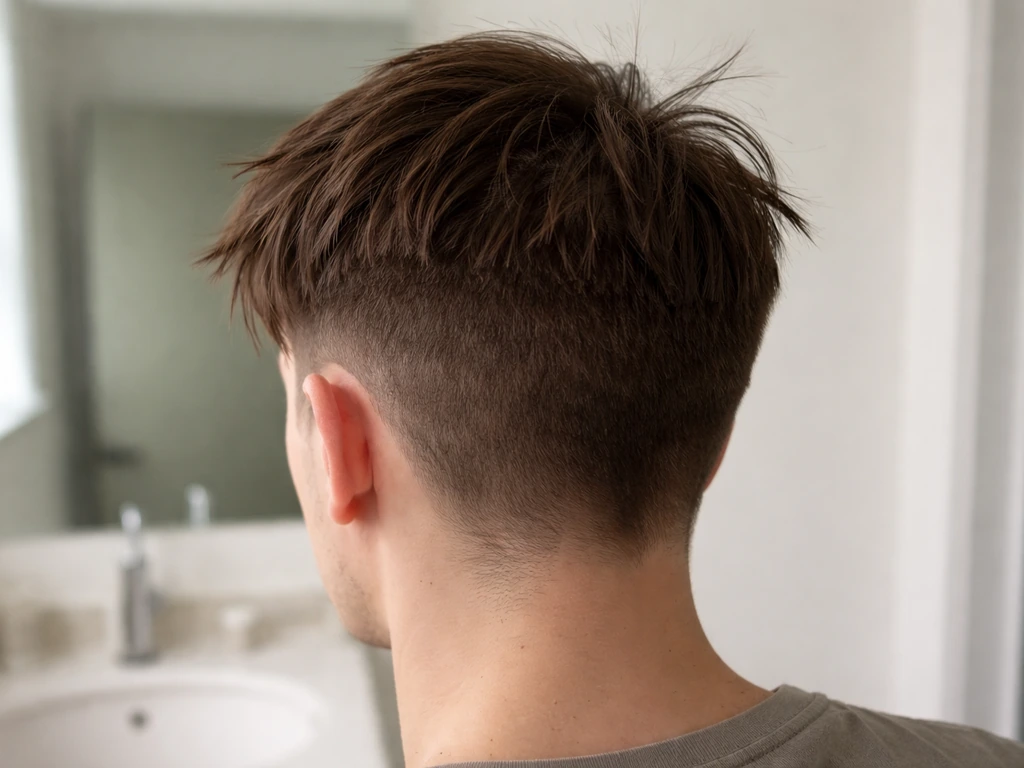
Hair is going from buzz-short to that awkward length that just flops forward or sticks out sideways. If you're also trying to figure out whether your fringe should grow out, keep in mind that the same awkward middle phase applies to bangs and front sections too should i grow out my fringe. There's nothing to style yet, really. The best thing you can do here is resist the urge to clean up the sides with a tight fade, because that will just mean more growing to do later. A gentle taper is fine, but avoid anything that removes a lot of length.
Months 3 to 6: the shaggy middle
Hair is now 1.5 to 3 inches and looks intentionally grown-out to some people and unfinished to others. This is where most people give up. Don't. Light styling products (a small amount of pomade or a texturizing cream) can make this phase look deliberate. If you have an undercut, this is a common time to decide whether to grow out the sides too or keep the undercut and go for a man bun undercut style, which is a valid destination in itself.
Months 6 to 10: first ties possible
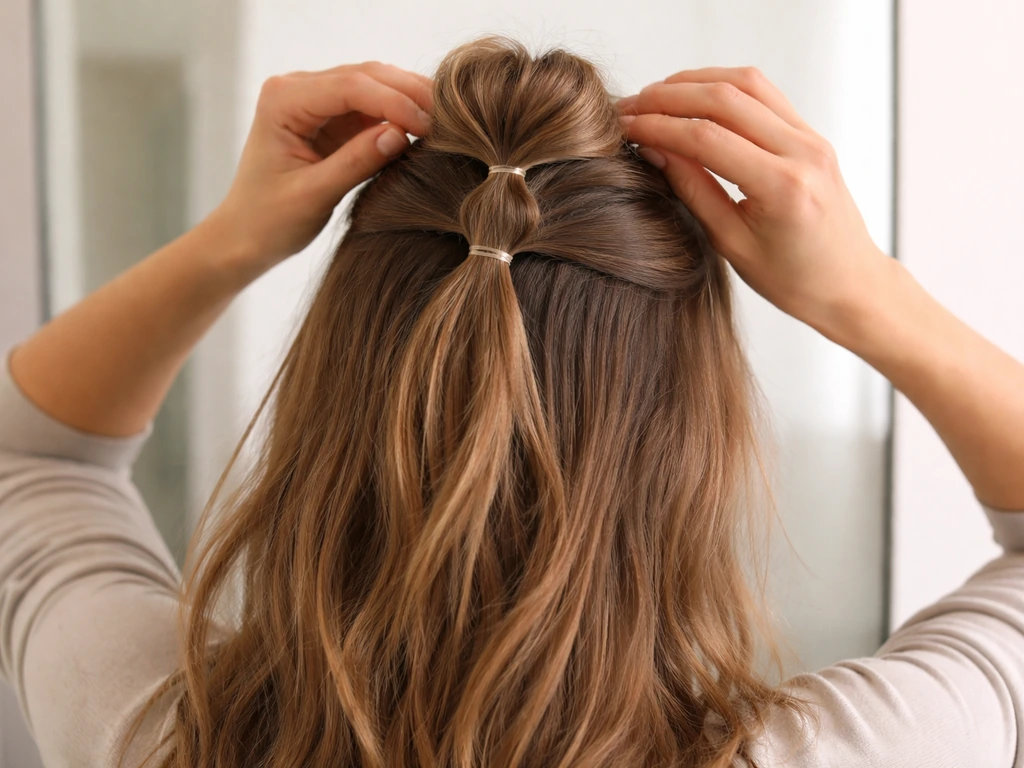
You're getting close to 6 inches on top and at the front. This is when a small bun becomes possible if you use the two-elastic method. Shorter layers and the sides may not reach the bun yet, so you'll have some shorter pieces falling out. That's normal. Work with it rather than fighting it.
Months 10 to 18+: building toward a full bun
Hair is between 6 and 12 inches depending on your growth rate and starting point. A half-up bun is easy and looks great here. A full bun is possible but may still have shorter pieces that escape. Getting a single light dusting trim (just the ends, not the length) during this phase is worth it to keep things looking polished without sacrificing progress.
Best ways to grow and shape for a bun without looking awkward
The single most useful thing you can do during the grow-out is to get occasional trims that shape rather than shorten. Ask your barber or stylist to clean up the perimeter and remove split ends without taking off length. This prevents the triangular, bushy shape that some grow-outs develop mid-process.
If you're growing from an undercut, you have a decision to make early on. Many people grow the sides out alongside the top, transitioning from a man bun undercut to a full bun as the sides catch up. Others keep the undercut throughout. Both work, but if you keep the undercut, the sides will never reach the bun and you'll always have that shaved-sides look, which is a perfectly valid style, just not a full all-over man bun. Thinking about this early means you won't be surprised six months in.
Cowlicks at the crown or hairline are not a deal-breaker. They're easiest to manage by keeping those sections a touch shorter than the rest during the grow-out, then using a strong-hold pomade or gel and combing in the natural direction of the cowlick rather than against it. Trying to fight a cowlick with product usually just makes it spring back harder.
Styling during the in-between phase
The awkward phase is real, but it doesn't mean you have to walk around looking like you forgot to get a haircut. Here are the options that actually work at different mid-growth lengths.
Half-up styles and small ponytails
As soon as the top section is long enough to gather (usually around 3 to 4 inches), a half-up ponytail or half-up bun is your best friend. It looks intentional, keeps hair out of your face, and works for almost any setting. Use a soft hair tie rather than a rubber band to avoid creasing and breakage.
Clips, headbands, and pins
A simple headband pulls the growing sides and top back cleanly when things are between 2 and 5 inches. Claw clips and large bobby pins can also hold sections out of your face during the worst of the floppy phase. These aren't just for women's hair: they're practical tools that any grow-out benefits from.
Texture and waves
Adding texture is one of the best ways to make medium-length grow-out hair look styled. A sea salt spray applied to damp hair and left to air-dry creates natural wave and body without making hair feel sticky or crunchy. For curly or wavy hair, a lightweight leave-in conditioner applied to wet hair keeps frizz down and enhances your natural pattern so the grow-out looks like a choice.
Slick-back
Once you have 3 to 5 inches of length, a slick-back with a medium-hold gel or pomade is a clean look that works well in professional settings and buys time before the full bun is possible. Apply to damp hair, comb straight back, and let it dry in place.
Working with braids
If you have enough length and the patience to learn, even simple two-strand twists or a basic braid at the crown can manage mid-length hair and look deliberate. This is especially useful for those with coily or naturally textured hair, where loose mid-length hair can become quite full and hard to manage without structure.
How to secure and care for your bun once it's there
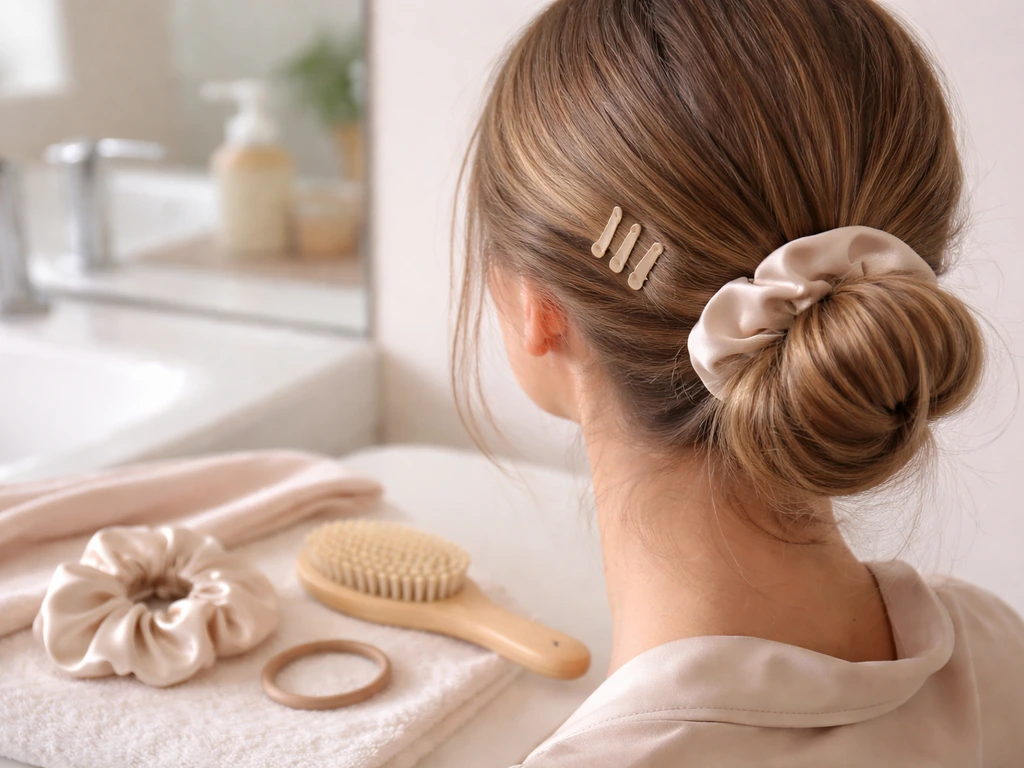
Getting to bun length is one thing. Keeping your hair healthy once you're tying it daily is another challenge entirely, and it's worth thinking about before the traction damage starts.
Tying without causing damage
Tight tension at the hairline is the main enemy of long-term bun wearers. Traction alopecia is a real risk: styles that consistently pull on the hair follicle can cause hair loss along the front hairline, temples, and occipital region at the back. The fix is to tie your bun loosely enough that you don't feel pulling at the scalp, use fabric-covered or spiral elastics rather than tight rubber bands, and vary where on your head you place the bun from day to day so the same follicles aren't under constant stress.
The two-elastic method mentioned earlier is also lower tension than a single tight wrap: loop the first elastic once to hold, then fold the tail through the second elastic for shape. You get a held bun without cinching everything down hard.
Products for daily wear
Start on clean, dry or slightly damp hair. A dime-sized amount of hair oil or leave-in conditioner smoothed through the length before tying reduces friction inside the elastic and keeps the ends from drying out. For flyaways and the hairline, a small amount of wax stick or edge control product tames without heavy stiffness. Avoid heavy gels on the scalp itself, as daily use can cause buildup and potentially clog follicles.
Scalp and hair health basics
Wash regularly enough to keep the scalp clean, but not so often that you strip natural oils (two to three times a week works for most hair types in a bun). Deep condition every one to two weeks if your hair is dry or color-treated. Sleep with hair in a loose, low braid or low ponytail rather than a tight bun to reduce overnight tension and breakage. A silk or satin pillowcase is genuinely worth it if you grow your hair long: it cuts down on friction and morning frizz significantly.
When to skip the man bun or adjust the plan
A man bun isn't the right destination for everyone, and that's worth being honest about before you invest a year or two growing toward it. If you are wondering whether you should grow out your hair as a man, the key is whether you can handle the awkward in-between phase and still keep the cut looking intentional should i grow out my hair male.
- Thinning hair or a receding hairline: If your hairline is actively receding or you're experiencing diffuse thinning at the crown, tight bun styles will accelerate that loss. A looser, lower bun is less risky than a tight topknot, but if thinning is significant, a shorter length that doesn't require daily tension is kinder to your scalp long-term.
- Very prominent cowlicks at the crown: A cowlick right at the crown can make a bun sit at an odd angle or create a visible parting in the bun. This isn't always a deal-breaker, but it does mean your bun will rarely look perfectly smooth, which bothers some people more than others.
- Low time for maintenance: A man bun at full length takes real daily upkeep. Washing, conditioning, detangling, and tying properly adds 10 to 20 minutes to your routine. If you're genuinely not going to do that consistently, the hair will show it.
- Keeping an undercut or layers: If you want to keep a defined undercut or heavily layered cut, a full man bun may never look seamless because the shorter sections won't reach. A half-up bun or man bun undercut might be a better permanent destination than a full bun.
- Very fine or low-density hair: Fine hair can absolutely be tied into a bun, but it won't have the same fullness and can look sparse. A low, loose bun or braided bun tends to look better on fine hair than a tight high topknot.
If any of these apply to you, that doesn't mean you have to give up on longer hair entirely. Growing your hair out male-style to a medium length with versatile styling options might give you what you actually want without committing to a full bun. It's worth thinking about what you like about the man bun look and whether there's a length or style that gets you there with fewer trade-offs. Similarly, if you're also thinking about whether to grow out the sides of your hair or whether to grow out an undercut, those decisions interact directly with whether a full bun is even achievable from your current cut.
Your next steps
If you've read this far and still want the bun, here's what to do today: stop cutting the top and crown sections, decide whether you're keeping or growing out your sides, and book a shape-up trim (not a length trim) every two to three months to keep things looking intentional while you wait. Stock up on soft elastics, a leave-in conditioner, and a sea salt spray for the in-between phase. Set a realistic calendar expectation based on your starting length, and don't measure success by whether you can tie a bun yet. Measure it by whether your hair looks good at each stage, because with the right styling approach, it can.
FAQ
If my hair is short right now, how do I know when I’m actually close to bun length (not just “almost”)?
Track by what your hair can do, not just inches. When you can gather the top into a ponytail at the crown without it springing out immediately, you are usually within the 3 to 4 inch range and a half-up style is next. A true small bun typically needs hair that can wrap through a second elastic, which usually only becomes reliable around the 6 inch mark for most people.
Will a man bun look good if I have cowlicks or my hair grows in multiple directions?
Yes, but plan your tie point. Keep the sections that misbehave slightly shorter during grow-out, then comb in the cowlick’s natural direction and use a strong-hold product on the top before tying. Also rotate the bun position occasionally (for example, slightly more forward one week, more back the next) so the same follicles are not constantly pulled in one direction.
How tight should I tie it, so I can wear it daily without damaging my hairline?
It should feel secure enough that the bun does not slide, but you should not feel pulling at the scalp. A good test is whether you can fit a finger between the elastic and your skin without resistance. If you need to yank the hair to get it to sit, switch to a looser tie, reposition higher or lower, and consider a fabric-covered or spiral elastic instead of a standard tight rubber band.
Are there ways to make a man bun work if my hair is very fine and tends to droop?
Use structure on damp hair before tying. A lightweight texturizing product or sea salt spray can add grit and grip, then let it dry before you secure it. If droop continues, try a lower bun with a fuller hold (more hair mass collected) and consider a half-up bun on short days, since it holds better than a flat crown tie.
How often should I trim while growing to keep the bun looking intentional?
Aim for shape maintenance every two to three months rather than frequent length cuts. Tell your barber you want split ends removed and the perimeter cleaned up, not a shorter haircut. During the 6 to 12 inch phase, a light dusting at the ends can prevent scraggly edges that make bun shape look messy, even if length is still growing.
If I have curly hair, how do I stop frizz at the hairline when I wear a bun?
Hydration is the key difference-maker. Use a lightweight leave-in conditioner on wet hair, then apply a small amount of gel or strong-hold product to the perimeter only. Let it set fully before tying, and avoid heavy oils at the hairline since they can increase flyaways and make curls loosen around the elastic.
Should I grow the sides out too, or keep an undercut if I want a bun?
Both can work, but they change what “bun” means. If you keep the undercut, the sides will never fully contribute to bun fullness, so you will always have a contrasted shaved-sides look (more of a topknot bun style). If you grow them out, you get a more unified all-over bun but you will spend more time in the awkward middle where sides are lengthening unevenly.
What’s the best half-up style to use during the awkward stage when I still can’t tie a bun?
A half-up ponytail or half-up bun at about the crown is the most versatile option. Use a soft hair tie to reduce creasing, and keep the rest of your hair free so it can still look natural rather than overly “trained” by straps. This also buys time for the sides to catch up without constantly cutting or fading.
How should I sleep if I’m growing hair for a bun and tying it daily?
Avoid sleeping with a tight bun or a high tension tie. Instead, use a loose low braid or a loose low ponytail to reduce overnight traction, then choose a silk or satin pillowcase to cut friction. This helps with morning frizz and reduces breakage at the elastic contact points.
Is it worth using a two-elastic method for bun making, or will a single elastic be fine?
The two-elastic method is usually more comfortable and more stable. It reduces the need for a tight cinch, which can lower traction risk at the hairline. It also creates a more “finished” bun shape because the second elastic helps fold and shape the tail without compressing everything down.
Can I wash less or more often once I start wearing a bun regularly?
Most people do best with two to three washes per week to keep the scalp clean without stripping oils. If your hairline gets flaky or itchy, you may need more frequent washing or to ensure product is not building up under the elastic. Deep condition every one to two weeks if your hair is dry, color-treated, or feels rough after shampooing.
What if I’m growing toward a man bun but realize I don’t want the final look anymore?
You do not have to restart from zero. If you decide you like the length but not the bun, you can shift to medium-length styles that do not require a daily crown tie, like a textured crop length with side styling or a loose, off-the-face middle section. This lets you keep hair that you already invested in while reducing traction and time spent managing a bun daily.