
Yes, you should grow out your hair if you have a clear reason for wanting it longer, the patience to handle roughly 3 to 6 months of awkward in-between length, and a basic maintenance routine you'll actually stick to. That's the honest short answer. The longer answer depends on where you're starting from, what your hair actually does when it grows, and how much friction you're willing to deal with along the way.
Should I Grow Out My Hair as a Man Step-by-Step Plan

Marcus Vickers
13 Apr 2026
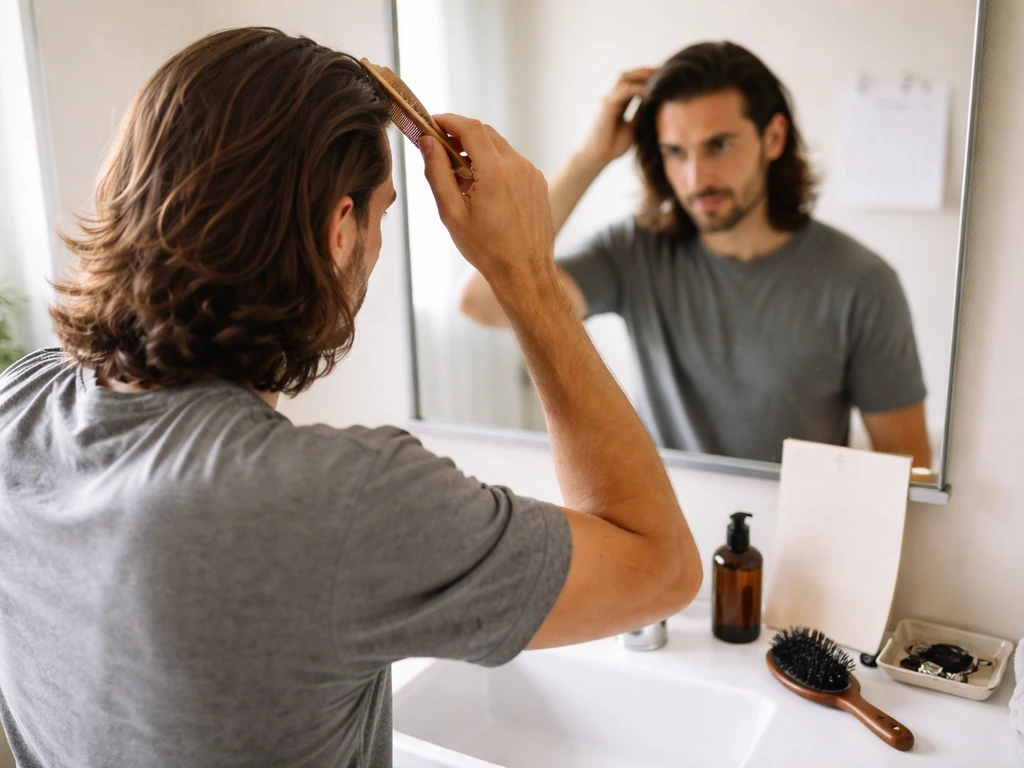
Should you actually do this? A quick decision framework
Before you put down the clippers, run through these four checkpoints. They're not meant to talk you out of it. They're meant to make sure you go in with realistic expectations and the right motivation.
- Do you have a clear goal length or style in mind? Growing out 'just to see' often stalls at the first awkward stage because there's no finish line to push toward. Pick a reference: shoulder-length, a bun, curtain bangs, a specific cut. Even a rough target keeps you going.
- What's your face and neckline situation? Longer hair can soften a strong jawline, balance a narrow face, or frame features you want to highlight. But if you hate the feeling of hair on your neck or ears, be honest with yourself — the grow-out phase will test that tolerance hard.
- How much maintenance will you realistically do? Longer hair isn't harder to maintain than short hair, but it is different. It needs moisture, detangling, and occasional trims. If your current routine is rinse-and-go, you'll need to add two or three small habits.
- Are there workplace or social constraints? Some workplaces genuinely have grooming expectations. If you need to look polished through the grow-out, that's a styling problem you can solve, but it does require more effort during the middle months.
- What's your starting length? A buzz cut takes longer to reach a tie-back length than a short crop or a longer top with faded sides. Knowing your starting point sets the realistic timeline.
If you answered those honestly and still want to do it, keep reading. If you're unsure about one specific part of the decision, like whether to keep the sides clipped while growing the top, the question of whether to grow out the sides of your hair is worth thinking through separately before you commit.
How fast will it actually grow, and what does the timeline look like?
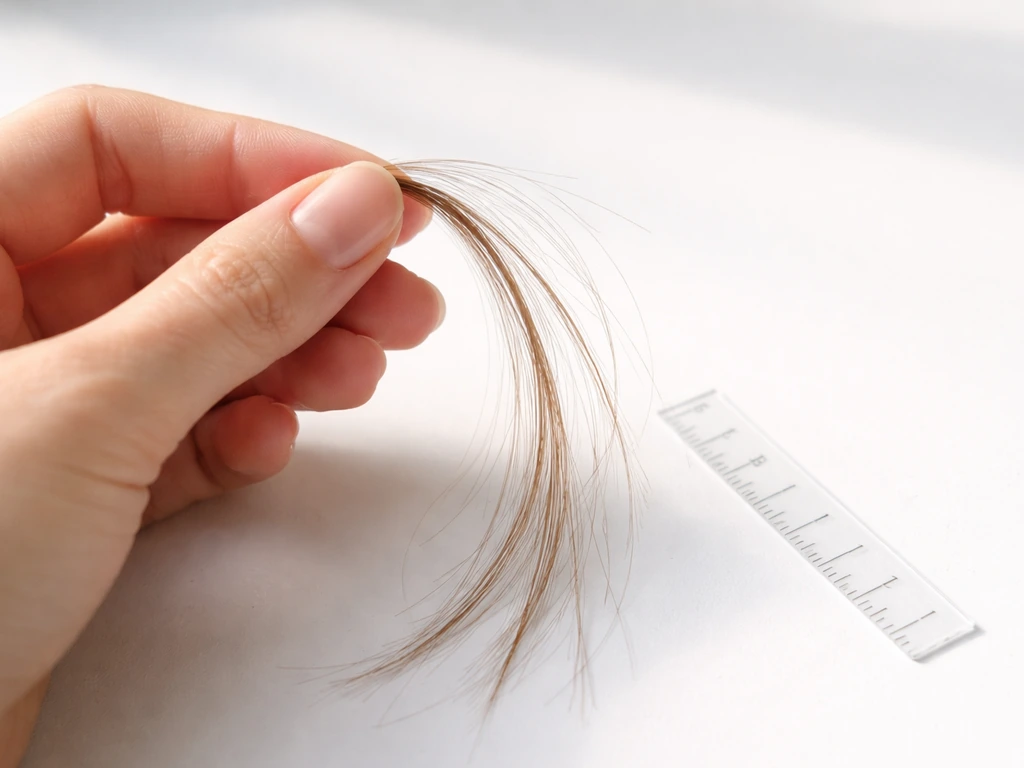
Hair grows at roughly 0.5 inches (about 1.25 cm) per month on average, which works out to around 6 inches per year. That's the widely cited figure, and it's a useful benchmark. But it's an average, not a guarantee. Some people grow closer to 0.3 inches a month; others hit 0.7 inches. Genetics, nutrition, age, and stress all play a role. The anagen (active growth) phase varies person to person, so if you feel like your hair 'just stops growing,' it may be that your growth phase is shorter, not that you're doing something wrong.
Here's a rough timeline from common starting points to a length you can actually style with some flexibility:
| Starting Point | Time to Ear-Length | Time to Chin-Length | Time to Shoulder-Length |
|---|---|---|---|
| Buzz cut / very short (under 0.5 in) | 4 to 6 months | 10 to 14 months | 18 to 24 months |
| Short crop / textured top (1 to 2 in) | 2 to 4 months | 7 to 10 months | 14 to 18 months |
| Short undercut or faded sides with longer top (2 to 4 in) | 1 to 3 months on top | 5 to 8 months | 12 to 16 months |
| Bob or longer short style (4 to 6 in) | Already there or close | 2 to 4 months | 8 to 12 months |
These ranges assume no major trims. The real-world timeline shifts if you're managing split ends with regular cuts, if your sides or back are a different length than your top, or if you're dealing with previously colored or heat-damaged hair that breaks before it can gain length.
Your first steps on day one
- Stop all regular clipping or trimming on the sections you want to grow. Sounds obvious, but a lot of people keep tidying the sides out of habit and then wonder why progress is slow.
- Take a photo right now from the front and side. You'll be amazed how much you stop noticing growth day-to-day, and a monthly comparison photo is genuinely motivating when you feel stuck.
- Book a shape-up at around the 8-week mark, not a trim for length, but a clean-up of the shape so the grow-out looks intentional rather than neglected.
- Start moisturizing if you don't already. Even if your hair is short, a lightweight leave-in conditioner now means less breakage later when strands are long enough to tangle.
Getting through the awkward stages without losing your mind
The awkward phase is real, and it's the main reason people abandon the grow-out. It usually hits hardest between month two and month five, when hair is too long to stay neat on its own but too short to do anything useful with. Here's how to handle each length milestone.
Months 1 to 2: The prickly stage
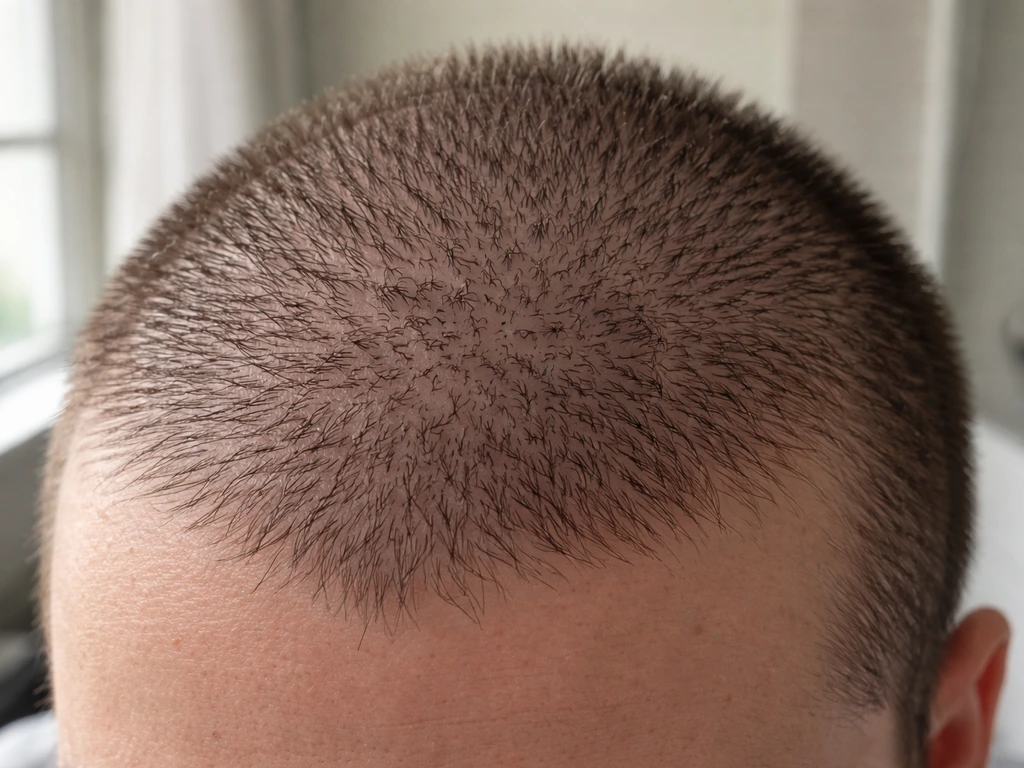
This is especially uncomfortable if you're starting from a buzz cut. Hair is poking out everywhere and sitting up rather than lying flat. The fix here is texture products. A matte clay or paste gives you enough control to push the hair into a deliberate direction rather than letting it stick out randomly. Don't try to make it look 'polished' at this stage, lean into the textured, slightly tousled look instead.
Months 2 to 4: The ear-covering, neck-tickling phase
This is the one most men cite as the reason they give up. Hair is covering the ears and brushing the neck but won't cooperate. A few strategies that actually work: tuck behind the ears deliberately (it looks intentional and keeps hair out of your face), use a small amount of pomade or wax to train the hair to stay in a direction, and consider a loose headband or cloth band for casual settings. You won't be able to tie it back yet in most cases, but pushing it back creates a similar visual effect.
Months 4 to 6: The almost-there stage

This is when a small bun or half-up style first becomes possible for some people, depending on texture. Coarser, curlier hair can often pull into a tiny bun earlier. Fine or straight hair takes longer. If a man bun is your actual end goal, the decision to grow a man bun comes with its own set of considerations around face shape and hair thickness that are worth reading through at this point.
Managing bangs and face-framing sections
Front sections grow fastest and become annoying quickest. If you've started with a fringe or short bangs, they'll be in your eyes before the rest of your hair has caught up. You have two practical options: pin them to the side with a clip or use a texture product to push them back while the rest catches up, or get a shape trim that blends them into a longer curtain-style fringe rather than a blunt front. If you're actively debating whether to keep a fringe during the grow-out, the question of whether to grow out your fringe is genuinely its own decision with different tradeoffs.
Styling through the transition: what works for different hair types and preferences
There's a persistent idea that growing out hair is a 'female' goal with 'female' styling solutions, but that's not really how it works in practice. The awkward stages hit everyone, the styling challenges are mostly the same, and the products that help don't care what gender you are. That said, styling expectations and preferred aesthetics do differ, so here's a practical split.
For a more masculine-leaning look during the grow-out
The main goal is keeping the grow-out looking deliberate rather than unkempt. Matte products work better than glossy ones for this. Keeping the sides and back neat (whether that means a slight taper or just clean edges) while the top grows gives the whole thing a structured look even when length is awkward. Curtain parts, slicked-back styles, and textured quiffs all work well through months three to six. Avoid trying to force fine or limp hair into a style it can't hold without product; work with the texture you have.
For a more feminine-leaning or gender-neutral look
Softer styling tools matter more here. A round brush while blow-drying adds body and shape at ear length and beyond. Soft headbands and hair clips are both practical and deliberately stylish at the awkward stage. Half-up styles work from around month four onward. If you're working with natural texture, the grow-out is actually a good time to start experimenting with curl-enhancing products, since curl definition often improves as length adds weight to the pattern.
Matching strategy to hair type
| Hair Type | Awkward Stage Challenge | Best Styling Approach |
|---|---|---|
| Fine / straight | Lies flat, shows every uneven section clearly | Texturizing spray or light salt spray for grip; blunt cuts at shape-ups to add visual density |
| Thick / straight | Gets heavy and puffy before it gets long enough to weigh down | Light thinning at shape-ups; matte pomade to direct bulk |
| Wavy | Goes frizzy and undefined at short-medium length | Curl cream or light mousse while damp; air dry over blow dry where possible |
| Curly / coily | Shrinkage makes progress hard to see; tangles increase fast | Deep conditioning weekly; wide-tooth comb from ends up; let length reveal itself over time |
Transition problems you'll probably run into (and how to fix them)
No grow-out goes perfectly smoothly. Here are the most common practical problems and what to actually do about them.
You have an undercut and the sides look disconnected
This is probably the most common structural problem men face during a grow-out. If your sides are significantly shorter than your top, the transition from short sides to longer top will go through a very awkward 'mushroom' or 'helmet' phase. You have two options: keep maintaining the sides at a slightly longer guard setting every few weeks, gradually blending them up toward the top, or commit to growing the sides simultaneously and accept the blunt transition for a few months. If you're currently sitting with an undercut and haven't decided yet, the guide on whether to grow out your undercut breaks down both paths clearly.
Layers from a previous cut are creating weird shapes
As hair grows out, old layers create uneven lengths that can look shaggy or misshapen. A good stylist can 'dust' the ends (removing just 0.25 to 0.5 inches) to even out the shape without sacrificing meaningful length. Ask specifically for a 'grow-out shape' rather than a trim, which tends to signal 'take off a normal amount.'
Split ends are snapping off your progress
Split ends don't just look bad; they break further up the shaft over time, which genuinely slows visible length gain. A micro-trim every 10 to 12 weeks removes the splits without losing more than what would have broken anyway. Pair that with a protein treatment or a bond-strengthening product if your hair has heat damage or chemical processing history.
What to actually do for maintenance while you wait
Maintenance doesn't need to be complicated, but it does need to be consistent. Here's what matters most at each stage of the grow-out.
Washing and conditioning
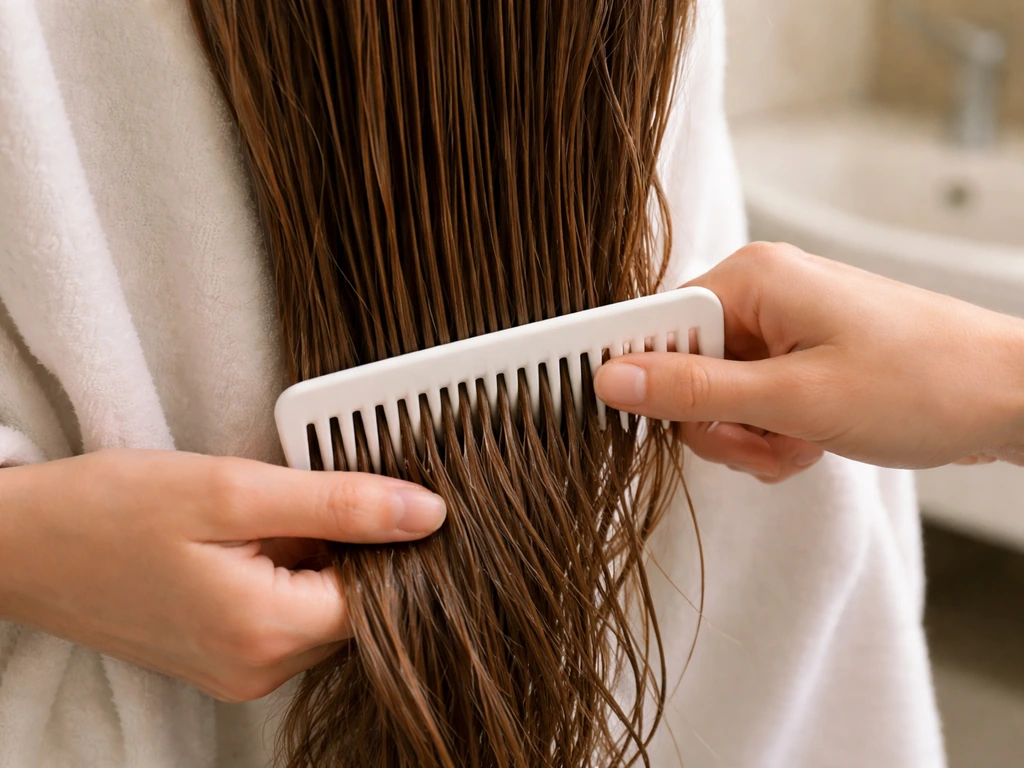
For most hair types, washing every two to three days is better than daily washing during a grow-out. Daily shampooing strips natural oils that help protect hair as it gets longer. If your scalp gets oily fast, try a dry shampoo on day two and wash on day three. Conditioner on the mid-lengths and ends is non-negotiable once you're past two inches. Fine hair can use a lightweight formula; thicker or curlier hair benefits from something heavier, like a cream conditioner or a deep treatment once a week.
Brushing and detangling
blank" rel="noopener noreferrer">Start detangling from the ends and work upward. Never drag a brush from root to tip when hair is tangled. A wide-tooth comb on damp hair is the safest tool. If you've never thought much about how you brush or detangle, it genuinely blank" rel="noopener noreferrer">makes a difference to breakage rates once hair is past ear length. For curlier textures, finger detangling with a conditioner or detangling spray before combing saves a significant amount of breakage. In r/curlyhair discussions about detangling, people often recommend starting from the ends and working toward the scalp to help avoid breakage start from the ends and work toward the scalp.
Trims: when and how much
The general rule is a small shape trim every 10 to 12 weeks if you're growing for length, and every 6 to 8 weeks if you're managing a specific shape (like keeping sides neat while the top grows). Trim less than you think you need to, especially in the first six months when every quarter inch feels precious.
Color and chemical treatments
If your hair is bleached, colored, permed, or relaxed, the grow-out is harder. Processed hair breaks more easily and shows damage faster. Prioritize bond-strengthening treatments (products containing ingredients like hydrolyzed keratin or maleic acid), reduce heat styling as much as possible, and be honest with your stylist about the treatment history. Growing out color also means dealing with a visible regrowth line, which some people embrace and some people manage with toner or a balayage blend to soften the contrast.
When to rethink the plan (and when to push through)
Growing out is worth sticking with for most people, but there are real situations where adjusting the plan is smarter than grinding forward.
Cowlicks and stubborn growth patterns
Cowlicks don't disappear as hair gets longer, but they do become more manageable. At short lengths, a cowlick at the crown or hairline can make hair stick up or refuse to lay flat. Once length adds weight, the same cowlick is much easier to work with. If you're in the difficult three-to-four month window with a persistent cowlick, blow dry the section downward with medium heat and a brush to train it before it dries. It takes time, but it does work.
Thinning and hairline changes
If you've noticed significant thinning or recession at the temples or crown during the grow-out, that's worth taking seriously before you invest another year in length. Diffuse thinning can make longer hair look less dense than shorter hair, which works against your goals. A dermatologist or trichologist can tell you whether what you're seeing is normal shedding (which averages 50 to 100 hairs a day), stress-related telogen effluvium, or something that warrants treatment. Catching it early keeps your options open.
When damage is outpacing growth
If your ends keep snapping off at roughly the same length no matter how long you wait, breakage is outpacing growth. This usually means you need a more aggressive moisture or protein treatment protocol, reduced heat, and a single proper cut to remove all the damaged length before starting again from healthy hair. It's frustrating, but a clean reset grows out faster than perpetually damaged ends.
The 'is this still what I want?' check-in
At around the six-month mark, do an honest check-in. Do you like the direction this is going? Are you maintaining it with any consistency? Has your goal changed? Growing out for the right reasons, because you genuinely want the length or style, is very different from growing out because you feel like you already started. It's completely valid to decide you prefer shorter hair after seeing it grow for half a year. That's not failure; that's useful information. And if you're still going strong and wondering about the broader community experience at that stage, what men on Reddit actually say about growing out their hair is a surprisingly grounding read for the mid-point doubt phase.
So where do you go from here?
If you've decided to grow it out, your next steps are: stop trimming the sections you want longer, get a shape-up at week eight to keep the grow-out looking intentional, start conditioning consistently, and take a photo today so you have something to compare against in month three when progress feels invisible. That's the whole starting plan. Everything else you'll figure out as each stage arrives.
The awkward phase is real, but it's also finite. Most people who push through month three to five find that the rest of the grow-out gets progressively easier as length gives you more options. The people who abandon it almost always do so in that exact window, right before things start working in their favor. Don't be that person. Go take the photo.
FAQ
How do I know whether growing out will actually reach the style I want?
If your main reason is appearance, decide what “good length” means for you (ear length for covering the sides, jaw length for a fringe that can be styled, or shoulder length for buns). A simple test is to pick a target styling you actually want to wear (quiff, curtain fringe, half-up) and estimate how long it takes your current hair type to reach it, then commit to that timeline for at least 12 weeks before judging.
Should I keep the sides shorter while I’m growing out my hair male, or just let everything grow together?
Yes, but only if you do it intentionally. Keep the top growing, maintain the sides/back at a consistent guard length every 3 to 5 weeks, and ask for a “grow-out blend” rather than removing bulk. If you shave the sides too aggressively, you will create more mushroom, helmet, and ear-cover frustration later, which usually increases the chance you quit.
Is it a good idea to dye my hair while I’m growing it out male?
Tint or dye can absolutely work during a grow-out, but it increases breakage risk and the “regrowth line” gets more obvious as months pass. If you want color, prefer a root-friendly approach (toning or a soft blend) and reduce heat to prevent color-treated ends from snapping before they can gain length.
What if my hair gets oily or looks limp during the grow-out?
If you want to avoid that “flat and greasy” look, adjust timing and technique rather than skipping wash. Washing every 2 to 3 days, using conditioner on mids and ends only, and drying hair promptly can make a bigger difference than changing frequency. If you must stretch days, use dry shampoo on the scalp lightly (not on the ends) and brush through to distribute product.
How can I tell if I’m dealing with breakage instead of just awkward grow-out length?
Look for two breakage signs: visible flyaways that feel rough and shorter ends compared to the rest. If it’s breakage, you’ll usually see inconsistent lengths even with careful styling, and your hair may not visually progress at the same rate. The fix is a temporary “damage stop” plan (less heat, more conditioning/bond repair, then a cut to remove the snapping ends) rather than continuing to wait.
What’s the best way to measure progress so I don’t quit too early?
Set expectations by tracking length from the same reference point each month, like from your crown or from above your ear to your desired marker (bottom of ear, jawline, etc.). A photo every two weeks in the same lighting and camera distance helps, because texture changes and product buildup can make hair look longer or shorter than it is.
Can I still grow out my hair if I have dandruff or an itchy scalp?
If you’re dealing with dandruff, growing out often makes flakes more noticeable, because hair holds onto irritants and oil. Use a medicated anti-dandruff shampoo as directed, focus application on the scalp, and condition only the mid-lengths and ends. If itching or redness persists, get it checked because the “grow-out” plan won’t solve an underlying scalp issue.
What changes if my hair is thick, coarse, or very curly while growing it out male?
If you have thick or very coarse hair, you may need stronger shaping and more deliberate styling to reduce bulk while it grows. Try a lighter matte paste for control and blow-dry with tension to shape the sides, and avoid heavy glossy pomades because they can make the awkward months look extra bulky or stringy.
What should I tell a barber or stylist to avoid ruining my grow-out?
A single improper cut can derail the timeline. Ask your stylist for a “dusting for shape” or a “grow-out plan,” and communicate what you want to keep longer (top and fringe, for example). Avoid a standard haircut that removes obvious length from the sections you’re trying to grow, especially during the first six months.
Should I change my grow-out plan if I’m worried about thinning at the temples or crown?
If you’re experiencing persistent temple recession or noticeable crown thinning, treat it as a planning constraint, not a cosmetic preference. Consider consulting a dermatologist or trichologist early and ask about targeted options, because longer hair can sometimes make diffuse thinning look more obvious. Your best strategy may be a style that maintains density at the front while you address the cause.