
Yes, you should grow out your undercut, if you're at least a few months into the cut and genuinely want longer hair. The awkward phase is real, but it's manageable with the right trim schedule and a handful of go-to styles that carry you through the mismatched-length stages. Many barbers describe an awkward growth stage around weeks 7 to 8 for certain cuts, which is why a trim in that window can help [awkward growth stage around weeks 7–8](https://www.
Should I Grow Out My Undercut? A Step-by-Step Guide

Marcus Vickers
16 May 2026

myrendezvous. ca/paper/how-long-between-haircuts). If you're trying to decide whether you should grow out your hair male, this undercut grow-out checklist and timeline can help you set realistic expectations should i grow out my hair male. Most people quit during weeks 6 through 16, which is exactly when things are about to get easier.
Stick with it, and by month 4 to 6 the two lengths start to blend well enough that most people stop noticing the line entirely.
Should you grow it out or start fresh? A quick decision checklist
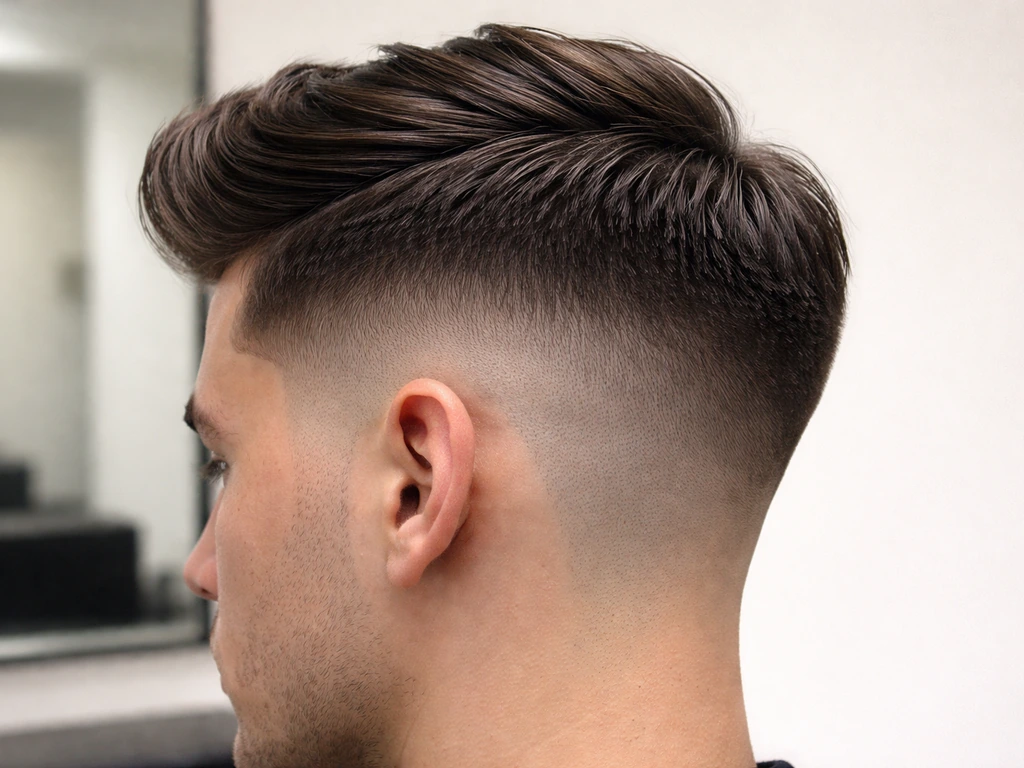
Before you commit to months of awkward growth, run through these questions honestly. They'll tell you whether growing out is actually the right call for you right now. If you are wondering should i grow out my fringe, it helps to think about how much length and maintenance you are willing to handle during the awkward phase.
- How much contrast does your undercut have right now? A skin fade into a long top is a much harder grow-out than a subtle disconnected undercut. The more dramatic the shave, the longer you'll be visibly growing.
- How long is your top hair currently? If your top is already 3 inches or longer, you have real styling options from day one. If it's under 2 inches, you're in for more patience before things look intentional.
- How fast does your hair grow? Average is about half an inch per month (roughly 1.27 cm). Some people hit closer to 0.75 inches. Know your own rate — it changes your timeline significantly.
- Do you have cowlicks, swirls, or heavy texture at the sides and back? These make the grow-out more visible because the hair doesn't lie flat as it fills in. Not a dealbreaker, but you'll need more product and styling time.
- Are you comfortable with a 4-to-6 week trim schedule during the process? Skipping trims to 'let it all grow' is the number one reason people end up with the harsh stripe look.
- Is your hair colored or chemically treated? A grow-out will reveal your natural root tone, which can look intentional or jarring depending on your contrast level.
- What's your daily styling tolerance? If you genuinely won't spend 5 to 10 minutes on your hair each morning, a grow-out is harder — but it's still doable with the right cut shape and products.
- Do you have a length goal in mind? 'I want it all one length' and 'I just want to soften the undercut a bit' are very different projects with different timelines.
If you answered yes to wanting longer hair, have at least 2 inches on top, and can commit to blending trims every 4 to 6 weeks, growing out your undercut is absolutely worth it. If you're on the fence about wanting longer hair at all, it's worth asking whether a restyled short cut, not a full grow-out, might actually be what you want.
What the grow-out timeline actually looks like
Here's the honest stage-by-stage breakdown. Hair grows roughly half an inch per month on average, so these timelines are based on that rate. Medical News Today reports that hair growth is often described as about 0.5 to 1.7 cm per month, depending on the person and how it is measured Hair grows roughly half an inch per month on average. Your personal growth rate, starting contrast, and trim schedule will all shift these windows slightly.
| Phase | Approximate Timeline | What's Happening | The Challenge |
|---|---|---|---|
| Early growth | Weeks 1–4 | Shaved or faded sides start showing stubble and slight fuzz. Top stays the same. | Looks intentional still — this is the easy part. |
| The visible gap | Weeks 5–10 | Sides have about 0.5–1 inch of growth. The line between short sides and long top is most obvious. | This is the hardest phase. The contrast is high and nothing blends yet. |
| Soft integration begins | Months 3–4 | Sides reach roughly 1.5 inches. You can start blending them into the top with a light taper trim. | Cowlicks and growth patterns become obvious as hair fills in. |
| Looking more intentional | Months 4–6 | Sides at 2–2.5 inches. A good blending trim makes the whole cut look like a textured layered style, not a grow-out. | Hair may stick out or curl differently at the sides. Product and blow-drying matter here. |
| Full integration | Months 6–12+ | Depending on your top length, the undercut boundary disappears into the overall style. You're essentially growing a uniform length now. | Patience. This phase feels slow, but hair is now all moving in the same direction. |
If you had a skin fade or very close shave, add about 4 to 6 extra weeks to the early phases. The sides need to reach at least half an inch before a barber can do meaningful blending work, and a skin fade starts from essentially zero. If you're wondering whether to grow out the sides, focus on how long it will take them to reach a length where blending becomes possible.
How to style it at every awkward stage
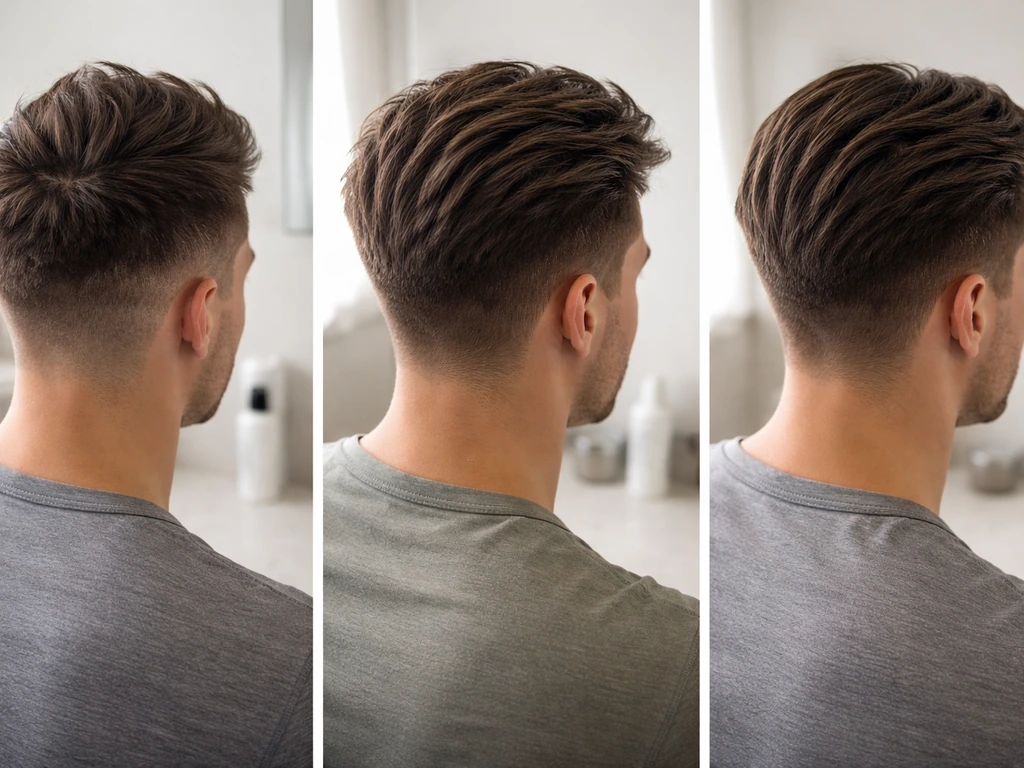
Weeks 1–4: Use what you've got
Your undercut still looks like an undercut at this point, which is actually fine. Style the top the way you normally would. If you have a quiff, slick-back, or textured crop on top, keep doing that. The sides aren't long enough to cause any styling drama yet, so this phase is mostly about deciding you're committed and not booking that cleanup appointment out of habit.
Weeks 5–10: The hardest stretch
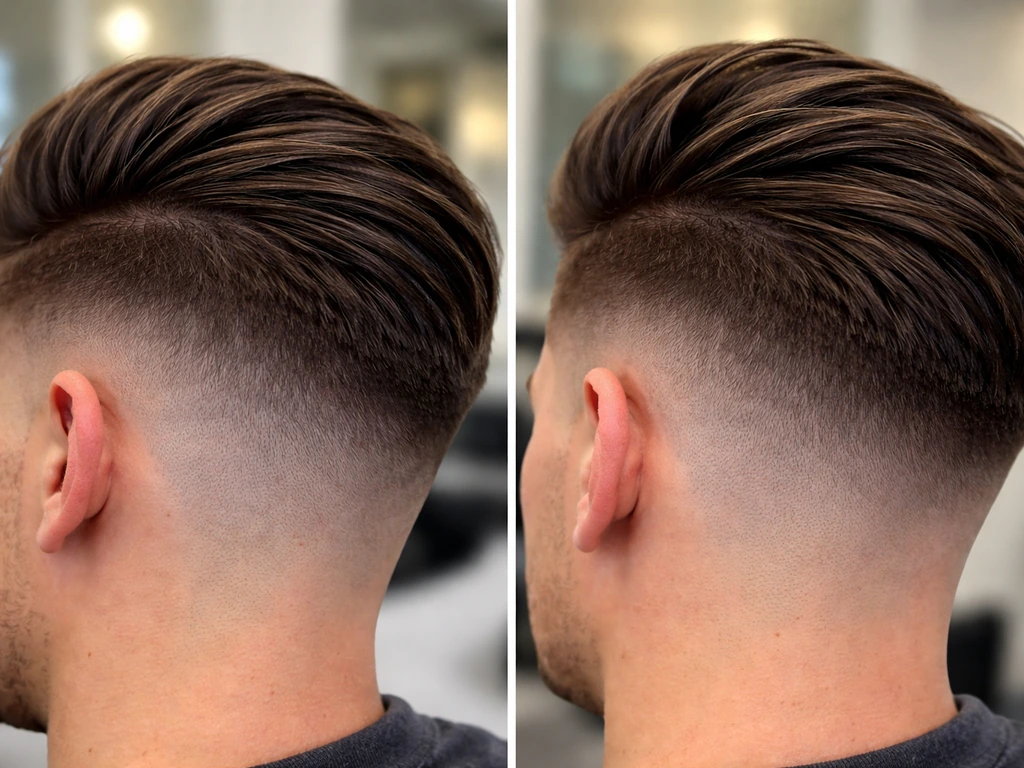
This is where most people bail, and it's also where styling becomes your best friend. The sides are long enough to look fuzzy or unkempt but not long enough to blend. Here's what actually works during this window:
- Slick the top back or to the side so the eye travels along the length rather than across the contrast line.
- Use a medium-hold pomade or cream on the sides to smooth down any frizz or flyaways — this visually softens the hard line.
- Try a deep side part if you have enough length on top. The part creates a deliberate shape that makes the different lengths look more styled.
- Headbands, clips, or a simple tuck-back work well here if your top is long enough. A headband pushed back 1 to 2 inches draws the eye to the face rather than the sides.
- Avoid styles that expose the sides too much — pulled-back buns or high ponytails will put the contrast on display. Low gathered styles or letting the top fall forward works better.
- Blow-dry the top downward over the sides slightly to visually bridge the gap.
Months 3–4: You can start getting creative
Once the sides hit about 1.5 inches, you have real options. A textured, piece-y style works well now, think tousled, slightly undone looks that make multi-length hair look deliberate rather than accidental. A light mousse or texturizing spray scrunch-dried gives the sides body so they don't look flat against a voluminous top. This is also when curtain bangs or a middle part start to become viable if that's the direction you're heading.
Months 4–6: Lean into the transition
By now the sides are in the 2-inch range and a skilled trim can make the whole thing look like a deliberate layered cut rather than a grow-out. Styles with movement work best: low loose ponytails, half-up styles, or a blown-out textured look all read as intentional at this length. If you're considering growing a man bun or longer style, this is when the top starts getting long enough to think about that seriously. If you're wondering should i grow a man bun, the best time to think about it is when the top is getting long enough to style with intention. The sides still won't be there yet, but the goal becomes clearer.
Trims and blending: how to avoid the stripe
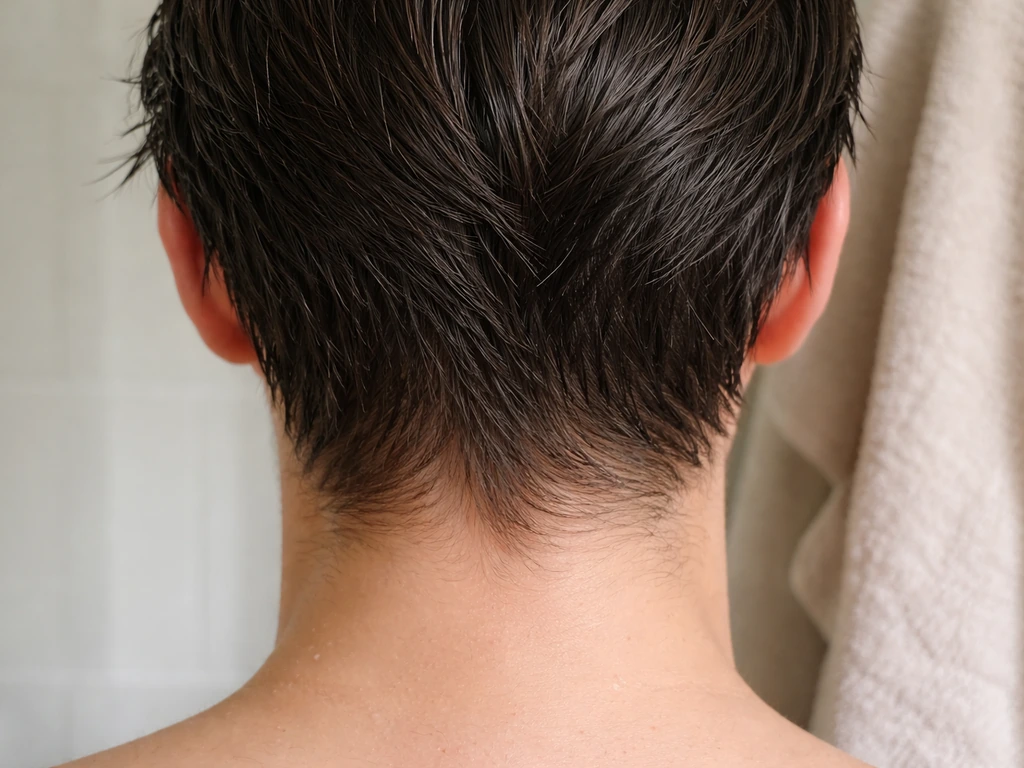
The 'stripe', that visible horizontal line where your undercut ends and your longer hair begins, is the main thing people are trying to avoid. The good news is that it's almost entirely preventable with the right trim schedule. The bad news is you have to actually go to the barber or stylist regularly, even when you're trying to grow.
Aim for a blending trim every 4 to 6 weeks during the grow-out. At 4 weeks your sides have grown roughly half an inch since the last visit, which gives a barber just enough to work with. Waiting much past 6 weeks, especially in the early stages, is when the contrast becomes stark and your options narrow. Barber research consistently backs up this window: tapered sides need attention around every 4 weeks, while longer styles can stretch to 6 or 7 weeks.
What to actually ask for: tell your barber or stylist you're growing out your undercut and want to soften the line without losing length on top or taking too much off the sides. The goal is a 'blended taper' or 'soft fade' that gradually steps down rather than dropping sharply from long to very short. A good barber will understand immediately. If they try to talk you into a cleanup that resets the undercut, find someone else, they're not listening to what you want.
Once the sides hit about 2 inches, you can ask for the sides to be texturized and point-cut to reduce bulk and help them blend visually with the top. This is different from a taper, it's more about reducing weight so the sides move more like the top hair does.
Dealing with cowlicks, texture, swirls, and thickness
This is where the grow-out gets personal. Hair texture and growth patterns affect how the sides fill in, and if you have any of the following, you need to plan around them specifically.
Cowlicks and swirl patterns
Cowlicks at the crown or nape become more visible as the sides grow in because the hair starts growing in multiple directions that compete with each other. You can't fight a cowlick, you can only work with it. Blow-drying with a round brush in the direction you want the hair to go, while the hair is about 80 percent dry, trains it over time. A strongish hold cream (not gel, which cracks) applied to a cowlick section while still damp, then blow-dried, gives the most control. If a cowlick is at the nape, a blending trim that takes just a little length off that area reduces the 'poof' that cowlicks create as hair grows out.
Curly or wavy texture
If your sides are curly or wavy, they'll look shorter than straight hair at the same length because the curl contracts the strand. This means your visual grow-out will lag behind your actual growth, so don't be discouraged if the sides look like they're barely growing. They are. A curl-defining cream applied to damp sides and left to air dry reduces frizz and makes the sides look fuller and more purposeful. Avoid brushing curly sides when dry, it creates frizz that exaggerates the contrast line.
Very thick or coarse hair
Thick hair is actually easier to blend because it has more body and visual mass. The downside is that thick sides can stick out at an angle rather than lying down during the early growth phase. A heavier hold pomade or a smoothing balm applied to slightly damp sides and blow-dried flat solves most of this. Ask your barber to point-cut or texturize the sides at each visit, removing bulk without removing length, which helps thick hair sit closer to the head as it grows.
Fine or thin hair
Fine hair grows out more transparently, which actually makes the contrast line less obvious, but it also means the sides can look wispy and unkempt during the mid-stage. A lightweight volumizing mousse applied at the roots of the sides before blow-drying adds body. Avoid heavy oils or thick pomades on fine sides; they weigh the hair down and make it cling to the scalp, which emphasizes the line rather than hiding it.
Keeping comfortable while you grow
Growing out an undercut creates some practical discomfort that people don't always expect. The sides at 1 to 2 inches are often the itchiest and most unruly stage, they're long enough to tangle but short enough that they don't lay flat or cooperate with styling. Here's how to manage that daily reality.
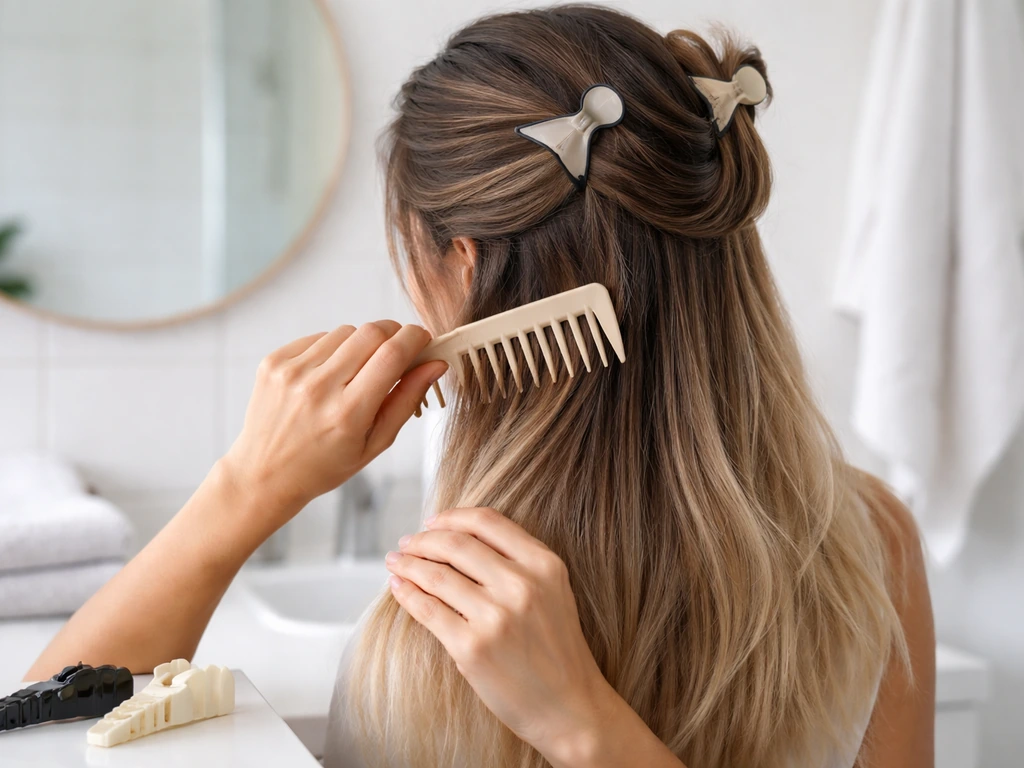
- Detangle gently and specifically: use a wide-tooth comb on the sides starting from the ends upward, not root-to-tip. This prevents breakage and the frizziness that comes from yanking through tangles.
- Wash your hair 2 to 3 times per week rather than daily. Over-washing strips natural oils from the scalp and makes the growing sides dry and more prone to static and breakage.
- Use a lightweight conditioner on the sides and back even while they're short. Conditioned hair has more slip, which means less tangling as the lengths transition.
- If you're noticing more shedding than usual, don't panic immediately. Some increase in shedding is normal as hair that was shaved very short cycles through its growth phase. If shedding is heavy and consistent after a few weeks, check in with a dermatologist.
- A satin or silk pillowcase reduces friction while you sleep, which matters more as the sides get longer and start to snag on cotton.
- Scalp massage for 3 to 5 minutes a few times a week genuinely helps with circulation and can support growth — it also feels great and costs nothing.
For product choices during the grow-out: keep it simple. A lightweight leave-in conditioner or cream on damp hair, followed by whatever hold product you prefer on top, covers most situations. Avoid switching products every few weeks during the grow-out, your hair needs consistency to respond predictably, and experimenting constantly makes it hard to know what's actually working.
If your hair is colored or chemically treated
Growing out a colored undercut adds a visual layer to the process that's worth thinking through before you start. If your top hair is a different tone than your natural roots, or if the shaved sides were bleached, dyed, or treated, the grow-out will reveal that contrast in a very visible way.
Root regrowth on colored hair
At half an inch of growth per month, you'll see about 1 inch of root regrowth every 2 months. If your top hair is significantly lighter or darker than your natural color, this regrowth line will be obvious by week 6 to 8. You have a few options: keep touching up the top color to minimize the root line while growing the sides, let the roots grow in intentionally as a balayage or shadow-root effect, or start transitioning to a color closer to your natural tone now so the grow-out looks more deliberate over time.
Bleached or lightened hair
Bleached hair is more porous, which means the growing sides and top will absorb product and moisture differently from the new growth. This can make the hair look inconsistent in texture and finish. Using a bond-strengthening treatment (like a weekly protein mask) on bleached sections helps reduce breakage at the most vulnerable parts of the strand. If you're planning to grow out and also transition away from bleach, talk to a colorist about a lowlighting or gloss treatment that gradually brings your tone closer to natural, it makes the grow-out look intentional instead of neglected.
Chemically straightened or permed hair
If the top hair was chemically relaxed or permed, the new growth on the sides will have a different texture from the treated sections. This is one of the more challenging grow-out scenarios because the texture difference is hard to hide. Deep conditioning weekly, handling the hair gently, and focusing on styles that work with both textures simultaneously (rather than trying to make them match) is the most realistic approach. A stylist who specializes in textured or transitioning hair is worth the consultation fee here.
Your first 7 to 14 days: what to do right now
Here's a concrete plan you can start today. Don't overthink it, the goal is to make one good decision in each category and then just execute.
- Measure your current situation. Look in the mirror and estimate how much hair you have on your sides right now. Are you at stubble (under 0.5 inch), early growth (0.5 to 1 inch), or mid-stage (1 to 2 inches)? This tells you what phase you're actually in and what styling moves are available to you today.
- Set a length goal and rough timeline. Decide what you're actually growing toward: softer undercut, full-length integration, a bun, or one-length hair. Then calculate roughly how many months that takes at 0.5 inch per month. Write it down somewhere you'll see it — having a concrete goal makes the awkward weeks feel purposeful.
- Book a blending appointment. If you're past 5 weeks since your last cut, book a barber or stylist appointment in the next 1 to 2 weeks. Tell them specifically that you're growing out your undercut and want the sides softened without losing length on top. This one appointment will make the next 4 to 6 weeks dramatically easier.
- Pick 2 or 3 go-to styles for right now. Based on your current length and hair type, choose 2 or 3 looks you can actually pull off in the next few months. Write them down. When you wake up frustrated with your hair, you won't have to think — you'll just execute one of those options.
- Set your next trim reminder. Whatever date you book your first blending appointment, add 5 to 6 weeks to it and put that in your calendar as your next visit. Repeat this for the full grow-out period. This alone prevents the stripe situation that makes most people give up.
- Sort out your products. If you don't have a light hold cream or pomade and a wide-tooth comb, get them this week. These two things cover most of the daily styling and detangling needs during the grow-out. Everything else is optional.
- Take a 'day one' photo. Seriously. You will forget what your hair looked like at the start, and having a before photo makes the progress at month 3 or 4 feel real and motivating.
The grow-out process is genuinely awkward for a few weeks in the middle, but it's not as long or as painful as most people expect when they go in with a plan. The people who make it through are almost always the ones who had a trim schedule, picked a couple of workable styles, and stopped checking in the mirror every morning expecting dramatic change. Give it a real 10 to 12 weeks before you decide it isn't working, most grow-outs hit a turning point right around that window and suddenly start looking like a real style rather than a mistake.
FAQ
What if I can only afford one barber visit while growing it out?
If you can only get one appointment, prioritize blending once every 4 to 6 weeks rather than waiting for a big “reset.” Early on, ask for a small step-down taper at the undercut edge so you preserve top length while softening the contrast line.
How do I explain what I want to my barber so they don’t take too much off?
Go in with clear limits. Say “soften the stripe only, keep the top at least ___ inches, and take as little as possible from the sides until they reach about 1.5 to 2 inches.” If they suggest shaving the sides again, that will undo the timeline you are trying to build.
What should I do when the top and sides don’t match yet (early months)?
During the first couple of months, use products that help the top and sides look intentional, not perfectly matched. Try brushing or blow-drying the top the same way you always do, then use a lightweight leave-in on the sides plus a light hold cream or mousse, so the sides have controlled shape instead of looking flat or fuzzy.
How will I know the grow-out is going off track before I hit the mid-stage stripe?
Yes, a longer undercut can become “too scruffy” and stall your progress if it tangles at the stripe. If you notice matting, excessive itch, or the sides constantly puff outward, that’s a sign you need the next blending trim sooner rather than waiting for the full 6 weeks.
What if my undercut was very high and the stripe line keeps showing?
If your undercut is on the heavier side, the stripe may linger longer, even if you trim on schedule. Ask for point-cutting or texturizing to remove bulk at the transition, and consider slightly shorter top layers to reduce a stark jump in volume as the sides catch up.
Does hair dye or bleach change how I should grow it out?
Colored or bleached sides can look different even when they are the same length because they absorb moisture and styling differently. Use a bond-strengthening treatment on the more porous (often bleached) areas and stick to a consistent leave-in, so the finish gradually evens out over time.
How do I keep thin sides from looking flat or stringy during the awkward stage?
If your sides are fine, they can look wispy, but you can usually fix that with root-focused volume rather than heavier product. Use a lightweight volumizing mousse on the sides before drying, and avoid thick oils or heavy pomades that make the line more obvious.
What are the best easy hairstyles when I’m tired of fighting the stripe?
If you keep losing the style, switch to an easier “hold system” that works while lengths are mismatched. For example, aim for half-up or low ponytail looks once the top is long enough, because they reduce how much the stripe is exposed.
When should I give up, and what could be delaying results beyond 12 weeks?
Be realistic about timing. If you’re past the mid-stage and nothing is blending by 12 weeks, it may be due to starting contrast (very close fade, very high undercut), slower growth, or not enough trimming contrast softening. At that point, reassess and request a targeted blend rather than abandoning the grow-out.
What if my cowlick makes the sides flip out even after I’m styling them?
Yes. Cowlick behavior often changes as the sides gain weight and the hair becomes longer. Blow-dry in the cowlick’s “winning” direction when the hair is about 80 percent dry, then use a stronger-hold cream on damp cowlick sections before drying to train it gradually.