
Pubic hair almost always grows back on its own after shaving, waxing, or trimming, usually within a few weeks to a couple of months depending on your hair cycle and how irritated the skin got. If it has been longer than that, or if you are seeing patchy spots, persistent bumps, or bare areas that never filled back in, something else is going on, and that is worth paying attention to.
How to Grow Your Pubic Hair Back: Step-by-Step Guide

Marcus Vickers
18 May 2026
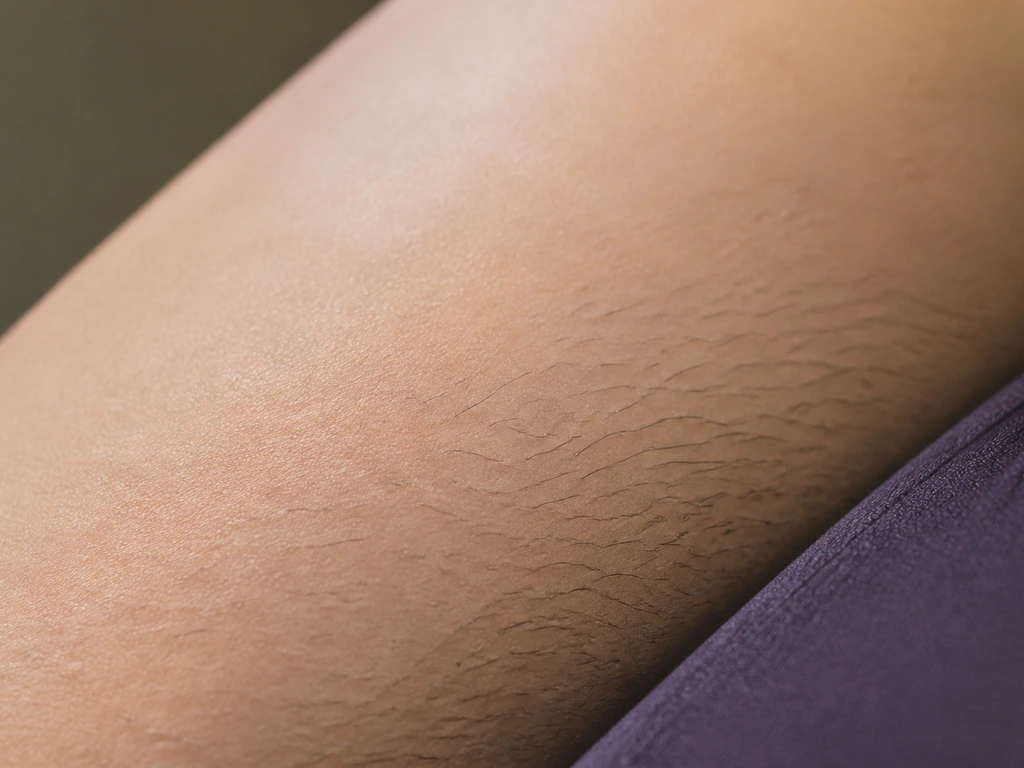
Why your pubic hair might not be growing back
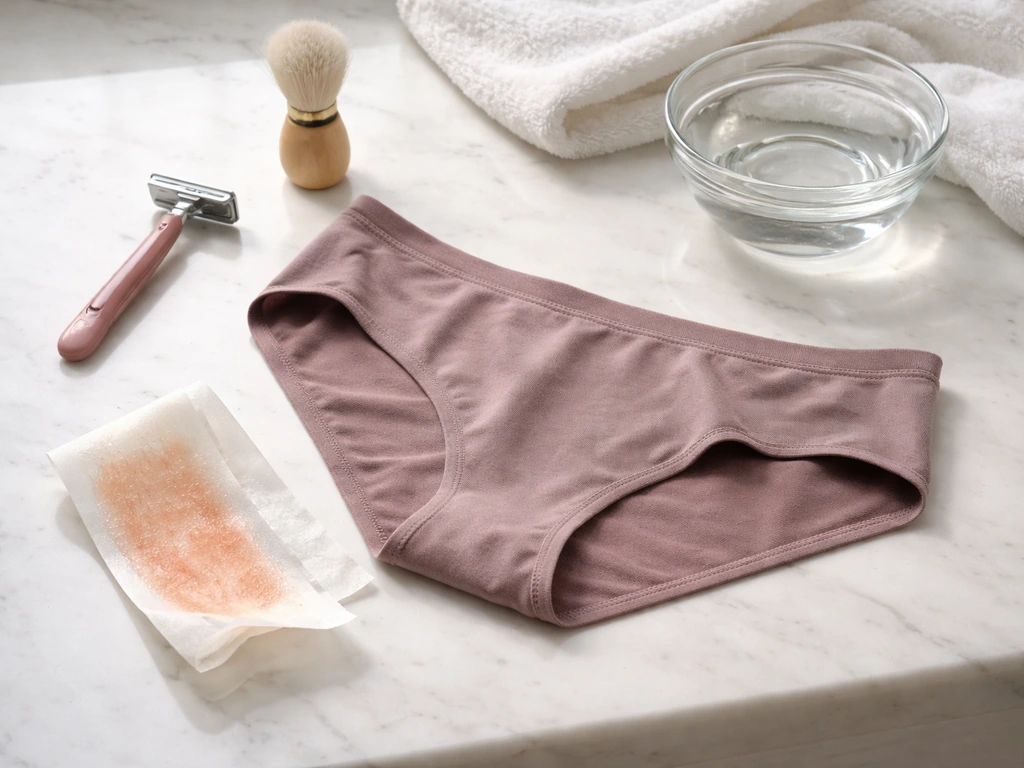
The most common culprit is ongoing irritation. Shaving too close, shaving against the grain, waxing repeatedly, or using depilatory creams in the pubic area can all cause folliculitis (inflamed hair follicles), ingrown hairs, and low-grade skin inflammation that keeps follicles from cycling normally. When follicles are stuck dealing with inflammation, they do not produce hair efficiently. Depilatory creams carry a real risk of irritant contact dermatitis and even chemical burns in the genital area, so if you have used one recently and regrowth stalled, that product could be part of the problem.
Friction and chafing are also underestimated. Tight waistbands, synthetic underwear, and athletic gear create constant friction against the skin, inflaming hair-bearing tissue over time. That chronic low-level trauma can slow regrowth just as effectively as a razor.
Beyond grooming, several body-wide factors can thin or stop pubic hair growth. Hormonal shifts, including changes from pregnancy, postpartum recovery, perimenopause, or thyroid dysfunction, are common reasons. Stress and illness push more hairs into the resting (telogen) phase at once, causing a temporary shed that can look alarming but usually reverses. Certain medications, including hormonal contraceptives, chemotherapy drugs, and some blood pressure medications, can reduce hair growth across the body. Nutritional deficiencies, particularly iron and protein, are worth ruling out too.
Less commonly, patchy pubic hair loss can signal an autoimmune condition like alopecia areata, where the immune system attacks hair follicles. This is a nonscarring form of hair loss, meaning follicles are still alive and regrowth is possible, but it tends to be unpredictable and may need medical treatment to resolve. On the more serious end, conditions like lichen planus can affect genital skin and, in some cases, cause actual scarring. Scarring alopecia destroys follicles permanently, and those patches will not regrow without intervention. This is why getting a proper diagnosis matters if things do not look like a straightforward post-shave slowdown.
What to do today to give your follicles a chance
The single most effective thing you can do right now is stop all hair removal in the area. No shaving, no waxing, no tweezing, no depilatory creams. Skin Inc. advises that essential oils are not FDA-approved for medical treatment and can irritate or sensitize skin when improperly used no depilatory creams. Give the skin and follicles a genuine break. Mayo Clinic notes that stopping these activities and letting the area rest typically takes one to six months for irritation-related ingrown hair and folliculitis issues to fully resolve. That sounds like a long time, but it is the honest answer.
While you are waiting, gentle skin care makes a real difference. Wash the area once daily with warm water and a mild, fragrance-free cleanser. Avoid scrubbing. Pat dry instead of rubbing. Apply a simple, unscented moisturizer or a barrier cream to protect skin that is red, dry, or recovering from irritation. This keeps the skin supple and reduces the low-level inflammation that slows follicle recovery.
Friction reduction is the other piece most people skip. Switch to breathable cotton underwear with a looser fit during regrowth. If you exercise, change out of damp workout clothes promptly. These small adjustments take friction and occlusion out of the equation, both of which can worsen folliculitis and slow healing.
If you have visible ingrown hairs, a warm compress held against the area for 10 to 15 minutes can help the trapped hair work its way to the surface. Do not pick, squeeze, or try to dig out an ingrown hair with tweezers. That introduces bacteria, causes more inflammation, and risks scarring the follicle.
How to groom safely during regrowth
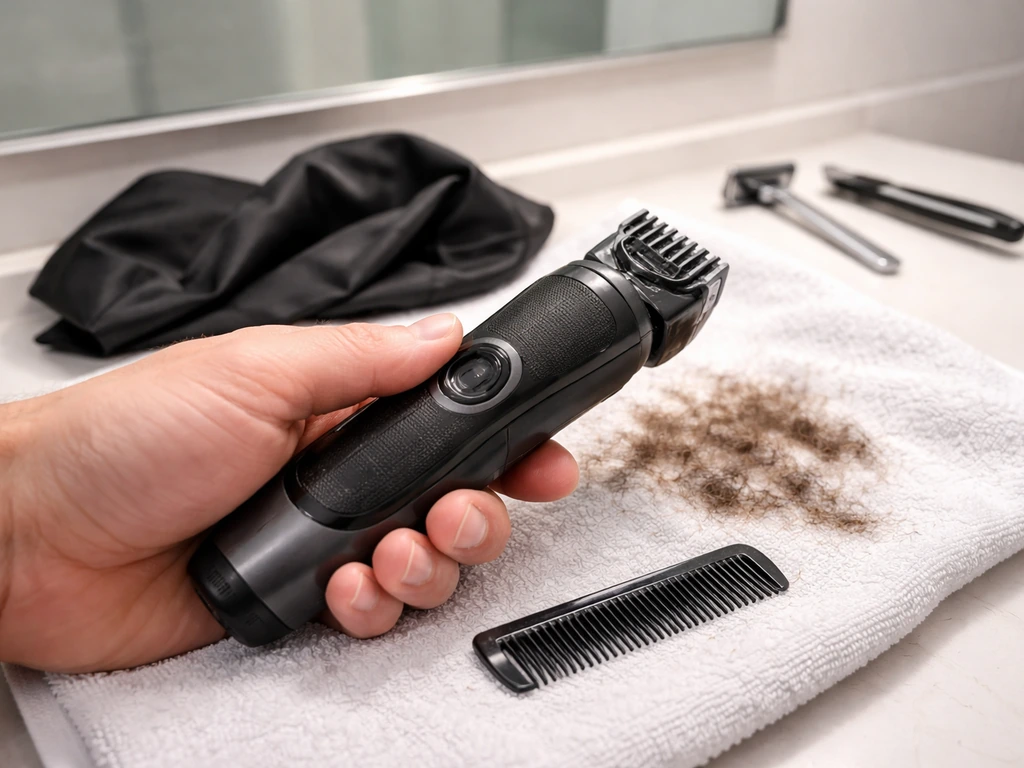
If you genuinely need to tidy up while waiting for full regrowth, trimming is much safer than shaving. A small trimmer or scissors leaves the hair above the skin surface, avoids the close blade contact that causes folliculitis and ingrowns, and does not require any shaving cream or post-care routine. It is the lowest-trauma option during a recovery phase.
If you do choose to shave at some point during regrowth, technique matters a lot. Soften the hair first with warm water for a few minutes, apply a generous layer of fragrance-free shaving gel or cream and do not let it dry out before you shave, use short strokes, go in the direction hair grows (not against it), and avoid going over the same spot more than twice. Shaving against the grain cuts hair below the skin surface and is the primary cause of ingrown hairs in this area. Even with perfect technique, shaving tends to restart the irritation cycle, so holding off entirely is the better call while things are still recovering.
Uneven patches are normal during regrowth and worth mentioning because they can be worrying. Hair follicles in any area are in different growth phases at once, so you will often see patchy, uneven regrowth in the first few weeks. That is not necessarily a sign that something is wrong. It usually evens out over six to eight weeks as more follicles cycle back into the active growth phase.
Week-by-week regrowth timeline
Here is a realistic picture of what to expect after stopping hair removal and letting the area heal. Everyone is a little different, but this is a reasonable general guide.
| Timeframe | What to expect |
|---|---|
| Days 1–7 | Skin starts calming down. Redness and irritation should begin to fade if you have stopped hair removal and reduced friction. Stubble may begin to appear if you recently shaved. |
| Weeks 2–3 | Visible regrowth for most people who shaved. Itching is common as hair pushes through the skin. Ingrown hairs may still be resolving. |
| Weeks 4–6 | More even coverage, though patches are normal. Folliculitis bumps typically clear up in this window with consistent skin care. |
| Weeks 6–12 | Closer to your natural density and length. Ingrown-related issues usually resolve within this range when hair removal has stopped. |
| 1–6 months | Full recovery from more persistent irritation or repeated trauma. Mayo Clinic puts the resolution window for ingrown hair complications at up to six months when shaving and waxing are avoided. |
| 6–12 months | For alopecia areata, many people see spontaneous regrowth within this window, though the condition can be unpredictable and recurrent. |
Products and remedies: what can help, what to skip
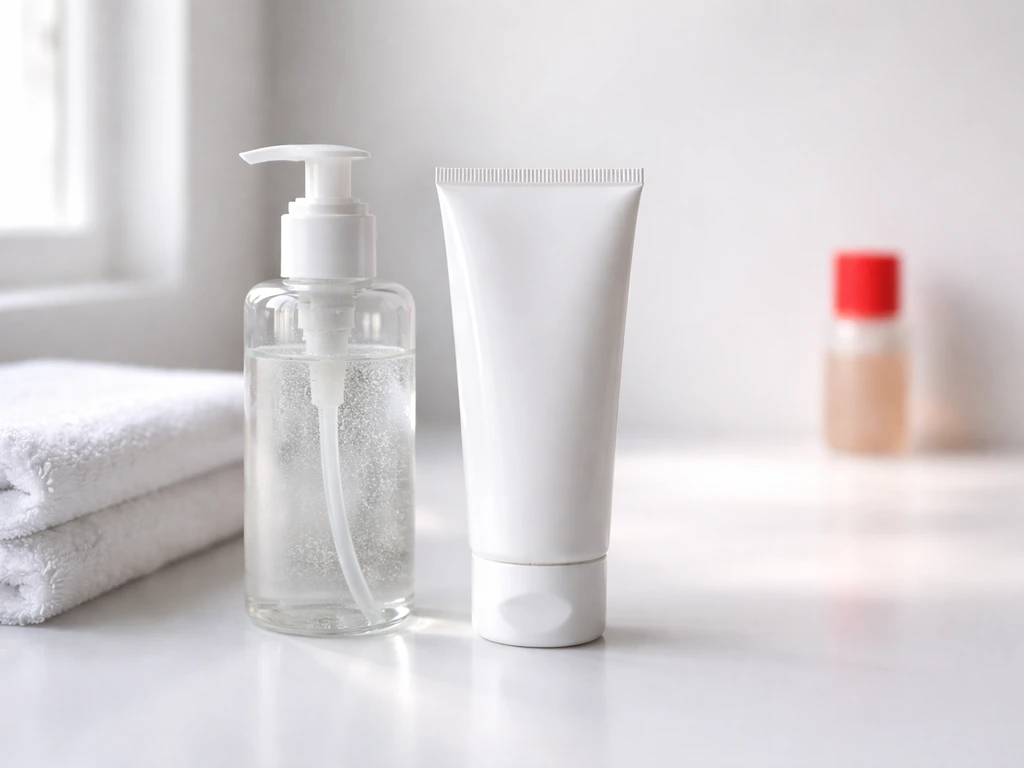
Things that are genuinely useful
- Fragrance-free gentle cleanser: reduces bacteria and irritants without stripping the skin barrier.
- Unscented moisturizer or barrier cream: protects recovering skin, reduces friction, and keeps follicles from dealing with dryness on top of everything else.
- Warm compresses: safe and effective for helping ingrown hairs release without trauma.
- Loose, breathable cotton underwear: cuts friction out of the equation while skin heals.
- Topical minoxidil (only if prescribed or directed by a clinician): there is genuine research evidence supporting minoxidil for alopecia areata, including a meta-analysis finding significantly higher response rates compared to placebo for patchy hair loss. Hair regrowth can begin around two months after starting it. However, it is not a general-purpose pubic hair growth product and is only worth trying if your clinician confirms the underlying cause matches what minoxidil treats.
Things to avoid
- Depilatory creams in the pubic area: these can cause irritant contact dermatitis and chemical burns on sensitive genital skin, making regrowth slower and more complicated.
- Essential oils applied directly to the area: these are not FDA-approved treatments for hair loss, carry a real risk of skin irritation and allergic sensitization, and have no strong clinical evidence for stimulating hair regrowth.
- Picking or squeezing ingrown hairs or folliculitis bumps: this risks scarring follicles and introducing infection.
- DIY topical steroids without a diagnosis: if the underlying issue is lichen planus or another condition, the wrong topical treatment can make things worse or mask a problem that needs proper care.
- Over-the-counter 'hair growth' serums marketed for the pubic area: most lack meaningful clinical evidence, and some contain fragrances or botanical extracts that can irritate already-sensitive recovering skin.
When it is time to see a clinician
Most post-shaving or post-waxing regrowth problems sort themselves out with patience and the steps above. But some situations need a professional look, and the sooner the better because a few of these conditions get harder to treat the longer they go on.
Seek same-day or urgent care if you have signs of spreading infection: increasing redness, warmth, swelling, pus, or red streaks spreading outward from the area. Mayo Clinic is clear that spreading folliculitis infection needs prompt medical attention, not a wait-and-see approach.
Make a routine appointment with a dermatologist or your primary care clinician if any of the following apply:
- Folliculitis or ingrown hairs are widespread or are not improving after one to two weeks of consistent self-care.
- You have clearly defined smooth, bare patches with no stubble or regrowth after several weeks off hair removal, especially if the skin in those patches looks different (shiny, atrophied, or scarred).
- You are experiencing persistent itching, burning, or a rash alongside the hair loss, which can indicate lichen planus or another skin condition affecting the area.
- Hair loss appears patchy and sudden, particularly if it is happening in other areas (eyebrows, scalp, body), which can suggest alopecia areata.
- You suspect a hormonal issue: irregular periods, unexplained weight changes, fatigue alongside the hair thinning, or a recent major hormonal shift.
- The area has been bald for more than three to four months with no sign of regrowth despite stopping all hair removal and maintaining good skin care.
The reason scarring matters so much here is that a scarring alopecia process destroys follicle openings permanently. Once that happens, those hairs will not come back without specialized intervention, and time works against you. If a dermatologist sees scarring, they will want to treat the underlying cause aggressively to stop it from spreading. Getting there early preserves more follicles and gives you better options.
If you have been through a major stressor, illness, or hormonal change in the last few months, it is worth mentioning to your clinician even if you do not have any skin symptoms. Systemic causes of hair shedding show up in blood work, and knowing the cause is the only way to know whether any active treatment is needed or whether patience is genuinely the right call.
The bigger picture on hair regrowth transitions
Waiting out a hair regrowth transition is genuinely frustrating, whether that is growing out a buzz cut, dealing with an awkward phase after growing out the back of your hair, or waiting for pubic hair to fill back in after a long grooming habit. Waiting out a hair regrowth transition is genuinely frustrating, whether that is growing out a buzz cut, dealing with an awkward phase after growing out the back of your hair, or waiting for pubic hair to fill back in after a long grooming habit, and those same patience and skin-protection principles also apply when learning how to grow slick back hair. If you are specifically trying to grow out pubic hair, the same principles of reducing irritation, friction, and harsh grooming help it fill back in more reliably. If you are specifically trying to grow out short hair on a man, focus on minimizing breakage and giving your scalp steady conditions for growth pubic hair to fill back in. If you are trying to grow a ponytail as a guy, you can use similar patience and hair-care habits to support regrowth and protect your scalp or hairline waiting for pubic hair to fill back in. The core advice is the same in every case: reduce trauma, protect the skin, give follicles a consistent environment to do their job, and be realistic about timelines. If you prefer hair grow tips in Urdu, you can look for guidance that focuses on gentle regrowth care and avoiding ongoing irritation. Patchy phases are normal. They are not a sign you broke something permanently. In the vast majority of cases, stopping the hair removal and taking care of the skin is all the body needs.
FAQ
How long should I wait before I worry that pubic hair will not grow back?
If you recently had a waxing or shave and regrowth is slow, give it time before assuming it is permanent. A practical rule, if there are no infection signs, is to reassess at 6 to 8 weeks of complete no-hair-removal, then again up to 3 months if you still see mostly bare or patchy areas.
Can I use depilatory creams to speed regrowth if shaving stalled?
It is usually better to skip depilatory creams during regrowth. If you have used one recently, stop again and focus on bland cleansing, barrier protection, and friction reduction, because chemical irritation can keep follicles from cycling normally for weeks.
What skin products should I avoid while I am trying to grow pubic hair back?
Do not use exfoliating acids, scrubs, or “ingrown-hair” products (especially those with strong fragrance or alcohol) on actively irritated genital skin. Instead, stick to once-daily gentle cleansing, pat-dry, and a simple unscented moisturizer or barrier cream until redness and bumps settle.
Is it okay to put something on ingrown hairs or use heat every day?
A warm compress is mainly for inflamed or trapped ingrowns, not for open sores or spreading redness. Use 10 to 15 minutes, 1 to 2 times daily, and stop if pain worsens or you see pus or rapid spreading.
What underwear or workout clothing changes actually make a difference?
You can wear cotton underwear, but the key is reducing tightness and moisture. Choose a looser fit, change out of sweaty clothes quickly, and if you notice persistent friction during workouts, consider a temporary barrier layer like a thin barrier cream on chafed areas.
If I feel self-conscious, can I trim or shave while waiting for regrowth?
Treat the cause first by stopping hair removal and reducing friction. If you still need to tidy, trimming is low-trauma, use clean scissors or a dedicated trimmer, and avoid cutting skin. Avoid trimming over active bumps or crust if you suspect folliculitis.
How can I tell normal uneven regrowth from something like scarring?
Yes, patchiness can be normal early on because follicles are in different phases at the same time. If patches keep expanding, become painful, develop scabs, or you notice shiny smooth skin where hair used to be, that is a reason to see a clinician rather than waiting.
What should I do if an ingrown hair turns into a painful bump?
Do not pick, squeeze, or dig out ingrowns with tools. If an ingrown hair turns into a tender bump with pus, it may need medical treatment rather than at-home extraction, because aggressive manipulation increases the risk of infection and scarring.
When is it more than just irritation and I should get medical help?
If you have spreading redness, warmth, swelling, pus, red streaks, or fever, seek same-day or urgent care. These suggest infection that can worsen quickly, and waiting for hair to regrow is not a safe strategy.
Why would pubic hair growth slow even if I stopped shaving?
Yes, system-wide factors can contribute even when your grooming seems “fine.” If regrowth stalls along with other hair shedding changes, recent stress or illness, pregnancy or postpartum changes, thyroid concerns, or starting or stopping medications, tell your clinician because the fix may be addressing a systemic cause.
What if I cannot completely stop grooming for a few months?
If you cannot fully stop grooming due to personal or work needs, minimize trauma rather than switching techniques repeatedly. The safest compromise is to stop shaving and waxing, use gentle trimming only, and keep the area dry and non-frictiony while you complete the no-hair-removal rest period for healing.