
Growing out short hair as a guy takes roughly 6 to 12 months to reach a length that feels genuinely styleable, depending on where you're starting from. Hair grows about half an inch per month on average, so a buzz cut to a medium-length style is realistically a 6-to-9-month project, and shoulder-length is closer to a year or more.
How to Grow Out Short Hair for Men: A Step-by-Step Plan

Marcus Vickers
26 Apr 2026
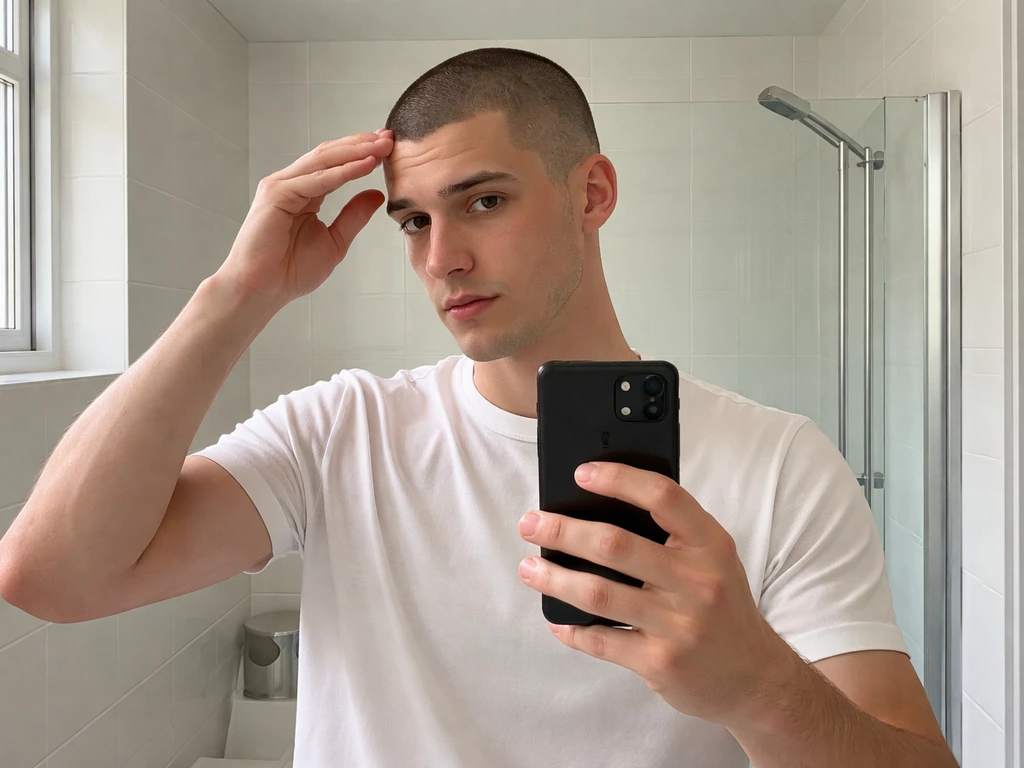
The good news: most of the awkward phase is manageable with the right trim schedule, a few styling tricks, and a routine that keeps your hair healthy enough to actually get there without snapping off. If you're specifically asking about how to grow pubic hair as a fuller bush, the same patience and gentle care habits apply to prevent irritation and breakage.
If you're specifically asking about how to grow pubic hair back, the same patience and gentle care habits apply as a related option for preventing irritation and breakage.
Know your starting point and decide what you're actually aiming for
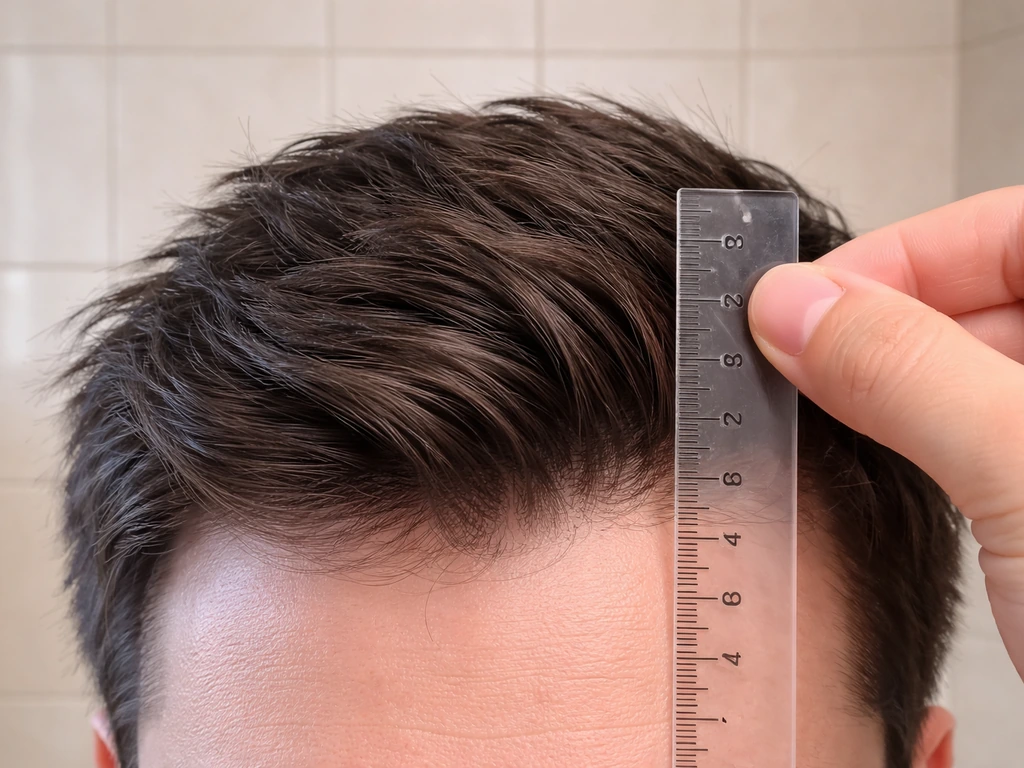
Before anything else, get specific about where you're starting and where you want to end up. A number-two buzz cut sits at about a quarter inch. A short textured crop or fade might be 1 to 2 inches on top. Each of those means a completely different timeline and a different set of awkward phases to push through. The end goal matters too: a slick-back style needs a lot more length than a messy textured look, and if you're aiming for something like a ponytail, you're looking at a minimum of 5 to 6 inches of growth from most short cuts.
Take a photo of your hair right now. Note the length on top, the length at the sides, and whether you have an undercut, a fade, bangs, or layers already cut in. These details change how you approach trims and styling at each stage. A guy growing out a faded undercut is dealing with a very different shape problem than someone growing out a uniform crop, and pretending they're the same journey is how people end up frustrated and back in the barber's chair.
Build a hair-care routine that actually reduces breakage
Short hair is deceivingly easy to maintain, which means most guys have zero routine when they start growing it out. That has to change, because longer hair breaks if you don't treat it right. The single biggest upgrade you can make right now is using conditioner every time you shampoo. Conditioner smooths the hair cuticle, reduces friction between strands, and dramatically cuts down on the mechanical damage that happens when you towel-dry, brush, or just run your hands through your hair. Apply it to wet hair, leave it on for around 5 minutes, then rinse. That's all it takes.
Wash frequency matters too. If you've been washing daily with whatever's in the shower, consider scaling back to every other day or every two days. Daily washing strips natural oils that protect the hair shaft, especially as it gets longer. When you do wash, use lukewarm water rather than hot. Hot water dries out the hair and scalp more than most people realize, and over months of grow-out, that adds up to a lot of unnecessary brittleness.
Detangling is where a lot of breakage happens, and it's completely avoidable. Never rip a comb through soaking-wet hair straight out of the shower. Hair is at its most elastic and fragile when fully saturated, and forcing a comb through it snaps strands. Instead, gently squeeze out excess water with a towel (pat, don't rub), apply a leave-in conditioner or detangling spray, then work from the ends upward with a wide-tooth comb or your fingers. If you have wavy or curly hair, finger-detangling is even gentler and worth the extra minute. Paired with a good shampoo-conditioner-leave-in routine, you can cut breakage by a striking amount during grow-out.
Blow-drying without wrecking your progress
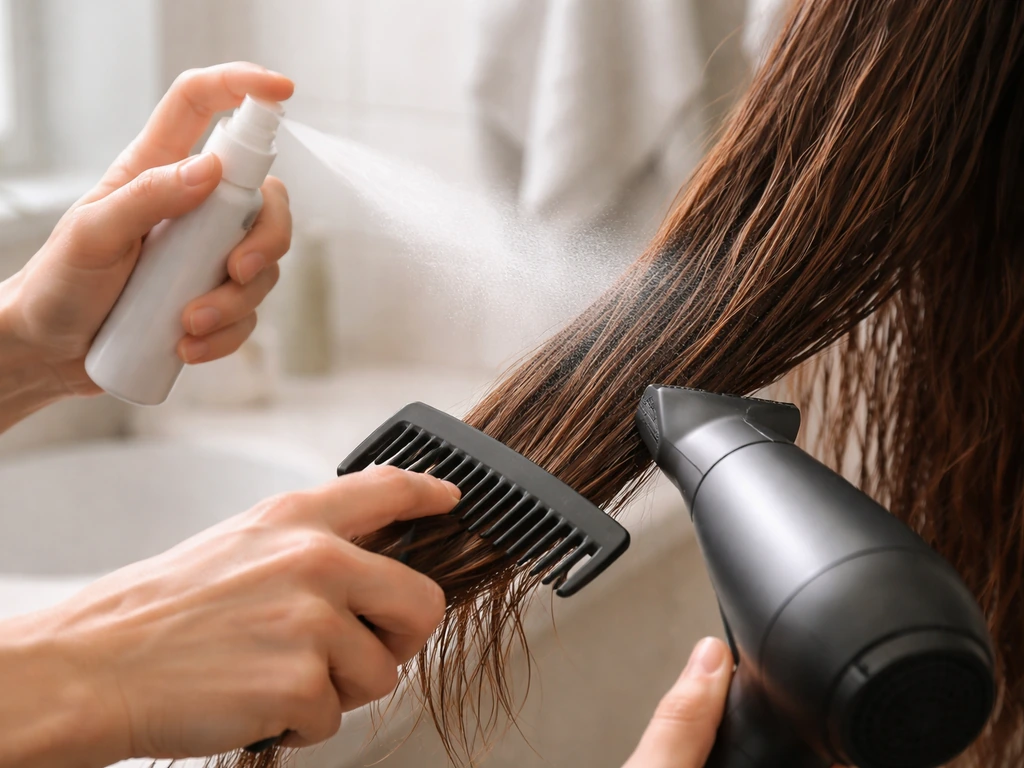
If you blow-dry, always apply a heat protectant first. This isn't optional. Heat protectants form a barrier over the cuticle that reduces moisture loss and frizz during drying, and leave-in conditioners with heat protection do double duty. When you dry, point the nozzle downward in the direction of hair growth rather than blasting it from above. Drying against the cuticle roughens the surface and creates frizz, which makes growing hair look scraggly faster. For guys in the mid-growth phase (3 to 6 months in), a round brush and a downward blow-dry motion is the difference between hair that looks intentional and hair that looks forgotten.
What to expect at each stage of the grow-out (the real timeline)
Here's the honest stage-by-stage breakdown. These are based on average growth of about half an inch per month, so adjust for your own pace.
| Stage | Approximate Length | What It Looks/Feels Like | Main Challenge |
|---|---|---|---|
| Weeks 1–4 | 0.25–0.5 inches from buzz / 1–2 inches on crop | Looks intentional but starting to lose shape. Neckline and edges get fuzzy. | Keeping lines tidy without losing length |
| Months 1–2 | 0.5–1 inch from buzz / 1.5–2.5 inches on crop | The 'lawnmower phase': hair stands up, won't lie flat, looks uneven. Feels prickly. | No length to style, but too long to look neat without effort |
| Months 2–3 | 1–1.5 inches from buzz / 2–3 inches on crop | Starting to show direction and texture. Curly/wavy guys see the most puffiness here. | Controlling volume and shape; front pieces may flop awkwardly |
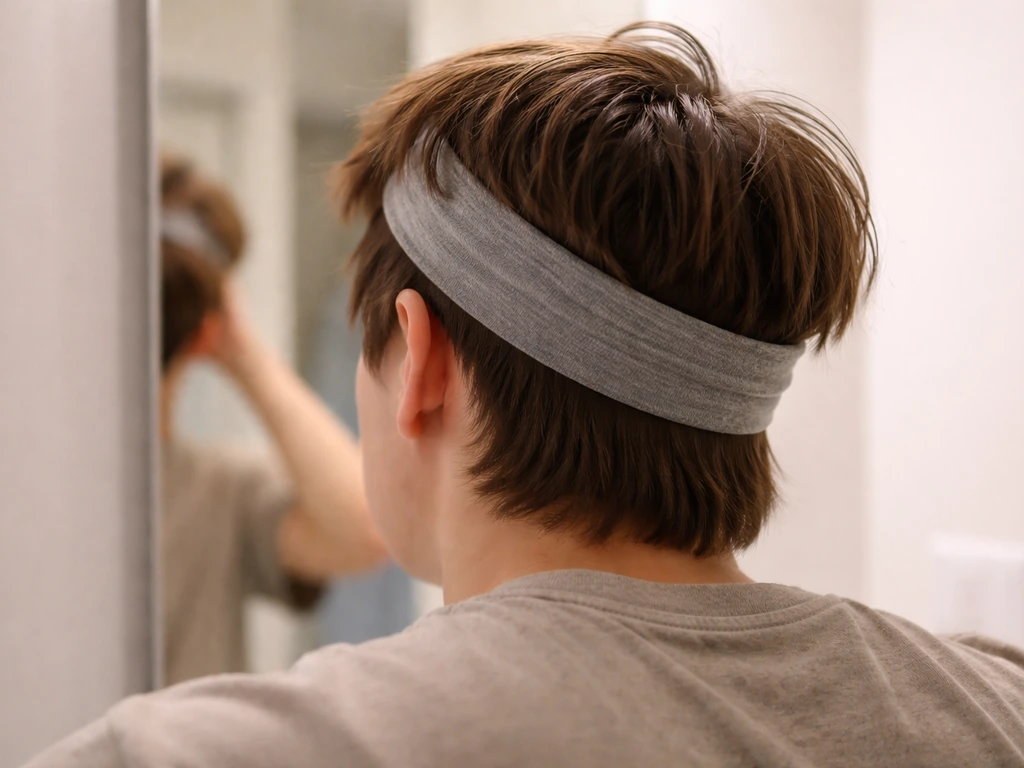
| Months 3–5 | 1.5–2.5 inches | Enough length to push in one direction but not enough to stay. The headband phase. | Sides puff out, back goes flat, front needs product daily |
| Months 5–7 | 2.5–3.5 inches | Finally styleable. Can achieve a basic side part, pushed-back look, or small bun. | Layers from old cut create unevenness; blending becomes important |
| Months 7–12+ | 3.5–6+ inches | Multiple style options available. Ponytail possible around 5–6 inches. | Maintaining health, managing undercut blending, achieving uniform length |
The lawnmower phase (roughly months 1 to 3) is where most guys bail. The hair is too long to look like a clean short cut but too short to style or control. This is the phase to commit to, because it's temporary. Knowing it's coming makes it easier to push through. Styling products and a solid trim plan (covered next) are what get you to the other side.
How to trim strategically without resetting your progress
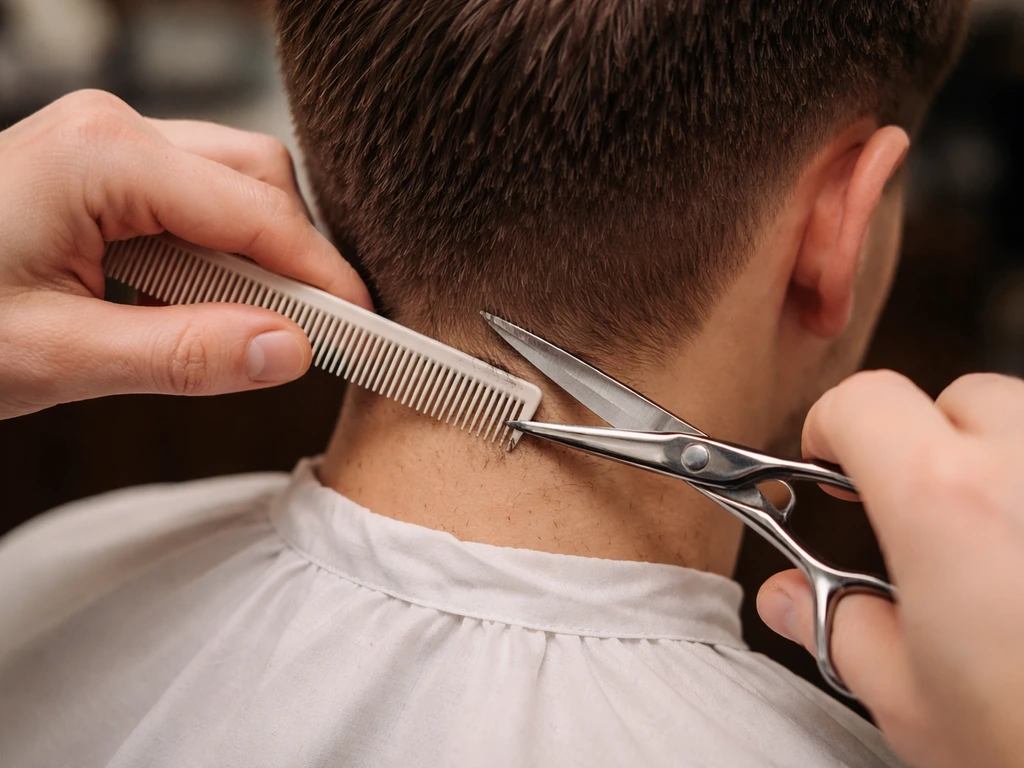
This is the most important rule of growing out short hair: trimming does not mean cutting. It means shaping. Regular trims every 4 to 8 weeks during grow-out remove bulk, clean up uneven perimeter growth, and make the whole thing look intentional rather than neglected. Skipping all trims leads to scraggly ends, uneven blending, and a look that reads as 'bad hair' rather than 'growing it out.' Trimming every 6 to 8 weeks, targeting only what needs tidying, keeps you moving forward.
In the first 2 to 4 weeks after a short cut, the neckline and edges are the priority. Ask your barber to clean those up with a guard or razor without touching the length on top. After that, each visit should be about removing only the pieces that are throwing off the shape. If one side is growing faster, trim that. If the back is getting fluffy while the top is still short, a tiny cleanup around the perimeter helps. The goal is never to cut off more than a quarter inch of the length you've earned.
For textured crops and medium styles, 4 to 5 weeks between cleanup visits is usually about right. For finer hair or styles where the shape breaks down faster, every 4 to 6 weeks. Be clear with your barber: say 'I'm growing it out, just clean up the neckline and edges' every single time. Barbers often default to their usual cut unless you specify. You do not need a full shape-up; you need targeted maintenance.
Styling through the awkward phases: front, sides, and back control
Each part of your head grows at the same rate but behaves completely differently as it gets longer. Here's how to handle each zone.
The front
Front pieces are the most visible and the first to get annoying. Once they hit about an inch or so, they'll flop forward into your face without enough weight to stay put. A light pomade or styling cream worked through damp hair and pushed to one side is usually enough. Try creating a soft side part with a comb while the hair is still slightly damp from your post-wash routine, then blow-dry it in that direction to train it. The more consistently you direct it the same way each morning, the faster it learns to cooperate. If it's genuinely too short to part, use a small amount of matte clay to push it all back.
The sides
Side hair is the trickiest during the middle phases because it puffs outward before it has enough length to fall flat. This is where clips, low-profile headbands, or even a thin hair tie come in. Wearing a wide headband pushed back or using salon clips while your hair dries trains the sides to lie flatter over time. It feels weird, but 10 minutes while you have your morning coffee makes a real difference over weeks. For wavy or curly hair, applying a curl cream or light gel to damp sides and letting them air-dry (rather than fluffing them with a towel) reduces the puff significantly.
The back
The back of the head is often where guys are surprised, because it tends to grow out with a mind of its own. Some guys get a duck tail, others get a shelf where the bottom layer flips out. Keeping the neckline clean with regular trims is the main fix, but styling-wise, blow-drying the back downward while gently pressing the hair flat with a brush during the awkward phase helps train it. If you're specifically dealing with the back section during grow-out, the guidance for growing out the back of men's hair goes deeper on this specific challenge.
Growing out undercuts, uneven layers, and bangs
These three are the most common complications and each one needs its own strategy.
Undercuts
An undercut means the sides and back were cut very short (often shaved or clippered close) while the top was left longer. As the undercut grows out, you get a visible line of demarcation where the short side meets the longer top. This can look harsh and patchy for 2 to 4 months.
The fix is to have your barber blend the undercut gradually over a few visits, using a longer guard each time, rather than letting it grow out completely unassisted. This costs a bit of length on top in the short term but makes the whole thing look intentional rather than like a neglected haircut. By month 4 or 5, with consistent blending, most undercuts can be grown into a uniform length.
Uneven layers
If your short cut had layers razored or point-cut into it, those layers will grow out at different rates and create an uneven, choppy texture around months 2 to 5. This isn't a disaster. Light texturizing paste or a styling cream through slightly damp hair blends the appearance of different lengths together. Ask your barber to do minimal point-cutting during trims (cutting straight across the perimeter rather than into it) so you're building toward a uniform length rather than perpetuating layers.
Bangs
If you had bangs (fringe) cut in, they'll grow past the eyebrows at roughly 2 to 3 months and can look messy fast. You have two choices: have them trimmed just enough to stay out of your eyes while keeping the length, or start sweeping them to the side with a bit of product. Sweeping them sideways gradually folds them into the front section and is usually the better long-term move if your goal is longer overall length. Pinning them with a small clip while they're damp and training them to sit to the side works within a couple of weeks of consistent practice.
Your product and tool checklist, plus fixes when it's not working
You don't need a lot of products, but you do need the right ones. If you want help with bush pubic hair specifically, focus on trimming safely for your skin type and going slowly so it doesn't get irritated. Here's the essential kit:
- Moisturizing shampoo (sulfate-free if your hair is dry or color-treated)
- Rinse-out conditioner (apply for 5 minutes every wash)
- Leave-in conditioner or detangling spray (applied to damp hair before combing)
- Heat protectant spray or cream (before any blow-drying)
- Wide-tooth comb or detangling brush (use on damp hair, working ends to roots)
- Matte clay or styling paste (for short-to-medium phases, low shine, strong hold)
- Light styling cream or curl cream (for wavy/curly hair, enhances texture without crunch)
- Blow dryer with nozzle attachment (directional drying smooths the cuticle)
- Small clips or a soft headband (for training sides during the puff phase)
- Small elastic ties (for the back once you have enough length for a mini bun or half-up)
When it's not working: common problems and fixes
| Problem | Likely Cause | Fix |
|---|---|---|
| Hair feels dry and brittle | Not conditioning enough, washing too often, or using hot water | Add leave-in conditioner, reduce wash frequency, switch to lukewarm water |
| Sides puff out no matter what | Natural hair texture, no directional styling during drying | Apply curl cream or light gel to damp sides, clip flat while drying, blow-dry downward |
| Hair breaks or sheds noticeably | Over-combing wet hair, no conditioner, aggressive towel-drying | Pat dry, detangle from ends up with a wide-tooth comb, use leave-in conditioner |
| Undercut line looks harsh and patchy | Undercut growing out without blending | Book a blending trim every 4–5 weeks; ask barber to fade the undercut line gradually |
| Front pieces won't stay in place | Too short for product to hold direction | Blow-dry in desired direction while still damp, use matte clay sparingly |
| Growth feels stalled | Breakage erasing gains, or unrealistic timeline expectations | Check routine for mechanical damage; expect 0.5 inch/month as the realistic baseline |
| Hair looks unkempt but you don't want to cut it | Skipping all trims | Book a neckline and edge cleanup; ask barber not to touch the length on top |
If you're aiming for a specific style at the end of all this, like a slick-back or a ponytail, it helps to have a picture of that goal and to understand what length and texture you're working toward. Growing it out for a slick-back style, for example, requires enough length and weight to stay combed back without springing forward, which generally means 3 to 4 inches on top minimum.
If you’re trying to master a slick-back look specifically, focus on length, conditioning, and hold so your hair stays combed back all day slick-back style. A ponytail for guys needs roughly 5 to 6 inches at the shortest points to actually tie back without pieces falling out. If you want to grow out the back of your hair for a ponytail, aim for at least 5 to 6 inches at the shortest points so it can tie securely.
Knowing those targets keeps you from stopping too early.
The most important thing is just not quitting the process during months 2 and 3. That's when almost everyone considers cutting it back down. The awkward phase is real, but it's also the shortest part of the whole journey. Every week you push through it is a week you don't have to start over.
FAQ
How do I grow it out faster without damaging my hair or scalp?
You cannot reliably force hair growth rate, but you can reduce avoidable setbacks. Keep trims for shaping (not bulk removal), condition every wash, and reduce breakage from rough towel drying and combing wet hair. If you want it to look fuller sooner, use a lightweight leave-in and avoid heavy matte products mid-growth since they can make short pieces look thinner and more uneven.
What should I tell my barber exactly so they do not cut off my progress?
Use a “guarded maintenance” script: clean up only the neckline and edges, keep the top length untouched, and blend only what is creating a hard line. Ask for “no more than a quarter inch” of removal at any visit. If you have an undercut or fade, request gradual blending using a longer guard each time instead of letting it grow out unassisted.
Can I skip conditioner if I’m not washing often?
It usually backfires during grow-out. Even with less frequent washing, longer hair creates more friction and tangling, which increases breakage. Conditioning every shampoo (and using a leave-in if your hair tangles easily) helps keep the strands flexible so they survive detangling and styling.
How often should I trim if my hair grows slower than average?
Use your hair’s behavior, not the calendar. If the perimeter looks uneven, feels ragged at the ends, or the edges start to separate from the rest of the shape, trim every 6 to 8 weeks. If your ends stay tidy, you can stretch closer to 8 weeks, but do not let the haircut lose its outline for multiple months.
What’s the safest way to detangle if my hair is wavy or curly and knots form quickly?
Detangle only when hair is wet and conditioned, then work from ends upward with fingers first. Use a wide-tooth comb if needed, but avoid yanking through knots. Finish with a leave-in or curl cream so the hair stays coated, which reduces repeat tangles later that same day.
I’m in months 2 to 3 and it looks awful. What can I do on bad-hair days?
Switch to “control first” styling: use a small amount of product to direct front pieces back or to the side, and keep sides from puffing with clips or a low-profile headband while it dries. If you want temporary structure, lightly dampen, apply leave-in, then blow-dry downward with a brush to reset the shape for the day.
Should I stop using heat tools while growing it out?
Not necessarily, but you should protect your hair and manage how you dry. Always use heat protectant, dry in the direction of hair growth, and avoid blasting from above since that increases frizz and makes the grow-out look scraggly. If your hair frizzes easily, reduce blow-dry time and use a microfiber towel or gentle pat-drying.
My sides puff out and never lay flat. What’s the best strategy?
Train the sides consistently. Direct them flat while styling and drying (wide headband or salon clips works well), and consider a light hold product formulated for your hair type instead of heavy waxes that can cause stiffness and uneven texture. For curly or wavy hair, prioritize curl cream or light gel on damp sides and avoid flopping the hair around with towel rubbing.
How do I blend an undercut as it grows out without losing too much length?
The key is multiple gradual blending appointments. Don’t wait for the undercut to disappear naturally, since the line will usually look patchy for months. Ask for blending with longer and longer guards over a few visits, and keep top length protected so you lose minimal overall length while the silhouette becomes uniform.
Is it okay to grow into a ponytail if my hair is short and thin?
It can be harder if the hair lacks density, but the main requirement is minimum length at the tie points. Use 5 to 6 inches at the shortest sections and consider a stronger hold tie plus a light leave-in for slip control. If pieces fall out, you may need an extra 4 to 8 weeks of growth before committing fully.