
Yes, you can grow more pubic hair, and there are real things you can do starting today to support that process. But let's be upfront: most of the "faster growth" advice floating around online overpromises. What you can actually control is creating the best possible environment for your follicles to do their job, staying out of your own way, and managing the uncomfortable in-between phase with some patience and the right care. Here's the honest version of how this works.
How to Grow More Pubes: Faster, Safer Regrowth Tips

Marcus Vickers
24 Mar 2026
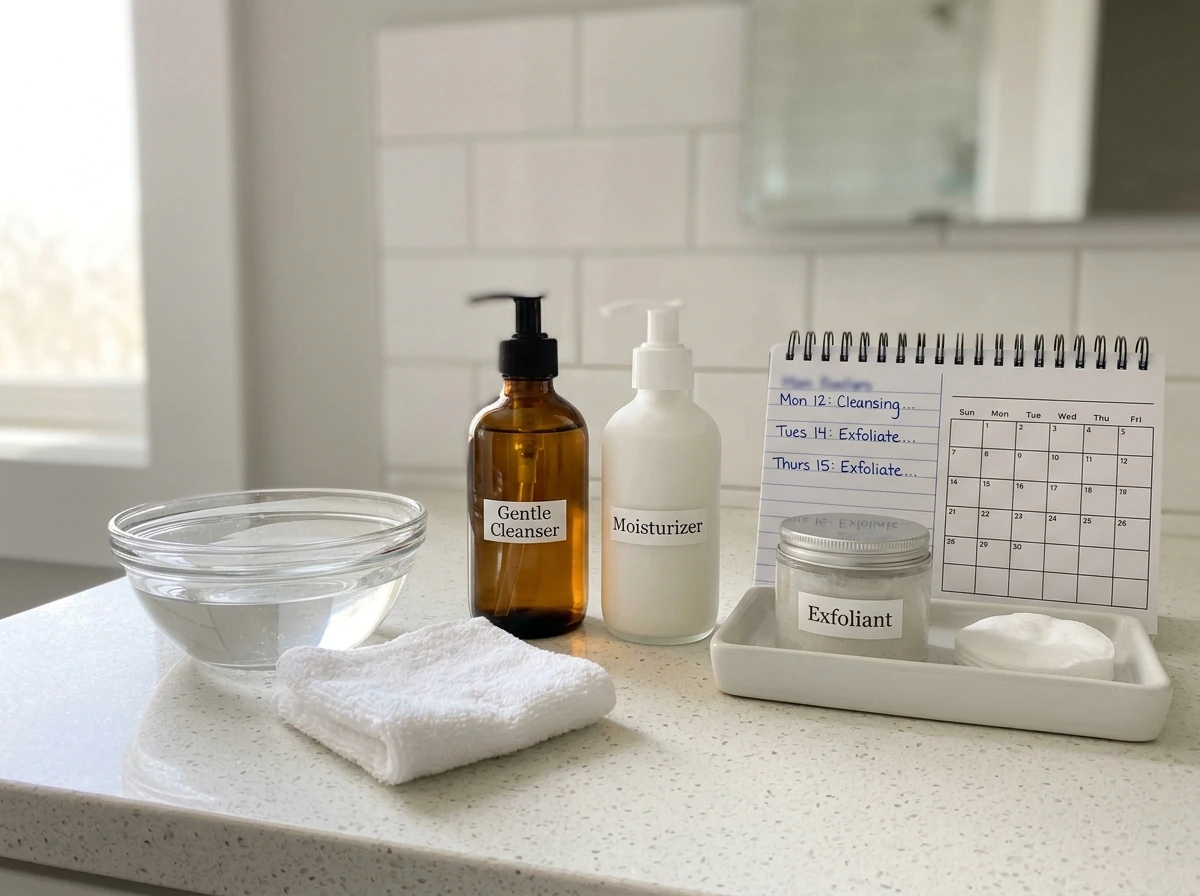
What to actually expect from pubic hair growth
Hair grows in cycles, and pubic hair is no different. The active growth phase (anagen) can last anywhere from a couple of months to a few years depending on the area and the person. The transitional phase (catagen) lasts roughly one to two weeks, and then the resting phase (telogen) lasts about two to four months before the follicle starts over. At any given time, roughly 70% of pubic hair follicles are in the anagen (growing) phase, with the remaining 30% resting. That resting phase is part of why regrowth can feel slow or patchy, especially right after shaving, waxing, or plucking.
So what does "quicker" actually mean here? It means you can remove obstacles that slow or interrupt the growth cycle. You can't force follicles to skip the resting phase or grow faster than biology allows. What you can do is stop damaging the follicles, keep the skin healthy enough to support growth, and let the natural cycle run without interference. For most people who have been removing hair regularly, the noticeable regrowth timeline is roughly four to eight weeks for visible coverage and three to six months for fuller, more uniform length. That's not the answer most people want, but it's the realistic one.
How to take care of the area to actually support growth
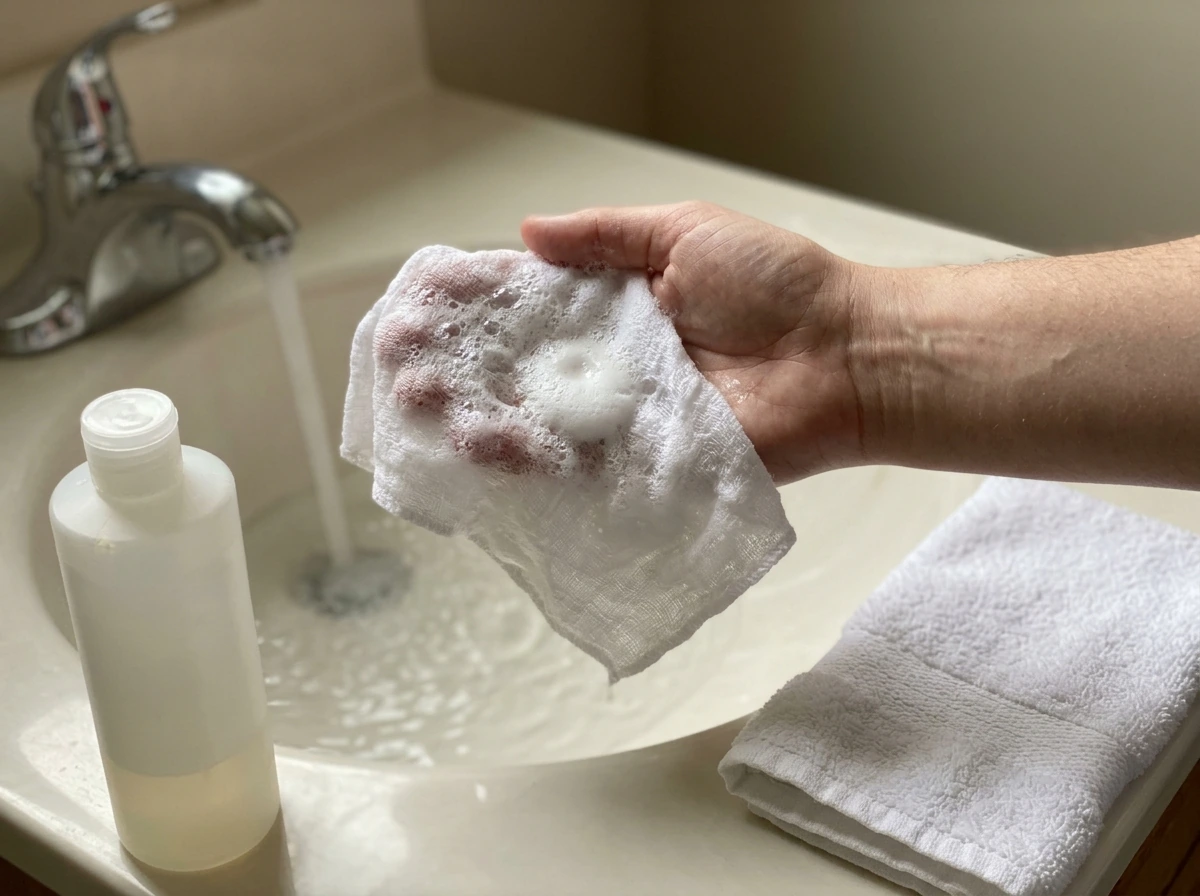
Follicle health starts with skin health. The pubic area is sensitive, prone to friction, and often neglected in everyday skincare routines. These habits make a real difference.
Keep skin clean but not stripped
Use a gentle, fragrance-free cleanser. Products with added fragrance are a common trigger for contact dermatitis in sensitive areas, which can show up as redness, burning, itching, and dryness. Irritated, inflamed skin is not a good growing environment for hair. Fragrance-free is a simple, low-effort upgrade that a lot of people skip.
Moisturize consistently
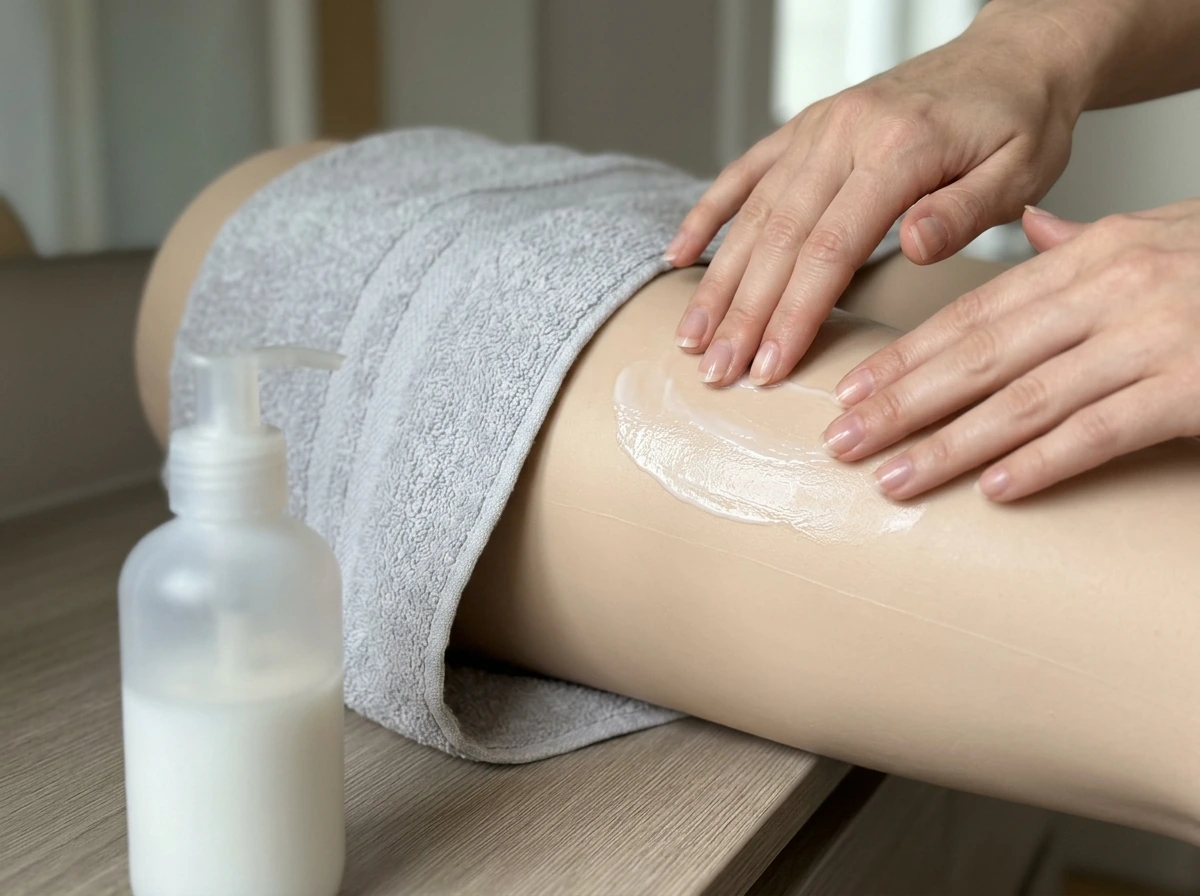
Dry skin leads to more itching, which leads to scratching, which leads to irritation and potential follicle damage. Applying a fragrance-free moisturizer to the area (avoiding internal genital surfaces) keeps the skin barrier intact. If you hit an itch, moisturizer is a better response than scratching. It soothes the itch while protecting the skin rather than inflaming it further.
Gentle exfoliation helps prevent ingrown hairs
Ingrown hairs are one of the most common reasons regrowth looks patchy or stops progressing visibly. Dermatologists recommend gentle exfoliation with ingredients like glycolic acid or salicylic acid to help keep follicle openings clear. You don't need to scrub aggressively, and you shouldn't. Light, consistent exfoliation a couple of times a week keeps dead skin cells from trapping new hairs under the surface.
Nutrition and overall health matter more than any topical product
Hair growth across your whole body is affected by how well you're eating, whether you're under chronic stress, and your sleep quality. Deficiencies in iron, zinc, biotin, and protein are commonly linked to slower or thinner hair growth. There's no magic supplement for pubic hair specifically, but if your overall nutrition is poor or you've been under significant stress, that can extend the telogen (resting) phase across your body, including the pubic area. Eating enough protein and getting regular sleep is genuinely one of the most effective systemic things you can do.
Stop doing these things if you want your hair to grow
A lot of people trying to grow pubic hair back are unknowingly working against themselves. Here are the habits most worth dropping.
- Shaving or trimming too frequently: Every time you shave, you restart a short-term irritation cycle and risk creating pseudofolliculitis (razor bumps), where shaved hairs curl back into the skin and cause inflammation. That inflammation directly disrupts follicle function.
- Using hair removal creams (depilatories) on this area: Clinicians are clear that depilatory creams should not be used on the genital or perianal area unless the product is specifically labeled for it. The risk of chemical burns and irritant contact dermatitis is high, and persistent skin irritation can delay regrowth significantly.
- Waxing or plucking while trying to grow: Removing hair from the root repeatedly can damage follicles over time and extend the resting phase. If your goal is fuller coverage, you need to let the follicles complete their cycle undisturbed.
- Using heavily fragranced products in the area: This includes scented soaps, body washes, lotions, and powders. Fragrance is a top trigger for contact dermatitis in sensitive areas, and ongoing irritation slows everything down.
- Scratching aggressively when it itches: During regrowth, itching is unavoidable. But scratching hard enough to break the skin or cause repeated trauma to follicles creates micro-damage that can interrupt growth and invite infection.
What you can safely do to support faster regrowth
There's no clinically proven topical product specifically designed to accelerate pubic hair growth. Minoxidil, which is commonly used off-label for various scalp hair loss conditions, has not been evaluated for safety or efficacy in the genital area, and the systemic absorption risks and contraindications make self-treating that area with it a genuinely bad idea. Skip that route. What does work is a consistent, supportive routine.
- Stop removing hair completely for at least 6 to 8 weeks. This is the single most effective step. Let every follicle cycle through growth without interruption.
- Exfoliate gently 2 to 3 times per week using a product with salicylic acid or glycolic acid to keep follicle openings clear of dead skin and reduce ingrown hair formation.
- Apply a fragrance-free moisturizer daily to keep the skin barrier healthy and reduce irritation-related follicle stress.
- Increase your protein intake if it's been low. Hair is largely made of keratin, and your body needs adequate dietary protein to produce it.
- Manage friction: wear breathable, non-abrasive underwear (cotton is usually best) to reduce constant mechanical irritation to follicles during regrowth.
- Improve your sleep and reduce chronic stress where possible. Both affect the length of the telogen (resting) phase across the body.
- Stay consistent. The follicle cycle takes weeks to months. There is no shortcut that compresses biology, but steady, non-disruptive care adds up.
Getting through the awkward regrowth phase
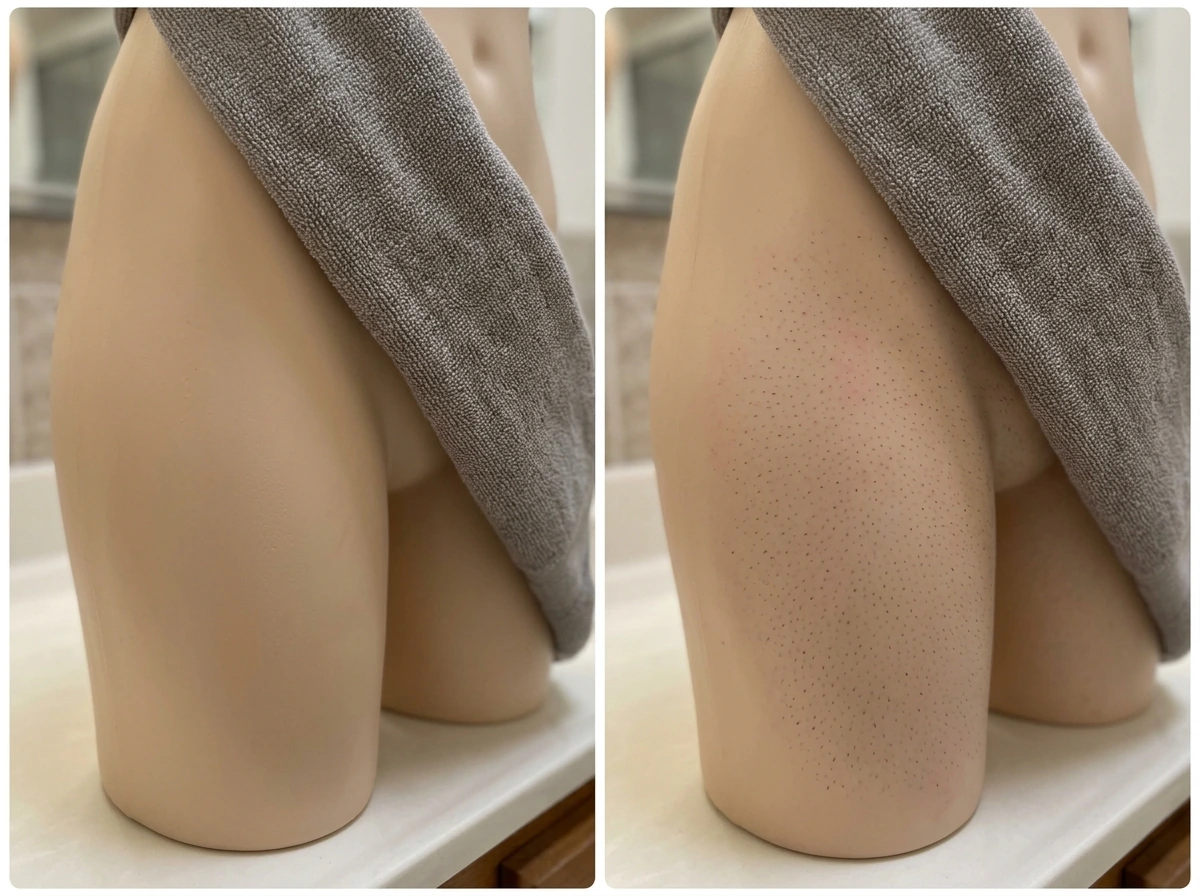
The first two to four weeks of regrowth are the most uncomfortable, and that's normal. Here's what to expect and how to manage it stage by stage, especially if you’re also figuring out how to grow out straight hair men without the irritation getting in the way.
Weeks 1 to 2: stubble and itch
This is the peak itch window. Short, blunt hair tips from previous shaving can poke back into the skin as they grow out, causing irritation. Moisturize daily, resist scratching, and use a gentle cold compress if the itching is intense. This phase passes. The key is not picking up a razor just because it's uncomfortable.
Weeks 3 to 6: patchiness and uneven length
Because different follicles are at different points in the growth cycle, regrowth is almost never even across the whole area at first. Some spots will look fuller, some will look sparse. This is the phase where a lot of people give up or start grooming again, which just resets the clock. Stick with it. The patchiness resolves as more follicles cycle into anagen. Keep exfoliating gently to prevent ingrown hairs from making it worse. The American Academy of Dermatology recommends stopping trimming and following proper trimming recommendations to help prevent ingrown hairs and sparse or patchy regrowth stop trimming and follow proper trimming recommendations to help prevent ingrown hairs.
Months 2 to 6: more even coverage and texture
By month two, most people see noticeably more coverage and less patchiness. The hair will still be shorter than your eventual natural length, but the texture tends to soften as it grows out past the stubble stage. Continue your skincare routine, keep friction minimal, and stay patient. If you're specifically looking for how to grow a man bun, focus on the same basics: patience with your hair growth cycle and consistent care to reduce breakage.
By month three to six, you should be at or close to whatever your natural density looks like. (This timeline can be longer for people who have been removing hair for many years or who have had repeated follicle damage from ingrowns or aggressive waxing. )
When something feels wrong: folliculitis and other issues to watch for
Itching and mild patchiness during regrowth are normal. But some symptoms are worth paying attention to because they indicate something beyond normal regrowth irritation.
Signs of folliculitis
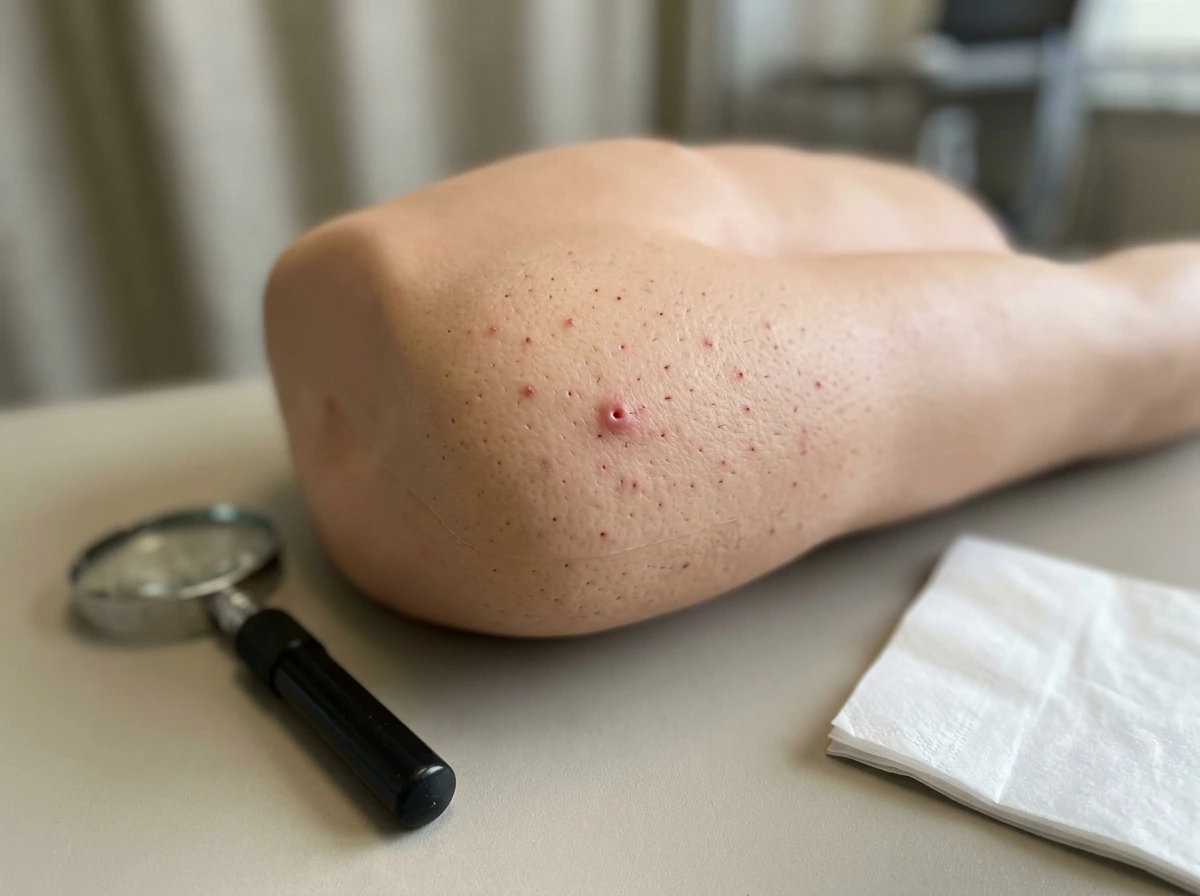
Folliculitis is an inflammation or infection of the hair follicles. It looks like small red or white pus-filled pimples clustered around follicle openings, and it can be itchy or tender. Mild folliculitis often clears up on its own within a week or two if you stop shaving, keep the area clean, and avoid further irritation. If it doesn't improve after one to two weeks of self-care, or if it's spreading or getting more painful, that's when to see a clinician. Widespread or worsening folliculitis may need topical or oral antibiotics, not a wait-and-see approach.
Signs that need immediate attention
A spreading red area that feels hot and is growing quickly, or folliculitis accompanied by fever, is a sign of a deeper infection and needs same-day medical care. Separately, if you notice a painless sore or ulcer (not a pimple, an actual open sore), that can be a sign of a primary syphilis infection (chancre), which typically appears about three weeks after exposure. Painless sores in the genital area should not be dismissed as grooming irritation. Similarly, clusters of painful fluid-filled blisters are more consistent with herpes lesions than with ingrown hair or folliculitis. If you're unsure what you're looking at, get it checked rather than guessing.
Ingrown hairs that won't resolve
Most ingrown hairs improve on their own once you stop removing hair and keep the area gently exfoliated. But if an ingrown has been present for more than a few weeks and isn't improving, or if it's become a hard, painful bump with signs of infection, a clinician can help drain it safely. Don't try to dig it out yourself. According to guidance from the Mayo Clinic, some ingrown hair issues can take one to six months to fully resolve once you stop hair removal, so patience is part of the plan, but persistent pain or infection is not something to push through alone.
| Symptom | Likely Cause | What to Do |
|---|---|---|
| Itching, mild redness across growing area | Normal regrowth irritation | Moisturize, avoid scratching, keep exfoliating gently |
| Small red or white pus-filled bumps around follicles | Folliculitis (mild) | Stop shaving, keep clean, monitor for 1 to 2 weeks |
| Folliculitis spreading or not improving after 2 weeks | Folliculitis needing treatment | See a clinician for possible antibiotics |
| Spreading red area, hot to touch, with or without fever | Deeper skin infection (cellulitis risk) | Seek same-day medical care |
| Painless open sore or ulcer in genital area | Possible primary syphilis chancre | See a clinician promptly for STI testing |
| Cluster of painful fluid-filled blisters | Possible herpes outbreak | See a clinician for diagnosis and treatment |
| Persistent hard bump from ingrown hair (several weeks) | Chronic ingrown hair or infected cyst | See a clinician rather than trying to extract yourself |
Growing pubic hair back is mostly about getting out of its way and giving your body the basic conditions it needs to do what it does naturally. If you meant hair on the head and are searching for how to grow a guys hair out, the basic idea is similar: protect the health of your hair and scalp and stay consistent Growing pubic hair back. The biology handles the rest.
Your main job is to stop disrupting the cycle, protect the skin, and hold your ground through the uncomfortable early weeks. The awkward phase is real and genuinely annoying, but it doesn't last forever. If you've been wrestling with the regrowth process for other areas of your body too, the same principles apply: patience, consistent skincare, and realistic expectations about timelines are what actually move the needle.
FAQ
How long should I wait before trying to shave, wax, or trim again while regrowth is happening?
Most people should avoid any new hair removal for at least 8 to 12 weeks while follicles reset. If you must groom, switch to trimming with clean, dull-free clippers and stop shaving and plucking, because cutting below the skin surface is one of the fastest ways to keep the growth cycle from progressing evenly.
Can I use exfoliating acids immediately if my skin is sensitive or irritated during regrowth?
If you already have redness, burning, or open skin, hold off on glycolic acid or salicylic acid for a bit. Once the skin calms, use exfoliation sparingly (for example, 1 to 2 times per week) and keep it off any irritated or broken areas to reduce the chance of follicle damage.
What daily habit makes the biggest difference besides skincare for pubic hair regrowth?
Yes, friction matters. Wear breathable underwear (cotton or moisture-wicking), avoid tight seams that rub daily, and change out of sweaty clothes soon after workouts. Less friction lowers inflammation, which can reduce itching that otherwise leads to scratching.
What should I do if the itch is strong, but I don’t want to scratch?
Moisturizer alone is usually not enough if the area is very itchy or inflamed. A practical option is to moisturize consistently, switch to fragrance-free products, and use a cool compress during itch spikes. If itching comes with clustered bumps, pus, or spreading redness, treat it as a possible folliculitis issue rather than “normal regrowth.”
Do vitamins like iron, zinc, or biotin help me regrow pubic hair faster, and how do I know if I need them?
Supplement “boosts” help mainly when you’re actually low in nutrients. If you are eating poorly, have heavy menstrual bleeding, a restrictive diet, or symptoms of anemia, it makes sense to talk to a clinician about checking iron and other deficiencies. Avoid high-dose zinc or biotin on your own, because excess can cause side effects and lab test interference.
What signs mean my patchy regrowth is not just normal cycling?
It can be normal to see more growth on one patch than another because follicles are not synchronized. However, if a specific area repeatedly fails to regrow after several months, or if there are smooth shiny patches, scarring, or persistent burning, get evaluated to rule out scarring inflammation or chronic infection.
Is it safe to use minoxidil to speed up pubic hair regrowth?
You generally should not use minoxidil or other hair-growth drugs on genital skin. Even if a small amount seems to “work,” there is real risk of irritation, unwanted systemic effects, and unknown safety in that specific location. If regrowth is poor, focus on follicle protection and medical evaluation instead.
Are there any skincare products I should avoid during regrowth to prevent breakouts or folliculitis?
Covering the area with occlusive ointments can sometimes trap heat and moisture, which may worsen folliculitis in some people. If you use moisturizer, choose a simple, fragrance-free option and apply a thin layer only to skin that is intact and not actively inflamed or weeping.
When do itching or bumps mean I should see a clinician instead of waiting it out?
A clinician visit is a good idea if symptoms persist beyond 1 to 2 weeks despite gentle self-care, if bumps are getting more numerous, if there is significant pain, or if you have fever. Also go sooner if you notice a painless open ulcer, or clusters of blisters, because those may not be related to ingrown hairs.
Why does it sometimes feel like nothing is growing back even though I’m doing “everything right”?
Expect regrowth that is shorter and uneven at first. If you keep returning to aggressive hair removal, you reset the cycle and may end up with repeated irritation, more ingrowns, and longer timelines. A decision aid is to commit to a “no-shave” phase for long enough to see real change, typically 8 to 12 weeks.