
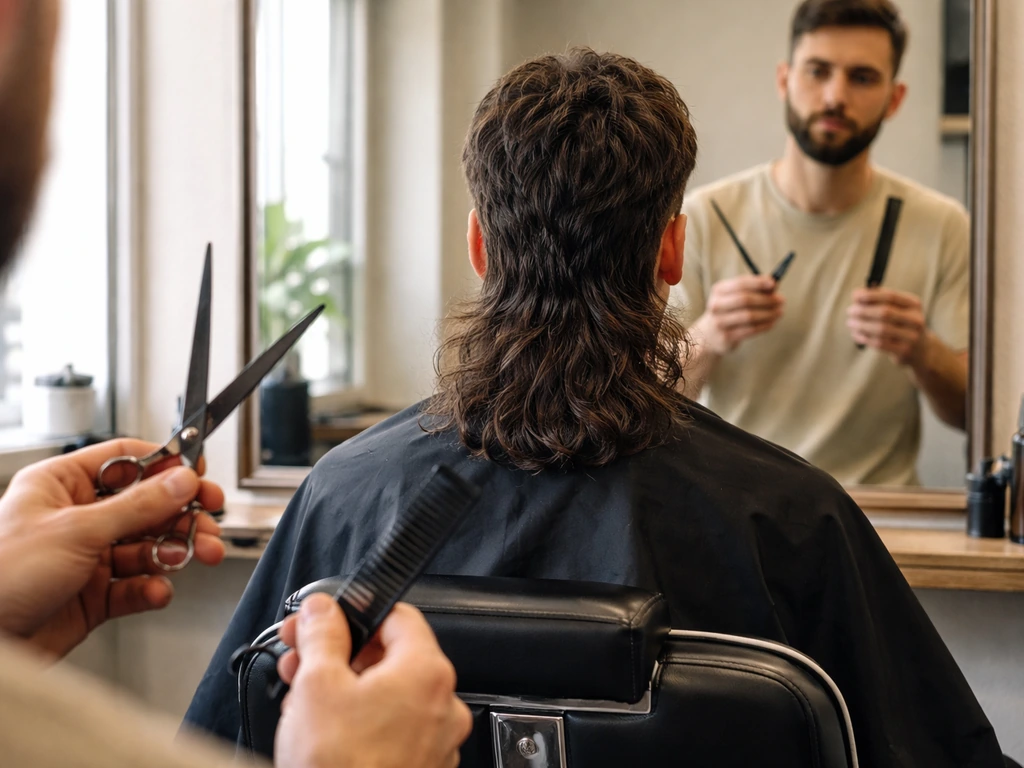
Growing a mullet means deliberately keeping the front and sides shorter while letting the back grow noticeably longer, so you end up with that classic front-to-back contrast Reddit loves to debate. Before you commit, check whether anyone can grow a mullet based on your starting length and hair type can anyone grow a mullet. The process typically takes 6 to 18 months depending on where you start, and the whole trick is managing what happens in the middle, because there is an awkward phase, it is real, and it will test your patience around month 3 or 4.
How to Grow a Mullet Reddit Style: Step-by-Step Guide

Marcus Vickers
17 Jun 2026
What Reddit actually means by 'growing a mullet'
If you dig through Reddit mullet threads, the definition keeps coming back to the same thing: business in the front, party in the back. That sounds simple, but it has a specific visual requirement people often miss. The back must be longer than the sides, not just the top. A hairstyle where the back is roughly the same length as the sides but long on top is not really a mullet in the Reddit community's eyes. Neither is a fade with a longer top. The defining element is that sharp contrast between a shorter, cleaner front section and a genuinely longer back section, where the back flows past the nape and the sides stay controlled.
Reddit also distinguishes between a 'true mullet' and what people sometimes accidentally end up with during an awkward grow-out, which is just uneven, shaggy hair with no clear silhouette. A true mullet is intentional. The shape is deliberate. So before you start, it helps to decide early: are you going for a modern soft mullet (longer layers, textured, kind of indie-rock), a classic 1980s hockey mullet (tight sides, long flat back), or a disconnected mullet with an undercut on the sides? Each one has a slightly different grow-out strategy.
Getting started: shaping, trimming, and not sabotaging your progress
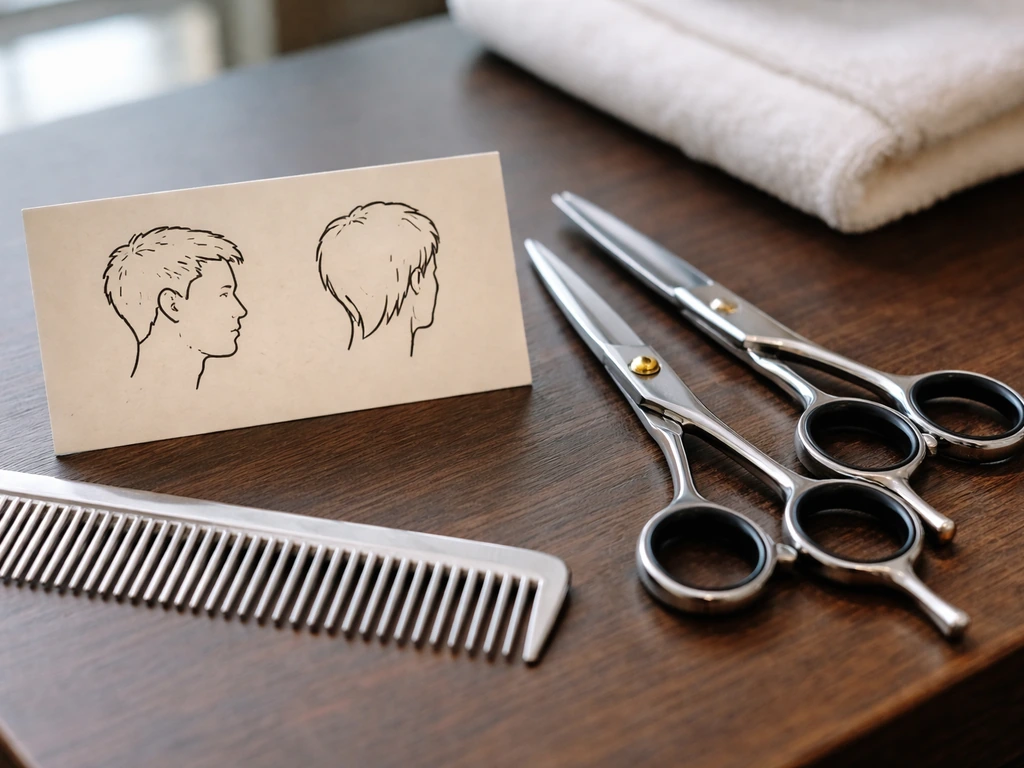
Your starting point matters more than most people realize. If you are coming from a buzz cut or a very short all-over length, you are essentially building from scratch and will spend the first few months looking like you just forgot to get a haircut. If you are starting from a short-to-medium cut (a crop, short sides, or even a short bob), you already have some length to work with, especially in the back.
At the barber or salon, the first conversation is about asymmetric trimming: you want to stop cutting the back entirely (or cut it minimally, just cleaning up the very ends) while continuing to trim the top and sides on a schedule. Ask for a 'grow-out mullet' or 'shaping for a mullet' and explain that you want the nape and lower back left alone. A good stylist will understand. A less experienced one may reflexively even everything out, which sets you back weeks. Be specific.
The biggest early mistake is trimming the back 'just a little' to clean it up when it starts to look scraggly. Every trim of the back restarts the length clock for that section. If the ends are split or damaged, yes, a small dusting (less than half an inch) is fine. But reflexive neatening because you feel awkward about the length is the number one reason people stall out and never actually get a mullet.
- Tell your barber explicitly: leave the back alone, only clean up the nape perimeter if needed
- Keep trimming the top and sides every 6 to 8 weeks to maintain the front-to-back contrast
- Resist trimming the back more than half an inch every 3 to 4 months, and only do it for split ends
- Decide your target mullet style before you start so you know how long 'long enough' actually is
- Take a photo of your starting length so you can track real progress rather than guessing
The timeline: what to expect month by month
Hair grows roughly half an inch per month on average, though genetics, health, and hair type can push that to around three-quarters of an inch per month or slow it to a third. Here is a realistic stage-by-stage breakdown from a short starting point (assume hair is 1 to 2 inches all over at the start).
| Stage | Timeline | What it looks like | Main challenge |
|---|---|---|---|
| Early grow-out | Months 1 to 2 | Back is only slightly longer than sides, no clear mullet shape yet | Looks messy rather than intentional |
| Awkward phase | Months 3 to 5 | Back hits collar length, sides are getting shaggy, silhouette is undefined | Hardest phase mentally; temptation to cut is highest here |
| Proto-mullet | Months 6 to 8 | Back is clearly longer, front-to-back contrast is visible, starts to read as intentional | Managing side length and keeping the front neat |
| True mullet territory | Months 9 to 14 | Back reaches mid-neck to shoulder, shape is unmistakable, final shaping cut possible | Deciding when to commit to the final haircut |
| Long mullet | Months 15 to 18+ | Back past shoulder, classic party-in-the-back look fully realized | Keeping ends healthy, managing volume and texture |
The awkward phase (months 3 to 5) is where most people quit. The back is long enough to look unkempt but not long enough to look intentional. A Reddit reply on the r/FierceFlow mullet thread suggests trimming and maintaining the top proportion while the back grows, implying the early phase may not immediately match the classic mullet silhouette. The sides might be getting wide or fluffy. This is exactly when you want to push through rather than even everything out. A few tricks help: wearing the back down and textured with product instead of letting it sit flat and wispy, keeping the front styled with a slight forward sweep or texture piece, and leaning into the 'growing it out' aesthetic rather than fighting it.
Styling during the grow-out
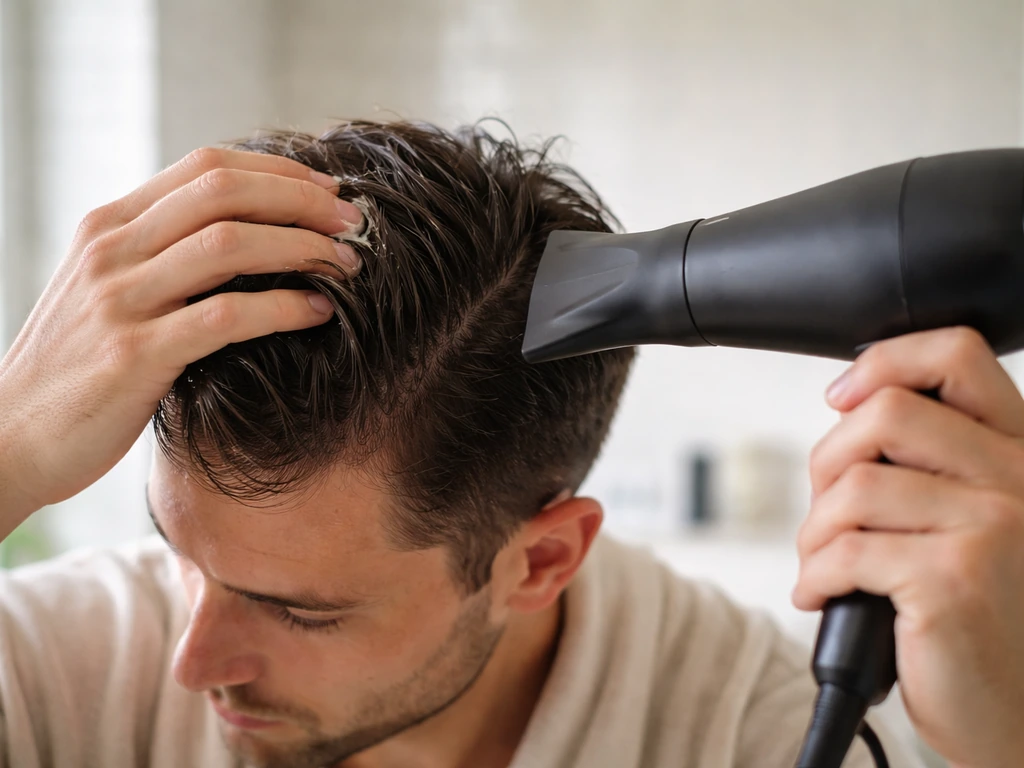
Managing how your hair looks during the grow-out is mostly about front and side control. The back is just going to do its thing. The front and sides are where you make the difference between looking like you have a plan and looking like you missed a few appointments.
Front and top management
Keep the front section styled with intention. A light texturizing cream or matte paste worked through damp hair and blow-dried forward or to the side gives you control without stiffness. If you have bangs or a fringe, this is actually a mullet-friendly starting point because you can grow them out gradually as part of the front section. Cowlicks near the front hairline are common complaints at this stage. The fix is a combination of blow-drying against the cowlick direction while the hair is damp, then using a small amount of pomade or styling clay to hold it down once dry.
Side management
Sides are the most variable part. If you are going for a disconnected mullet with an undercut or fade on the sides, you will want your barber to maintain those sides on a tighter schedule (every 3 to 4 weeks) even while the back grows freely. If you want a more flowing, all-one-length soft mullet, you can let the sides grow too but taper them so they stay shorter than the back. The key rule: the back must always be longer than the sides. If what you want is the same “longer back, controlled front” vibe but without ending up with a mullet, you can follow these tips for how to grow out hair without mullet. The moment the sides match the back length, the mullet silhouette disappears and you just have long hair.
Product suggestions for the grow-out
- Texturizing spray or sea salt spray for the back section: adds separation and makes thin or fine hair look more intentional during awkward phases
- Matte styling clay or paste for the top and front: gives hold without crunch and works well for sculpting the front section
- Light hair oil or serum for the back ends: keeps them looking healthy and reduces the split-end wispy look
- Blow dryer with a diffuser for wavy or curly hair: enhances natural wave in the back instead of fighting it flat
- Dry shampoo at the roots: adds volume on days when the back section is laying flat and lifeless
Maintenance visits: what to actually ask for
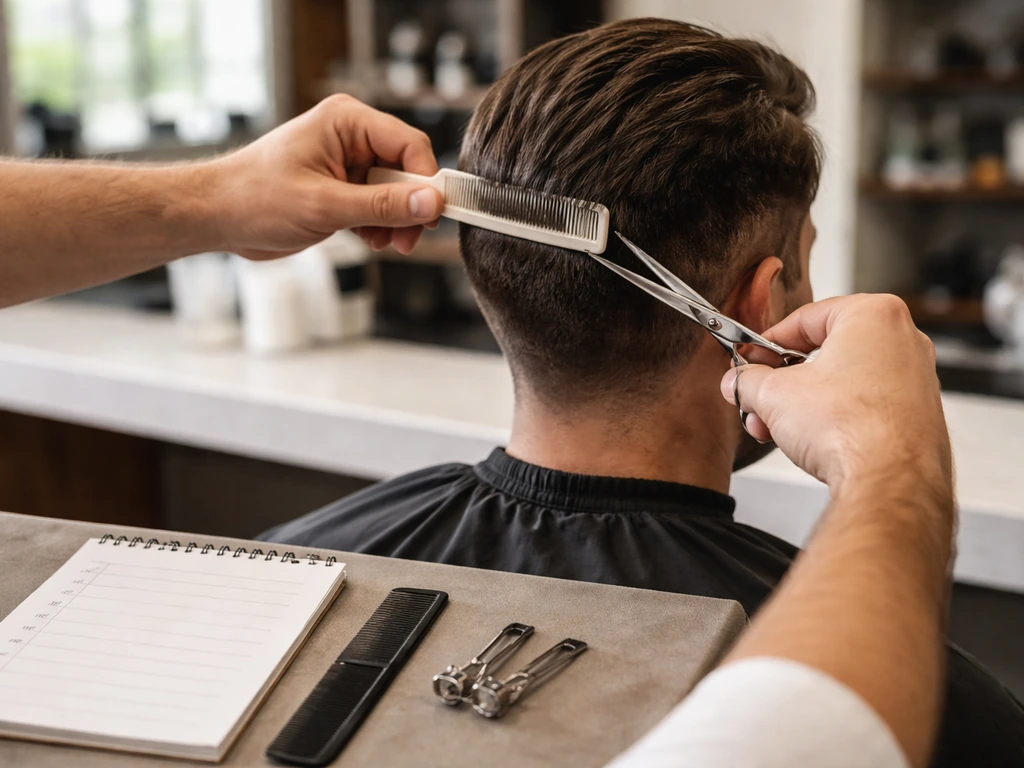
You still need to see your barber or stylist during the grow-out, just with a clear strategy. The goal of each visit is to protect the shape, not reset the length. Schedule visits every 6 to 8 weeks for the top and sides. At each visit, tell your stylist you are growing a mullet, you want the back left as long as possible, and you only want the nape cleaned up if the perimeter is getting too wide or uneven. If you want a simple plan for getting from short hair to a mullet, follow these steps for how to grow your hair into a mullet growing a mullet. Bring a reference photo so there is no ambiguity.
If you are going for an undercut or disconnected style, the shaved or faded sides actually need more frequent attention (every 3 to 4 weeks) because an overgrown fade starts to blur the contrast between sides and back. Keeping those sides tight is what makes the long back look more dramatic and intentional, not accidental.
Layers are worth discussing with your stylist around the 6-month mark if the back is starting to feel heavy or is growing in unevenly. Soft layers through the back add movement and remove weight without sacrificing length. Just make sure the layers are cut vertically through the back section rather than horizontally, which would shorten the overall length and undo months of progress.
If you have colored hair, the grow-out process exposes your natural root and can make the back section look patchy or two-toned before it gets long enough to trim evenly. Options include: letting it grow naturally and embracing the gradient, using a gloss or toner to soften the contrast between dyed and natural sections, or doing a balayage that blends toward the natural color so the root line is less harsh. Avoid bleaching or heavy chemical processing during active grow-out, especially on the back section, because damaged ends are more likely to break and stall your length.
How to know when you're actually ready for the mullet cut
The most common mistake people make at this stage is going in for the 'mullet shaping cut' too early. If the back is not long enough to clearly sit below the sides after the shape-up, the final cut will just make everything look short and even again. Wait until the back of your hair reaches at least the bottom of your collar (roughly 4 to 5 inches past the nape) before you sit down for that shaping appointment. For a longer, more dramatic mullet, wait until the back reaches mid-neck or touches your shoulders.
When you are ready, bring a clear photo of the exact mullet style you want. The final shaping cut involves cleaning up the sides and front to reinforce the contrast, possibly adding a taper or fade to the sides if you want that disconnected look, and doing a small shape-up through the back ends to remove any split or uneven growth. This is not a big cut. You are defining edges, not removing length.
After the shaping cut, styling the mullet is straightforward. Blow dry the back section downward with a round brush or your fingers to smooth it and add slight curve at the ends. Use a small amount of texturizing product through the back to separate and define. Keep the front styled forward or to one side. Let the back air-dry if you have natural wave or curl, since that texture actually enhances the classic mullet look more than flat-ironing it ever would.
One last thing worth knowing: if you find yourself wanting to avoid the mullet look during the grow-out entirely (maybe you want to grow out a different style afterward), there are different strategies for managing back length without leaning into the mullet shape. If you are wondering how to grow a mohawk out, the biggest difference is that you are training a central strip while keeping the sides much shorter. That is a different path and a different set of techniques. But if a true mullet is your goal, the awkward phase is just the price of admission, and it is absolutely worth it once the back finally hits that length and the whole silhouette clicks into place.
FAQ
How do I know when a grow-out trim will ruin the mullet silhouette (and when it is safe)?
Use a quick “silhouette check” before each trim. If the back still clearly sits longer than the sides when you look straight ahead in normal lighting, keep the back untouched and only maintain the front/sides. If the back is no longer visually longer (it blends with the sides), that is when you can ask for a perimeter cleanup at most, not a full back reshape.
What changes if my hair is curly or wavy while I’m trying to grow a Reddit-style mullet?
If you have tight curls or strong waves, aim for “definition without flattening.” Skip heavy straightening during the awkward phase, and instead use leave-in conditioner plus a curl cream, then scrunch the back upward slightly and let it fall naturally as it dries. The goal is to keep the back longer, even if it looks puffy, and use only light matte product to separate strands.
What if my hair grows slower than average, will I still be able to get the mullet contrast?
If your hair grows slowly, rely more on the haircut schedule than on calendar months. Plan top and side visits every 6 to 8 weeks as usual, but request zero changes to the back length except tiny dusting only when split ends are visible. You may wait longer before the final shaping cut, because doing it early can reset the contrast you are trying to build.
How should I explain the plan to my barber so they stop blending the sides into the back?
If your barber keeps “cleaning up” the back, bring a specific instruction: “Do not blend the back into the sides. Leave the back perimeter alone, only remove split ends at the very tips if needed.” Also show a photo and point out exactly where the sides must stop and the back must continue past the nape.
My front cowlick keeps flipping outward, what is the fastest way to control it during the awkward phase?
If cowlicks or front flip happen constantly, reduce variables. Blow-dry the front and side sections in the direction you want them to sit while the hair is damp, then lock with a small amount of styling clay or pomade on dry hair, not on wet hair. Avoid piling product at the roots, it increases weigh-down and can make the front look messy rather than controlled.
Colored hair looks patchy before the mullet silhouette forms, what should I do before the final shaping cut?
For dyed hair, patchiness often comes from contrast plus uneven root regrowth, not from “doing something wrong.” Ask for a toner or gloss to soften the transition before the back gets long enough for an even trim. If you see breakage, prioritize conditioning and trimming only split ends, because damaged ends can prevent the back from staying long enough to build the silhouette.
Can I tweak the plan mid-grow-out if the awkward phase feels too extreme?
Yes, but only if you change the goal. If you try to “fix” awkwardness by cutting the front shorter or thinning the sides heavily, you can lose the business-front look and end up with uneven shag. Use styling to camouflage the phase instead: keep the front textured and styled, and protect the back length from frequent trimming until it reaches the collar or mid-neck stage.
What if I miss my haircut schedule, should I do an emergency cut to catch up?
If you miss a scheduled visit, do not immediately rush a big correction cut. Wait until the next routine appointment time, then ask for a perimeter cleanup that maintains the existing length difference. If the sides have grown too close to the back, you can tighten the sides at the next visit, while still asking that the back be left as long as possible.
How do I keep a mullet looking intentional if my hair is fine and gets flat or stringy?
For very fine hair, the back can look stringy instead of intentionally long. Use a lightweight matte texturizer and blow-dry the back downward to add separation, then avoid heavy oils. For extra volume, you can use a small amount of product mixed with water to create a light hold, then let it air-dry only if your hair naturally lifts.
If I decide I do not want the mullet anymore, what is the best way to transition out without wasting months?
If you want to stop the mullet look later without starting over, the fastest route is to transition the front and sides upward together while letting the back be trimmed down gradually at normal visits. Do not wait until the back is long and uneven, because the reshape will require more cutting. Tell your stylist you want to “remove the contrast,” and ask for consistent all-over length maintenance from the next appointment onward.