
Yes, most people can grow a mullet. If you have working hair follicles, at least a couple of inches of length to start shaping from, and reasonably healthy hair, you are a candidate. The main things that genuinely block someone are significant follicle loss from androgenetic alopecia in the crown or temples, active scalp conditions that are disrupting growth, or simply being too early in the grow-out to have enough length to work with yet. Everyone else is essentially just waiting and managing the awkward stages.
Can Anyone Grow a Mullet? Timeline, Limits, and How-To

Marcus Vickers
5 May 2026

Who can (and can't) grow a mullet
A mullet is defined by a simple silhouette: shorter at the front, top, and sides, longer at the back. That means your front and top can stay fairly short the whole time, and the back is where the length needs to go. Because you're not trying to grow everything long, you actually have more flexibility than people expect. Most people growing out a pixie, buzz cut, or short bob are already on the right path without even knowing it.
The people who may face real limitations are those with androgenetic alopecia (pattern hair loss) that is actively thinning the crown and temples. As that progresses, the follicles miniaturize and eventually stop producing visible hair entirely, which means the top-and-sides portion of the mullet becomes increasingly sparse. If that's already happening noticeably, it's worth talking to a dermatologist before investing months of grow-out time, because early intervention actually helps. A progressive receding hairline doesn't make a mullet impossible, but it does change how the finished style looks and what you can realistically expect.
Active scalp conditions like seborrheic dermatitis won't permanently block growth, but they can cause enough inflammation and breakage to slow visible progress. The good news is that seborrheic dermatitis is treatable and doesn't cause permanent hair loss. If your scalp is consistently itchy, flaky, and inflamed, getting that under control first will make the entire grow-out go smoother.
| Situation | Can you grow a mullet? | What to do |
|---|---|---|
| Healthy hair, any starting length | Yes | Follow the stage-by-stage plan below |
| Buzz cut or very short pixie | Yes, with patience | 6–12 months to first recognizable shape |
| Active androgenetic alopecia (crown/temples) | Partially — depends on severity | See a dermatologist; early treatment helps |
| Telogen effluvium (stress or hormone shedding) | Yes, after shedding resolves | Address the trigger; hair typically regrows in 3–6 months |
| Active seborrheic dermatitis | Yes, once treated | Treat scalp first, then start your grow-out |
| Bleached or chemically damaged hair | Yes, with careful maintenance | Prioritize protein treatments and moisture balance |
Hair growth basics that actually matter here
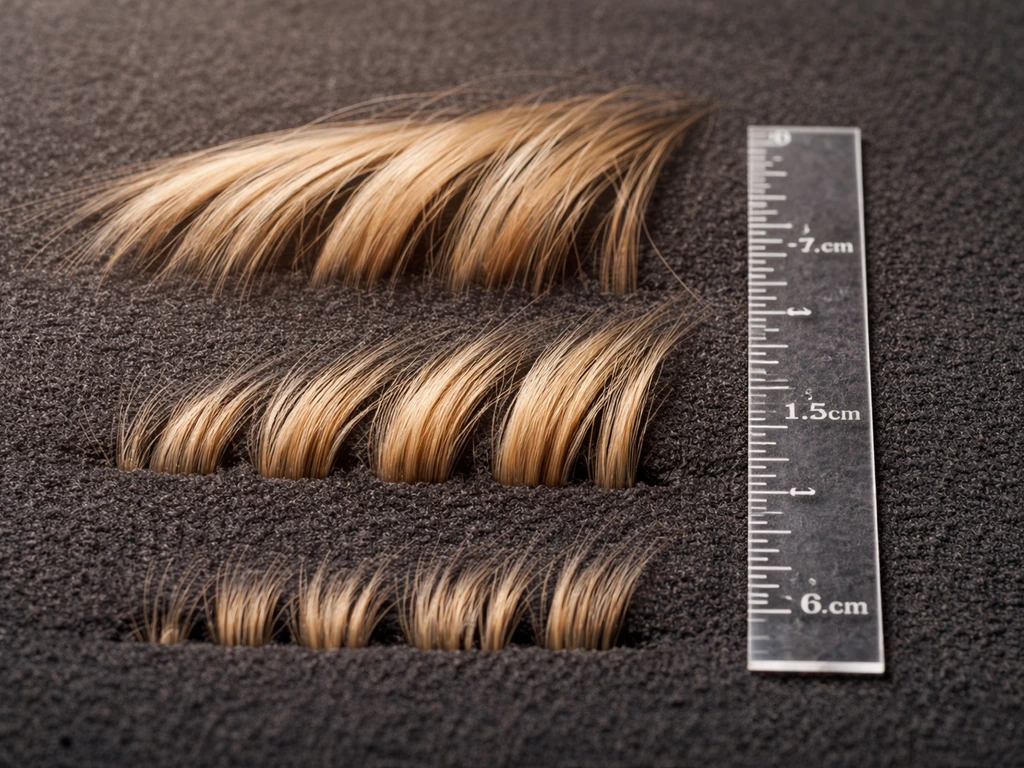
Average scalp hair grows about half an inch (1.25 cm) per month, which works out to roughly six inches a year. Some people grow closer to 0.5 cm per month and some closer to 1.7 cm, so your personal rate can vary quite a bit. The anagen (active growth) phase is what determines your maximum achievable length over time. You can't meaningfully speed up growth rate, but you can absolutely stop slowing it down.
Shedding is not the same as hair loss. A healthy scalp sheds between 50 and 100 hairs per day, because roughly 85 to 90 percent of follicles are actively growing at any given time while the rest are in a resting phase before they cycle back. If you're seeing clumps in the shower during a stressful period, that's likely telogen effluvium, a temporary shedding surge triggered by stress, illness, hormonal changes, or nutritional shifts. The catch is that there's a delay: you might not notice it until two to four months after the trigger event. The good news is that it typically resolves and hair regrows within three to six months once the trigger is gone.
Texture matters a lot for how a mullet takes shape. Straight hair shows length gains quickly and the back grows out visually fast. Wavy and curly hair shrinks up significantly, so the back needs more physical length before it reads as 'long' in the mullet silhouette. Coily hair has the most shrinkage and may need considerably more actual length to achieve the visual effect. This doesn't prevent anyone from having a mullet, it just affects timing and what the shape looks like at each stage.
Best starting points for a mullet grow-out
The most mullet-ready starting point is a short cut where the top and sides are already cropped but the back has been left alone or has grown out a bit. Think: a pixie that's getting shaggy at the nape, a short bob that's longer at the back, or a buzz cut that's been growing for two or three months. All of these give you something to direct.
If you're starting from a completely even buzz cut, you need to make a deliberate decision to stop trimming the back while continuing to maintain the sides and top. That asymmetry is the whole game. The moment you let the back run and start shaping the sides is the moment your grow-out becomes intentional rather than just unkempt.
Bangs are actually a natural advantage for growing a mullet. They already establish the 'short at the front' visual that the style is built on, so you don't need to grow them out first. If you're currently growing out a pixie with front fringe, you may already be closer to a mullet draft than you realize.
Undercuts require a bit more patience. If your sides have been shaved or clipped very short as part of an undercut, those need to grow in enough to blend before the mullet sides can be shaped properly. A barber can start sculpting the transition even before the undercut is fully grown, but the overall shape won't read cleanly until you have at least an inch or two of growth on the sides.
Stage-by-stage: what to expect as you grow
Months 1–2: establishing the back
This is where you commit to not trimming the back. The sides and top get maintained, the back gets left alone. At a buzz cut starting point, this stage feels almost invisible because there's not much length to show yet. At a pixie or short crop, you'll start to notice the nape getting noticeably longer. It's not a mullet yet, it's just the beginning of the differential.
Months 3–4: the awkward phase starts

This is the stage most people quit at. The back is long enough to be noticeable but not long enough to look intentional. The sides may start looking shaggy depending on how they're being maintained. This is where you need to commit to your barber or stylist and have a clear conversation: you're growing a mullet, you want the sides blended down, the top maintained, and the back left alone. As you move into the first few months, focus on how to grow your hair into a mullet by keeping a clear plan for the sides, top, and back as the silhouette develops. Bring a reference photo. Do not let anyone 'clean up' the back.
Months 5–7: the shape starts to read
By month five or six (from a short crop starting point), the back has enough length to clearly read as intentional. The nape should be dropping below the occipital bone, which is the ridge at the back of your skull, and that's actually the target anchor point for the back to flow naturally without looking shelf-like or bulky. The silhouette is becoming identifiable. This is also when a good mullet-specific trim makes a huge difference in whether it looks intentional or just grown-out.
Months 8–12: refinement
You're now working with real mullet length and the job shifts to refinement. The back should be noticeably longer than the top, with a rough proportion target of the nape being about three times the length of the crown. That 3:1 ratio is a useful guide for keeping the shape reading as a mullet rather than drifting toward something else. Regular maintenance trims shape the back's ends while the sides and top stay managed.
Surviving the awkward stages: styling and trims that actually help
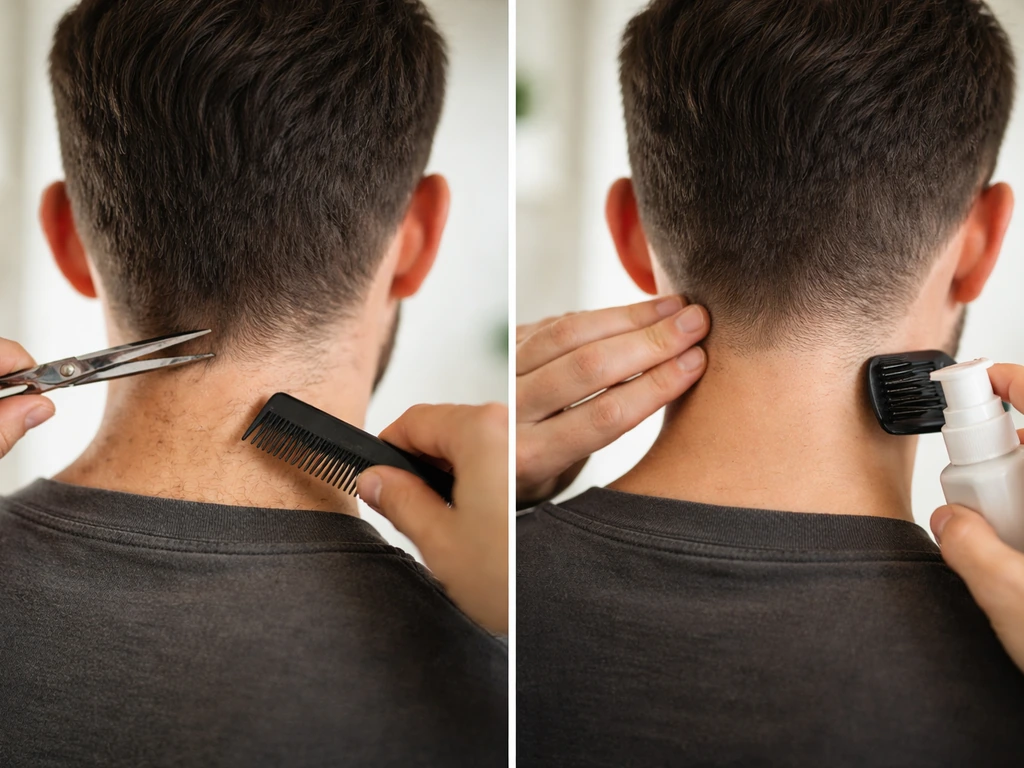
The awkward middle stages are the whole challenge of this grow-out, and product choice makes a real difference in whether each stage feels wearable or embarrassing. During months two through five, a light hold paste or matte clay is useful for controlling the sides without making them look stiff. The back can be left more natural, or you can use a small amount of lightweight oil or cream to define it if your hair is wavy or curly.
For the neckline specifically: this is where cleanup visits make or break the look. Even while you're growing the back out, the neckline shape matters. A tapered neckline looks more intentional than a squared or ragged one during the grow-out phase. Ask your barber to clean up the neckline without touching the actual length. That two-to-three-week neckline cleanup interval is what separates a grow-out that looks intentional from one that just looks neglected.
For heat styling: a diffuser helps if you're curly or wavy and want to define the back without it looking frizzy or undefined. Straight hair can be left to air dry or given a quick pass with a low-heat setting. The goal during the grow-out is volume management more than style definition, so save the heavy heat tools for when you actually have length to work with.
- Neckline cleanup: every 2–3 weeks, without touching back length
- Full mullet shaping trim: every 6–8 weeks once shape is established
- Fade or taper styles: every 3–4 weeks, since fades lose crispness faster
- Tell your barber explicitly: 'leave the back length, just shape and clean up the outline'
- Bring a reference photo to every appointment during the grow-out
Common blockers: what actually slows people down
Genetics and growth rate
You can't change your genetic growth rate, but you can make sure you're not artificially slowing it down. Consistent breakage from heat damage, dryness, or mechanical stress (tight elastics, rough towel drying, sleeping without a satin pillowcase on textured hair) can eat up gains so quietly that it feels like your hair isn't growing. If your ends are constantly splitting or snapping, the length you're gaining at the root is being lost at the tip.
Shedding vs. breakage
These look similar but have different causes and solutions. Shedding produces hairs with a small white bulb at the root end, which means the hair completed its cycle. Breakage produces jagged, tapered strands with no root bulb. If you're seeing a lot of shedding that started two to four months after a stressful or disruptive period (illness, major weight change, pregnancy, a new medication), that's likely telogen effluvium, and it resolves on its own once the trigger is addressed. If you're seeing breakage, the fix is in your hair care routine: less heat, more moisture, gentler handling.
Scalp health
A healthy scalp environment supports healthy growth. Seborrheic dermatitis causes scaling, itch, and inflammation, but it doesn't permanently damage follicles and is manageable with the right shampoos and treatments. If your scalp is consistently uncomfortable or flaking heavily, that's worth addressing before starting an ambitious grow-out. A calmer scalp means less unnecessary shedding and better conditions for the growth you do have.
Bleach and color damage
A lot of people coincide a mullet grow-out with a color change, which makes sense. But heavy bleaching weakens the hair shaft and increases breakage risk significantly. If you're bleaching and growing simultaneously, doubling down on protein treatments and moisture is non-negotiable. Consider spacing out bleach sessions and using bond-building treatments between appointments. The length will come in, but it won't stick around if the ends are snapping off.
Androgenetic alopecia
This is the one genuine blocker that requires a different plan. If you're experiencing progressive thinning at the crown or a receding hairline, those are signs of androgenetic alopecia, and it's worth seeing a dermatologist sooner rather than later. Early intervention (whether topical minoxidil, finasteride, or other treatments depending on your situation) can slow or partially reverse the miniaturization process. The style is still achievable for many people with early-stage pattern loss, but you'll want to factor in which areas have reliable follicle density when planning the cut.
Realistic timelines and what maintenance looks like once you're there
From a buzz cut or very short crop, expect roughly six to twelve months before you have a recognizable mullet draft. From a short pixie or short bob with some length already at the back, that can compress to three to six months. These are rough guides based on average half-inch-per-month growth, so adjust for your personal rate and texture.
| Starting point | Time to first mullet draft | Key milestone to watch for |
|---|---|---|
| Buzz cut (all over) | 9–12 months | Nape reaching 2+ inches, sides staying short |
| Short pixie or crop | 6–9 months | Back passing occipital bone, sides blended |
| Short bob with back length | 3–6 months | Top/sides shaped down, back allowed to grow |
| Medium length with layers | 2–4 months | Layers reshaped to direct length toward back |
Once you have the shape you want, maintenance is ongoing but not demanding. Full reshape trims every six to eight weeks keep the shape intentional. The neckline and sides need more frequent attention, every two to three weeks if you're running a tighter taper, closer to every four weeks if the sides are softer. The trap to avoid is letting a barber 'clean up' the back during these visits. Always specify: back length stays, everything else gets shaped.
Your next steps right now

Start by honestly assessing where your hair is today. How long is the back compared to the sides? Are there any active scalp issues or noticeable thinning patterns that need attention first? Is your hair breaking or just cycling normally? The answers tell you whether you're starting now, starting after some hair health work, or starting after a dermatology visit.
If your hair is reasonably healthy and you have any length to work with at all, the answer to 'can I grow a mullet' is almost certainly yes. Book an appointment with your barber or stylist, bring a reference photo, explain that you're growing a mullet and need them to manage the shape during the grow-out rather than cut it back. If you are looking for community tips, you can also search Reddit for discussions on how to grow a mullet how to grow a mullet reddit. That conversation, repeated consistently, is really most of the battle. The hair will do the rest at its own pace.
If you're also thinking through what the grow-out process looks like step by step, including how to direct your specific hair into a mullet shape and navigate related styles like the mohawk grow-out transition, there's more detail on those paths within this site. If you want, you can also look up the specific steps for the mohawk grow-out transition, which builds on the same grow-out logic.
If you want the opposite direction and are trying to grow your hair out without ending up with a mullet, you can use a different approach for the cut and styling mohawk grow-out transition. If you want the exact “how-to” for turning your current haircut into a mullet step by step, follow the full guide on this topic how to grow your hair into a mullet.
If you’re aiming for how to grow a mohawk out, use the same patience with trimming and stage changes, but adapt the silhouette as your sides and back gain length mohawk grow-out transition. And if your goal is actually the opposite, keeping things from going mullet-shaped while growing out, that's a distinct strategy worth reading separately.
FAQ
What should I tell my barber if I’m growing a mullet from an even buzz cut?
Ask for a standing rule: keep trimming the top and sides to maintain shape, but stop trimming the back completely (including the nape). Also request the sides be blended down into the back only after the back is long enough to create a visible transition, so you do not accidentally shorten the very length you are trying to grow.
Can I grow a mullet if my hair is very thin or I have a receding hairline but not full baldness?
Yes, but the finished look may rely more on back length and less on a fully dense crown. Consider a dermatologist visit if thinning is progressive, and in the meantime plan for a slightly more textured or choppy top to reduce contrast between sparse areas and the longer back.
How do I know whether my hair problem is shedding (telogen effluvium) or breakage during a mullet grow-out?
Shedding usually means you lose whole hairs that have a small bulb at the root. Breakage shows shorter, jagged strands without that root bulb, and it often correlates with dryness, heat, bleach, or rough detangling. If you see breakage, prioritize moisture and gentler handling immediately, because growth rate cannot “outgrow” snapped ends.
If I have seborrheic dermatitis, when should I start the mullet grow-out?
Start once your scalp is at least mostly calm, not when it is actively flaring. Even though it is treatable, doing a full grow-out while your scalp is itchy and flaky often causes slower visible progress because of inflammation and more shedding. Aim to stabilize your routine first, then commit to the timeline.
How often should I get trims during the awkward middle stage (months 2 to 5)?
Use two separate schedules: neckline cleanup every two to three weeks, and a broader shape check less frequently (often every six to eight weeks) once the back length is clearly progressing. The key is to keep the back growing while only refining edges, so the silhouette does not collapse into an unintentional shag.
What’s the safest way to color or bleach my hair while growing a mullet?
If you must bleach, keep sessions spaced and focus on bond-building care between appointments, because the back ends are the first to show damage as they get longer. Also avoid repeated high-heat styling after coloring, since heat plus chemical stress is a common cause of breakage that ruins the intended silhouette.
Can I style the sides without making them look greasy or stiff?
Yes. Use a small amount of matte product on the sides and distribute it lightly from mid-length to ends rather than coating the roots, then use a blow-dry only if needed for control. If your hair gets crunchy, you are likely using too much or too heavy a hold, and that will make the awkward stage more obvious.
Is a mullet still possible with very curly or coily hair if the back shrinks a lot?
Yes, but you should expect longer “real” length before it reads as long in the silhouette. Plan to measure by actual hair length from root to end, not by how long it looks when wet or stretched, and consider styling methods that reduce tangling during growth (wide-tooth detangling and careful definition) so shrinkage does not lead to more breakage.
What’s the target neckline, and how do I prevent it from turning into a messy line?
Ask for a tapered neckline rather than a squared cutoff. During grow-out visits, request cleanup that changes the shape of the edge, not the overall back length. If you notice the neckline getting jagged, book earlier, because letting it go too long usually forces a barber to “fix” it by shortening the area you want to keep.
Will heat styling ruin my mullet grow-out?
Heat does not automatically ruin it, but it can cost you length through breakage, especially on the back as it grows. If you use heat, choose the lowest effective setting, limit passes, and prioritize a diffuser for curly or wavy hair to manage volume without creating frizz that makes the silhouette look messy.
Can anyone grow a mullet quickly, or is the timeline fixed?
Your biological growth rate is mostly fixed, but timing is flexible because you can start shaping earlier. For faster visible progress, begin from a cut where the back is already allowed to lengthen (like a pixie getting longer at the nape) and keep the rest maintained so the silhouette appears “intentional” sooner, even if total length is still building.
What are the most common mistakes that make a mullet look unintentional?
The biggest mistakes are letting the barber “clean up” the back during trims, keeping the front and sides growing uncontrolled (so the silhouette stops reading), and neglecting frequent neckline refinement. Also avoid aggressive product use that flattens texture or makes the sides look uniformly heavy, which can hide the contrast that defines a mullet.