
Growing out your hair as a transfeminine person takes patience, a loose plan, and a little bit of stubbornness through some genuinely frustrating in-between stages. The good news: if you are on feminizing hormone therapy, your scalp environment is probably already shifting in your favor. Estrogen and antiandrogens slow androgenetic hair loss, and many people see real regrowth within 6 months of starting HRT. The honest news: your hair still only grows about half an inch per month, which means going from a short cut to shoulder length takes roughly 18 to 24 months. Here is how to make that time as manageable and confidence-sustaining as possible.
MTF How to Grow Out Hair: Timeline, Trims, Styling Tips

Marcus Vickers
13 May 2026
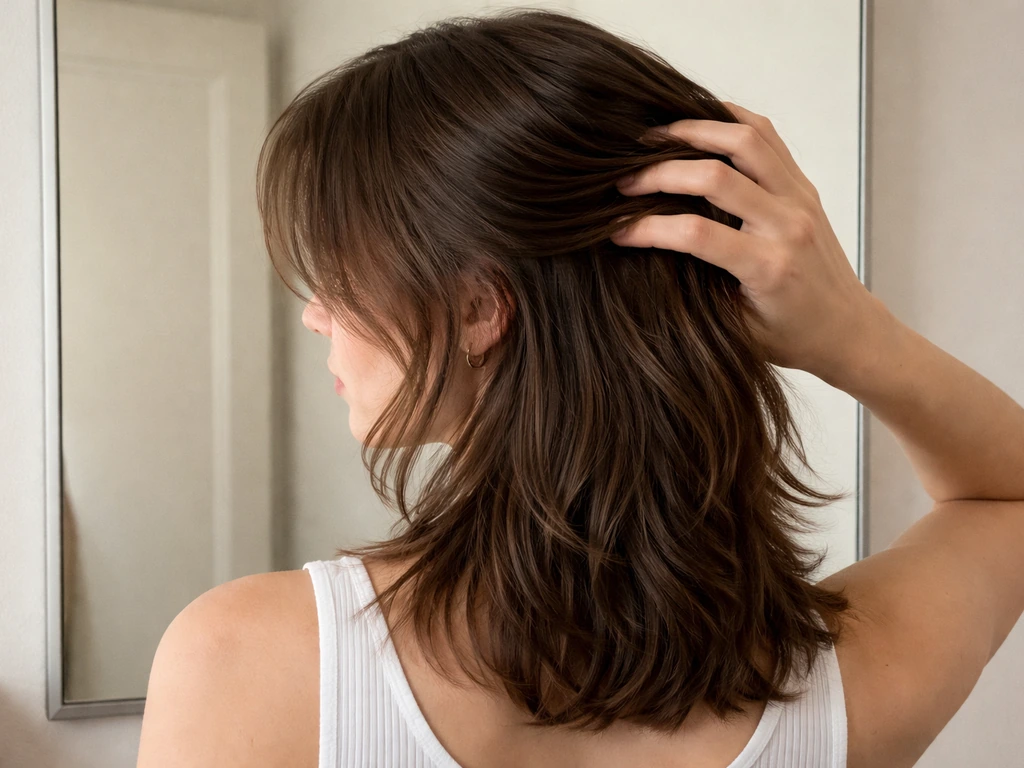
What actually changes during MTF hair growth
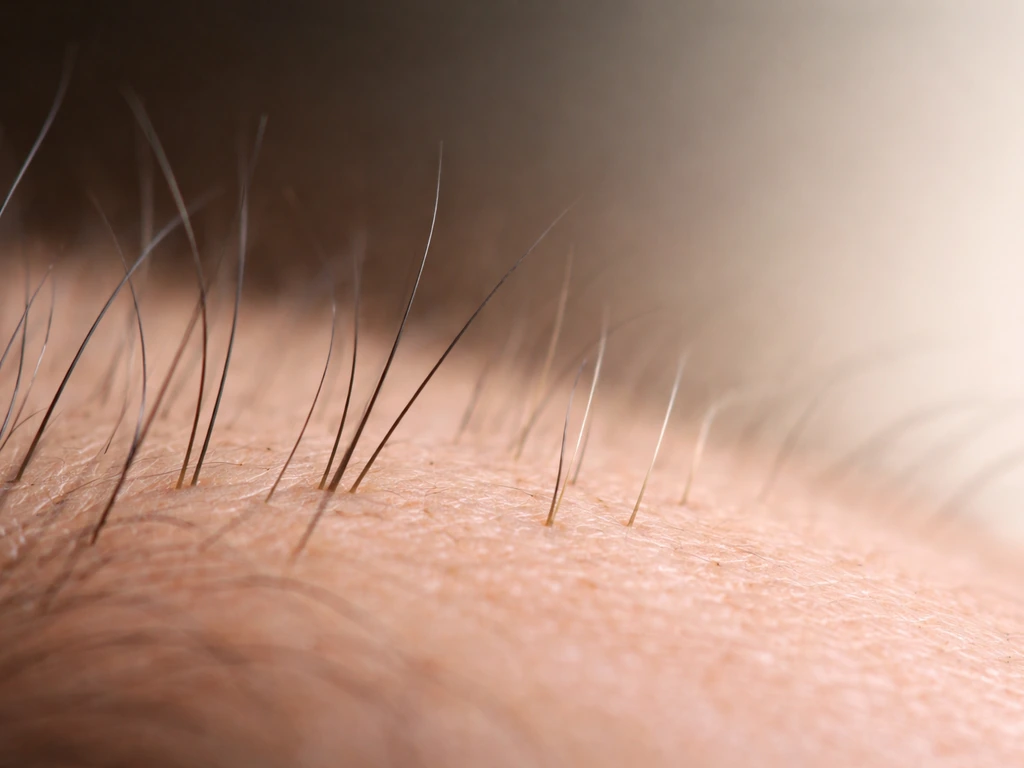
Before HRT, androgens like DHT shorten the anagen (active growth) phase, which is why hair on androgenetically affected scalps grows in finer, shorter, and slower over time. Estrogen and antiandrogens like spironolactone reverse that process by reducing DHT's influence, which gradually lengthens the anagen phase and allows each follicle to produce a longer, thicker strand. The Mayo Clinic notes that slowing of scalp hair loss is one of the changes you can expect within 3 to 6 months on feminizing hormone therapy. Some people also see genuine regrowth in previously thinning areas, though a 2023 systematic review in Clinical and Experimental Dermatology found that evidence is still limited and results vary a lot between individuals.
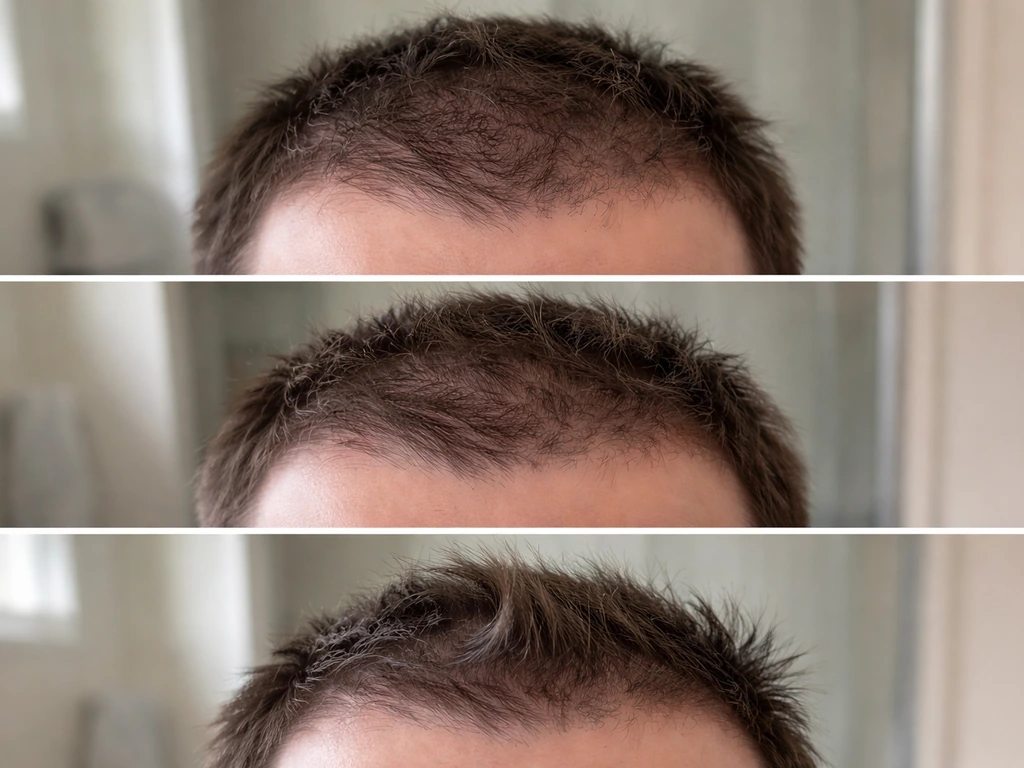
A few things to know upfront. First, there may be an initial shedding phase when you start HRT or when you start antiandrogens, similar to what happens with finasteride. This is your follicles cycling through the telogen (resting/shedding) phase before entering a new anagen phase. It looks alarming but it is usually temporary, and regrowth commonly appears 3 to 6 months after the trigger. Second, your scalp will likely get less oily as estrogen takes effect, which changes how often you need to wash and which products work best. Third, areas of previous thinning (often the temples, crown, and hairline) may regrow more slowly or patchily than the rest of your hair. That unevenness is real, and it affects how certain stages of the grow-out look and which styling tricks actually help.
Build a cut strategy before you stop cutting
The single biggest mistake people make when growing out hair is treating every trim as a setback. It is not. Strategic micro-trims keep your hair looking intentional rather than neglected, remove split ends before they travel up the shaft, and allow your stylist to shape the growth toward a goal rather than just removing length. Letting splits ride destroys length anyway because eventually you need a bigger chop, so a dusting every 8 to 12 weeks during the grow-out is almost always worth it.
Growing out a pixie or buzz cut

This is the most challenging grow-out because there is no weight to the hair yet, and the back and sides tend to grow faster than the top, creating a mullet-adjacent shape by month 3 or 4. If you are wondering whether you can ever grow a full mullet, the grow-out awkward stage and styling choices matter a lot mullet-adjacent shape. The strategy here is to keep the sides and back slightly cleaned up while letting the top grow. A good stylist will shape the sides and neckline without removing length on top, which maintains a more cohesive silhouette. Once the top catches up to about chin level, you have a lot more styling flexibility. If you have concerns about that classic mullet-shape awkward phase, it helps to know that this is exactly the kind of transition a grow-out plan is designed to navigate.
Growing out a bob or lob
The bob-to-lob-to-long transition is mostly about managing the ends. The classic problem is that once your bob hits an inch or two past the jaw, the ends start to flare outward in a way that looks neither intentional nor attractive. You can counteract this by having your stylist take the weight line down slightly and add a soft layer or two, which gives the ends somewhere to point without the classic flip. Heat styling inward with a round brush or flat iron, or using styling cream to curl the ends under, is also the standard fix that stylists recommend. Once you pass shoulder length, the weight of the hair usually solves the flare problem on its own.
Managing an undercut grow-out
Undercuts require patience more than anything. The shaved or clipped section typically needs 12 to 18 months to fully blend into the rest of the hair, depending on how short it was cut. During this time, you have a few options: keep the undercut section trimmed but not shaved so it blends gradually, use pinning and tuck techniques to hide the shorter layers under the longer top section, or lean into the texture contrast with braids and half-up styles. Trying to blend the undercut with bleach or color can help visually but makes the growing-out section more fragile, which is worth factoring in.
Growing out bangs
Bangs are slow. Eyebrow-length bangs take 3 to 4 months just to reach the nose, and another 3 to 4 months to reach chin length where they can start being swept to the side or tucked behind the ear properly. Side-swept styling, clip pinning to the side, and braiding the bangs into the rest of the hair are all legitimate ways to survive the in-between. Resist the urge to trim bangs back during this phase unless they are actively falling into your eyes, because every trim resets the clock.
Month-by-month: what each stage actually looks and feels like
| Stage | Approximate Length | Common Issues | What Helps |
|---|---|---|---|
| Months 1–3 | 0–1.5 inches | Patchy regrowth, scalp visibility, cowlicks, no styling options | Headbands, scalp care, patience |
| Months 4–6 | 1.5–3 inches | Awkward volume, starts to stick out, back grows faster than top | Trim sides/back, styling cream, clips |
| Months 7–12 | 3–6 inches | Classic bob-zone flare, layers uneven, cowlicks more obvious | Strategic trim, round brush styling, tuck/pin tricks |
| Months 13–18 | 6–9 inches | Near-shoulder phase, ends thin out, color regrowth visible | Toning, small trims, braids, half-up styles |
| Months 19–24 | 9–12 inches | Shoulder to bra-strap range, more style options, texture settles | Layers, deep conditioning, consistent trim schedule |
Cowlicks deserve a special mention. They become more obvious as hair gets longer and heavier, particularly at the crown and nape. If your hair was previously buzzed or kept very short, you may not have encountered your cowlick pattern before. Blow drying against the cowlick direction while the hair is damp (not soaking) and using a light hold cream or gel to set the direction tends to train the hair over a few weeks. It does not disappear, but it becomes manageable.
Texture changes are also real during this period, especially if you are on HRT. Your hair may feel softer, less coarse, or have a different wave pattern than it did before. That sounds great, but it can also mean the styling techniques you were used to no longer apply, and new frizz or wave patterns emerge that you have to learn to work with.
Styling when you hate every length you are at
This is the section most people actually need. For a mohawk style, you typically want to grow the center section while keeping the sides trimmed to avoid that “mullet-adjacent” awkward phase. There is always a stage where your hair is too short to style the way you want and too long to look intentional with no effort. Here is what actually works at each of the major awkward phases. If you are also looking for a radical style plan like a mullet, you can compare your awkward hair phases with community advice on how to grow a mullet reddit.
Very short (1–3 inches): make it look intentional
- Pomade or styling cream pushed forward and to one side creates a swept look with even very short length
- Headbands, Alice bands, and wider fabric bands are your best friend at this stage and read as feminine without needing length
- If the top is longer than the sides, a very loose faux-quiff or side part works and photographs well
- Glossy serums on the lengths add a polished finish that reads as intentional rather than grown-out
Mid-length (3–6 inches): the hardest phase
- Mini claw clips at the crown or sides to pull hair back from the face, leaving the length to hang
- Half-up styles using a single clip or scrunchie at the crown break up the shapeless look
- Tucking hair behind ears works the moment it is long enough, usually around 3.5 to 4 inches on the sides
- Heatless curl methods using clips or foam rollers overnight give the hair shape and movement that makes this length look deliberate
- A light hold mousse applied to damp hair and air dried creates soft texture that looks more styled than limp straight hair at this length
Near-shoulder (6–9 inches): almost there, still annoying
- French braids, side braids, or a low bun with a few face-framing pieces are all achievable at this length and look polished
- Claw clip updos work beautifully here and add significant perceived length to the style
- A round brush blowout or curling inward with a flat iron resolves the end-flare problem immediately
- Velcro rollers set for 20 minutes on dry hair add volume and shape without heat damage
- Dry shampoo at the roots adds volume and absorbs oil without washing, which is useful when your scalp is adjusting to less oiliness on HRT
Daily care routine: washing, detangling, and keeping things healthy
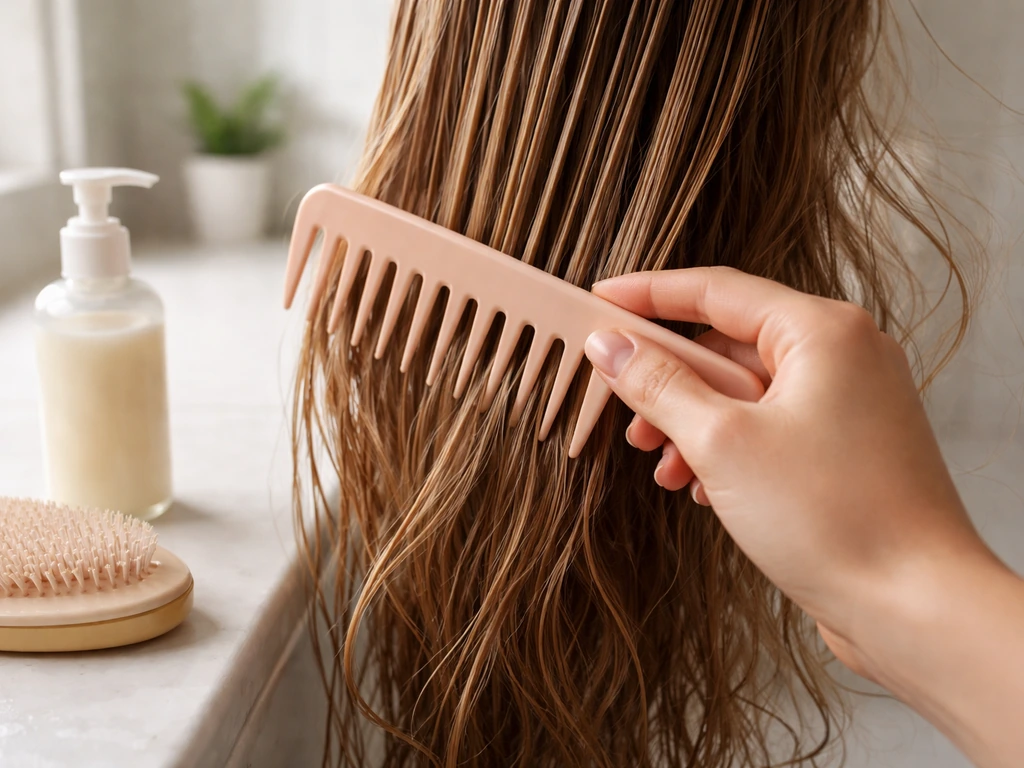
HRT typically reduces scalp oiliness within the first 3 to 6 months, which means most transfeminine people find they do not need to wash their hair as often as they used to. Washing every 2 to 3 days is a reasonable default, but if your scalp feels fine going longer, trust it. Over-washing strips the natural oils your hair needs to stay soft and manageable, and leads to more frizz and breakage. Use a sulfate-free shampoo if you have any color or chemical treatment in the hair, and always follow with conditioner from mid-length to ends.
Detangling is where a lot of people accidentally cause breakage. Never brush soaking wet hair with a paddle or boar bristle brush. Instead, apply conditioner in the shower and detangle with a wide-tooth comb while the conditioner is still in, working from the ends upward toward the roots. This is the approach recommended by hair care professionals and it genuinely makes a difference in how much hair you lose during washing. After rinsing, blot dry with a microfiber towel or a soft cotton t-shirt rather than rubbing vigorously. The friction from a standard terry cloth towel roughens the cuticle and creates frizz, especially as your hair gets longer and the ends become older and more fragile.
A leave-in conditioner or detangling spray while hair is still damp helps with slip and softness throughout the day. At the medium-length stage, a light serum or oil on the ends (not the roots) prevents the ends from drying out and looking scraggly. At this point your ends could be 1 to 2 years of growth old, and they need more moisture than your roots, which are fresh out of the scalp.
Color, chemical treatments, and layers during the grow-out
Color is one of the fastest ways to make growing-out hair look intentional and styled rather than just neglected, but it also adds complexity. If you want to color during the grow-out, a few things are worth knowing.
Highlights or balayage are generally more grow-out-friendly than a single all-over color because there is no obvious root line developing every 4 weeks. A lived-in balayage at the ends can look intentional for months without a touch-up. Single-process color, especially anything significantly lighter than your natural tone, will show regrowth fast and creates a visible line that draws attention to length differences rather than minimizing them.
If you have previously bleached hair and are growing it out, bond-building treatments like Olaplex N°3 used weekly help maintain strand strength while the bleached lengths hang on to the ends. Bleached hair is more porous, more prone to tangling, and breaks more easily under the same detangling pressure that would be fine on unprocessed hair. Treat it gently. Deep conditioning masks weekly are not optional at this stage.
Layers are worth discussing separately. Many people assume adding layers will help the grow-out look better, and sometimes it genuinely does, but cutting layers into short-to-medium length hair can also create more visual inconsistency and make the hair harder to style. A better approach is to ask your stylist for a single long layer through the back and sides to remove bulk and encourage the hair to fall in rather than out, rather than going for a heavily layered cut that fragments the silhouette. Once you are past shoulder length, layers become much more reliably useful.
If you are managing an undercut grow-out and your top section is colored or lightened while the undercut section is at natural regrowth, tone or color the undercut section to match as it grows in. Leaving a stark contrast between your natural root color and your lightened lengths makes the blend-in stage look more dramatic and less intentional. A toner applied to the regrowth every 6 to 8 weeks is often enough to visually bridge the gap.
Where to go from here
The most important thing you can do right now is set a realistic goal length and work backward. If you are at a pixie-length cut and want shoulder-length hair, you are looking at roughly 18 to 24 months. Mark your calendar with rough checkpoints at 3 months, 6 months, and 12 months, and revisit your trim strategy at each one. Book a stylist who understands grow-out shaping (not just maintenance cuts) and tell them explicitly that your goal is length, not shape maintenance. Get a trim every 8 to 12 weeks maximum, not every 6 weeks as a standing habit. And invest in a microfiber towel, a wide-tooth comb, and a decent leave-in conditioner before anything else. Those three things will do more for your grow-out than any expensive styling product.
The awkward phases are real, they are predictable, and they end. Every month of growth is a month you cannot get back by cutting it off, so protect your length, be strategic with your trims, and use the styling tricks above to feel good in the meantime. Your hair, your pace, your choice.
FAQ
How do I know if HRT hair shedding is normal or if something else is going on?
Not every shedding response on HRT is the same. If you have a sudden, heavy shed right after starting hormones (or after an antiandrogen dose change), it can be a temporary telogen shift that usually improves over a few months. If you notice scalp redness, itching, burning, patchy bald spots, or rapid widening thinning, treat it as a separate issue and check with a dermatologist, since inflammatory or scarring causes need different management.
How often should I trim for split ends if my main goal is maximum length?
A good rule of thumb is to trim only what is actively damaging the grow-out, not to chase perfect ends too early. If your goal is length, keep micro-trims small (dusting, split-ends only) and ask your stylist to remove splits without shortening more than necessary. If you have bleached or heat-damaged hair, you may need trims closer to the middle of the 8 to 12 week window because damage travels faster up the shaft.
Can I use heat styling while growing out, and will it slow my progress?
Yes, but do it in a way that preserves curl and wave patterns during the awkward stage. Since you can lose weight and volume as the hair grows, focus on shaping with minimal heat and supportive product, then adjust once the hair reaches chin to shoulder length (when styling becomes more consistent). Use a light hold product and avoid repeatedly re-styling dry hair, which increases breakage at older ends.
My hair feels softer on HRT, but it frizzes more, what products should I switch to?
Choose based on your current texture, not your target hairstyle. If you are getting frizz or flyaways as weight returns, try a leave-in conditioner plus a small amount of gel or cream for hold, applied mainly mid-length to ends. If your hair feels softer but limp, you may need a lighter product and more root-friendly volume technique. The key is to change one variable at a time so you can tell what actually helps.
Are protective styles like braids and half-up looks safe for growing out hair?
In most cases, protective styles are length-friendly, but they can create traction breakage if they are too tight or too frequent. For grow-out, prioritize loose braids, low tension half-ups, and styles that do not pull on the hairline or thinning areas. Also rotate parts (for example, switch the direction of a part or the placement of pins) to avoid repeated pressure points.
What is the best way to handle stubborn cowlicks as my hair gets longer?
If you are dealing with cowlicks, training works best when the hair is damp and you set it in the direction you want before it fully dries. Use the lightest product that still holds (too much product can weigh hair down unevenly), and repeat consistently for a few weeks. If a cowlick suddenly becomes more severe or comes with scalp tenderness, consider getting a professional cut and a scalp check rather than forcing style changes alone.
How should I blend an undercut as it grows out, especially if I want to keep a consistent color?
For undercut grow-outs, avoid treating the undercut as a separate hairstyle. Instead of constantly shaving or bleaching it, keep it blended by trimming it gradually and using pinning or tucking so it looks intentional while it grows in. If you color the undercut section, plan for periodic toning of regrowth so the blend phase does not look like a harsh stripe.
When my bangs start bothering me, is it better to trim or just style them differently?
If bangs are only “slightly annoying” (not in your eyes), you will usually do best resisting trims until they reach a workable length. When you do need maintenance, ask for micro-cuts that only correct the problem section, not a full shortening. If bangs are actively falling into your eyes or affecting visibility, that is the point where trimming is functional rather than resetting your timeline.
Should I get layers during the grow-out, or wait until my hair is longer?
If your growth goal includes passing shoulder length, layers can help, but they can also create uneven bulk if added too early. Ask your stylist for bulk removal that keeps the silhouette cohesive, then revisit layered shaping once the hair is past shoulder length. This reduces the “looks good from one angle, awkward from another” problem that happens with heavily layered cuts mid-grow-out.
If I color my hair during the grow-out, how do I prevent tangles and breakage at the ends?
After a color service, keep the routine gentler than you think, because ends are already older and more fragile. Use sulfate-free shampoo, condition thoroughly from mid-length to ends, and consider shorter washing intervals with less friction rather than more frequent scrubbing. If you notice tangling is worse than before, detangle earlier in the routine (with conditioner first) and reduce brush passes.