
Growing out a layered bob takes roughly 12 to 18 months to reach a true lob or shoulder length, depending on your starting point and hair texture. The layers are what make it feel slower and messier than a blunt bob grow-out, because each layer hits an awkward length at a different time. But with the right trimming schedule, a few reliable styling tricks, and a clear picture of what to expect at each stage, you can move through every phase without resorting to chopping it all off again.
How to Grow Out a Layered Bob: Step by Step Guide

Marcus Vickers
4 Jun 2026

What makes a layered bob tricky to grow out
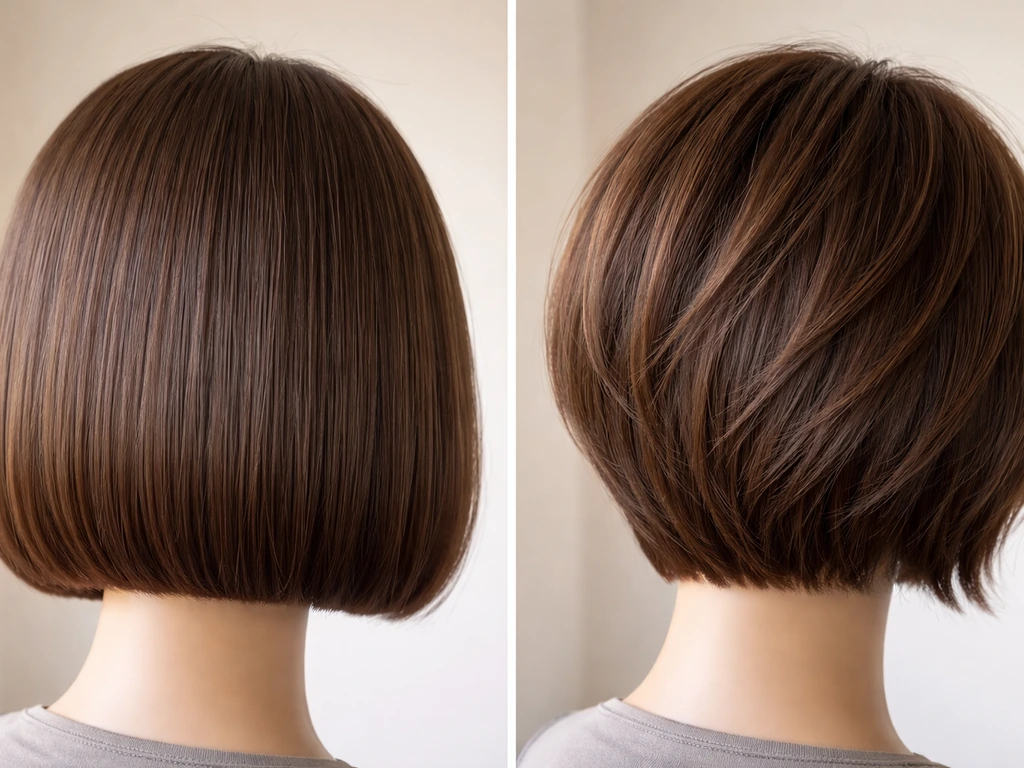
A standard bob is already a grow-out challenge, but layers add a whole extra layer of complexity (no pun intended). When your bob has layers, the shortest pieces sit at the crown or mid-lengths, and those layers hit every awkward in-between stage before the rest of your hair catches up. The result is a silhouette that looks boxy, triangular, or just unresolved for longer than you'd expect.
Here are the specific problems layers introduce that a blunt bob does not:
- Bulk at the ends: As layers grow, they add weight at different points along the shaft, making the ends look thick and poofy rather than smooth.
- Flipping and bending: Mid-length layers often flip outward or curl under unevenly because they don't have enough length to weigh themselves down yet.
- Uneven silhouette: The shortest layers make the overall shape look shorter than it actually is, which can be discouraging when you're measuring progress.
- Face-framing pieces behaving differently: Any layers cut around the face or as a fringe grow at the same rate as the rest of your hair (about half an inch per month), but they hit your face at angles that look intentional one week and chaotic the next.
- Cowlicks and growth patterns becoming more visible: As layers lose their original cut tension, your natural growth direction takes over, especially at the nape and crown.
The reason a layered bob can feel "stuck" is that you're not just growing one length, you're growing five or six different lengths simultaneously. Understanding that is half the battle, because it shifts your focus from "why isn't this growing?" to "how do I manage each layer as it arrives at the next stage?"
Your grow-out timeline: what to expect month by month
Hair grows about half an inch per month on average, which gives you a reliable baseline to work from. The complication with a layered bob is that your overall starting length varies across your head. Use this timeline as a guide, adjusting based on where your shortest layer currently sits.
Months 1 to 3: The shape starts to lose definition
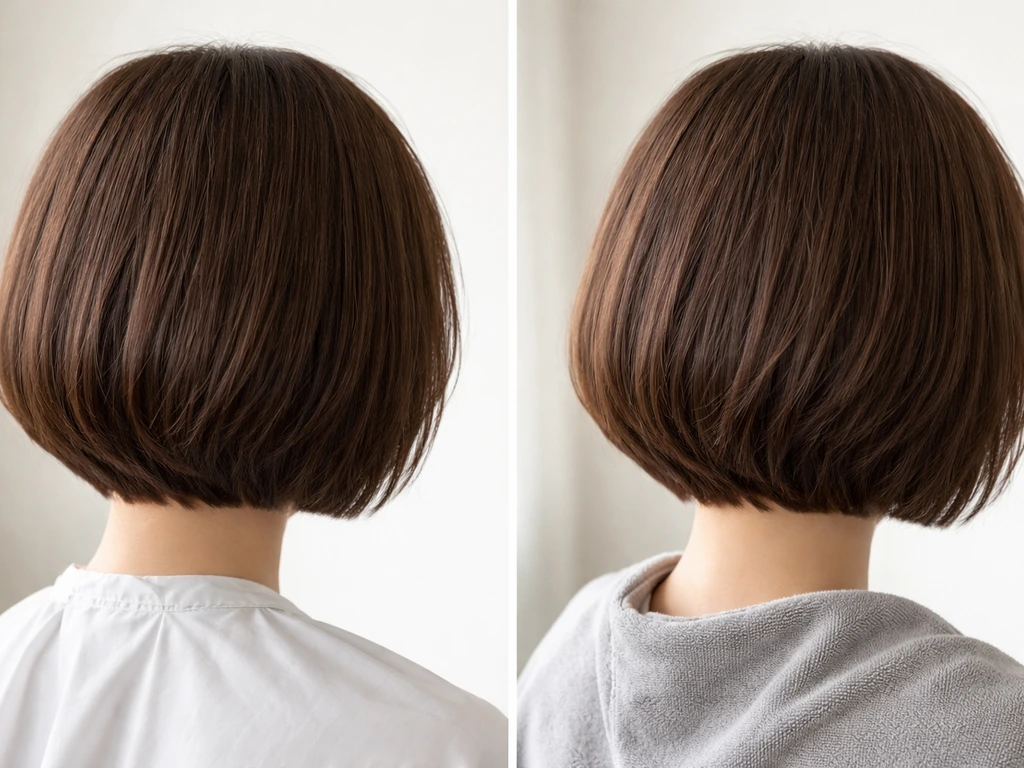
In the first few months, your bob will still look like a bob, just slightly softer and less precise. The layers begin to lose their original separation, and the ends may start to feel thicker. This is actually the most manageable stage because the style is still recognizable. Focus on keeping your ends healthy and resist any urge to "fix" the shape by cutting more layers in.
Months 3 to 6: The real awkward phase
This is the stage most people give up. The top layers are growing out but still too short to blend with the lengths below, so your hair can look like it has a shelf or ridge through the mid-section. The ends may flip, puff, or just sit weirdly. Face-framing layers are probably somewhere between your jaw and cheekbone, which can look unfinished. Wavy and curly hair feels this stage even harder because shrinkage makes layers look shorter than they are. The right styling tools and a light hand with the scissors (more on that below) will carry you through.
Months 6 to 9: Layers start to blend

By month six, the shortest layers are typically adding meaningful length, and you'll start to see the overall shape come together more. If you started with a chin-length bob, you're probably approaching shoulder length on the longest sections now. Face-framing pieces, which can take 6 to 9 months to fully blend into a cohesive face-framing layer from a shorter fringe, should be reaching a length where your stylist can start integrating them properly.
Months 9 to 12+: Transitioning to a lob or shoulder length
You're now firmly in lob territory. The layers that were once causing bulk are becoming soft movement instead. This is the point where a deliberate shaping appointment makes a real difference: your stylist can now connect the layers into a long, graduated shape rather than fighting against disconnected lengths. If you want to grow past shoulder length, the same principles apply, just with longer checkpoints.
| Month | Where your layers likely are | What it looks like | Key action |
|---|---|---|---|
| 1 to 3 | Just past original cut point | Bob shape, slightly softer | Moisturize ends, no cutting |
| 3 to 6 | Mid-jaw to collarbone range | Boxy, flippy, awkward shelf | Style daily, tiny trims only |
| 6 to 9 | Collarbone to shoulder | Starting to blend, still uneven | Shape appointment to blend layers |
| 9 to 12+ | Shoulder to below shoulder | Cohesive lob shape emerging | Transition cut to long layers or lob |
Maintenance and trims while you're still growing
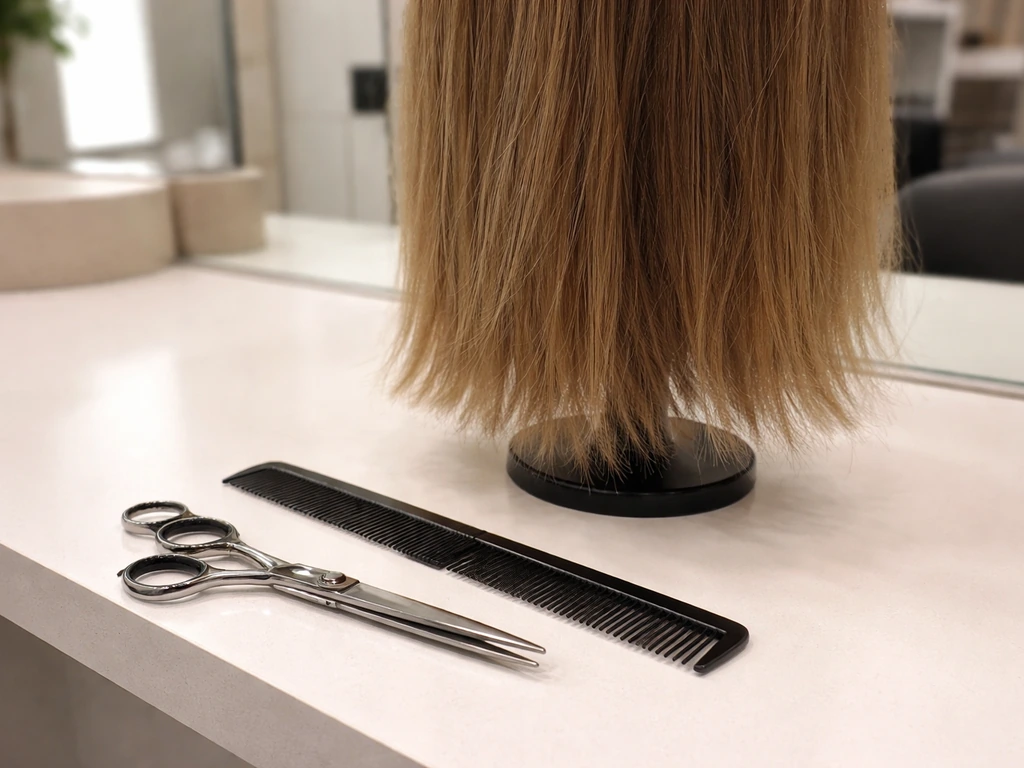
This is where most grow-out attempts go wrong. People either trim too aggressively (cutting off all the progress) or never trim at all (ending up with split, frayed ends that make the hair look worse than it is). The answer is somewhere in the middle, and it depends on what you're trying to achieve.
The case for baby trims every 6 to 8 weeks
Split ends can't be repaired once they form, they can only be removed. Leaving them in place means the split travels up the shaft and you eventually lose more length than you would have with a tiny trim. Removing just 1 to 2 mm every six to eight weeks is enough to keep splits under control without sacrificing meaningful length. Allure recommends removing just [1 to 2 mm every 4 to 6 weeks](https://www.
allure. com/story/how-to-grow-your-bangs) to keep bangs growing evenly without losing too much length. Think of it as maintenance, not a setback. If your hair is prone to split ends or you're dealing with a lot of frizz at the ends, leaning toward the 6-week end of that range is worth it.
When not to trim
Resist trimming when the urge comes from frustration with the shape rather than the health of your ends. If a stylist suggests adding new layers to "give it more shape" during months 3 to 6, push back and ask specifically about dusting the ends instead. New layers at this stage restart the awkward phase rather than solving it. The only exception is if your layers are genuinely disconnected in a way that causes serious styling problems, in which case a very light, weight-removing trim by an experienced stylist can help.
Face-framing pieces: a separate trimming logic
If your layered bob included a fringe or strong face-framing pieces, these need their own approach. Stylist guidance suggests not trimming face-framing pieces until they reach the cheekbone, because trimming earlier interrupts the blend and keeps them perpetually short. Once they hit cheekbone length, a stylist can begin shaping them into your overall cut. That blending process takes roughly 8 to 10 weeks of appointments to fully integrate, so plan accordingly.
Daily styling strategies for the awkward layer stages
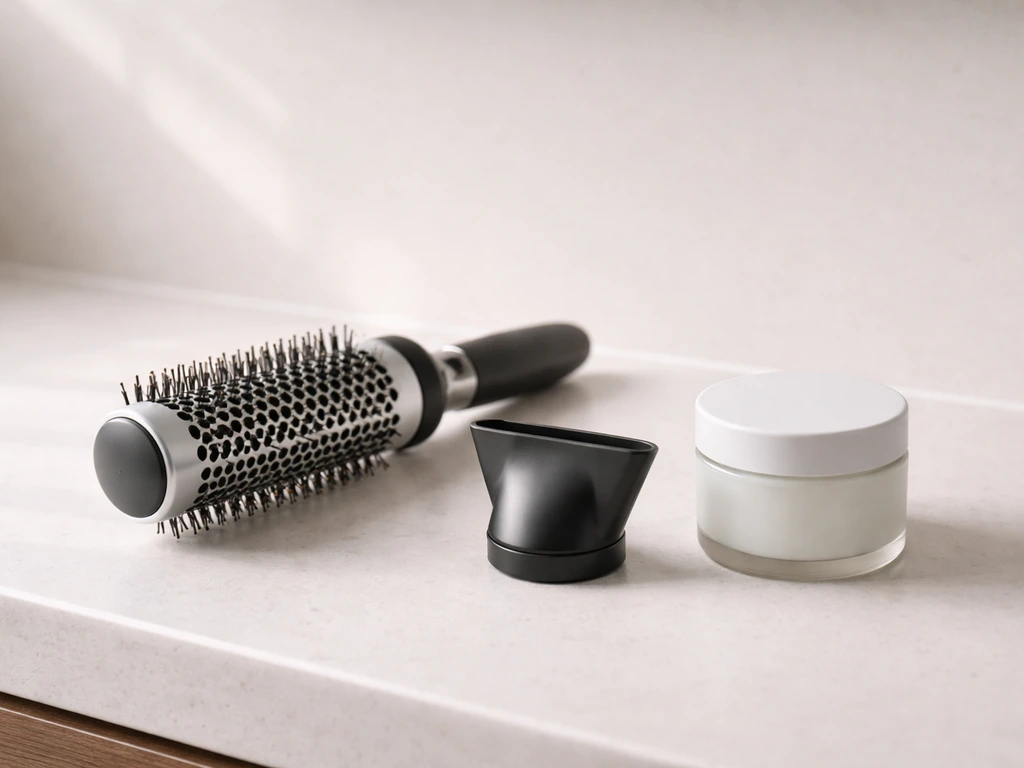
The middle months are all about buying yourself presentable hair each day while the layers do their slow work. These are the tools and techniques that actually help.
Blow-dry with a round brush for control
A medium round brush and a concentrator nozzle on your dryer is the single most effective daily tool during the awkward phase. Directing the airflow downward while pulling the brush through layers helps smooth cuticles and reduces the flip at the ends. For cowlicks, especially at the nape or around any face-framing pieces, apply good tension with the brush and hold the section in the right direction while you dry it. The key is setting the position while the hair is warm and holding it for a few seconds after removing the brush.
Use weight to your advantage
A lightweight leave-in conditioner or styling cream applied to damp hair before drying adds enough weight to help layers sit down rather than puff out. For wavy or curly hair, this is especially useful because it enhances your natural pattern and makes uneven layers less noticeable. Avoid heavy oils or thick serums right at the roots, which will flatten the top while the mid-lengths stay puffy.
Braids, half-ups, and clips as real solutions
On days when nothing sits right, a half-up style, a low braid, or two small clips pulling back the face-framing layers are not just stopgap measures. They're legitimate tools that also stretch the hair gently over time, which can reduce the flip and puff. Braiding damp hair overnight and releasing it in the morning is a particularly useful trick for wavy hair during months 3 to 6, as it creates a uniform wave pattern that makes the uneven layers far less visible.
Flat iron and curl wand for blending layers visually
A flat iron used lightly through the mid-lengths can smooth a boxy silhouette on straight or slightly wavy hair. Alternatively, a loose curl or wave created with a wand makes the transition between layer lengths almost invisible because the texture naturally blends them. If your layers are flipping outward and you can't blow them under, try curling them slightly inward instead of fighting the flip direction entirely.
How to prevent bulk, flipping, and uneven blend as it grows
These three problems are the most common complaints during a layered bob grow-out, and each has a specific fix.
Dealing with bulk at the ends
Bulk builds up as layers pile on top of each other at similar lengths. The best way to manage it without cutting off length is to ask your stylist for point cutting or texturizing at the ends only, which removes weight without removing length. This is different from adding new layers. Done every 8 to 10 weeks, it keeps the ends feeling light and moveable while the overall length continues to grow.
Stopping the flip
Flipping ends are almost always a weight problem. The layer has grown just long enough to bend at the ends but not long enough to hang straight. A weekly deep conditioning treatment adds enough softness to help layers hang more naturally. Combined with blow-drying with downward tension, most flips can be managed. If a flip is persistent, a tiny trim that rounds the corner of that layer slightly (instead of cutting it straight across) can remove the blunt edge that's catching and flipping.
Keeping the blend even as different layers grow
Uneven blend is mostly a salon conversation rather than a home fix. When you go in for your maintenance trims, specifically ask your stylist to check weight distribution, meaning whether any layer is sitting heavier than the others and creating a visible line or ridge. Small adjustments to where the weight sits (without removing overall length) can smooth the silhouette considerably. This is a standard request and a good stylist will know exactly what you mean.
Choosing the right professional help and planning your next cut
Not every stylist is equally comfortable with grow-out work. Some are trained to cut and shape, and they'll default to suggesting more layers or a reshape when you come in frustrated. What you want is a stylist who listens to your goal (longer, cohesive shape) and works backward from that, not someone who solves today's awkwardness by adding more texture that restarts the cycle.
What to say at your appointment
Be specific. Tell your stylist you're growing out a layered bob toward a lob or shoulder length, and that you want to preserve as much length as possible. Ask for a "dusting" or "point cut at the ends" rather than a trim, which signals small amounts rather than a reshape. Bring a photo of your target length. If you have face-framing pieces growing out, point them out and ask about a blending plan rather than trimming them shorter.
Key checkpoints and what to ask for at each one
- Months 1 to 3: Dusting only. Ask for removal of any visible split ends, nothing more. No reshaping.
- Months 3 to 6: Light point cutting at the ends to remove bulk. Ask your stylist to check weight distribution and soften any visible ridge between layers.
- Months 6 to 9: A blending appointment. This is when your stylist can start connecting layers into a cohesive shape. Ask specifically about bringing the face-framing pieces into the overall cut if they've reached cheekbone length.
- Months 9 to 12: A transition cut. At this point you have enough length to properly establish either a long bob (lob) shape or soft shoulder-length layers. This is a real haircut, not just a trim, and it sets the tone for the next phase of growth.
Growing toward a lob vs. going further
If a lob is your target, months 9 to 12 is typically when you have enough length to make the shape intentional rather than accidental. The lob works with soft, long layers that don't create the same bulk and flip problems as a shorter layered bob, so your stylist has more to work with. If you want to go past shoulder length, you're essentially repeating a similar process from the lob stage, but with much less awkwardness because the layers are already longer and blending more naturally. The stacked bob grow-out and the angled bob grow-out follow similar principles, but the layered bob's challenge is uniquely about managing multiple layer lengths rather than one graduated angle, so the strategies here apply specifically to this shape.
The bottom line is that growing out a layered bob is a patience game with a clear playbook. If you are specifically growing out an angled bob, focus on keeping the transition from shorter to longer sections balanced with consistent trimming and styling checkpoints angled bob grow-out. Protect your ends, don't add new layers, style through the awkward months rather than cutting your way out of them, and show up at the right checkpoints with the right requests.
If you specifically have a stacked bob, the same principles apply, but your shortest layers may reach awkward lengths sooner layered bob. Your hair is growing whether it feels like it or not. If you want to grow out a bob fast, focus on protecting your ends, sticking to a dusting schedule, and blending the awkward layers with the right daily styling.
If you’re wondering how to grow out a bob the right way, this guide gives you a realistic timeline and practical salon and styling steps growing out a layered bob.
FAQ
Can I trim earlier than month 6 if it starts looking messy or uneven?
Yes, but only if the goal is removing damage, not reshaping. If your ends feel rough, tangly, or you see splits, ask for a very small dusting or point cut (about 1 to 2 mm). If the issue is mainly bulk or a ridge from the layers, prioritize weight control (texturizing at the ends) and styling first, then trim when the cuticle looks unhealthy.
What if I keep getting a “shelf” or ridge in the middle while growing out layers?
In most layered-bob grow-outs, the first thing to change should be your trim frequency, not your layer structure. If you keep getting a shelf or ridge, it usually means one zone is heavier or shorter than the others. Bring that up at your appointment and ask for weight redistribution using point cutting or end-only texturizing, plus a plan for when face-framing pieces should be blended.
Is it ever okay to cut the layers myself during the awkward stage?
Avoid doing at-home “layering” with blunt at-home scissors. If you must maintain between salon visits, the safer move is a tiny end cleanup on already straight ends, not cutting new lengths around the crown or face-framing area. For most people, leaving the shape alone for one extra appointment cycle is less damaging than DIY blending attempts.
How do I tell whether my problems are styling or need a salon correction?
If your shortest layers are reaching the point where they start separating from the longer sections (often around months 3 to 6), styling will decide how good it looks day to day. Use tension while drying, apply leave-in to damp hair, and consider a soft wave to hide transitions. If you still have persistent flipping that won’t style down, that is a clue you need end weight removed with a tiny dusting, not new layers added.
Does dyeing or bleaching change how often I should trim when growing out a layered bob?
If you color your hair, plan your appointments around both growth and dryness. Bleached or high-processed hair tends to split sooner, so your dusting may need to lean slightly more frequent (closer to every 6 weeks). Also, avoid heavy oiling at the roots if you are trying to reduce mid-length puff, since color-treated hair can look flatter faster.
What should I do if I have cowlicks that keep flipping my shortest layers?
Cowlicks at the nape or near face-framing pieces often need direction, not extra product. Dry the hair with the brush and concentrator nozzle set in the direction you want it to fall, then hold the section until it cools slightly. If it still pops, switch your part or try a half-up style temporarily until your layers lengthen enough to behave consistently.
Can I use heat to speed up blending, and what’s the safest way?
For straight hair, a light iron pass can help blend, but keep it to mid-lengths and ends, use a heat protectant, and do not repeatedly clamp the same section. For wavy or curly hair, too much straightening can erase the natural curl clumping that makes transitions less noticeable, so rely more on leave-in plus gentle smoothing.
I have a fringe or strong face-framing pieces, can I trim them earlier to reduce awkwardness?
Yes, hair length and face shape matter. If your face-framing pieces are already above cheekbone, trimming them “just a little” can permanently keep them in the awkward short zone. The better approach is to wait until they’re close to cheekbone length, then ask your stylist for a blending plan. If the hair in your face is irritating, use clips or a braid temporarily instead of cutting.
What if my layered bob is not really “growing out” after 9 to 12 months?
If you are not seeing progress by around 9 to 12 months, it is usually one of three issues: the shortest layer was cut too aggressively to begin with, ends are breaking off, or you have a grow-out that needs weight redistribution. Check for breakage by gently stretching a strand, if it feels rough and snaps easily you may need more conditioning and more frequent small dustings.
How should I ask my stylist so they don’t add new layers during the grow-out?
Choose a stylist who will work from your end goal and uses minimal structural change. Bring a photo, state you want a long, cohesive shape, and explicitly request end-only dusting or point cutting rather than adding new layers. A helpful extra line to say is, “I want to preserve as much length as possible and manage weight, not restart the awkward phase.”