
Growing out a bob is completely doable, but it takes a real plan. Without one, you end up with a shape that looks neither like a bob nor like longer hair, and that's the awkward zone that makes people give up and chop it all off again. The short answer: expect roughly 6 to 12 months to go from a classic chin-length bob to shoulder length, stay strategic about trims, and use styling tricks to keep things looking intentional at every stage. Here's exactly how to do it.
How to Grow Out a Bob: Stage-by-Stage Growth Guide

Marcus Vickers
6 Apr 2026
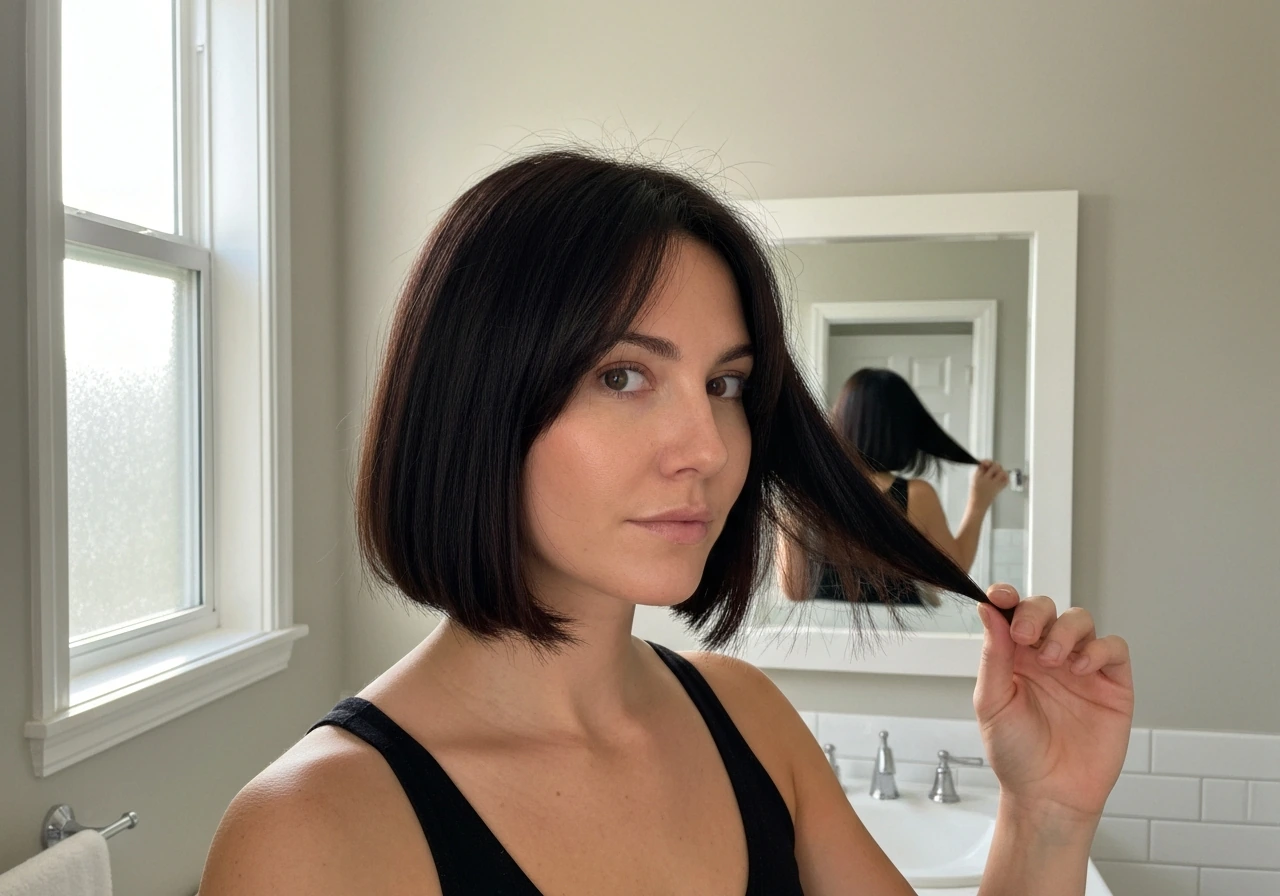
What to actually expect when you start growing out a bob
The first thing to accept is that hair doesn't just slide gracefully from bob length to long hair. It goes through a genuinely weird middle phase, usually somewhere between chin and collarbone, where it's too long to behave like a bob but too short to pull back easily. That's not a sign you're doing something wrong. It's just the reality of growing hair out, and knowing it's coming makes it much easier to push through.
Hair grows at roughly 0.5 inches (about 1.25 cm) per month on average, though some people see as little as 0.5 cm and others closer to 1.7 cm depending on genetics, age, health, and diet. You can't dramatically change that rate, so the real work is in managing what you have at each length. The shape of your starting bob matters a lot too. A blunt chin-length bob behaves very differently as it grows than a stacked or layered bob, and we'll get into that.
Growth timeline: what's happening month by month
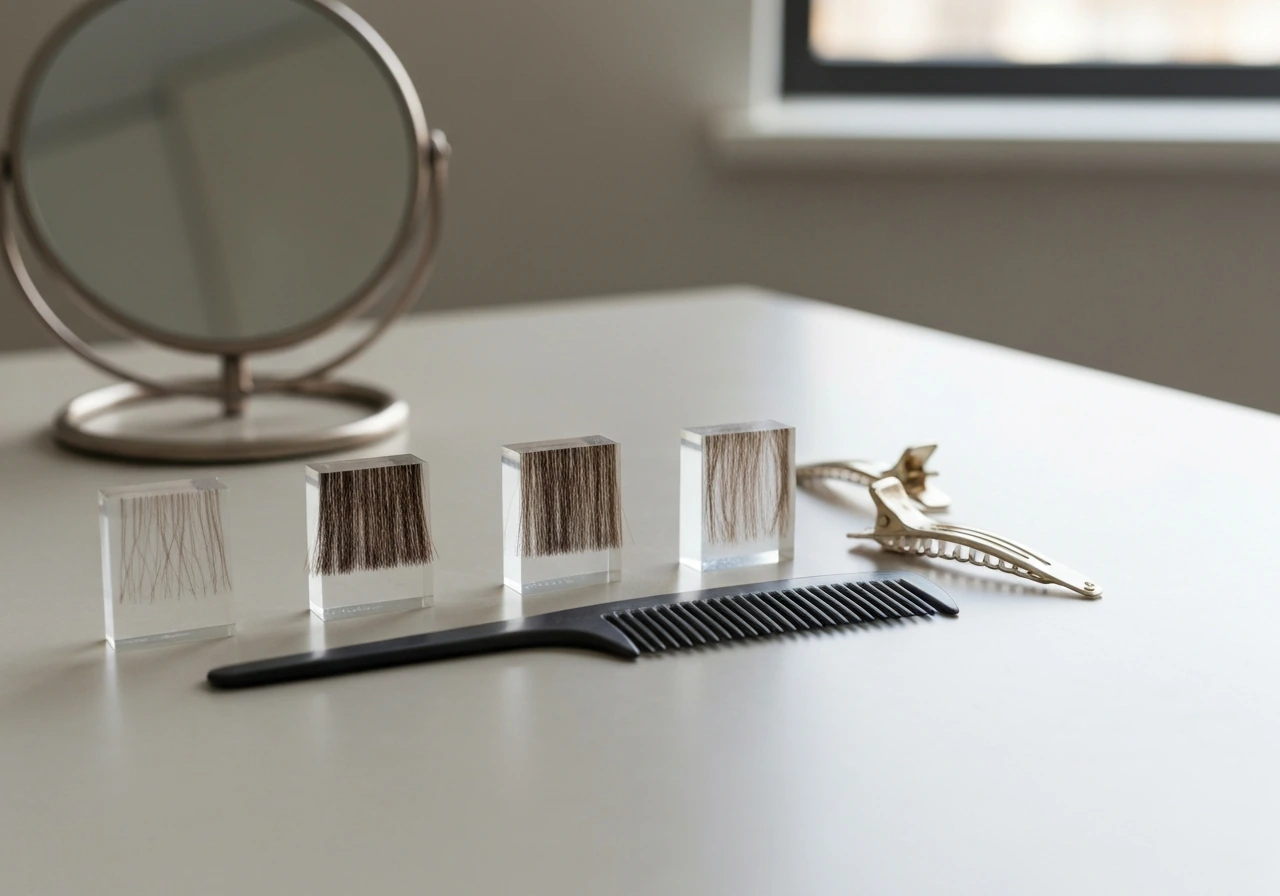
Using the average growth rate of half an inch per month, here's a rough map of what to expect from a classic chin-length bob. Your exact timeline will shift based on where you're starting and how fast your hair grows personally.
| Stage | Approximate Length | What's Happening | Main Challenge |
|---|---|---|---|
| Months 1–2 | Chin to just below chin | Barely-there growth, bob shape mostly intact | Impatience; hair looks the same |
| Months 3–4 | Below chin, approaching jaw–neck gap | Shape starts to lose its edge; neck hair gets scraggly | Awkward length, neck flare, volume issues |
| Months 5–6 | Nearing collarbone | True awkward zone; too long for bob styling, too short for ponytails | Puffiness, uneven layers, can't style easily |
| Months 7–9 | Collarbone to just below | Lob territory; much more versatile | Layers still uneven, ends may feel thin |
| Months 10–12 | Below collarbone | Approaching true long hair; most styling options open up | Patience, maintaining condition |
If you want to move faster through these stages, there are targeted things you can do. Scalp health, nutrition, and reducing breakage all help your hair reach its genetic potential. For a deeper look at accelerating the process, how to grow out a bob fast covers the specific habits that make a real difference without overpromising results.
The trimming strategy that keeps your grow-out from going sideways
This is where most people go wrong. They either trim too often (and feel like their hair never grows) or avoid the salon entirely (and end up with split ends, wispy layers, and a shape that looks unintentional). The right approach is somewhere in the middle, and it depends on what kind of bob you started with.
Blunt bob: trim every 10 to 12 weeks
If your bob was blunt (one length, no layers), you have the easiest grow-out. Your main job is keeping the ends healthy and preventing them from going thin and scraggly. A light dusting every 10 to 12 weeks, removing no more than a quarter inch, keeps the ends strong without sacrificing length. Don't let anyone talk you into a full trim on a schedule if the ends genuinely look fine.
Layered bob: trim to blend, not to shape
Layered bobs are trickier because the layers create uneven lengths as they grow. The top layers will look shorter while the underneath length catches up. Ask your stylist specifically for a "grow-out trim" where they soften the layer separation and blend the perimeter, rather than refreshing the layers. You're blending out the old structure, not maintaining it. The goal is to let all the lengths meet at roughly the same point over time. For a detailed breakdown of this, how to grow out a layered bob goes into the specifics of managing each layer stage.
When to just wait and not trim at all
During months 3 to 6, it can feel like trimming is the enemy of progress. Honestly, if your ends still look healthy, you can stretch to 14 or even 16 weeks between trims. Use a good leave-in conditioner and handle your hair gently (more on that below) to keep split ends from forming. The more you protect your ends, the longer you can go between cuts without the damage catching up.
Styling your way through the awkward middle lengths

This is honestly where the grow-out is won or lost. If you have no strategy for styling at the mid-lengths, you'll feel messy and frustrated every single morning, and that's what drives people back to the scissors. Here are the techniques that actually work at each stage.
The early stage (just past chin length)
At this point your bob mostly still looks like a bob, so lean into that. Blowouts with a round brush give you smoothness and volume that keep the shape looking polished even as it lengthens. A flat iron or large-barrel curling iron works well for adding a slight bend that makes the ends curl under, mimicking the shape of a classic bob even when the length has grown past it. This is also a great time to experiment with side parts, which redistribute weight and make growing-out lengths look more styled and intentional.
The awkward middle (chin to collarbone)

This is the hardest part. Your hair is flipping out, the neck and ear area looks scraggly, and it doesn't behave like a bob anymore.
A few tools that genuinely help: wide headbands or hair clips to push the sides back and give you a structured look; a smoothing serum or light pomade to tame the frizzy perimeter that shows up when the back and sides are growing in; and half-up styles, where you clip back just the crown section, that look intentional while hiding the transition zone.
Bobby pins tucked behind the ears on both sides is one of the simplest tricks and it works every time. Braids are also your friend here, even a simple two-strand twist on each side pinned back looks put-together when your length is in no-man's-land.
Approaching lob length (collarbone and below)
Once you hit the collarbone, you're essentially in lob territory and styling options open up significantly. Low ponytails become possible, loose waves look intentional rather than accidental, and the tuck-and-roll (folding the ends under and securing them) works for a faux-shorter look when you want it. If you're aiming to land at lob length long-term rather than keep growing, how to grow out a lob covers what comes next from that point.
Inverted bobs and graduated bobs: the grow-out is different
If your bob was inverted (shorter in the back, longer in the front) or graduated (stacked layers building from a short nape), you have a more complicated grow-out than someone with a classic one-length bob. Here's why: the back is significantly shorter than the front, which means the back has much more growing to do before everything evens out. You'll likely go through a phase where the front looks close to lob length while the back still looks like a bob, and that disconnection can feel strange.
For an angled bob specifically, the strategy is to resist trimming the front while you let the back catch up. Ask your stylist to dust only the very ends of the front pieces while leaving the back and sides entirely alone. It takes patience, but within a few months the disparity shrinks. How to grow out an angled bob walks through this process in detail if that's your starting point.
Stacked bobs have a similar challenge because the layering at the back creates a lot of volume and fullness that looks increasingly round and pyramid-shaped as it grows. The fix is targeted trimming of the exterior perimeter to reduce bulk while the interior length catches up. Don't let anyone take weight out of the top layers during this phase. The details of managing that specific structure are worth reading separately: how to grow out a stacked bob covers the exact approach for that shape.
Growing short hair into a bob: starting from very short
If you're currently rocking a very short cut, like a pixie or something close to it, and your goal is to land at bob length, the timeline is longer but the approach is straightforward. At half an inch of growth per month, getting from a very short pixie (roughly 1 to 2 inches) to a chin-length bob (roughly 8 to 10 inches) takes about 12 to 18 months realistically. That sounds long, but the stages are manageable.
The key difference when starting from short is that you'll pass through a lot of mullet-adjacent territory where the back grows faster than the sides and top. To avoid this, trim the back and nape regularly (every 6 to 8 weeks) while leaving the top and sides alone. This keeps the shape from going too wide or too floppy in the back while the top catches up. Side-swept styling, texture sprays, and headbands all help during this phase. Once all the lengths converge around 4 to 5 inches, you're essentially in short-bob territory and the guidance above applies from there.
Solving the common problems: uneven growth, tangles, and color
Uneven growth and cowlicks
Hair genuinely does not grow evenly across your whole head. The crown, the nape, and the sides all grow at slightly different rates, and cowlicks can push growth in unexpected directions. If you notice one side getting noticeably longer than the other, don't immediately ask for a trim to even it up (that just delays both sides). Instead, style to minimize the difference: tuck the longer side behind the ear, use a clip on the shorter side, or part your hair on the side that makes both lengths look more balanced. Over time the unevenness usually sorts itself out.
Tangles and split ends
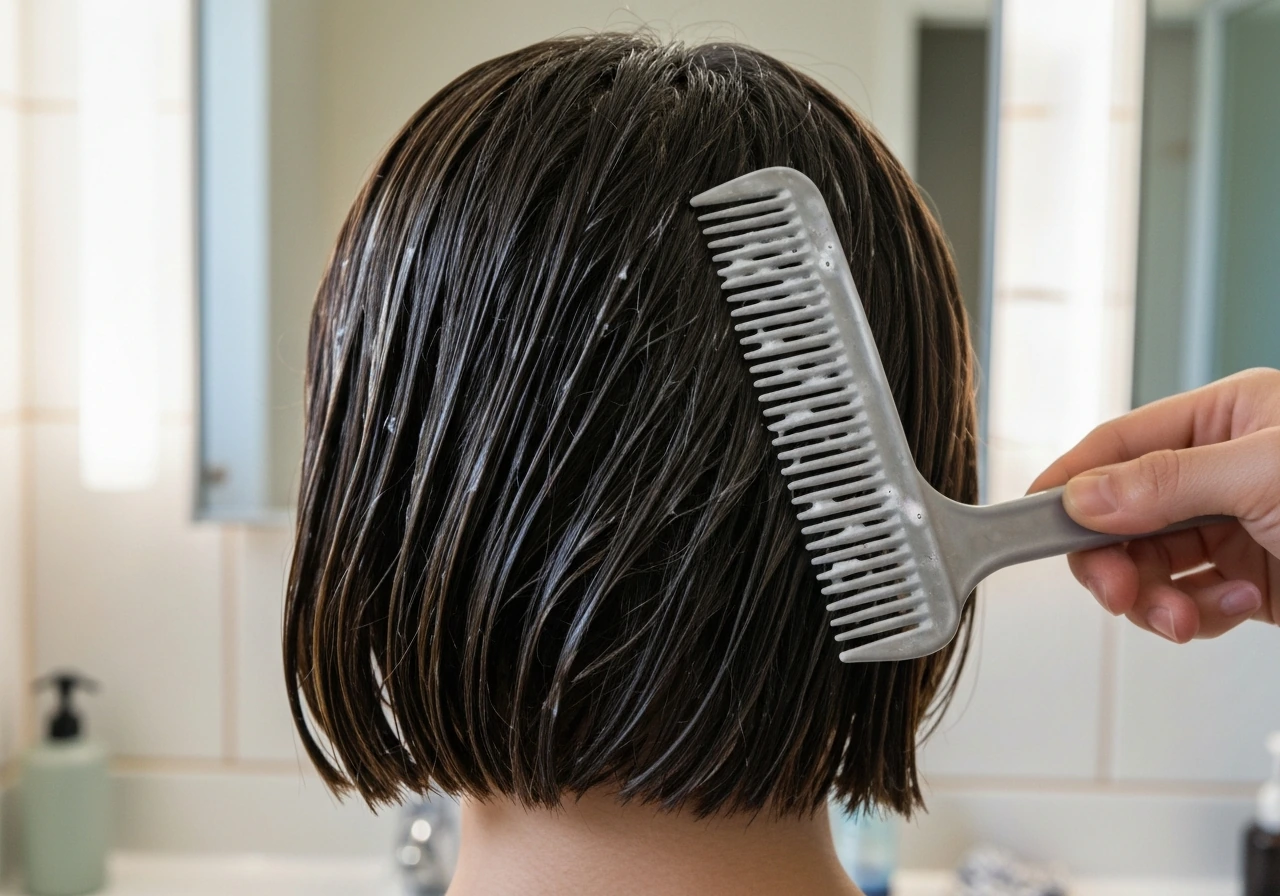
As your bob grows, you'll notice more tangles, especially at the nape and around the ears where shorter layers catch on longer ones. A wide-tooth comb used on damp, conditioner-coated hair works better than a brush at this stage and dramatically reduces breakage. Sleeping on a silk or satin pillowcase also helps by reducing friction on the ends overnight. If split ends appear, a bond-building treatment (like those using olaplex chemistry) used monthly can help reinforce the hair shaft without requiring a full trim.
Color and highlights during the grow-out
If your bob was colored, the grow-out can expose your natural root color in a way that looks harsh. The good news is that balayage or face-framing highlights applied during the grow-out actually help disguise the length transition by adding dimension that distracts from any uneven hemline. If you had a solid all-over color, you have a few options: keep touching up the roots every 6 to 8 weeks, let the roots grow in intentionally (shadow root or two-tone looks are completely on trend), or ask your colorist about a lived-in blend that softens the demarcation line as your hair gets longer. Avoid bleaching or heavily processing color-treated ends during the grow-out since compromised ends break more easily and set your length progress back.
When the back neck area looks awkward
One of the most common complaints during a bob grow-out is the back nape area, where little wispy hairs grow in weird directions and the hairline looks unkempt. A little lightweight pomade or styling cream pressed into that section and smoothed downward goes a long way. If it's really bothering you, a thin headscarf or wearing the back of a loose turtleneck can simply cover it while you wait it out. It's a temporary problem that resolves itself around the time the back hits collarbone length.
The short version: your grow-out action plan
- Know your starting point: identify what kind of bob you have (blunt, layered, stacked, angled) because each one has a slightly different grow-out strategy.
- Set a realistic timeline: plan for 6 to 12 months from chin-length bob to shoulder length, or 12 to 18 months if you're starting from something much shorter.
- Trim smart: every 10 to 12 weeks for healthy ends, but ask for a grow-out trim that blends rather than maintains shape. Skip the trim entirely if your ends still look clean.
- Style for each stage: use blowouts and under-curling early, then pivot to clips, headbands, and half-up styles in the awkward middle phase.
- Handle your ends gently: wide-tooth comb on wet hair, satin pillowcase at night, and a bond-building treatment monthly to reduce breakage.
- Address color gradually: opt for a lived-in blend or balayage to ease the grow-out visually rather than fighting hard root lines every few weeks.
- Stay patient at month 4 to 6: this is the hardest stretch, but it's also when most of the critical growth is happening. Push through with good styling and you'll be in lob territory before you know it.
FAQ
Can I trim more often than every 10 to 12 weeks and still grow out a bob successfully?
Yes, but only if your ends are healthy and you can keep them from getting brittle. If you do need it, ask for a “micro-dust” (just the thinnest, split-prone tips) and pair it with a leave-in conditioner plus a bond-building treatment monthly, so you keep length while protecting the hair you are retaining.
How do I know whether I actually need a trim right now during the grow-out?
If your salon keeps taking the same amount off each visit, your haircut can become a cycle where growth is canceled out. A good checkpoint is the mirror test: if you can see no fraying at the ends and no visible thinning, you can usually stretch to 14 to 16 weeks for a blunt bob, and longer if you are very consistent with conditioning and gentle detangling.
Will styling with a flat iron or blowout let me skip the grow-out trim?
Not exactly. Heat can help you fake the bob shape temporarily, but it does not replace targeted “grow-out trims” that blend layers as lengths diverge. Use heat with a lower temperature and a heat protectant, and treat style tools as shaping support, not a reason to avoid structural blending for layered bobs.
What’s the best way to detangle my hair when it hits the awkward bob to shoulder-length stage?
Start by using a wide-tooth comb on damp, conditioner-coated hair, then detangle from ends upward. At the nape and behind the ears, detangle in small sections so you do not tug at short pieces when they catch on longer ones, and avoid dry brushing in that transition zone.
My bob is growing unevenly, should I keep cutting to even it up?
Aim for a “balance plan” instead of making the cut look perfectly symmetrical immediately. If one side grows faster or sits differently, style to mask it (tuck the longer side behind the ear, use a clip on the shorter side, or shift your part to redistribute visual weight) and reassess after a couple of growth cycles.
How often should I wash my hair while growing out a bob to minimize tangling?
Wash frequency matters because more frequent washing can increase tangles if you do not fully condition and detangle. Use conditioner every time, focus it on the nape and ends, and if your hair tangles quickly, consider washing slightly less often while keeping styling friction low (wide comb, satin pillowcase).
What should I use if my sides look frizzy and puffy during the mid-length stage?
For the “no-man’s-land” stage, dry shampoo and heavy oils can make the perimeter look greasy and stiff. Use lightweight smoothing serum or a small amount of pomade on the flyaways only, then set it with a light mist if needed. This keeps the sides controlled without weighing down the growing layers.
Can I use headbands or clips to manage the awkward back and sides without damaging my hair?
Headbands and clips work best when they guide the direction of growth, not when they squeeze. Choose options that hold the sides back gently, and combine with a light smoothing product pressed downward, so you hide cowlick-driven wisps without creating dents.
If my bob is colored, what’s the safest way to handle the regrowth line during the grow-out?
Yes, color grow-out can look cleaner when you choose the right timing. If you are between salon visits, keep ends protected by avoiding extra bleaching or heavy toning, and ask your colorist about a lived-in blend or shadow root so the demarcation line becomes softer as length increases.
My nape hairs look like they stick up and won’t lie flat, what can I do besides cutting?
That back nape “wispy chaos” usually improves once the back reaches roughly collarbone length, but you can make it look intentional sooner. Press a small amount of lightweight styling cream or pomade directly into the wisps and smooth them downward, or temporarily cover with a thin scarf/turtleneck while you wait.