
Growing out a bob takes roughly 6 to 12 months to reach shoulder length, depending on where you're starting from. Hair grows about half an inch (1.25 cm) per month on average, so you can map a pretty reliable timeline from day one. You can't biohack your way past that rate in any meaningful way, but you absolutely can stop losing the length you're already growing through breakage, smart trimming, and styling choices that make every awkward stage look intentional rather than accidental.
How to Grow Out a Bob Fast: A Realistic Plan

Marcus Vickers
23 Apr 2026
What 'grow out fast' actually means
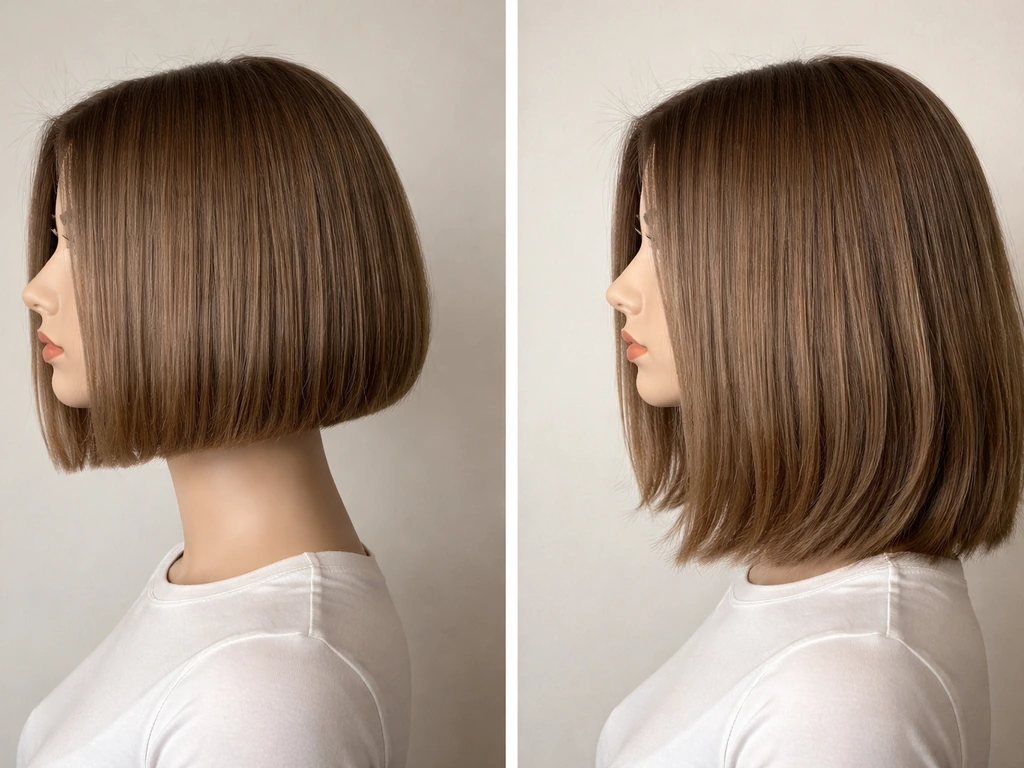
Let's be honest about this upfront. 'Fast' doesn't mean you'll skip stages. Half an inch a month is the biological baseline for most people, and some people land closer to 0.3 cm per week. You're not going to double that with a supplement or a specific shampoo. What 'fast' realistically means is two things: first, not losing the growth you're earning by letting breakage eat your ends; second, getting through the awkward phases without panicking and cutting it all off again. Those two things are completely within your control, and they make a real difference to how quickly you visually arrive at your goal length.
Individual growth does vary. Genetics, age, health, hormones, and even seasonality all nudge the rate slightly. Research shows a range of about 0.5 to 1.7 cm per month across different people. If you're on the slower end of that spectrum, your answer isn't a magic product, it's a tighter breakage-prevention routine and a realistic adjusted timeline.
Growth timeline by bob length
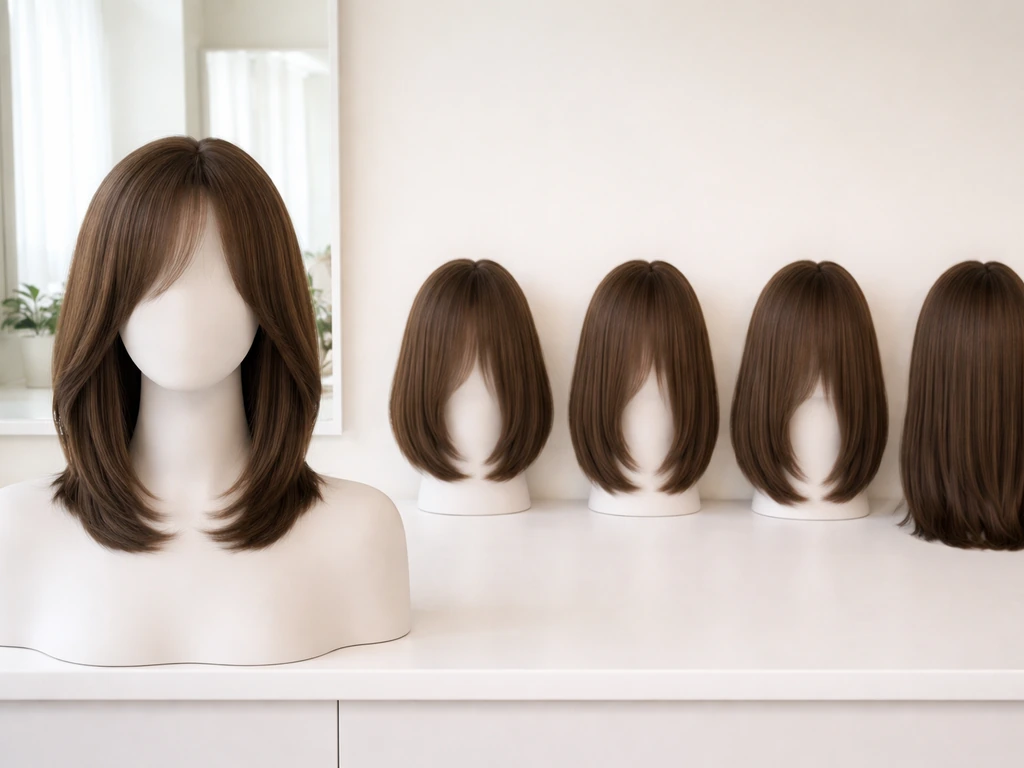
The starting point matters a lot. A chin-length bob is already much closer to a lob or shoulder-length style than a stacked or angled bob with short back pieces. Here's a rough month-by-month picture for the most common starting points.
| Starting Length | Month 1–2 | Month 3–4 | Month 5–6 | Month 8–12 |
|---|---|---|---|---|
| Stacked/short back bob (nape: 2–3 in) | Nape starts to lose its stacked shape; top/sides longer than back | Back catches up; whole cut looks shaggy and undefined | Uniform blunt or layered length approaching chin; lob territory | Shoulder or past-shoulder depending on goal |
| Chin-length bob (classic) | Grazes jaw; face-framing pieces hit cheekbone | Jaw to just below jaw; starts feeling like a lob | Collarbone-approaching lob or actual lob length | Well past shoulder; mid-back possible |
| Angled/asymmetric bob | Short side still noticeably shorter; angle becomes more subtle | Angle nearly grown out; both sides close to same length | Looks like a classic or slightly layered bob | Shoulder length on both sides; goal achieved |
| Bob with short-cut bangs | Bangs hit brow or just below | Bangs reach eyes/nose bridge; most frustrating stage | Bangs long enough to tuck or clip to side | Bangs fully blended into length |
If you're growing out a stacked bob or an angled bob, the back-to-front unevenness is the defining challenge of the first three to four months. Use the same patience-and-protection approach as you would when you’re learning how to grow out an angled bob, since the uneven back is usually the main visual hurdle early on. The back grows at the same rate as the rest, but because it started so much shorter, it looks like it's lagging. It's not. It's just math. Keep that in mind before you ask for a reshaping cut too early.
Stop breakage before it steals your length
This is the part most people skip, and it's where a huge amount of 'slow growth' frustration actually lives. If you're growing half an inch a month but losing a quarter inch to breakage, your net progress feels painfully slow. The fix isn't more growth, it's less damage.
How you detangle matters more than you think
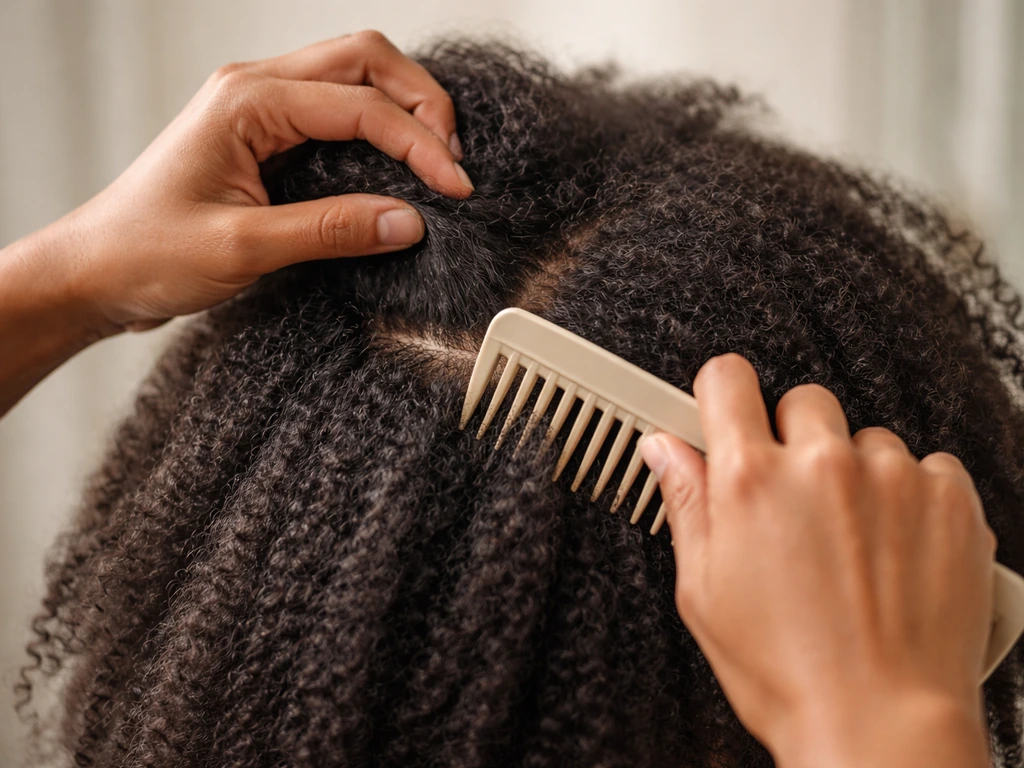
Research on hair breakage during grooming is pretty clear: brushing creates more breakage than combing, wet combing is riskier than dry combing, and longer stroke lengths increase breakage. During a bob grow-out, your ends are often blunt, dry, or chemically processed (especially if you had color for your bob), which makes them even more vulnerable. Use a wide-tooth comb or a wet brush on damp hair after applying conditioner, start at the ends and work upward in short sections, and never drag a brush from root to tip on dry, tangled hair.
Conditioner is your main breakage tool
Conditioner works by smoothing the cuticle and lowering inter-fiber friction, which directly reduces the force needed to comb through your hair. Less force means fewer broken strands. Apply conditioner from mid-length to ends after every shampoo, let it sit for two to three minutes, and rinse. If your hair is dry or color-treated, a weekly deep conditioning treatment adds an extra layer of protection. Just keep in mind that conditioners give immediate manageability benefits but don't repair underlying damage permanently, so consistency is the whole game here.
Washing frequency and scalp health

Overwashing strips natural oils and leaves ends drier and more prone to breakage. For most people, shampooing every two to three days is a reasonable starting point. If you have coarser, drier, or textured hair, once or twice a week is typically better to avoid stripping moisture. Scalp health matters here too: a clean, well-circulated scalp is where growth starts. A gentle scalp massage during washing (two to three minutes with your fingertips, not nails) improves circulation without damaging the hair shaft.
Protect at night
Sleeping on a cotton pillowcase creates friction and can tug at your hair for hours while you move around. Switching to a satin or silk pillowcase reduces that friction significantly and can lead to fewer broken hairs over time. Alternatively, a loose satin bonnet or wrapping hair in a soft satin scarf works just as well. This is one of those tiny daily habits that compounds over months of a grow-out.
Nutrition basics
You don't need a shelf of supplements. But if your diet has been low in protein, iron, or biotin for a long stretch, hair can thin and growth can slow. Prioritize protein at every meal (hair is mostly keratin), eat iron-rich foods or get levels checked if you're vegetarian or vegan, and stay hydrated. If you're noticing shedding beyond normal, that's a conversation for a doctor or dermatologist, not a new shampoo.
Styling through every awkward stage
The number one reason people cut their bob again mid-grow-out is that they don't have a styling plan for the in-between stages. Here's how to handle each phase so it looks like a choice, not a accident.
Months 1–2: The shape is still there (mostly)

In the first couple of months, your bob just looks slightly grown out and soft around the edges. This is actually an easy stage to style. Lean into it: a side part instead of your usual part instantly updates the silhouette. Tuck one side behind your ear. Use a lightweight texturizing spray or sea salt spray to add movement so it looks effortless rather than unkempt. Heat styling once or twice a week (not daily) keeps ends healthier for the long haul.
Months 2–4: The shaggy middle stage
This is the hardest stretch, especially if you're coming from a stacked or angled bob. The back is catching up, the ends look thick and blunt, and nothing sits the way it used to. Half-up styles are your best friend here: a small clip or claw clip at the crown takes attention away from the uneven perimeter. Braids and loose twists work well for textured or wavy hair. Headbands, especially thicker fabric ones, are genuinely useful at this stage and not just a cop-out. If you have a fringe or face-framing pieces that are now hitting an awkward length, pinning them back with a small barrette or using a small braid to incorporate them keeps the look intentional.
Months 4–6: The lob stage
By month four to six from a chin-length bob, you're approaching lob territory. This is genuinely a great length and one of the easier stages to style. Curtain bangs, if you haven't already grown them out or been cutting them, start to blend into the length here. Loose waves work beautifully at lob length. A simple low ponytail is now achievable for most hair types. If you have layers, they start to really move and work for you rather than against you at this stage. Invest five minutes in a blow-dry with a round brush occasionally; it makes lob length look intentionally styled with very little effort.
Months 6 and beyond: Shoulder length and past
Once you're at or approaching shoulder length, the grow-out is largely behind you. The main challenge becomes managing the weight and bulk of ends that have been growing for months without a full cut. This is where a light layers-refresh trim at the salon pays dividends. Ponytails, buns, and braids all become realistic daily options. Focus now on continuing the same low-breakage routine so you can keep going toward whatever your final goal length is.
When to trim and what to ask for
Trimming during a grow-out feels counterintuitive, but split ends travel up the shaft and cause breakage that costs you more length than a small trim would have. The goal is strategic maintenance, not regular full cuts.
A useful guideline is to go in every six to eight weeks for what you'd call a shape or maintenance visit, not a trim in the traditional sense. Some stylists recommend closer to every four to six weeks to keep a bob shape as it transitions, and every seven weeks is another common benchmark. What matters is the conversation: tell your stylist you're growing it out and ask them to remove only split ends and any pieces that are creating bulk or unevenness, without taking off length overall.
Ask specifically about hair dusting. Dusting is a technique where the stylist trims just the damaged or split ends without cutting a straight line across the length. It removes the damage that causes breakage while preserving your accumulated length. It's different from a standard trim, and not every stylist does it by default, so ask by name.
If you're growing out a stacked bob or an angled bob, you may want one intentional reshaping cut around month three to four, where you ask the stylist to bring the shorter back sections up to a more uniform length with the sides. This looks better than waiting for the back to fully catch up and prevents the 'mullet-adjacent' look that can happen in the middle stages. This is one area where growing out a stacked bob or layered bob has its own specific nuances compared to a classic chin-length bob.
- Tell your stylist your goal length before they pick up scissors.
- Ask for dusting or a 'shape-only' trim, not a length trim.
- If growing out a stacked or angled bob, ask about one reshaping cut at month 3–4 to even the perimeter.
- Ask about removing bulk from the ends rather than cutting the length if your hair feels heavy.
- Confirm they know you are not resetting to the original bob shape.
Troubleshooting the problems that feel like being stuck
Uneven growth or patches that seem longer on one side
True uneven growth (one side measurably outpacing the other) is relatively uncommon. More often, what looks uneven is a combination of: your original cut having an angle built in (very common with angled bobs), one side getting more friction or heat damage than the other, or a cowlick affecting how length sits. Check whether the unevenness is real length difference or just how the hair falls. If it's a cowlick, styling damp hair in the opposite direction and letting it dry that way, or using a small amount of gel or pomade, can flatten it enough to make both sides read as the same length visually.
Bangs that hit an awkward mid-face length
Growing out bangs alongside a bob is genuinely one of the more frustrating experiences in hair, especially when the bangs hit eyebrow-to-nose bridge territory. The best approaches: pin them back with a small clip or a bobby pin tucked discreetly at the hairline, work them into a small side-swept section held with a barrette, or do a thin braid along the hairline to incorporate them. Avoid trimming bangs back to a shorter length if you're committed to growing them out, as that just restarts the clock. By month three to four, most bangs are long enough to tuck behind the ear or blend into the rest of the length with a little styling.
Thinning or noticeable shedding
Losing 50 to 100 hairs per day is normal. If you're seeing more than that, or if your part looks noticeably wider than it used to, that's worth taking seriously. Excessive shedding during a grow-out can be caused by iron deficiency, thyroid issues, postpartum hormones, or stress-related telogen effluvium. A dermatologist can run bloodwork and identify what's happening. Don't try to troubleshoot significant shedding with new products alone. In the meantime, be extra gentle with detangling, avoid tight hairstyles that pull at the scalp, and keep heat usage low.
Breakage that makes ends look thin and ragged
If your ends look thin, stringy, or uneven despite consistent growth, breakage is almost certainly the culprit. The most common causes during a bob grow-out are: daily heat styling without a heat protectant, over-brushing (especially on dry hair), sleeping on cotton, and ends that haven't had a dusting in months and are splitting upward. Go through the basics methodically: switch to gentler detangling tools, apply a heat protectant every single time you use heat, add a weekly deep conditioning mask, switch to satin at night, and book a dusting appointment. Most people see an improvement in end quality within four to six weeks of making these changes.
It really feels like it's not growing at all
Take a photo the first day you start your grow-out, then another at four weeks. Looking at your hair every day makes changes invisible. If after two months there is genuinely no measurable new length, rule out breakage first (are your ends disappearing as fast as new growth comes in?). If breakage is controlled and you're still seeing no progress, see a dermatologist. Conditions like scalp inflammation, hormonal imbalances, or nutritional deficiencies can slow the anagen (active growth) phase. It's not common, but it's also not something to just wait out indefinitely.
Your starting action plan
You don't need to overhaul everything at once. Start here, this week, and build from it.
- Take a baseline photo today and measure your current length at the longest point.
- Switch to a wide-tooth comb or wet brush and start detangling from ends upward, every time.
- Apply conditioner after every shampoo, mid-length to ends, and let it sit for at least two minutes.
- Swap your pillowcase for satin or add a satin bonnet tonight.
- Reduce heat styling to two to three times per week maximum, and always use a heat protectant.
- Book a dusting or shape-maintenance appointment for six to eight weeks out and tell your stylist your grow-out goal before they start.
- Set a monthly photo reminder to track real progress and stay motivated through the awkward stages.
FAQ
How can I tell if my bob is truly growing or if I’m just seeing breakage?
To track real progress, measure a single consistent spot (for example, the center front strand) with the hair flat and dry, and compare photos under the same lighting and background. If you see no net length after about 8 weeks, check whether ends are thinning or snapping, because visible growth can still be neutralized by breakage even when your roots grow normally.
Can I use heat or styling products to grow out a bob faster?
Yes, but only if you focus on reducing damage, not speeding growth. Keep heat styling limited, always use a heat protectant, and avoid detangling when hair is tangled or dry. A helpful rule is to schedule growth-friendly wash days (conditioner sit time, gentle detangling) so your ends are protected before you style.
What should I do if my hair keeps snapping when I detangle?
If your hair feels dry at the ends, aim to detangle only on damp hair with conditioner, using a wide-tooth comb or wet brush starting at the tips and moving upward in small sections. If you still break strands during combing, you likely need more conditioning and less friction, since aggressive detangling is one of the biggest “hidden” causes of losing length.
How does dyeing or bleaching affect how fast I can grow out a bob?
If you color your bob or get highlights, be extra careful with timing and maintenance because bleached ends are more prone to splitting upward. Ask for dusting instead of a blunt trim during grow-out, and plan for a deeper conditioning routine (for many people, an extra weekly mask) to keep the new growth from blending into compromised ends.
Are supplements like biotin necessary to grow out a bob faster?
Most people do not need biotin specifically, unless a deficiency is suspected. If shedding is excessive or you suspect low iron or thyroid issues, getting bloodwork through a clinician is more actionable than adding multiple supplements. In the meantime, prioritize protein at meals and ensure you are not undereating calories, since that can worsen shedding.
How often should I get a haircut during a bob grow-out so I don’t lose progress?
A common mistake is getting a full haircut too early, which resets the transition. Instead, tell your stylist you are growing out your bob and ask them to remove only split ends and any pieces creating bulk or uneven perimeter, using dusting if available. If you want a reshaping cut (often around month 3 to 4 for stacked or angled bobs), ask specifically for shorter back sections to be balanced without taking off overall length.
What if my bob looks uneven while I’m growing it out?
If one side seems longer, confirm whether it is true length difference or just how it falls (cowlick, original angle, or uneven styling habits). Try styling damp hair in the direction opposite the cowlick and let it dry there, then use a small amount of gel or pomade to set the lay. Only pursue corrective cuts after you confirm the difference is real.
How do I manage bangs while I grow out a bob without cutting them shorter?
For bangs, the goal is to prevent restarting the clock. Tuck, pin, side-sweep, or braid them into the hairline once they reach a workable length, and avoid cutting them shorter unless you decide to stop growing them out. Most bangs become easier to blend around the 3 to 4 month mark, especially when you keep a light hold style.
My shedding seems high, is that normal during a bob grow-out?
If you are seeing more shedding than normal, the fastest way to get clarity is to track patterns (timing, stress, postpartum status, recent illness) and consider a clinician evaluation for iron, thyroid, and other causes. During this phase, reduce scalp irritation by avoiding tight styles, being gentle with detangling, and keeping heat to a minimum, since further stress can worsen shedding.
What if my hair grows but the ends still look worse?
If your ends look thin or stringy even though your hair is growing, treat it like a breakage issue first. Switch to gentler detangling tools, always use a heat protectant when styling, stop brushing through dry tangles, and add a weekly deep conditioner plus satin at night. Many people see end-quality improvement within about 4 to 6 weeks after tightening up the routine.