
Growing out salt-and-pepper hair takes about 12 to 24 months depending on where you're starting from, and the biggest mistake people make is trying to fight the transition instead of working with it. Whether you're going fully natural after years of dyeing, or your hair is genuinely just coming in gray and you want to lean into it, the process is manageable with the right cuts, some basic color strategy, and a routine that keeps your hair healthy enough to actually get there.
How to Grow Out Salt and Pepper Hair: Timeline and Tips

Marcus Vickers
7 May 2026
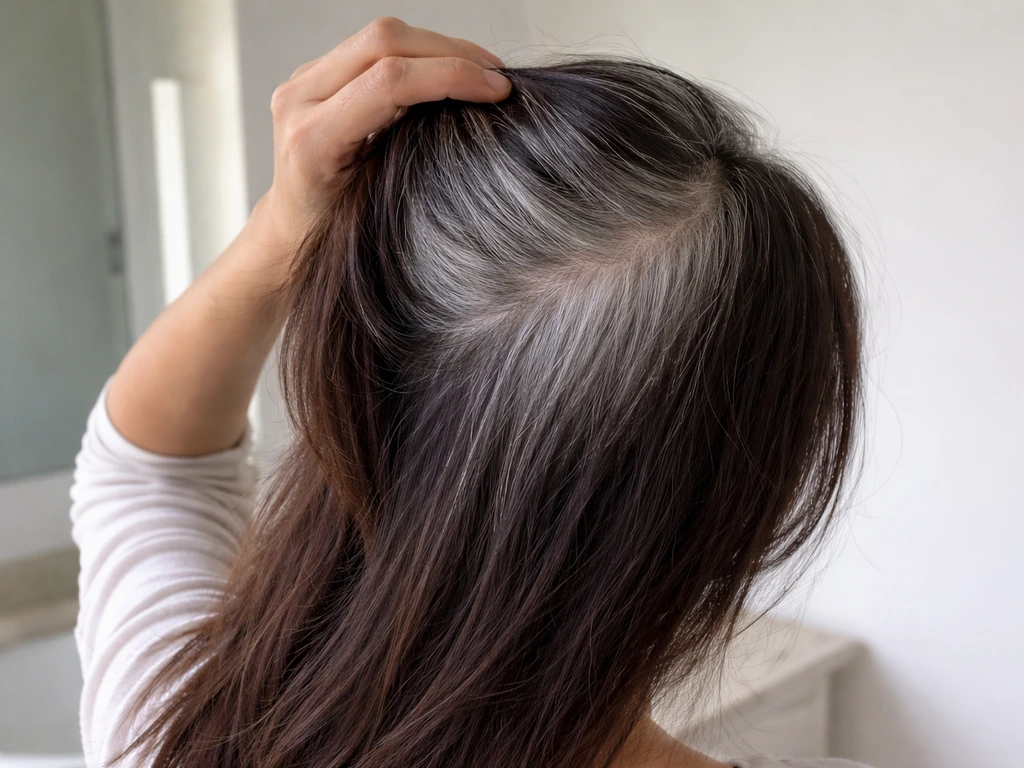
Salt-and-pepper regrowth vs. a color effect: what's actually happening
This distinction matters before you do anything else. True salt-and-pepper regrowth happens because follicles stop producing melanin as their melanocyte stem cells lose pigment-making function over time. The new hair that grows out of those follicles contains no melanin, so the shaft reflects light differently and appears gray, silver, or white. This is permanent and biological. It's not the dye fading, and it's not something you triggered. It's just your follicles, doing what follicles eventually do.
A color effect, on the other hand, is what happens when previously dyed or bleached hair grows out and the existing strands look lighter or brassier at the ends while a darker or grayer root line appears at the scalp. That root line can absolutely be true gray, but the contrast you're seeing at mid-lengths and ends is just old color. The two things can happen at the same time, which is why some people feel confused about where their "real" hair color even is anymore. The rule of thumb: the hair coming out of your scalp right now is your true color. Everything below the most recent inch or two is processed, faded, or both.
One more thing worth knowing: when hair does go gray, it often changes in texture too. Gray strands tend to be coarser, more porous, and sometimes wavier or frizzier than your pre-gray hair. This isn't a problem with your hair. It's just how the structural changes in the shaft play out. A lot of people don't expect that part, and it catches them off guard mid-grow-out.
Realistic timeline based on where you're starting
Hair grows at roughly half an inch per month on average, so about six inches a year. That number is your anchor for planning. From there, your current length sets the timeline.
Short cuts (pixie, buzz, very short bob)
If you're starting from a pixie or buzz cut, you actually have the shortest road to a full salt-and-pepper grow-out. Most of your hair is already close to the scalp, so the dyed or darker sections are limited. Expect a noticeable root-to-end color shift by months 2 to 3, and a fairly blended result by months 6 to 9. The awkward phase here is more about shape than color. Hair grows unevenly from a short cut, and you'll likely deal with a period where the sides grow faster than the top appears to, or the nape gets shaggy before the crown does. Strategic trims every 6 to 8 weeks, focused on shaping rather than removing length, keep this manageable.
Mid-length (bob, lob, bangs)
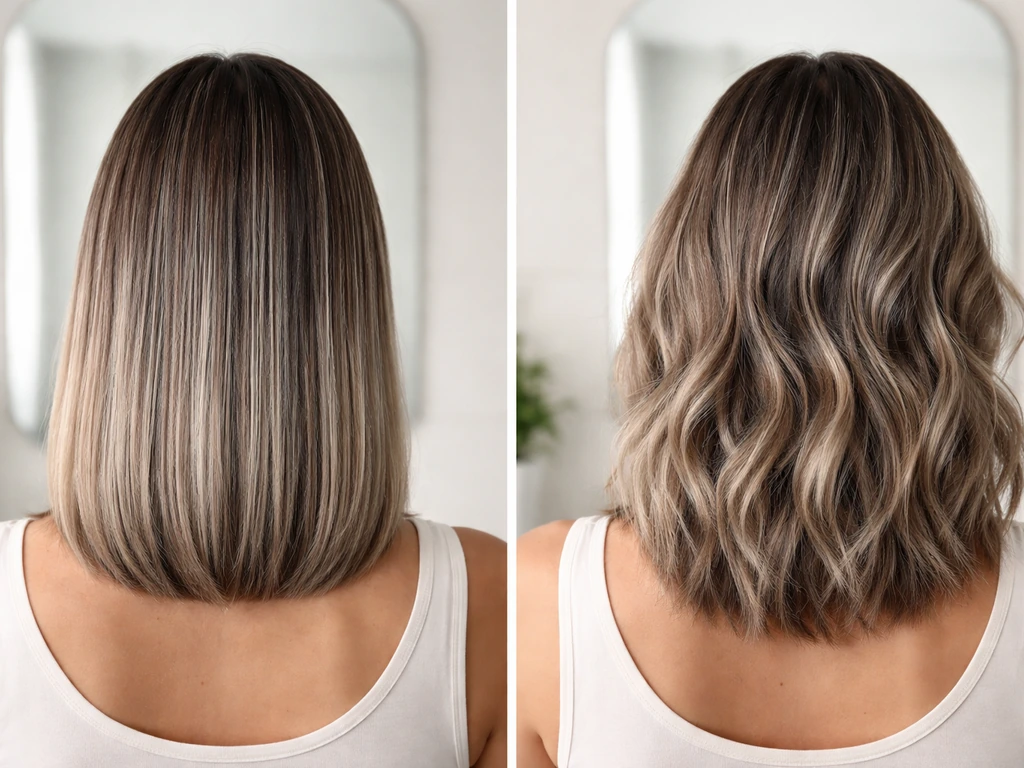
This is where most people are, and it's genuinely the trickiest length for a salt-and-pepper grow-out. If you have 4 to 6 inches of dyed or chemically processed hair, you're looking at 8 to 14 months before the processed ends can realistically be trimmed away while still having enough length to work with. The contrast between new gray growth at the root and darker ends is most visible at this length. That root line can look harsh if you're not doing anything to manage it. Bangs are a particular challenge: they frame your face so the contrast is front and center. Some people trim bangs aggressively to speed up the natural-hair transition there, while others grow them out into the rest of the hair. Both work, but they require different styling strategies (covered below).
Longer lengths (shoulder length and beyond)
If your hair is already past your shoulders, the grow-out is the longest project but also the one with the most styling flexibility along the way. You have enough length to experiment with updos, braids, and half-up styles that mask the transition zone. The math is still the same: half an inch per month. If you have 10 inches of processed hair and you want to trim it away gradually, plan on 18 to 24 months of patient trims. Some people take a different approach and do a more significant cut early in the process to reduce the amount of old color they're carrying. That's a legitimate shortcut (literally), but it only makes sense if you're comfortable with a shorter length for a while.
| Starting length | Approximate grow-out timeline | Biggest challenge |
|---|---|---|
| Buzz/pixie (under 2 inches) | 6 to 9 months | Shape and uneven growth phases |
| Short bob (2 to 4 inches) | 8 to 12 months | Harsh root line, managing neckline |
| Bob/lob (4 to 8 inches) | 12 to 18 months | Color contrast, bang management |
| Shoulder length or longer (8+ inches) | 18 to 24+ months | Old-color ends dragging on; patience |
Styling through the awkward stages
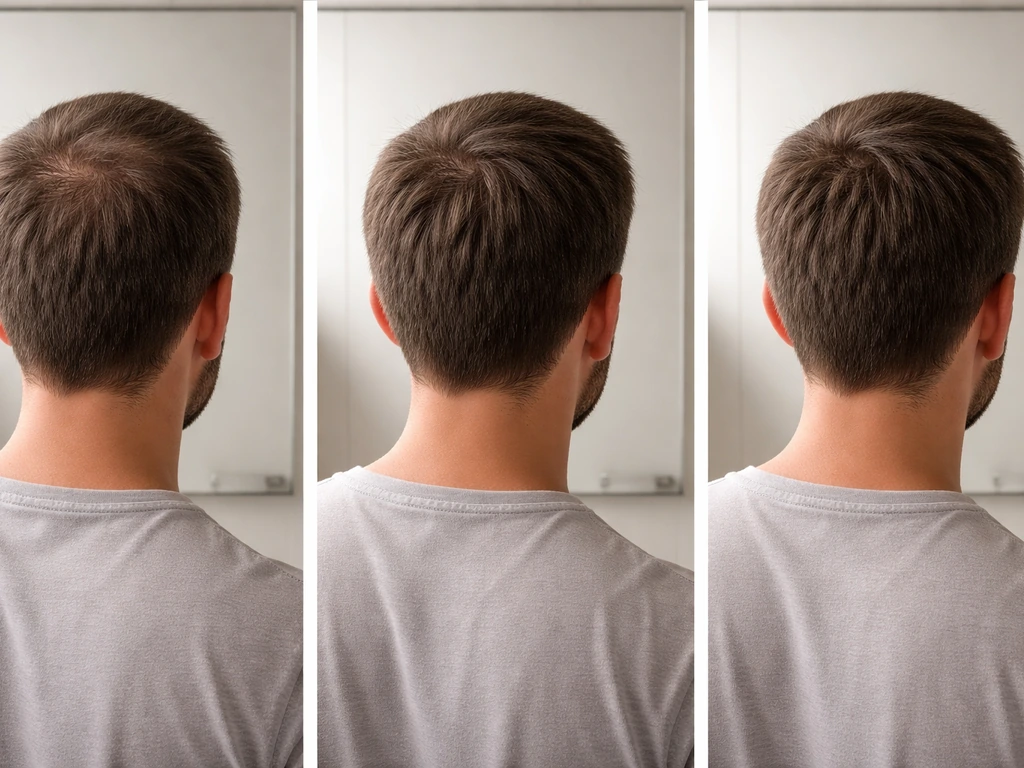
The awkward phase is real and you will go through it. Knowing what to do in each stage is what keeps most people from just cutting it all off and starting over.
Layers and cuts that support the grow-out
The key with trims during a grow-out is to take off as little length as possible while improving shape. Soft layers help enormously because they break up the visual line between new gray growth and older darker ends. A blunt cut at a grow-out stage actually makes the color line more visible, not less. Ask for a dusting (taking off just the very tips) rather than a full trim, and focus on removing weight from the ends to prevent the processed sections from looking heavy or draggy against the new growth.
Managing bangs during the grow-out
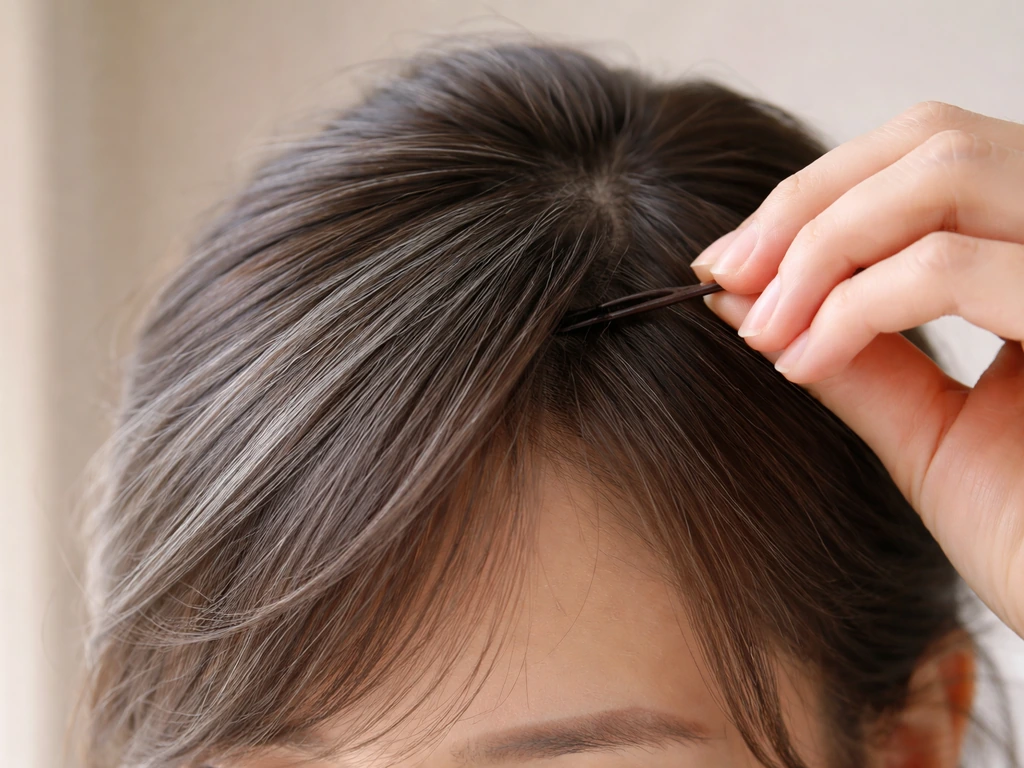
Bangs sit right at your hairline, which is often where the most obvious gray appears first. If you want to grow bangs out, sweep them to the side and blend them into the rest of the hair using clips or a light-hold styling product. This works well once they're past about 2 to 3 inches. If you're keeping bangs, trim them every 3 to 4 weeks to keep them looking clean, and consider doing any color blending at the bang area first since it's the most visible.
Undercuts and close-shaved sides
Undercuts are actually one of the easier areas to manage during a salt-and-pepper grow-out because the sides and back are short enough that new natural gray blends in quickly. The challenge comes when you decide you want to grow the undercut out too. At that point, the sides can look patchy as the buzz-length hair grows into the longer top sections. The smoothest approach is to let the sides grow out gradually while keeping the top styled with enough volume to mask the in-between length on the sides. It takes about 4 to 6 months before the undercut area becomes styleable.
Hairstyles that work at every stage
- Textured waves or curls: break up the color line between roots and ends better than straight hair does
- Half-up styles: keep the grow-out area off the face and reduce visible contrast at the crown
- Low ponytails and buns: useful for long-hair grow-outs when the transition zone hits shoulder length
- Side parts: shift focus away from a harsh center-part root line
- Headbands and accessories: honestly underrated for managing months 3 to 6 at mid-lengths
Color management: blending, matching, or just letting it go
You have a few real options here, and the right one depends on how much contrast you're dealing with and how involved you want to be in maintenance.
Going fully natural (cold turkey)
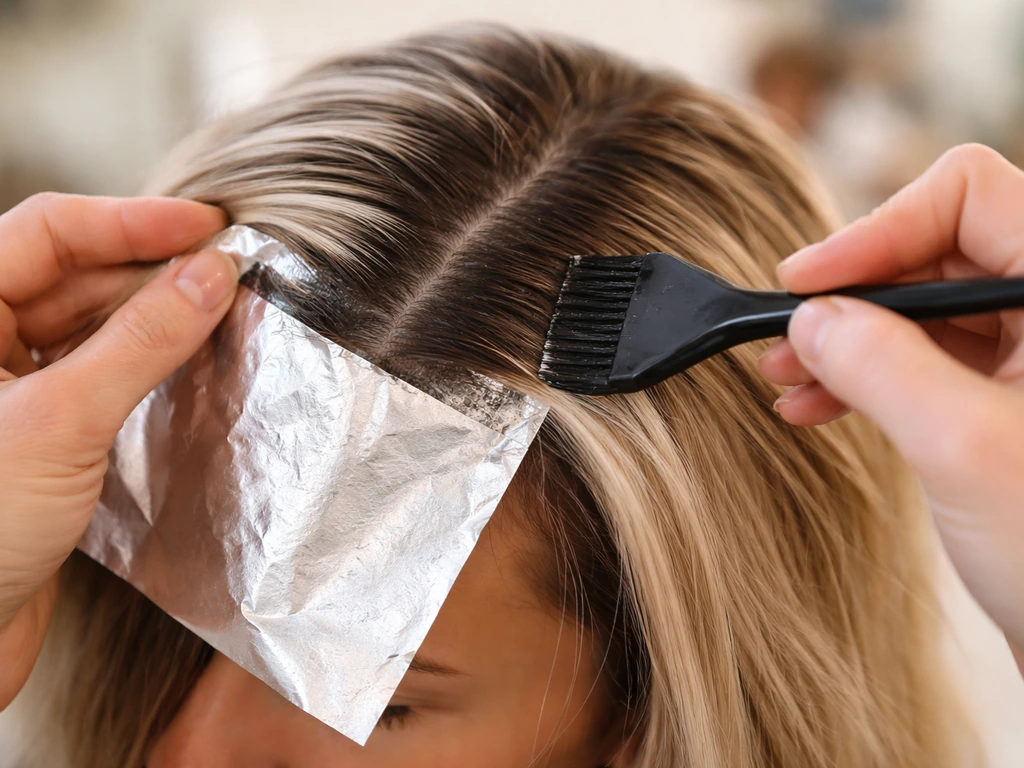
This means stopping all color services and just growing the natural gray in. If you are growing out colored hair instead of salt-and-pepper, the same mindset helps, but you will want a plan for the color effect as it fades and regrows how to grow out colored hair gracefully. It's the most commitment-free approach long-term, but the first 6 to 12 months involve carrying visible contrast between your natural root and your old color. It works best for people with shorter hair who can trim away the old color faster, or for people who have enough gray already that the contrast isn't too jarring. The honest truth is that the cold-turkey approach looks its roughest at months 3 to 6, and that's when a lot of people cave. Having a plan for that stretch (a specific cut, a style that works, some accountability) makes a big difference.
Blending with lowlights or shadow root
If you want to soften the transition without fully committing to all-natural, two techniques work well. Adding lowlights to your existing dyed hair brings some darker tones closer to your natural root color, which softens the contrast line. A shadow root technique takes it a step further by intentionally darkening the root zone a bit so that the boundary between new growth and old color is blurred rather than sharp. Both options typically need maintenance every 8 to 10 weeks to stay looking intentional rather than grown-out. They're not a forever plan, but they make the middle months much easier. A colorist experienced in gray blending is worth the consultation if you're going this route.
Embracing and enhancing the salt-and-pepper look
If your natural hair is coming in as a mix of dark and silver, some people choose to enhance that rather than just survive it. Toning services can cool down brassiness in the gray portions and make the silver strands look more polished. Glosses add shine to both the darker and lighter sections so the overall effect looks intentional. This is a low-damage maintenance route that works well once you have enough natural gray to actually show off. The goal is less about hiding the transition and more about making it look like a deliberate, styled choice.
It's worth noting that the challenge of managing this color transition is closely related to what you'd go through when growing out any dyed or colored hair. If you are wondering how to grow out dyed hair gracefully, focus on smart blending, gentle styling, and a trim plan that supports your real growth timeline growing out any dyed or colored hair. The same blending principles apply whether you're salt-and-pepper or transitioning from a single-process color, so any of those strategies are in play here.
A routine that actually supports healthy growth
You can't force your hair to grow faster, but you can absolutely create conditions where it grows in healthier and stronger, which matters especially when your scalp is transitioning.
Scalp care
Your scalp is where everything starts. A clean, well-circulated scalp supports healthy follicle function. Gentle scalp massage for a few minutes at each wash increases blood flow to the follicles. If you've been dyeing regularly, your scalp may have some product buildup, so a clarifying shampoo once a month helps reset it. Don't overdo it though: washing daily strips natural oils and can irritate the scalp, especially if you're still using color products. The American Academy of Dermatology notes that dry shampoo is not meant to replace washing with regular shampoo and water.
Moisture and anti-frizz for gray texture changes
Gray hair is more porous and tends to be drier and coarser than pigmented hair. Hydrating shampoos and conditioners make a real difference. Look for products with ingredients like glycerin, shea butter, or argan oil. A weekly deep conditioning treatment keeps the gray strands from feeling wiry or looking dull. For frizz specifically, a leave-in conditioner applied to damp hair before styling is more effective than trying to tame frizz after the fact. Anti-humidity serums and creams can help on high-humidity days, but moisture from the inside of the hair shaft is the real fix.
How often to trim
Trimming every 6 to 10 weeks is a reasonable general schedule during a grow-out. The exact frequency depends on how fast your hair grows and how much you're trying to remove old color. The important thing is that each trim should be strategic, not reflexive. Talk to your stylist about what you're growing toward and be specific about how much length you want removed. A quarter inch at each appointment keeps things healthy without resetting your progress. If you're growing out a pixie or buzz, you may want to go every 6 weeks to manage shape; longer lengths can stretch to 10 to 12 weeks between trims.
Common problems during the transition (and what to do)
Texture changes and frizz
As mentioned earlier, gray strands are structurally different. More air in the hair shaft means more light reflection and a coarser feel. Some people find their hair gets wavier or curlier in gray; others find it gets straighter. Neither is a problem to fix, but it does mean your old styling routine may stop working. Give yourself a few months to figure out what your new hair actually needs before committing to a whole new routine.
Dryness
Gray hair absorbs and loses moisture more quickly than pigmented hair. If your hair feels dry, start with conditioner and work backward. A lot of people are under-conditioning, not over-washing. Swap your regular conditioner for something richer, and add a deep treatment weekly. Many people in gray-hair transition threads mention that conditioners and deep treatments help with wirey, dry texture changes during the grow-out blank" rel="noopener noreferrer">deeper treatment weekly. If you're still using heat tools at their full default temperature, dropping down by 10 to 20 degrees can also reduce moisture loss over time.
Uneven regrowth and patchiness
It's completely normal for gray to come in unevenly. One side of the head often grays faster than the other. Temples and the hairline typically go gray before the crown. Some patches may appear lighter and others darker. This natural variation is actually part of what gives salt-and-pepper hair its visual depth. If the patchiness bothers you during the grow-out phase, strategic highlights or lowlights in the more pigmented sections can even out the overall appearance without eliminating the natural variation.
Hairline and temple contrast
The hairline is often the first place gray appears, and it can create a halo effect or frame effect that makes the grow-out look less polished than you'd like in the early stages. A tinted dry shampoo or a root touch-up product in a color close to your existing hair can soften this during the middle months without committing to a full color service. This is a temporary tool, not a long-term plan, but it can make a big difference in how you feel while the transition is happening.
When to get help or rethink the plan
Most grow-out frustrations are just the process being slow and occasionally awkward. But there are situations where talking to a professional is the right call.
If you're experiencing significant scalp itching, flaking, or irritation during the grow-out, especially if you've recently been coloring your hair, a dermatologist can identify whether you're dealing with contact dermatitis from dye, seborrheic dermatitis, or another scalp condition. Contact dermatitis from hair dye is an immune or irritant reaction that can cause real discomfort, and in severe cases it's been associated with increased shedding a few months after the episode. Don't just push through if your scalp is consistently uncomfortable.
If you're noticing unusual patchiness where a section of hair has gone completely white or lost pigment in a way that looks distinctly different from the gradual salt-and-pepper process, it's worth a dermatology visit. Conditions like vitiligo can affect the scalp and hair, causing patches of white or gray hair that aren't related to typical age-related graying. A dermatologist can differentiate between normal gray progression and something worth monitoring.
On the color side, if you've been coloring your hair for years and want professional help managing the grow-out transition, a colorist consultation is genuinely useful. Many people try to DIY the entire process and end up with results that are harder to correct than the original grow-out would have been. A single consultation appointment to map out a blending strategy, even if you don't do it every visit, can save you months of frustration.
Realistic expectations: what the grow-out actually looks like
There is no version of growing out salt-and-pepper hair that skips the middle phase. It will look in-between for a while. That's not failure. It's math: half an inch per month. The goal is to make the in-between phase look as intentional as possible, and to keep yourself from making a panicked cut that resets the clock. Most people who see the grow-out through say the same thing: the last three months before they hit their target length felt the most frustrating, but it was also when things started to really come together. Keep going.
Your next steps based on where you are right now
If you're at a short cut: book a shape-focused trim, stop any color services you've been using, and give yourself 6 months before making any decisions about whether the grow-out is working. The early months always look rougher than the final result.
If you're at mid-length: decide whether you want to do a blending service or go cold turkey, because mid-length is the stage where the contrast is most visible and you'll want a plan before month 3. If your goal is to grow out black hair dye, the same blending or cold-turkey decision applies, but you will likely need a more deliberate plan for the stark root-to-ends contrast how to grow out black hair dye. A shadow root or lowlight appointment buys you time and comfort while the natural hair grows in. If you want the best way to grow out colored hair, a shadow root or lowlight plan can make the contrast far more manageable while you wait for your natural color to catch up.
If you're at longer lengths: consider a modest cut now to reduce the amount of old color you're carrying, then commit to a deep conditioning routine and strategic trims every 8 to 10 weeks. If you want help with the overall process, follow a step-by-step approach to grow out hair color based on your starting length and the amount of processed ends you need to trim away. Updos and braids are your best friends for the next 12 months.
Regardless of your length or gender, the grow-out works best when you have a clear target, a styling strategy for the in-between months, and a hair care routine that supports the texture your gray hair actually has. Your hair, your pace, your choice. But the more intentional you are about it, the more likely you are to get through it without cutting it all off and starting over.
FAQ
How can I tell if what’s growing in is true gray versus dyed or bleached color still working its way out?
Check the hair closest to the scalp (the most recent 1 to 2 inches). If it looks like your natural mix and matches your family pattern, it’s likely true gray. If the contrast starts showing mainly in the mid-lengths or ends and the root area looks darker or warmer than the rest, you’re still carrying processed pigment below the scalp.
Should I stop all color services immediately, or is it better to taper them off during a salt-and-pepper grow-out?
Stopping color right away makes the timeline clearer, but a taper can be easier psychologically if contrast bothers you most in months 3 to 6. If you taper, ask for a plan that reduces the contrast line gradually (for example, shadow root or lowlights tied to your trim schedule), not frequent full coverage that keeps resetting how much you need to cut away later.
What trim strategy is safest if I’m worried about losing too much length while removing processed ends?
Ask for dusting, quarter-inch trimming, or targeted removal at the ends rather than a shape overhaul. The goal is to improve blending without creating a blunt line, since blunt cuts make the color boundary more obvious. Also, bring a reference photo of where you want the transition to land by month 6.
Will gray hair change my curl or wave pattern, and how long do I have to adjust my styling routine?
Yes, it can. Many people notice coarser, more porous hair that behaves differently (sometimes curlier, sometimes straighter, often more frizzy). Plan a 2 to 3 month adjustment window where you test products and techniques on damp hair before heat styling, then lock in a routine after your pattern stabilizes.
My roots are showing a strong halo at the hairline. What’s a low-maintenance way to soften it without committing to permanent color?
Use a tinted dry shampoo or a root-touch product that matches your current root tone, applied lightly at the hairline and temples. Reapply as needed between washes, and avoid heavy buildup so it does not interfere with how new gray looks when it grows out.
Can I speed up the grow-out by changing my shampoo routine or using supplements?
You cannot change the growth rate beyond genetics, the typical average is about half an inch per month. What you can do is reduce breakage and dryness so more length stays on your head, which makes the grow-out look faster. Be cautious with supplements, use them only if a clinician identifies a deficiency (such as iron or vitamin D).
How often should I schedule trims if my hair grows slower or faster than average?
Base it on what you’re removing, not the calendar. If you’re removing only dusting and improving shape, many people do every 6 to 10 weeks. If your hair grows slower, extend the interval slightly but don’t skip entirely, since heavy ends can keep dragging the processed look further into the new growth.
What’s the best way to manage frizz specifically as gray hair becomes coarser and drier?
Prioritize leave-in on damp hair, then seal with a light anti-humidity serum or cream if needed. If you fight frizz only after styling, you may be reacting too late. Also, consider slightly cooler heat settings (lower by 10 to 20 degrees) to reduce moisture loss and help your gray hair hold its shape.
Are there specific bang strategies depending on whether I want them to blend or to keep them full?
If you want blending, sweep them to the side and clip them so they melt into the rest of the hair once they’re about 2 to 3 inches long. If you want them to look intentional, trim every 3 to 4 weeks, and consider doing any color blending at the bang area first because it’s the highest-visibility contrast zone.
How do I handle an undercut that becomes patchy as the sides grow into the longer top?
Keep volume and structure in the top to visually mask the in-between side length. Style upward or with a light texturizing product on the top while you let the undercut grow out gradually. Plan for the undercut area to become consistently styleable after roughly 4 to 6 months.
What should I do if my scalp itches or flakes during the grow-out?
Don’t just troubleshoot with more products. If symptoms are persistent, especially after coloring, see a dermatologist to rule out contact dermatitis or seborrheic dermatitis. Keeping your scalp comfortable matters because chronic irritation can contribute to increased shedding later.
What if I see a sudden patch of white hair or a distinct pigment loss that isn’t gradual?
If the pattern is sharply different from typical salt-and-pepper (for example, a sudden, well-defined white or gray patch), book a dermatology visit. Conditions like vitiligo can mimic gray-looking changes but require different monitoring than normal age-related graying.
Is it okay to use highlights or lowlights to even things out, or does it complicate the grow-out?
It can help, especially if contrast is uneven at temples or the hairline, but it works best when it’s strategic. Treat it like a temporary blending tool tied to your trim schedule, not an ongoing full-color plan. Ask your colorist to target the more pigmented areas so the overall effect looks blended as true gray advances.