
Growing out black hair dye is a slow process that requires patience, a bit of strategy, and realistic expectations. The short answer: your natural roots will grow in at roughly 1. 25 cm (about half an inch) per month, which means visible regrowth starts showing within 3 to 4 weeks and a full head of new growth can take anywhere from 12 months to several years depending on your starting length.
How to Grow Out Black Hair Dye: Step-by-Step Timeline

Marcus Vickers
13 Apr 2026
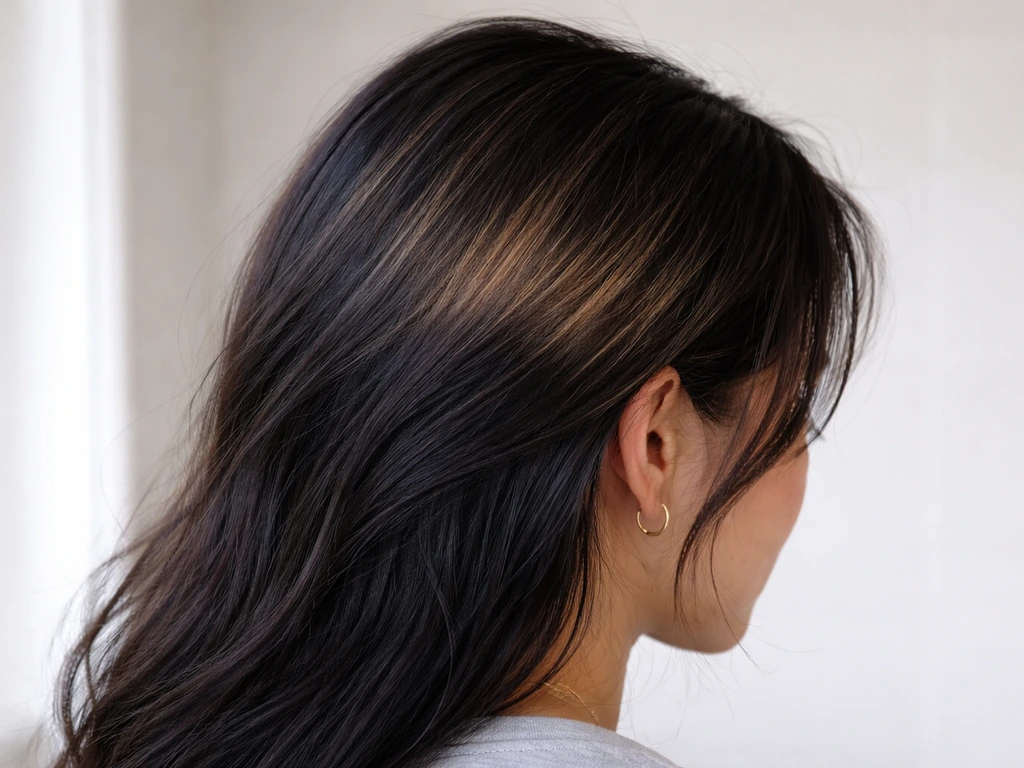
The key is managing the contrast between that new growth and the dyed lengths without losing your mind during the awkward middle stages. Here is everything you need to know to make the process as smooth as possible. Patch testing involves applying small amounts of allergens to the skin to check for reactions, and the results are typically read after about 48 hours [patch testing checks for skin reactions to an allergen](https://www. aad.
org/public/diseases/eczema/types/contact-dermatitis/patch-testing-rash).
What 'growing out black dye' actually means
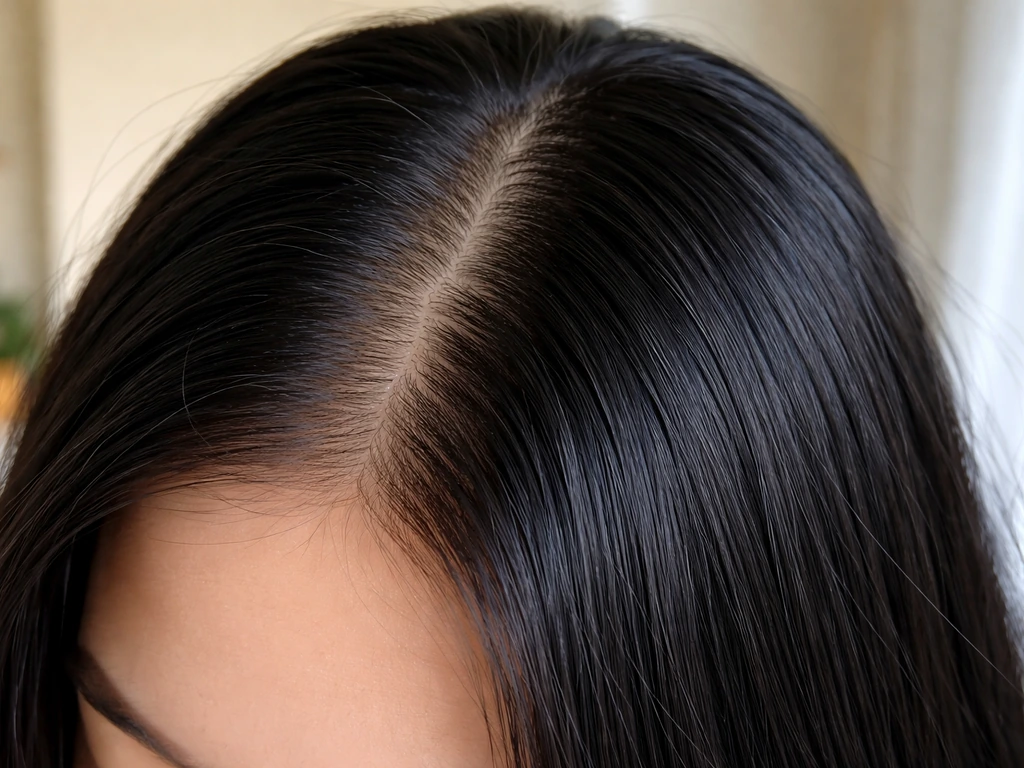
When people say they want to grow out black dye, they usually mean one of three things: they want to return to their natural color, they want to transition to a lighter shade, or they simply want to stop maintaining the black and let whatever comes in naturally take over. All three paths share the same starting problem: a hard line of demarcation where your natural roots meet the dyed lengths.
That demarcation line is the core challenge of this whole process. It is not just about two different colors sitting next to each other. It is about light reflection. Dyed black hair and natural hair absorb and reflect light differently even when both technically look 'dark,' which is why the line can appear so harsh and obvious even if your natural color is a very dark brown. Add fading to the mix, and things get even more visually complex.
Here is something many people do not expect: black dye does not fade to a neutral dark. It typically fades warm, shifting toward red, auburn, or brassy brown tones as the pigment breaks down over time. This warm drift means the dyed portion of your hair may look noticeably different from both your roots and what it looked like when freshly dyed. This is especially common with box dye, which tends to deposit pigment heavily and can interact unpredictably with heat, water hardness, and your hair's porosity.
A realistic timeline: what to expect month by month
Hair growth rates vary from person to person, with an average around 1 to 1.25 cm per month, though some people see up to 3 cm or more. Hair growth in the anagen phase is described as about 0.3 mm per day, which is approximately 1 cm per month 1.25 cm per month. Hair also grows in cycles, meaning not every strand is in the growth phase at the same time. This is why regrowth can look slightly uneven or soft at first rather than a clean, sharp band.
| Stage | Approx. Timeline | What You'll See | Main Challenge |
|---|---|---|---|
| Early regrowth | Weeks 1–6 | 1–2 cm of roots showing | Noticeable contrast at the root line |
| Awkward phase | Months 2–6 | 3–6 cm of new growth | Hard demarcation line, two-toned look |
| Mid-grow-out | Months 6–12 | 6–12 cm of new growth | Managing length and blending the line |
| Late transition | 12–24+ months | Majority of hair is new growth | Removing or blending remaining dyed ends |
If your hair is short (like a pixie or a close crop), you can realistically see most of the dyed portions grow out or trimmed away within 6 to 12 months. If you have long hair, you are looking at a multi-year process unless you decide to trim more aggressively. There is no shortcut around biology here, and how to grow out hair color in general follows the same monthly math regardless of the shade involved.
The awkward phase: how bad does it get?
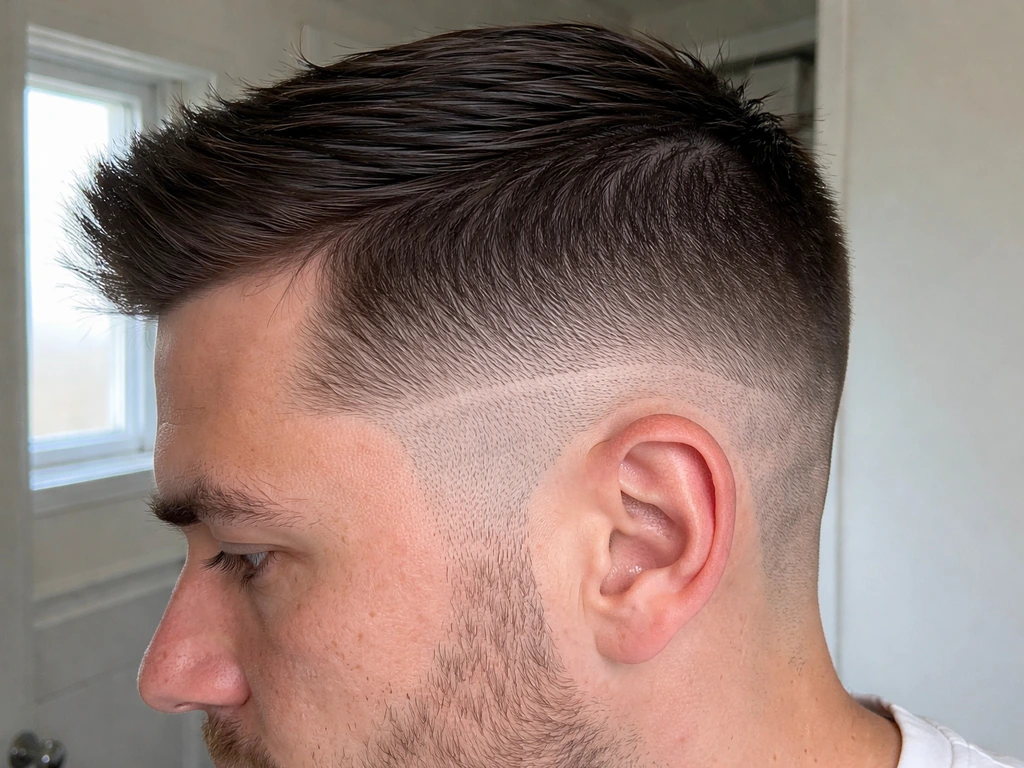
The awkward phase typically hits hardest around the 2 to 5 month mark. At that point you have enough regrowth to be obvious but not enough to blend naturally or pull into a style that hides it well. This is the stage most people bail out and re-dye. Do not do it unless you are truly fine committing to another full grow-out later. The awkward phase is temporary and survivable, especially if you plan ahead with styling strategies covered below.
Trims and cut strategy: how to keep shape without cutting your progress short
This is where a lot of people accidentally reset their own progress. Frequent trims are good for your hair's health, but aggressive cuts will remove your new growth and leave you back at the start. The goal is to find the middle ground: trim enough to remove damage and maintain shape, but not so much that you are constantly cutting off the inches you worked to grow.
A good rule of thumb for most people is to trim about 1 to 1.5 cm every 10 to 12 weeks during the grow-out period. This keeps split ends from traveling up the shaft and causing more breakage, while still allowing net growth. If your dyed ends are visibly damaged or have a very different texture from your roots, slightly more aggressive trimming early in the process can actually make the overall transition look neater faster.
For short hair (pixies, buzz cuts, cropped styles), you have more options. A gradual trim schedule that removes the dyed portion section by section as new growth comes in can work well. For medium to long hair, consider strategic layering instead of blunt cuts. Layers break up the visual contrast between your roots and ends, making the demarcation line less of a hard horizontal boundary across your whole head.
Cut options depending on your starting length
- Short hair (under 5 cm): Gradual fade or taper trims can remove dyed sections faster without going shorter overall
- Bob or medium length: Face-framing layers help break the line; avoid heavy one-length blunt trims that emphasize the demarcation
- Long hair: Keep ends healthy with light trims every 10–12 weeks; use styling and color techniques (covered below) to manage contrast in the meantime
- Growing out a specific style (bangs, undercut, pixie): Read up on how these transitions work because they have their own awkward-phase logic beyond just the color change
Color management: fading the black and avoiding patchy regrowth
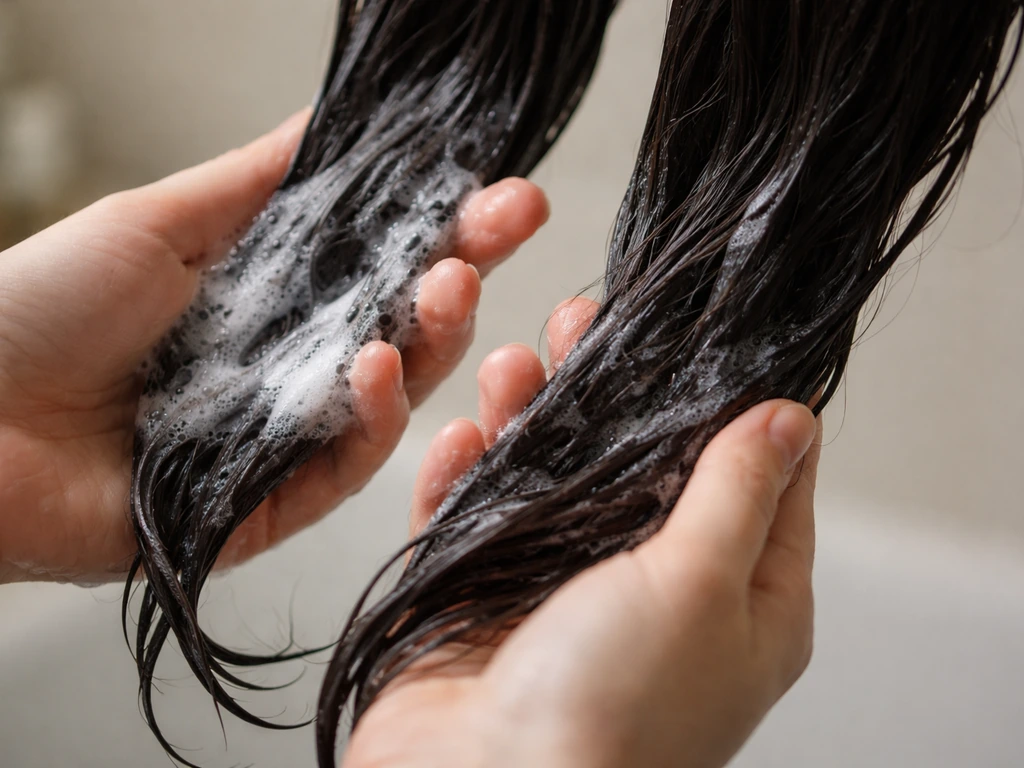
Managing how your black dye fades is just as important as managing how your roots grow in. The goal is a gradual, even fade, not a patchy or streaky one. The two main tools here are your shampoo routine and how often you wash and heat style your hair.
Clarifying shampoo can accelerate color fading by removing buildup and opening the cuticle. However, using it too aggressively causes uneven color loss, which makes the grow-out look worse, not better. A practical approach: use a clarifying shampoo no more than once a week on color-treated hair, and focus the application on your mid-lengths and ends where the black dye is concentrated. This controlled fade helps soften the contrast over time without creating blotchy patches.
Hair porosity plays a real role here too. High-porosity hair (common after bleaching or heavy processing) absorbs and releases pigment faster, so if your hair was previously lightened before you went black, expect faster and potentially uneven fading. Lower-porosity hair holds pigment more evenly but takes longer to fade overall. There is no single approach that works for everyone, which is why how to grow out colored hair gracefully depends heavily on understanding your specific hair history.
Protecting your hair during the grow-out
- Use a sulfate-free or gentle color-safe shampoo as your daily wash to slow uneven fading
- Limit clarifying shampoo to once a week at most, applied only to lengths and ends
- Use heat protectant every time you blow-dry or flat iron — dyed hair is more fragile than natural hair
- Deep condition weekly to prevent the dyed ends from becoming brittle and breaking before you can trim them off cleanly
- Avoid chlorine and hard water when possible, or use a pre-swim protective treatment if swimming regularly
Blending and styling to soften the line of demarcation
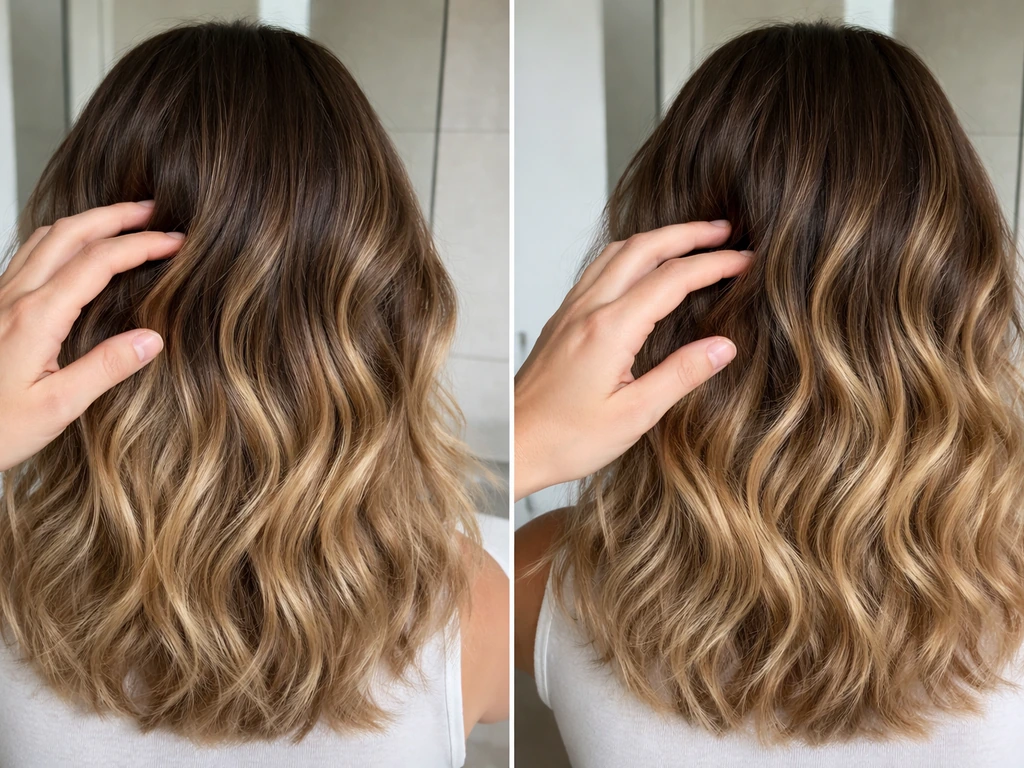
The line of demarcation is the visual fault line of every grow-out. Your primary job during the awkward phase is to make that line look like less of a hard border and more of a gradual shift. You can do this with both styling choices and color techniques.
Styling tricks that help
Texture is your best friend. Curls, waves, and even intentional tousling break up the line optically in a way that straight, sleek hair never will. If your hair is naturally straight, loose braids, soft waves created with a curling iron, or even air-drying with a light curl cream can make the transition look far more deliberate and blended. Half-up styles, loose buns, and braided updos are also practical choices during the middle months because they physically tuck the contrast area out of view.
Shadow root and root smudge techniques
A shadow root is one of the most practical color techniques for this exact situation. Using a demi-permanent or semi-permanent color (no bleach needed), a stylist feathers a slightly softer or warmer dark tone down from your roots into the dyed hair, creating a gradient that mimics a natural root shadow. Done well, a shadow root can extend the time between noticeable regrowth visits to around 8 to 12 weeks, which makes the grow-out far more manageable. A root smudge is a similar technique, typically a bit more concentrated at the root, using demi-permanent color. Both approaches avoid harsh chemicals and work with your natural root situation rather than against it.
These blending methods are exactly the kind of tools that make how to grow out dyed hair gracefully achievable in real life, not just in theory. You do not have to white-knuckle a hard line for 18 months. Strategic, low-commitment color blending is not re-dyeing your hair; it is managing the visual transition.
Toning the warm drift in faded black dye
As your black dye fades toward red or brassy tones, a blue-based toning shampoo (often marketed as a 'brass corrector' for brunettes) used once or twice a week can neutralize that warm shift and keep your lengths looking closer to dark brown rather than orange-tinged. This does not reverse the fade, but it keeps the look more cohesive while the new growth comes in. If the warm shift is significant, a gloss treatment at the salon can add a unified tone across roots and lengths without any commitment or lifting.
Planning your next color step: when to lift, strip, or just stop
This is where things get nuanced. If your goal is simply to grow out to your natural color (and your natural color is dark), you may not need to do anything to the dyed lengths except trim them away gradually. But if your goal is to get lighter, you are dealing with a much more involved process, and black dye is one of the hardest starting points for lifting.
Understanding what black dye does to lift attempts
Black box dye in particular can behave unpredictably when you try to lighten over it. The heavy pigment deposit means that even with strong developer, lift is often uneven, and warm undertones (red, orange) can dominate the result regardless of what the box instructions suggest. Lifting is not the same as lightening to your desired shade; there are intermediate stages of warmth and dullness you have to pass through, and the outcome depends heavily on your hair's porosity and processing history.
If you have significant box dye history, doing a controlled strand test before any full-head lightening attempt is not optional, it is mandatory. And in many cases, especially with multiple layers of dark box dye, a color remover or stripper is the appropriate first step before any bleach or lift is applied. Color strippers work by shrinking the dye molecules so they can be washed out without the oxidative damage of bleach, but they do not magically reveal your natural shade. They reveal your hair's underlying warm pigment, which then still requires toning or controlled lifting to reach a desired lighter result.
The best way to grow out colored hair when you are aiming for a significant color change is almost always a staged approach: let new growth come in for a few months, use blending techniques to manage the contrast, and then address the lifted/colored portions in controlled stages rather than all at once.
A staged plan for going lighter after black dye
- Allow at least 2 to 3 months of regrowth before attempting any lightening on previously dyed lengths
- Do a strand test on the dyed section to see how it lifts and what undertones appear
- Consider a color remover first if you have multiple applications of box black dye layered
- Lift in stages using a lower-volume developer after stripping, rather than trying to go from black to light in one session
- Tone after each lift to neutralize brassiness and assess where your hair actually landed before going further
- Book follow-up appointments every 6 to 8 weeks and reassess at each visit before committing to the next level of lift
If your goal is to embrace a natural gray or salt-and-pepper grow-out rather than going lighter through lifting, the process is a bit different. The contrast can be stark early on, but the overall transition is often less chemically complicated. For that specific path, the guidance on how to grow out salt and pepper hair covers the nuances of managing that particular contrast well.
Embrace warm fallback shades as a middle step
One underrated option when transitioning from black dye: instead of fighting the warm undertones that emerge as the black fades, lean into them. Rich copper, auburn, and warm brown tones are beautiful intentional shades that can serve as a deliberate middle step between black and your final destination. This approach sidesteps the multi-stage bleach process entirely for many people, and the resulting look is often more natural and flattering than a harshly lifted result anyway. Consider this path if your hair has significant damage history or if the strand test suggests unpredictable lift.
What to actually do today, based on where you are now
No matter where you are in the grow-out, there is a practical next step you can take right now. If you are just starting out with a few weeks of regrowth, focus on getting a shadow root or root smudge appointment scheduled before the line becomes glaring. If you are 3 to 6 months in and struggling with the awkward phase, prioritize texture and updo styling while your color fades, and consider a gloss treatment to unify tone. If you are 6 months or more in and ready to start lifting or removing the dye, book a consultation with a professional colorist who has specific experience with dark box dye removal before touching anything at home.
The most important thing is consistency in your care routine: protect your ends, keep moisture in the dyed portions, trim strategically, and resist the urge to make drastic decisions out of frustration during the hardest months. Growing out black dye is a commitment, but every month you stick with it is a month of progress you cannot get back if you re-dye. The awkward phase ends. The timeline is fixed by biology. Your job is mostly just to not quit before you get there.
FAQ
Should I just stop dyeing and let black hair dye fade naturally, will it blend better?
Yes, sometimes, but expect uneven results. Black pigment usually fades warm (red/auburn/brassy) rather than smoothly blending into “natural dark,” and the demarcation can look worse if the dye breaks down patchily. If you want to try fading first, do it gradually with consistent washing habits and consider a demi-permanent gloss or shadow root to smooth the line rather than relying only on time.
When is the best time to get a shadow root or root smudge while growing out black dye?
If your scalp is showing, it is usually not just “roots coming in,” it is also regrowth texture plus ongoing fade. A shadow root or root smudge tends to work best when there is already a visible but not sharply separated regrowth line, typically around the time the contrast looks obvious (often a few months in). Waiting until the line is very crisp can mean more time spent blending and less natural-looking placement.
How often can I use clarifying shampoo to help black dye fade faster?
You can, but avoid oversimplifying it as “more clarifying equals faster fade.” Frequent clarifying and hard scrubbing can lift pigment unevenly, leading to streaks that are harder to correct later. If you use clarifying, keep it capped (for example once weekly), concentrate on mid-lengths and ends, and follow with a conditioner or mask that actually seals moisture back into the hair.
What should I do if my hair feels dry or damaged during the grow-out?
Avoid stripping products if your ends feel dry, rough, or tangly. Clarifiers are most useful when the dye looks heavy but your hair still has acceptable slip, otherwise you risk breakage that shortens the very length you are trying to keep. If your hair is already fragile, prioritize gentle cleansing and targeted conditioning, and use blending techniques (shadow root, gloss) to manage contrast instead of trying to accelerate fade.
Do I really need a strand test before lightening over black box dye?
A strand test is especially important if you used box dye multiple times, had prior bleaching, or notice your dye fades warm or blotchy. Test on a small, hidden section, then wait to see true color shift and how your hair responds to toning. If the strand test shows unpredictable warmth or heavy uneven lift, plan for professional removal or staged correction rather than jumping straight into full-head lightening.
Can I lighten black hair dye in one session and skip the complicated steps?
Not usually. Black box dye often contains heavy pigment deposits, and lifting can turn patchy even when the goal is “just a shade or two lighter.” Color strippers can reduce oxidative damage but can still leave underlying warmth that requires toning. If you are planning to go lighter, consider staged steps (remove or reduce, then tone, then reassess) instead of expecting one session to get you to your final shade.
Does hair texture (straight vs curly) affect how long the grow-out awkward stage lasts?
Yes, but it changes the math. If your hair is naturally curly, the “line” can be harder to see, yet the dyed portion can remain visually darker longer because curls hold dye and refract light differently. Plan trims based on tangling and breakage needs, not only on how obvious the boundary looks, and consider gel or curl cream that helps define curls during the transition.
How do I know if I am trimming too much during the grow-out?
Be cautious. It is safer to trim to remove split ends and damaged texture, but overly aggressive cutting repeatedly resets the visible boundary by reducing the new growth you worked to grow. A small, consistent schedule works better, and if you trim more, do it with the goal of taking off the most compromised section rather than shortening for purely cosmetic reasons.
Will purple or blue toning shampoo completely stop the black dye from turning red or brassy?
Blue-based toning can help, but only up to a point. Use it when the lengths are clearly drifting orange or red, and avoid leaving it on too long, which can make the hair look dull or ashy. If your hair has very uneven warmth, toner alone may not fix the line, you may still need a gloss or blending at the roots.
Does heat styling make growing out black hair dye harder?
Do not treat it like the color line is the only problem. Heat styling can speed uneven fade because pigment breaks down differently where hair is hotter or drier, and frequent heat can also increase porosity, which changes how toner and dye behave. If you still style with heat, lower the temperature, use heat protectant, and reduce how often the exact demarcation area is directly exposed.
What are good low-commitment options if I cannot afford salon blending right now?
If you cannot get to a salon, aim for “blend without commitment.” Home-friendly options include strategic parting (to move the boundary visually), protective updos that tuck the contrast line, and adding controlled texture (loose waves, braids, curl definition). For color, only attempt demi-permanent root blending if you have a good match to your regrowth and you follow patch-test guidance, otherwise stick to styling until you can consult a colorist.
If the awkward phase gets unbearable, is it better to re-dye or push through?
If you are about to re-dye during the awkward phase, treat it as a plan, not a reset. Re-dyeing often means you keep the same boundary problem but at a later date. If you do decide to color again, choose a technique that softens the line (shadow root or smudged gradient) and keep it demi-permanent, so you are not locking in a new hard border for the next grow-out.
How does growing out black dye differ if my goal is to reach natural gray or salt-and-pepper?
You can, and it can look great, but gray transitions often expose undertones and make contrast more noticeable as hair changes. Plan on extra conditioning and gentle cleansing so the gray area does not look rough or yellowed, and consider toning support based on your final direction (cool gray vs warmer salt-and-pepper). If you used black dye heavily, gray may take longer to become the dominant visual tone.