
Growing out colored hair gracefully is absolutely possible, and you don't have to cut it short to make it work. The key is understanding what's coming visually at each stage, having a plan for reducing the contrast between your natural regrowth and your dyed lengths, and styling in a way that makes the whole thing look intentional rather than neglected. If you've been Googling "how do I grow out my hair color gracefully" at 11pm, this guide is for you.
How to Grow Out Colored Hair Gracefully: Step-by-Step

Marcus Vickers
8 Apr 2026
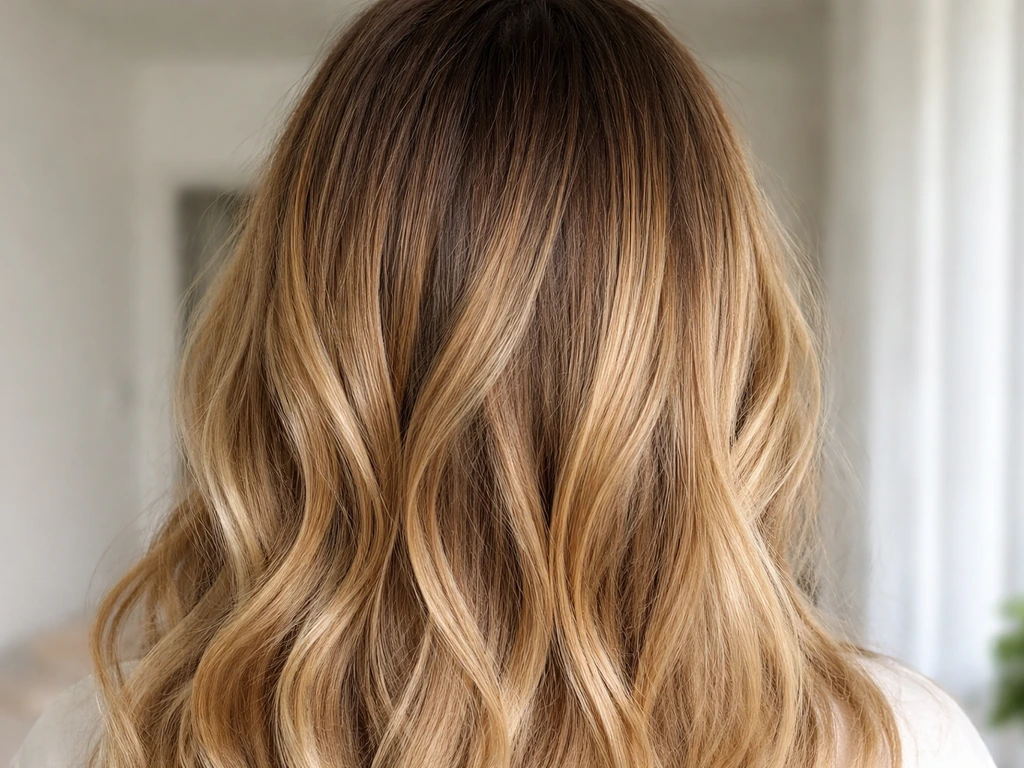
What 'gracefully' actually means here
Let's be honest about what we're working with. Growing out dyed hair gracefully doesn't mean the transition will be invisible. It means the grow-out looks deliberate rather than abandoned. It means you're not hiding under a hat for six months. Graceful is relative to your hair's specific contrast level, your color type, and how willing you are to do a little strategic maintenance. A shadow root technique, for example, can realistically buy you 8 to 12 weeks between appointments before any visible regrowth becomes obvious. That's what a good plan looks like, and that's the standard we're aiming for throughout this guide.
The hardest part for most people isn't the growing itself, it's managing the psychological awkwardness of the line. Once you know what to expect and why it looks the way it does at each stage, it stops feeling like a problem and starts feeling like a process. That mindset shift matters more than any single product or technique.
Your immediate plan after coloring: reset, assess, and set expectations
The moment you decide to grow out your color, the first thing to do is stop doing damage to what you already have. That starts with your wash routine. Color can lose 20 to 40 percent of its visible pigment in the first week alone if you're washing daily, which creates uneven fading that makes the regrowth line look worse. Wash only 2 to 3 times per week going forward. And if you just had a color service done, wait at least 48 to 72 hours before your first wash. Semi-permanent and demi-permanent colors need that window for the pigment to stabilize fully.
Next, honestly assess the contrast you're dealing with. There's a big difference between growing out a soft balayage with warm tones and growing out jet-black dye over naturally medium-brown hair. The higher the contrast between your natural root color and your current dyed length, the more active management you'll need. The best way to grow out colored hair starts with knowing exactly what you're working with before you make any decisions.
Set a realistic timeline. Hair grows roughly 0.5 to 1.7 cm per month, which means about 6 to 20 cm per year depending on your genetics, health, and hair type. According to Wikipedia’s overview of human hair growth, scalp hair is often stated to grow at about 1 cm per month on average, though it varies by person. That's not fast. If your dyed color reaches your shoulders and your natural root is growing in, you're looking at 12 to 24 months to grow the dye completely out without cutting. That's not a reason to panic, it's just information. Working with that pace is the whole game.
Managing the visible regrowth line: what you'll see and when
The regrowth line becomes visible to most people around weeks 2 to 4. Roots grow in roughly every 2 to 4 weeks, and by the 6 to 8 week mark your tone may also start shifting (looking warmer, duller, or brassier) even where the dyed color remains. So you're dealing with two things at once: the physical line where natural hair is growing in, and the fading of the existing color that changes the contrast over time.
Here's what that looks like week by week at a rough level. In the first two weeks, the regrowth line is subtle for most colors. Weeks 3 through 6, it becomes clearly visible, especially in direct light. By week 8 to 12, the dyed length starts fading more noticeably. If you're working with semi-permanent or direct dyes like vivid fashion colors or pastels, those fade "true to tone," meaning the pigment fades evenly across the strand rather than leaving harsh patches. That gradual fade can actually soften the contrast between roots and lengths over time. Bold colors like red, blue, and pink fade fastest and most dramatically, which changes the grow-out dynamic significantly compared to a more natural shade like a light brown or dark blonde.
Because hair advances only about 0.125 to 0.425 cm per week, the line moves slowly. Styling around that line is more effective in the short term than any chemical solution. That said, understanding the line's movement helps you plan trim and appointment timing so you're never caught completely off guard.
Blending strategies: trims, layering, and low-effort maintenance
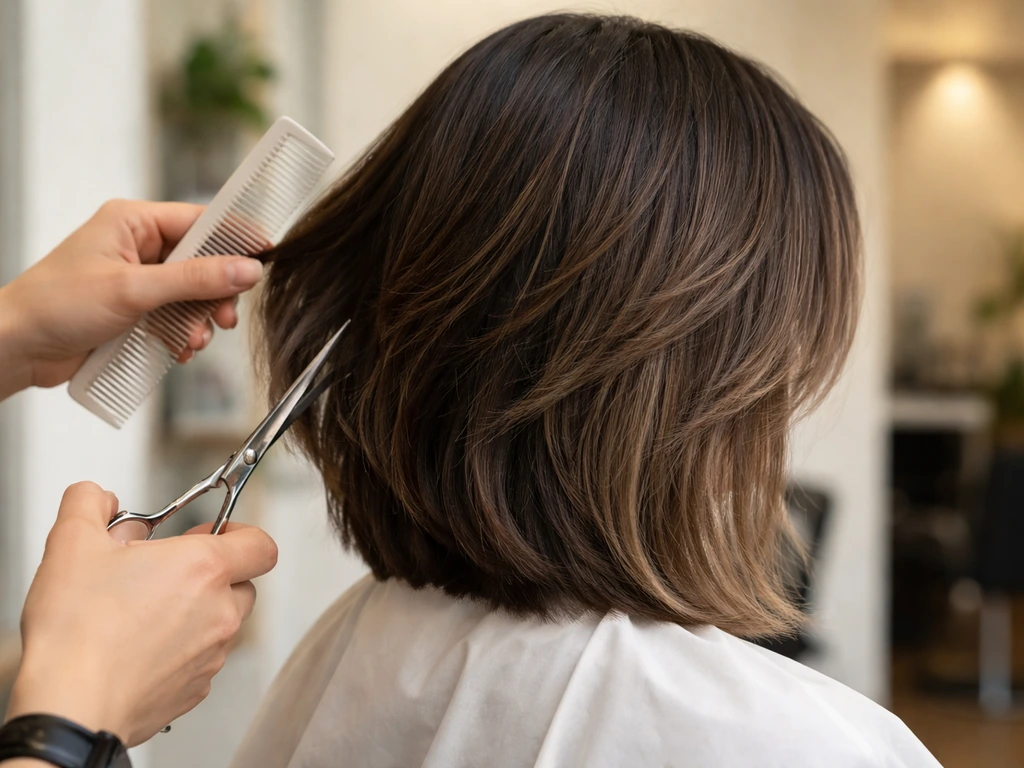
Trims are your most underused tool during a color grow-out. They don't have to remove significant length to help. Getting a trim every 6 to 8 weeks keeps your shape clean and prevents the ends from thinning out, which makes the faded, older color sections look even more ragged. A blunt, thinning end draws attention exactly where you don't want it. A clean, shaped end looks intentional.
Layering is especially powerful here. Adding layers breaks up the horizontal line where natural root meets dyed length by creating movement and dimension throughout the mid-lengths. Instead of a hard horizontal boundary, you get a blend of light and shadow that makes the transition far less obvious. Ask your stylist specifically for this when you book, because it's a different approach than a standard trim. If you're trying to grow out dyed hair gracefully, layers are often the single most effective structural tool available.
For low-effort maintenance between appointments, a weekly deep conditioning treatment keeps both the natural regrowth and the dyed lengths looking healthy and cohesive. Hair that's dry or damaged shows the two-texture contrast more than healthy hair does. This is a small step with a visible payoff.
Fading and color-transition options: refresh vs grow-and-blend
You have two general paths during a color grow-out: actively blending with salon techniques, or just growing and letting the color fade on its own while managing the line with styling. Neither is wrong. The right one depends on your contrast level, your budget, and how much involvement you want.
The active blending path
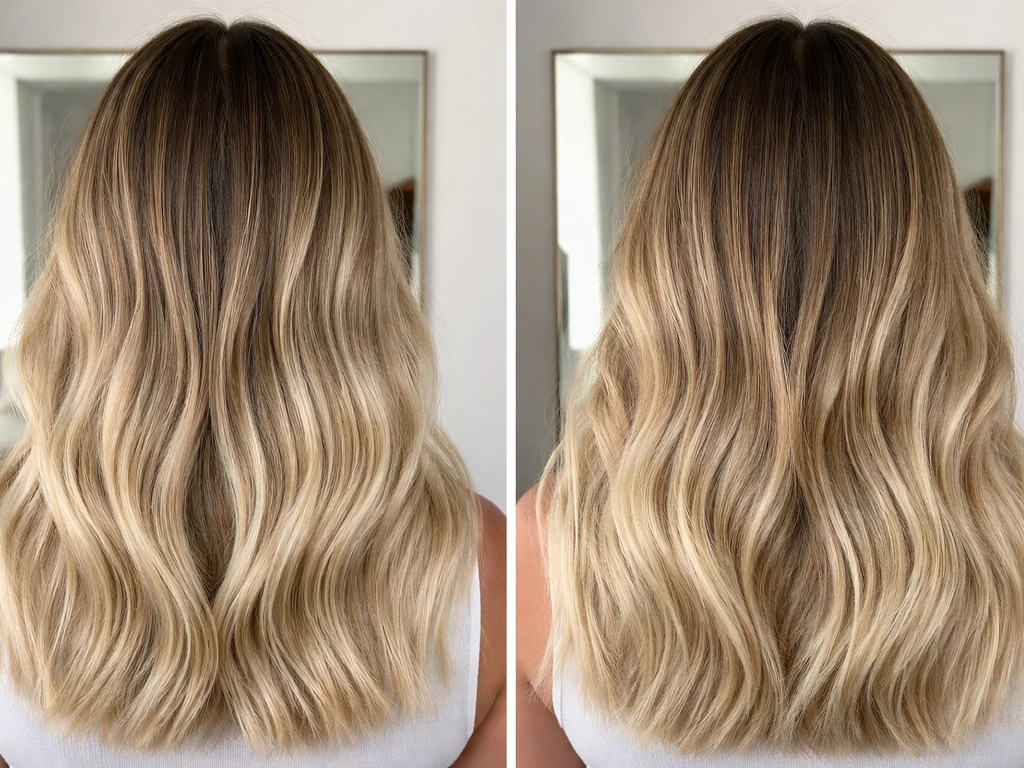
If your contrast is high (think: bright platinum blonde growing into dark brown roots, or jet black growing into medium-brown), a blending service is worth it. The most effective techniques are shadow roots, root melts, and color melts. A shadow root uses demi or semi-permanent color to blur the boundary between your natural root and the dyed length, creating a gradient that looks intentional. A root melt goes slightly further, using hand-painted placement to soften the demarcation line over a longer stretch of hair. These approaches are especially effective for dark grow-outs. Growing out black hair dye specifically benefits from root melt techniques, because the stark contrast between black dye and natural growth is one of the hardest to manage without some chemical help.
Color melting, sometimes called a color melt or "melt" technique in salons, uses seamlessly blended shades to create multidimensional color that disguises where regrowth starts. This isn't the same as just touching up your roots. It's a deliberate transition design that lets your hair grow without a sharp boundary becoming visible. The result can look like intentional dimension rather than grow-out.
The grow-and-fade path
If your color is a semi-permanent or fashion shade, the grow-and-fade approach can actually work in your favor. Semi-permanent color typically lasts around 10 to 12 washes and stays vibrant for four to six weeks with proper care. After that point, it fades evenly, which reduces the contrast between the faded length and your incoming natural root. Wikipedia notes that demi-permanent color works more gently than permanent color and washes out over time, which can make regrowth less noticeable blank" rel="noopener noreferrer">it fades evenly, which reduces the contrast between the faded length and your incoming natural root. If you time this well and preserve the fading with low-wash frequency and color-safe products, the line naturally softens without any salon visit. This is the lower-commitment option and works best for people whose natural color is close to the faded version of their dye.
For a full comparison of which path fits your situation, the breakdown of how to grow out hair color based on dye type is a useful reference point alongside this guide.
Comparison: Active Blending vs Grow-and-Fade
| Factor | Active Blending (Shadow Root / Color Melt) | Grow-and-Fade (Let It Soften Naturally) |
|---|---|---|
| Best for | High-contrast situations (black, platinum, vivid colors) | Low-to-medium contrast, semi-permanent or fashion colors |
| Salon visits needed | Yes, every 8–12 weeks for blending services | Minimal, just shape trims every 6–8 weeks |
| Cost | Moderate to high | Low |
| Timeline feel | Faster, more controlled | Slower but hands-off |
| Risk | Over-processing if done too frequently | Line may remain visible for longer |
| Ideal candidate | Anyone with stark root-to-length contrast | Anyone with naturally close or lighter base color |
If you're transitioning toward your natural grey or salt-and-pepper color specifically, the blending strategies differ somewhat because you're working with depigmented strands, not just a different hue. The article on how to grow out salt and pepper hair goes into that scenario in more depth.
Styling tactics for every awkward stage
Styling is where you buy the most time between appointments, and where the difference between looking intentional and looking unpolished is made. Different growth stages call for different approaches.
Weeks 1–4: the line just appearing
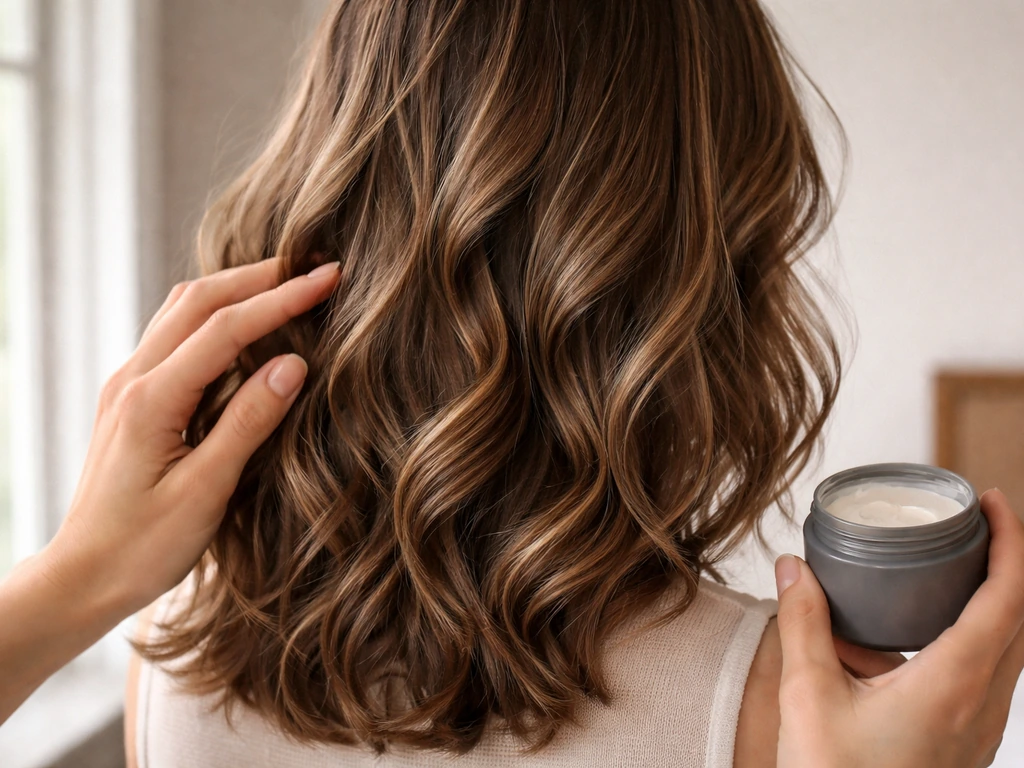
At this stage, texture is your best friend. Waves, curls, or even a quick diffuse session create movement that breaks up the color line visually. If you normally wear your hair straight, try adding some bend with a curling iron or braiding damp hair overnight. Parting your hair slightly off-center rather than down the middle also distributes visible root contrast across more surface area, making it less concentrated.
Weeks 4–10: the obvious phase
This is the phase most people find genuinely uncomfortable, and it's the one worth preparing for. Half-up styles are your default move here. Pulling the top layer back into a bun, clip, or braid keeps the most visible root area (the crown and part line) off the face and in shadow. Space buns, twisted half-ups, and low ponytails all work. Avoid styles that put the part front and center unless you've had a blending service.
Root sprays and color-matching powders can reduce the contrast temporarily for photos or events. These aren't a long-term solution, but they're genuinely useful for specific occasions where you don't want the line to be the first thing people see.
Months 3–6: the transition starts to show character
By this point, if you've been layering, conditioning, and managing the grow-out, the line is usually beginning to feel less sharp. The dyed sections are fading toward your natural tone, and the longer regrowth creates a more gradual visual transition. Braids become more effective because there's more length to work with. If you were previously working with short or medium hair, you may now have enough length to try new structural styles that simply didn't fit your hair before.
Managing bangs and undercuts during color grow-out
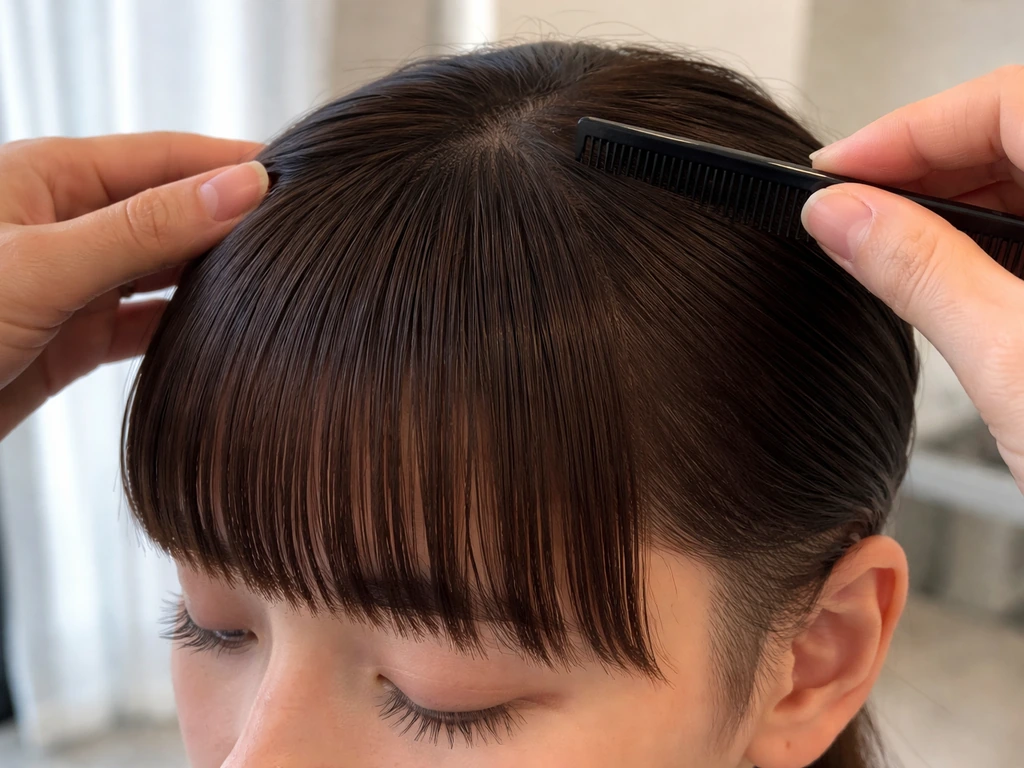
Bangs and undercuts present their own specific challenge because they're high-visibility areas where the regrowth line is immediately obvious. For bangs, the trim schedule matters. Blunt bangs need a trim every 2 to 3 weeks just to maintain shape, and wispy or layered bangs need one every 4 to 6 weeks. If you're growing bangs out while also managing a color line, that means you need to be intentional about timing. Keeping bang trims on schedule even while you're trying to grow overall length prevents them from becoming a separate awkward problem on top of the color grow-out. A bang trim every 8 weeks minimum keeps the fringe looking intentional, and well-shaped bangs actually "melt" into the rest of the style better as they lengthen.
For undercuts, the shaved or closely-cropped section grows in noticeably, and if it was dyed (or if the longer top section is dyed), the contrast is stark. The best approach here is to either keep the undercut very short so it doesn't develop a visible line, or to let it grow in gradually while using texture and volume in the longer top sections to draw attention away from the sides. Longer top sections also give you more styling flexibility to cover the transition area.
When to see a stylist and what to actually ask for
You don't need to be in the salon constantly, but there are specific decision points where a professional visit pays for itself. Here's how to think about it:
- At week 6–8: Go in for a shape trim and ask specifically about layering to break up the color line. This is not about removing length, it's about structure.
- At week 8–12: If the contrast is visibly bothering you and styling isn't covering it, this is the right time to ask about a shadow root or root melt. Don't do it earlier, as the hair needs some length for the technique to have range.
- At months 4–6: Reassess your color plan. At this stage, you can decide whether to refresh the dyed section to match more closely to your natural color (lowlights or toning), or to continue growing and embrace the transition.
- Anytime: If you're tempted to do a full color re-application at home because you're frustrated, book a consultation first. Layering color over a grow-out without a plan often makes the contrast worse, not better.
A few specific things to ask for (and avoid) when you're in the chair:
- Do ask for: a demi-permanent root shadow, a color melt, or a gloss/toner refresh on the lengths to bring them closer to your natural tone
- Do ask for: a dusting or micro-trim on the ends without touching the overall length
- Don't ask for: a single-process root touch-up that matches your old dye color (this resets the grow-out clock and locks you back into the same cycle)
- Don't ask for: a full bleach or lift on the lengths if you're growing toward a darker natural color (this works against the grow-and-blend approach)
- Do bring reference photos showing the transition style you want, not the final color destination
The bottom line is that growing out colored hair gracefully is a process that rewards a little planning and punishes reactive decisions. If you go in with a clear idea of where your natural color is headed and what you want the transition to look like along the way, your stylist can work with you rather than just against the grow-out. For a deeper dive into every variation of this process, the complete guide on how to grow out dyed hair gracefully covers additional scenarios including multi-step color corrections and different natural hair textures.
Your hair is growing whether you have a plan or not. Having one just means it grows out on your terms.
FAQ
My regrowth line looks worse than I expected. What should I do first before I book anything?
If the regrowth line is showing more than you can tolerate, avoid “fixing” it with random at-home dye. Instead, ask your stylist for a low-commitment melt option (shadow root or root melt) timed to your current stage, because the goal is to blur the boundary, not fully re-dye the whole length. Schedule it so it lands after the line becomes clearly visible (often around weeks 3 to 6) for the most cost-effective results.
Can I extend the time between salon appointments without ruining the grow-out?
Yes, but choose a strategy based on how the dye fades on your specific strand. If your fashion color fades evenly, stretching your service schedule can work because the contrast softens naturally. If your dye shows uneven fading or patchiness, an early targeted root blend is usually better than waiting, since patchy color will make the transition look streaky even after it grows out.
Are root sprays or color powders a good long-term solution, or only for special occasions?
For high-contrast transitions, the biggest mistake is using the wrong “fix” color at the roots. Root sprays and powders are fine for events, but they can leave a gray or dusty cast under certain lighting. For long-term correction, ask whether you need demi or semi coverage versus just a toner effect, and confirm the plan is to transition the regrowth line, not deposit heavy color onto mid-lengths.
My hair feels damaged at the colored ends. Should I still keep growing without cutting?
If your colored ends are getting crunchy, stretchy, or rough, growth-out styling will not mask the damage long term. The practical next step is to do a temporary damage control reset, then continue the plan with more conditioning and gentler washing. If the ends are breaking, ask your stylist for a micro-trim (removing only compromised tips) to prevent the breakage from migrating upward into the dyed-to-natural transition.
How do I make sure the “shadow root” or “color melt” matches my actual regrowth undertone?
For the best match, bring a photo in the same lighting you’ll be around most (indoor warm lighting and daylight if possible). Ask your stylist to blend based on your regrowth undertone, not the shade of the dyed color on the box. That matters because two people can both be “brown” but the regrowth can pull warmer or cooler, changing how obvious the line looks.
What heat and styling habits can make the grow-out line look worse?
If you use heat tools, minimize direct passes over the regrowth line and lower your frequency of high-heat settings during the awkward phase (when the line is most noticeable). Use a heat protectant every time and consider styling that adds bend (waves, curls, or braid-out textures) rather than relying on straightening to “hide” contrast, since straight hair tends to emphasize the horizontal boundary.
How can I tell whether my problem is the contrast or the health of my hair?
Track two measurements: where your roots start and how your ends feel. If the line is only a contrast issue, a styling plan may be enough. If the ends are drying faster or looking uneven, that points to a need for conditioning upgrades and possibly a small scheduled trim to keep the silhouette polished while color fades.
I’m growing out color and moving toward natural gray. Does the blending strategy change?
If you’re growing out dyed hair and you also plan to transition to your natural gray, do not assume the same melt approach will work. Depigmented strands behave differently and can look dull or slightly different in reflectivity, so ask your stylist how they’ll treat tonality (cooling or neutralizing) at the transition area instead of just covering color.
How do I manage bangs while growing out colored hair on the rest of my head?
Bangs are a separate maintenance hotspot, and the common mistake is ignoring their schedule because you’re focusing on overall length. Keep bang trims on their cadence (often more frequent than the rest of your hair) so the fringe doesn’t develop an extra line that competes with the color grow-out. If your bangs were dyed, confirm whether they need a blend or just consistent shaping as they grow.
Should I keep my undercut very short or let it grow when I’m growing out hair color?
Undercuts often look “clean” when they stay very short, which can reduce visible contrast. If you want a longer undercut, plan for periodic shaping, because the regrowth boundary will travel as the shaved area lengthens. Coordinate the undercut plan with how the top is styled (volume and texture), so the eye is drawn upward rather than to the sides.