
Curly hair grows down the same way straight hair does, but shrinkage and curl geometry make it look like it's expanding outward instead of getting longer. The fix is a combination of haircut strategy, hydration, and daily styling habits that encourage your curls to hang with gravity rather than spring away from your head. There is no overnight solution, but you can start seeing real directional change within four to eight weeks if you're consistent. Here's exactly what to do.
How to Make Curly Hair Grow Down Instead of Out

Marcus Vickers
16 Apr 2026
Why curly hair grows out instead of down
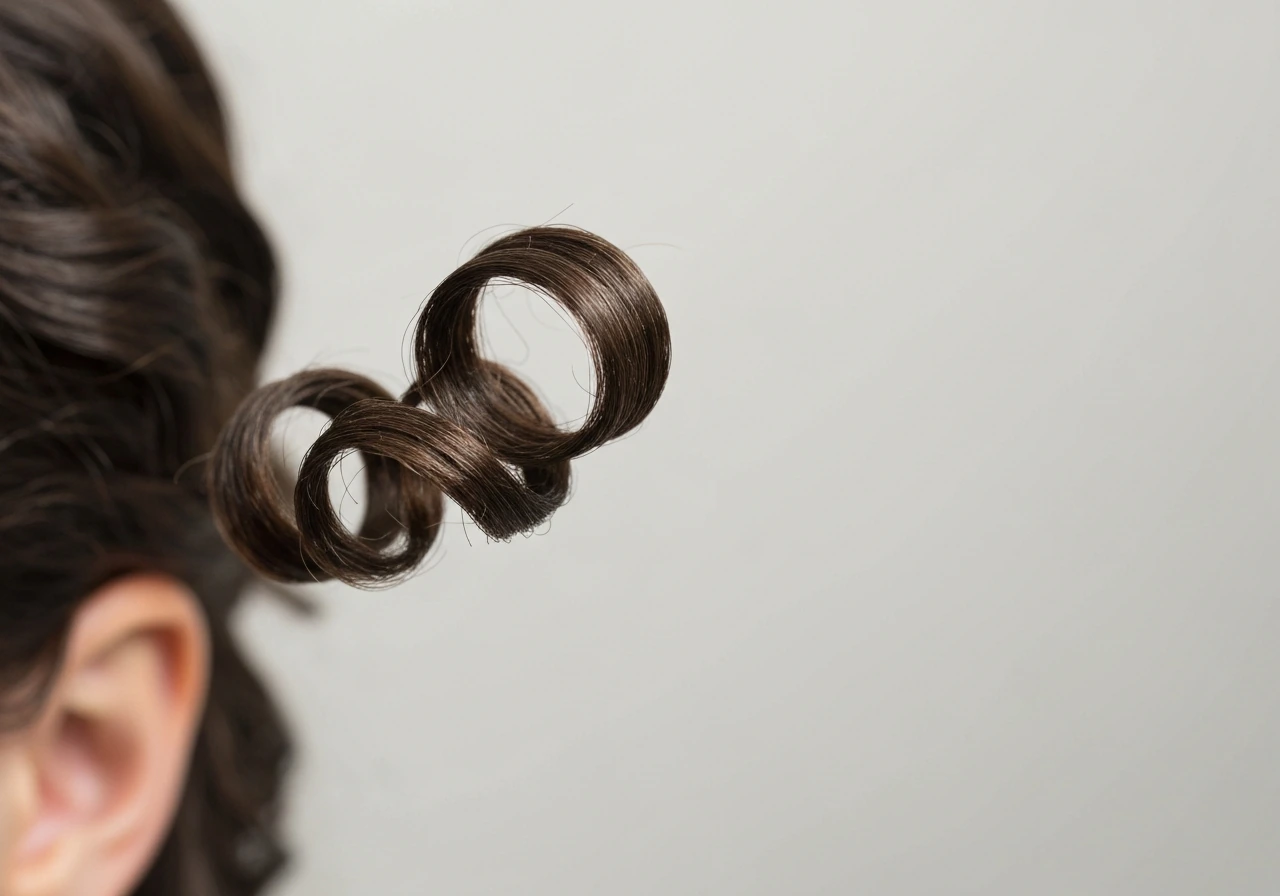
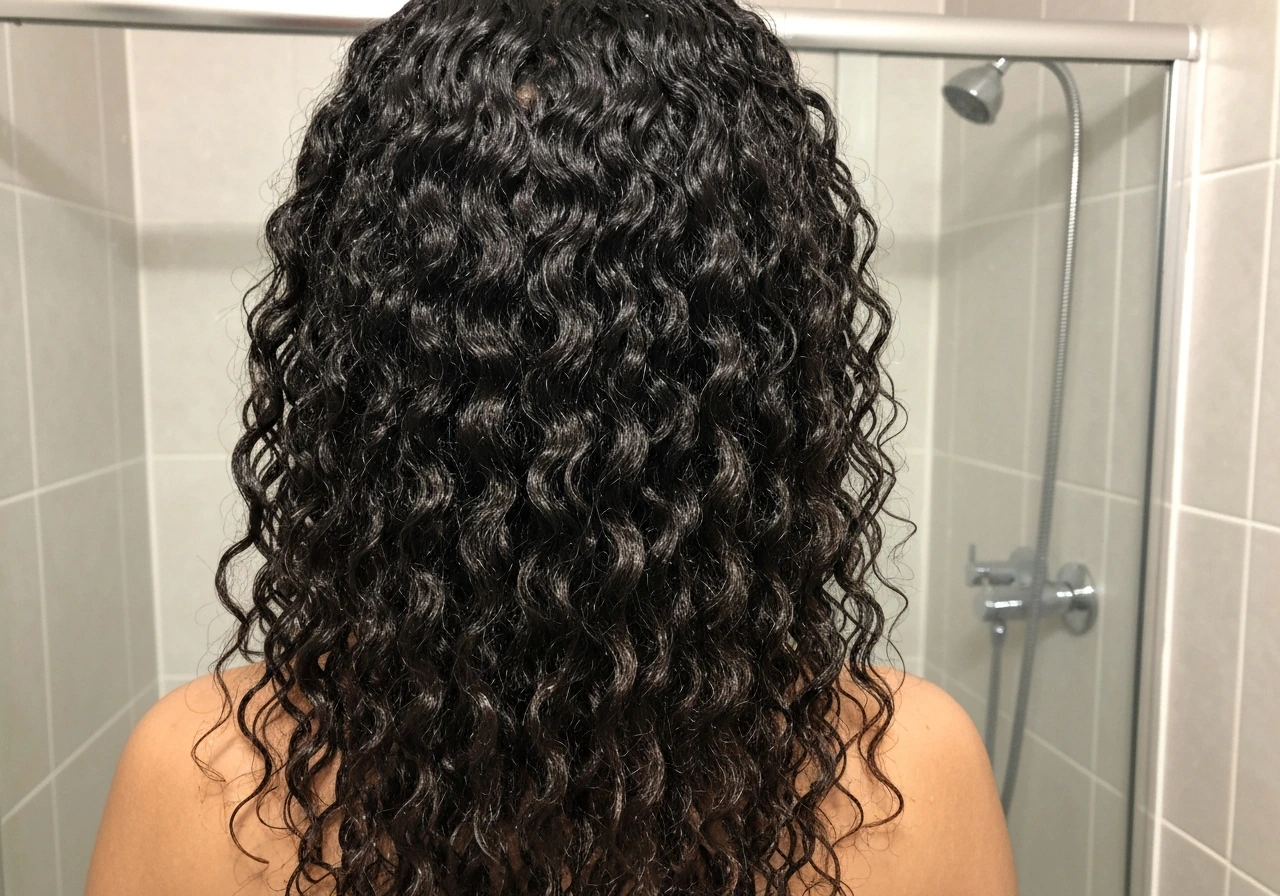
The short answer is physics. When a curl forms, it coils back on itself, so the actual length of the hair strand is much longer than what you see. That gap between true length and visible length is called shrinkage, and it varies dramatically depending on your curl type. A 2B wave might shrink 10 to 20 percent when it dries. A 3B curl shrinks closer to 30 to 40 percent. A 4C coil can shrink 70 to 75 percent, meaning hair that's eight inches long can look like barely two inches once it's fully dry. Shrinkage happens because as water leaves the strand, the curl pattern tightens and contracts upward and outward.
Beyond shrinkage, there's the shape of the follicle itself. Research confirms that the curvature and direction a curl exits your scalp is determined at the follicle level, governed by the geometry of how the hair shaft slopes as it emerges. That's why your hair doesn't just grow straight down the way you might want it to: it's actually exiting your scalp at an angle built into your biology. Add a whorl or cowlick into the mix (and studies confirm that whorl direction is genetically set and not easy to override), and you've got hair that naturally wants to travel outward, especially at shorter lengths where there's no weight to pull it down.
What you can control is everything that happens after the hair leaves the follicle: how hydrated it is, how you handle it while wet, how it's cut, and what shape it's in as it dries. That's the whole game.
Realistic timelines: when will you actually see it growing down?
Hair grows about half an inch per month on average. For curly hair, that half inch of actual growth might only look like a quarter inch or less because of shrinkage. That's frustrating, but it's also why technique matters so much early on. At four to six weeks, you can start to see a small difference in how curls fall if you've been consistent with moisture and styling habits. At three to four months, the added weight from length begins to pull curls downward in a way that feels much more noticeable. At six months and beyond, especially for looser curl types, you'll see a real shift in direction.
If you're coming from a very short cut, the timeline extends a bit. Growing out curly hair from short involves an awkward middle phase where hair is long enough to curl but not long enough for the curls to have any downward pull. That phase typically runs from about one to four months in, and it's the hardest part. Power through it with the techniques below and don't reach for scissors out of frustration.
If you're starting from a buzz cut, your timeline to see genuine downward growth is longer, roughly six months before directional training really pays off. If that's your situation, there are specific growth strategies worth knowing for how to grow curly hair from a buzz cut that will help you manage each stage without losing your mind.
Haircut choices that help curls grow down
Weight, layers, and shape
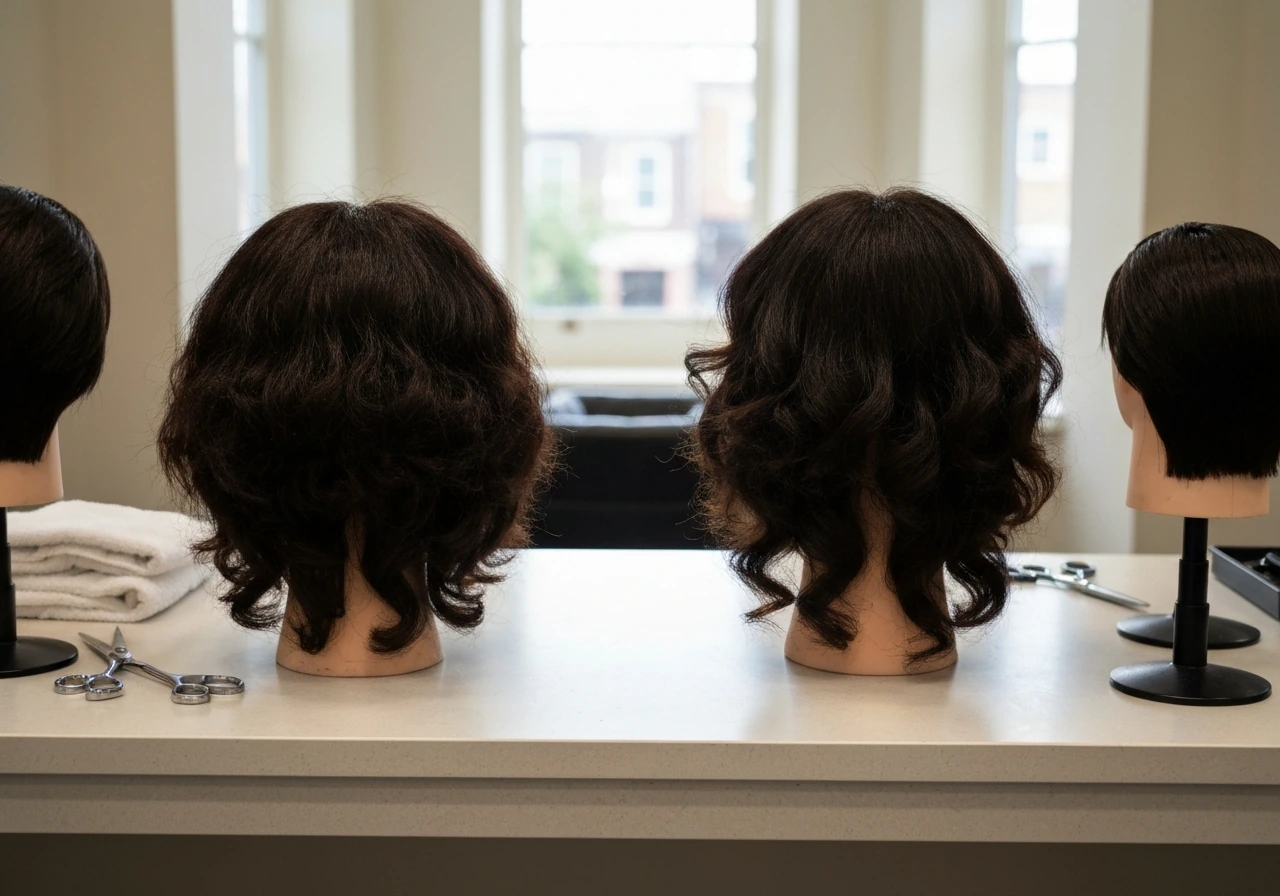
This is where most people go wrong. Removing too much bulk or taking heavy layers too high up creates a triangle or mushroom shape and makes the hair expand outward. If your goal is downward growth, you want weight kept in the hair, not layered out of it. Ask your stylist for long, graduated layers that start below the chin or collarbone, not at the crown. Keeping density through the sides and top means gravity has more material to work with.
Dry cutting is genuinely useful for curly hair because it shows the true spring and shape of your curls without the distortion of stretching. When hair is wet, it can look dramatically longer than it is, which leads stylists to over-cut and leave you with less length than expected. Seeing the real curl diameter and shrinkage while cutting leads to more accurate results.
How often to trim
When you're trying to grow length, trims should be minimal but strategic. A good general schedule for length-focused curly hair is every 16 weeks, enough time to make real growth progress while keeping the ends healthy enough to avoid breakage that costs you length. If you have bangs in the mix, they need more attention: a quick professional trim every 6 to 8 weeks keeps them shaped and prevents them from becoming a frizzy forward wall that messes with the overall fall of your hair.
Managing undercuts and previous cuts
If you're growing out an undercut or a shaved section, that short underlayer tends to push the longer top hair upward and outward. The goal is to be patient through the grow-out while keeping the longer sections as trained and weighted as possible. For a full breakdown of navigating this specifically, the process of growing out a buzz cut covers the stage-by-stage strategy well, since the principles are nearly identical when an undercut reaches that same short-length phase.
Daily routine to train curls downward
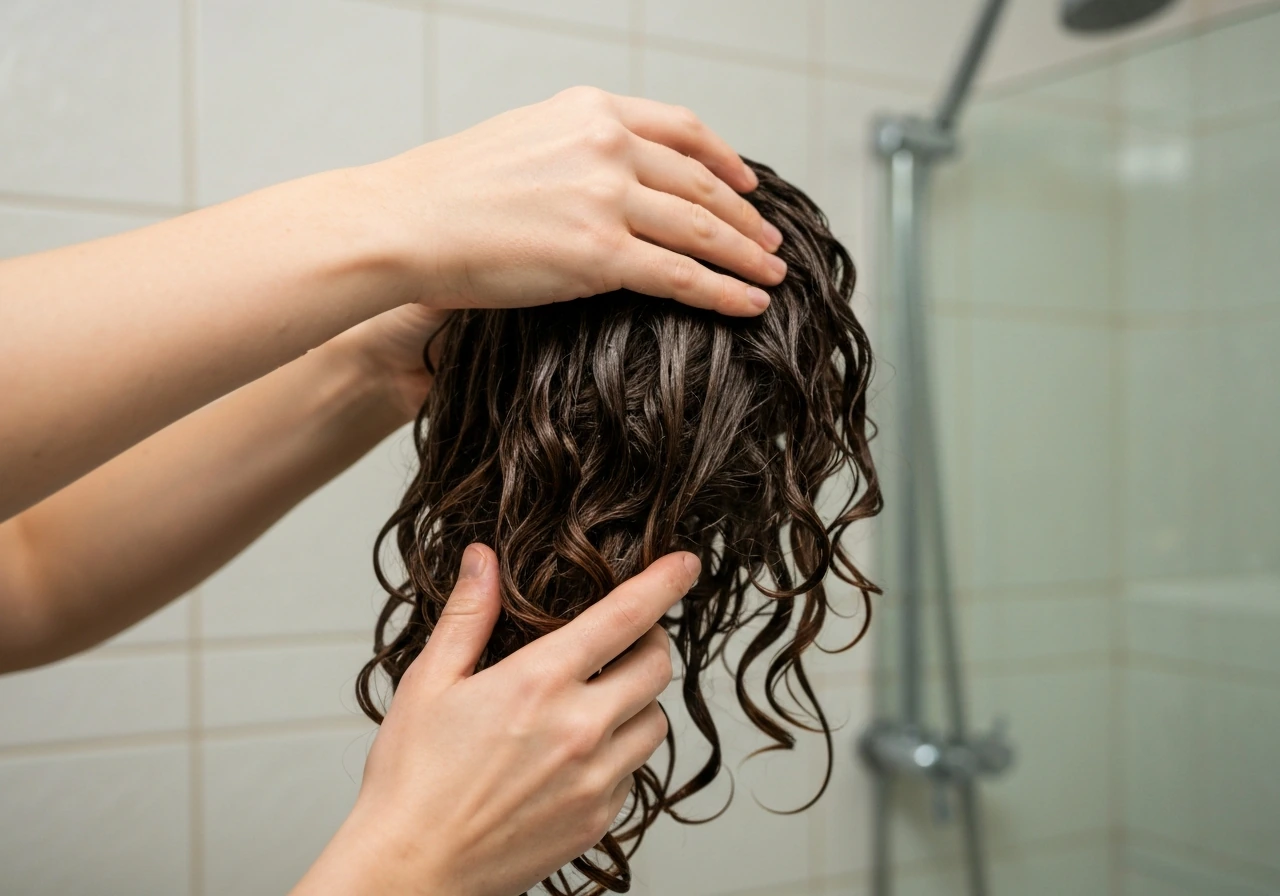
The biggest lever you have every single day is how you handle your hair while it's wet. Curls set their shape as they dry, so whatever direction they're pointing when wet is largely where they'll end up when dry. Here's a practical daily routine built around downward training.
- Start with soaking-wet hair. Curls are most pliable and trainable when fully saturated, not just damp.
- Apply a leave-in conditioner first, working it downward through each section from roots to ends. Downward strokes matter here.
- Follow with a lightweight gel or curl cream, again applied in a downward raking motion rather than scrunching up. Hydration in the strand reduces shrinkage because products that help retain moisture slow down how much the pattern tightens as water leaves.
- Use the Rake and Shake method: divide your hair into four to six sections, rake product through each section from scalp to ends to spread it evenly, then hold the ends of each section and give a gentle shake to encourage the curl to settle downward. Air-dry or diffuse after.
- While drying, resist the urge to touch or scrunch. Every time you disturb the curl before it's set, you're encouraging upward and outward expansion.
- Once hair is fully dry, gently scrunch out any gel cast from underneath. Scrunching before the cast is dry breaks the curl clumps and causes frizz and expansion, so wait until you're sure it's done.
Consistency here is what builds the habit. Your curls don't "remember" a direction permanently, but repeated handling in the same direction makes the trained fall easier to achieve each time.
Styling techniques that make hair fall down
Plopping
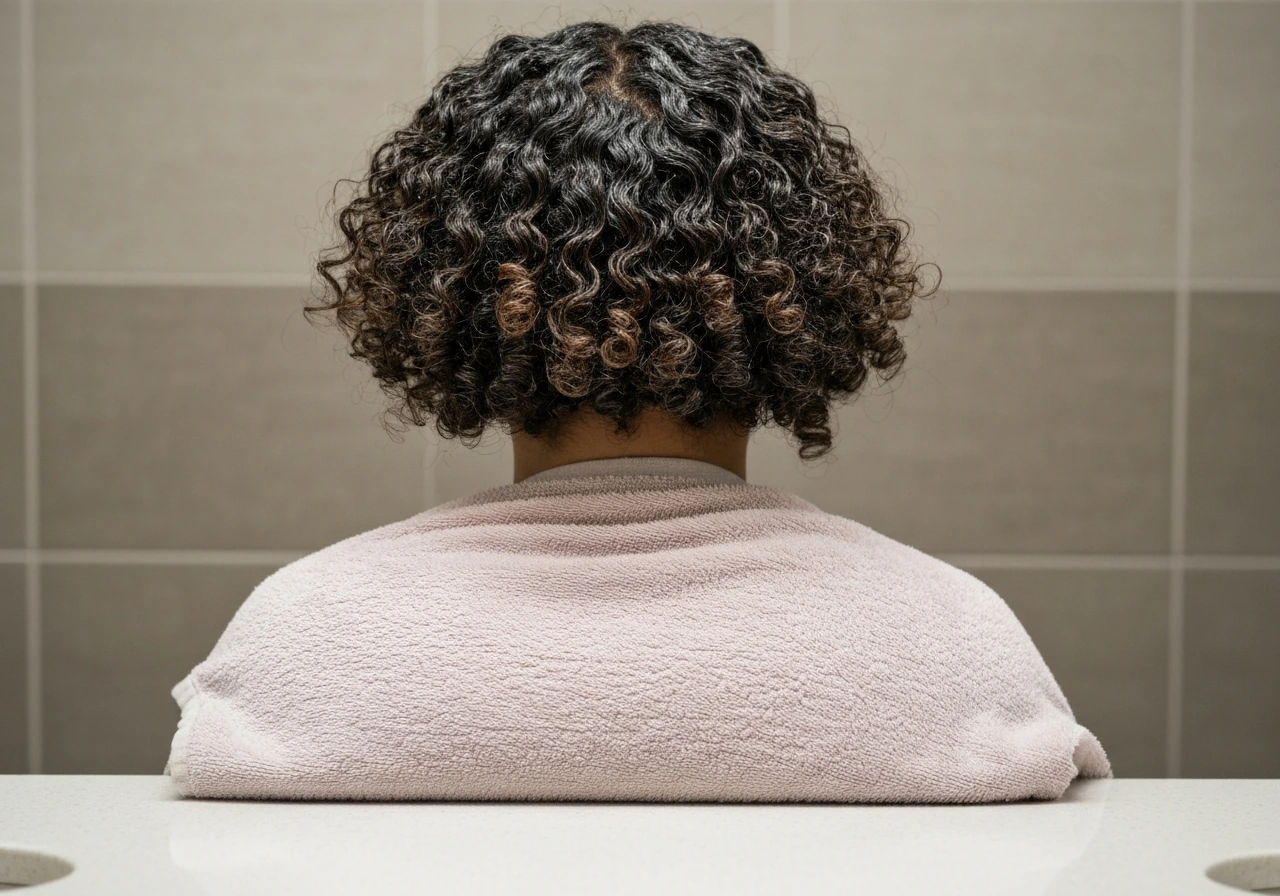
Plopping is one of the most effective tools for reducing outward expansion before your hair even starts to dry. After washing and applying product, flip your hair forward onto a cotton T-shirt or microfiber towel spread flat, then wrap the fabric up and around your head so the curls are bundled in a contained shape. Leave it for 20 to 30 minutes. This removes excess water in a way that keeps curl clumps together and reduces the frizz halo you'd otherwise get from rubbing with a regular towel. Because the curls are held in a compact shape while the initial water drains, they tend to fall more uniformly rather than puffing outward as they dry.
Tension while drying
Gentle downward tension while diffusing can significantly change how curls fall. When using a diffuser, tip your head upright (rather than flipping forward) and use the diffuser cup to lift sections upward while you dry them. This might sound counterintuitive, but it actually elongates the curl and encourages it to hang rather than bunch. You can also hold each section downward with your free hand while you diffuse from above with the other. Don't stretch hard, just enough to coax the curl into a longer, downward position while it sets.
Brush-outs and detangling
If your curl type is on the looser end (2A to 3A), brushing through wet, product-coated hair with a wide-tooth comb or a wet brush before drying can elongate the pattern and reduce outward volume. For curly and textured hair, the American Academy of Dermatology advises adjusting how you brush when hair is damp, since brushing timing can affect frizz and breakage Brushing through wet, product-coated hair.
Always detangle downward, section by section, starting from the ends and working up. On tighter curl types, this approach breaks up curl clumps and creates more of a stretched wave than a coil, which can be a useful in-between look during the grow-out phase.
For anyone curious about the full range of approaches for men with coarser textures, how to grow out curly hair for men goes deep on the brush-out and product strategies that work for thicker, denser curl patterns.
Sleep routines
What happens overnight matters more than most people think. The pineapple method, gathering all your hair loosely at the top of your head with a soft scrunchie before bed, protects the curl pattern and prevents it from getting crushed outward against your pillow. For added protection, a silk or satin bonnet over a loose pineapple is ideal: it keeps curls contained in a downward-bunched shape while preventing friction-based frizz. Avoid tight hairbands or anything that leaves a crease, since that crease becomes an outward kink in your curl the next morning.
Dealing with the awkward stages
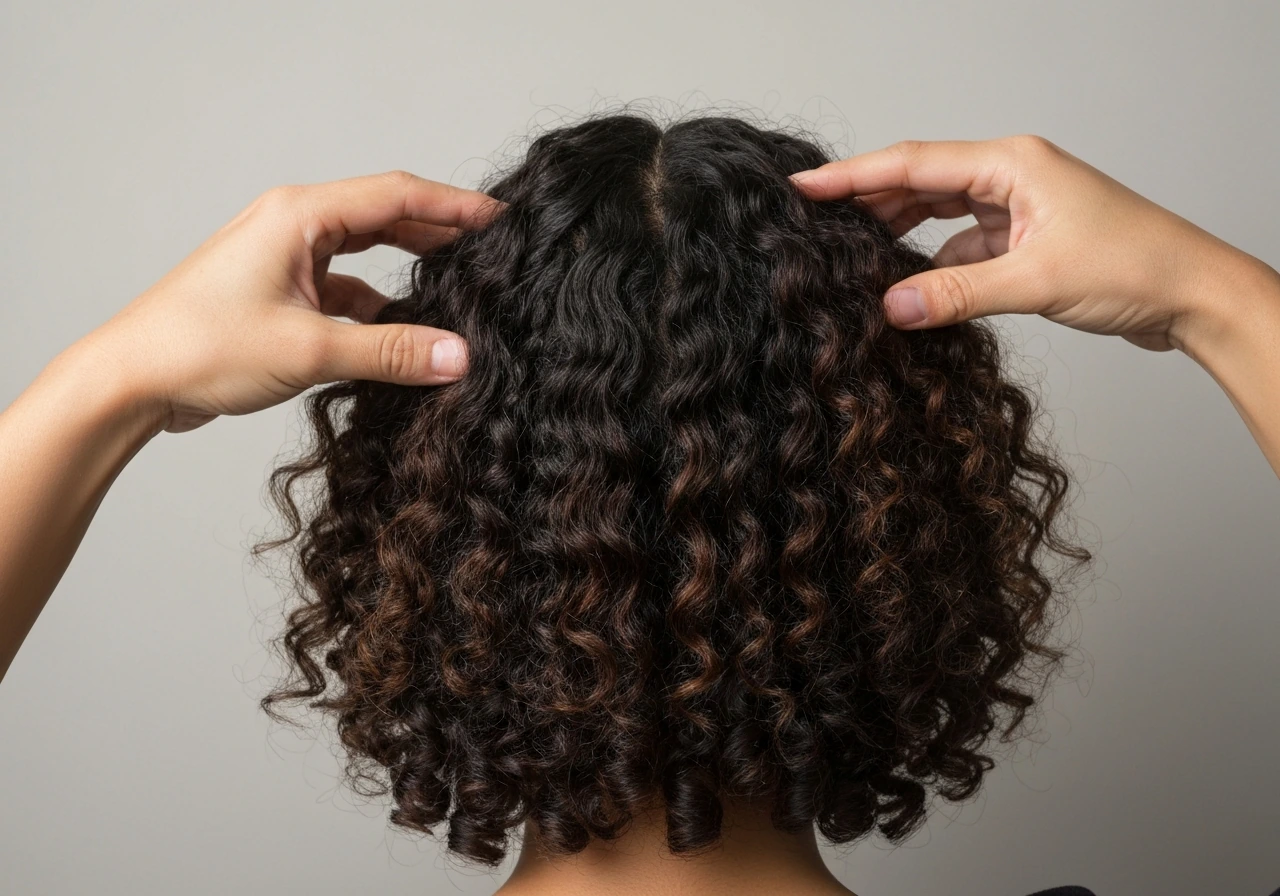
The grow-out period has predictable problem zones, and knowing what's coming makes them easier to handle without reverting to a short cut.
| Problem | What's causing it | What to do |
|---|---|---|
| Frizz halo at the crown | Short, broken, or new-growth hairs that won't curl with the longer hair below | Apply a small amount of gel to the crown hairs separately, smooth downward, and diffuse last |
| Triangle or mushroom shape | Too much bulk removed at the sides during layering, or not enough length to weigh curls down yet | Ask for weight-keeping layers below the chin; let length build |
| Cowlick pushing hair sideways or up | Genetically set whorl direction that's especially visible at shorter lengths | Part hair on the side that works with the whorl, not against it; let length override it over time |
| Uneven curl pattern after coloring or bleaching | Chemical treatments can mechanically weaken hair fibers and increase breakage, causing some sections to lose curl integrity | Deep condition weekly, cut off severely damaged ends, switch to bond-repairing products |
| Undercut section pushing longer hair up | Short underlayer acting as a ledge under the longer top section | Keep longer sections well-moisturized and styled downward; the underlayer grows out faster than you think |
The frizz halo is probably the most common complaint during this phase. Short hairs that haven't joined the main curl pattern yet are almost impossible to fully eliminate, but a tiny bit of gel smoothed over the top with a soft toothbrush or edge brush keeps them flatter while the length catches up. If you're at a stage where the whole top feels unruly and separate from the sides, that's usually the two-to-four-month mark, and it is genuinely the worst part. It passes.
Going longer: what changes as you get past the shoulders
Once curly hair reaches past the shoulders, gravity does a lot of the heavy lifting you were manually doing with technique. The weight of longer hair naturally pulls curls downward, and shrinkage becomes less visually dramatic because even the contracted length is still substantial. That said, the transition to shoulder-length and beyond comes with its own challenges, particularly dryness, tangles, and loss of curl definition at the roots as the hair gets heavier. Growing curly hair past the shoulders is its own goal with its own set of adjustments, especially around moisture and preserving definition at the roots while keeping ends healthy.
Your troubleshooting and maintenance plan
The first four weeks
Start with the basics: rake-and-shake application, downward product strokes, plopping after washing, and the pineapple at night. Don't change everything at once. If you're coming from a phase of heavy diffusing with your head flipped down, switch to upright diffusing and see if that alone changes your shape within two weeks. The goal in the first month is to establish consistent habits, not to see a dramatic transformation.
Weeks four to eight
By this point you should have a sense of whether your current product lineup is working. If your curls are still springing upward dramatically after drying, moisture retention is probably the issue. Try adding a heavier leave-in or a hydrating curl cream under your gel. If the hair is limp and stringy, you've gone too heavy and need a lighter hold product. Adjust one variable at a time so you know what's actually making the difference.
The two-to-three month check-in
This is when to evaluate your haircut. If the shape is still expanding more than falling, book a consultation specifically to discuss weight retention and downward shape. If you haven't had a trim yet, this is also the right moment for a small one, just enough to even out the ends and remove any splits that are causing frizz. Anyone regrowing from a shaved or very short starting point should check in with guidance on how to grow curly hair after shaving your head, since the challenges at this stage are specific enough to warrant their own approach.
What to adjust if nothing is working
- Switch from scrunching product in upward to raking it downward, section by section
- Try plopping for the full 30 minutes instead of a quick five-minute wrap
- Diffuse with your head upright instead of flipped forward
- Add a weekly deep conditioning treatment if your ends feel rough or look dull
- Check whether chemical damage (color, bleach, relaxer history) is causing breakage that mimics outward expansion, and focus on repair and bond-building products if so
- Book a dry cut with a curl-specialist stylist and specifically ask about weight-keeping shape for downward growth
One thing worth knowing if you're also navigating the early buzz-cut regrowth stage: the strategy for growing your hair out from a buzz cut maps closely onto this whole downward-training plan, since the foundational goal is the same at every length: keep moisture in, handle wet hair intentionally, and let accumulating weight do the rest of the work over time.
Your starting point for today
Wash your hair, apply leave-in from roots to ends in downward strokes, rake gel through by section, give the ends a gentle shake, plop for 20 to 30 minutes, then diffuse upright or air-dry without touching. Pineapple tonight with a soft scrunchie and a silk bonnet if you have one. Do that three or four times a week consistently and re-evaluate in four weeks. That's it. You don't need a full product overhaul or an emergency haircut. You just need consistent, intentional habits and enough time for your hair to accumulate the length that makes everything else easier.
FAQ
Should I use more gel to force curls to hang down, or will that make them expand outward?
More hold can help, but only if you apply it after you’ve removed excess water (plopping or careful towel drying). If you put heavy gel on very wet hair and keep touching while it dries, it can form a stiff cast that breaks curl clumps as it sets. Aim for a light-to-medium gel over fully distributed leave-in, then leave it alone until it is mostly dry.
Does the “shrinkage” number mean my hair is not actually growing down?
Your hair strand length does increase monthly, shrinkage just makes the visible length look shorter as the curl tightens when it dries. Directional training improves how much the curls “hang” versus “spring,” but you cannot eliminate shrinkage entirely, especially at shorter lengths and tighter curl patterns.
How can I detangle without stretching my curls into a more outward shape?
Detangle while hair is saturated with conditioner or leave-in, using downward strokes and working from ends to roots. Avoid brushing or combing repeatedly through the mid-shaft and crown, because that can break clumps and create lift that later dries as frizz halo.
Is air-drying better than diffusing for downward growth?
Either can work, the key is how you prevent early lift. Air-dry is often simplest if you apply product, plop, and avoid touching as it dries. If your hair tends to puff, diffusing upright with gentle lift from the roots usually gives more control than air-drying untouched.
What should I do on wash days when I wake up with flattened curls or creases?
Creases usually come from tight ties, rough fabric, or a bonnet that shifts overnight. Switch to a loose pineapple with a soft scrunchie, make sure the scrunchie sits above the crown, and use a satin or silk bonnet if you toss in your sleep. Then reduce manipulation during drying so curls set in the intended direction.
Can I “train” cowlicks or whorls to grow down, or am I stuck with outward direction?
You cannot fully rewrite the follicle exit angle or whorl pattern, but you can manage it. Focus on weight retention (longer, graduated layers that start lower), consistent wet handling toward the fall you want, and targeted styling on the trouble section so the rest of your hair has an easier direction to blend into.
How do I decide whether my layers are too high versus my products being too heavy?
If the hair feels bulky and expands immediately as it dries, suspect cut and weight distribution. If it lays flat when wet but becomes limp or stringy after drying, suspect product weight or too much heavy leave-in. If it puffs even with good clumping, troubleshoot moisture retention first by adjusting hydration under gel.
What is the best way to trim without losing the downward shape I’m working for?
Ask for minimal trims and targeted removal of split ends, not thinning. If you need layers, request long, graduated layers that keep density on sides and avoid cutting high up near the crown. Keep the appointment consistent with a length-focused schedule (often around every 16 weeks) unless splits are causing frequent tangles.
Will wearing my hair up during the day make my curls puff outward later?
It can, especially if you use tight elastics that create bends or if you frequently reposition while hair is drying. If you must pin or clip, use soft, low-pressure placement and avoid compressing the same sections every time. Ideally, style once after washing, then keep hands off until fully dry.
How do I handle the frizz halo at the short-stages without cutting too much?
Use a small amount of gel or edge-control style product on the surface only, then smooth with a soft toothbrush or edge brush. Keep it minimal so you do not weigh down the longer curls underneath. If frizz is widespread after drying, increase clumping tools (plopping, less towel friction) rather than adding more product everywhere.