
Growing curly hair past your shoulders takes roughly 12 to 18 months from a shoulder-length starting point, depending on your natural growth rate and how well you retain the length you grow. The real challenge isn't growth speed, it's keeping ends intact long enough to get there. If you’re starting from a buzz cut, expect the first couple of months to feel slow, so focus on retention by preventing breakage and keeping your scalp and ends well moisturized how to grow your hair out from a buzz cut. Curly hair shrinks, tangles, and breaks more easily than straight hair at every stage, so the gap between how much hair your scalp produces and how much length you actually see comes down almost entirely to how you care for it day to day.
How to Grow Curly Hair Past Shoulders: Step-by-Step Guide

Marcus Vickers
22 May 2026
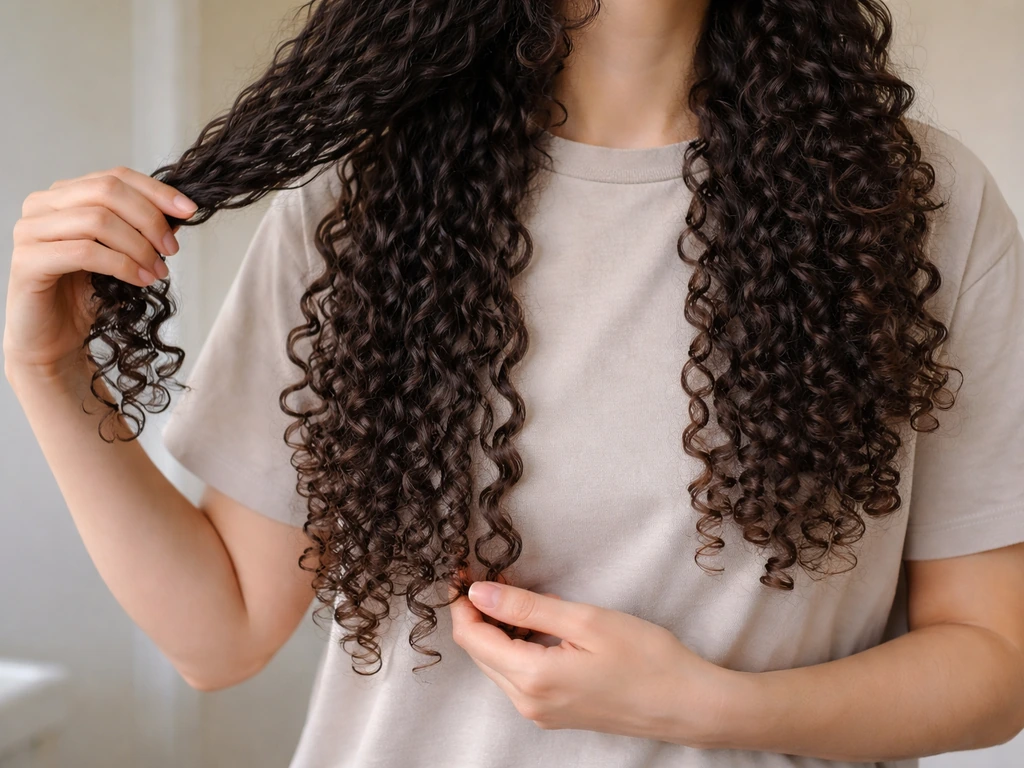
What curly hair actually does as it grows (shrinkage is not your enemy)
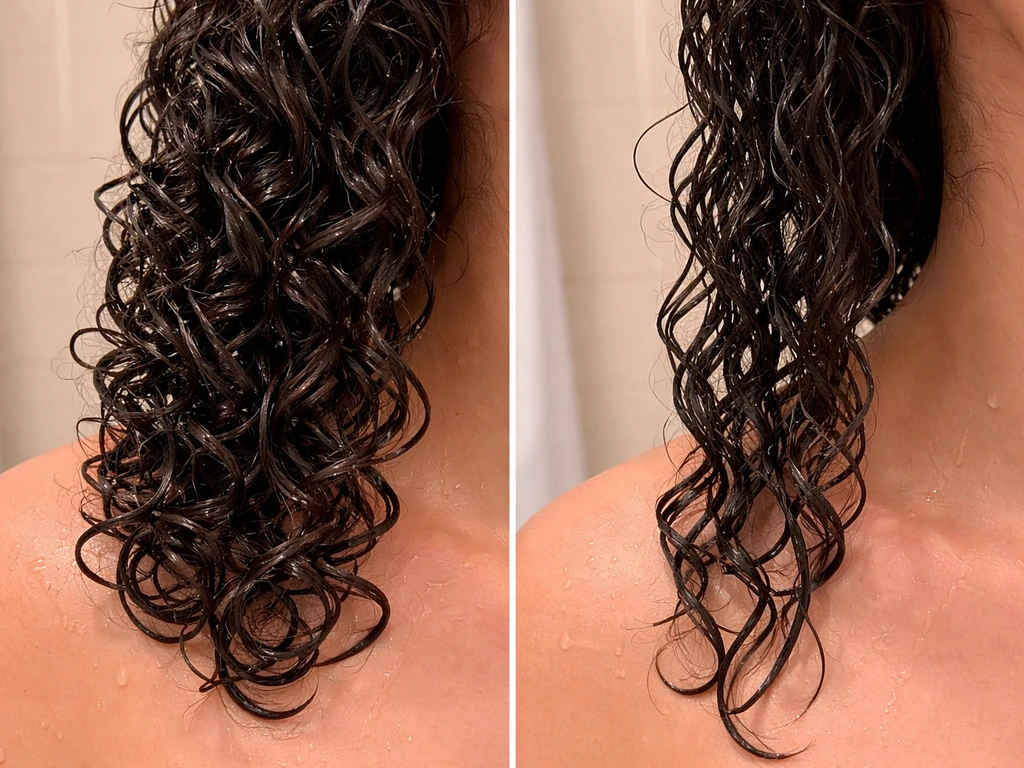
Hair grows at roughly 0.5 to 1 inch per month on average, which adds up to about 6 inches a year. That number is real, but for curly hair it's almost meaningless if you only judge your progress by how long your hair looks when dry. Shrinkage is the reason. When curly or coily hair dries, it springs back into its curl pattern, and depending on your curl type, that recoil can take 30 to 50 percent of your visible length with it. Someone with tight coils growing toward their collarbone might have hair that, when stretched, already reaches mid-chest. It doesn't feel that way in the mirror.
The practical takeaway: measure your progress on wet, stretched hair, not on your dry style. Snap a photo of your hair when soaking wet and gently pulled down every month or two. You'll see growth that your styled look completely hides. This matters for motivation as much as anything, it's easy to feel like your hair is stuck when it's actually just doing what curly hair does.
As your curls lengthen past the shoulder, the shape of your hair changes noticeably. Shorter curls spring up and out, creating volume around the face. Once length increases, the weight of the hair starts to pull the curl pattern down slightly, looser at the root, tighter toward the ends. Once length increases, the weight of the hair starts to pull the curl pattern down slightly, and tips like how to make curly hair grow down instead of out can help you manage that transition. This means your curl definition and overall shape can shift as you grow, which catches a lot of people off guard. It's not damage or a texture change; it's physics. Embrace it, because that weight is exactly what eventually gets you to past-shoulder length.
Figure out why your hair isn't getting longer
If your hair has felt stuck at a certain length for months, growth probably isn't the problem. The problem is almost always breakage. Hair that grows half an inch but loses half an inch from snapping, splitting, or shedding from mechanical damage stays exactly where it is. Before you overhaul your entire routine, it helps to pinpoint which culprit is eating your length.
Breakage from dryness
Curly hair is naturally drier than straight hair because the twists and bends in the strand make it harder for scalp oils to travel down the shaft. When hair stays chronically dry, it becomes brittle and snaps mid-strand rather than at the root. You'll notice short, broken pieces, not shed hairs with a bulb at the end, collecting in your brush or on your pillowcase.
Breakage from tangling
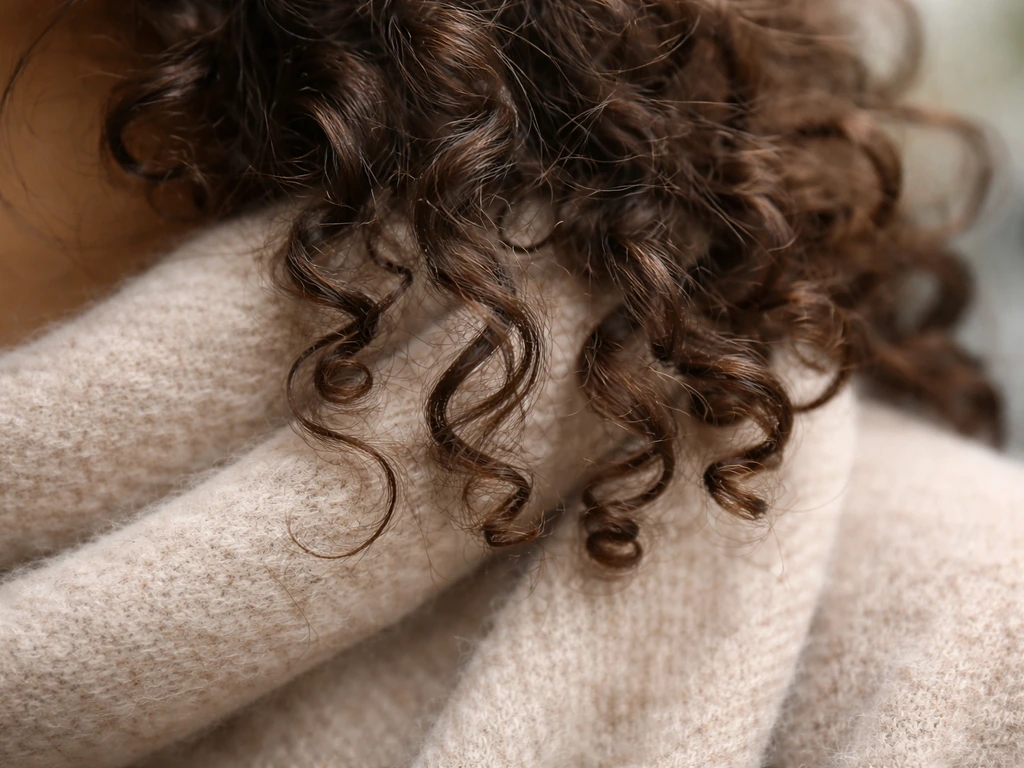
At shoulder length, curls hit a friction-heavy zone, they rub against your collar, your scarf, your jacket, and each other. Single-strand knots (also called fairy knots) form where one curl wraps around itself, and once those are there, detangling pulls out more hair than necessary. If you're finding tiny, tight knots near your ends when you detangle, tangling is a major factor in your stall.
Mechanical damage from styling and tools
Combing dry curly hair, using fine-tooth combs, rough towel-drying, tight ponytails with elastic bands, and frequent heat styling all cause mechanical breakage. The cumulative effect adds up fast. Even something as small as how you sleep on your hair every night matters at this stage.
The weekly routine that actually retains length
You don't need a 17-step routine. You need a consistent, simple one that prioritizes moisture, gentle handling, and protective practices. Here's what that looks like broken into wash days and non-wash days.
Wash day (once or twice a week)
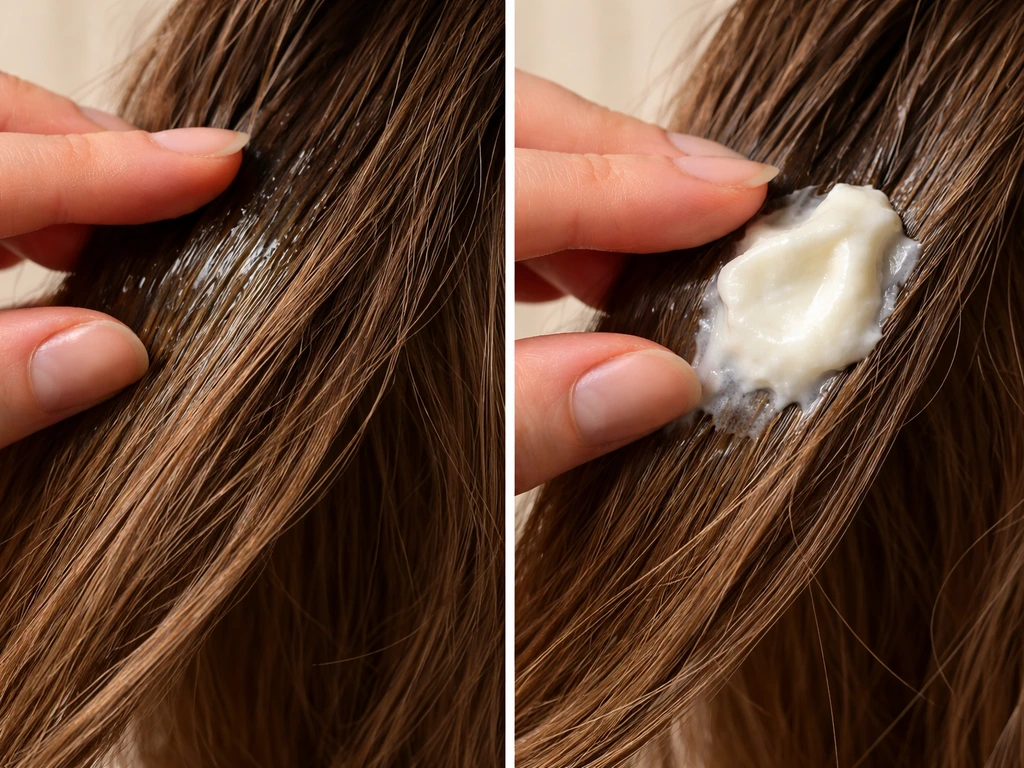
- Pre-poo with a light oil (coconut, olive, or jojoba) or a conditioner applied to dry hair before you wet it. This reduces how much water swells and stresses the cuticle during washing.
- Shampoo with a sulfate-free formula if you use one at all. Many curly-haired people do fine co-washing (conditioner-washing) every week and using a mild clarifying shampoo once or twice a month to remove buildup.
- Deep condition every single wash day without exception. Apply a thick conditioner or a dedicated deep conditioning mask, comb it through with a wide-tooth comb while hair is saturated, then sit with it for 15 to 30 minutes under a shower cap. This is the single highest-impact habit for retaining length.
- Detangle only when hair is wet and coated in conditioner. Start from the ends and work upward in sections. Never detangle from root to tip in one stroke.
- Rinse, then apply a leave-in conditioner to soaking wet hair before touching any styling products.
Styling after washing
Layer your products from lightest to heaviest: leave-in conditioner first, then a cream or curl milk, then a gel or mousse to lock in definition and reduce frizz. Apply everything to soaking or very damp hair, not damp-dry hair, because curl products work by sealing in water, not adding it. Scrunch upward, don't rake down. Let the curl form around your fingers rather than dragging a comb through product.
For drying, air drying is gentler on the hair shaft, but a diffuser on a low or medium heat setting is a practical middle ground if you need faster results. The key with diffusing is to keep the heat setting low and the airflow speed moderate. Scrunching while diffusing helps support curl formation without frizzing the cuticle. Avoid touching your hair at all while it dries, this is where most frizz and disrupted curl patterns come from.
Non-wash days
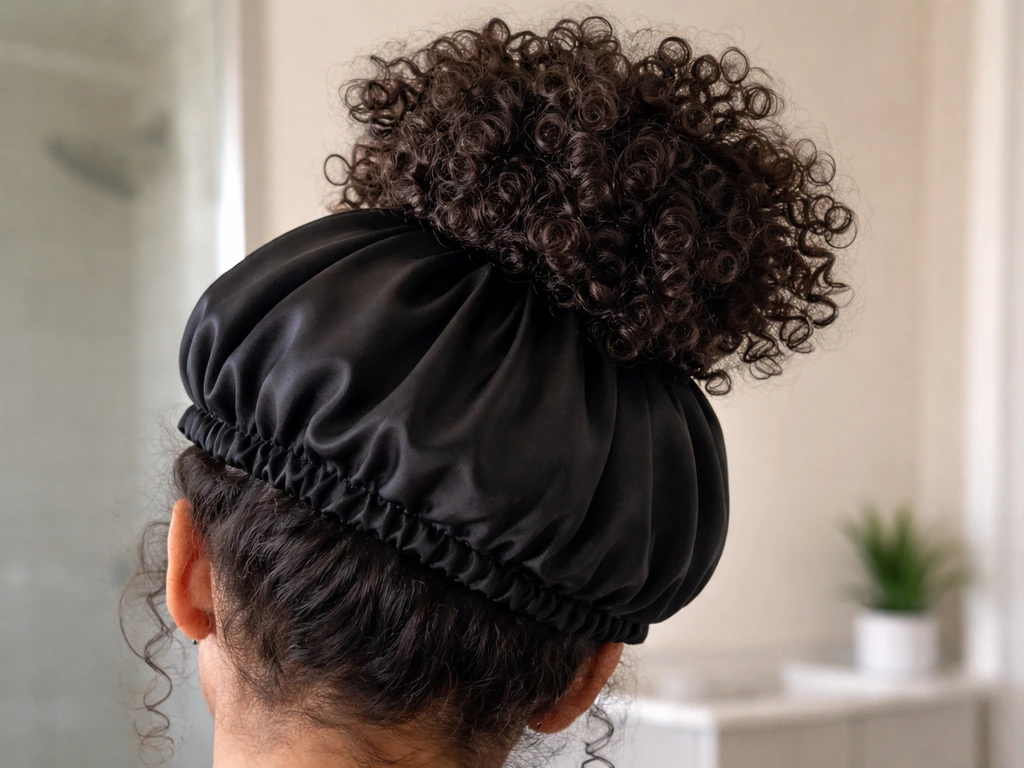
Protecting your style between washes is just as important as the wash day itself. Pineapple your hair at night by gathering it loosely at the very top of your head with a satin scrunchie, this keeps curls from being crushed while you sleep. Sleep on a satin or silk pillowcase, or wrap your hair in a satin bonnet or scarf. In the morning, refresh with a small amount of water in a spray bottle plus a touch of leave-in or curl cream, scrunched gently into any flat sections.
Styling through the awkward shoulder-to-past-shoulder phase
The shoulder-length zone is probably the trickiest stage of the whole grow-out. If you just shaved your head, use the same shrinkage-and-breakage mindset, and focus on moisture, gentle handling, and protective styles so your new curls can actually reach visible length how to grow curly hair after shaving head. If you are specifically growing out a buzz cut, this awkward shoulder-length zone is where the same retention principles matter most: minimize breakage and protect your ends as your hair gains weight. Your curls aren't long enough to have real weight, but they're long enough to sit on your collar and lose their shape. If you just came from a buzz cut, the awkward early weeks are also about managing shrinkage and breakage so your curls can actually lengthen shoulder-length zone. You might have uneven layers from a previous cut, regrowth from bangs or an undercut, or a mix of curl patterns from top to ends. None of this means you're failing, it means you're exactly where everyone else is at this stage.
Styles that work right now
- Twist-outs and braid-outs: Twist or braid hair into sections while wet, let it dry completely, then release for a stretched, defined look that minimizes shrinkage and adds perceived length.
- Half-up styles: Gather the top layer loosely at the crown and secure with a satin scrunchie, leaving the rest down. This works especially well when top layers are a different length than the rest.
- Slicked-back bun or puff: Apply a styling cream or gel to the top and sides, smooth back gently, and gather into a high or low puff. Works well for days when your curl shape just isn't cooperating.
- Loose protective styles: Flat twists, two-strand twists worn as a style, or loose braids protect your ends from friction and manipulation without the tension of tighter styles.
- Headbands and wraps: A wide fabric headband or wrapped scarf pulls the front sections back and draws attention away from uneven length or transition lines, especially helpful if you have shorter layers or regrowth around the face.
If you're growing out from a shorter cut, like a pixie or a bob, the top layers will likely be at a different length than the sides and back for quite a while. This is normal and not a reason to cut everything back to the same length. The longer sections catching up creates an uneven but workable look that most of the styles above can handle. The process is similar if you're growing out an undercut, the underneath sections just need extra protective attention while they catch up.
Trims: how to keep ends healthy without losing ground
This is where a lot of people in the curly hair community get burned by well-meaning advice. The "trim every 6 to 8 weeks" rule was developed for straight hair and doesn't translate neatly to curly hair grow-outs. If you're cutting off the length you worked to grow every couple of months, you'll feel stuck forever.
A more realistic approach: dust your ends every 3 to 4 months, removing just the very tips (an eighth to a quarter inch) to get rid of splits before they travel up the shaft. If your ends are in rough shape from past damage, one slightly bigger trim early in your grow-out to start from a healthier baseline is worth it. After that, small and infrequent is the goal. Learn to recognize when you actually need a trim, excessive tangling at the ends that doesn't resolve with conditioning, visible split ends when you hold a curl up to the light, or ends that look thin and straggly, versus when you're just impatient.
If you can find a stylist who specializes in curly hair cuts, ask specifically for a "search and destroy" method, going through the hair curl by curl to cut only the damaged portions rather than cutting straight across. This preserves the most length while still removing the ends that are causing tangling and breakage.
A realistic timeline: what to expect month by month
Using an average growth rate of about half an inch per month, here's roughly what to expect if you're starting at the shoulder and keeping your routine consistent. Medical News Today similarly reports that the average hair growth rate is often cited around 0.5 to 1.7 cm per month, varying substantially between individuals Using an average growth rate of about half an inch per month. Keep in mind that your dry, styled look will always appear shorter than this because of shrinkage.
| Timeframe | Approximate Growth Added | What You'll Likely Notice |
|---|---|---|
| Month 1 to 3 | 1.5 to 2 inches | Minimal visible change in dry style; wet hair shows real growth. Ends may still be adjusting from last trim. |
| Month 4 to 6 | 3 to 4 inches total | Curl shape starts to shift as weight increases. Some layers may begin catching up. Styling gets slightly easier. |
| Month 7 to 9 | 4.5 to 6 inches total | Noticeably past shoulder when stretched. Dry style may still appear at or just below shoulder due to shrinkage. Volume shifts downward. |
| Month 10 to 12 | 6 to 8 inches total | Many curl types will show visible past-shoulder length even when dry. Curl pattern may appear looser at roots. |
| Month 13 to 18 | 8 to 12 inches total | Well past shoulder for most people. Length gives more style options. Ends from original starting point are now the oldest and most fragile — stay consistent with moisture. |
These timelines assume good length retention, minimal breakage, consistent deep conditioning, and protective sleeping habits. If you've been breaking length at the same rate you're growing it, address the retention issues first and you'll see movement within 60 to 90 days.
If your hair is colored, bleached, or chemically treated
Colored and chemically treated hair needs the same grow-out plan but with extra attention to protein balance and moisture. Bleach and chemical relaxers both break down the protein bonds inside the hair shaft, which makes the strand weaker and more prone to snapping. If you've got highlights, a full color, or recently transitioned away from a relaxer or keratin treatment, your older lengths (the colored or treated sections) are going to be the most fragile part of your hair as you grow.
Add a protein treatment into your routine every 4 to 6 weeks, not every week, because too much protein makes hair stiff and brittle too. Look for products containing hydrolyzed keratin, rice protein, or wheat protein. Alternate your protein treatment with your regular deep conditioning so you're balancing both. The goal is hair that has enough protein to be strong but enough moisture to stay flexible.
If you're transitioning from a relaxer or another chemical treatment, you'll have two distinct textures in your hair, new curly growth at the roots and treated hair at the lengths. This is one of the trickiest grow-outs there is, and it's worth knowing that the line of demarcation (where the two textures meet) is the most breakage-prone point. Handle that section with extra care during detangling, keep it deeply conditioned, and consider wearing more protective styles through this phase to minimize manipulation at that fragile junction.
If you're still coloring your hair during the grow-out, try to extend time between color appointments as much as possible, avoid overlapping bleach or color onto already-processed lengths, and always follow up a color session with a deep conditioning or bond-building treatment. Growing curly hair past your shoulders with color on it is absolutely doable, it just means your moisture and protein routine has to be even more consistent than for someone with virgin hair.
Your actual weekly plan
To pull this all together: pick one or two wash days per week, deep condition every single time, detangle only on wet conditioner-coated hair, layer your products on soaking wet strands, sleep in a satin bonnet or on a silk pillowcase every night, and protect your ends from friction as much as possible. Trim minimally (every 3 to 4 months) and only as much as you have to. Measure your progress on wet stretched hair, not your dry style. If your hair is colored or chemically treated, add a protein treatment once a month.
The people who successfully grow curly hair well past their shoulders aren't doing anything exotic. They're doing the basics relentlessly and consistently. It's less about finding the perfect product and more about protecting what you've already grown while giving your scalp and strands the conditions they need to keep building length. Stay with it, the milestone of hair swinging past your shoulders is a lot closer than shrinkage makes it look. If you’re wondering how to grow out curly hair men-style, focus on length retention first by preventing breakage, especially at the ends.
FAQ
My curls look stuck at the shoulder, how can I tell if it’s true slow growth or breakage?
If your hair isn’t getting longer visually, check retention first: measure wet, gently stretched hair, and then look for mechanical loss signs (short broken pieces, more shedding without a root bulb, or lots of tangles at the ends). If growth is happening but length disappears, the fix is changing handling (less friction, no dry combing, detangle only on coated wet hair) and tightening protective sleep, not increasing growth products or wash frequency.
Why does my hair grow but still seems to “shrink back” every time I style it?
Drying product habits matter more than wash-day product choice. If you rake through curls while applying or touching them while they dry, you disrupt the curl clumps that later hold shape and length. Use soaking-wet application, scrunch upward, and avoid touching until the hair is fully dry, then only refresh with water plus a small amount of leave-in or cream.
What’s the safest way to detangle curly hair at shoulder length?
For the shoulder-length stage, detangling should happen while hair is dripping wet with conditioner or leave-in, section by section. Use fingers first, then a wide-tooth comb if needed, and stop when you feel a snag in one spot rather than dragging through it. If you repeatedly get tight knots near the ends that don’t dissolve after conditioning, that’s often a sign of fairy knots and mechanical damage at the tips, not just poor technique.
Should I wash more often to help my curly hair grow longer?
You usually do not need to wash more to grow past your shoulders. Instead, use wash days consistently (for many people that’s 1 to 2 per week), deep condition every wash, and protect between washes with pineapple, satin or silk, and a light refresh. More frequent washing can increase dryness for some curl types and raise breakage risk if your conditioning balance isn’t strong.
Is diffusing actually better than air drying for length retention?
If you’re diffusing, keep the heat low and the airflow moderate, then scrunch periodically to support clumping. Also, don’t diffuse until totally dry if your hair is prone to frizz, let it finish drying or set with a cool burst. High heat or direct, fast airflow increases cuticle disruption, which can create more tangles and end breakage in the shoulder zone.
How do I know whether I need a trim while growing curly hair past shoulders?
A trim can be helpful, but the goal is prevention, not regular “shape maintenance” cuts that remove healthy length. Dusting is about removing only the very tips (small amounts) to keep splits from traveling up. If you see splits when holding a curl to the light or your ends look thin and straggly, that’s when a slightly bigger dusting may be worth it early in the grow-out.
I have highlights or chemical processing, what changes when growing past shoulder length?
Yes, but the technique needs adjustment. For chemically treated or colored hair, add protein in a measured way (not weekly) and follow with moisture so the hair stays flexible. Also, minimize manipulation of the line where new growth meets treated lengths (the demarcation point) since it’s a common breakage hotspot during detangling and styling.
How often should I use protein, and what are signs I’m using too much?
Protein timing is individualized, but a practical rule is to space it out (about every 4 to 6 weeks) and use it only enough to restore strength. If your hair feels stiff, rough, or more prone to snapping after protein, you likely overdid it or didn’t re-balance with deep conditioning. Pay attention to how your hair behaves right after protein versus 2 to 3 weeks later.
How can I stop my curls from tangling overnight at this length?
Sleeping position and friction are often the hidden cause. Make sure hair stays loose at the top (pineapple) so curls aren’t crushed, then use satin or silk (bonnet or pillowcase). If your hair still tangles overnight, switch to a bonnet for full coverage or increase the loft of your pineapple (higher, looser gathering) to reduce rubbing against collar-length ends.
What are the biggest mistakes that cause breakage during the shoulder-length grow-out?
The most common styling mistake is relying on dry combing or frequent brushing, especially when curls are dry. At shoulder length, your goal is gentle detangling only when hair is coated and wet, controlled product application on soaking-wet strands, and limited re-touching while drying. If you need to detangle between wash days, re-wet fully and reapply a light slip product rather than “just pulling through” a few knots.
Why do my roots and ends look like different curl patterns while I’m growing out my hair?
If your curls are looser at the roots and tighter toward the ends, you may notice the style “rebalances” as weight increases. This can make the hair look like it’s growing sideways or puffing early on. Use heavier hold at the end or a gel or mousse layer to help curls set, then reduce touching while it dries so the new curl pattern has time to form.
I just grew out of a buzz cut, what should I expect in the first few months?
If you recently moved from a buzz cut or very short style, it’s normal for the first visible growth to look slow due to shrinkage and occasional uneven regrowth. Stay focused on retention: keep hair moisturized, protect ends from friction, and measure wet stretched length monthly. If you’re seeing repeated breakage at the same spots, increase protective styles and reduce mechanical handling during detangling.