
Growing your hair out from a buzz cut takes roughly 3 to 4 months to reach a length you can actually style, and about a year to get to shoulder-grazing territory. Hair grows around half an inch per month on average, which works out to about an eighth of an inch per week. You can't dramatically change that number, but you can absolutely stop losing ground to breakage, scalp issues, and bad habits that make it feel like nothing is happening. The practical game plan: keep your scalp healthy, protect the new growth from damage, eat and sleep like your hair depends on it (it does), and learn how to style each awkward stage so you don't bail and cut it all off again.
How to Grow Your Hair Out From a Buzz Cut Fast

Marcus Vickers
1 May 2026
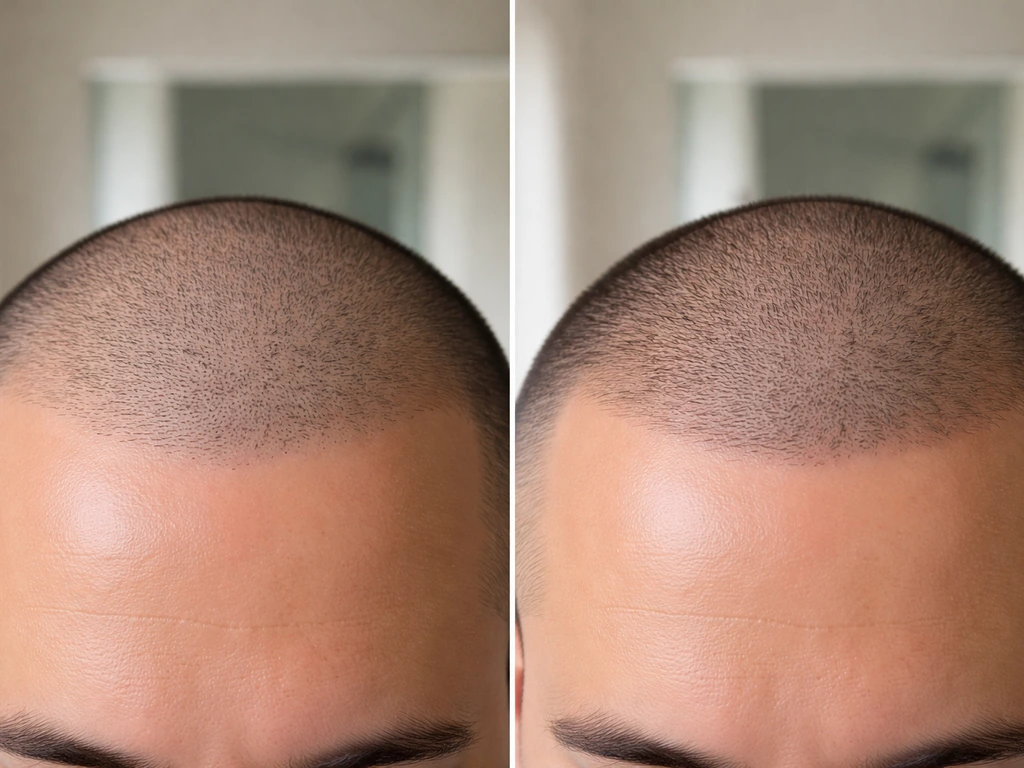
What 'fast' actually means: a realistic grow-out timeline
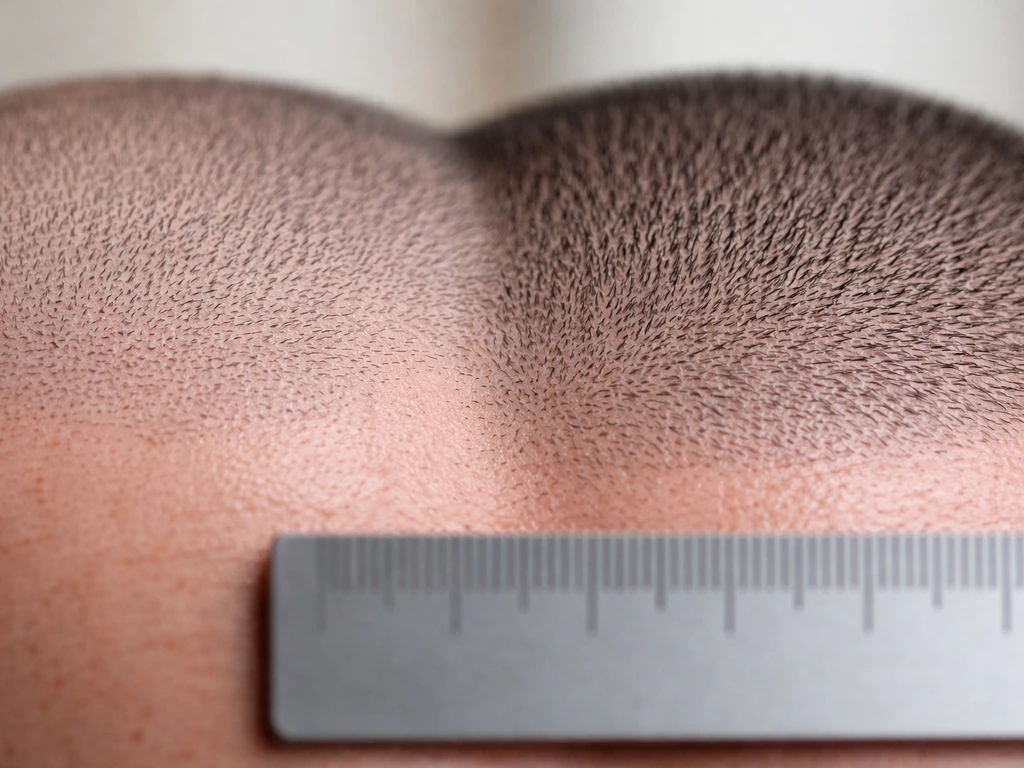
Let's ground this in real numbers. Clinical data from sources like the American Family Physician and Johns Hopkins Medicine consistently put scalp hair growth at about 0.35 mm per day, which works out to roughly 10 to 11 mm per month, commonly rounded to half an inch (about 1. StatPearls (NCBI Bookshelf) reports an average human scalp hair growth rate of about 0.35 mm per day (about 6 inches per year). 25 cm) per month. Over a year, that's around 6 inches. Nobody grows hair at double that rate naturally, no matter what a supplement ad promises.
What does that actually look like when you're growing out a buzz cut? Here's a practical month-by-month picture:
| Timeframe | Approximate Length | What It Looks Like |
|---|---|---|
| Week 1–2 | Under 1/4 inch | Visible stubble, like a very short buzz or skin fade growing in |
| Week 3–4 | About 1/4–1/2 inch | Soft fuzz, hair type starts to become obvious |
| Month 2 | About 1/2–1 inch | Short crop territory, noticeable but still very short |
| Month 3 | About 1–1.5 inches | Early textured crop or short taper; styling becomes possible |
| Month 4–6 | About 2–3 inches | Awkward mid-length stage; the hardest part for most people |
| Month 9–12 | About 4–6 inches | Enough length for a proper cut, layers, or slicked-back styles |
| 12–18 months | 6–9+ inches | Shoulder-area territory depending on your starting point |
Individual variation is real. Genetics, age, health, and hormones all influence your personal rate. Some people grow closer to 3/4 inch per month; others sit at 1/3 inch. Your job is to maximize your own rate, not chase someone else's.
Day 1 to week 2: what to actually do right now
The first two weeks are mostly about setting up the right foundation, because there's genuinely not much to style yet. But what you do (and don't do) in this window matters more than people realize.
Day 1 through the end of the first week
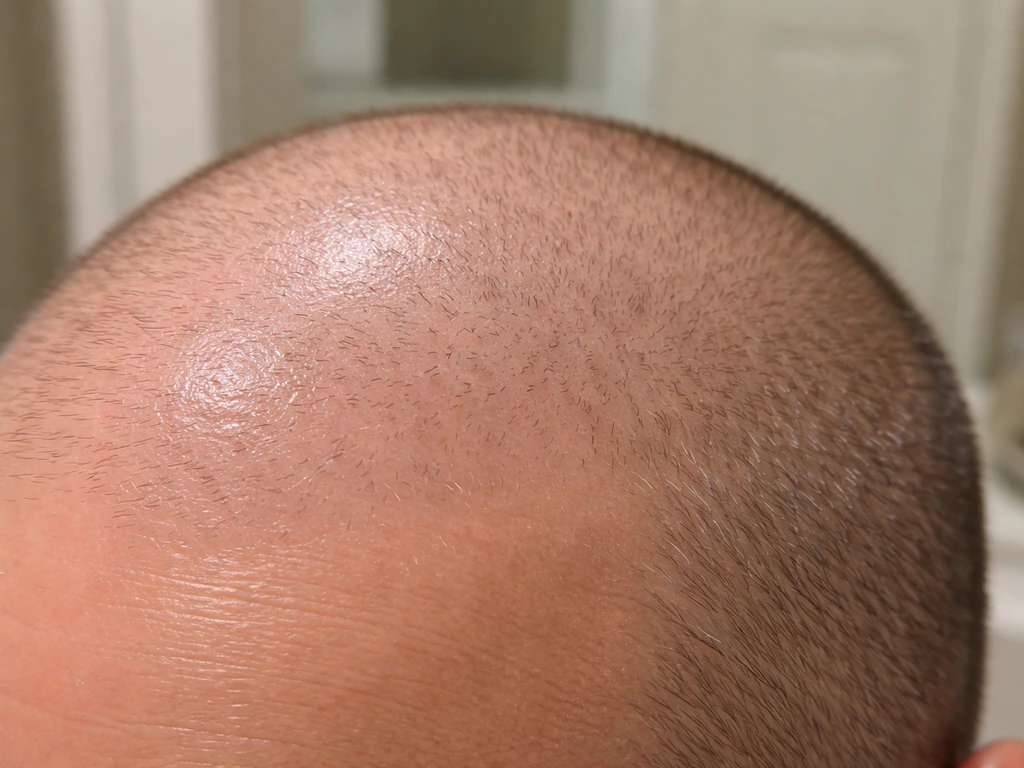
- Moisturize your scalp. A freshly buzzed scalp can get dry and flaky fast, especially if you shaved close. Use a light scalp oil or fragrance-free moisturizer every 1 to 2 days.
- Switch to a gentle, sulfate-free shampoo. Harsh cleansers strip the scalp's natural oils. Your scalp is already adjusting; don't add irritation on top of that.
- Wash every 2 to 3 days, not daily. Over-washing dries out the scalp and can cause flaking or itching that leads to scratching, which irritates follicles.
- Don't pick at ingrown hairs or stubble bumps. This is a big one. Irritating follicles right after a buzz cut can cause temporary inflammation that slows growth in that spot.
- Skip the hat if you can. Tight hats and beanies create friction and trap sweat against new growth. If you need sun protection, use SPF on your scalp instead.
Week 2: first signs of real growth
By the end of week two, most people have somewhere between 1/4 and 3/8 inch of growth. It's soft, it's there, and your hair type is starting to show itself. If you have naturally curly or coily hair, you'll notice the texture coming in fast. This is a good time to start a light scalp massage routine (more on that below) and to begin thinking about whether you want to shape the neckline or let everything grow out evenly. For most grow-out journeys, letting the entire head grow evenly for the first 2 to 3 months is the better call, since it gives you more to work with when you eventually want a proper shape-up.
How to actually make hair grow faster: scalp health and daily habits
You can't force follicles to produce hair faster than your biology allows, but you can absolutely remove the friction slowing things down. The two biggest levers are scalp health and damage prevention.
Scalp massages: the most underrated tool
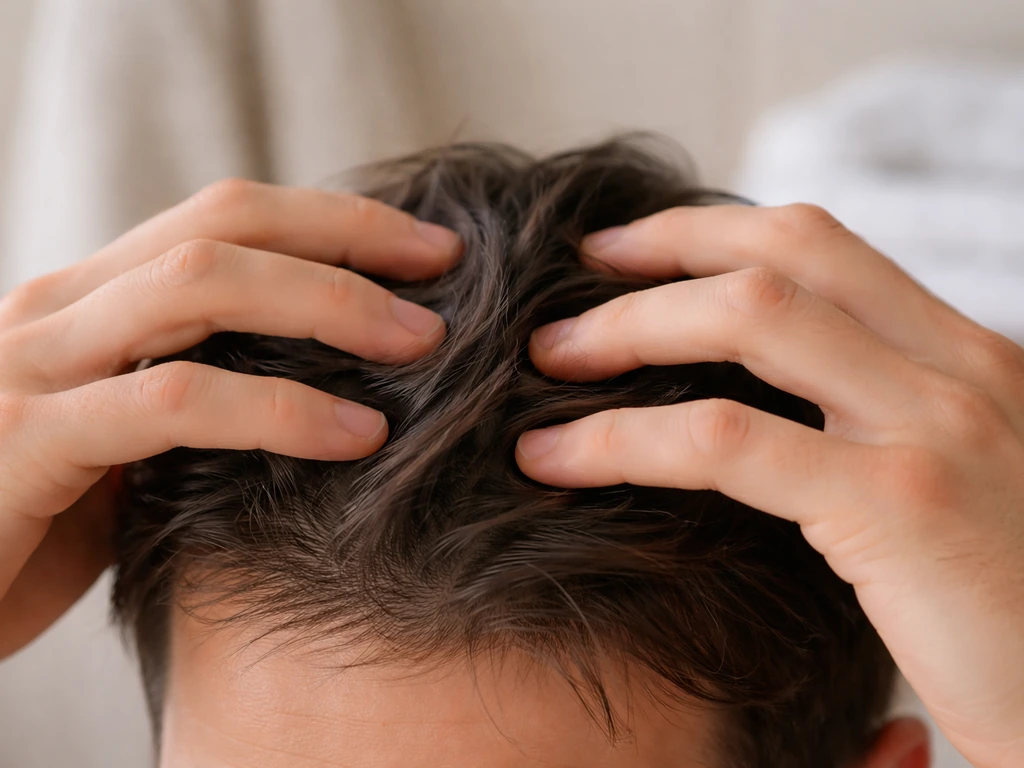
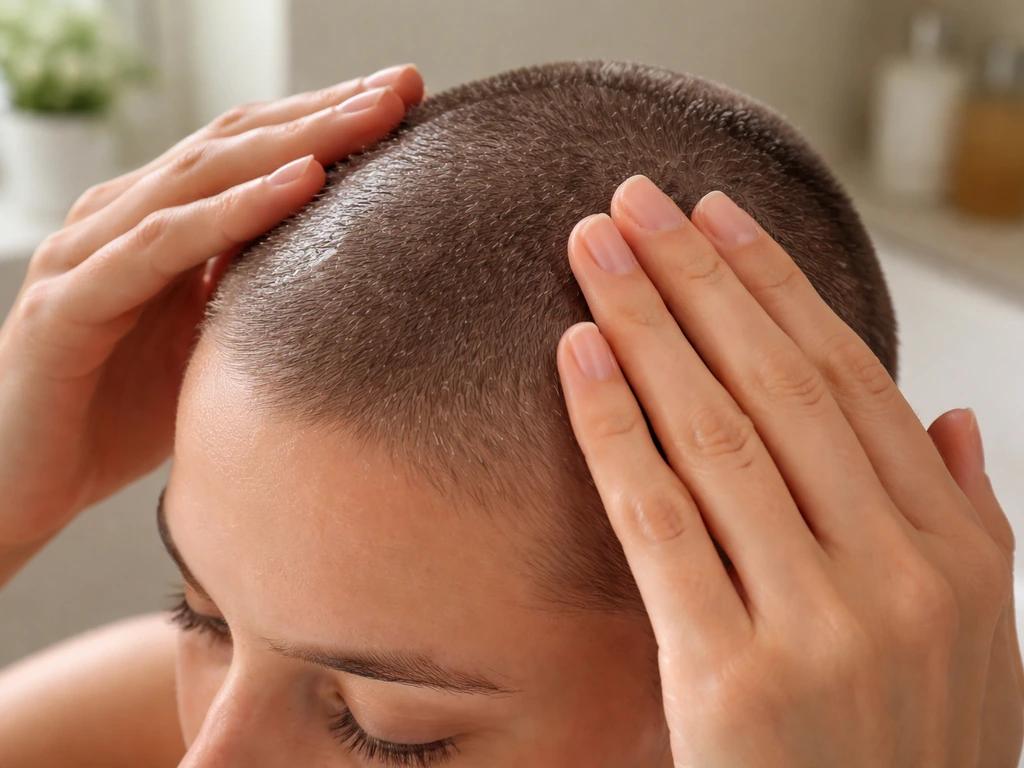
Regular scalp massage increases blood flow to hair follicles, and there's legitimate research behind it. A 2016 study published in ePlasty found that daily 4-minute standardized scalp massages led to increased hair thickness over 24 weeks. The mechanism is simple: better circulation means more oxygen and nutrients reaching your follicles. Do it in the shower with your fingertips (not nails), or dry before bed. Use slow, firm circular motions across your entire scalp for 3 to 5 minutes. It costs nothing and the downside is basically zero.
Keep your scalp clean but not stripped
A clogged or inflamed scalp is the enemy of consistent hair growth. Product buildup, excess sebum, and scalp conditions like dandruff or seborrheic dermatitis can all interfere with healthy follicle function. Wash every 2 to 3 days with a mild shampoo, and if you notice persistent flaking, itching, or redness, a clarifying shampoo or a shampoo with zinc pyrithione or ketoconazole can help. Healthy, clean scalp skin is the foundation everything else builds on.
Protect new growth from mechanical damage
Hair that breaks at the ends or shaft isn't gaining length, even if it's technically growing. At the buzz cut stage, you don't have ends to worry about yet, but as hair gets to 1 to 2 inches, dryness and rough handling become real factors. Avoid going to bed on a rough cotton pillowcase if you can. A satin or silk pillowcase creates less friction. Pat your hair dry rather than rubbing it with a towel. And as length increases, be especially careful about rubber bands and tight hair ties, which snap shorter hairs cleanly off.
Nutrition, sleep, and when to get professional help
Hair is made of keratin protein, and your body builds it from what you eat. If you're consistently under-eating, nutrient-deficient, or running on 5 hours of sleep, your body will deprioritize hair growth in favor of keeping your organs going. That's just physiology.
What to eat to support faster growth
- Protein: hair is mostly protein, so make sure you're hitting at least 0.8 grams per kilogram of body weight daily. Eggs, lean meats, fish, legumes, and Greek yogurt are all solid sources.
- Iron: deficiency is one of the most common causes of slow or stalled hair growth, especially in people who menstruate. Red meat, spinach, lentils, and fortified cereals help. Pair plant-based iron with vitamin C to boost absorption.
- Biotin: gets a lot of hype, but it's genuinely useful if you're deficient. Most people get enough through eggs, nuts, and seeds, but if your diet is limited, a B-complex supplement covers it.
- Zinc: supports follicle function and repair. Found in pumpkin seeds, beef, chickpeas, and dairy.
- Omega-3 fatty acids: support scalp hydration and reduce inflammation. Salmon, sardines, walnuts, and flaxseed are good sources.
- Vitamin D: low levels are linked to hair loss. A lot of people are deficient without knowing it. If you're indoors most of the day, a supplement is worth considering.
Sleep and stress: the overlooked growth killers
Chronic stress triggers elevated cortisol, which can push hair follicles into a resting (telogen) phase and actually cause diffuse shedding, a condition called telogen effluvium. It's one reason people sometimes notice hair loss a few months after a stressful event. A review of the telogen effluvium literature notes that hair loss typically occurs about 2, 3 months after the triggering event and is generally self-limiting hair loss can occur a few months after the trigger event. You can't always eliminate stress, but you can manage it. Seven to nine hours of sleep per night supports the hormonal balance that keeps hair in its growth phase. Exercise helps too, partly because it reduces stress and improves circulation.
When to consider supplements or see a doctor
If you've been growing for 3 or more months and genuinely don't see progress, it's worth getting blood work done. A doctor can check ferritin (stored iron), vitamin D, thyroid hormones, and a full iron panel. These are the most common culprits when growth stalls unexpectedly. Over-the-counter supplements like biotin and collagen are low-risk, but they won't do much if you're not actually deficient in something. Minoxidil (Rogaine) is worth discussing with a dermatologist if you're concerned about thinning or slow growth, as it's the most evidence-backed topical option available without a prescription. Don't just throw money at supplements randomly before ruling out an underlying issue.
How to style every awkward stage (month by month)
The grow-out from a buzz cut has a few genuinely difficult stages, and knowing what's coming makes them much easier to navigate. The key insight: there's a wearable style at every length if you know what to look for.
Month 1 (about 1/2 inch): short stubble and soft fuzz
There's not much to style here, and that's fine. Keep it clean and moisturized. If your stubble grows in unevenly (common, especially around the crown), resist the urge to buzz it back. The unevenness usually catches up within a few weeks. This is actually one of the easier phases because there's no real expectation to 'do' anything with it. Own the close-cropped look and focus on your skincare and scalp routine instead.
Month 2 (about 1 inch): the textured crop zone
At around an inch, you're in textured crop territory. A small amount of matte clay or light pomade can give definition without making the hair look greasy or weighed down. If your hair is straight, you can experiment with a slight side part. If it's wavy or curly, this is where texture starts working in your favor. A tiny bit of curl cream or styling gel will help define the natural pattern that's emerging. Avoid heavy creams at this stage since there's not enough length to handle them without looking greasy.
Month 3 to 4 (about 1.5 to 2 inches): the hardest phase
This is the stage that makes most people give up and buzz it back. The hair is too long to look intentionally cropped but too short to do much with. If you have straight hair, it may stick up at the crown or look flat and shapeless. If you have curly or coily hair, it might puff outward rather than down. A few things help: a very light hold product (mousse for curly hair, matte paste for straight hair) can calm the chaos. A clean neckline trim at a barber every 3 to 4 weeks will keep it looking intentional even while the top grows. Headbands, beanies worn loosely, and even a small amount of hair wax can also help press things into place. The main thing is not cutting the length on top during this phase, even though every instinct says to.
Month 5 to 6 (about 2.5 to 3 inches): real styling options appear
This is where grow-outs start feeling rewarding. You have enough length for a side part and slicked look, a quiff, a defined textured crop with a proper fade, or on curly hair, a visible curl pattern that can be shaped. This is a good time to visit a barber or stylist for a proper shape-up. Tell them explicitly that you're growing it out and you only want the sides and back cleaned up, not the top taken down. If you want curly results, this is also the exact mindset to use when learning how to grow curly hair from a buzz cut growing it out. A good stylist will work with you on that.
Month 9 to 12 (about 4 to 6 inches): longer styles become real
By the end of the first year, most people have enough length for a proper short-to-medium cut, a curtain fringe, a bun at the shorter end (for finer hair), or loose natural curls with real shape. If you want curly hair that stays bouncy past your shoulders, keep focusing on curl definition and reducing breakage as the length increases loose natural curls. If you have curly hair specifically, this is often when things really click into place, and transitioning to a wash-and-go or defined curl routine pays off. If you're wondering how to grow out curly hair from short, the biggest difference is planning for shrinkage and moisture so breakage stays low as length builds. If you've been growing out from a shaved head specifically, the process for curly hair has some extra nuance worth exploring, as curl pattern can feel unpredictable during the first year. If you’re figuring out how to grow curly hair after shaving your head, focus on keeping moisture consistent and defining your curl pattern as the length comes in.
Mistakes that slow your progress (and how to avoid them)
Some setbacks are just slow growth. Others are self-inflicted. Here are the most common ones worth avoiding deliberately.
- Trimming the top to 'even it out': every time you snip the top trying to fix unevenness, you reset your progress. Uneven growth is temporary and usually self-corrects. Only trim the neckline and sides.
- Using high-heat tools too early: at 1 to 2 inches, blow-drying on high heat repeatedly dries and damages new hair, making it brittle and more prone to breakage. Use a low or cool setting.
- Tight hats and headbands worn daily: constant friction along the hairline and crown breaks delicate shorter hair. Loose hats and satin-lined beanies are much better choices.
- Scratching an irritated scalp: it feels good but it inflames follicles. If your scalp itches regularly, address the cause (usually dryness or product buildup) rather than scratching.
- Skipping conditioner: once hair reaches an inch or more, conditioner matters. Skipping it leads to dry, porous hair that breaks more easily at the tips.
- Over-washing: daily shampooing strips natural oils that protect new hair. Two to three times per week is plenty for most people.
- Comparing your progress to someone else's timeline: genetics are real. Checking Instagram for 'month 3 buzz cut grow-out' and finding someone who looks wildly different than you at the same stage is not evidence you're doing something wrong.
Month-by-month progress tracking and when to adjust your routine

Take a photo every 4 weeks on the same day, in the same lighting, from the same angle. It sounds simple, but it genuinely helps on the days when progress feels invisible. Hair growth is slow enough that day-to-day comparison is useless; month-to-month comparison is where you actually see the wins.
When to update your routine as length increases
| Stage | Routine Update |
|---|---|
| Month 1–2 | Scalp-focused routine: massage, gentle shampoo, light moisturizer. No styling products needed yet. |
| Month 3–4 | Add a leave-in conditioner or light styling product. Start protecting ends. Barber visit for neckline only. |
| Month 5–6 | Full moisturize-and-style routine. Shape-up appointment to define the grow-out style you want. |
| Month 7–9 | Evaluate if your current cut shape is serving the grow-out or fighting it. Consider a transition cut that sets you up for the next 3 months. |
| Month 10–12 | Revisit nutrition and scalp health if growth has plateaued. Consider blood work if something feels off. Plan your target style. |
If you have curly or coily hair, the routine will shift more noticeably at each stage because curl pattern, shrinkage, and moisture needs change significantly as length increases. The month 3 to 6 window especially benefits from building a consistent moisture routine early, since longer curls need more hydration to stay defined and resist breakage.
The honest truth about growing out a buzz cut is that most of it is just patience managed well. You can't make hair grow at twice the rate, but you can absolutely stop sabotaging what you have. Focus on your scalp, protect new growth, eat real food, sleep enough, and resist the urge to trim the top every time it looks weird. The awkward phases are temporary. The length you're working toward is permanent, unless you decide otherwise. That part is always up to you.
FAQ
How often should I get my hair trimmed while growing out from a buzz cut?
Aim for keeping the neckline and sideburns tidy every 3 to 4 weeks, but avoid trimming the top length during the “too long to buzz, too short to style” stage. If you do want shape earlier, ask for cleaning only (around the edges) and avoid thinning shears, since they can increase breakage and make the grow-out look patchier.
What should I do if my hair grows in patchy or unevenly after a buzz cut?
Expect some unevenness for a few weeks, especially on the crown. If patchiness persists past about 3 months, reduce friction triggers (tight hats, rough towel drying, aggressive brushing) and consider a scalp evaluation for irritation or breakage. If you notice scaling plus itching or redness, treat the scalp first rather than changing your haircuts.
Will I lose the progress I made if I temporarily stop styling or stop washing as often?
Less frequent washing can allow oil and product residue to build up, which may worsen inflammation and shedding in some people. A practical target is washing about every 2 to 3 days with a mild shampoo, and adjusting based on how quickly your scalp gets oily. If you use heavier styling products later, plan to do a proper cleanse more regularly so buildup does not creep in.
How do I prevent breakage when my hair reaches 1 to 2 inches?
Start using a leave-in conditioner or lightweight moisturizing spray once the ends begin to feel dry, and switch from rubbing to blotting when drying. Be extra cautious with hair ties, especially in the crown and side areas, since frequent tight bands can snap shorter hairs and create “thin spots” that look like slow growth.
Can I use minoxidil to speed up growth, or is it only for thinning?
Minoxidil is primarily used to address thinning or hair loss, it is not a guaranteed growth accelerator for everyone. If your concern is genuinely slow growth or diffuse shedding, it can be worth discussing with a dermatologist, but make sure you first rule out common issues like iron deficiency, vitamin D insufficiency, thyroid problems, and scalp inflammation.
Do supplements like biotin actually help when I’m growing out a buzz cut?
They help mainly if you are deficient, otherwise the effect is usually minimal. Instead of taking multiple supplements blindly, consider targeted testing after 3 or more months with no visible improvement. If you do supplement, keep it simple and time it with nutrition basics, protein intake and adequate calories, rather than relying on hair-specific powders.
What’s the best way to manage the “awkward stage” so I do not cut it again?
Use a fixed plan for 6 to 8 weeks. Keep the sides and back cleaned up, use very light hold products (clay or mousse) so the hair sits without looking greasy, and consider gentle tools like a loosely worn beanie or headband to control crown puff. Most importantly, avoid trimming the top because that resets the hardest phase.
How long until I can actually style it, not just see it grow?
You can usually begin simple styling as growth approaches about 1 inch, around the time textured crop or side-part attempts start to look intentional. Before that, focus on scalp care, moisturizing, and protecting new growth rather than expecting holds, layers, or shape to work.
If I have curly or coily hair, should I expect different timelines or care steps?
Yes, because shrinkage can make the hair look shorter even when it is growing normally. Plan for earlier and consistent moisture so curls stay defined and resist breakage, and choose products that support hydration without heavy buildup. Also, styling changes are more noticeable around the month 3 to 6 window because the curl pattern and length demands evolve quickly.
When should I get blood work, and what should I ask to check?
Consider blood work if you have been growing for 3 months or more and you truly see no progress, or you also notice shedding, fatigue, or scalp symptoms. Ask about ferritin and a full iron panel, vitamin D, thyroid markers, and check for contributors that can cause diffuse shedding, since addressing the root issue typically does more than changing your routine.