
Growing out transitioning hair is mostly a patience game, but it's not a passive one. Hair grows about half an inch per month, so you're looking at roughly six inches per year no matter what you do. What you can control is how healthy that new growth arrives, how well it blends with what you already have, and how wearable each awkward stage actually looks. That's what this guide is for: a real, stage-by-stage plan you can start using today, whether you're growing out a buzzcut, an undercut, choppy layers, colored ends, or bangs that won't cooperate.
How to Grow Transitioning Hair: Step-by-Step Plan

Marcus Vickers
6 Jun 2026
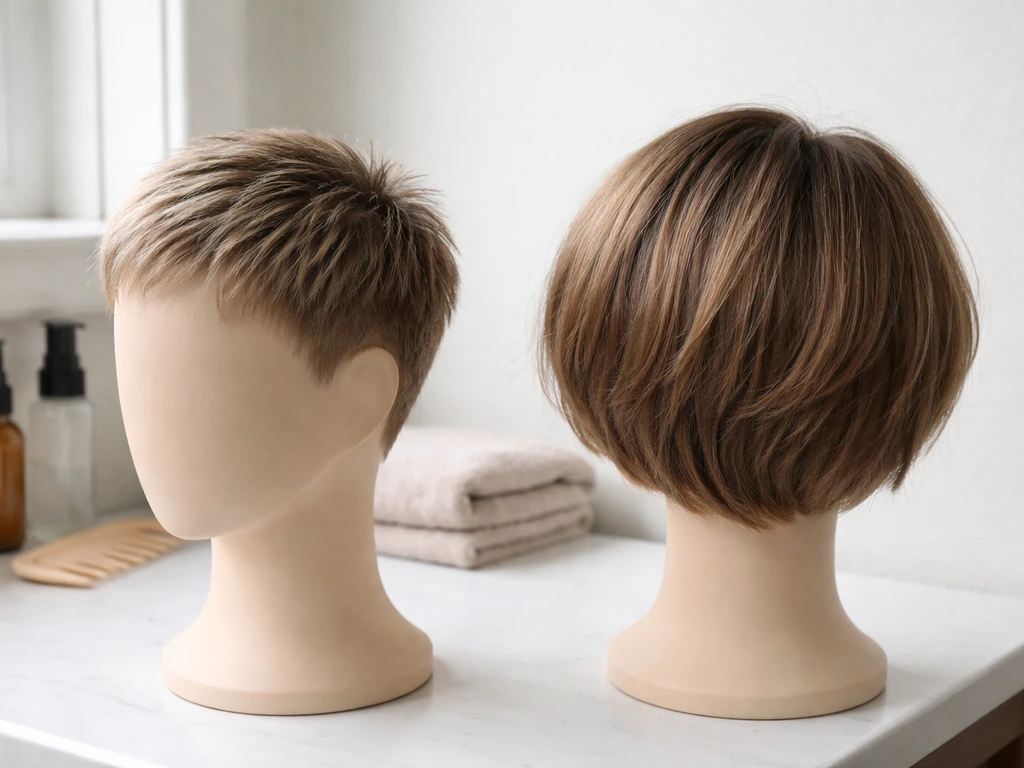
Pick your starting point and set a realistic growth plan
Before you do anything else, figure out exactly where you are right now, because the plan looks different depending on your starting length. A buzz cut at a quarter inch needs a completely different approach than a bob that's just a few inches too short. Be honest with yourself about what stage you're in, then set a rough timeline so the waiting doesn't feel endless.
| Starting point | Approx. length | Time to reach shoulder length | Biggest challenge |
|---|---|---|---|
| Buzz / near-shave | Under 1 inch | 18–24 months | Patchiness, cowlicks, crown bulk |
| Pixie / very short | 1–3 inches | 12–18 months | Awkward side/back bulk before top catches up |
| Short bob | 4–6 inches | 6–12 months | Neckline flipping, ear-level pouf |
| Long bob / lob | 7–10 inches | 3–6 months | Ends thinning, blending layers |
| Bangs growing out | Any length | 6–12 months to blend fully | Forehead gap, side-sweep awkwardness |
| Undercut growing in | Any length | 12–18 months to blend | Visible weight line, two-texture problem |
Write your goal length down. Then work backward using the half-inch-per-month rule. If you want four more inches, you're planning for about eight months minimum. That's not a discouraging number, it's a useful one. It tells you exactly how many trims you'll need, what styling tools to invest in, and how to pace your color decisions. Growth that feels random becomes manageable the second you put it on a timeline.
Daily and weekly care that actually supports growth

Hair doesn't grow faster because of a product, but it absolutely grows shorter because of damage. Every split end that travels up the shaft, every piece of breakage from rough handling, every inch lost to over-processing means your net gain at the end of the month is less than that half inch. Your care routine is really about protecting what's already grown.
Washing frequency
How often you wash depends on your scalp, not a rule. Oily scalps often do better washing every one to two days, while dry or coarser textures usually need only two to three washes per week. Over-washing strips the natural oils that keep your hair pliable and less prone to snapping. Color-treated hair fades and dries out faster with frequent washing, so if you're managing roots and colored ends at the same time, fewer washes preserve both the color and the moisture balance.
Detangling without damage
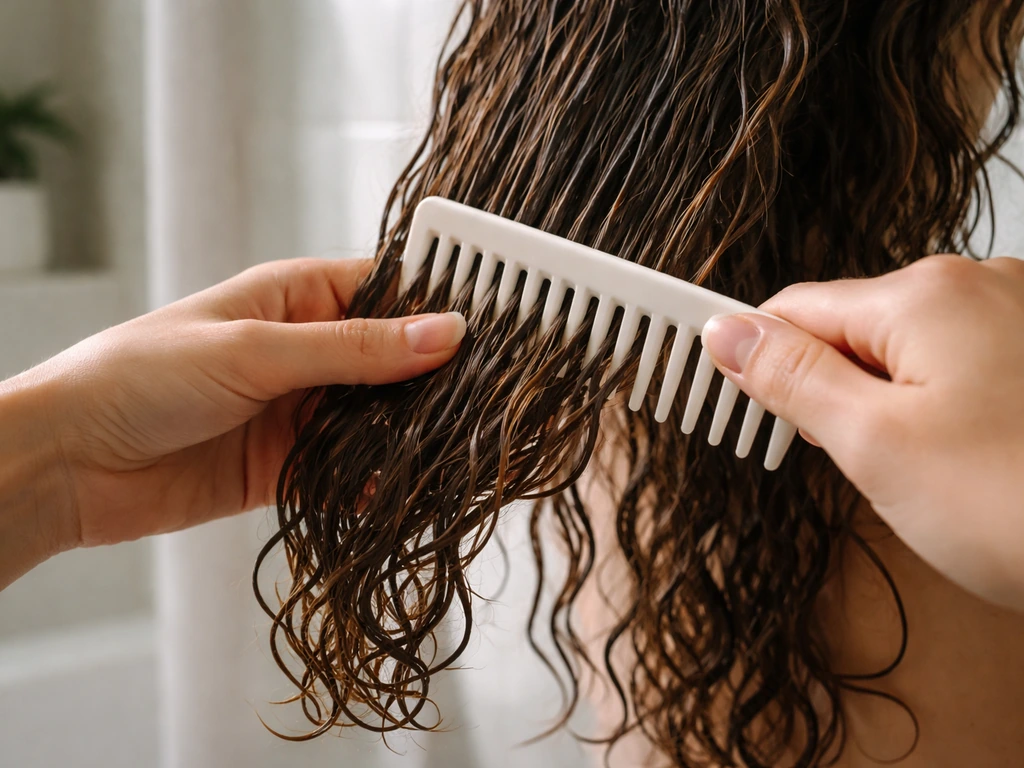
Wet hair is fragile. The American Academy of Dermatology is clear on this: use a wide-tooth comb on wet hair, never a brush, and always start at the ends and work your way up toward the root. Yanking from the root down is a fast way to snap transitioning hair right at the point where old length meets new growth, which is often already the weakest spot. For curly and coily textures, detangle while hair is damp with conditioner in it, not bone dry.
Moisture, protein, and heat
Your ends are older than your roots, sometimes by years if you haven't had a major cut recently. That age difference shows up as a moisture imbalance: the ends are drier and more porous while the roots are relatively fresh. Deep condition your ends at least once a week, and use a heat protectant every single time you use a styling tool. Keep your dryer and flat iron on low to medium settings. High heat doesn't just damage the hair you have now, it makes the new growth coming in rougher and more prone to breakage too. If you can swap one or two heat-styling sessions a week for heatless methods like flexi rods, braids, or wave formers, your hair will be noticeably healthier within a month.
Reduce friction overnight
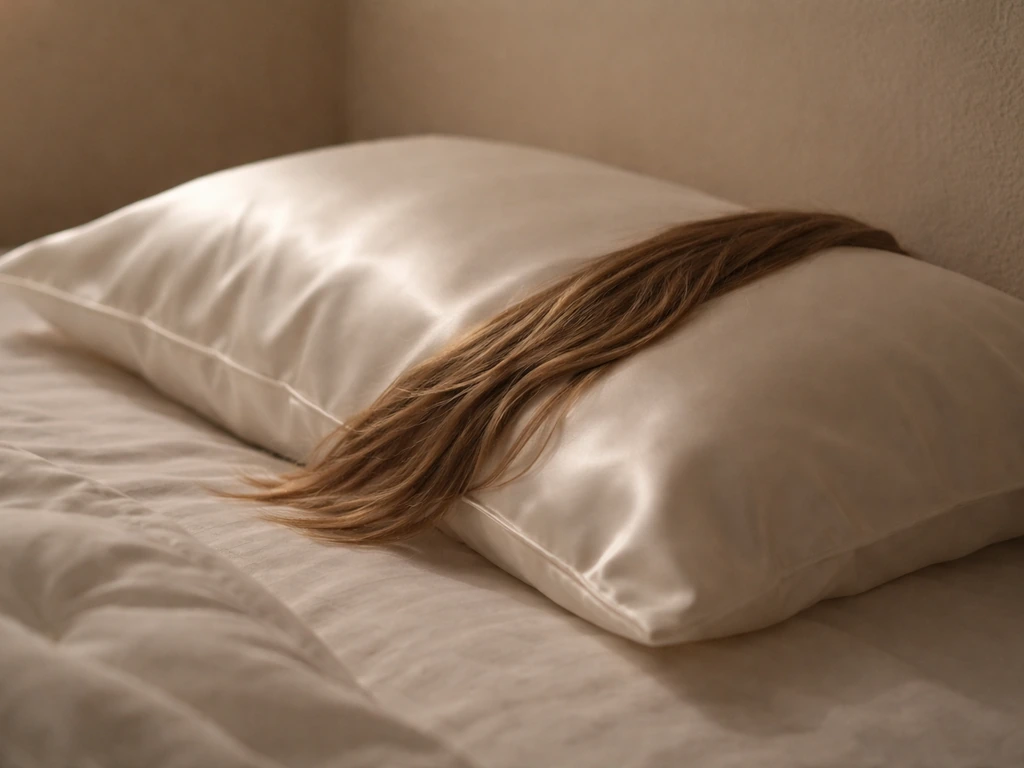
Switch to a satin or silk pillowcase. This isn't a gimmick: the smoother surface genuinely reduces the friction that causes frizz and breakage overnight, and during a grow-out you're spending months with hair at lengths that rub against fabric constantly. It's a small change with a noticeable payoff, especially for curly and coily hair that's prone to tangling while you sleep.
How to trim without stalling your growth
The instinct when growing hair is to avoid scissors entirely, but that's exactly backward. Split ends don't heal. Once a split forms, it travels up the shaft and you end up losing more length down the road than you would have lost with a small preventive trim. The goal during a grow-out isn't zero trims, it's strategic trims.
A trim every six to eight weeks is a good baseline for most people. Good Housekeeping similarly notes that regular trims can help prevent split ends and maintain your look as hair regrows, while variation depends on your texture and style a trim every six to eight weeks helps maintain split ends and appearance as hair regrows. If your hair is damaged, bleached, or very fine, consider going every four to six weeks but asking for just a quarter inch at most. Tell your stylist explicitly: you're growing it out and you want to maintain shape without losing length. A good stylist will focus on removing split ends and cleaning up the perimeter without touching the interior length. If you're managing an undercut growing in, the trim schedule for the shorter sections might be more frequent in the early months to control the weight line while the longer sections catch up.
The phrase 'baby trim' is genuinely useful here. Think of it as cuticle maintenance rather than a haircut. You're removing the split and rough ends that, if left alone, would cause the strand to split further up and rob you of real length. Trimming every six to eight weeks is almost always faster than never trimming and watching your ends get ragged.
Styling through every awkward stage
Each length phase has its own particular annoyances, and what worked last month might look terrible this month. Here's what actually helps at each stage.
Buzz and very short pixie (under 2 inches)
This is the stage where cowlicks and crown patterns are fully exposed. There's not much length to work with, so product becomes your main tool. A light pomade or texturizing clay can direct hair and tamp down flyaways without making short hair look greasy. Let the natural growth pattern work for you rather than fighting it. If you have an undercut, the contrast between short and long sections is sharpest here, and the best strategy is often to keep the undercut section neatly faded rather than letting it grow completely free, which creates a messier blend than a controlled taper.
Short pixie to ear-length (2–4 inches)
This is objectively the most annoying phase for most people. The sides start to poof, the back flips out, and nothing sits flat. Accessories become functional here, not just decorative: small clips, headbands, and elastic bands can hold awkward sections in place while you wait for length. A light hold gel or curl cream can define any texture and reduce the bushy effect. If your hair is straight, a low ponytail or half-up with a small clip at the crown keeps things intentional-looking even when the length is uneven.
Chin to jaw length (bob zone, 4–7 inches)
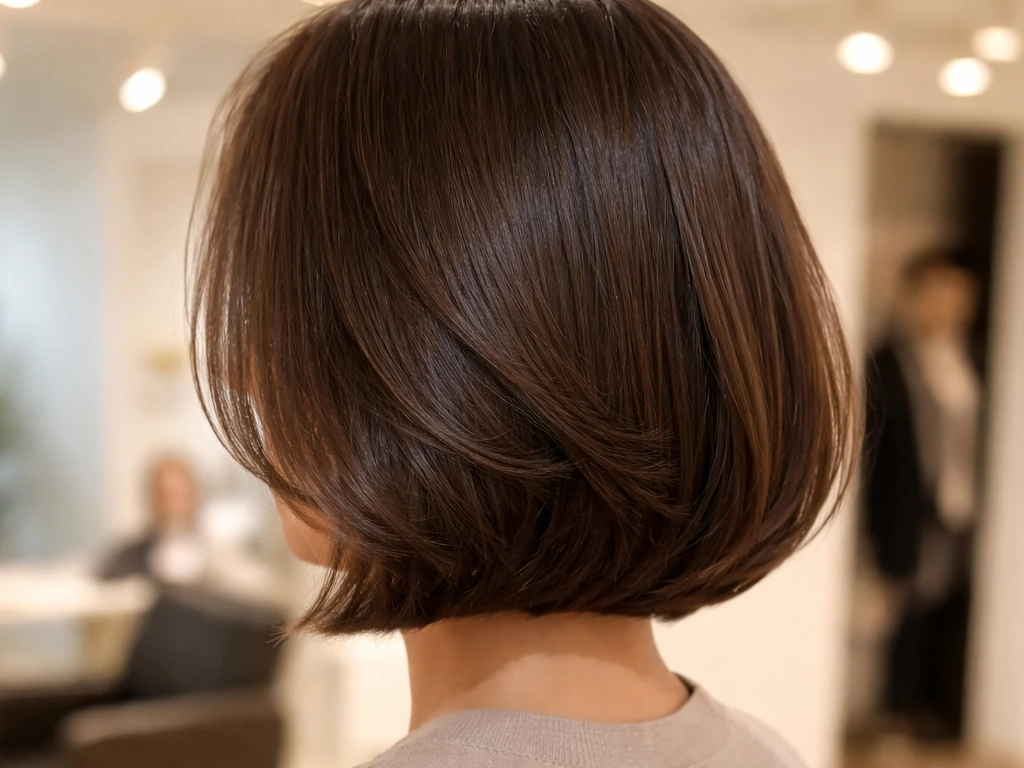
The bob zone is actually one of the easier stages to style, because you have enough length to work with but not so much that it's heavy and unpredictable. A round brush blowout adds movement and keeps ends from flipping awkwardly. If you're dealing with choppy layers that are blending in unevenly, ask your stylist for soft face-framing pieces that make the layers look intentional rather than like leftover bits from a previous cut.
Growing out bangs
Bangs are their own separate timeline. The forehead gap phase, where they're too long to sit as bangs but too short to blend, is where most people give up and cut them again. Don't. The key is creating layers through the front section so the bang length has something to fall into rather than just hanging there. A side sweep held with a small bobby pin or a bit of pomade buys you several months of wearable style while the fringe works its way toward cheekbone length. Once it hits your cheekbone, it starts to blend naturally into the rest of the cut.
Managing undercuts and layers blending in
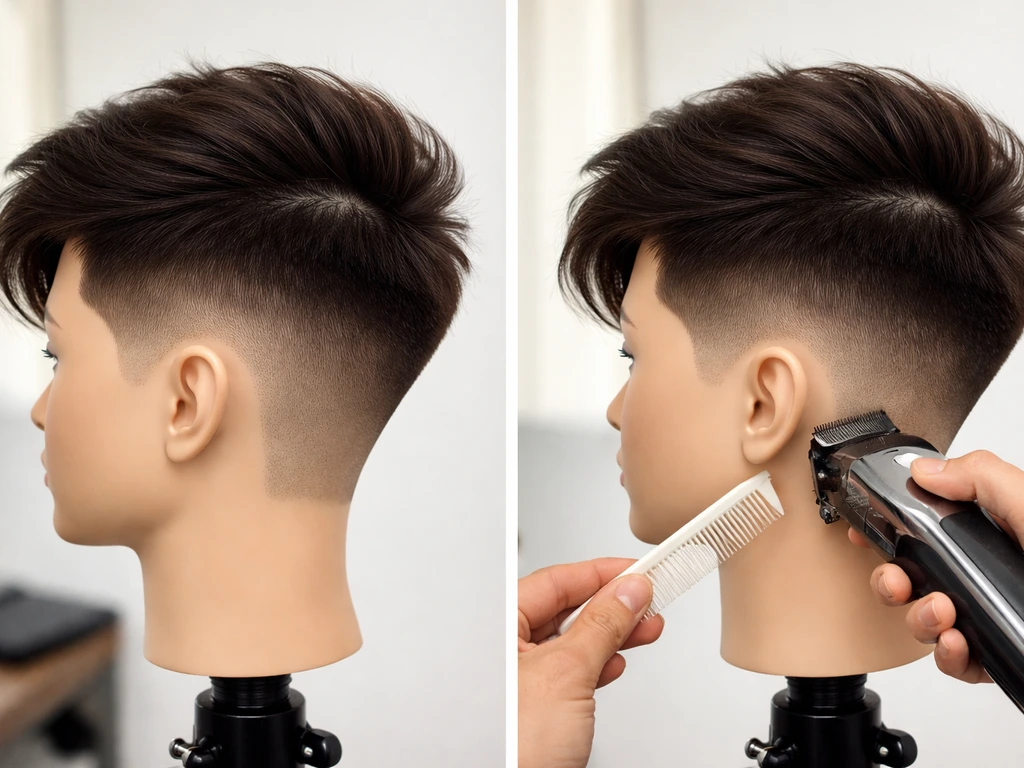
Undercuts create a visible weight line when the shaved or closely cut section grows in. The two most practical strategies are: first, keep using the clipper on the undercut section at a longer guard setting so it grows in gradually rather than all at once; second, use the longer top sections to cover the weight line as much as possible. Styling product on the underlayer, combined with pinning the top layer down over it, can disguise the blend point for quite a while. Expect this phase to take twelve to eighteen months before the two sections are truly blended at a consistent length.
Texture changes and different hair types during transition
One thing that surprises a lot of people growing hair out is that the texture can actually shift during a major transition. This happens for a few reasons: hormonal changes (including those related to gender-affirming care), post-partum regrowth, health changes, or simply the difference between chemically treated old growth and virgin new growth. Don't assume your hair will behave exactly as it did before.
Straight and wavy hair
Straight and fine hair tends to show unevenness and weight distribution problems more clearly than other textures. Every layer, every undercut growing in, every choppy end is visible. Lightweight volumizing products and regular trims to keep the perimeter clean will do more for you than heavy creams or oils. Heatless rollers and wave formers can add enough texture to disguise uneven lengths during the in-between phases.
Curly and coily hair
Curly and coily textures have a built-in advantage during grow-outs: the curl pattern naturally hides length discrepancies. A section that's two inches can sit right next to a section that's three inches and, when curled, look nearly identical. The bigger challenge is moisture. New growth on coily hair tends to shrink significantly, so the length you're gaining each month isn't as visible as it would be on straight hair. Deep conditioning is non-negotiable, and detangling while damp with slip-focused products keeps breakage minimal. Protective styles like twists, braids, and braid-outs are genuinely useful here, not just stylistically but for reducing daily manipulation and preserving length.
Fine vs. thick hair
Fine hair needs more frequent trims because split ends spread faster and the damage is more visible. Thick hair can go longer between trims but creates more bulk at the weight line during grow-outs, which means layering becomes more important to manage shape. If your hair is thick and you're growing out an undercut or a heavily layered cut, ask your stylist to add some interior layers to remove bulk rather than length, which keeps the grow-out looking shaped instead of like a helmet.
Colored hair during a grow-out: roots, damage, and smart maintenance
Growing out colored hair adds a whole extra layer of complexity, because now you're managing not just length but a visible color line between your natural root and your treated length. The approach depends on what kind of color you're working with.
Managing roots during grow-out
If you're growing out a solid color (especially one far from your natural shade, like a bright red or a very light blonde), the root contrast becomes obvious within four to six weeks. You have three realistic options: touch up the roots every six to eight weeks to keep the line minimal while you grow; ask your colorist to soften the line with a shadow root or balayage that creates a gradual fade instead of a hard line; or go cold turkey and embrace the two-tone look as an intentional style, which takes confidence but genuinely works. Growing out red dyed hair or permanent hair dye is its own specific challenge, since those pigments don't fade as predictably as semi-permanent color. If your goal is to keep your style wearable while the color fades, it helps to know how to grow out permanent hair dye and plan for the root challenge. If you are wondering how to grow out red dyed hair, focus on maintaining moisture and planning for less predictable fading during the root-to-length transition.
Protecting color-treated length while new growth comes in
Color-treated hair is more porous and more prone to breakage than virgin hair. This means your treated ends need more moisture, gentler handling, and less heat than your new growth does. Wash color-treated hair less frequently to slow fading and reduce dryness. If you use clarifying shampoo (useful for removing product buildup, especially if you're using a lot of styling products during your grow-out), limit it to about once a week at most, and always follow with a deep conditioner. The combination of bleach or permanent dye plus heat styling is where most people lose the most length during a grow-out, so be deliberate about protecting the older sections.
When color damage affects growth decisions
If your treated ends are significantly damaged, you may need to trim more aggressively than you'd like during the first few months of your grow-out. This is frustrating but practical: severely compromised ends will continue to split upward, costing you more length long-term than a honest trim would. Get a proper damage assessment from a colorist, and ask whether a protein treatment or a bond-building treatment makes sense before you continue coloring at all. Once the damaged length is gone, your new growth has a much cleaner starting point.
When things go sideways: troubleshooting common transition problems
Even with a solid plan, transitioning hair throws curveballs. Here's how to handle the most common ones.
- Patchiness or uneven density: This is especially common in the early stages of growing out a buzz or clipper cut. The crown often grows faster than the sides, creating a top-heavy look. Keep using a clipper at a longer guard setting on the sides to taper them incrementally rather than letting them grow free, which lets the overall shape stay balanced.
- Cowlicks and stubborn growth directions: You can't eliminate a cowlick, but you can work with it by training the hair with a blow dryer and a round brush while the length is short enough to redirect. Once the hair is heavy enough, the weight usually pulls it down past the cowlick.
- Ends that won't stop splitting: If you're trimming regularly and still seeing splits rapidly, the problem is usually product buildup, heat damage, or over-processing from color. Add a clarifying wash once a week, cut the heat tools for a month, and see if it improves. If not, a longer trim to remove the damaged section is the only real fix.
- Hair that feels dry and rough at the mid-length to ends: This is a moisture deficit, almost always worsened by over-washing or heat. Add a weekly deep conditioning mask and reduce washing frequency by one session per week for a month.
- Visible weight line from an undercut: If the undercut is blending in faster than expected but creating a weird ridge, ask your stylist to soften it with a fade or taper during your next trim rather than waiting for full growth.
- Texture that's totally different from what you expected: New growth that's curlier, coarser, or more fine than your existing length is normal, especially after hormonal changes or post-illness regrowth. Treat the two textures separately with products suited to each, and expect them to blend more naturally once the new growth makes up a larger proportion of your overall hair.
- Bangs that won't stay pinned or swept: If your bang section is too short for a pin to hold, a small amount of pomade or edge control on the fingertips, pressed in the direction you want, can keep things in place without a visible clip.
When to actually adjust your routine
Reassess your routine every two to three months, because what your hair needs at two inches is genuinely different from what it needs at five or seven inches. As length increases, you'll likely need more moisture, less frequent washing, and a shift from texturizing products toward smoothing or defining ones. If you're growing out chemo hair, the new growth often comes in with a different texture entirely and needs to be treated as a fresh start rather than a continuation of the old routine. Similarly, if you're growing out scene hair with heavy layering and chemical damage from years of color, your approach to trims and moisture will need to be more aggressive in the early stages.
The single most useful thing you can do if your routine stops working is to go back to basics: simplify your product lineup, reduce heat exposure for two weeks, and pay attention to what your hair actually feels like rather than what the internet says it should need. Your hair will tell you what it wants. The grow-out process rewards attention and patience more than any single product or technique.
If you also want to speed up the process, there's a separate deep-dive on how to grow out transitioning hair fast with specific strategies for maximizing monthly growth, which pairs well with everything covered here once you've got the fundamentals locked in.
FAQ
How do I tell if my hair is actually growing or if it is just breaking and shrinking?
Track your length with consistent markers (same bun position, same lighting) every 4 weeks, and compare new-growth feel at the root to end condition. If the roots feel smoother but the ends look shorter or more frayed than expected, breakage is likely outpacing growth.
Is it okay to use a protein treatment during a grow-out, or can it make breakage worse?
Use protein only if your hair feels mushy, overly elastic, or not holding styles. If your hair feels stiff or tangles more after treatment, scale back. For many people, alternating moisture-focused deep conditioning with occasional bond-building is safer than frequent protein.
Should I detangle on dry hair or only in the shower?
Prefer detangling when hair has slip (conditioner on wet or damp hair). If you must detangle between washes, use a leave-in or detangling spray first, and finger-detangle before using a wide-tooth comb to avoid snapping at the old-new junction.
How can I reduce tangling without adding a bunch of extra manipulation?
Use a light daily leave-in or curl cream for slip, then secure hair at night with a satin or silk bonnet, not just a pillowcase. If tangles start at the same zones, those spots often need more slip during styling or more frequent protective restyles.
What should I ask my stylist for if I want trims but still want to keep as much length as possible?
Ask for “end-only” trimming with the goal of removing splits and cleaning the perimeter, and request they avoid thinning or layering inside the length unless necessary. If you have color, ask them to assess which sections truly need to be cut back versus only conditioned or sealed.
Can I use bond builders and heat protectant together, and when should I apply each?
Typically, bond builders or strengthening masks go on clean, damp hair after shampoo (timing depends on the product), then heat protectant is applied afterward before any heat styling. Don’t put heat protectant on top of unconditioned or product-clogged hair if you can avoid it, since buildup can make heat damage look worse.
How do I handle transitioning hair if I wear my hair up or in protective styles most days?
Protective styles still require end care, so deep condition ends regularly and avoid styles that pull at the same hairline. Watch for traction at the perimeter, and loosen or redo styles before they create new tension points that can worsen breakage.
What if my undercut or shaved section is growing in and creating a bulky weight line?
Use gradual guard clippers or a controlled schedule for the shorter section, but also adjust the top styling so it distributes over the weight line (pinning, strategic parts, or light styling underneath). If the weight line keeps returning quickly, you may need more frequent micro-trims on the undercut rather than waiting for the length to catch up.
How often should I wash if my hair is oily at the scalp but dry at the ends?
Wash based on scalp oil, but manage ends separately: focus cleansing at the roots and let conditioner run through mid-length to ends. If you over-strip, the ends will feel rough even if the scalp is clean, so consider reducing harsh cleansing shampoos and using a consistent deep conditioner.
What’s the safest way to change products during a grow-out if my hair suddenly reacts badly?
Switch one product at a time and give it about 2 to 3 wash cycles to judge. If hair becomes more tangled or feels drier, remove the newest change first, then return to your baseline routine (slip-based detangling, heat reduction, regular deep conditioning) before trying another new product.