
After chemotherapy ends, most people start seeing hair regrowth somewhere between 6 and 12 weeks, though some wait closer to 3 to 5 months before noticing anything significant. What comes in first is often soft, fine, and a little unpredictable in texture or color. That part is normal. The practical work of growing it out safely, styling it through the awkward phases, and knowing when to ask for help is what this guide covers, step by step.
How to Grow Out Chemo Hair: Timeline, Care, and Styling

Marcus Vickers
4 May 2026
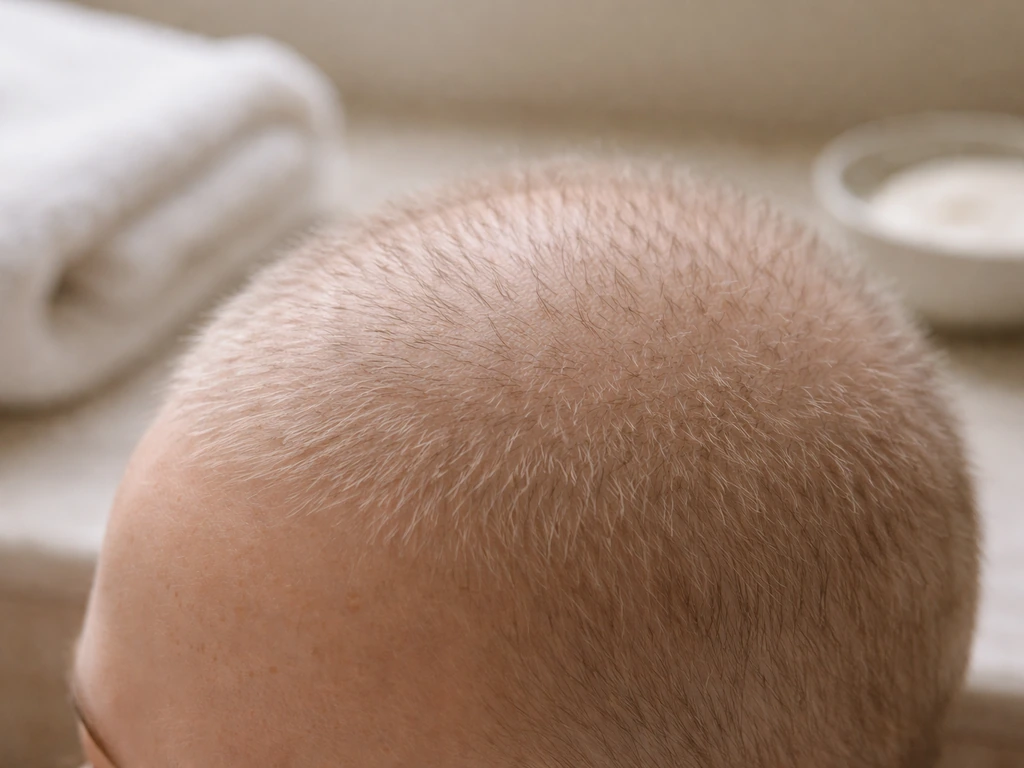
What chemo hair regrowth actually looks like, month by month
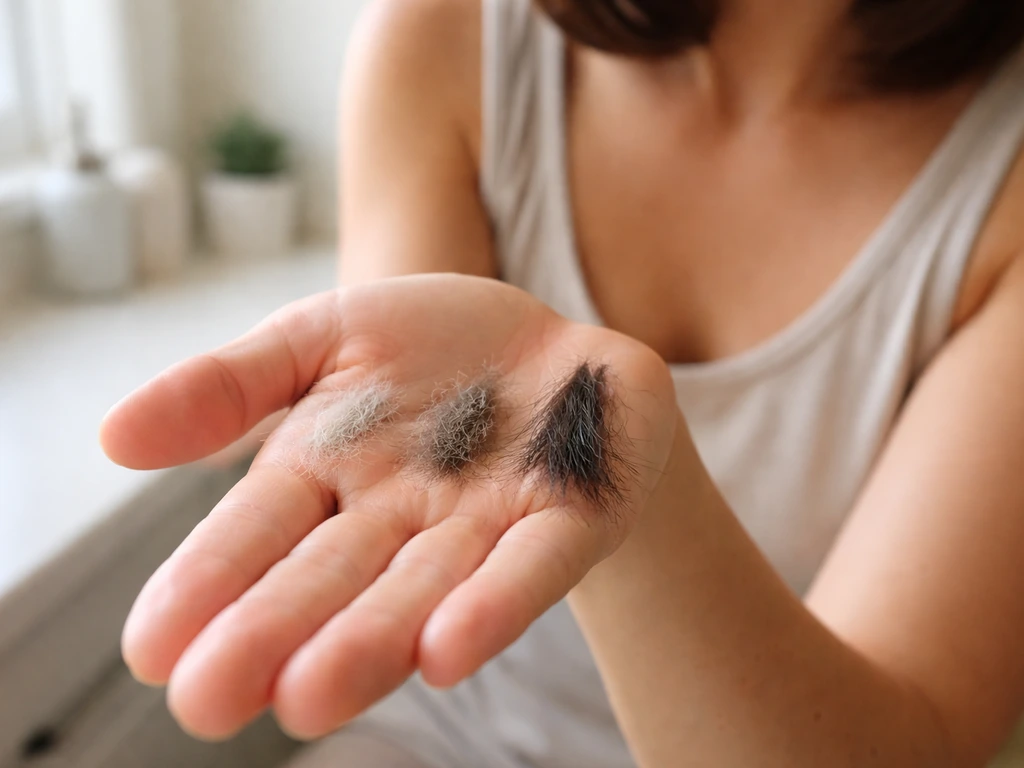
The timeline varies more than most people expect. MD Anderson notes that regrowth usually begins around 6 to 8 weeks after treatment ends, while Memorial Sloan Kettering puts the fuller regrowth window at 3 to 5 months. The National Cancer Institute's patient guidance uses a 2 to 3 month benchmark. None of those numbers are wrong, they're all describing different people with different regimens. Your timeline is yours alone, so try not to measure your progress against someone else's.
Here's a rough idea of what each stage tends to look like so you know what's coming:
| Stage | Approximate timeline | What to expect |
|---|---|---|
| Fuzz stage | Weeks 4 to 8 after treatment ends | Soft, downy growth; may look like peach fuzz; scalp still sensitive |
| Short stubble | Months 2 to 3 | Actual hair shaft visible; may be patchy or uneven; texture often different |
| Pixie-length growth | Months 3 to 5 | About half an inch; curl or wave pattern may appear; cowlicks emerge |
| Awkward short length | Months 5 to 8 | Hair is in between — too long to look intentional, too short to style easily |
| Bob-length and beyond | Months 9 to 12+ | Enough length for more styling options; texture may continue to shift |
One thing that genuinely surprises people: the hair that comes back may not match what you had before. It might be curlier, wavier, finer, or a different color entirely. Dana-Farber has documented cases where grey hair returned as the person's original color. The reverse can happen too. This temporary change is sometimes called 'chemo curls' and it often softens over time, but don't count on your old texture coming back immediately, or at all.
Patchiness in the early weeks is also completely normal. Hair follicles don't all restart on the same schedule, so you might have a fuller patch in one spot and bare skin nearby. As long as it's gradually filling in over weeks, not suddenly reversing, you're on track.
Caring for a sensitive scalp during regrowth
Your scalp has been through a lot. Treat it accordingly, especially in those first months of regrowth when the skin is still sensitive and the new hair is fragile.
Washing routine
Stick to a gentle, fragrance-free shampoo. Both the American Cancer Society and Memorial Sloan Kettering specifically recommend baby shampoo, or mild options like Aveeno or Vanicream. These won't strip the scalp or irritate sensitive skin. Wash gently with your fingertips (not your nails), and rinse thoroughly. You don't need to wash every day unless your scalp is oily, every two to three days is usually fine for early regrowth.
Sun protection
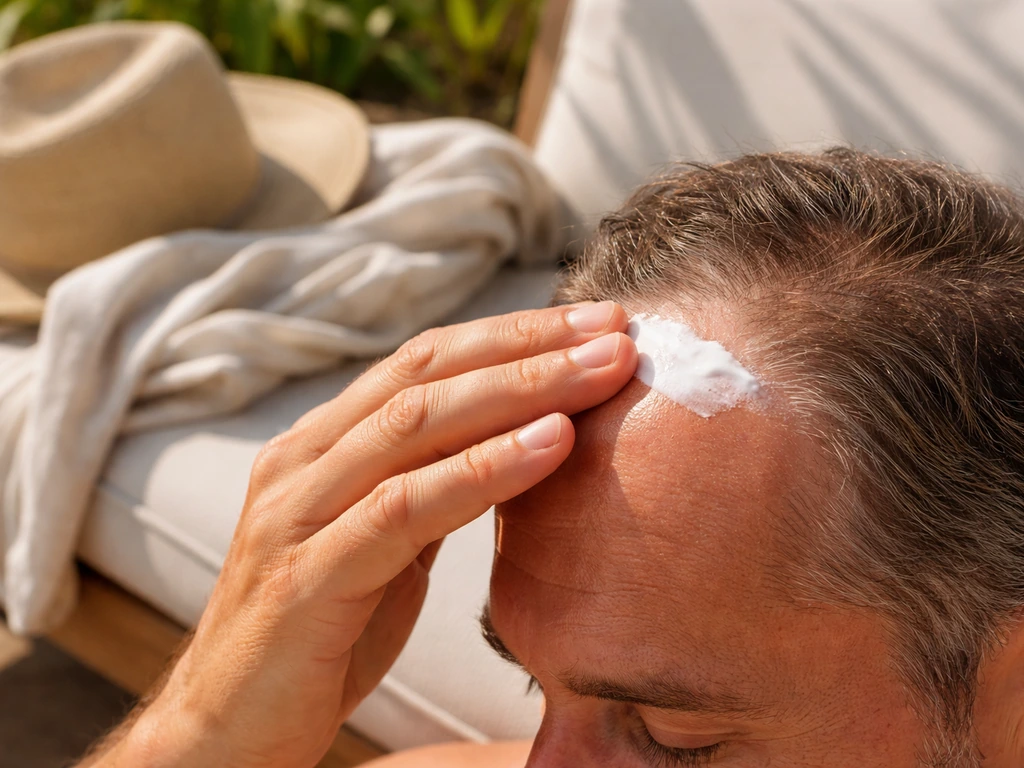
If your scalp is exposed, SPF matters. The ACS recommends a broad-spectrum SPF 30 or higher on any exposed scalp skin. Memorial Sloan Kettering also suggests using shampoos and conditioners that include sunscreen to help reduce ongoing UV exposure. When you're outdoors, a loose hat or head wrap does double duty, it protects from the sun and covers a stage of growth you might not feel confident showing yet.
What to avoid

Heat styling tools are a real risk in this phase. The American Cancer Society also advises that you should not use a hair dryer or curling iron on a wig unless the wig is heat-resistant [avoid heat styling tools](https://www. cancer. org/cancer/managing-cancer/side-effects/hair-skin-nails/hair-loss/choosing-and-wearing-wig.
html). The NCI advises steering clear of blow dryers, curling irons, and flat irons during early regrowth. Regrowing hair is more fragile than established hair, and the scalp itself can be irritated by heat. Beyond tools, skip heavy styling products like gels, clips that pull at the scalp, and anything with a strong chemical smell.
Memorial Sloan Kettering also lists hair-care period avoidances and irritants, including hair sprays and dye or bleach and permanents, during recovery hair sprays, dye/bleach/permanents. Your hair will grow stronger faster if you're not stressing it with products or tension while it's just getting started.
Shedding vs. regrowth: telling them apart
Some people experience a second shedding episode weeks after treatment ends, which can be alarming if you weren't expecting it. This can happen as the follicle resets and pushes old telogen hairs out to make room for new growth. It's different from hair loss during chemotherapy, it's usually smaller in scale, and new growth should be visible at the same time. If you're losing hair with no signs of new growth, or if shedding is heavy and sudden, that's worth discussing with your oncology team.
Trimming strategy: when to cut and when to leave it alone
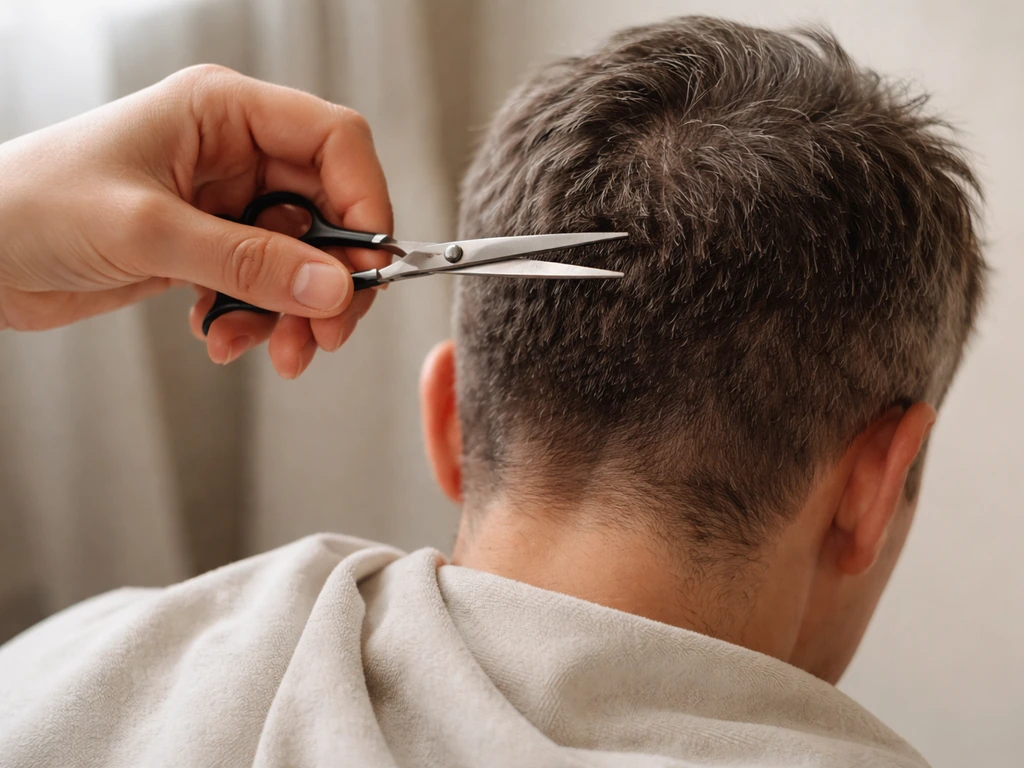
This is the question almost everyone gets wrong at first: should you trim? The instinct to cut away uneven patches or clean things up is understandable, but cutting too early can make the process feel like it's going nowhere. The goal is to shape, not restart.
For the first two to three months, do nothing. Let the hair establish itself. Once you're hitting about an inch of growth, usually around the 3 to 4 month mark, a light cleanup trim from a stylist who has experience with post-chemo regrowth can help even out the edges without removing length. Ask specifically for a 'shape' rather than a cut. The difference matters. If you're specifically looking for tips on how to grow out scene hair, the same gentle approach, realistic timeline, and strategic trims can help you get from short regrowth to a style you like.
From there, trim every 6 to 8 weeks just to keep things looking intentional. You're not trying to rush the shape, you're managing the edges so the growth looks deliberate, not neglected. If you had an undercut or heavily layered style before chemo, those old layers may create awkward weight lines as the rest catches up. A stylist can point-cut those sections to blend them in rather than cutting everything to the same short length.
The awkward middle phase, usually around months 5 to 8, is genuinely the hardest. Hair is long enough to flop but too short to tuck behind the ear or pull back. Cowlicks that never mattered before may become very obvious because there's not enough length to weigh them down. A tiny amount of a light, non-alcohol styling cream or pomade (not gel) can help tame these without drying out the scalp.
Styling options that actually work for short regrowth
You have more options than you might think, and the goal is to make your hair look like a choice, not a problem. Here's what works at different stages:
In the fuzz and stubble phase (months 1 to 3)
- Soft turbans and jersey head wraps are comfortable on a sensitive scalp and give you a put-together look without pressure or pins
- Fitted cotton caps (not tight elastics) offer breathability and scalp protection
- Wide-brim hats for outdoors do the sun protection job while looking intentional
- If you're comfortable showing your scalp, keep the skin moisturized and smooth — it genuinely can look striking and deliberate
In the pixie-length phase (months 3 to 5)
- A small amount of light pomade or curl cream can define emerging texture without buildup
- Pin the front section back with small clips if you want your face framed differently
- Headbands (soft fabric, not tight plastic) can work once there's enough hair to anchor them
- Embrace any curl or wave that appears — this phase often has the most interesting texture
In the awkward in-between phase (months 5 to 8)
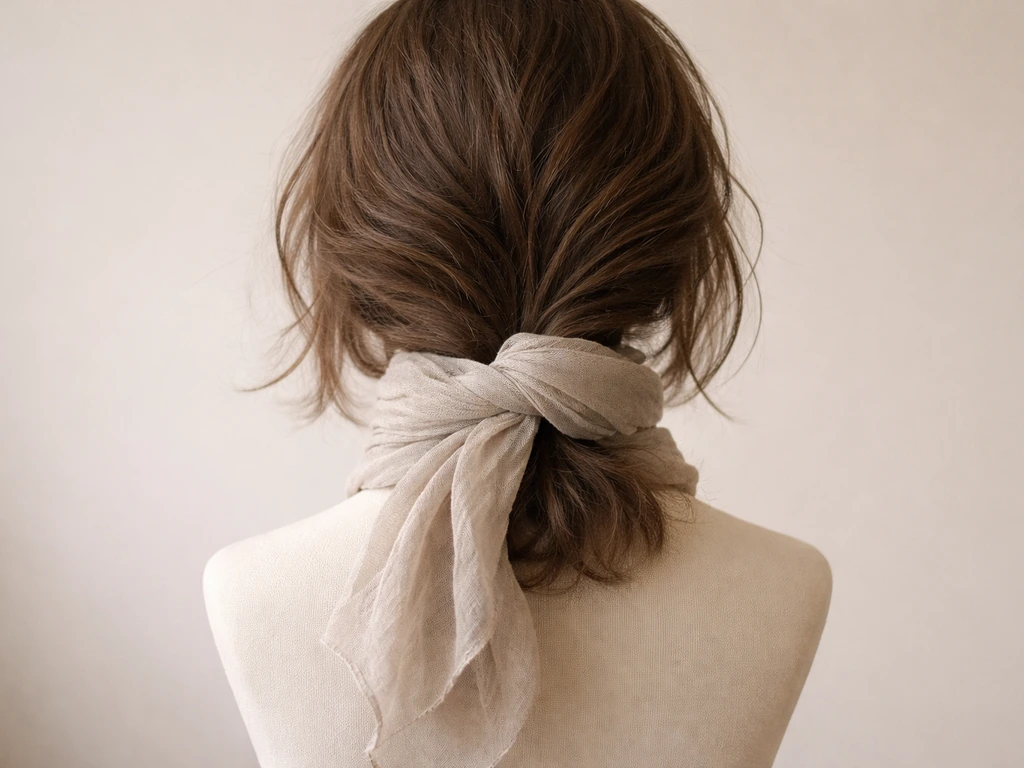
- Soft scarves tied loosely at the nape or side give structure without pulling
- A little texturizing product on damp hair can make the uneven lengths look beachy rather than random
- A structured hat (fedora, bucket hat) worn casually can complement short hair rather than hiding it
- As the hair grows, it starts to resemble a grown-out pixie cut — strategies used for growing out a pixie apply well here
Moving from wigs and hairpieces to your own hair
The transition from wearing a wig full-time to going out in your own hair is one of the most personal decisions in this whole process. There's no rule about when you have to make the switch. Some people feel ready at 2 inches; others wait until they have 4 or 5 inches and a shape they feel confident in. Both approaches are completely valid.
If you've been wearing a full wig, start by going without it in lower-stakes situations, at home, with close friends, on errands. This lets you get used to the feel and the looks without the pressure of a big reveal. You can also mix and match: wearing the wig for certain occasions and going natural for others while your confidence builds alongside your hair length.
One important note on wig adhesives: glues and tapes used to secure wigs can cause scalp irritation and allergic reactions, especially on already-sensitive post-chemo skin. The Canadian Dermatology Association flags this specifically. As you're spending more time without the wig, your scalp needs time to breathe and recover from any adhesive exposure. If you notice redness, peeling, or itching at the hairline after removing a wig, give your scalp a break from adhesives and use a wig cap instead for the next few wears.
On a related note: MedlinePlus specifically warns against hairpieces being sutured or sewn directly to the scalp because of infection and scarring risk. If anyone has suggested this to you, get a second opinion from your oncologist or a board-certified dermatologist before proceeding.
Color and chemical treatments: when is it safe?
This is one of the most common questions and one of the hardest to give a universal answer to. The honest truth is that there is no single 'safe after chemo' date that applies to everyone. The NCI and the ACS both approach hair dye safety in a way that emphasizes individualized guidance from your oncology or dermatology team, because so much depends on your specific treatment, how your scalp has healed, and what your current blood counts look like.
As a general working guideline, most oncologists suggest waiting until hair is at least 3 to 4 inches long and you're several months post-treatment before introducing any chemical process. This gives the scalp time to recover its barrier function and gives the hair shaft enough length that chemicals aren't immediately against the scalp. Starting with semi-permanent or demi-permanent color is gentler than permanent dye because it doesn't involve the same level of peroxide.
If you're thinking about color to help manage the transition between your regrowing natural color and a previous dye job (similar to what someone growing out red dyed hair or growing out permanent hair dye might face), the principles are the same: patch test first, use the gentlest formula that achieves the effect you want, and keep your oncologist in the loop. If you’re trying to grow out permanent hair dye, the same cautious approach applies: wait until your scalp and hair are ready, then plan a gradual transition. If you are trying to grow out red dyed hair, plan on longer timelines and choose the gentlest color approach once your scalp has healed. Don't skip the patch test just because you've used a product before, post-chemo skin can react differently than it did previously.
Perms, relaxers, and other chemical processes that alter the hair structure should wait even longer, typically 6 months post-treatment at minimum, and only with explicit clearance from your care team. Regrowing hair has a more fragile cortex and can snap or be damaged by chemical processing much more easily than established hair.
When to call your doctor instead of waiting it out
Most of what happens during chemo hair regrowth is normal and manageable on your own. But some things genuinely need a clinician's eye, and it's better to reach out early than to wait and see.
Contact your oncologist, GP, or a dermatologist if you notice any of the following:
- Signs of scalp infection: redness, warmth, swelling, pus, crusting, or a wound that isn't healing
- Burning, stinging, or intense itching on the scalp that persists or worsens
- Scaly or crusty patches of skin that don't respond to gentle moisturizing
- Hair loss that restarts or accelerates after a period of regrowth, especially without a clear cause
- Patchy regrowth that hasn't filled in after 5 or 6 months post-treatment
- Fever alongside any scalp symptoms (the CDC and NCI both flag fever as a signal to contact your care team right away when you're post-chemotherapy)
- Any new lumps, bumps, or skin changes on the scalp
Concerning regrowth patterns are sometimes related to the treatment itself, but they can also reflect nutritional deficiencies, thyroid changes, or other conditions that developed during or after chemo. A dermatologist who specializes in hair loss can order targeted tests and actually look at the scalp to figure out what's going on. You don't have to just accept it as 'part of the process' if something feels wrong.
The longer game: what helps most over time
Growing out chemo hair takes patience, and the process is genuinely similar in some ways to growing out any short haircut through awkward phases. If you are also wondering how to grow transitioning hair, the same patience and gentle routine apply as your texture and length catch up. The practical toolkit is the same: gentle products, strategic trims, styling tricks that make each length look intentional, and realistic expectations about the timeline. What's different here is the scalp sensitivity, the potential texture shift, and the emotional weight that comes with it.
Give yourself the same care you'd give someone else going through this. Be honest about what stage you're in rather than trying to rush past it. The readers on this site who find the most confidence during grow-out transitions are the ones who lean into their current length rather than spending all their energy waiting for the next one. Your hair is growing. That's the thing worth focusing on.
FAQ
How do I know if my scalp is healed enough to start washing more often or using conditioner?
If you have ongoing redness, burning, or flaking at the hairline, stick to your gentle, fragrance-free routine and keep washes to every two to three days. Once the scalp feels comfortable and you are not seeing irritation after washing, you can add a light conditioner mainly to the mid-lengths and ends, avoiding direct scalp contact, then reassess after 1 to 2 weeks.
Is it okay to use dry shampoo during chemo hair regrowth?
Be cautious. Many dry shampoos contain fragrance, alcohols, or powders that can irritate a sensitive scalp and may be hard to rinse out of fine, new regrowth. If you want to try it, use sparingly, choose a very gentle, fragrance-free option, and stop if you notice itching, soreness, or worsening flaking.
What should I do if I have bald patches that do not seem to fill in after a few months?
Patchiness usually improves gradually, but if you are past the early regrowth period and a patch is not showing visible mini hairs or thinning is worsening, contact your oncology team or a dermatologist. Persistent or expanding areas can also reflect other causes like nutrient or thyroid issues, and early evaluation helps.
Can I wear hats, helmets, or head wraps while my hair is growing out?
Yes, and it can actually help with sun protection and comfort. Choose breathable fabrics and avoid tight straps that tug at the scalp. If you use a wrap often, wash it regularly and watch for irritation along the hairline, especially if the skin is still sensitive.
How can I protect new hair at night to reduce tangles and shedding?
Try a satin or silk pillowcase or a loose bonnet, and keep hair either loosely braided or gathered with a soft, snag-free tie. Avoid sleeping with wet hair, since new regrowth is more prone to tangling and breakage. If you wake up with lots of hair on the pillow, reassess friction and detangling method, not just shampoo frequency.
When is it safe to start detangling, and what tools should I use?
Start detangling only when hair is damp and slippery, use a wide-tooth comb, and work from the ends upward. New regrowth can snap more easily, so avoid aggressive brushing when dry. If you feel resistance or your scalp hurts, use a leave-in conditioner on the lengths (not the scalp) or detangle in sections.
Should I color my hair to match my original shade, or wait until it’s longer?
Matching can be tempting, but timing matters more than color goals. A practical approach is to wait until you have enough length to avoid chemical contact with the scalp and you have been several months post-treatment with a non-irritated scalp. When you do start, consider semi-permanent or demi-permanent options first, and do a patch test even if you used the product before chemo.
Is henna or “natural” hair dye safer than traditional dye after chemo?
Not automatically. “Natural” products can still trigger allergic reactions, and some henna mixes may include additional dyes or additives. If you consider it, patch test first and confirm ingredients with your care team if you have a history of sensitivities or eczema.
How long should I wait before trying permanent straightening, keratin treatments, or relaxers?
Plan for a longer delay than you might expect, often around the six-month range or more, and only with explicit clearance from your oncology or dermatology team. These treatments can be harsh on the hair cortex and can also irritate a healing scalp, so waiting helps reduce breakage and chemical burns.
Why does my regrowth look curlier or a different thickness than before, and will it change again?
Texture and color shifts are common because regrowing follicles may restart in a different pattern, sometimes leading to “chemo curls,” finer strands, or altered pigment. The change can soften over time, but it is not guaranteed to return to your pre-chemo baseline, so focus on styling strategies that work with the current texture.
What signs mean I should call a clinician urgently rather than waiting?
Seek prompt medical advice if you develop painful scalp sores, weeping or crusting, rapidly spreading rash, severe burning with product use, or sudden patchy loss that occurs without any new visible growth. Also call if shedding becomes very heavy and you are not seeing improvement during the same period.
Can I use minoxidil to speed up chemo hair regrowth?
Do not start minoxidil without checking with your oncology or dermatologist. Post-chemo timing and your treatment history can affect whether it is appropriate, and it can cause irritation in some people. If cleared, expect possible early shedding and plan for gentle scalp care, since new, sensitive regrowth can react.
How do I decide whether to do a cleanup trim or just wait longer?
Choose waiting if the hair is still very uneven and you are not reaching a consistent length across the head. If you are around the inch-range and the pieces look jagged rather than truly growing unevenly, a stylist can shape lightly to create an intentional silhouette without removing length. If you repeatedly feel you are losing ground after trims, discuss a different approach with your stylist, such as point-cut blending rather than uniform cutting.