
Growing out red dyed hair takes roughly 12 to 24 months depending on how long you want your hair and how fast it grows, but you don't have to white-knuckle every awkward phase. The basic plan is this: protect your hair from further damage, manage the color line between your natural roots and the dyed portion so it looks intentional rather than neglected, trim strategically so you're not chopping off length you worked to grow, and style each phase in a way that actually flatters the length you have right now. Red is one of the trickiest colors to grow out because it fades unevenly and the contrast between natural roots and red ends can be stark, but it's completely manageable with a clear approach.
How to Grow Out Red Dyed Hair: Timeline, Tips, and Cuts

Marcus Vickers
16 May 2026
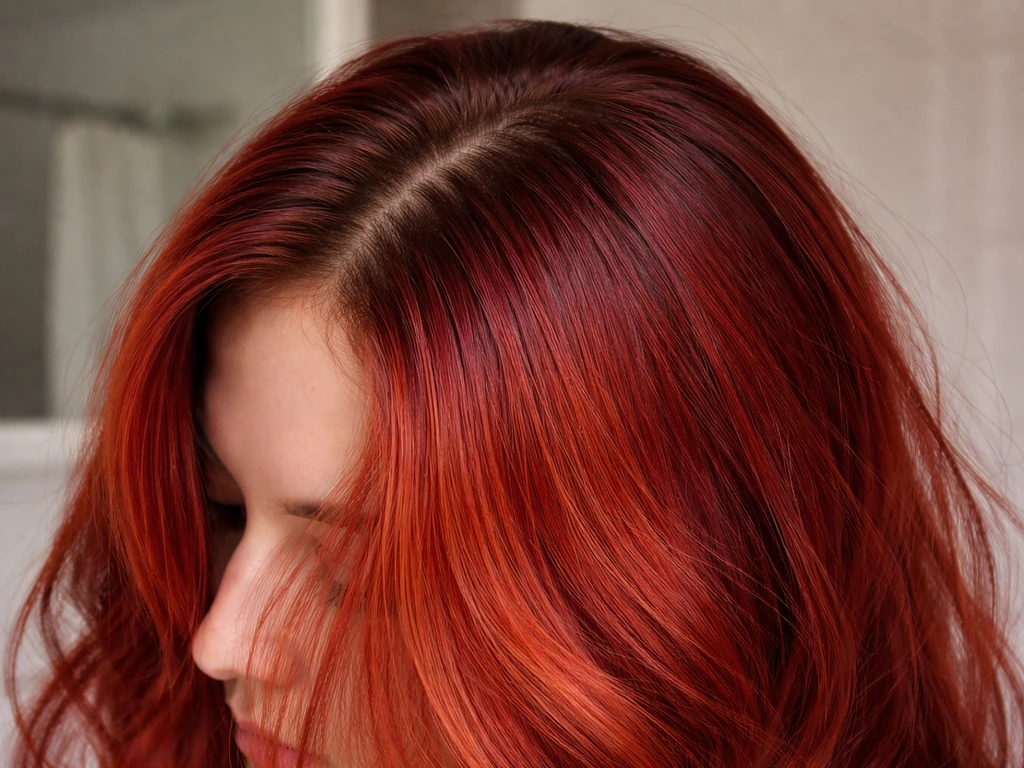
What Growing Out Red Dyed Hair Actually Looks Like
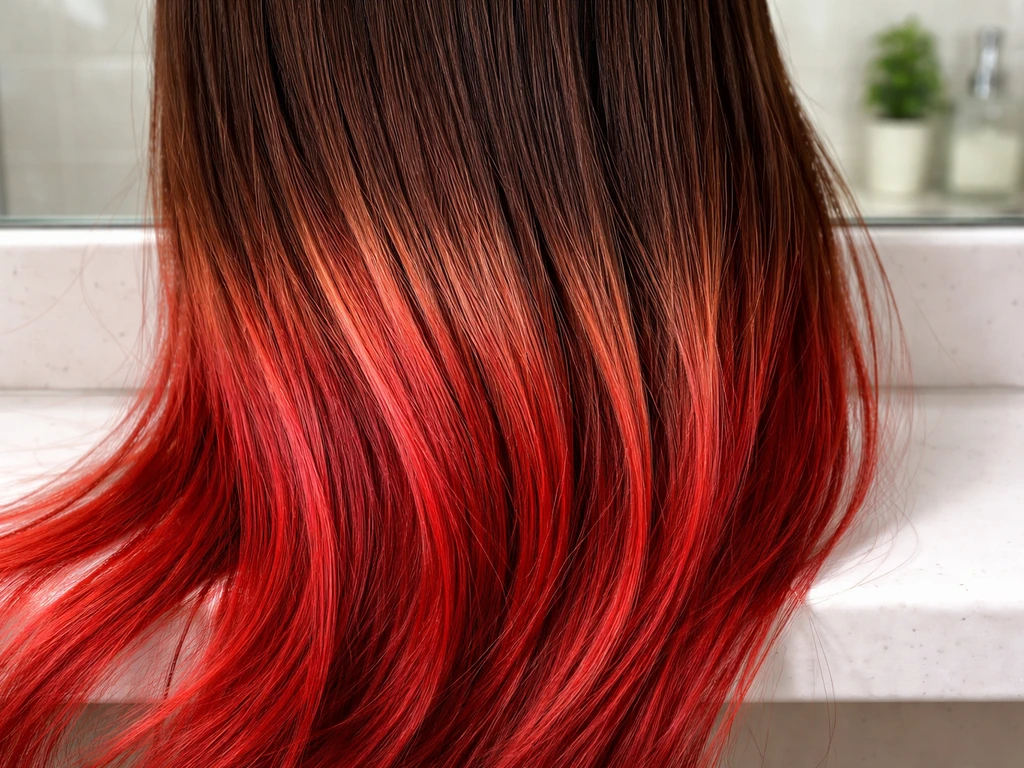
Hair grows about half an inch per month on average, though some people clock closer to three-quarters of an inch. On average, [scalp hair grows about 0. 5 to 1. 7 cm per month](https://www.
medicalnewstoday. com/articles/326764), though genetics, age, health, and other factors can change the rate. That means if you're starting from a short cut, you're looking at roughly six months to reach a chin-length bob, and 12 to 18 months or more to hit shoulder length. The first thing you'll notice is your natural root line emerging around weeks four to eight if you used permanent dye.
Semi-permanent red tends to fade faster, often within four to twelve washes, which actually makes the transition easier in some ways since the color softens gradually rather than creating a hard line.
Here's what makes red specifically tricky: red pigment molecules are smaller than other color molecules and they break down faster, especially with heat and sun exposure. This means the mid-lengths and ends often fade to a copper, orange, or strawberry tone before the color disappears entirely. So instead of one consistent red, you end up with layers of fading red, which can create visible banding. That's the main visual challenge you're managing throughout this process.
Your natural hair color also plays a big role. If your natural base is dark brown or black, the contrast between roots and faded red ends will be more pronounced. If you're naturally lighter, the fade often looks more like a warm highlight and blends more gracefully. Knowing this going in helps you set realistic expectations and choose the right blending strategies.
Building Your Grow-Out Plan: Cuts, Trims, and Goals
Before you do anything else, decide what your goal actually is. Are you trying to get back to your natural color while keeping length? Are you fine with cutting off the red ends sooner and starting fresh at a shorter length? Or are you committed to growing as long as possible and blending the red out gradually? These are different paths and they require different trim schedules.
If you want to preserve length, plan trims every eight to twelve weeks instead of every six. A standard trim removes about a quarter to half an inch, which at half-inch-per-month growth means a six-week trim schedule could keep your hair at nearly the same length indefinitely. Stretching trims to eight to twelve weeks means you're netting real length between appointments. Tell your stylist explicitly: "I'm growing out color and trying to retain length, just clean up the ends without taking length." Most stylists will respect that.
If you're starting short, like a pixie or a bob, and you're done with red entirely, you have the option to cut to a point where the red ends are mostly gone within a few trims. This is faster emotionally but means accepting a shorter length for a while. There's no wrong answer, and this is honestly where a lot of people feel stuck. Pick the strategy that matches your lifestyle and your patience level, then commit to it.
Set a milestone goal every three months. Something like: "By month three, I want my roots to be three inches long and my ends to look less brassy." This gives you something to track and makes the timeline feel less abstract. Take a photo every four weeks in the same light so you can actually see the progress, because it's easy to feel like nothing is changing when you see your hair every single day.
Managing Color During the Grow-Out
Roots and the regrowth line
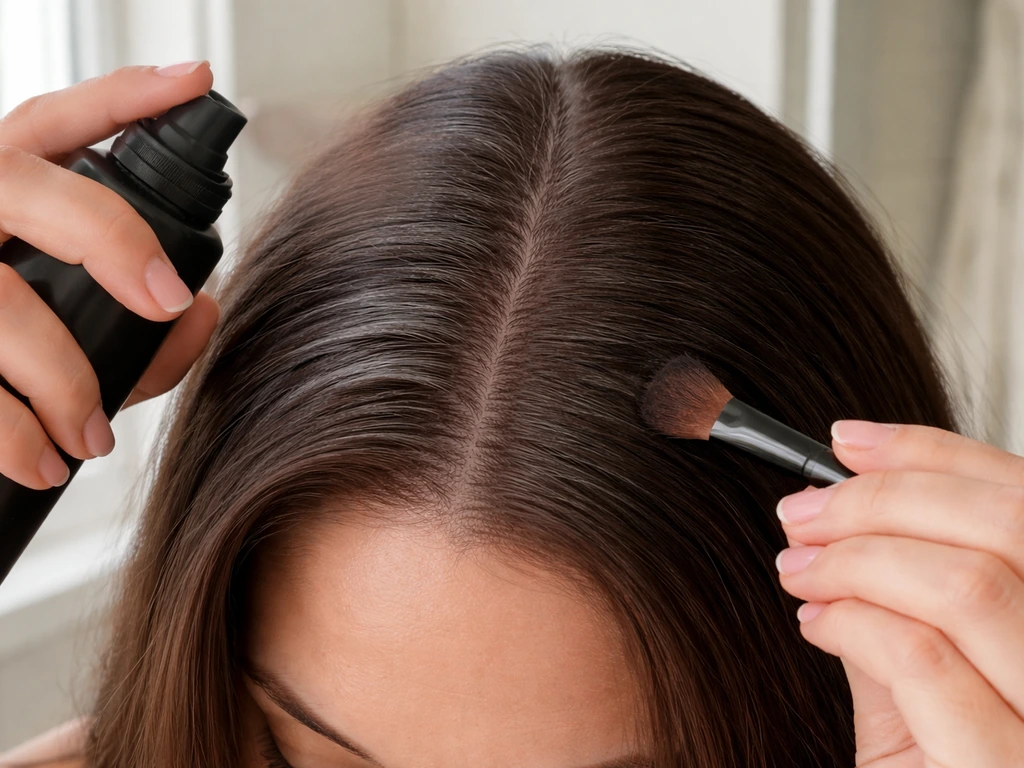
The root line is the thing most people dread, but there are several ways to make it look less harsh. The easiest option is to visit a colorist every two to three months for a technique called root smudging or shadow root. This doesn't mean touching up the red, it means blending a tone close to your natural color down into the existing red so the line softens from a hard edge into a gradient. This is low maintenance because it grows out naturally rather than creating a new hard line.
If you want to avoid the salon entirely, root touch-up powders or sprays in your natural color can disguise the line temporarily between washes. This isn't a long-term color solution, but it's genuinely useful during month one and two when the contrast is most jarring and you just need to get through a few events.
Fading the red faster (if that's your goal)
If you want the red to fade more quickly, clarifying shampoos are your friend here. Note that color-safe clarifying shampoos are formulated to protect color, so they won't help you fade it. Healthline also advises avoiding clarifying shampoos labeled “color-safe” when trying to fade color, since they can still strip or accelerate fading [color-safe clarifying shampoos are formulated to protect color](https://www. healthline.
com/health/stripping-hair). Use a regular clarifying shampoo, not a color-safe version, once a week to accelerate fading. Sun exposure also breaks down red pigment, so if you spend time outdoors, the color on your ends will continue to fade on its own. Vitamin C treatments are another option, where you mix crushed vitamin C tablets with a clarifying shampoo and leave it on for 30 to 60 minutes.
This can lift some surface pigment without being as harsh as bleach.
Glossing and toning to manage the in-between
As the red fades into copper or orange tones, a gloss treatment can neutralize brassiness and give the hair a more uniform, intentional look. A demi-permanent gloss in a warm brown or a neutral tone can soften the patchiness without adding more permanent color, and it fades out gradually over six to eight weeks. This is one of the most useful tools during the mid-stage of a grow-out, especially if you're dealing with multiple tones between your roots and ends.
Styling Strategies for Every Awkward Stage
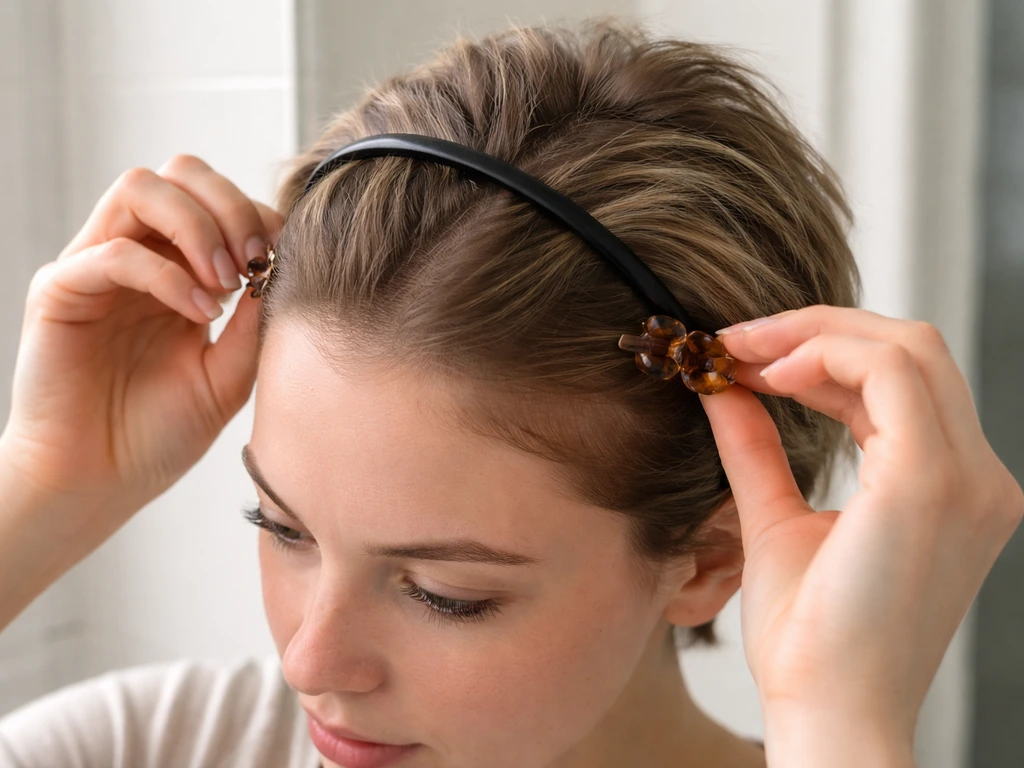
Short lengths (0 to 3 inches of natural growth)
This is the stage where the root line is most visible and there's not much length to work with for styling. At this stage, leaning into texture is your best friend. Use a light pomade or styling paste to create a slightly tousled, intentional look that draws attention to the texture rather than the color line. If you have bangs, this is a good time to either push them to the side or let them grow into curtain bangs, which tend to blend two-tone color better than blunt cut bangs.
Mid-length transition (3 to 6 inches)
At this stage you have enough length to start using accessories strategically. Headbands, clips, and half-up styles can pull attention away from the color transition. If your hair is long enough for a ponytail, a high pony with a scrunchie at the base naturally hides the most visible part of the root-to-ends color shift. Braids are also incredibly useful here. Even a simple two-strand twist or loose side braid blends the tones visually because the colors interweave rather than sitting in separate bands.
Longer lengths (6 inches and beyond)
Once you hit six or more inches of natural growth, you have real styling flexibility and the grow-out becomes much less obvious in everyday life. Waves and loose curls are especially flattering during this phase because they break up the color line. If your hair is naturally straight, using a large-barrel curling iron or a diffuser on slightly damp hair can add that movement without heavy heat. At this length, most people find the grow-out feels much more manageable and they start to feel confident about where the hair is headed.
Common Problems and How to Handle Them
| Problem | Why It Happens | What to Do |
|---|---|---|
| Banding (multiple color rings) | Red fades unevenly, especially with heat and sun | Use a demi-permanent gloss or toner to blend; ask a colorist about balayage to soften the lines |
| Dryness and damage | Red dye processes are often harsh; fading and repeated washing strip moisture | Use a weekly deep conditioning mask; avoid sulfate shampoos except for targeted clarifying sessions |
| Uneven red (patchy fading) | Porosity differences in the hair shaft absorb and release color at different rates | A gloss treatment evens tone; try a purple or brown toner to neutralize orange patches |
| Color bleed or transfer | Freshly dyed or recently faded red can transfer to pillowcases or clothing, especially when wet | Sleep with a silk or satin pillowcase; avoid sweating or swimming with freshly washed dyed hair |
| Scalp sensitivity or irritation | Hair dye ingredients can cause delayed reactions, especially with repeated use | Do a patch test before any new color product; if irritation persists, see a dermatologist |
Dryness is probably the most universal complaint during a red grow-out. Red hair dye is notoriously drying, especially if you've done multiple color sessions to maintain vibrancy. The fix is consistent moisture, not just occasional deep conditioning. A weekly protein-moisture balance mask, leave-in conditioner on every wash day, and a light hair oil on the ends will make a significant difference in how the hair looks and feels throughout the transition. Skip the daily shampoo if you can, aiming for two to three washes per week to prevent further moisture stripping.
On scalp sensitivity: if your scalp feels irritated, itchy, or develops any rash during a grow-out where you're still using color products, take it seriously. The FDA and dermatologists both recommend patch testing any new hair dye or color product on a small area of skin for 24 to 48 hours before full application. If you've had a reaction before, talk to a dermatologist before using more color products. This is especially relevant if you're doing root smudging or touch-ups at home.
Protecting Your Hair While You Wait

The grow-out phase is essentially a recovery and protection period for your hair. The goal is to add as little additional stress as possible while the natural hair comes in healthy and the dyed portion either fades or grows down far enough to trim off. A few habits make a real difference over months.
- Sleep on a silk or satin pillowcase to reduce friction and prevent color transfer and breakage overnight
- Use a loose braid or a scrunchie (not a tight elastic) to tie hair up before bed if it's long enough
- Limit heat styling to two to three times per week maximum, and always use a heat protectant spray before any hot tool
- Lower your heat tool temperature to 300 to 350 degrees Fahrenheit for everyday styling; save higher heat for special occasions only
- Rinse hair with cool or cold water at the end of every wash to close the cuticle and reduce frizz and color bleeding
- Use a microfiber towel or an old t-shirt to blot hair dry instead of rubbing with a regular towel
- Apply a UV-protecting hair product or wear a hat in direct sun if you're trying to slow down fading (or skip it if you want to speed fading up)
These aren't glamorous tips, but the compounding effect of consistent protective habits over six to twelve months is enormous. Hair that's well-cared-for during a grow-out arrives at its goal length in much better condition, which means fewer setbacks, less breakage, and less temptation to start over with another cut or color session.
When It's Time to See a Colorist
Some grow-out situations are genuinely better handled by a professional, and knowing when to ask for help saves you time and prevents damage from DIY attempts that go sideways. Here's when it's worth booking a colorist consultation.
- Your hair has severe banding with three or more distinct color rings that home toning can't blend
- You want to go significantly lighter or closer to your natural color faster than the grow-out pace allows
- The faded red has turned an orange or yellow tone that doesn't respond to at-home toning
- Your hair is visibly damaged, porous, or breaking at the lengths where the red color sits
- You're transitioning from red to a completely different color (blonde, brunette, or a cool tone) and need a corrective process
When you go to a colorist during a grow-out, be specific about your goal. Say: "I'm growing this out and I don't want to add more permanent color, but I need the transition to look less harsh." A good colorist will suggest a root smudge, a gloss, a targeted toner, or in more complex cases a balayage to break up the lines. These services can reset the visual entirely and make the remaining grow-out feel much more manageable.
If you're also dealing with a color-to-natural transition similar to growing out permanent hair dye more broadly, a lot of the same principles apply, and the approach overlaps significantly with how people manage other color grow-outs. Red is just an amplified version of those same challenges because of how vividly it fades and how strongly it contrasts with most natural tones.
The bottom line is that growing out red dyed hair is a commitment measured in months, not weeks, but it's one of the more manageable color transitions when you have a plan. If you are also dealing with transitioning hair styles and you want a smoother regrowth look, follow these same grow-out steps as a guide for how to grow transitioning hair.
Growing out chemo hair can feel similar, but your timeline and scalp needs may be a bit different than typical dyed-hair regrowth growing out red dyed hair. Set your goal, protect your hair, blend the color line strategically, and style each phase with what actually works at that length.
If you want to grow out transitioning hair faster, focus on reducing breakage, keeping the color line soft, and trimming only what is necessary so you can retain maximum length between appointments how to grow out transitioning hair fast. The awkward phases are real but temporary, and every month of healthy growth is real progress, even when it doesn't feel like it yet.
To learn how to grow out scene hair specifically, follow a similar plan for protecting your strands, managing the regrowth line, and trimming in phases.
FAQ
My red is turning copper and patchy. Should I re-dye or just wait it out?
If your red was applied with semi-permanent dye, your grow-out line will usually soften faster, but the ends can turn copper or orange before they blend. For the cleanest look, prioritize consistent conditioning and plan a gloss or toner around the time the red shifts (when you see the strongest brassy orange), because that is when patchiness is most fixable without re-dyeing.
At what points during the grow-out will the color line look worst, and what can I do right then?
Expect the “root line” to be most noticeable at certain lengths, especially when you can still see a straight line from the scalp to the ends. If you want it to look more intentional between trims, use strategic placement (high pony, half-up, or a side braid) rather than trying to blend everywhere, then let the next root-smudge appointment happen on schedule.
Can I use clarifying shampoo to fade red faster without wrecking my hair?
Yes, but only if you do it in a targeted way. A clarifying shampoo can speed fading, but it also increases dryness, so use it once a week at most and pair it with a deep conditioner the same day. If your hair feels rough or elastic, stop the clarifying routine and switch to moisture-forward products for a couple of weeks.
Is a vitamin C treatment safe for red dyed hair, and will it actually fade evenly?
Vitamin C can lift surface pigment, but it is not predictable on every formula and it can make the ends feel drier or stringier. Do a strand test first (on a hidden section), time it for 30 minutes rather than extending, and stop if you see significant dryness or breakage.
When is the best time to get a gloss/toner during a red grow-out?
A gloss or toner will not permanently remove dyed pigment, but it can neutralize the most distracting tones (like orange-brass) so the grow-out looks smoother. Ask your stylist for a demi-permanent gloss close to your natural base, and schedule it mid-stage, when your roots are clearly growing in but the ends are not yet completely faded.
Should I get root smudging immediately, or wait until the red grows out more?
If you used permanent dye and you are trying to avoid a visible hard line, the earlier you blend the tone, the less dramatic the contrast feels later. Root smudging is usually most helpful between months one and four, because that is when the gradient can be built while you still have enough dyed length to work with.
What if my natural hair is much darker than the red ends, can I make it look natural?
If your hair is dyed red but your natural roots are very dark, you may never get a “natural-looking” full match without some blending services. One practical approach is to accept a soft gradient by using root smudging and occasional toning on the ends, then let the ends fade naturally until you are ready for a longer-term decision at your goal length.
How do I ask for trims when I want to keep as much length as possible?
It is usually better to “clean up” than to “catch up.” Tell your stylist you want end maintenance only (snipping split ends, removing the most damaged sections) rather than cutting a full inch to reach a new shape. This preserves length while preventing breakage that otherwise creates even more unevenness.
Why does my red fade unevenly in strips or patches, and can I prevent it?
Patchy fading can come from uneven dye saturation, uneven heat exposure, or heavy product buildup in some areas. Try clarifying only the scalp area if your ends are extremely dry, and rotate your heat protection routine so the same sections are not always exposed to the most heat.
What changes should I make to my wash routine to reduce dryness during a red grow-out?
If you are skipping daily washing, you can still control oil and buildup, but be careful with product type. Avoid frequent leave-ins with heavy oils on already-dry ends, and focus on applying conditioner from mid-length down, then use a light oil only on the last 1 to 2 inches.
What scalp symptoms mean I should stop and get professional help during a red grow-out?
Color products can irritate sensitive scalps even if you never had issues before, especially during times you are touching up with powders, sprays, or DIY treatments. If you get persistent itching, swelling, burning, or a rash that does not improve within a day or two, stop using the products and get medical advice, and do not proceed with additional color attempts.
What haircuts hide the red-to-root transition best if I have to cut earlier than planned?
If you need to cut sooner (work, events, or maintenance), choose a cut that disguises the transition, like layers or face-framing pieces that start higher. Straight-across blunt cuts can highlight banding, so when trimming early, ask for shape that blends the color line rather than creating a sharp edge.