
Growing out scene hair takes roughly 12 to 24 months from a typical short-and-layered cut to a longer, more manageable length, depending on where you're starting. The awkward phases are real, but they're survivable with a smart trim plan, a few go-to styling tricks, and a solid routine for maintaining any color or bleach along the way. You don't need to cut it back. You just need a game plan.
How to Grow Out Scene Hair: Stage-by-Stage Guide

Marcus Vickers
8 Jun 2026
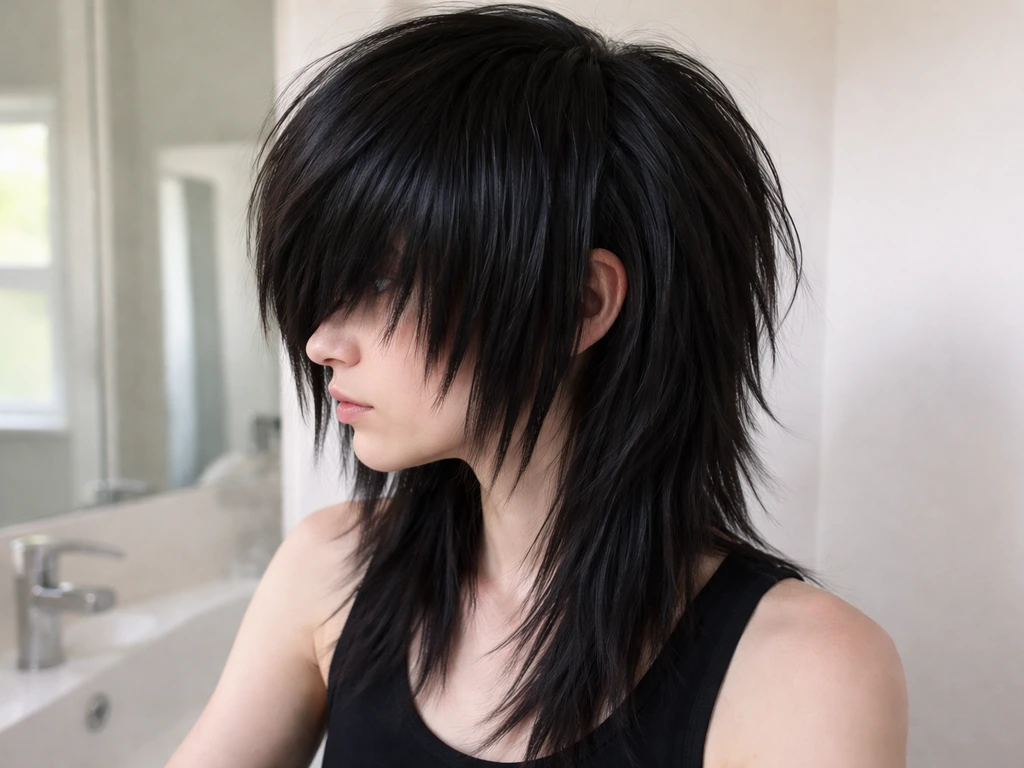
What you're actually working with: the scene hair structure
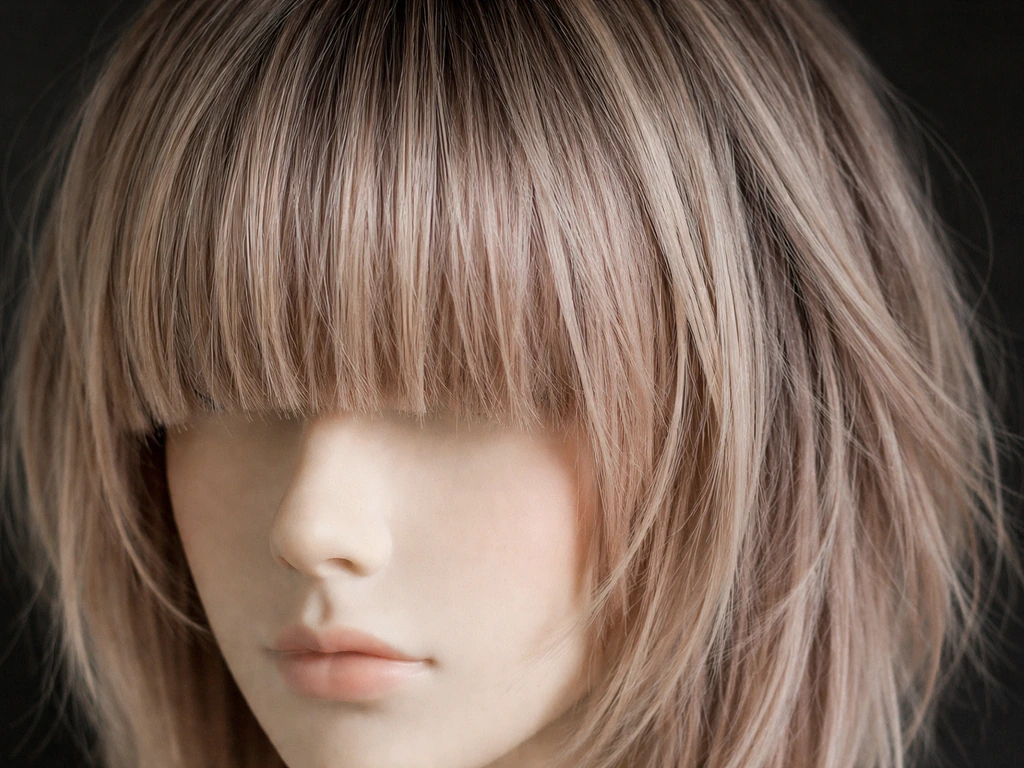
Before anything else, it helps to understand exactly what makes scene hair structurally different from other grow-outs. Scene cuts typically involve a combination of heavy, blunt fringe (often cut to the brow or just below), aggressively layered or choppy top sections, significant length graduation from short sides and back to longer top layers, and frequently a shaved or clipper-cut undercut underneath. Many people also have color-treated, bleached, or chemically processed hair on top of all that structure.
What this means practically is that you're not just growing out one thing. You're managing at least three or four different length zones that are all growing at the same rate but starting from completely different baselines. The fringe is short and heavy. The top layers are choppy and possibly uneven. The sides and back may be significantly shorter than the top. And any undercut creates a hard line that becomes increasingly visible as everything else grows. Knowing this upfront is half the battle, because you can plan for each zone separately rather than being surprised when the fringe hits your nose and still doesn't look intentional.
Your grow-out timeline: what to expect month by month
Hair grows at roughly half an inch per month on average, though individual rates range from about 0. General references commonly characterize scalp hair’s growth phase as occurring at about 1 cm/month on average, with variability, which is a useful rough conversion for “inches per month” timelines about ~1 cm/month on average. 2 to 0.7 inches per month. That's a huge window. Use half an inch as your working estimate and adjust based on what you actually see over the first couple of months. Here's how the stages typically play out:
| Stage | Approximate timeframe | What's happening | Main challenge |
|---|---|---|---|
| Just starting | Months 1–2 | All zones growing at baseline; little visible change yet | Fringe starting to hit eye level; undercut line still sharp |
| Early awkward | Months 3–4 | Fringe reaching nose to upper lip; top layers getting heavy | Fringe too long to style as-is, too short to pin back easily |
| Mid awkward | Months 5–7 | Fringe approaching chin; layers bulking out; sides still short | Overall silhouette looks unintentional; bulk around the ears |
| Late awkward | Months 8–10 | Fringe can tuck behind ears; layers starting to connect; undercut softening | Weight and width without length; can feel like a mushroom shape |
| Transition zone | Months 11–14 | Length approaching shoulders; layers blending; undercut less visible | Keeping ends healthy; managing uneven texture across zones |
| Longer and manageable | Months 15–24+ | Most length zones connected; style options widen significantly | Maintaining color vibrancy and moisture through full length |
The fringe specifically is worth calling out because it often feels the worst. A full scene fringe can take 6 to 12 months to fully grow past the face. The good news is that around the 8 to 10 week mark, a stylist can begin blending it into the rest of the cut so it stops looking like a rogue chunk attached to your forehead. That first blend appointment is genuinely a turning point.
Your salon and trim plan: how to grow without losing momentum
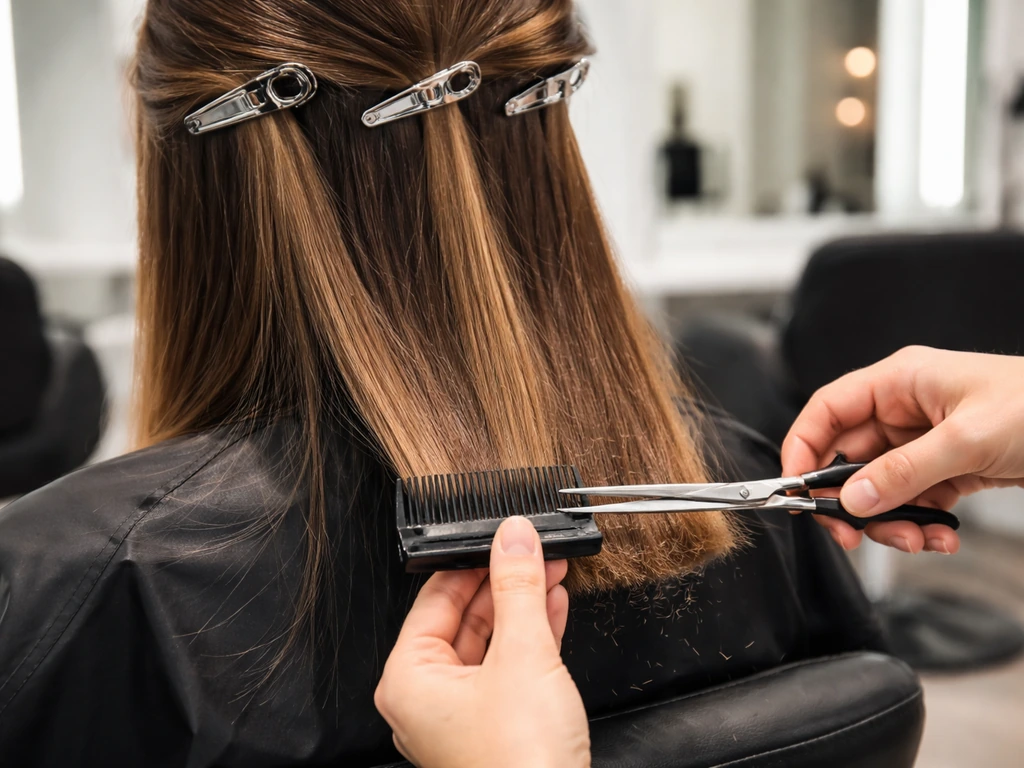
The single biggest mistake people make growing out scene hair is either avoiding the salon entirely (which leads to fraying, splitting ends, and uncontrolled bulk) or going in too often and losing length. If you're wondering how to grow out chemo hair specifically, it's especially important to work with your care team and use gentle styling as your texture changes. The sweet spot is a trim or shape appointment every 4 to 6 weeks during the first year, with the explicit instruction that you're growing out and want to preserve length while managing shape.
What to tell your stylist
Be specific. Don't just say you're growing it out. Tell them you want the fringe blended gradually into the sides, not blunt-trimmed. Ask them to remove weight from the underside of layers rather than shortening the top. If you have an undercut, ask them to soften the perimeter with a guard one or two sizes longer than what was originally used, so the line starts to blur rather than staying hard. These are all things a competent stylist can do without costing you any actual length on the top or front.
How to handle the fringe as it grows
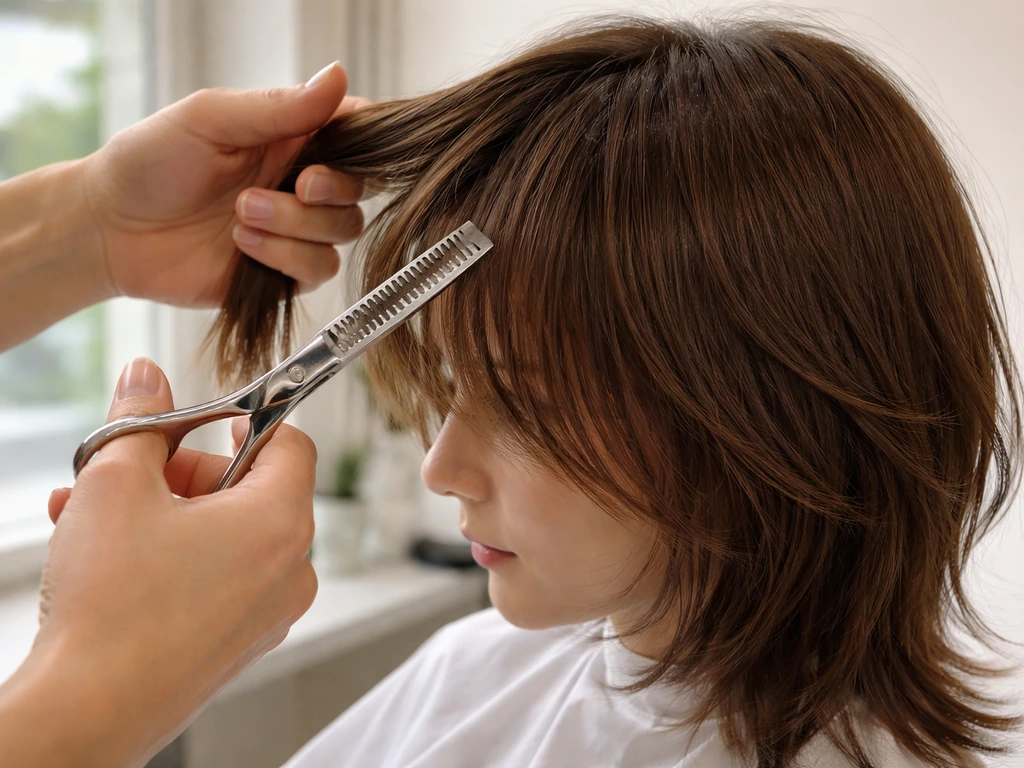
Don't let anyone touch the length of your fringe until it reaches at least your cheekbone. Before that point, trimming it just restarts the clock. Once it hits cheekbone length, you can start asking for a blend that turns the fringe into face-framing layers or curtain-style pieces. If it's growing in unevenly, a very slight dusting to remove split ends is fine, but the goal is always to move it longer, not cleaner. Parting your fringe differently as it grows (a side part, a middle part, or even just pushing it to one side) can also help it sit better and look more intentional while you wait.
Managing the layers and top sections
Scene cuts often have layers cut at very different lengths, which means some pieces will grow past an awkward length faster than others. Ask your stylist to use thinning shears on the ends of longer top layers to remove bulk without cutting length. Point-cutting the ends (cutting into them at an angle rather than straight across) also helps choppy pieces start to move more like normal layers instead of standing straight out from your head.
Styling through the awkward phases
Every phase of a scene hair grow-out has at least one styling approach that makes it look intentional instead of abandoned. The key is matching your tool and product choices to the length you actually have, not the length you want.
Months 1–4: short and layered
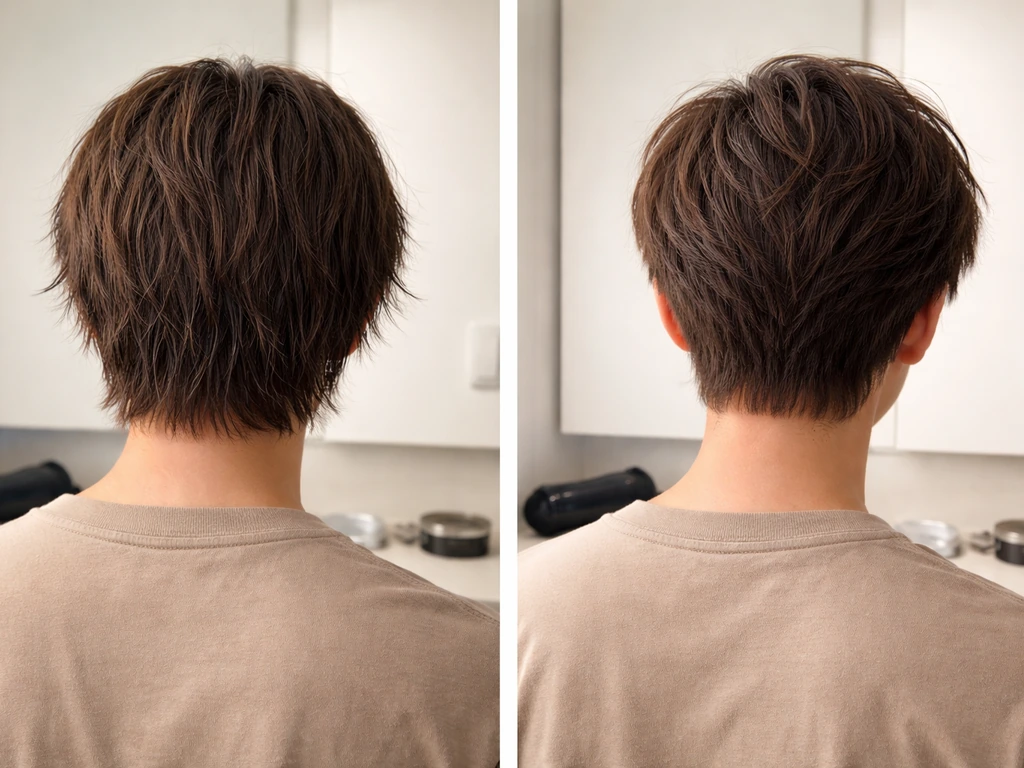
At this stage, texture is your best friend. A small amount of pomade or wax worked through towel-dried hair and then blow-dried in the direction you want gives you maximum control over where pieces fall. If the fringe is starting to annoy you, a thin headband or clips can push it back while it's going through the nose-to-lip phase. Bobby pins placed horizontally and hidden under a small section of hair can keep fringe out of your eyes without looking like you're wearing it pinned.
Months 5–8: the bulk and width phase
This is the phase most people want to give up and cut it short again. Don't. The width you're seeing is because your layers are gaining volume but not yet gaining length. A diffuser or a round brush blow-dry can redirect volume upward rather than outward. Dry shampoo at the roots on days two and three gives grip without adding weight. If the overall shape feels too wide, a light hold serum or smoothing cream applied from mid-lengths down can bring the silhouette in while the layers continue growing.
Months 9–14: the transition zone
Hair at this stage is long enough to start doing real things with it. Half-up styles work well because they get the top layers off your face while showing off how much length you've accumulated underneath. Braiding the fringe section back is a practical styling move that also trains the hair to lay flatter over time. A 1-inch curling wand or flat iron used to add loose waves can visually blend uneven lengths better than almost anything else, because waves forgive a lot of variation in strand length.
Months 15 and beyond
By this point you have real options. You can let layers grow into a single long length, or you can ask your stylist to reshape them into a more uniform long layered cut. The undercut, if you have one, is now far enough below the surface that it rarely shows unless you have very fine hair. This is also the stage where your styling routine naturally simplifies, because longer hair behaves more predictably.
Caring for colored and bleached scene hair during regrowth
Scene hair is almost always color-treated, and that adds a real layer of complexity to the grow-out. Because red dyed hair fades in patches as it grows out, you may need extra color-safe care and targeted touch-ups to keep the shade looking even. You're not just managing length, you're managing a line of demarcation between your natural root and whatever color is on the lengths, often with bleach underneath the whole thing.
Your basic color-care routine
- Wash 2 to 3 times a week maximum. Bleached and color-treated hair loses pigment and moisture faster with frequent washing.
- Use a color-safe shampoo ideally in the pH 4.5 to 5.5 range to preserve the hair cuticle and slow fading.
- Condition after every single wash. On color-treated hair this is not optional.
- Use a deep conditioning or hydrating mask 1 to 2 times per week, particularly on the lengths and ends where bleach damage is most concentrated.
- Apply a bond-repair treatment (like a bond-building serum or in-shower treatment) before your mask on alternating washes rather than every time, to avoid protein overload.
- Rinse with cool water rather than hot to keep the cuticle sealed and color locked in.
- Use a UV and heat protectant spray before any heat styling or sun exposure.
Managing the root line
The most visible regrowth challenge in a scene hair grow-out is usually the root demarcation line, especially if you've had a bright or significantly lighter color on the lengths. A root shadow or root smudge service (where a colorist blurs the line between natural root and colored length) buys you several weeks of seamless-looking growth without requiring a full color appointment.
If your lengths are blonde or bleached and going brassy, a purple or blue toning shampoo used once a week can neutralize warmth between salon visits. Wella Professionals also recommends building a routine with hair-care products labeled safe for color-treated hair as part of proper color care purple or blue toning shampoo used once a week can neutralize warmth between salon visits.
Don't rely on it as a substitute for a proper toner, but it genuinely extends the life of a cool tone by weeks.
One honest note: if you're growing out multiple colors at once, or transitioning from a vivid color back toward your natural shade, the timeline for color to look cohesive is longer than the timeline for length. Managing color-treated hair during a grow-out shares some overlap with challenges you'd face growing out permanently dyed hair or transitioning natural regrowth, since you're essentially handling two or more different hair situations on the same head at the same time. If you’re dealing with transitioning hair, focus on protecting your color and blending the regrowth at the root line as it grows out how to grow transitioning hair. If you’re also trying to grow out permanently dyed hair, you’ll want to focus on protecting your color and managing the visible root line as it regrows.
Troubleshooting the most common sticking points
Cowlicks making the fringe stand up or flip out
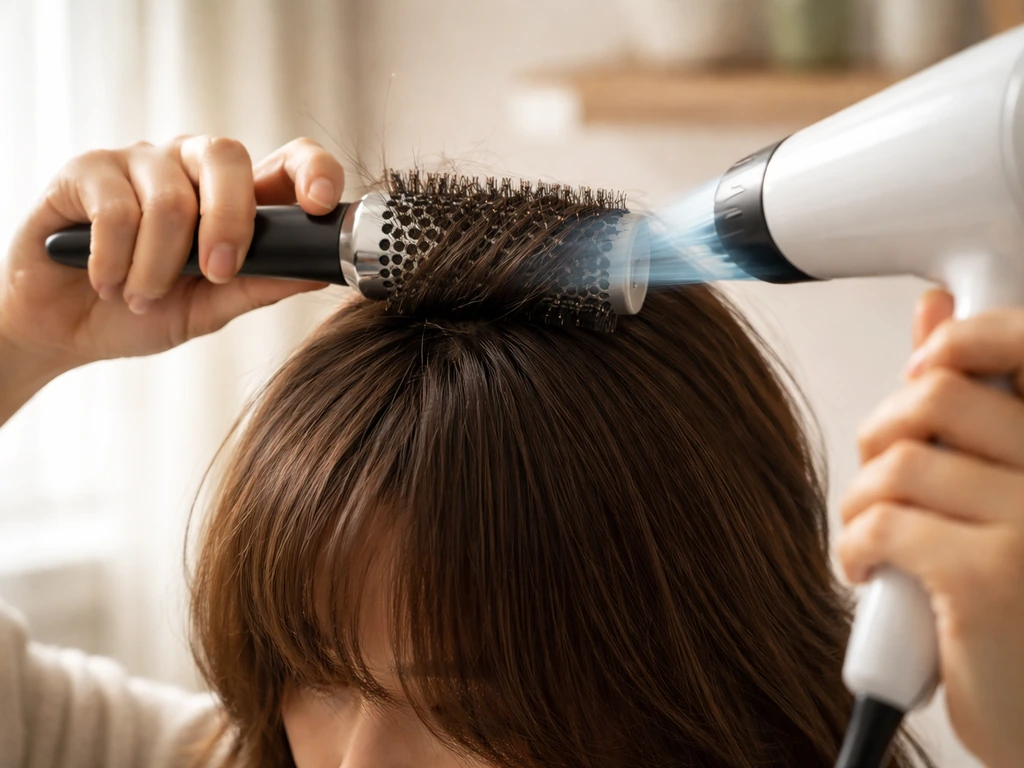
Cowlicks are a grow-out nightmare, especially in the fringe and the crown. The most effective fix at home is blow-drying in the opposite direction of the cowlick using a round brush or a flat paddle brush, starting from the root and working with your thumb pressing the section flat. Then direct the airflow in the direction you want the hair to fall.
Finish with a strong-hold gel or wax while the section is still warm and hold it in place until it cools. This physically re-trains the direction the strand lays, and it works better the more consistently you do it. At the salon, ask specifically for a cowlick consultation. A stylist can adjust where the parting falls to work with the cowlick rather than against it.
Too much bulk in the middle
Scene cuts often leave a lot of density at the crown and top. As those layers grow without being thinned, you can end up with a triangle or mushroom silhouette that's wider at the top than the bottom. The fix is thinning shears used strategically on the under-layers at your next trim appointment, plus a smoothing serum on damp hair before blow-drying. Don't try to fight the volume with heavy products at the root; they'll weigh the roots down while the ends still puff out.
Uneven length between the top and sides
This is just the nature of growing out a graduated or layered cut. The top has been cut longer than the sides, so it will reach your target length first. The sides will look shorter longer. The only fix is time plus strategic blending at each trim. Ask your stylist to take a small amount off the longer top sections at each appointment to let the sides catch up, or ask them to use a connecting layer that creates a visual gradient between the two lengths so the difference is less jarring.
A visible undercut line
An undercut that was shaved or clipped very short creates a hard line that becomes a visible ledge as the longer hair above it grows. You have two options: grow it out gradually by increasing the guard size at each salon visit to soften the perimeter over time, or embrace the texture contrast and use styling products to blend the two sections. Pomade finger-combed from the undercut section upward toward the longer top can help the two sections visually connect on days when the line is bothering you. Skipping trims on the undercut section entirely makes this worse, not better, because it creates a patchy unfinished look.
Deciding your end goal and when to book updates
One of the best things you can do right now, even in the earliest stages of growing out, is decide roughly what you're aiming for. You don't need to lock in an exact style, but having a direction changes how you communicate with your stylist and keeps you from making impulsive decisions during a bad hair week. Some useful questions to consider:
- Are you growing toward a single long length, or do you still want layers?
- Do you want to keep some version of a fringe, or are you going to grow it out completely into face-framing pieces or curtain bangs?
- Are you planning to change your color as part of the transition, or maintain what you have as it grows?
- Do you want to keep the undercut (just longer) or grow it out entirely?
- What's your realistic daily styling tolerance? High-maintenance styles require honest commitment.
Book a trim or shape appointment every 4 to 6 weeks for the first year. After that, once your length zones are more connected and the undercut has softened, you can stretch appointments to every 8 to 10 weeks. Each appointment should have a clear directive: maintain length, blend the fringe, soften the undercut perimeter, or remove bulk. If you go in with no direction, you'll often come out with less length than you intended.
If you're also navigating a color transition at the same time, those appointments may need to happen more frequently or on a separate schedule from your cut appointments. That's worth talking through with your colorist early so you're not doing both at the same visit and ending up overwhelmed by cost or time.
The grow-out is genuinely the hard part, but most people who stick with it past month six are glad they didn't cut it short again. The hair you have at month eight looks nothing like the hair you had at month two, and the hair you'll have at month fourteen is going to open up styling options you can't fully see yet. Keep the routine consistent, keep the trim appointments strategic, and give yourself permission to have a few bad hair weeks along the way. They're temporary. The length isn't. Following these steps helps you grow transitioning scene hair out quickly while keeping the awkward phases looking intentional.
FAQ
What should I do when my scene fringe grows unevenly and looks like separate layers?
If your fringe starts looking like it has two different “personalities,” split it into sections when styling. Use clips or a headband to keep the shorter, choppier pieces from falling forward, then blow-dry the longer pieces first. Once the longer pieces are in place, switch to pomade or wax only on the tips of the shorter pieces so they blend without bulk.
Can I trim at home while growing out scene hair, or will it ruin the timeline?
Yes, but only if you’re targeting damage, not shape. The safe move is a tiny dusting at the ends of the longest top layers when you already have split ends, and you should ask for “removing only fray” rather than “trimming for style.” If you cut into the fringe line earlier than cheekbone length, you can restart the awkward phase.
How do I make the style hold longer without damaging my bleached hair?
Don’t let bangs and layers rely on product alone. Even if you use wax or pomade, brush the fringe into the direction you want and blow-dry with a concentrator at low to medium heat for 30 to 60 seconds per section. Heat helps the hair set, and on chemically processed or bleached hair you should prioritize towel-drying and a heat protectant before any styling heat.
If I have an undercut, do I need separate trimming for it during the grow-out?
A lot of “undercut problems” come from skipping the undercut shape, even if you are not trying to shorten it. Schedule a consult and ask for softening the perimeter, not removing bulk, at the same time as your main blend appointment. If you skip both, the ledge can lock in and become harder to blur later.
My color looks uneven and my hair feels drier, how can I adjust my routine during the grow-out?
If your hair feels rougher or lighter after washing, it can be dryness plus color fading, not just “normal grow-out.” Look at your routine: reduce hot water, use a conditioner every wash, and consider a leave-in conditioner for the lengths. For brassy blonde or bleached parts, use toning shampoo on the lengths only and stop once you reach your desired tone, since over-toning can make hair look dull or uneven.
Why does it look like my scene hair is not growing even though I’m waiting months?
If your hair growth feels slow in practice, check for mechanical breakage first. Scene cuts often have heavy ends, and chemical processing raises breakage risk. Gentle detangling, limiting high-tension styles, and protective sleeping (a satin pillowcase or bonnet) can make your growth look faster because you’re keeping more of the length you already gained.
My layers are creating a mushroom or triangle silhouette, what’s the practical fix?
If your hair turns into a triangle or “helmet” shape, you usually need repositioning and targeted thinning, not heavier product at the roots. Use a smoothing serum from mid-lengths down, and at styling time, dry roots with lift while keeping the ends controlled. At your next appointment, ask where thinning should go based on the under-layers, since thinning the top can remove your blending support.
How do I handle the root demarcation line without constant full color appointments?
Your best option is a root shadow or smudge service when the line is clearly visible, then maintain between visits with color-safe products. If the hair is extremely contrasting, plan for a second tonal adjustment rather than expecting one appointment to fully unify regrowth. The timing should be based on how fast your roots are showing, not a generic schedule.
What should I tell my stylist at each visit so the grow-out actually progresses?
Pick the next appointment goal based on which zone is most annoying that week. If the fringe is the problem, prioritize blending it into face-framing layers. If sides feel bulky, ask for weight removal or connecting layers. If the undercut line is sharp, request perimeter softening. This prevents paying for a “general shape” that doesn’t move the specific issue forward.
What are the best hairstyles for surviving the nose-to-lip awkward stage?
Choose styles that reduce face-framing stress during the nose-to-lip stage. Try clipped back fringe, a half-up hold that keeps the top layers off your face, or a braid trained to lay flatter. Use pins or clips with a light-hold product so you are guiding lay, not forcing it when the hair is still too short to behave naturally.
What if my cowlick still refuses to cooperate after blow-drying the opposite way?
If you cowlick despite correct direction, the issue is often sectioning and timing. Use smaller sections so every strand gets airflow, hold the section in the trained position until it cools, then lock it with a flexible gel or wax. At the salon, ask for a cowlick consultation so your parting can be set around the direction your hair wants to go.