
You can absolutely grow your hair out from a pixie, buzz cut, bob, or undercut and look professional the entire time. With the right trims, styling, and patience, you can grow out your hair and still look good at every awkward stage grow your hair out from a pixie, buzz cut, bob, or undercut. If you want the same professional result, focus on styling and small trims so your hair grows out without looking messy look professional.
How to Grow Your Hair Out and Look Professional

Marcus Vickers
31 May 2026

The key is stopping the cycle of "it looks bad, so I cut it back" by having a plan for each stage before it arrives. Hair grows about half an inch per month on average, which means going from a short cut to chin length takes roughly a year, and shoulder length takes closer to two.
A good way to avoid the awkward stage is to plan your trims, use styling that makes the lengths blend, and keep your routine consistent how to grow out hair without awkward stage. That sounds long, but with the right trims, products, and styling tricks, most people at most stages of growth can look neat and intentional at work.
Realistic timelines for each growth stage
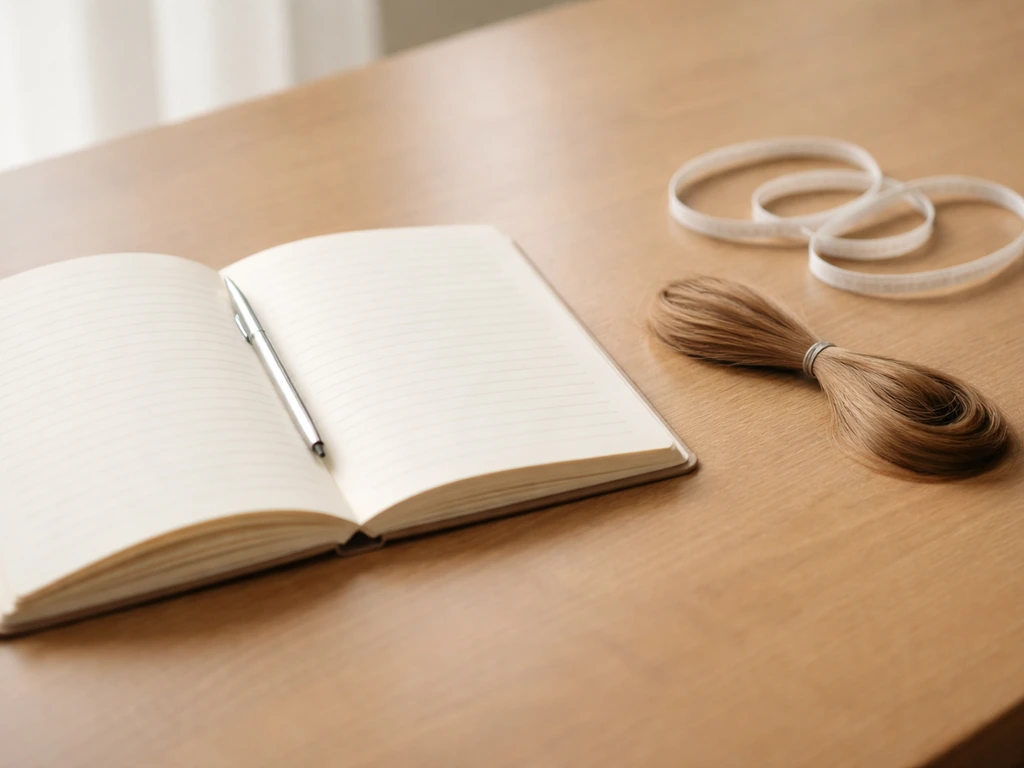
Planning your growth around real numbers makes the whole thing far less frustrating. Hair grows an average of about 0.5 inches (roughly 1.25 cm) per month, or about 6 inches per year. Some people hit closer to 0.3 mm per day (about 1 cm per month), and some grow slower. Genetics, age, health, and even the season affect your rate. The table below gives you honest stage-by-stage estimates, assuming you start from a short cut and do not do any major trims.
| Starting length | Target length | Approximate time | What to expect |
|---|---|---|---|
| Buzz / clipper cut (under 1 in) | Pixie length (2–3 in) | 3–5 months | Uneven patches, cowlicks become visible, top grows faster than sides |
| Pixie (2–3 in) | Ear-length / short bob (4–5 in) | 4–6 months | Sides flare out, back gets shaggy, bangs may reach eyes |
| Short bob (4–5 in) | Chin-length bob (7–8 in) | 5–7 months | Weight from longer hair helps it lie flatter; layers start mismatching |
| Chin-length (7–8 in) | Shoulder length (12–14 in) | 8–12 months | Layers become obvious, ends can look thin or stringy without a trim |
| Shoulder length (12–14 in) | Mid-back (18–20 in) | 10–14 months | Slowest-feeling stage; consistent trims keep it looking intentional |
One thing most people do not account for: the top of your head and the back grow at similar rates, but undercut sections and shaved sides start from almost nothing and have to catch up to the rest. If you have an undercut, add two to four months to most of these estimates for the disconnected sections to blend. The awkward stage is real, but knowing when it ends makes it manageable.
The basics that actually speed things up (and stop breakage)
No supplement or oil makes your scalp grow hair faster than your genetics allow, but a lot of common habits actively slow progress by causing breakage. The hair you break off at the ends is growth you lose. Here is what actually matters.
- Wash with a sulfate-free shampoo two to three times per week max. Over-washing strips oil from the scalp and dries out the strand, making breakage more likely.
- Use a moisturizing conditioner every wash, focusing on the mid-lengths and ends. If your hair is fine, a lightweight leave-in is better than skipping conditioner entirely.
- Detangle from ends to roots with a wide-tooth comb or a soft-bristle brush. Starting from the root rips through tangles and snaps strands.
- Sleep on a satin or silk pillowcase. Cotton creates friction that breaks shorter hairs, especially around the hairline and nape where new growth is delicate.
- Avoid daily heat over 375°F (190°C). If you use a flat iron or curling iron, use a heat protectant spray every time without exception.
- Eat enough protein. Hair is made of keratin, which is a protein. Diets very low in protein noticeably slow growth and increase shedding.
- Massage your scalp for three to five minutes a few times a week. This increases blood circulation to the follicles. It does not need to involve any special oil, though rosemary oil has the most credible evidence for follicle stimulation among topical options.
- Schedule trims every 10 to 12 weeks, not every six. Trimming every six weeks removes roughly the same amount you grew, so length stays flat. Go every 10 to 12 weeks and ask for just a quarter inch to clean up split ends, not a shape cut.
Looking professional when hair is still short and uneven
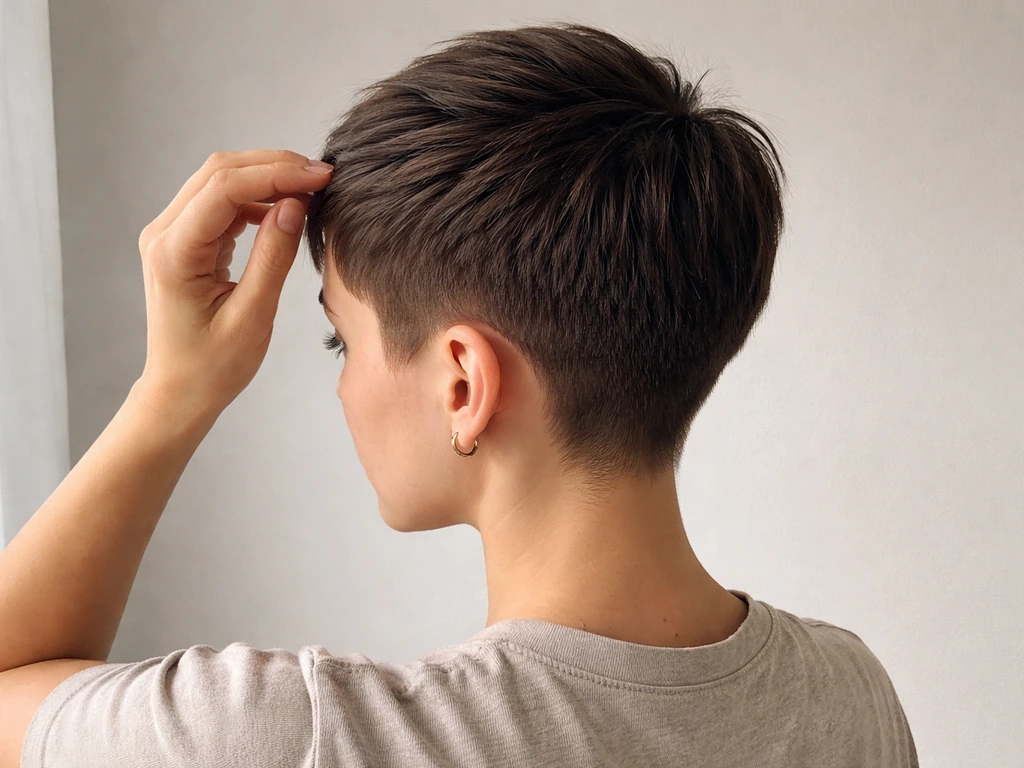
This is the stage most people quit, and it is honestly the hardest one to dress up. The good news: short and uneven still has a lot of styling options, and intentional is the whole goal. Hair that looks purposefully styled reads very differently at work than hair that looks neglected.
From buzz or clipper cut (under 2 inches)
At this stage, your best professional tool is product and a clean hairline. A light pomade or wax (pea-sized amount) pressed through the hair and swept in one direction creates immediate definition. If you have a beard or wear makeup, keeping those sharp and polished shifts the attention from the hair. A tapered or faded neckline from a barber every three to four weeks keeps the look intentional even as the top grows out unevenly. Resist the urge to even everything out by buzzing it back down.
From pixie length (2–4 inches)
A pixie growing out goes through a distinct mushroom phase where the sides flare and the back gets shaggy. A good stylist can texturize the sides and soften the back with scissors (not clippers) to reduce bulk without removing length. Ask for a "grow-out trim" specifically, not a shaping. Products that work here: a volumizing mousse through damp hair to give the top some lift, or a smoothing cream to flatten sides that are flaring. Headbands, thin elastic bands, and bobby pins are all office-appropriate and genuinely useful at this stage.
From a bob or short cut (4–7 inches)
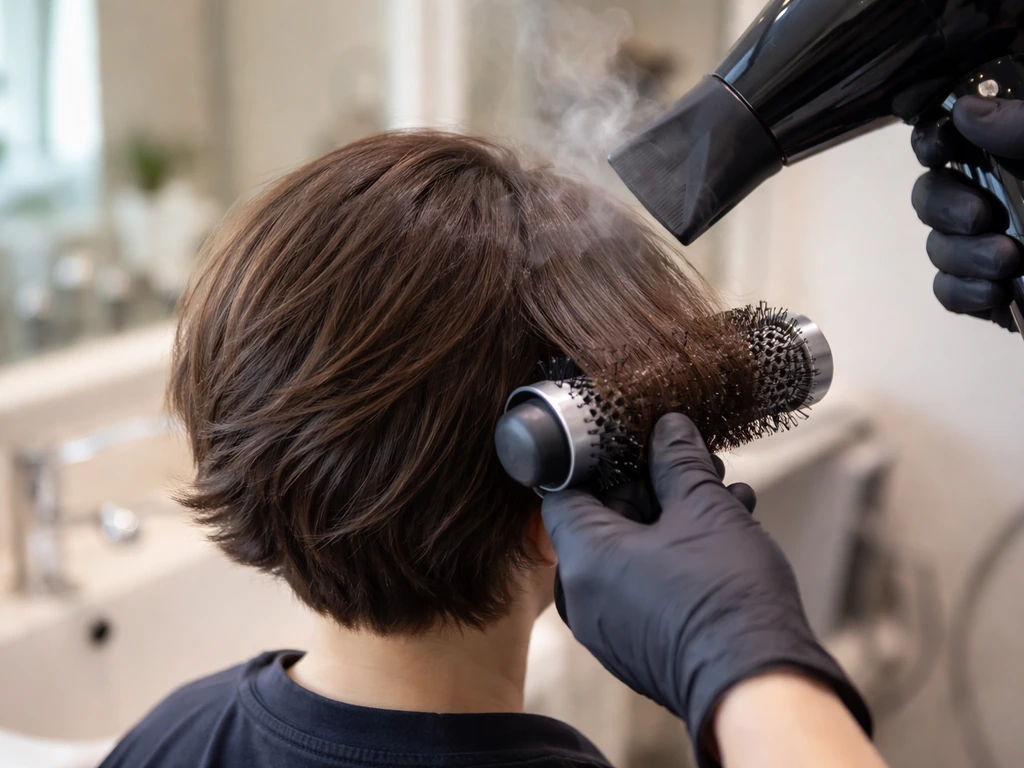
Once you hit ear length and beyond, you have real styling options. A blow-dry with a round brush gives the ends a curl under that looks polished and intentional. Half-up styles (even a small clip or claw clip at the crown) pull together uneven lengths beautifully and read very professional. If the back is longer than the sides, French or Dutch braids tucked at the nape work well. Do not feel like you have to wear your hair fully down until it all matches.
Managing bangs and forehead coverage during growth
Bangs are one of the trickiest parts of growing out because they sit right in the center of your face. If you are growing out full or blunt bangs, expect them to hit eye level around one to two months, brow level around three months, and cheekbone length around five to six months. That middle stage, where they are too long to sit on your forehead but too short to stay behind your ear, is the part that makes people grab scissors.
Here is how to style bangs professionally at each sub-stage. When they reach eye level, a light pomade or styling paste swept to the side and held with a bobby pin is clean and office-ready. When they hit nose level, a side part that sweeps the bangs across the forehead blends them into the rest of the hair and looks intentional. At cheekbone length, they are long enough to tuck or pin back completely, which is a good look in almost any professional setting. A thin headband or a small clip placed just behind the hairline keeps them off the face without looking casual.
One important rule: do not trim your bangs to relieve frustration. Every time you trim them, you reset the clock. If they are in your eyes, pin them. If they look unruly, use a strong-hold gel or cream and a blow dryer to train them flat before pinning. The whole grow-out process for bangs typically takes six to nine months to fully blend with the rest of your hair, especially if you started with short, blunt fringe.
Growing out undercuts, layers, and awkward lengths
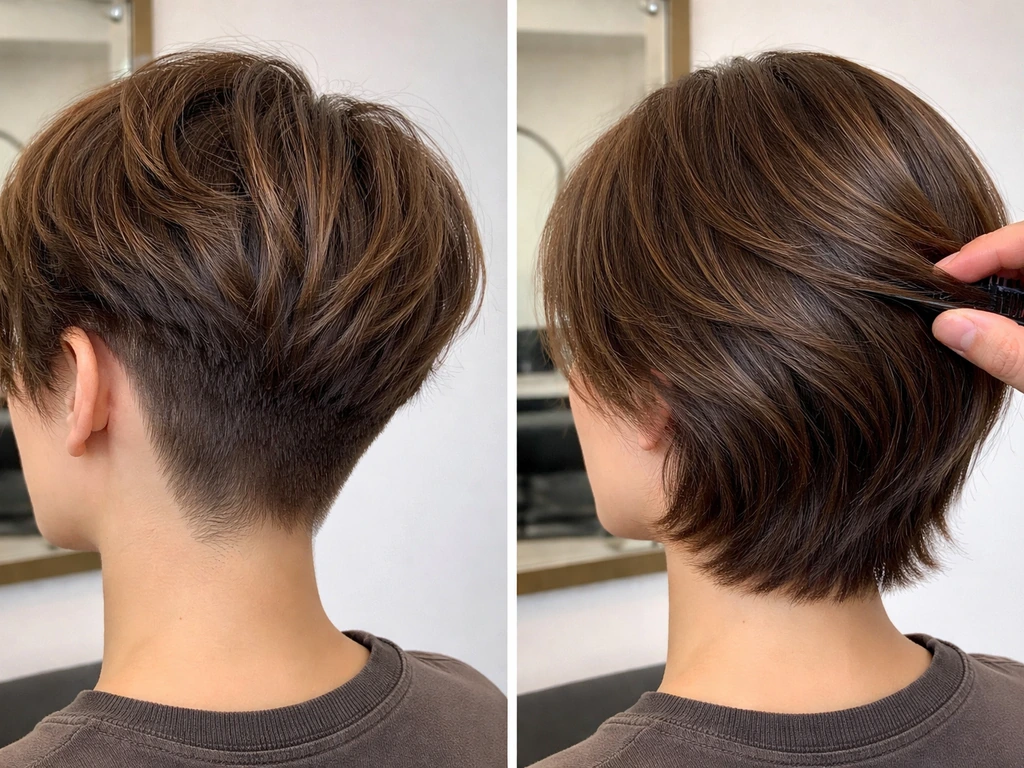
Undercuts and disconnected layers are some of the more complicated grow-outs because different sections of the head are at very different lengths. The shaved or closely clipped sections can lag six months to a year behind the longer top sections, depending on how short they were cut.
The professional strategy here is to blend rather than hide. A skilled stylist can gradually taper and texturize the transition zone every eight to ten weeks so the contrast softens as the undercut grows in. Do not ask them to cut the top shorter to match the sides: that just delays everything. Instead, ask for "blending at the perimeter" and show them a reference photo of where you are heading.
For layers that have grown out unevenly, especially if you had a heavily layered cut, the ends may look thin and wispy while the roots look full. A trim that removes the oldest, thinnest ends (rather than cutting into the newer, fuller growth above) cleans up the silhouette. Styling products that add weight, like a light smoothing serum or a defining cream, help the layers lie together rather than separating and looking unkempt. At work, pulling longer layers back into a low ponytail or a half-up style eliminates most of the visual noise.
If you are growing out a side undercut or nape undercut specifically, pinning the longer top section across the shorter side is a clean professional look and genuinely buys you several months of growth time before the two sections need to meet. For readers navigating men's hair growth in particular, the strategies around undercuts and side disconnection are very similar regardless of the overall target length.
Colored and chemically treated hair during a grow-out
If your hair is colored, bleached, permed, or relaxed, the grow-out adds a second timeline: the line between your natural regrowth and the treated section. For professional settings, visible regrowth lines can look unkempt if left unaddressed, so you need a plan.
If you are growing out a single-process color, root touch-ups every six to eight weeks keep the line soft. A better long-term strategy, especially if you want to transition back to your natural color, is to ask your colorist for a root smudge or shadow root technique. This blends the regrowth into the colored section gradually, so the grow-out looks intentional, like a balayage or lived-in color, rather than neglected. This approach lets you go 10 to 12 weeks between appointments instead of six, which also means less heat and processing on the hair overall.
Bleached or highlighted hair needs extra attention during a grow-out because the older, processed sections are structurally weaker than the new growth. Use a bond-building treatment (like a keratin mask or a bond repair product) once a week on the processed section. Do not use hot tools daily on bleached ends. Toning with a purple or blue shampoo once a week prevents brassiness on the existing color while your natural color grows in below it.
For chemically relaxed or permed hair, the texture difference between the regrowth and the treated section is the main challenge. Protective styles (low buns, braided styles, twist-outs) handle the two textures elegantly in professional settings. Avoid applying relaxer or perm solution all the way to the roots of already-treated hair: over-processing causes breakage right where the two textures meet, which is already the most fragile zone.
Your weekly routine and quick fixes to stay polished
The difference between someone who grows their hair out successfully and someone who cuts it back is usually not genetics or luck. It is having a reliable weekly routine so hair never gets to the point of looking so chaotic that cutting feels like the only option.
A simple weekly maintenance plan
- Wash two to three times per week with a sulfate-free shampoo and condition every wash. On non-wash days, use a dry shampoo at the roots if needed.
- Apply a leave-in conditioner or lightweight serum to damp hair on wash days before styling. This protects from heat and reduces frizz.
- Do one deep conditioning or bond-building mask per week if your hair is colored, heat-styled regularly, or noticeably dry.
- On high-stakes days (interviews, presentations, client meetings), blow-dry fully and use a smoothing product to get the cleanest finish from whatever length you are at.
- Keep two or three go-to professional styles ready for your current length. Knowing exactly what you are going to do on a rushed morning prevents bad hair days from derailing you.
Quick fixes for bad hair days at any stage
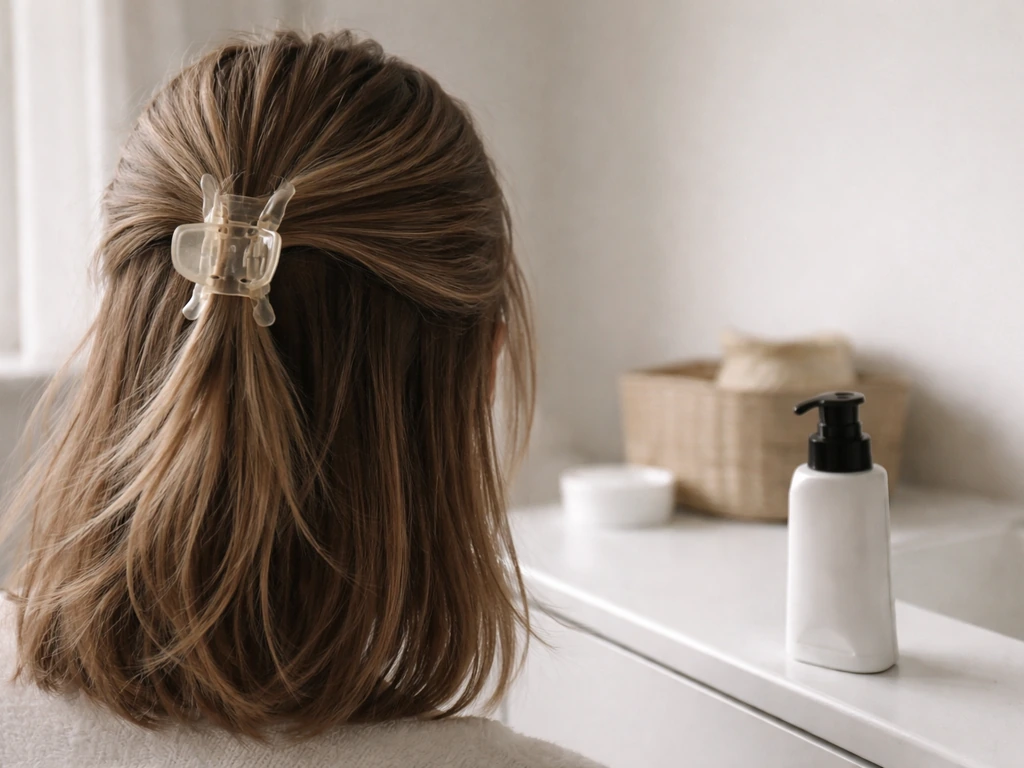
- A claw clip or barrette at the nape or crown instantly pulls together an uneven, in-between length and looks put-together in any professional setting.
- Strong-hold gel or pomade smoothed over the hairline and around the ears tames short flyaways and makes a rough grow-out look deliberate.
- A thin headband (fabric or metal) solves the mid-bang problem, the flyaway problem, and the frizz problem simultaneously and reads as polished, not casual.
- Dry texture spray at the roots gives fine or flat hair lift and makes even short, awkward lengths look styled rather than unstyled.
- A silk or satin scarf tied at the nape or worn as a headband is a legitimately professional option in many workplaces and buys you weeks during the most awkward stages.
How to know you are on track
Take a photo of your hair every four weeks. It is genuinely hard to see progress in the mirror day to day, and most people underestimate how much has changed until they compare side by side. Mark your trim appointments in your calendar at 10 to 12 week intervals. If you are hitting those marks and your ends are not splitting or breaking, you are on track. The best sign that you are managing the grow-out well is that people stop commenting on your hair being in transition and start just noticing that your hair looks good.
The process of growing hair out without repeatedly cutting it back is mostly about staying consistent through stages that feel uncomfortable. Every person who has grown out a pixie, buzz cut, or undercut has felt the urge to quit somewhere around month three or four. The readers who make it past that point nearly always say the same thing: they just needed to know what was coming next and have a style ready for it. That is exactly what the plan above gives you. If you want the simplest version of that same idea, follow a clear plan for each awkward stage so you can grow long hair without looking stupid how to grow long hair without looking stupid.
FAQ
How often should I trim while growing my hair out for a professional look?
Instead of trimming on emotion, schedule small “maintenance” trims about every 10 to 12 weeks. The goal is to remove only the oldest, fraying ends and keep the silhouette intentional. If you color or bleach, you may need slightly more frequent snips (closer to 8 to 10 weeks) because processed ends split sooner.
What should I do if my hair grows fast but still looks uneven at work?
Use styling that creates a deliberate shape, not one that tries to make lengths match on day one. For example, a half-up clip at the crown can make uneven top and back lengths read as one style, while a smoothing serum on the sides helps flare look like part of the haircut rather than “growth chaos.”
Is it better to use gel, wax, or pomade during the grow-out stages?
Pick based on the finish you need. Wax and pomade work well for definition and hold on short, messy-looking phases, especially when you sweep in one direction. Gel is best for “train it flat” moments like stubborn bangs that need a crisp, controlled shape. If your hair gets oily, use a smaller amount than you think you need (pea-sized) and apply to damp hair when possible.
How can I protect my hair if my ends keep breaking before I reach the next length milestone?
Treat breakage as a routine problem, not a length problem. Avoid daily heat on the ends, detangle gently from the bottom up, and use a conditioner that coats the hair (not just a rinse). If your ends are splitting, increase detangling care and consider reducing aggressive brushing, because every snapped strand sets you back even if your roots are growing normally.
What’s the best way to handle flyaways and frizz so my hair still looks professional?
Use “small friction fixes.” Apply a lightweight leave-in or smoothing cream to damp hair, then finish with a minimal product amount on dry ends. For flyaways near the crown, a tiny dab pressed into the surface (not rubbed all over) plus a quick pin or clip keeps it business-appropriate without making hair look greasy.
Can I grow a pixie out while still wearing my hair in a ponytail or bun?
You can start planning now, but time it correctly. When the sides and back reach about ear-length, low buns and ponytails often work, but the trick is blending uneven sections by pulling hair together first, then smoothing with a small amount of cream or pomade. Early on, use bobby pins and a clip-in style to avoid a “lumpy” look that draws attention in professional settings.
How do I manage bangs in a professional way when they keep falling into my eyes?
Don’t cut to relieve frustration, pin instead. When bangs hit eye level, sweep to the side and hold with a bobby pin, or use a narrow headband placed just behind the hairline. If they refuse to stay, use a strong-hold gel or paste and blow-dry while directing them flat before you pin.
What if I have an undercut, but my employer or dress code requires a neat hairline?
Aim for “tapered and blended at the perimeter,” then use styling to conceal lag. Pin or sweep the longer top across the shorter side temporarily if you have a disconnected section, and ask your barber for gradual tapering rather than removing length from the top to match. A clean, tapered neckline every 3 to 4 weeks keeps the look intentional even as the sides catch up.
How do I handle visible regrowth lines when I’m growing out dyed or bleached hair?
Have a colorist create a grow-out plan, not just a single touch-up. Root smudge or shadow root blends the line so it grows out like lived-in color. If you do single-process touch-ups, keep them on schedule (often every 6 to 8 weeks) to prevent a stark boundary that looks unpolished at work.
How long should I wait before I decide a grow-out isn’t working?
Don’t judge only by how it looks day to day. Take side-by-side photos every 4 weeks, and evaluate progress after your first two maintenance points (around 20 to 24 weeks). If your ends are not splitting or breaking at those intervals and people stop commenting on “in transition” hair, you’re on track even if it still feels awkward.
What should I tell my stylist so I don’t accidentally delay the grow-out?
Use clear requests that match the stage. Ask for “grow-out trims,” “texturize without removing length,” or “blending at the perimeter” for undercut transitions, and avoid instructions like “cut it to match the sides.” Bring a reference photo of your target end state, and specify that you want scissors used for softening and tapering where appropriate.