
The awkward stage is survivable, and most people quit right before it gets good. Hair grows roughly half an inch per month, which means if you started with a pixie or buzz cut, you're looking at 12 to 18 months to reach a jaw-length bob, and 2 to 3 years for genuine shoulder length. That timeline feels brutal, but it stops feeling that way once you have a trim strategy, a styling plan for each phase, and a care routine that actually protects the length you've earned. This guide covers all of that, start to finish.
How to Grow Your Hair Past the Awkward Stage

Marcus Vickers
15 May 2026
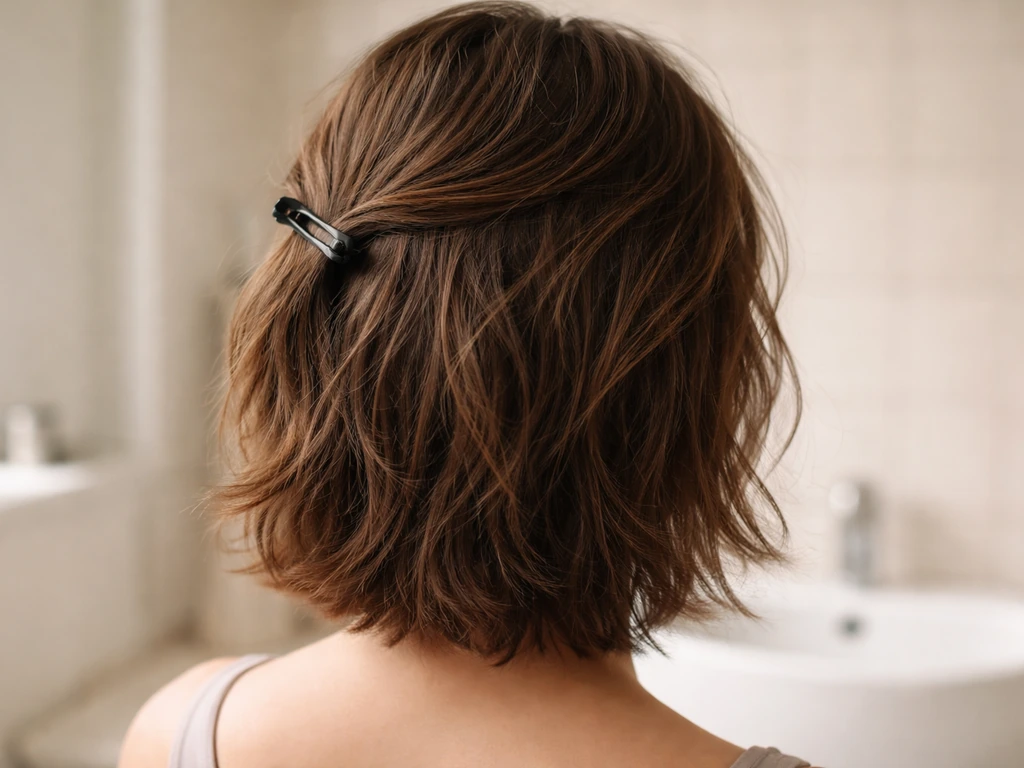
What the awkward stage actually looks like (and when it hits)
The awkward stage isn't one moment, it's a series of them. Different starting lengths hit their worst phase at different points, and knowing when to expect the rough patches makes them a lot easier to sit through.
Buzz cut and very short crops
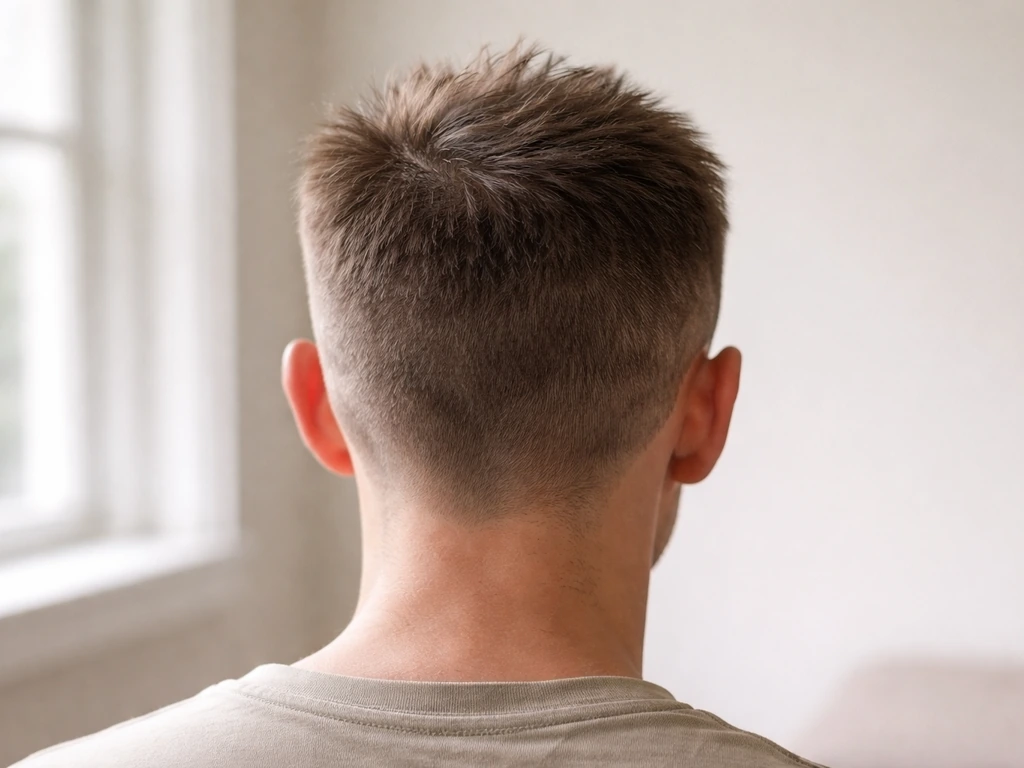
The first awkward phase starts around months 2 to 4, when your hair is long enough to look unintentional but too short to do anything with. It sticks up, it flattens weird, and it looks like you forgot to get a haircut rather than like you're growing one out. The second wave hits around months 5 to 8, when length reaches your ears and the sides start to curl or puff out. This is the phase where most people give up and ask for a trim that ends up undoing months of progress.
Pixie cuts
Pixies have layers and graduation built in, which means growing them out creates uneven lengths at different rates. The top usually grows faster than the nape and sides, so you end up with a floppy, mullet-adjacent shape somewhere around months 4 to 9. Bangs from a pixie hit their own awkward length around month 3, when they're too long to sit flat and too short to tuck behind an ear. A lot of people accidentally reset their entire grow-out by getting the bangs trimmed, which is sometimes the right call and sometimes not.
Bob and lob

If you're starting from a chin-length bob, the awkward stage is subtler but still real. Around months 3 to 6, your ends lose their shape and the whole thing starts to look like a blob rather than a style. The neckline gets bushy, the ends get heavy, and there's no clear silhouette. The upside is that you're much closer to shoulder length, so the payoff comes faster.
Bangs, undercuts, and layers
These are grow-outs within a grow-out. Bangs take about 9 to 15 months to fully blend into the rest of your hair (depending on how short they were cut). Undercuts can take 18 months or more to reach a length that doesn't look disconnected. Layers that were cut very short underneath create that classic half-long, half-short situation that makes ponytails look oddly thin. The key difference with these is that you're managing a two-length problem, not just waiting for overall growth.
How hair type changes the timeline
Straight hair tends to show length gains clearly and lies flat through most phases. Wavy and curly hair can look shorter than it actually is (because of shrinkage) and the awkward stage often feels more dramatic because natural texture adds volume in all the wrong places before there's enough length to weigh it down. Coily and 4c hair may have 50 to 70 percent shrinkage, which means someone with 6 inches of actual growth might only see 2 to 3 inches of visible length. That's not slower growth, it's just curl pattern math, and it's worth knowing so you don't assume your hair isn't growing.
What actually controls how fast your hair grows
Half an inch per month is the average, but the real number for any individual sits somewhere between 0.3 and 0.7 inches depending on genetics, age, hormones, diet, and scalp health. You can't change your genetics, but several of the other factors are genuinely movable.
Scalp health
Your scalp is where growth happens, so it matters more than anything you put on your ends. A dry, flaky, or inflamed scalp can slow or disrupt the growth cycle. Washing often enough to keep the scalp clean (not stripping it, but not letting product and oil build up for weeks either) is usually the right balance. Light scalp massage, even just a few minutes a few times a week, increases blood circulation to the follicles. There's decent evidence that consistent scalp massage over several months can increase hair thickness, and it costs nothing.
Shedding vs. breakage: not the same thing
Losing 50 to 100 hairs per day is completely normal, and the American Academy of Dermatology confirms this is the standard range for healthy shedding. When you see a lot of hair in the shower drain, the question is whether those strands have a small white bulb at the root (a shed hair that completed its growth cycle) or whether they're short, broken pieces with no bulb (breakage from damage). Breakage is the main enemy during a grow-out, because it removes length you've already grown without following any of the body's natural cycles. Shedding is a process. Breakage is a care problem you can fix.
Nutrition and hormones
Iron deficiency is one of the most common and most overlooked causes of increased shedding, especially in people who menstruate. Low ferritin (stored iron) can push hair follicles into the resting phase prematurely, which shows up as noticeably more shedding around 2 to 3 months after the deficiency develops. Protein, zinc, and biotin also play roles in hair structure and growth, though deficiency-level gaps are needed to see an effect. If you're eating well and not crash-dieting, you're probably fine on the nutrition front, but it's worth knowing in case things seem off.
The right trim strategy while you're growing
This is where most people get it wrong, usually because of advice that swings too far in one direction. 'Never cut it' creates a split, scraggly mess that actually looks worse. 'Trim it every 6 weeks' can literally prevent you from gaining length. The answer is somewhere more specific than either of those.
Why trims help without erasing your progress
Split ends don't just stay at the tip. If left long enough, they travel up the shaft and cause breakage higher up the hair, which means you lose more length by skipping trims than by getting them. A small trim, around a quarter inch every 3 to 4 months, removes the damaged ends while keeping the overall length moving in the right direction. If your hair isn't particularly damaged and you're protecting it well, you can stretch this to every 4 to 6 months.
Shaping without resetting
Growing out doesn't mean ignoring shape entirely. A strategically shaped cut every few months can make the grow-out look intentional rather than neglected. For pixie grow-outs, this might mean asking your stylist to blend the sides and back to reduce that mullet silhouette while leaving the top and front untouched. For bob grow-outs, a small amount of weight removal from the ends can relieve puffiness without shortening the overall length. Tell your stylist you are growing it out and ask them to shape without taking any significant length. Being specific matters here.
Managing bulk
As different sections of your hair reach different lengths, you get bulk in places you don't want it. The most common problem is a heavy bottom line combined with thin ends, or the opposite: too much weight in the middle of the shaft. Point cutting (cutting into the ends at an angle rather than straight across) can remove bulk without reducing length. Thinning shears are another option but should be used sparingly, because over-thinned hair makes the grow-out process even harder by creating more irregular lengths to manage.
When to stop adjusting and just let it go
There's a tipping point, usually around months 6 to 9 for short-to-medium grow-outs, where you're better off just leaving it alone for a few months and leaning on styling instead of cuts. Constant small trims during this phase can keep you stuck at the same length for months. If the ends aren't severely split or breaking, and you can style your way through the current length, skip the salon visit and let it go. You can reassess in 3 months.
How to actually style your hair through every awkward phase
This is the section that helps you survive the wait. The right products and techniques for your current length make a genuine difference in whether you look polished or just messy.
The puff-and-stick phase (months 2 to 5 from very short)
When hair is just long enough to have its own ideas but too short to control, a light pomade or wax works better than any spray or gel. Work a tiny amount through damp hair and push everything in one direction. Embracing a textured, pushed-back look works better than fighting the sticking-up. For straight hair, a quality edge control or light gel can flatten the sides. For curly and wavy hair, applying a curl cream right out of the shower and letting it air dry is usually the best option because fighting the texture at this length rarely works.
Managing bangs as they grow
The bang grow-out is its own ordeal. Around 3 to 5 months in, they're at the most annoying length: touching your eyes, not long enough to clip back cleanly, and too short to tuck behind your ear.
A few approaches that actually work: clip them to the side with a flat barrette or bobby pin (use two pins in a V shape to keep them from sliding), twist them slightly before pinning for a more intentional look, or use a small amount of pomade to push them straight back and work with a slicked-back style until they're longer. By month 6 to 9, most bangs are long enough to incorporate into a side part or braid.
After month 10, they're usually integrating into the rest of your hair naturally.
Undercuts and disconnected lengths
An undercut growing out creates a very specific problem: the outer layer sits on top and the shorter underneath section pokes out or bunches. Keeping the outer layer slightly longer and using a smoothing product can help hide the underlayer while it catches up. High ponytails and buns tend to reveal the shorter underlayer, so lower styles or half-up looks work better during the first year of undercut regrowth. If the disconnect becomes very obvious and bothersome, getting the outer layer very lightly trimmed to reduce the length gap can make the grow-out look more even.
Cowlicks and flyaways
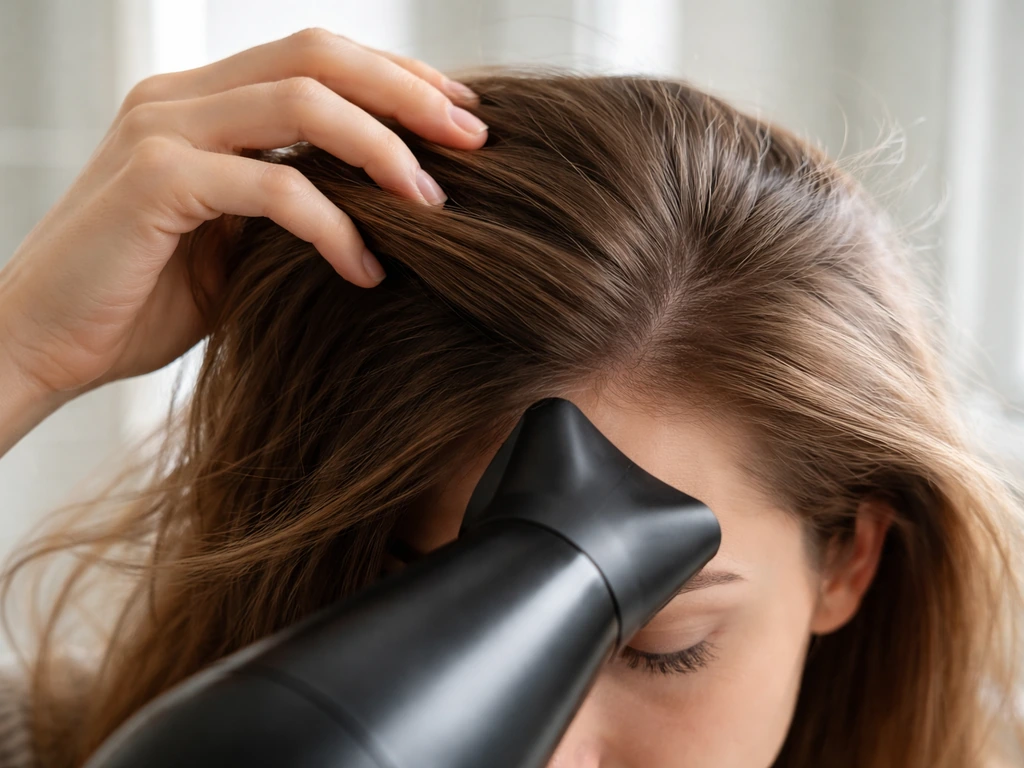
Cowlicks don't go away when hair gets longer, but they do become easier to manage because weight helps. During the short phase, blow drying against the direction of the cowlick with a round brush while the hair is still damp can temporarily redirect it. A small amount of strong-hold pomade or even a light-hold gel applied to just the cowlick while it's damp and then dried with a cool shot will help it stay flat. Flyaways, especially around the hairline, respond well to a light application of a flyaway taming stick or a tiny bit of conditioner smoothed over the surface after styling.
Layer awkwardness
Layers that were cut very short create a ledge of sorts: longer hair on top, shorter layers sticking out beneath. Braiding, twists, and half-up hairstyles are your best tools here because they incorporate multiple lengths without revealing the unevenness. Loose braids work at almost any length from about 3 inches onward. For those with wavy or curly hair, a diffuser adds volume across all the layers and makes the different lengths blend rather than separate.
The care routine that protects your length
Growing your hair is a two-part job: generate length at the scalp, and keep the length you already have. Most people focus on growth and ignore retention, which is why they grow the same 4 inches over and over.
Washing and conditioning
How often you wash depends on your scalp, not a rule. Oily scalps may need washing every 1 to 2 days. Dry scalps can go 3 to 5 days. What matters for length retention is using a conditioner every single time you wash and making sure the conditioner reaches your mid-lengths and ends, not just your scalp. If your hair is fragile, a leave-in conditioner or detangling spray applied after washing (before any combing) is not optional, it's the difference between retaining length and breaking it off.
Detangling without breaking
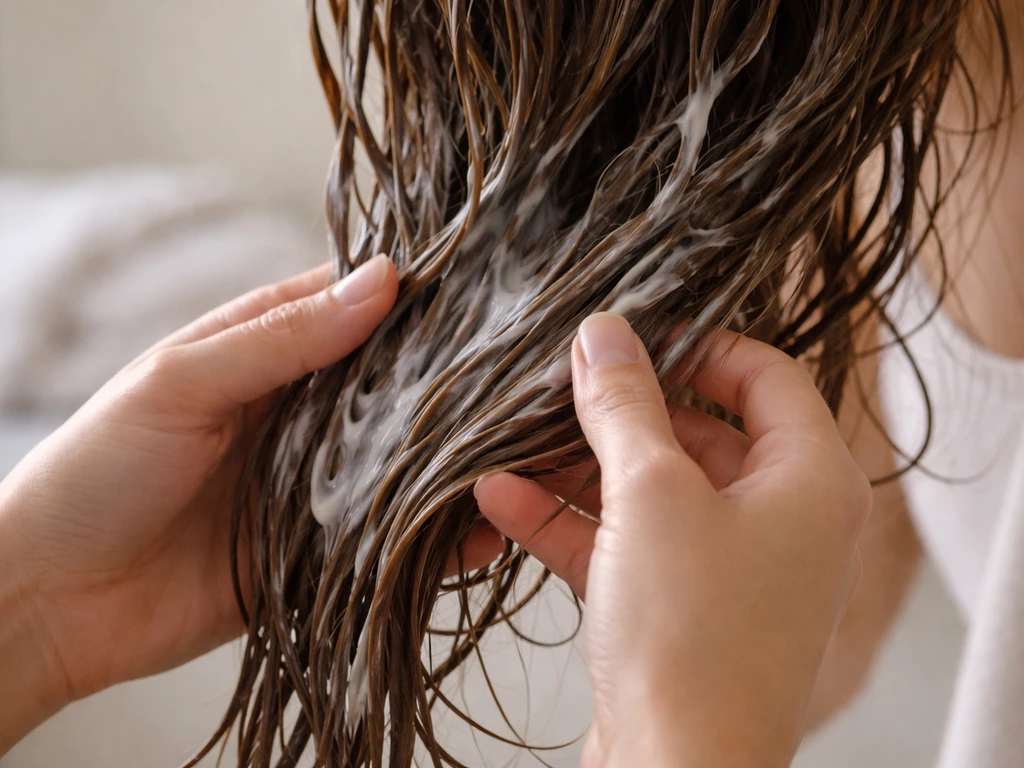
The number one cause of breakage for people growing out short-to-medium hair is rough detangling when hair is dry or only slightly damp. Always detangle starting from the ends and work your way up to the root. A wide-tooth comb or a wet brush used on damp, conditioned hair creates far less breakage than a regular brush on dry hair. If you have curly or coily hair, finger-detangling in the shower with conditioner still in is gentler than any tool.
Heat and chemical precautions
This isn't about never using heat, it's about using it strategically. If you're blow drying or flat ironing daily, you are creating breakage faster than your scalp can replace length. Aim to reduce heat styling to 2 to 3 times a week and always use a heat protectant spray first. On the chemical side, overlapping bleach or color onto previously processed hair is the fastest way to cause breakage during a grow-out. If you're coloring, keep the chemical applications to new growth only and give your hair at least 8 to 10 weeks between full-color sessions. Deep conditioning once a week or every two weeks is non-negotiable if you're using any heat or chemical processing regularly.
Sleeping and physical protection
Cotton pillowcases create friction that leads to breakage and frizz, especially at shorter lengths where hair doesn't have enough weight to stay flat. Switching to a satin or silk pillowcase (or wearing a satin bonnet or scarf) is a small change that makes a real difference over months and years. If you work out regularly, loose protective styles and avoiding tight elastic bands (use fabric-covered bands or a loose scrunchie) will prevent the mechanical breakage that kills progress at the neckline and hairline.
Products and actives that can actually support growth
Most hair growth products are not worth the price. A few actually have evidence behind them.
| Option | What it does | Evidence level | Realistic timeline |
|---|---|---|---|
| Minoxidil (2% or 5%) | Extends the active growth phase of follicles; used for thinning/shedding | Strong (FDA-approved) | 6 to 12 months to see results |
| Scalp massage | Increases blood flow to follicles; may improve thickness | Moderate (small studies) | Several months of consistency |
| Caffeine shampoos | May mildly stimulate follicles when used regularly | Low to moderate | Unclear; not dramatic |
| Biotin supplements | Supports hair structure IF you're deficient; useless otherwise | Low (only in deficiency) | No clear timeline for non-deficient people |
| Iron/ferritin correction | Restores normal shedding rate if low iron is the cause | Strong (for deficient individuals) | 3 to 6 months after levels normalize |
| Rosemary oil | Early evidence suggests comparable effects to 2% minoxidil for mild shedding | Moderate (one RCT) | 6 months minimum |
Minoxidil is worth knowing about if your main concern is shedding or slow regrowth in specific areas, not just the awkward stage of a recent haircut. The AAD notes that blank" rel="noopener noreferrer">it can take up to 6 to 12 months to see real results, and some people experience a temporary increase in shedding in the first few weeks of use, which is normal. If you're growing out a healthy cut with no hair loss concerns, minoxidil isn't necessary. Scalp massage, good nutrition, and protective care will do more for your specific situation.
When the problem is bigger than just an awkward phase
Most people reading this are dealing with a normal, frustrating grow-out, not a medical issue. But there are signs that something else is going on, and knowing them matters.
Signs worth paying attention to
- Shedding significantly more than 100 hairs a day, consistently and not tied to a known stressor
- Patches of hair loss that appeared suddenly, often round or oval in shape (this can be alopecia areata, which the NIAMS describes as typically beginning with sudden round or oval bald patches on the scalp)
- Hair that's not growing past a certain length despite months of protective care and no trimming
- Itching, flaking, redness, or scaling on the scalp that doesn't respond to regular care
- A noticeable overall thinning across the whole scalp rather than uneven growth from a haircut
- Increased shedding that started about 2 to 3 months after a significant stressor (illness, surgery, crash diet, major life event), which is the typical pattern for telogen effluvium
Telogen effluvium is a very common, usually temporary form of increased shedding that follows a physical or emotional shock by about 2 to 3 months. Most cases resolve on their own within 6 to 9 months once the trigger is removed. Alopecia areata is different: it's an autoimmune condition that causes sudden patchy hair loss and typically needs dermatological evaluation and treatment. If you're seeing any of the signs above, a visit to a dermatologist (ideally one who specializes in hair) is the right next step, not more biotin.
Realistic expectations for the whole process
Growing from very short to shoulder length takes most people 2 to 3 years. Growing from a chin-length bob to mid-back takes another 2 to 3 years beyond that. Those numbers aren't meant to be discouraging, they're meant to help you plan so you're not surprised or disappointed at month 6 when you're not there yet.
The people who make it through the awkward stage are almost always the ones who accepted the timeline, found a care and styling routine that worked for their current length, and stopped checking in the mirror every week measuring for changes. If you’re wondering how to grow out your hair and still look good at each stage, focus on protecting your length and choosing styles that flatter your current length.
If you want it to look good as it grows, focus on trims that protect length and styling tricks for each awkward phase. Check monthly. Photograph every 3 months. You'll see it.
If you're also thinking about how to navigate this while keeping things looking professional at work, or wondering whether the process looks different for men growing out short cuts, those are their own conversations with some specific strategies worth knowing. As you grow, you can keep your look professional by planning trims, styling for each awkward phase, and protecting your ends from breakage keeping things looking professional at work.
This section also has practical guidance for men who want to grow out their hair without looking messy or awkward at each step men growing out short cuts. The core principles here apply across all of them, but the details shift depending on your starting point, hair type, and what 'looking good' means in your context. Your hair, your pace, your definition of the goal.
FAQ
How can I tell normal shedding from something like telogen effluvium while I’m trying to grow past the awkward stage?
If you see shedding spikes right after a big change (illness, stress, new meds, childbirth, crash dieting), treat it as a timing clue. Telogen effluvium commonly shows up 2 to 3 months after the trigger, so don’t judge results until that window has passed. If shedding is heavy and you also notice patchy bald spots or scalp pain/itch with scaling, skip supplements and book a dermatologist visit.
What should I do if I want to avoid frequent trims but my hair still feels messy during the awkward phase?
To keep your end goal without constant salon trips, choose one “maintenance trim” date and stick to it, then only do earlier cuts if there’s clear splitting or visible breakage. A good decision aid is this: if your ends feel rough and you see frays, trim sooner, if they feel smooth and you’re styling well, you can usually wait 3 to 6 months depending on your hair’s damage level.
Can I grow out bangs without ruining the grow-out by cutting them too often?
Yes, bangs can be grown out with less restarting by managing their shape instead of repeatedly shortening them. When they start poking your eyes (often the 3 to 5 month window), use pinning styles (two pins in a V, or a side barrette) or a tiny amount of pomade to “set” the direction, then reassess for blending around when they can join a side part or braid.
How do I know whether my trims should be every 3 to 4 months or closer to every 4 to 6 months?
A quarter inch every 3 to 4 months is a maintenance trim, but you should base timing on damage, not the calendar. If you have low heat use, a satin sleep setup, and minimal chemical processing, you can sometimes extend to every 4 to 6 months. If you color heavily or heat daily, stick closer to 3 to 4 months because split ends travel upward faster in more fragile hair.
Why does my hair look like it isn’t growing during the awkward stage, especially with curls?
If you have curly or coily hair, measuring “progress” by stretched length rather than wet or shrunken appearance prevents unnecessary panic. Take photos in the same state each month, and remember visible length can be far behind actual growth due to shrinkage, so use a consistent method (like stretched or blow-dried-with-heat-protection if you already do that safely).
What’s the least breakage way to detangle when my hair is in that awkward, tangly length?
Do a two-step detangle plan: detangle only when hair is conditioned and wet or damp, and start at the ends before moving upward. If you feel snags, add more conditioner or detangling spray rather than forcing the brush, and consider finger-detangling in the shower for tighter curl patterns to reduce breakage.
Can I still use heat tools while growing out my hair, and how often is too often?
Heat is not automatically “bad,” but daily hot tools usually outpace scalp regrowth for short-to-medium grow-outs. A practical approach is to cap heat to 2 to 3 times per week, apply heat protectant every time, and keep styling methods that minimize re-straightening (for example, drying and brushing once rather than repeatedly touching up).
Are hair growth supplements worth it, or should I focus on something else first?
Start by changing one thing at a time, and choose a “retention first” baseline before buying products. If you’re already washing appropriately, conditioning at each wash, and detangling gently, most growth supplements won’t change the outcome much. Consider minoxidil only if you have a clear shedding issue or slower regrowth in specific areas, and be ready for a temporary shed in the first weeks.
When I see lots of hair in the shower, how do I decide whether it’s shedding or breakage?
If you notice increased shedding, the most actionable next step is to check for nutrition gaps and timing, but also to verify that what you’re seeing is shedding (with bulbs at the root) versus breakage (short pieces without bulbs). Breakage needs care changes, like gentler detangling and less mechanical stress, while shedding needs a root-cause conversation with a clinician if it persists.
What are the best hairstyles for keeping a professional look when the awkward stage is at my neckline or crown?
Yes, especially for work and “public” length management. Use low styles that hide thin neck and hairline areas (half-up, low ponytails, tucked braids), and avoid tight elastics that create mechanical snap at the neckline during the first year of growth.