
You can absolutely grow out your hair and still look put-together the whole way through. The key is accepting that hair grows about half an inch per month (roughly 6 inches a year), building a strategy around your starting length, getting the right kinds of trims, and styling each phase intentionally instead of just waiting for it to get longer. It takes patience, yes, but it doesn't have to mean months of bad hair days.
How to Grow Out Your Hair and Still Look Good Through Each Stage

Marcus Vickers
14 May 2026
What 'still looks good' actually means during a grow-out
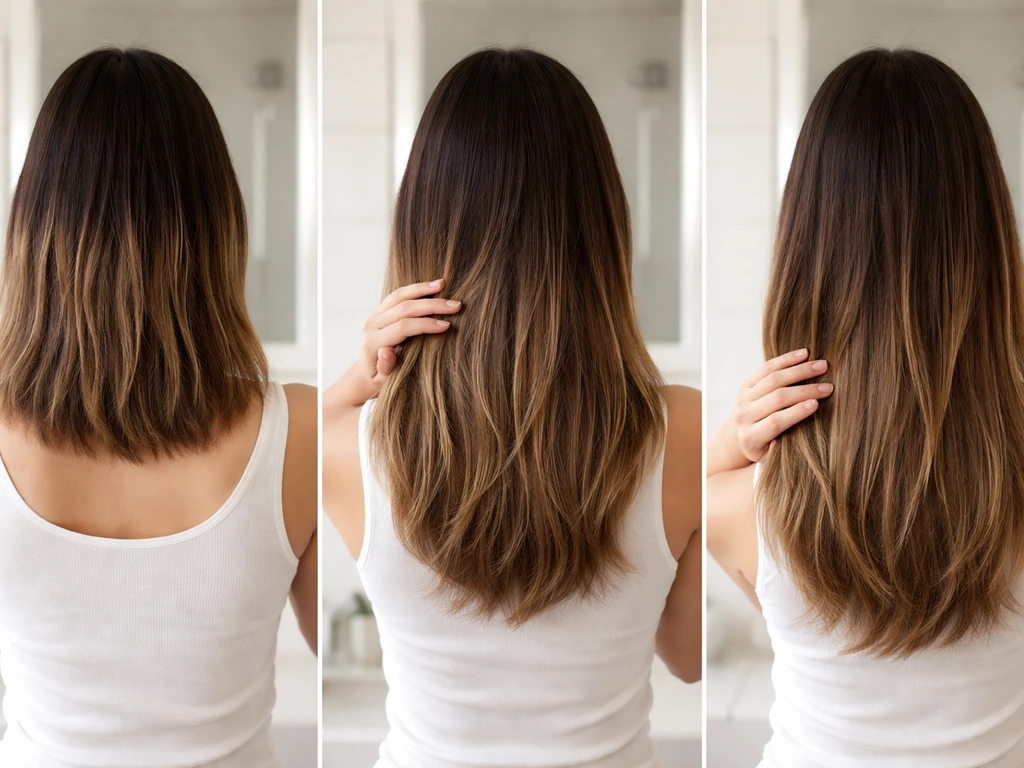
Let's be honest: at some point in almost every grow-out, there's a stretch where your hair is too long to look like your old style and too short for the new one. That's not a failure. That's just physics. Hair grows at roughly 0.5 to 1 cm per month depending on your genetics, age, and overall health, so a pixie growing to shoulder length takes somewhere between 18 and 24 months, not a few weeks. 'Still looks good' doesn't mean your hair looks perfect at every stage. It means your hair looks intentional, your ends are healthy, and you have at least one or two styles that actually work for each phase.
The readers who struggle most are the ones who stop managing their hair the moment they decide to grow it out, thinking that trimming or styling is counterproductive. It's the opposite. A grow-out that's actively managed with the right products, a sensible trim schedule, and stage-appropriate styling looks deliberate. One that's just neglected looks like you gave up halfway through.
Pick your strategy based on where you're starting
Your starting length changes everything about how the grow-out goes. A buzz cut, a pixie, a bob, bangs, and an undercut each have their own awkward milestones and their own workarounds. Here's how to approach each one.
Buzz cut
The first two to three months of growing out a buzz are actually the hardest visually, because the hair is long enough to show variation but too short to style. The back and sides often grow faster than the top, creating an uneven, slightly unkempt look. The best approach here is to visit a stylist every six to eight weeks to blend the sides into the top rather than letting it all grow at the same pace wildly. You're not cutting for shortness, you're cutting for shape. Once you clear the two-inch mark on top, you gain real styling options.
Pixie cut
Pixies typically hit their awkward peak around the three to five month mark, when the top is at ear level but not long enough to tuck behind the ear. Keeping the back and sides trimmed short while letting the top grow is the standard advice, and it works. Headbands, bobby pins, and a little texture product to add definition go a long way during this stage. You're essentially transitioning toward a longer top, short sides style before eventually blending everything together.
Bob
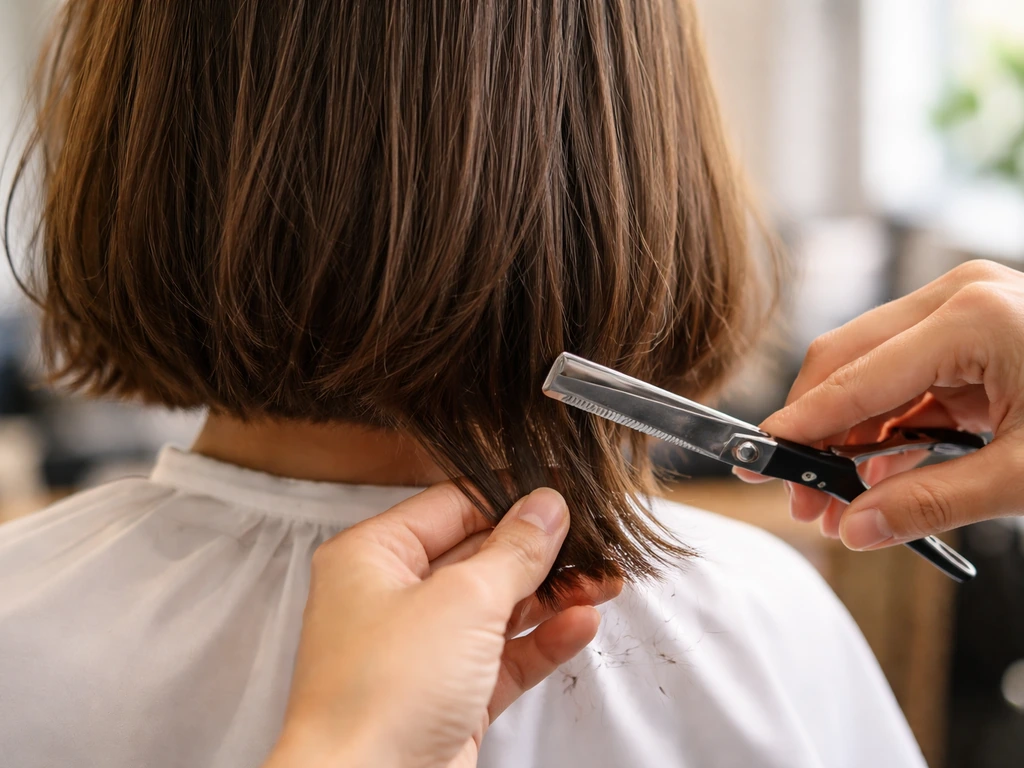
Growing out a bob is often underestimated because it seems so close to shoulder length already. But the awkward stage here is real: the ends tend to flip out or look blunt and heavy as they grow past the jaw. Layers are your best friend at this stage. Ask your stylist to add some movement to the ends so the shape doesn't look like a growing brick. The goal is to keep the perimeter looking intentional while the length catches up.
Bangs
Growing out bangs is its own whole challenge. The in-between length, where they're too long to sit as a fringe but too short to blend with the rest of your hair, is the part most people dread. Switching to a middle part and styling them as curtain bangs is one of the most practical transitions you can make. Curtain bangs can fully blend into the rest of your hair in about two to four months depending on your starting length. Pinning them back with clips or small barrettes is fine too, but resist the urge to trim them back down. Trimming every eight weeks at most helps keep them looking fresher without stalling the grow-out.
Undercut
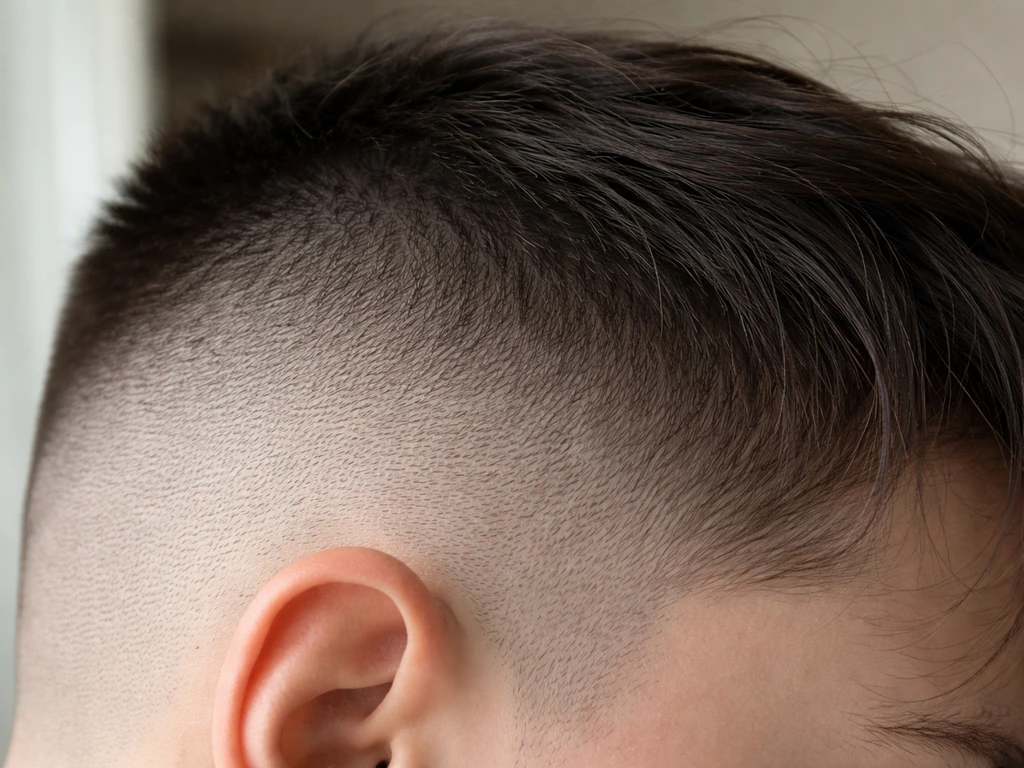
Undercuts are tricky because you have a significant length difference between the shaved section and the rest of your hair, and that gap becomes more visible as both sections grow. If you want to keep growing, you'll need blending cuts every six to eight weeks to reduce that contrast gradually rather than letting the line become a hard, obvious demarcation. If you're growing the full head out, you may go through a period where the under layer looks much thicker or shorter than the top layer. Layered cuts help manage this, and the good news is that most of the visual awkwardness resolves once everything reaches a similar length.
What to expect stage by stage
Growing hair out tends to have predictable phases, and knowing what's coming makes each one feel a lot less alarming.
| Stage | Approximate Length | Common Challenge | Styling Fix |
|---|---|---|---|
| Stage 1 | Under 1 inch | Too short to style, uneven growth | Blending cuts, focus on scalp/product health |
| Stage 2 | 1–2 inches | Puffiness, no shape, cowlick visibility | Blow-dry with a brush in the direction of growth, light pomade or wax |
| Stage 3 | 2–4 inches | Sides stick out, top grows faster/slower than sides | Taper the sides, add texture to the top |
| Stage 4 | 4–6 inches | Mullet-adjacent if back isn't shaped, flip-outs at ends | Regular trims on back and sides, use a round brush or diffuser for shape |
| Stage 5 | 6–10 inches (shoulder-adjacent) | Limpness, single-length heaviness, frizz | Layers, conditioning routine, styling tools on low heat |
Cowlicks deserve a special mention here. When hair is short, cowlicks are very visible because there isn't enough weight to keep them flat. As hair grows, the weight usually helps, but in the meantime, the only effective approach is to style in the direction the cowlick already wants to go, not against it. Blow-drying against a cowlick just makes it fight back harder.
The trim strategy that actually keeps you growing
A lot of people avoid all trims when growing hair out, afraid any cut will set them back. But skipping trims entirely leads to split ends that travel up the shaft, eventually forcing a bigger cut than you would have needed if you'd trimmed early. For most people growing out healthy hair, a light trim every eight to twelve weeks removes just enough to keep the ends intact without meaningfully slowing progress. If your hair is chemically treated or tends to be dry and brittle, trim closer to every six to eight weeks.
The key is to communicate clearly with your stylist. Say specifically: 'I'm growing this out and I just want the ends cleaned up, not shortened.' Ask for a dusting (just the very tips, less than a quarter inch) rather than a traditional trim. Bring a photo of the length goal if it helps. A good stylist will respect that and shape the sides or layers without sacrificing your overall length progress.
For undercuts specifically, ask for a gradual blend rather than a hard undercut line. Each visit, the shaved section can be brought up slightly shorter or blended into the longer hair above it, making the grow-out look intentional at every stage instead of just disconnected.
Build a routine that actually supports healthy growth
Hair grows from the follicle, not from the ends, so no product will make your hair grow faster in a clinically meaningful way. What a good routine does is protect the hair you already have so you're not constantly losing length to breakage. The American Academy of Dermatology notes that hair-loss self-care tips, like using products after washing and conditioning, can help reduce breakage, split ends, and frizz and protect fragile hair from heat-related damage protect the hair you already have so you're not constantly losing length to breakage. That's the real goal.
Washing and conditioning

Over-washing strips natural oils that keep the hair shaft flexible and less prone to breakage. Two to three times a week is enough for most hair types, and always follow with a conditioner focused on the mid-lengths and ends (not the scalp, where it can cause buildup). If your hair is on the drier or coarser side, a leave-in conditioner after washing adds a second layer of moisture that helps with detangling and general manageability as the hair gets longer.
Detangling without breakage
Always detangle gently, especially as your hair gets past that two to three inch mark where tangles start happening in earnest. Work in four to six sections, use your fingers first to get the major knots out, then follow with a wide-tooth comb. Starting from the ends and working upward (not root to tip) dramatically reduces the amount of breakage. Detangling dry, matted hair without any product is one of the fastest ways to snap hair off mid-shaft, so add a detangling spray or conditioner first if the hair feels resistant.
Heat and styling tools
Heat is useful but it has a cost. The AAD recommends using the lowest effective heat setting and limiting flat iron use to no more than every other day. Always use a heat protectant spray before any tool touches your hair, without exception. Blow-drying on medium heat with a diffuser or a round brush is generally safer than flat irons or curling wands at high temperatures. For short to mid-length grow-outs, blow-drying with a brush is often enough to get a clean, shaped look without needing high-heat tools at all.
Overnight protection

Sleeping on a silk or satin pillowcase reduces the friction that happens when your hair rubs against cotton all night. This is especially relevant as your hair gets to four or more inches, when tangling and mechanical breakage become more common. It's a small change that adds up over months of growing out.
Managing color, bleach, and natural regrowth
If you're growing out dyed or bleached hair, you're dealing with two separate challenges: managing the visual contrast between your natural roots and the treated lengths, and keeping the treated sections healthy enough to survive the grow-out. Both are very doable, but they need attention.
Roots and regrowth
A harsh line between your natural root color and dyed ends gets more obvious as the grow-out progresses. A few options help here. Root smudging or shadow rooting (a technique where a colorist blends your natural color into the dyed section) makes the transition look intentional instead of neglected. If you're going fully back to natural, balayage-style blending of the mid-lengths can soften the contrast. Ask your colorist specifically about transitional techniques for your combination, because what works for someone going from platinum to brunette is different from someone growing out a subtle highlight.
Keeping colored or bleached hair healthy during growth
Bleached and colored hair is more porous and more prone to dryness and breakage, which means the trim schedule matters more, not less. Aim for every six to eight weeks if your hair feels dry or brittle. Use color-safe shampoo and conditioner to prevent fading and reduce the frequency of touch-ups, which gives the hair more recovery time between chemical treatments. A color gloss treatment every few weeks can refresh tone without the damage of a full re-dye. The goal is to keep the treated sections healthy enough to survive until they're either grown out or cut off.
When you're going fully natural
If you're transitioning completely back to your natural color and texture, expect the process to take at least a year before a significant portion of your hair is natural. The temptation to do a big chop to eliminate the treated section is real, and for some people it's genuinely the cleanest path. But if you'd rather avoid that, the blending techniques above combined with strategic trims at each appointment will get you there gradually. The awkward color line typically becomes much less obvious once it's past the chin and you have more natural hair framing the face.
Building confidence and a plan you'll actually stick to
Growing out your hair is a long game. The people who successfully get through it aren't the ones with the most perfect hair at every stage, they're the ones with a clear goal and a system that doesn't make them want to grab the scissors every three weeks.
Set a realistic timeline
At half an inch per month, going from a buzz or pixie to shoulder length (roughly 10 to 12 inches) takes about two years. A bob to shoulder length might take six to eight months. Write down your starting length and your goal length, do the math, and put a rough target date on your calendar. It sounds small but it helps. You're not just waiting for something to happen, you're working toward a specific milestone.
Take photos every four weeks
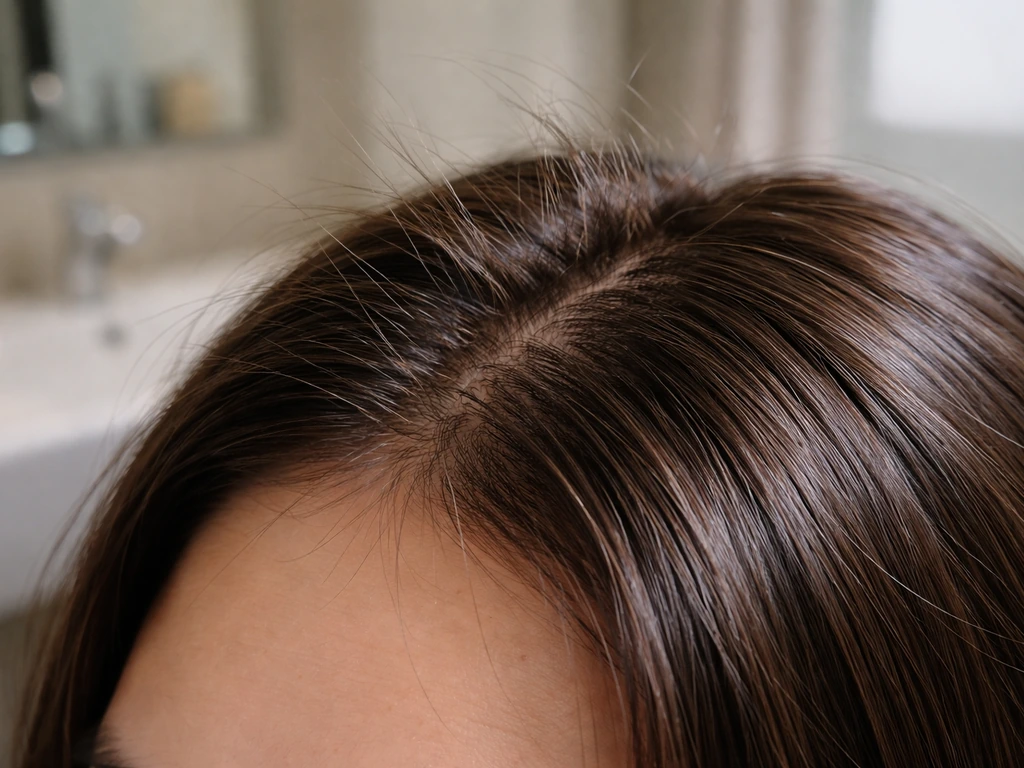
Month-to-month progress is genuinely hard to see in the mirror. A photo every four weeks from the same angle gives you visible proof that it's actually working. This is one of the most underused tools in any grow-out, and on the days when you're frustrated with the length, looking back at where you started is usually enough to keep going.
Watch for these warning signs
- Split ends traveling up the shaft past an inch: time for a trim, even if it feels early
- Breakage that leaves shorter pieces around the hairline or crown: check your heat use and detangling technique
- Excessive dryness or a rough texture: increase conditioning frequency and reduce washing
- A grow-out line in colored hair that's becoming very obvious at two or more inches: book a blending appointment rather than a full recolor
Give yourself styling options at every stage
One of the most practical things you can do right now is learn two or three styles that work for your current length. Not your goal length, your actual current length today. Half-up styles, textured looks with a little wax or clay, headbands, and simple tuck-and-pin techniques all extend the range of 'good hair days' at in-between lengths. If you're growing out men's hair or navigating a professional environment during the grow-out, you may want specific strategies for keeping things looking clean and polished at each stage, as those situations have their own set of styling constraints. If you want to avoid the “bad hair” look while you grow it out, use stage-appropriate trims and simple styling tricks like those below learn specific strategies for keeping things looking clean and polished.
The honest truth is that the awkward phase is real, but it's survivable and often shorter than people expect when they're actively managing it. A good trim schedule, a protective routine, and a handful of styles that actually work for each phase are all you need to get from where you are now to where you want to be.
FAQ
How often should I get trims if I’m trying to grow out my hair without losing too much length?
A good rule is every 8 to 12 weeks for most people, asking for a dusting (only the very tips, about a quarter inch or less). If your hair feels dry, tangles easily, or you use heat and styling often, shorten that window to every 6 to 8 weeks so split ends do not travel upward.
What should I say to my stylist so I don’t accidentally lose my goal length?
Use specific language: tell them you are growing out to a certain date or length, you only want end cleanup, and you prefer shape adjustments over bulk removal. Bring a photo of the style you want at your current length, then ask for a dusting instead of a full “traditional trim.”
Is it better to grow out with layers or keep one length?
If you are dealing with flipping ends, bulk at the perimeter, or an undercut transition, layers and targeted end shaping usually help the grow-out look intentional. If you have very fine hair that gets limp, request light, strategic layering so you avoid removing too much weight and creating extra flyaway.
How do I handle the “top is too long, sides are too short” stage (or vice versa) while styling?
Pick one anchor style that works with your proportions, like a half-up with pinned crown/temple pieces, a low tuck, or a simple side clip, then repeat it on rotation so you look styled even when the silhouette is off. The goal is consistent placement (where you pin or tuck), not perfect length matching.
Will anti-breakage products help me grow out faster?
They can help you keep more of your existing length by reducing breakage, but they will not change the biological growth rate. Look for products that improve slip for detangling and add moisture to the mid-lengths and ends, because shed and breakage are the main reasons “growth” does not show.
How should I detangle as my hair gets longer and tangles start happening more?
Detangle in small sections (about 4 to 6), start with your fingers from the ends upward, then use a wide-tooth comb only after major knots are gone. If the hair resists, add a detangling conditioner or spray first rather than forcing the comb through dry tangles.
What’s the safest way to use heat during a grow-out?
Use the lowest effective temperature, apply heat protectant every time, and limit high-heat tools like flat irons and curling wands. For short to mid-length stages, consider blow-drying with a brush or diffuser on medium heat, because you can get shape without repeated high-temperature passes.
How can I keep cowlicks from ruining my style while my hair is short or awkward?
Style in the direction the cowlick naturally sits, then use light control products or a blow-dry technique that supports that direction. Avoid blow-drying against the cowlick, since it often bounces back and makes the issue look worse.
What should I do if my hair grows but looks uneven or “patchy” during the grow-out?
Uneven growth is common because sides and top often progress at different rates. The fix is usually more shape management at trims, like blending sides into the top and asking for a gradual transition rather than waiting for everything to reach the same length naturally.
How do I grow out dyed or bleached hair without a harsh color line?
Ask for transitional coloring like shadow rooting or root smudging so the roots and mid-lengths blend as growth shows. If you are toning down contrast while returning to natural, discuss balayage-style blending at the colorist visit so the grow-out line becomes less noticeable after the chin length stage.
Is it ever smart to do nothing and just wait for the hair to catch up?
Usually no, because “waiting” without end care often leads to split ends that force a bigger cut later. The better approach is minimal but consistent maintenance, protective routine at home, and small shape adjustments at scheduled appointments.
How can I track progress when month-to-month changes are hard to see?
Take photos every 4 weeks from the same angle, same lighting, and same hair positioning, like a consistent part and either air-dried or blow-dried look. Reviewing the timeline helps you judge whether your current trim and styling approach is actually working.