
Growing your bangs into curtain bangs is genuinely one of the more manageable hair transitions out there. You are not starting from scratch, and you are not committing to years of awkward in-between hair. In most cases, if you already have bangs that sit somewhere around brow level or below, you are only a few months away from a soft, face-framing curtain fringe. The catch is knowing what to do at each length milestone so the grow-out looks intentional rather than neglected.
How to Grow Out Curtain Bangs: Timeline and Steps
Marcus Vickers
10 Apr 2026
Understand curtain bangs and your starting point
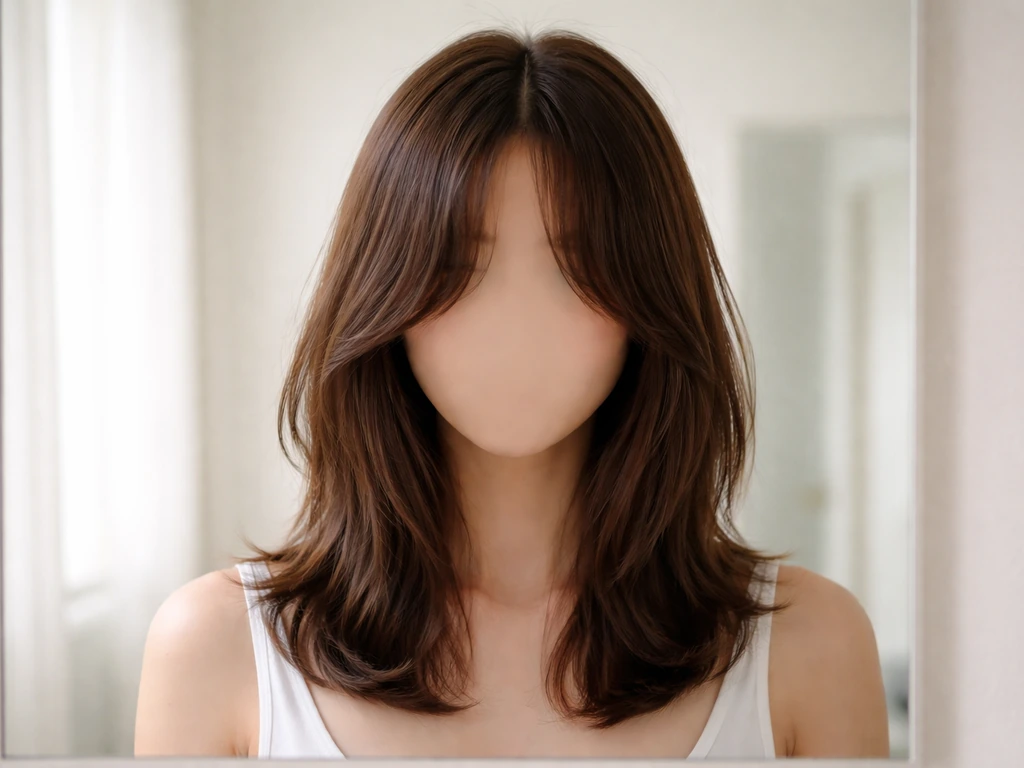
Curtain bangs are shorter in the center and longer on the sides, parting down the middle and sweeping softly outward to frame the eyes and face. Think of curtains being drawn open: the fabric hangs away from the center, not straight down. That shape is what you are growing toward, and understanding it matters because the transition is not just about length. It is about learning to style your bangs in a new direction as they get long enough to cooperate.
Before you do anything else, figure out where your bangs actually sit right now. Hold them straight down against your forehead and look in the mirror. Are they above your brows, at your brows, or already hitting your cheekbones? Your starting length determines your timeline and your first styling moves. If you are unsure whether growing them out is even the right call, it helps to think through your face shape and lifestyle first before committing, which is exactly what deciding whether to grow out your bangs comes down to.
Also consider your bang texture. Fine, straight hair will lay flat and part easily earlier in the process. Thick or wavy hair takes more effort to get the curtain shape but often holds it better once it gets there. If you have naturally curly hair, the grow-out behaves quite differently and requires its own approach. For curl-specific guidance, the process of growing out curly bangs has some important texture-specific considerations worth reading separately.
Growth timeline: what to expect and how to get there
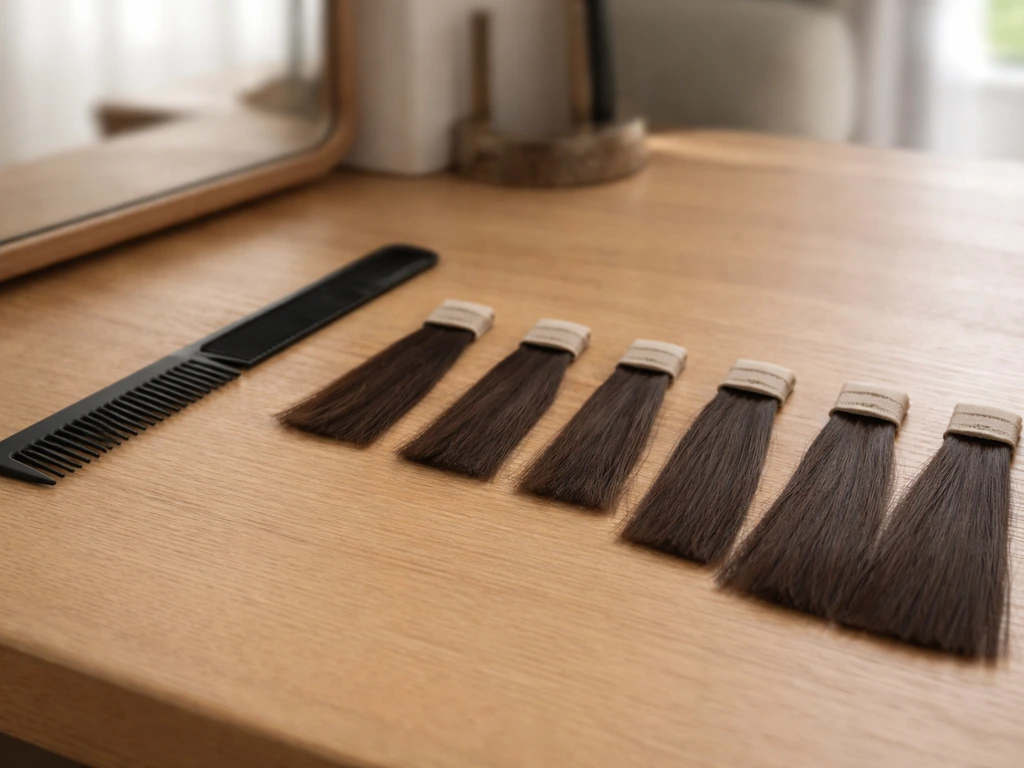
Scalp hair grows roughly 1 cm per month on average, though the real range is wider than most people expect, anywhere from about 0.6 cm to over 3 cm per month depending on genetics, age, health, and season. For practical planning, assume about 1 to 1.5 cm per month. That means if your bangs are 2 cm above your cheekbones right now, you are looking at roughly 2 to 3 months before they reach a length where the curtain style becomes genuinely easy to wear.
| Starting bang length | Where it sits | Estimated time to curtain-bang length |
|---|---|---|
| Very short (above brows) | Forehead mid-point or higher | 4 to 6 months |
| At the brows | Brow line | 2 to 4 months |
| Below the brows | Upper cheekbone area | 1 to 2 months |
| Already past cheekbones | Lower face or jaw | Ready to style now with trimming |
These are realistic estimates, not guarantees. Some people move through stages faster, some slower. What matters more than the calendar is what you do during each stage, because styling and trimming decisions during the grow-out have a bigger impact on the end result than raw growth speed. If you want to go deeper on timelines and what influences them, the full breakdown on how to grow out bangs fast covers the factors you can actually influence.
How to style during each awkward stage
This is where most people either give up or accidentally reset their progress by trimming too aggressively. Each stage has a different challenge, and each one has a workable styling approach.
Stage 1: too short to part (above the brows)
When your bangs are still short enough to stand up or stick forward, you do not have many options for the curtain look yet. Your job right now is not to fake curtain bangs. It is to keep your bangs looking neat while they grow. Pin them to the side with a small clip or slide, or work a small amount of lightweight pomade through them and sweep them slightly to one side. Do not try to force a center part this early. You will just end up with a strange forehead divot and bangs that want to rebel.
Stage 2: at the brows and starting to move
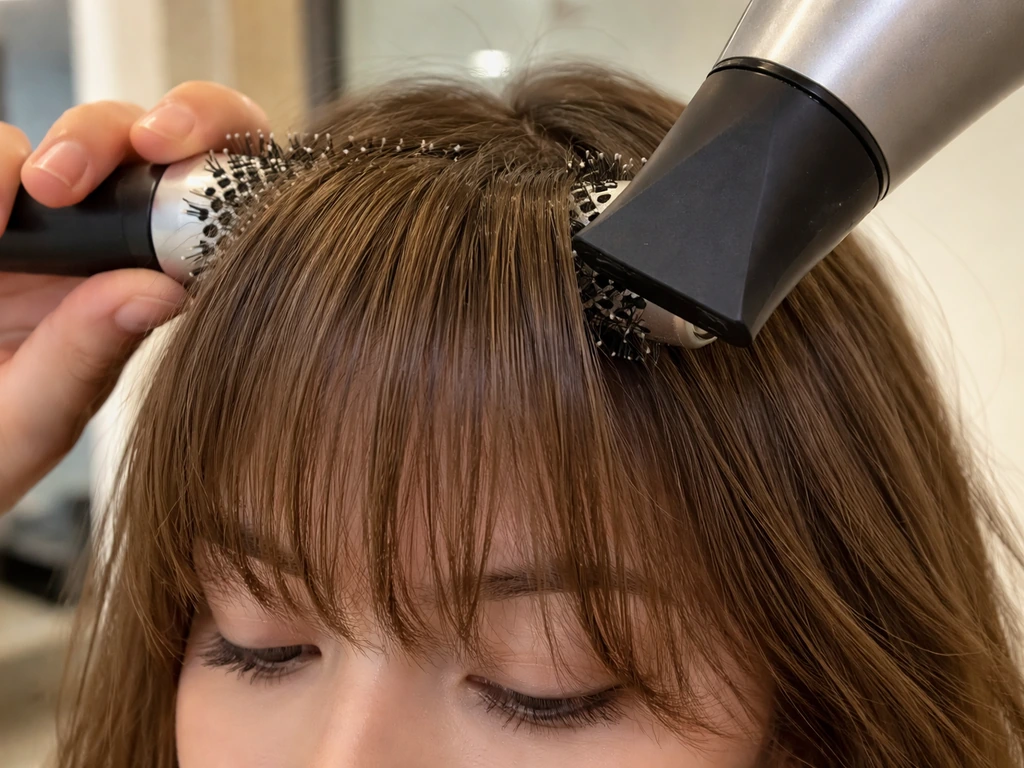
Once your bangs reach your brow line, you can start introducing the directional blow-dry that builds the curtain shape. Use a round brush positioned behind the bang section, pull it gently forward toward your nose rather than straight down, and dry the roots with a little upward lift at the center. Then split the section down the middle and flick each side away from the face with the brush, following with the dryer. This two-direction technique trains your bangs to fall outward rather than straight across. A small amount of mousse applied to the round brush before blow-drying gives extra control and helps with volume if your hair tends to go flat. Avoid parting the bangs while they are still wet and leaving them to air-dry that way. As Vogue's stylists have pointed out, letting them dry in a center part without heat can cause an unflattering flick right at the face instead of the soft sweep you want.
Stage 3: past the brows and approaching the cheekbones
This is usually the most satisfying stage because the curtain shape starts to become visible and you can wear it as an actual style. Use a triangle-shaped parting when you section your bangs: the point of the triangle sits at the center of your forehead and the base sits further back on your scalp. This gives you a consistent center part that looks intentional and helps train the hair into the curtain silhouette. Blow-dry with the round brush using the same forward-then-outward technique, and finish with a small amount of light-hold spray. At this stage, the bangs are long enough to blend into your face-framing layers on a good day, which is exactly what you want.
For a comprehensive look at styling options across the full range of growth stages, the guide on how to style bangs as they grow out is worth bookmarking. It goes into more detail on accessory use, product layering, and day-two styling when you do not want to blow-dry.
Fast-track tactics to grow out bangs sooner
Let's be honest about what actually works here. You cannot force your follicles to double their output, but there are real things you can do to get the most out of whatever growth rate you have.
- Scalp massage: a few minutes of daily scalp massage increases circulation to the follicle area. It is not a miracle, but it is free, takes two minutes in the shower, and has some research behind it for hair density and health.
- Protein and hydration: hair is mostly protein, and chronic under-eating or dehydration slows growth noticeably. Make sure you are eating enough overall, not just targeting hair-specific foods.
- Reduce heat and friction: bangs that are over-blow-dried or rubbed aggressively with a towel break off at the ends, which is the opposite of growth. Use a diffuser or a light hold when blow-drying, and pat dry rather than rub.
- Protect at night: sleeping with a satin pillowcase or loosely pinning bangs away from your face reduces mechanical breakage and keeps the length you already have.
- Skip the biotin hype: biotin supplements are heavily marketed for hair growth, but multiple dermatology and trichology sources are clear that they only help if you have an actual deficiency. If your diet is reasonably balanced, adding a biotin supplement is unlikely to speed up your grow-out.
The biggest fast-track move is actually a styling one, not a growth one. Learning to wear your bangs in the curtain direction earlier than feels natural trains the hair to fall that way with less effort over time. The more consistently you blow-dry them outward from a center part, the faster the style looks intentional even at shorter lengths.
Maintenance cuts and when to trim (so they actually become curtain bangs)
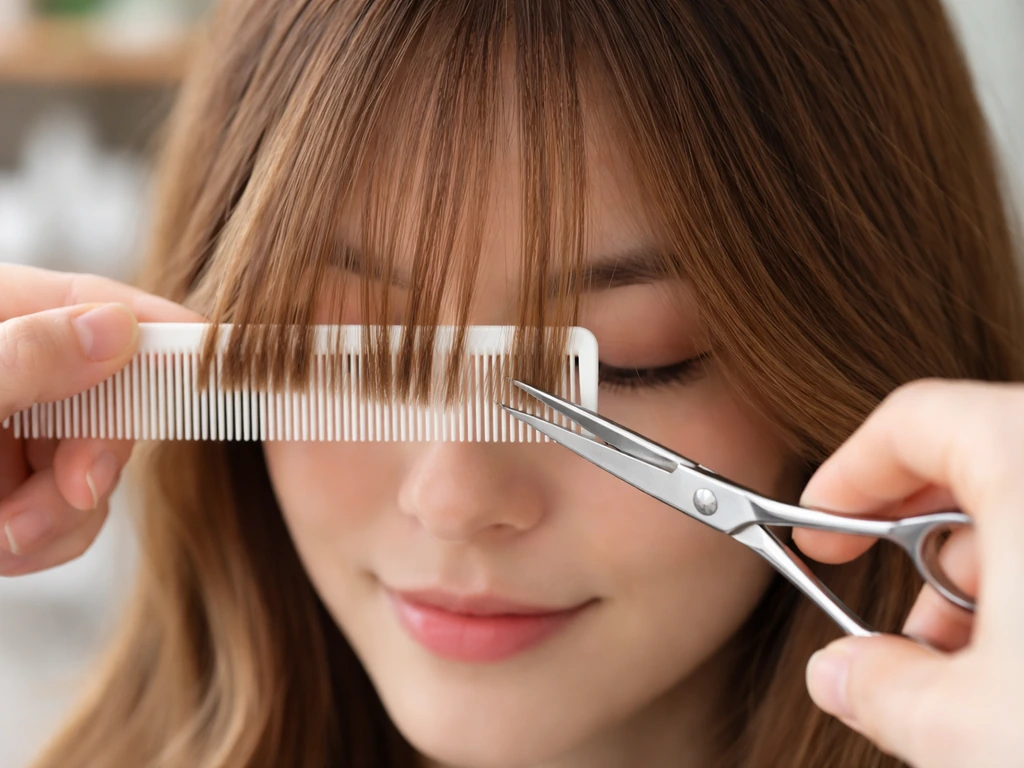
This is the part most people get wrong. They either never trim during the grow-out (and end up with stringy, uneven ends that look messy) or they trim too often and accidentally keep their bangs at the same length for months. Neither serves you.
The right approach is micro-trims every 6 to 8 weeks, or sooner if you notice split ends starting to travel up the strand or if the shape has gone ragged. A micro-trim removes very little length, typically a few millimeters, and focuses on cleaning up the ends and softening the silhouette rather than reshaping the whole bang. Ask your stylist to use point-cutting or to rotate the shears slightly while trimming. This technique softens the ends rather than creating a hard, blunt line, which makes the grow-out look more natural and reduces that telltale awkward-bang look during each growth phase. Razor cutting works on a similar principle and is worth asking about if you are getting a fresh cut to kick off the transition.
Curtain bangs have a natural advantage here: because they blend into the longer hair on the sides, they tend to last around 6 to 8 weeks between trims before they start looking shapeless. That built-in forgiveness is part of why they are such a popular grow-out destination. As the general guidance for how to grow bangs out explains, the key principle is keeping the ends healthy enough that your growth is visible, not just replaced by breakage.
One important trim note: if your bangs are currently blunt and very uniform in length, ask your stylist to begin tapering the sides slightly longer than the center at your next appointment. This is the foundational shape of a curtain bang, and starting to build that gradient now means your grow-out is working toward the right silhouette from the start, not just growing out a blunt edge that you later need to reshape.
Troubleshooting: flat, split, too-short, or growing unevenly
Bangs that lay completely flat with no shape
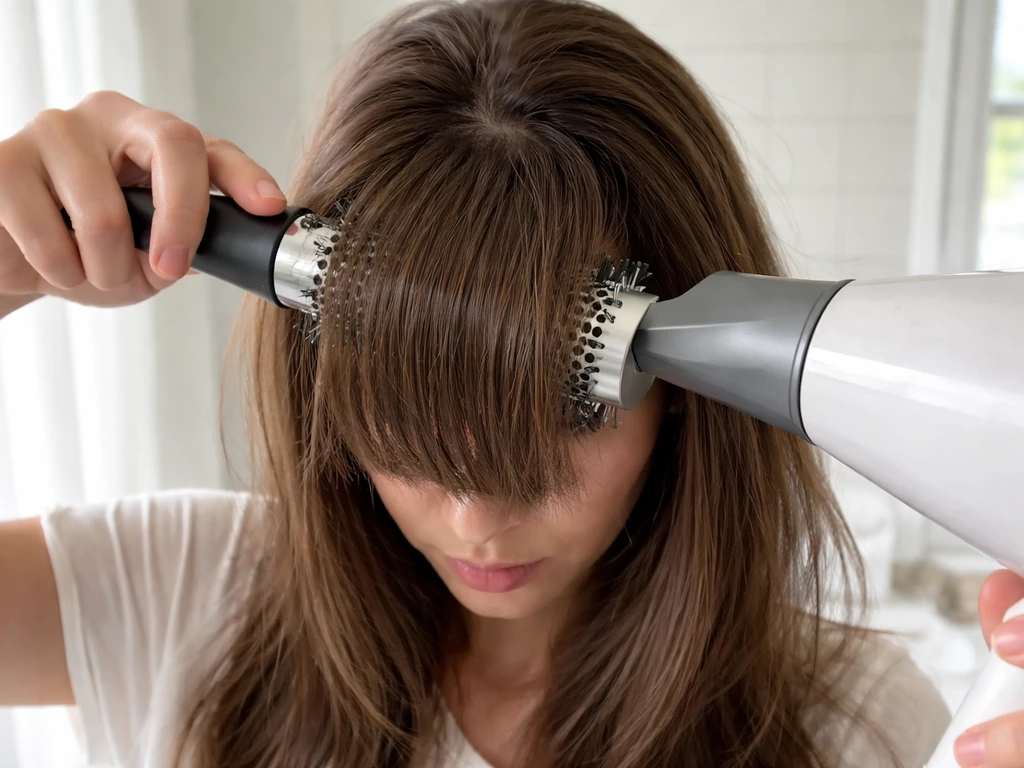
Flat bangs with no curtain lift are almost always a blow-dry technique issue. Go back to the round brush method: pull forward toward the nose first to build tension and root lift, then sweep outward. If your hair is very fine and resistant to volume, apply a small amount of mousse to the brush before you start. A concentrator nozzle on your dryer gives you more directional control and helps you focus the airflow exactly where you want it instead of scattering heat across the whole section.
Split ends eating your progress
If your ends keep splitting, you are likely over-drying or using too much heat without a protectant. Lower your dryer to medium heat, apply a lightweight heat protectant spray before blow-drying, and book a micro-trim to remove the damaged portion. Split ends travel up the hair shaft if left long enough, and you will lose more length to breakage than to scissors if you ignore them.
Bangs cut too short to do anything with
Very short bangs are the hardest starting point, and there is no clever styling trick that replaces time. Your best move is pinning them neatly to the side or slightly back, keeping them out of your face, and focusing on scalp health and end protection while they grow. Ohio State Health notes that blank" rel="noopener noreferrer">biotin deficiency is uncommon and that biotin supplements can carry risks, and that hair growth claims are typically only relevant when there is a deficiency. Healthline reviews the evidence and concludes that scalp massage is unlikely to be a cure, though some small studies suggest modest improvements in hair shaft thickness blank" rel="noopener noreferrer">focus on scalp health. Do not keep trimming them to try to make them look neat. Let them grow. Two months of consistent styling and patience will do more than any product.
One side growing faster or sitting differently than the other
Uneven growth is normal and usually comes down to your natural hair growth pattern or the way your original bangs were cut. If one side is noticeably longer, a stylist can even them up during a micro-trim without taking length off the shorter side. In the meantime, leaning into a slightly asymmetric curtain part can actually look stylish rather than accidental. Blow-dry both sides with the same outward technique and let the slight difference add character rather than trying to hide it.
Whatever stage you are in right now, the most useful thing you can do today is start blow-drying your bangs in the curtain direction, even if the result is not perfect yet. Consistency with the technique trains the hair and gives you momentum. From there, the grow-out practically does itself.
FAQ
How can I make curtain bangs look intentional when my bangs are still too short to sweep outward?
Yes, but only temporarily. At very short lengths, use clips, a small slide, or tuck-and-pin so the bangs stay out of your eyes. If you can see your hair laying straight down from the center, you are too early to force the full curtain silhouette, so focus on keeping the ends neat and protected while they lengthen.
What’s the biggest mistake with drying that causes bangs to flip or flick in the wrong direction?
Avoid center-parting while the bangs are soaking wet. Instead, dry them until they are mostly dry first, then blow-dry with the forward-then-outward direction. If you let them air-dry in a center part, they often set into a sharp flick near the forehead, and it takes more heat to retrain afterward.
If my bangs are currently blunt, what should I tell my stylist to transition them toward curtain bangs?
Ask for a taper that starts at the side length while keeping the center slightly shorter during your first curtain build. If your current bangs are blunt and uniform, starting with point-cutting or slight side taper at the next micro-trim helps prevent that “straight-across” look from lingering for months.
How often should I trim, and how do I make sure I am not cutting too much during the grow-out?
Use point-cutting or softening techniques at micro-trims, typically removing only a few millimeters. If you cut a lot off, you reset the awkward stage and can keep the bangs stuck at the same length. A good goal is cleaner ends, not changing the overall length profile.
What products work best during the grow-out, depending on whether my hair is fine, thick, or resistant to volume?
Yes, but choose based on your hair type. For fine or flat hair, mousse on the round brush before blow-drying improves root lift. For thick hair, focus on sectioning and make sure you are drying the roots first, then the sides, because thick bangs hold shape but take longer to fully dry.
My bangs keep splitting at the ends, what should I change to prevent losing progress?
If you are seeing split ends or fraying, lower heat, use a lightweight heat protectant, and book a micro-trim as soon as possible. Split ends travel upward and will steal your length through breakage, meaning more growth time is lost than you realize.
What do I do if one side of my bangs is growing faster than the other?
Try an imperfect solution first: a slightly asymmetric curtain part can look styled when growth is uneven. In the next micro-trim, ask your stylist to even out the longer side without removing the shorter side’s length, so you correct the silhouette while keeping overall progress.
How do I maintain the curtain shape on day two without re-blow-drying everything?
Two days is usually the practical limit for most people before the curtain shape loosens, especially if hair is humid. To extend wear, use light-hold spray on the outward sections after drying, then refresh only the bang area with a quick brush-through and minimal reheat.
Does the grow-out timeline and styling technique change for naturally curly bangs?
If you have naturally curly or very wavy hair, the “curtain” pattern often appears with different timing because curl shrink changes how length reads when dry. Consider curl-specific guidance and expect to train the shape while it is damp, then let it set without repeatedly re-parting while wet.
What’s the best strategy when my bangs start very short and keep falling into my eyes?
Use the scalp-and-ends approach. Keep the center from falling into your face with clips when needed, and concentrate on conditioning and gentle detangling so you do not break short strands. For the first stretch, skip trying to create a curtain part that your short length cannot support.