
Here's the honest answer: you can grow your bangs out fast, but "fast" means working with a biological speed limit of about 1 cm (roughly half an inch) per month. That's the average rate scalp hair grows during its active growth phase, and no product or routine changes that number in a meaningful way. What you CAN do is make sure every millimeter of new growth actually shows up as visible length, instead of disappearing to breakage, split ends, or poor styling choices. That's the real game.
How to Grow Out Bangs Fast: Step-by-Step Guide

Marcus Vickers
3 Apr 2026
Realistic timeline: how fast your bangs will actually grow
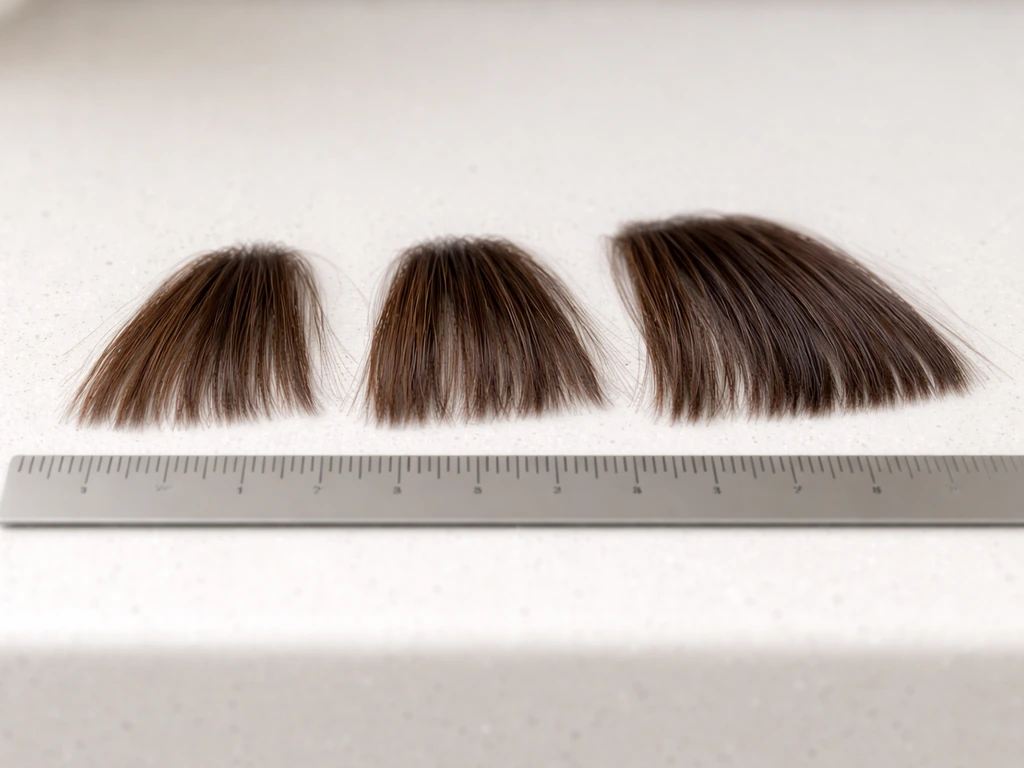
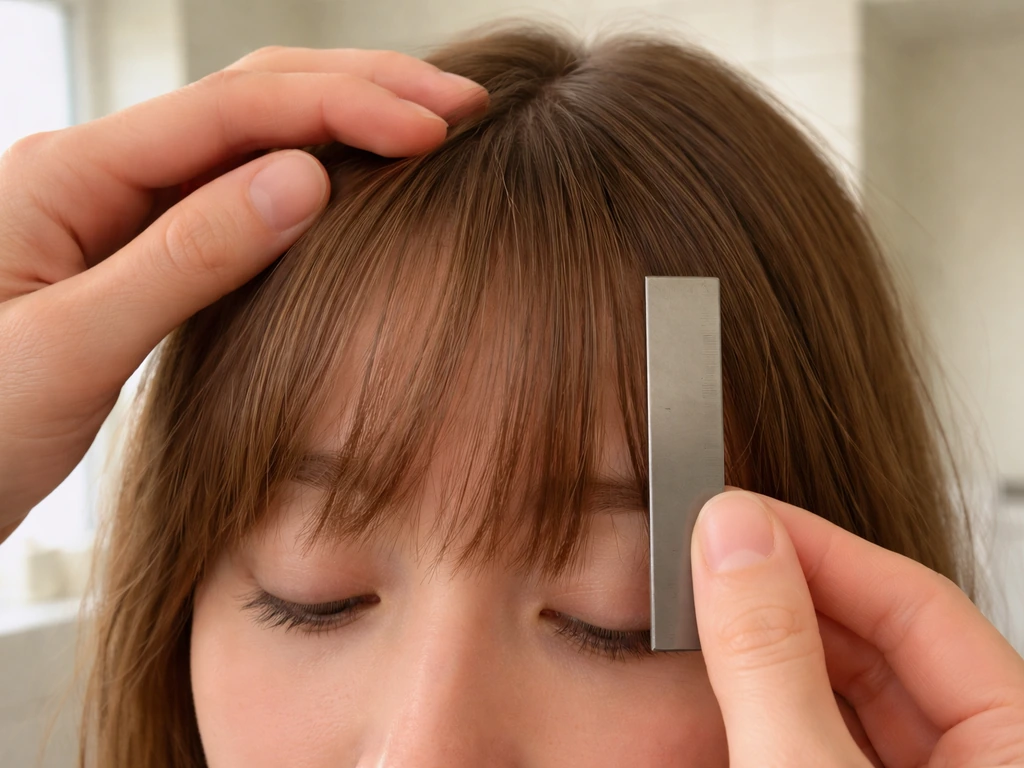
Scalp hair grows at about 0.3 mm per day, which works out to roughly 1 cm per month or about 6 inches per year. In a 4-week window, you're looking at around 1 cm of new growth. In 8 weeks, closer to 2 cm. That doesn't sound like much, but for bangs starting just above the brow, 2 cm often means they're grazing the lash line or hitting the nose area, which is a very different look. The stage you're in matters a lot for how dramatic that progress feels.
If you're starting from micro bangs (sitting near the hairline), expect 2 to 3 months before they blend at all, and 4 to 6 months before they genuinely integrate with the rest of your hair. Short blunt bangs that sit at the brow? You're 6 to 10 weeks away from reaching a chin-skimming curtain-bang territory if you handle them well. If you want to decide whether growing out your bangs is even the right call before committing, it's worth thinking through your starting point before setting a timeline.
Why bangs seem to grow so slowly (it's usually not your follicles)
The frustrating truth is that most people's bangs ARE growing at a normal rate. The problem is that breakage and damage are quietly eating up the gains. Hair shedding is a separate issue from breakage: shedding happens as part of the normal hair growth cycle, where follicles release older strands (up to 50 to 100 hairs per day is completely normal). Breakage is different. It's damage to the hair shaft itself, not follicle release, which means your hair is snapping off at some point along its length rather than falling from the root. For bangs, that distinction matters because breakage can happen at the tip, mid-shaft, or near the root, and each scenario steals length you've already grown.
The biggest culprits for bang breakage are surprisingly mundane: friction from glasses frames rubbing across the same section daily, fingers touching or sweeping bangs aside repeatedly, rough towel drying, over-brushing while wet, and heat without protection. All of these rough up the cuticle layer over time, which leads to fraying and split ends that travel up the strand. Once a split gets going, it can travel far enough that your next trim has to remove more length than you wanted.
Your bang-growth routine: scalp care, massage, and hydration
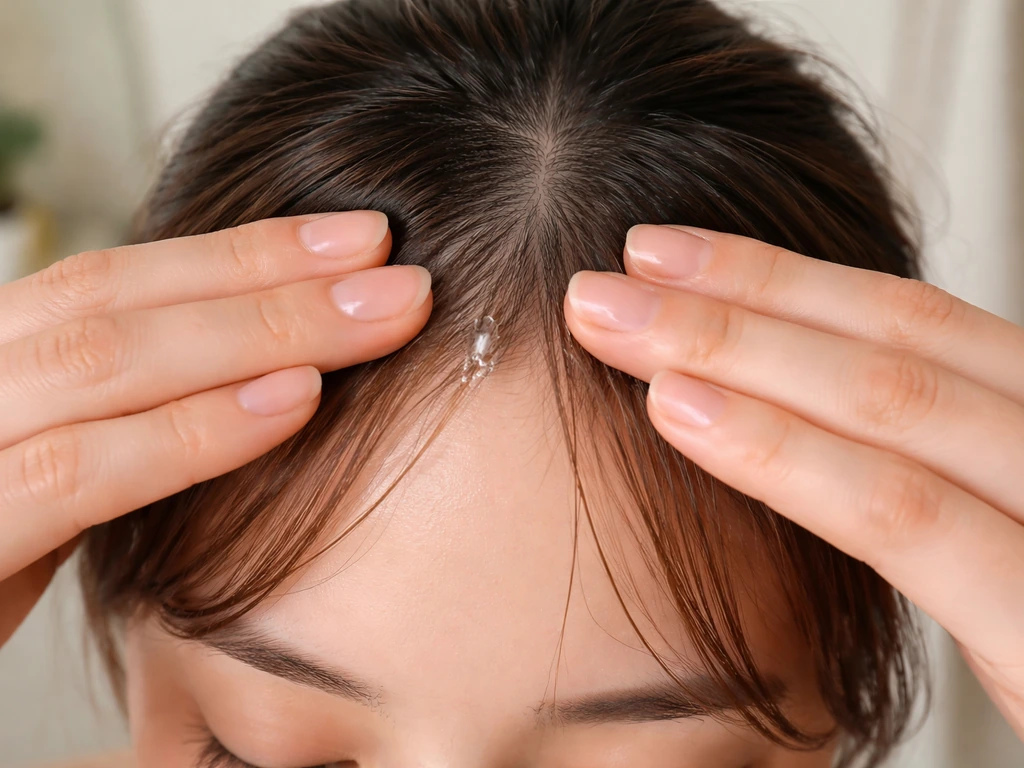
A healthy scalp creates the conditions for normal, uninterrupted growth. That doesn't mean you need an elaborate 10-step routine, but a few targeted habits make a real difference. Start by keeping your scalp clean and free of buildup. Excess sebum, product residue, and flaking from dandruff or seborrheic dermatitis can cause low-grade inflammation and irritation at the follicle level. If you're dealing with flakiness or itching, a medicated shampoo with ketoconazole, selenium sulfide, or salicylic acid can help manage that effectively, and it's worth addressing before anything else.
Scalp massage is something you'll see mentioned everywhere in the hair growth conversation. The honest take: the evidence that it directly stimulates growth is inconclusive, with studies being small and results often self-reported. That said, a gentle 3 to 5-minute scalp massage while shampooing isn't hurting anything, it feels good, and it can help loosen buildup before rinsing. Think of it as a bonus, not the strategy. The real hydration work happens at the hair shaft level: a good conditioner applied to the lengths (not the scalp) after every wash helps smooth the cuticle and prevent fraying. This is the daily habit that actually protects the length you've already grown.
A simple routine that covers all the bases looks like this: gentle sulfate-free or low-irritation shampoo 2 to 3 times per week, conditioner every wash focused on the bang area and mid-lengths, and a lightweight leave-in or hair oil on the ends to reduce moisture loss between washes. If your bangs feel dry, brittle, or tend to frizz, adding a bond-building treatment (more on that below) once a week can repair internal structure that's already been compromised.
Products and practices that actually support faster growth
What helps
- Moisturizing conditioner used consistently on your bang lengths after every wash: it smooths the cuticle and cuts down on split-end progression, which means you keep more of the length you grow.
- Bond-building treatments (look for products marketed around keratin bond repair): these work by helping rebuild the internal protein bonds in damaged hair, reducing the brittleness that leads to breakage.
- A heat protectant every single time you use a blow dryer, flat iron, or curling tool on your bangs. No exceptions.
- A microfiber towel or cotton T-shirt for blotting hair dry instead of rubbing with a terry towel, which roughens the cuticle aggressively.
- A wide-tooth comb or a soft-bristle brush used on damp hair, starting at the ends and working upward.
- If you have a diagnosed hair loss condition, minoxidil (topical or oral) is an evidence-based option worth discussing with a dermatologist, as it works by prolonging the active growth phase of follicles.
What to avoid
- Touching or pushing your bangs aside constantly throughout the day. It's a mechanical friction habit that adds up fast.
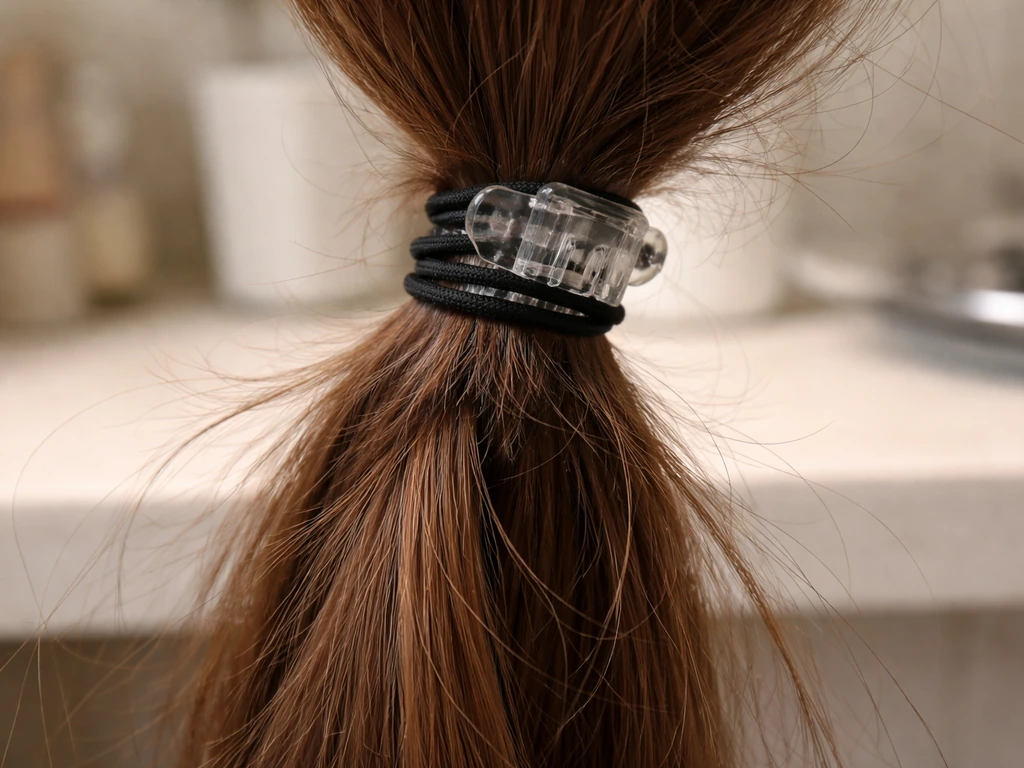
- Tight clips or elastics used repeatedly in the same spot on your bang section, which can cause breakage at that stress point.
- Skipping conditioner on your bang area because 'it makes them greasy.' Use a lighter formula and focus it on the ends.
- Heat styling without protection. Even occasional blow-drying directly on unprotected bangs contributes to cuticle damage over weeks.
- Bleaching or overlapping color processes on the bang section more frequently than the rest of your hair. The bang area is already the most touched-up zone for most people and can become over-processed quickly.
- Harsh shampoos with sodium lauryl sulfate (SLS) if you have a sensitive scalp, since SLS is a common irritant that can cause discomfort or inflammation at the scalp surface.
Trimming and haircut hacks while growing out bangs
Here's a rule that confuses a lot of people: trimming does NOT make hair grow faster. That's a myth. What trimming does is prevent split ends from traveling up the shaft and forcing you to remove more length than you planned during the next cut. It keeps the ends from looking scraggly, which psychologically makes the grow-out feel more controlled. The key during a grow-out is to trim as little as possible while still managing splits and keeping the shape wearable.
For most people growing out bangs, that means a very light dusting every 6 to 8 weeks is enough. Some stylists suggest a light trim every two weeks for maintaining a tidy bang line, but if your goal is purely length, that pace can work against you unless it's truly just a few millimeters of tidying. The right frequency depends on how fast your ends split, which comes back to how well you're protecting them day to day. If you're conditioning consistently and handling your bangs gently, you can stretch those trims further.
One smart approach is to avoid DIY trimming on the structural sections and let a stylist connect your growing bang length into the rest of your haircut. As bangs reach the nose-to-chin zone, a good stylist can create a soft front layer that blends the bangs into the sides, so they stop reading as "bangs that are growing out" and start reading as a layered style. This is a genuinely useful transition cut rather than just a trim. Understanding how to grow bangs out with the right cut approach can save you months of awkward styling.
Styling through the awkward stages
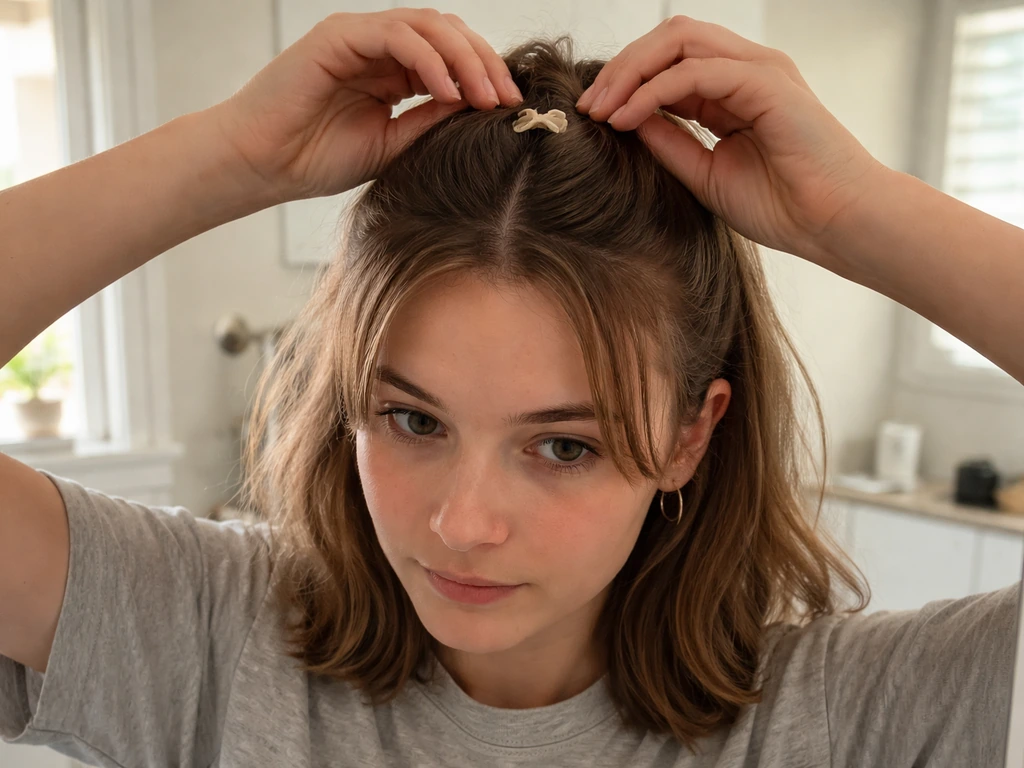
The awkward phase is real, but it's manageable with a few go-to styling moves. The biggest mistake is letting growing bangs just fall forward with no structure, which makes them look messy and emphasizes exactly how in-between they are. A little intention goes a long way.
One of the most effective strategies at the 4 to 8 week mark is switching to a center or side part and sweeping the bangs outward to create a curtain effect. This works surprisingly well because it stops the hair from falling straight down into the eyes and starts integrating it with the rest of the haircut visually. Blow-drying the bang section in the direction of your chosen part while the hair is still damp (about 70 to 80% dry is a good sweet spot) locks in that direction and helps it hold throughout the day. Getting specific about how to style bangs as they grow out at each stage makes the whole process feel much less chaotic.
For the truly in-between length when bangs are too short to part but too long to ignore, clips are your best friend. A small jaw clip or bobby pins tucked back toward the crown keep them out of your face without looking like you're fighting your hair. Face-framing clips placed at the temple area can actually look intentional and stylish. The goal is to style with the growth, not against it. If you're heading toward a curtain bang look specifically, the process of growing out curtain bangs has its own set of styling tricks worth knowing.
A few more styling moves worth keeping in your rotation during the grow-out:
- Half-up styles: pull the top section back with a clip or elastic while leaving the lower half down, which neatly lifts the bang area off your face.
- Headbands: a simple thin headband pushed back a few centimeters disguises the length limbo better than most other options.
- Braiding the bang section back into a small braid along the hairline, then pinning it: this works especially well in the 6 to 10 week window when the bangs are truly caught between two worlds.
- Dry shampoo at the roots of the bang section to reduce the oily, flat look that makes in-between bangs look worse. The texture also gives you more grip when pinning or clipping.
Adapting the plan for men and different hair types
Men and shorter starting lengths
The core biology is the same for everyone, but the practical experience of growing out a fringe differs depending on how short you started and how your barber or stylist cuts the surrounding hair. For men growing out a fringe, the bang section often grows faster than it looks because the sides are kept shorter, making the front length more noticeable and sometimes more awkward.
A good approach is visiting your barber every 3 to 4 weeks for maintenance on the sides and back only, while protecting the front length. Ask specifically for the fringe to be left alone or just dusted for split ends. Keeping the overall haircut balanced and fresh while letting the front grow is the key to not looking unkempt during the transition.
Curly hair: shrinkage changes everything
If you have curly or coily hair, there's an extra variable you need to account for: shrinkage. Your bangs may actually be growing at the same 1 cm per month rate as straight hair, but because curls contract when dry, the visible length can look significantly shorter than the actual stretched length. This is normal and worth tracking by occasionally measuring your bang length when it's stretched or wet, not just how it looks dry. The practical impact is that your grow-out will look slower than it actually is, which can be discouraging if you're not expecting it.
Curly bangs also need more moisture to prevent frizz and breakage, so the conditioning-first approach is even more critical here. Detangle with a wide-tooth comb starting at the ends and working upward, always with conditioner or a detangling product in the hair. When blow-drying to set a style or shape, use a diffuser on low heat and stop when the hair is around 80% dry to avoid over-drying the curl pattern. The specific strategies for growing out curly bangs are genuinely different enough from straight hair that they're worth diving into separately.
Colored or chemically treated bangs
The bang area is often the most frequently touched-up zone for people with color, especially if you have highlights or a contrasting color at the front. Over-processed bangs break more easily, which means the growth race you're trying to win gets harder. During a grow-out, try spacing out color applications on the bang section and using a bond-building or protein treatment between sessions to maintain strand integrity. If you're growing out bangs that have been bleached, they may need more frequent conditioning treatments to hold up through the transition.
Putting it all together: a simple morning and night plan
| Time | Action | Why it matters |
|---|---|---|
| Morning (wash days) | Shampoo scalp gently, condition lengths, rinse cool | Removes buildup, smooths cuticle |
| Morning (all days) | Apply heat protectant before any heat tool | Prevents cuticle damage from blow-drying |
| Morning (all days) | Blow-dry or air-dry bang section in your chosen part direction | Sets the style, reduces friction styling later |
| Morning (all days) | Use a clip, pin, or headband if bangs are in the awkward stage | Intentional styling beats frustrated pushing-aside all day |
| Throughout the day | Minimize touching or pushing bangs with fingers | Reduces mechanical friction and oil transfer |
| Night | Apply a lightweight hair oil or leave-in to bang ends | Prevents overnight moisture loss and brittleness |
| Night | Use a silk or satin pillowcase, or loosely pin bangs back | Reduces friction damage during sleep |
| Weekly | Apply a bond-building or deep conditioning treatment | Repairs internal damage, reduces breakage risk |
The bottom line is that growing out bangs fast is mostly about protecting growth, not unlocking some secret acceleration. The 1 cm per month is locked in, but whether that centimeter survives to become visible length is entirely in your control. Minimize breakage, keep the ends conditioned, style with intention through the awkward phases, and trim only when genuinely necessary. That combination is what actually moves the needle. If you're still weighing what approach works best for your specific bang type or starting cut, the broader guide to growing bangs out covers stage-by-stage transitions in more detail.
FAQ
How can I tell if my bangs are growing but I am not seeing the length?
Check breakage versus normal shedding by looking for short, snapped pieces along the bang ends. If hairs are falling out with tiny bulbs, that is shedding. If you notice frayed tips, split ends that keep creeping upward, or uneven “bald spots” where strands snap, that is breakage, which makes the grow-out look slower even if growth rate is normal.
What should I do if my bangs keep splitting even though I’m conditioning?
Reassess the friction points first: glasses frames, sleeping on a rough pillow surface, brushing when wet, and dragging towel-dried hair. Switch to a microfiber towel or cotton T-shirt for drying, apply leave-in or hair oil to the last 1 to 2 inches before air-drying, and use a wide-tooth comb with conditioner to detangle, especially on day-old bangs.
Is it okay to go longer than 6 to 8 weeks between trims during a bang grow-out?
Sometimes, but only if your splits are not traveling. If your bangs start looking rough or the ends feel dry and rough to the touch, stretching trims too far can backfire because the next “necessary” trim removes more than a light dusting would have. A good decision rule is to trim when you can clearly see split ends or when the bang outline becomes choppy.
Should I trim my bangs myself to avoid an awkward phase?
It depends on where your splits are. DIY trims are riskier when the bang area is still short and structurally important (around the brow-to-nose stage) because it is easy to create uneven thickness or a blunt line that makes grow-out look worse. Consider a stylist for connecting the front length into the sides, then do only minimal tidying at home if you are confident about sectioning and using sharp shears.
How do I prevent my bangs from falling back into my eyes after I blow-dry them?
Set direction while the hair is about 70 to 80% dry, then “lock” with a small amount of heat-protectant and a light holding product (non-crunch cream or flexible hairspray). If you have fine hair, use less product and focus on smoothing at the root and mid-length, then avoid touching the bangs repeatedly during the first hour.
What is the best way to use clips when bangs are too short for a part?
Use clips to create a gentle side angle rather than pinning straight back. Place a small clip near the temple or toward the crown, then smooth the bang section outward to one side so it rests along your intended curtain direction. This reduces re-tangling and keeps the growth pattern looking intentional.
How often should I wash during a bang grow-out if my scalp gets oily?
If bangs get oily quickly, you can spot-rinse or apply conditioner only to the bang lengths between washes, rather than increasing full wash frequency. Oily scalp can worsen irritation and product buildup, but over-washing can also dry out the ends, which increases frizz and breakage. Aim for a schedule you can maintain (often 2 to 3 times weekly) and adjust based on how your bangs feel at the ends.
Can medicated shampoo help if my issue is itching or flakes around the bang area?
Yes, but be strategic. Use the medicated shampoo on the scalp, including where the bang roots sit, and keep it out of the very ends to avoid extra drying. Follow with conditioner focused on lengths. If you are using multiple products, start one medicated product at a time so you can tell what is actually improving symptoms.
Does hair color or bleaching make bangs grow out slower?
It does not slow growth rate, but it can increase breakage. Bleached bangs are more prone to dryness and internal weakness, so spacing color and adding a bond-building or protein treatment between sessions helps protect the length you are trying to keep. If your bangs feel more “silky-dry” but also snap when brushed, prioritize repair and gentle handling over trying to style more aggressively.
How should my strategy change if I have curly or coily hair?
Plan around shrinkage. Track length when the hair is stretched or wet occasionally, not just when it is fully dry. Use detangling with conditioner, detangle from ends upward, and when blow-drying use low heat with a diffuser, stopping around 80% dry to reduce over-drying that can trigger frizz and breakage.
I want bangs to blend into my sides, what should I ask for at the next haircut?
Ask for a transition cut, not just “dusting.” A stylist can connect the front into soft front layers as the bangs reach the nose-to-chin zone, so it reads as a layered style rather than awkward regrowth. Mention your target timeline (for example, when you want curtain-bang shape) so they can guide how much length to keep.