
Shaving your head to grow it out does not make your hair grow faster. That part is a myth. What shaving does do is give you a single, uniform starting point, which can actually be useful if you're dealing with an awkward undercut, uneven layers, or patchy regrowth that's making the grow-out process miserable. Whether you should shave depends entirely on where you're starting from, what your hair type is, and how much patience you have for the months in between. For most people who are already mid-grow-out, shaving is a step backward, not forward. But for some specific situations, it genuinely is the cleanest reset.
Should I Shave My Head to Grow It Out? A Grow-Out Plan

Marcus Vickers
13 Jun 2026
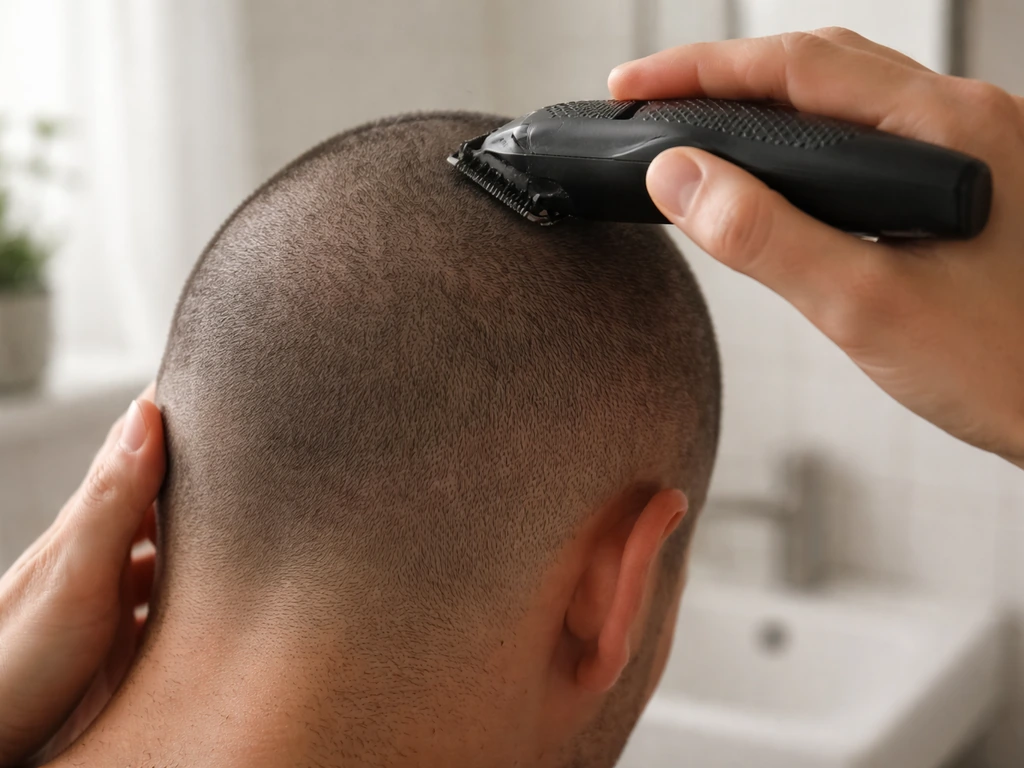
Does shaving or buzzing actually make hair grow faster?
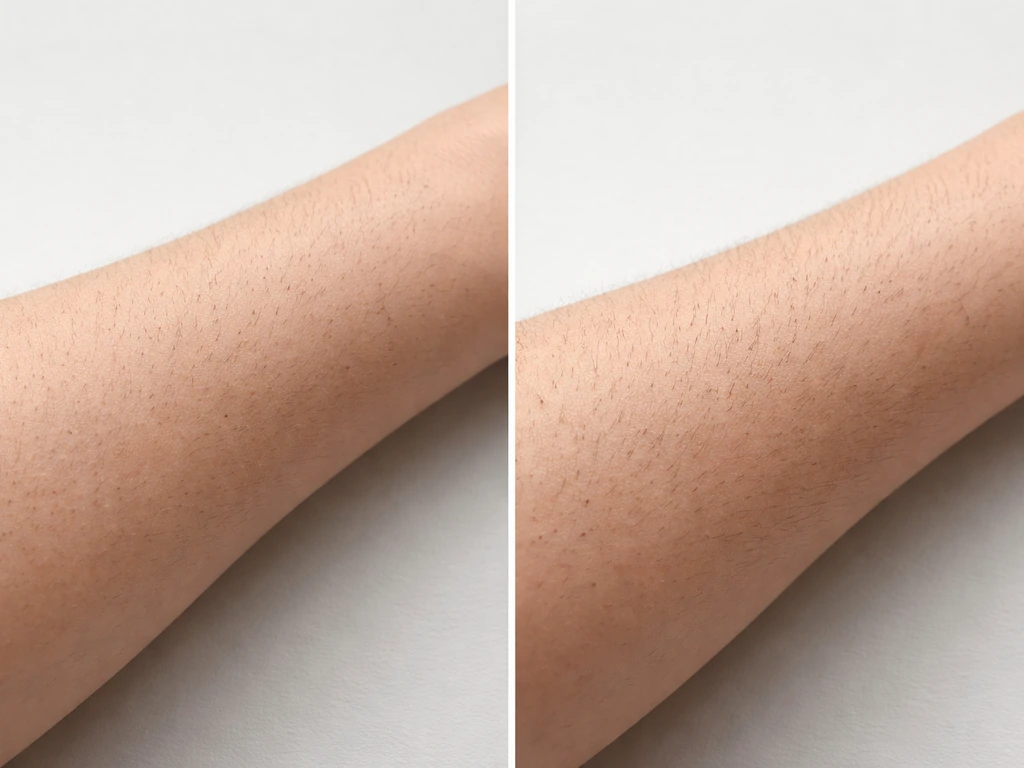
No, and this is worth saying clearly because the myth is everywhere. The Mayo Clinic, Healthline, and basically every credible dermatology source agree: shaving only cuts hair above the skin surface and has zero effect on the follicle underneath. It doesn't speed up growth, it doesn't change your hair's thickness, and it doesn't alter the color. Your hair grows from the follicle, not the shaft, and a razor never touches the follicle.
What actually governs your growth rate is your hair's growth cycle. To keep growing hair long, focus on consistent care and avoid changes like shaving or trimming that do not actually speed up your growth rate should i trim my hair to grow it long. Scalp hair grows roughly half an inch (about 1 centimeter) per month on average, according to data from Healthline and the ATSDR. That works out to around 6 inches per year. The anagen (active growth) phase lasts anywhere from 2 to 6 years before hair enters catagen (a short transition) and then telogen (a 2 to 4 month resting phase where growth pauses). None of that changes because you picked up a razor.
So if you're hoping a fresh buzz will somehow accelerate things, it won't. You'll be starting from zero again, which adds months to your overall timeline rather than shaving time off it (pun intended). The real question is whether starting from zero is actually worth it for your specific situation.
When shaving helps vs. when it works against you
Here's an honest decision checklist. Think through each of these before committing.
Situations where shaving or buzzing makes sense
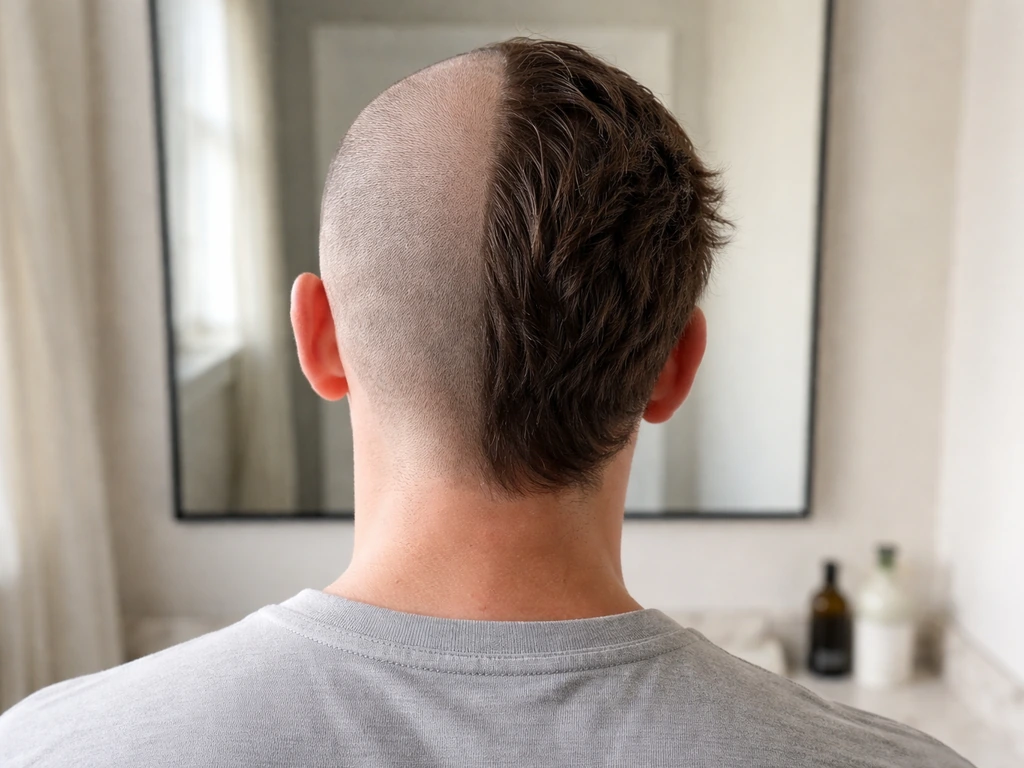
- You have a deeply disconnected undercut where the shaved sides are nowhere near catching up to the top, and the contrast looks extreme no matter what you try
- Your hair is growing back patchy after a medical event (chemotherapy, alopecia flare, scalp procedure) and the unevenness is causing real distress
- You've been cutting and re-cutting a short style for years and genuinely want to start a clean, committed grow-out from a single length
- You have an old bleach or color job that's grown out so unevenly that no amount of styling hides the demarcation, and you'd rather start fresh than manage a complex color correction
- You've been maintaining a buzz cut and just want to let it grow: you're essentially already at the starting line and just need to stop cutting
Situations where shaving works against you
- You're already 3, 6, or 9 months into a grow-out: shaving erases all that progress and resets your timeline completely
- You're growing out a pixie or bob and the frustration is just the awkward phase talking: this is normal and doesn't require a reset
- Your hair is curly or coily and you're concerned about the grow-out: shaving doesn't change your curl pattern, but the early regrowth phases are genuinely harder to style with tighter curl types
- You have a history of scalp sensitivity, ingrown hairs, or pseudofolliculitis barbae (razor bumps): shaving can aggravate all of these significantly
- You're hoping shaving will somehow improve your hair density or thickness: it won't affect either
What to expect at each stage of the grow-out
Whether you've just shaved or you're starting from a buzz cut, here's what the grow-out actually looks like month by month. These milestones apply to most hair types, with curl-specific notes where things diverge.
| Stage | Approx. Length | What's Happening | The Challenge |
|---|---|---|---|
| Weeks 1–4 | Under 1 cm (stubble) | Hair just starting to emerge, scalp still visible | Patchiness is most obvious; scalp irritation and ingrowns most likely |
| Months 1–2 | 1–2 cm | Short all over, early texture visible | Hair may look uneven; curly/coily types start showing curl but not length |
| Months 2–4 | 2–4 cm | Classic 'pixie' zone, some styling possible | Awkward: not quite short, not quite styled; fringe area grows faster for some |
| Months 4–6 | 4–6 cm | Ear-length range approaching; layers and cowlicks emerge | Sticking out at sides and back; the universally difficult phase |
| Months 6–9 | 6–9 cm | Approaching a short bob or shaggy length | Top and sides often uneven if you had an undercut; volume can look unbalanced |
| Months 9–12 | 8–12 cm | Shoulder-adjacent for most | Fine hair may look limp; coily hair sees significant shrinkage vs. actual length |
| Year 1+ | 12+ cm | Real styling options open up | Maintaining momentum and avoiding the urge to cut it all off again |
The months 4 through 6 window is where most people give up and cut again. This is the stage where hair hits your ears, sticks out at the sides, and doesn't cooperate with any style. It's genuinely uncomfortable. But this phase is temporary, it's the same for nearly everyone, and pushing through it is the only way to the other side. Cutting back to a buzz at this point means starting this same awkward phase all over again in a few months.
How to style through the awkward phases by hair type
Your hair type changes what products and techniques actually help during each phase. Here's what actually works.
Straight hair
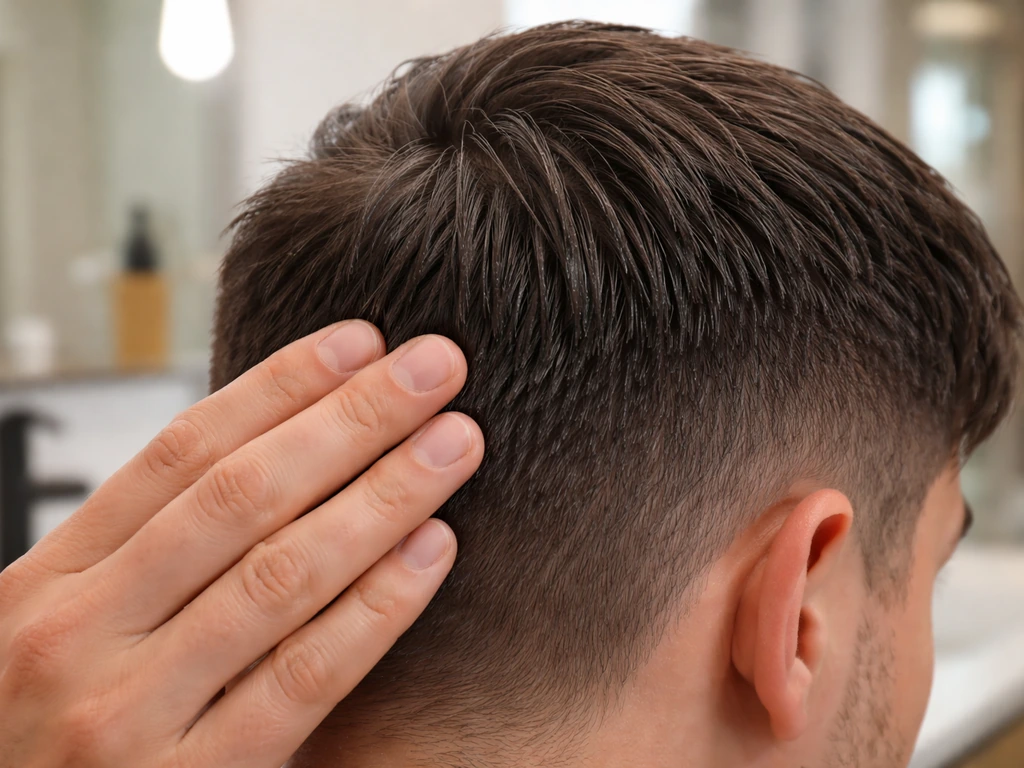
Straight hair at short lengths tends to lie flat or stick straight out with nothing in between. In the early months, a small amount of pomade or matte clay pressed in the direction you want the hair to go can train it while it grows. Once you hit the ear-length phase, a light texturizing spray adds enough movement to disguise unevenness. The goal at this stage isn't a polished style, it's just making the shape look intentional. Side-swept styles and loose forward styling can hide awkward ear growth for months.
Wavy hair
Wavy hair starts cooperating sooner than straight because the texture adds volume and disguises uneven growth. At around 2 to 3 months, applying a curl-enhancing cream or light mousse to damp hair and letting it air dry brings out wave definition that makes thin regrowth look fuller. The challenge is that weight and length change how waves sit, so your pattern may look different than you remember. Keep a light leave-in conditioner in your routine from the start to reduce frizz.
Curly hair
Curly hair is the most misunderstood hair type during a grow-out. Cutting hair short doesn't eliminate curl pattern, it just changes how the curls sit because there's less weight pulling them down. In the early grow-out, curls may appear tighter or poofier than you expect, and shrinkage means your hair looks significantly shorter dry than wet. Hair.com by L’Oréal also notes that shrinkage makes wavy, curly, and coily hair look shorter when it is dry than when it is wet, with higher curl types often showing more shrinkage shrinkage means your hair looks significantly shorter dry than wet. A curl-defining cream and the squish-to-condish method while wet are your best friends from month 2 onward. Don't compare your dry length to straight-haired friends: your hair may be 3 to 4 inches long and look like 1 to 2 because of shrinkage.
Coily hair
Coily hair (type 4) has the most shrinkage of any type and this makes the grow-out timeline feel longer even when it's not. Moisturizing is the top priority: use a rich leave-in conditioner daily and seal with an oil or butter to keep strands from breaking off before they reach the length you want. Protective styles like twist-outs, flat twists, and small cornrows become usable around months 3 to 4 and dramatically reduce the 'is this growing at all?' frustration by keeping hair stretched and protected. Avoid heavy manipulation during the early months when strands are shortest and most fragile.
Managing uneven regrowth: undercuts, layers, and bangs
This is the specific situation where shaving can actually make sense, so it's worth going into detail. An undercut means you have a significant length difference between the shaved sections and the top. As everything grows, the shaved sections will catch up, but the transition looks messy for a long time. If you had a high or deep undercut, you're looking at 6 to 12 months of mismatched sections even if you never cut again.
Your options here are: (1) shave the top down to match the sides and grow everything out together uniformly, (2) keep trimming the sides slightly shorter on an ongoing basis to reduce the contrast gradually as the top grows, or (3) embrace the disconnection and style around it. Option 2 is underrated because it lets you keep the progress on top while closing the gap from the bottom. A barber or stylist can help you figure out a trim schedule that reduces the undercut gradually without losing length on top.
Bangs are their own challenge. If you're growing out a fringe, the in-between stage where bangs aren't long enough to tuck back or blend into the sides is genuinely annoying. Bobby pins, mini claw clips, and off-center parts can keep bangs out of your face while they catch up. Resist the urge to trim them back to a 'clean' fringe: every trim restarts that particular clock.
Layers that were cut aggressively will create a choppy, uneven grow-out where shorter pieces stick up through longer ones. Light trims every 8 to 10 weeks to dust the longest layer while the shorter ones catch up is the right move here. Don't avoid the stylist entirely: strategic trims that even up the shape without removing length are different from cutting everything short again.
Color-treated hair and the regrowth problem
If you're growing out color-treated or bleached hair, visible roots usually appear within 2 to 3 weeks of your last service. Most people feel the need to do a root touch-up every 4 to 6 weeks, which creates a cycle that can feel like it never ends. If your goal is to grow out your natural color, shaving down to a buzz actually can be a logical choice: it removes the majority of the treated hair quickly and gives you a clear starting point for natural regrowth. The alternative is a longer transition period using techniques like root smudging, glosses, or strategic toning to blend the line between natural and treated hair.
For bleached hair specifically, regrowth lines are the most visible because the contrast between natural pigment and bleached lengths is stark. A skilled colorist can soften this with a root shadow or toner, which buys you another month or two without a full process. If you're growing out from a very light blonde and your natural color is dark, be realistic: a smooth transition takes 12 to 18 months of careful management or a significant cut to remove the bleached length.
One thing to be aware of: bleaching can damage the hair shaft and cause breakage, especially at longer lengths. If your bleached ends are compromised, keeping them around while new growth comes in can mean the ends break off at roughly the same rate as growth at the root. In this case, strategic trims to remove damaged ends while keeping as much length as possible is the right call, not a full shave.
Scalp care, irritation, and safety after shaving
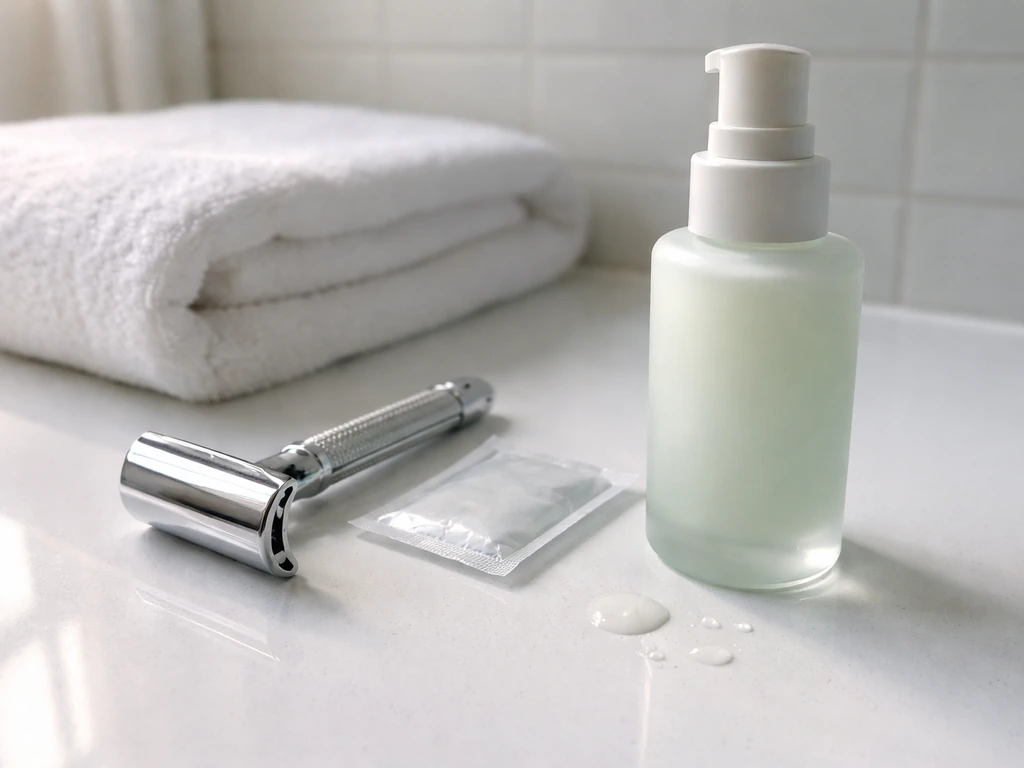
If you do decide to shave, your scalp needs attention in the first few weeks. Scalp skin is different from facial skin and often hasn't been exposed to much direct friction or product. Here's what to actually do.
- Use a sharp, clean razor: dull blades cause more irritation and increase the risk of razor bumps (pseudofolliculitis barbae), which is an inflammatory reaction that happens when hairs curve back into the skin after being cut
- Apply a soothing aftershave formulated to reduce razor bumps and irritation immediately after shaving, as recommended by the American Academy of Dermatology
- The day after shaving, use an OTC product with 1 to 2% salicylic acid or 5% glycolic acid around the shaved area to keep skin smooth and reduce ingrown hair formation, per the Canadian Dermatology Association
- Avoid picking at bumps or ingrown hairs: ingrown hairs are strands that have grown back into the skin, and picking causes inflammation and possible scarring
- Protect your scalp from sun exposure: a freshly shaved head has no UV protection and burns easily, so use SPF or a hat when outside
- If you notice patchiness in regrowth (areas that seem not to grow back, or grow back very slowly), give it at least 8 to 12 weeks before worrying: regrowth timing varies. If significant patches remain after 3 months, see a dermatologist
People with tighter curl patterns or coily hair are more prone to razor bumps after a close shave because the hair's natural curve makes it more likely to re-enter the skin after cutting. If you have a history of razor bumps on your scalp or hairline, shaving to the skin may not be the right choice. A very short buzz with clippers (a #1 or #2 guard) achieves most of the same visual uniformity without the razor-bump risk of a clean shave.
Your actual next steps
Here's how to think about your decision and what to do after you make it.
If you're already mid-grow-out and frustrated, don't shave. If you are deciding whether to cut your hair or grow it out, the best move depends on your current starting point and how you want the timeline to feel. The frustration you're feeling is almost certainly the months 4 to 6 wall, which is universal and temporary. Instead, book a shaping trim with a stylist who understands grow-outs, get a product that works for your texture, and give yourself a 90-day no-cut window. If you want a faster way to decide, use a should I cut my hair or grow it out quiz to match your situation to the right approach. Write the date down. Most people who get past month 6 without cutting are glad they did.
If you're starting from scratch (maintaining a buzz cut, finishing chemotherapy, or making a fresh decision), commit to a simple grow-out plan: stop all cutting except strategic shaping trims every 8 to 10 weeks, start a moisturizing routine appropriate for your hair type, and set realistic milestones. At half an inch per month, 6 months gets you roughly 3 inches of growth. At half an inch per month, you can estimate how thinning might improve as your hair lengthens, but shaving does not change the follicle itself. That's enough for most people to start feeling like they have actual hair again.
If you're navigating color alongside growth, get one consultation with a colorist before making any drastic decisions. A single session with a skilled colorist to soften the line between natural and treated hair can buy you 6 months of easier grow-out without losing length. Whether to cut vs. grow is a genuinely personal decision, and if you're still weighing it, thinking through your hair's specific condition and your daily styling tolerance before committing either way will save you from regret in either direction.
FAQ
If shaving does not speed up growth, why do some people swear their hair grew faster afterward?
What changes is your perception and your starting length. A buzz reset can make regrowth look more even and noticeable earlier, and you may also start a more consistent routine (moisturizing, scalp care, fewer irritants). The follicle growth rate itself stays the same.
How long should I wait after shaving before deciding it was a mistake?
Give it at least 8 to 12 weeks. In that window, you’ll get past the initial “barely noticeable” phase and can judge whether your hair type is behaving well (less poking, more lay or pattern definition). If you still want to bail, do a shaping trim rather than another full reset.
Will shaving help if my hair feels patchy or uneven at the crown?
It can help visually if the unevenness is from disconnected lengths, an undercut, or regrowth that is messy to blend. It will not fix true thinning, traction damage, or hair loss disorders. If patchiness is new, widening, or itchy or scaly, get a dermatology evaluation before resetting.
Should I shave all of it or just the sides if I’m dealing with an undercut?
Usually shaving only the mismatched section (for example, keeping the top long) creates more contrast later, so it often becomes harder to blend. The article’s best “same-time” approach is trimming the sides to reduce the gap gradually, or shaving more broadly only when you want a unified starting point. A barber can map a trim schedule based on the exact length difference.
What’s the safest way to shave if I’m avoiding razor bumps?
Use clippers with a very short guard (like #1 or #2) instead of a skin shave if you’re prone to bumps. If you do use a razor, shave with the grain, don’t go over the same spot repeatedly, use a bland shaving gel or conditioner, and rinse well afterward. Consider avoiding shaving along hairline areas where bumps show up most.
Does shaving help with dandruff or oily scalp during a grow-out?
It may make the scalp look cleaner temporarily, because there’s less hair to hold oils and flakes. But shaving does not treat the underlying cause of dandruff or seborrheic dermatitis. If you have persistent flakes, redness, or itch, use an appropriate scalp treatment (and consider seeing a dermatologist).
If I have bleached or color-treated hair, is shaving always the best way to remove damage?
Not always. Shaving can remove treated ends quickly if you want to restart at zero, but it also removes length you might be able to keep. If the ends are still functional but dry or fragile, a strategic trim to remove the most compromised sections often preserves more overall hair than a full shave.
What should I do if my scalp is sensitive and grows out feels uncomfortable after shaving?
Plan for reduced friction. Avoid heavy hats or tight headwear for the first couple of weeks, keep the scalp moisturized with a gentle, non-stinging product, and resist strong exfoliants right after shaving. If you get persistent burning, swelling, or infection-like symptoms, stop and get medical advice.
Can I speed up my grow-out by trimming, or should I avoid all trims?
Trims do not change growth speed, but they can prevent split ends from causing breakage, which affects how much length you actually retain. If you’re mid-grow-out, dusting lightly on a schedule (the article notes about every 8 to 10 weeks for certain cases) is often more effective than going fully hands-off.
What if my goal is to grow long hair but I hate styling during months 4 to 6?
Have a “low-effort” backup plan before you commit to a reset. For straight or wavy hair, pre-decide on simple direction-based products (matte clay or light styling spray). For curls and coily hair, protective or low-manipulation styles become more usable as the article describes around months 3 to 4, which reduces the urge to cut again.