
Yes, you should trim while growing your hair long, but not as often as your stylist might suggest, and not much at a time. Trimming does not make your hair grow faster (that's a persistent myth), but it does stop split ends from traveling up the shaft and snapping off length you've already earned. Think of it less as cutting and more as protecting. Done right, a trim every 10 to 12 weeks taking off just 1 to 2 cm keeps your ends healthy without stalling your progress.
Should I Trim My Hair to Grow It Long? A Guide

Marcus Vickers
11 May 2026
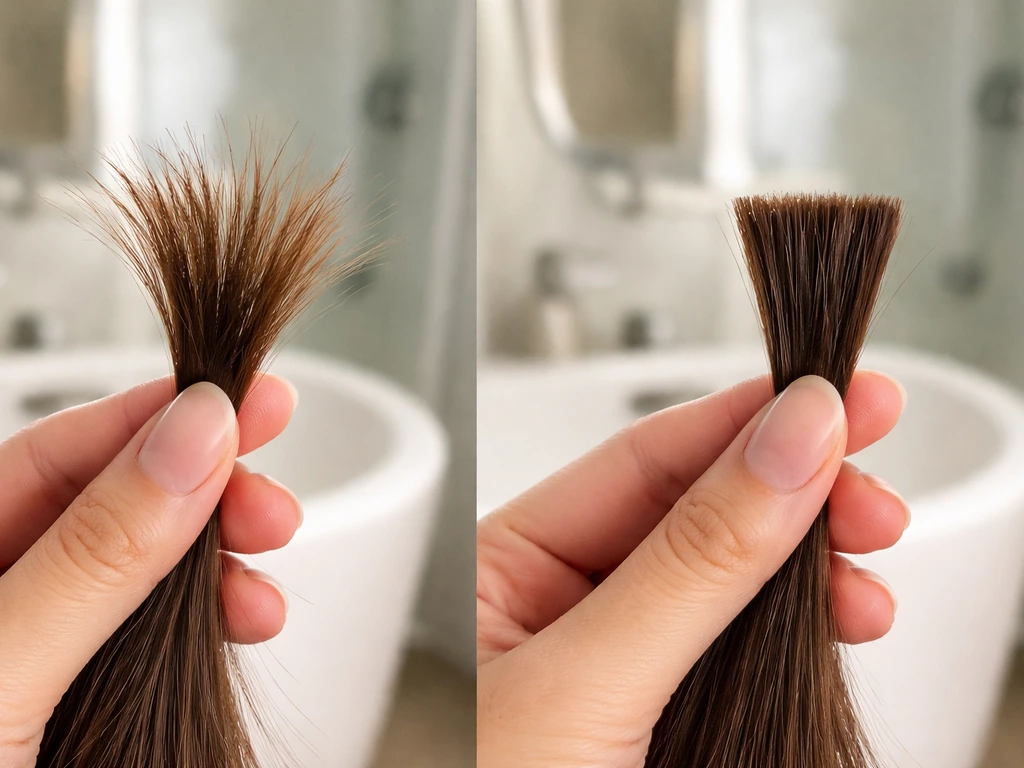
Trimming doesn't make hair grow faster, here's what's actually happening
Hair grows from the follicle, which sits under your scalp. The strand you can see and cut is technically dead, it has no biological connection to how fast new hair gets produced. Your scalp hair grows at roughly 1 to 1.
25 cm per month (about half an inch), driven entirely by the follicle's growth cycle: anagen (the active growth phase, which lasts 2 to 8 years), followed by a brief transition phase, then telogen (rest, about 2 to 4 months).
Cleveland Clinic notes that hair follicle growth includes the anagen phase (2 to 7 years) and that your hair grows about 1 centimeter per month driven entirely by the follicle's growth cycle: anagen (the active growth phase, which lasts 2 to 8 years). Trimming the ends does absolutely nothing to that cycle.
The American Academy of Dermatology, Cleveland Clinic, and dermatology textbooks all agree: shaving or cutting hair fiber has zero effect on root growth rate.
So where did the myth come from? When people trim regularly and notice their hair looks thicker or healthier, they're seeing less breakage, not faster growth. Healthier ends mean less snapping, so more of what grows actually stays. That's the real case for trimming when you're going long: it's a length-retention strategy, not a growth-acceleration trick.
When you actually need a trim while growing it out
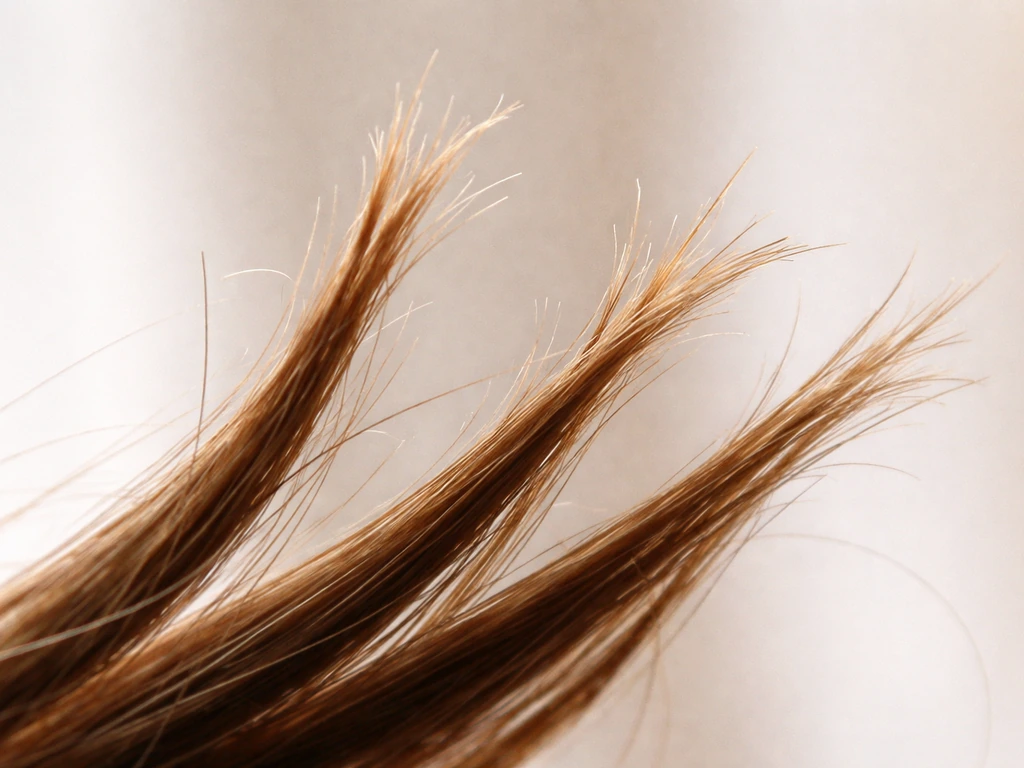
Split ends (technically called trichoptilosis) are a structural fracture in the hair shaft. Once a split forms, it cannot be repaired, no serum or conditioner can fuse it back together. Left alone, a split migrates up the shaft and eventually causes a full break, meaning you lose more length than you would have from a small trim. This is the core reason trimming matters during a grow-out.
Damage also shows up as trichorrhexis nodosa, visible weak nodes or white spots along the shaft where the hair is brittle and prone to snapping mid-strand rather than at the tip. Trichorrhexis nodosa can appear as white spots and split ends, according to MedlinePlus trichorrhexis nodosa, visible weak nodes or white spots along the shaft. Excessive brushing, heat tools, chemical processing, tight styles, and prolonged UV exposure all cause this kind of shaft damage. If your hair is heat-damaged, bleached, or color-treated, the ends are almost always compromised even when they look fine at first glance.
Here's a practical checklist of situations where a trim genuinely helps your grow-out rather than setting it back:
- Visible split ends or white fray tips when you hold a section up to the light
- Hair that feels rough, tangles easily, or snags when you run your fingers through it
- Ends that look thin, wispy, or transparent compared to the mid-shaft
- Noticeable breakage — short snapped pieces in your brush or on your shoulders (not normal shedding, which shows whole strands with a bulb at the root)
- Previously bleached, highlighted, relaxed, permed, or heavily heat-damaged ends
- An old shape (like layers or a disconnected undercut) that's creating bulk or uneven weight as it grows out
Signs you can skip the trim and just let it grow
Not everyone needs a trim every 6 weeks, that advice exists partly to keep salon chairs full. If your ends feel smooth and soft, don't snag on a fine-tooth comb, and look even and solid (not wispy or frayed), you can hold off. People with low-porosity, naturally moisturized, or minimally processed hair often go 3 to 4 months between trims without noticeable damage. If you've been protective styling, air-drying, and avoiding heat, your ends are probably in better shape than you think. Give them an honest look-and-feel assessment before booking a cut.
How often to trim and exactly what to ask for
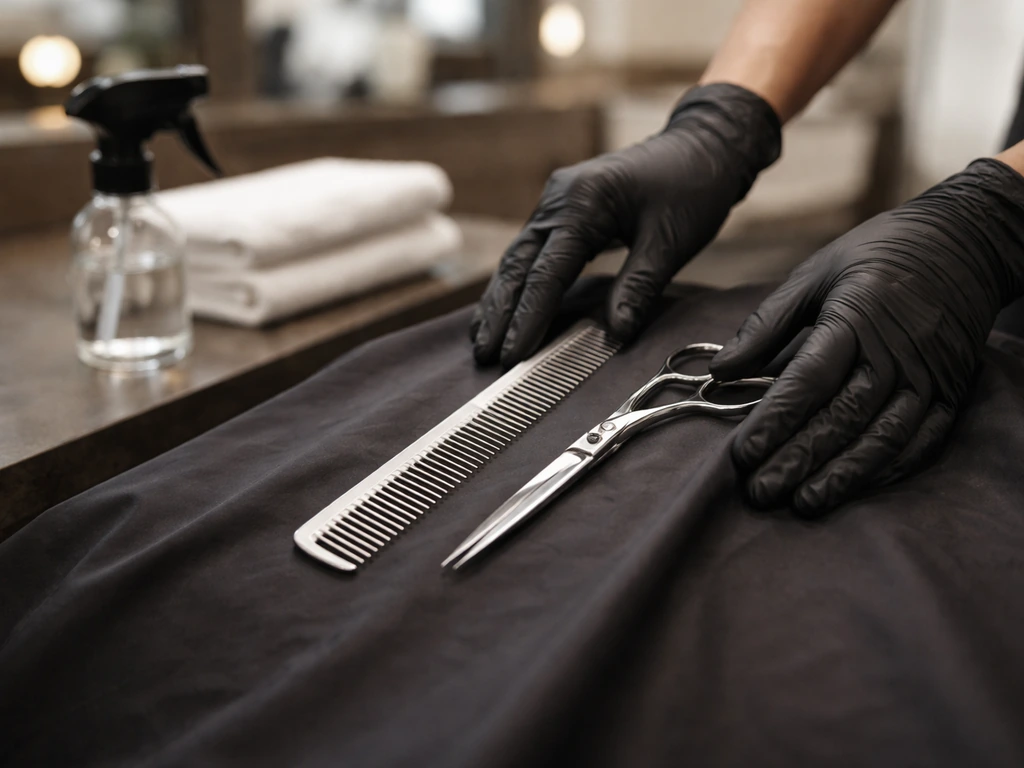
For most people growing out their hair, a maintenance trim every 10 to 12 weeks is the sweet spot. If your hair is heavily damaged or processed, every 8 weeks makes more sense until the worst of it is gone. If your hair is healthy, virgin, and you're protective styling, you can stretch to 14 to 16 weeks.
When you sit in the chair, be very specific. The word 'trim' means different things to different stylists, some interpret it as an inch or more. Here's what to say:
- "I'm growing my hair out and I only want the damaged ends removed — please take off no more than 1 cm (about half an inch) unless you see breakage that goes higher."
- "Can you do a search-and-destroy trim? Check the ends section by section and only cut what's actually split or frayed."
- "I don't want a shape change — just clean up the ends and keep the length."
- "If there are layers growing out unevenly, I'd like them softened or blended rather than re-cut."
- "Please show me how much you're taking off before you cut."
A "micro-trim" (sometimes called a dusting) removes as little as 1 to 2 mm, purely targeting visible splits without touching overall length. This is worth asking for specifically if your ends are only lightly damaged. A maintenance trim is slightly more substantial, up to 1 to 2 cm, and is better when there's a month or two of accumulated damage or when you need to blend a growing-out shape. Neither should change your silhouette if done correctly.
Trim strategy by where you're starting from
Where your hair is right now changes how you should approach trimming during the grow-out. The goal and the complications are different depending on your starting cut.
Buzz cut or very short crop
In the early weeks, you may not need a trim at all, there simply isn't enough length to develop damage. The main reason to visit a stylist at this stage is to manage the shape as it grows, especially around the nape and sides if they grow faster or thicker than the top. Trims here are really about blending, not split-end removal. Once you hit 3 to 4 cm of length, start checking ends for roughness.
Pixie cut
Pixies have multiple lengths, usually shorter sides and back with more length on top, and that unevenness becomes more obvious as everything grows. A light shape-up every 8 to 10 weeks keeps the sides from looking overgrown while the top catches up. Ask specifically to blend the perimeter rather than take off top length. Once you're past the ears, you can start spacing trims out more.
Bob or lob
Bobs are usually blunt or slightly angled, and the hemline is the main thing to manage. As a bob grows out, the blunt line often looks progressively less defined, which is fine, it's growing into a long style. Trim the hemline lightly every 10 to 12 weeks to prevent it from looking scraggly without shortening the overall length. If you had an angled or A-line bob, you may want occasional blending so the front and back even out more gradually.
Undercut

Growing out an undercut is one of the trickier transitions because the shaved or very short sections grow in at a different texture and bulk than the top layers. Trimming isn't really about split ends here, it's about keeping the growing-in sections blended so you don't end up with a visible shelf or ledge. A stylist who understands grow-outs can gradually texturize the perimeter every 8 to 10 weeks to blend the undercut into the rest without cutting top length.
Bangs
If you're growing out bangs, resist trimming them to maintain the fringe shape, that just resets the clock. Let them grow past the brow, then use clips, braids, or a half-up style to keep them out of your face during the awkward curtain phase. You may want to trim the very tips if they're scraggly, but mostly just let them catch up to the rest of your length. If they're growing into layers naturally, that's actually helpful.
Layered hair or color-treated hair
Layers can look great during a grow-out or they can look chaotic, depending on how they were cut. Heavy internal layers often need softening (not removal) as you grow so they blend rather than stick out. If you're also growing out color, ombre, highlights, or a single-process, the line of demarcation between processed and natural hair is often where the most damage lives. Prioritize trimming there to reduce breakage at that vulnerable point.
Styling through the awkward phases
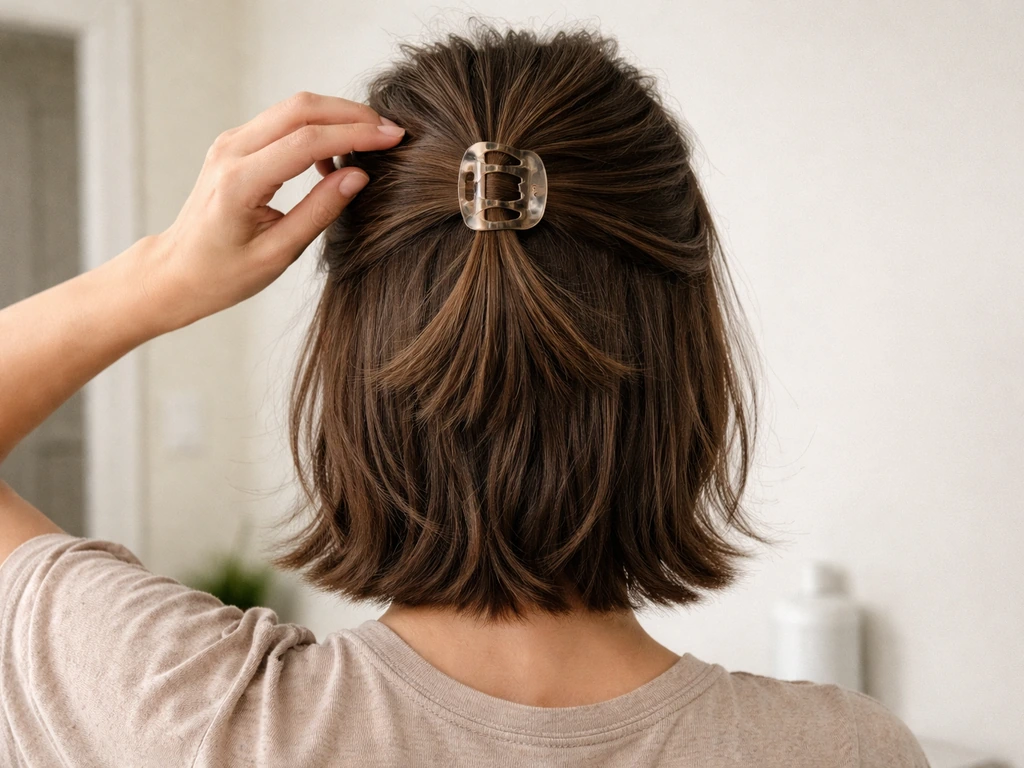
The middle stages of a grow-out are genuinely hard to style, and acknowledging that upfront makes them easier to get through. The best approach is to work with the shape you have rather than fighting it. Here are strategies that actually help:
- Half-up styles: Once hair is past the chin, a half-up knot or clip keeps the awkward layers controlled while still showing off the length you have.
- Headbands and clips: These are not a fallback — they're a legitimate styling tool for the 3-to-6-inch awkward zone.
- Braids and twists: These double as protective styles that reduce breakage. Two braids, a low braid, or twisted sections reduce daily friction and manipulation.
- Texturizing spray or salt spray: Adds grip and movement to in-between lengths that look limp or undefined on their own.
- Diffusing instead of blow-drying straight: Works with your natural texture and reduces heat exposure, which is especially helpful if you're also trying to grow out damage.
- Updos or low buns: When nothing else works, a sleek or textured low bun is polished and protective at the same time.
- Blending and softening layers: Ask your stylist to point-cut or texturize blunt or disconnected layers during trims rather than adding new layers — this helps shapes merge as they grow.
If you've been thinking about whether to just cut it short again instead of pushing through, that's a completely valid thing to sit with. Many people find that committing to the grow-out means riding out two or three genuinely awkward months. The styling solutions above are mostly about making those months feel less frustrating, not about making your hair look perfect.
Aftercare that actually keeps the length you're growing
Trimming is the reactive part of growing long hair. Aftercare is the proactive part, and it makes a bigger difference. Here's what to prioritize:
Washing and conditioning
Wash less frequently if you can, two to three times a week is ideal for most hair types. Daily washing strips moisture from the shaft and makes ends more brittle. Always use a conditioner from mid-shaft to ends (not the scalp), and consider a weekly deep conditioning treatment or hair mask if your ends are dry or processed. Leave-in conditioner on the ends before heat styling adds a protective layer.
Heat and handling
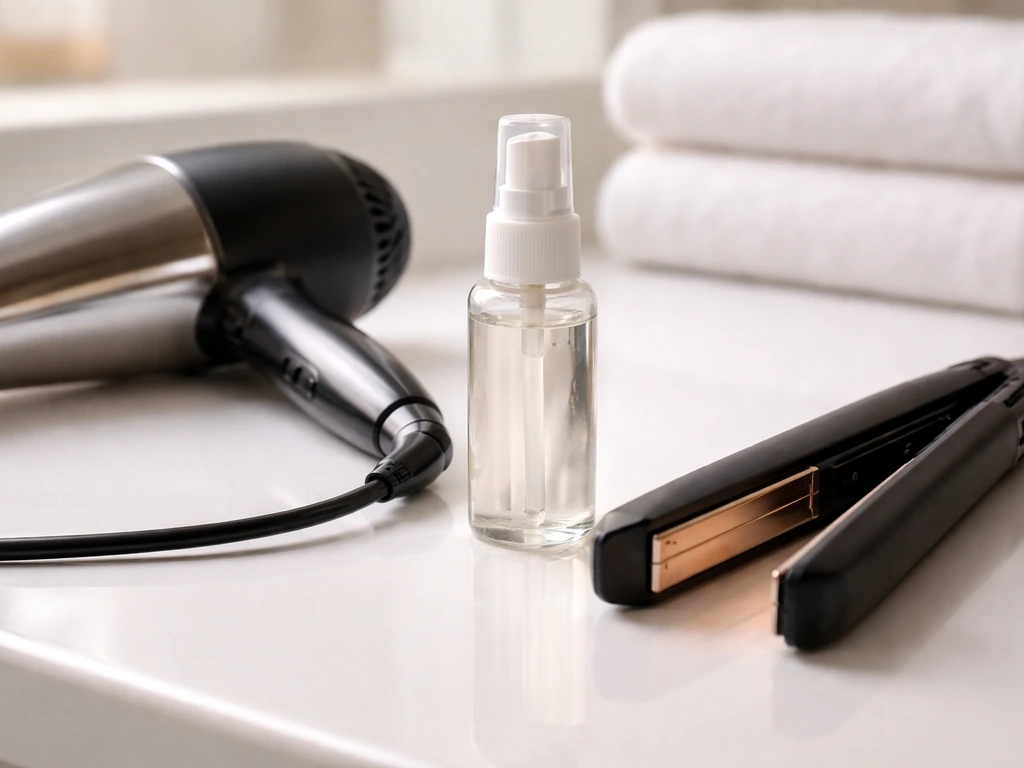
Heat tools, flat irons, curling wands, and blow dryers on high heat, are one of the main causes of the shaft damage (trichorrhexis nodosa) that leads to breakage. If you're serious about retaining length, cut back on high-heat styling and always use a heat protectant when you do. Air-drying when possible, or using a diffuser on low, makes a real cumulative difference over months. Also watch how you detangle: start at the ends and work up toward the roots, never drag a brush through dry tangles from the root down.
Sleep protection
Friction from a cotton pillowcase causes tangles and breaks off hairs overnight, this is especially damaging for textured, fine, or dry hair. Switching to a satin or silk pillowcase reduces friction significantly and helps hair stay more hydrated because satin doesn't absorb moisture the way cotton does. A loose braid or low bun before bed also minimizes tangling while you sleep.
Treatments worth considering
Bond-repair treatments (like Olaplex or similar) can strengthen compromised hair fiber from chemical damage and reduce breakage at vulnerable points. Protein treatments every 4 to 6 weeks help hair that feels limp or snaps easily, but don't overdo them on hair that's already dry, too much protein can make hair brittle. Scalp health matters too: a clean, well-moisturized scalp supports the follicle environment, so don't neglect it while focusing on ends.
| Aftercare habit | Why it helps during grow-out | How often |
|---|---|---|
| Deep conditioning mask | Restores moisture to ends, reduces split-end risk | Once a week |
| Leave-in conditioner | Protects ends from friction and heat | Every wash day |
| Satin/silk pillowcase | Reduces friction breakage overnight | Every night |
| Heat protectant | Shields shaft from tool damage | Every heat session |
| Bond-repair treatment | Strengthens chemically damaged hair fiber | Monthly or as needed |
| Protective style (braid/bun) | Minimizes daily manipulation and breakage | As often as practical |
Putting it all together: your grow-out plan
The honest summary is this: trim when your ends need it, not on a fixed calendar. Check your ends every 8 to 10 weeks by feel and by eye. If they're smooth and solid, hold off. If they're splitting, fraying, or snapping, get a micro-trim or light maintenance trim and be explicit about how little you want taken off. Pair that with consistent aftercare, especially conditioner, less heat, and a satin pillowcase, and you'll retain a lot more of the half-inch per month your scalp is producing. The grow-out is a long game, and trimming strategically is just one part of playing it well.
If you're still weighing whether to grow your hair out at all, or trying to figure out the best starting-point strategy for your current cut, those decisions have their own nuances worth thinking through separately, especially if you're dealing with thinning hair or starting from a very short cut like a buzz or shaved style. If your hair is thinning, the decision to grow it out usually comes down to protecting your ends and managing breakage while supporting scalp health if my hair is thinning should i grow it out.
If you want a quick answer, take a should i cut my hair or grow it out quiz to match your hair type and current damage to the right plan. If you are wondering whether shaving it all off helps you grow longer, the short answer is that it doesn't change how fast your roots produce new hair should i shave my head to grow it out.
If you're wondering whether thinning means you should grow it out, the same grow-out rules apply, but you may want to tailor trimming and breakage prevention to your situation thinning hair. If you’re deciding should i cut my hair or grow it out, a good approach is to trim only when your ends actually need it and focus on keeping breakage low.
FAQ
How often should I trim if I’m trying to grow my hair long but I use heat or bleach?
If your hair is frequently heat-styled, bleached, or color-treated, plan on shorter intervals, about every 8 weeks at first, and ask for a micro-trim or light maintenance cut. The goal is to remove only what’s already damaged, because new damage tends to accumulate at the same vulnerable points between appointments.
What’s the difference between a dusting and a “real trim,” and how do I make sure my stylist doesn’t take too much?
A dusting is usually 1 to 2 mm, targeting visible split ends without changing your overall length much. Before you sit down, tell your stylist the exact amount in centimeters (or mm), and ask them to confirm with you by showing the ends in the mirror before cutting further.
Should I trim my hair if my ends look okay but they still snag or feel rough?
Yes, consider a micro-trim even if the hair looks intact, because snagging and roughness often indicate micro-splitting or surface damage that can worsen. A good decision aid is the “comb test,” if your fine-tooth comb catches at the last few inches, your ends likely need attention.
If my hair is growing slowly, can trimming help it grow faster?
No. Trimming does not change root growth rate, hair length increases from the follicle cycle. If growth feels slow, the more common issues are breakage, protein or moisture imbalance, or damage that makes the hair snap before you can measure length gain.
How do I know whether I’m losing length from breakage versus not trimming enough?
Check where the hair breaks. If you see lots of shorter pieces and frayed strands throughout the mid-lengths, you likely have breakage from heat, chemicals, or friction. If the breakage is concentrated near the ends and the shafts feel smooth, a more frequent micro-trim and end-focused conditioning usually helps.
Is there any case where I should trim more than 10 to 12 weeks even if I’m trying not to?
Yes. If you notice end splitting that keeps moving upward, increased shedding with visible short broken hairs, or tangles that feel unmanageable, it’s time to trim earlier. The article’s “trim when your ends need it” rule applies most when damage is actively progressing.
Can I use at-home tools to remove split ends instead of visiting a salon?
You can try carefully snipping individual splits, but it works best for small numbers of visible ends. For heavy split-end situations, uneven DIY cutting can create bluntness or patchiness, and it often costs more time later. For the best balance, use DIY only for targeted micro removal, then book a stylist trim to even things out.
What should I do when growing out bangs or a bob but my ends keep getting scraggly?
For bangs, avoid trimming to maintain the fringe shape until they pass the brow, use clips or braids to manage awkward length, and only trim tiny scraggly tips if needed. For a bob, focus on the hemline and keep it slightly rounded or even, rather than cutting “into” the interior layers, so you prevent scragginess without shortening the overall grow-out too much.
Do protein or bond-repair treatments replace the need to trim?
They can reduce breakage by strengthening compromised fiber, but they cannot repair a split once it forms. Use treatments to support hair quality and reduce future snapping, then still trim strategically to stop split ends from traveling up the shaft.