
Here's the short answer: if your ends are damaged, your shape has grown out past the point of styling, or you're genuinely miserable with what you see in the mirror, a trim or a strategic cut is the right move. If your hair is structurally healthy and your main issue is impatience or an awkward length, keep growing. The decision really comes down to three things: the current condition of your hair, how much length you're willing to sacrifice to get there, and how realistic you're being about the timeline ahead. Everything else in this guide is about helping you execute whichever path you choose.
Should I Cut My Hair or Grow It Out? A Decision Guide

Marcus Vickers
17 Apr 2026
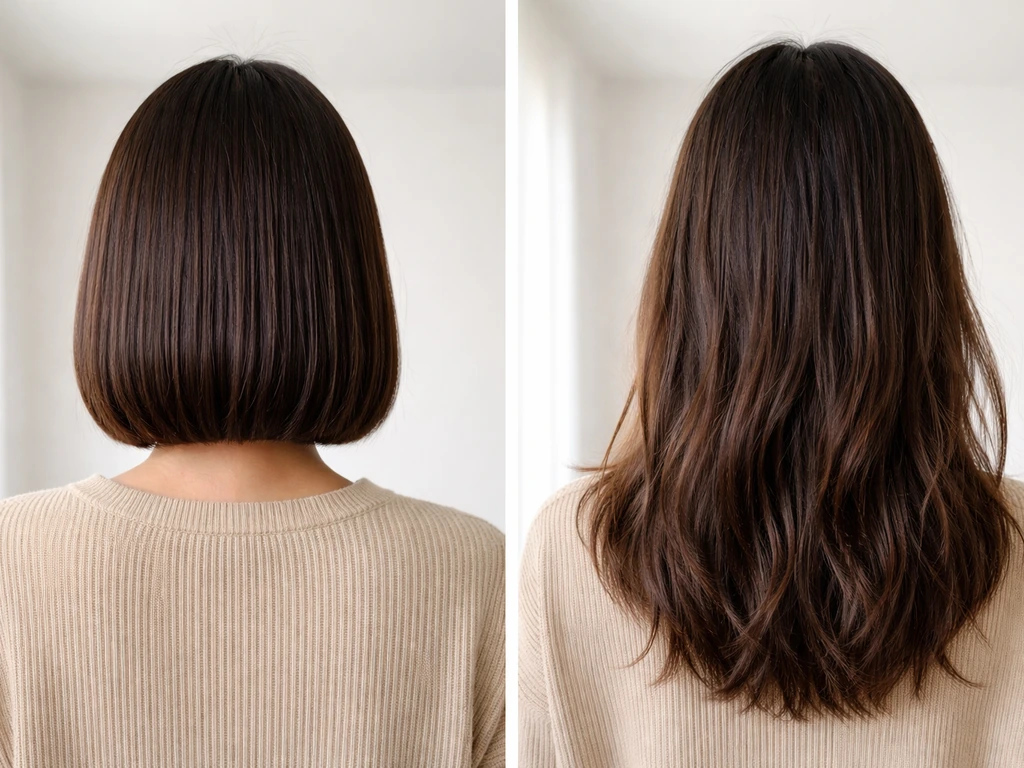
Cut or grow? A quick checklist to decide right now
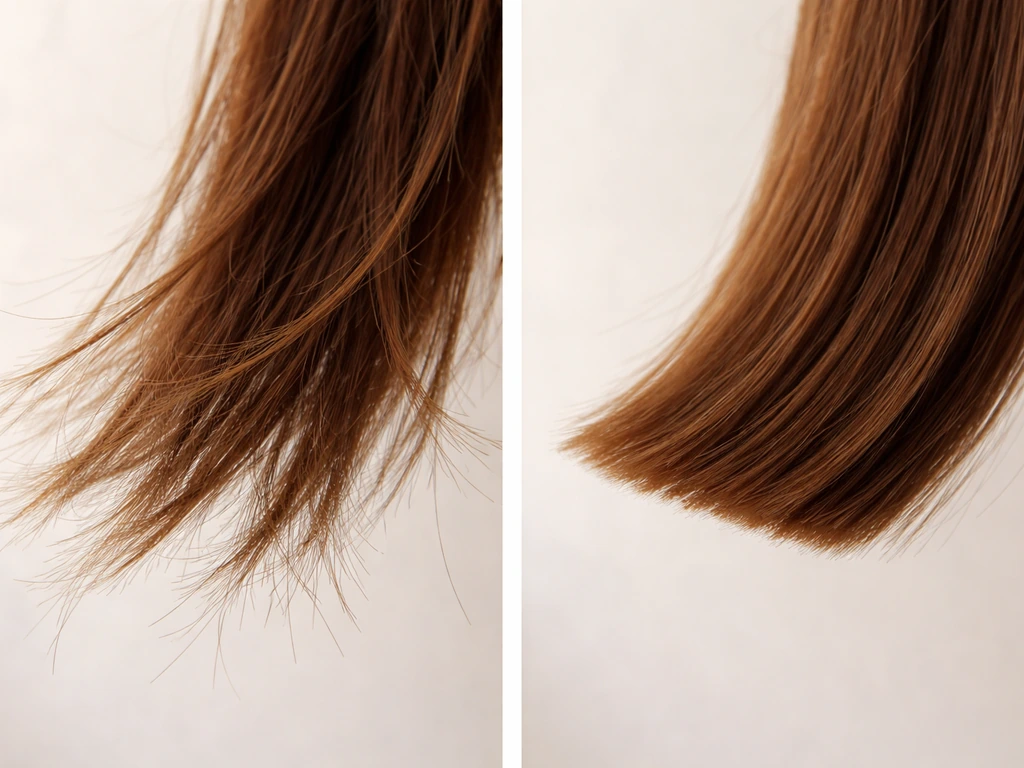
Before you book an appointment or put down the scissors, run through these two columns honestly.
| Cut (or trim) if... | Keep growing if... |
|---|---|
| Your ends are visibly split or snapping off | Your ends are healthy or recently trimmed |
| Your current shape requires constant heat or product just to look presentable | You can style your current length without major effort |
| Your hair has been the same length for 6+ months with no visible progress | You've seen consistent growth in the last few months |
| You have a specific short style in mind and genuinely want less length | You have a clear length goal and are willing to manage the in-between |
| An undercut, fade, or disconnected layers are making the grow-out look patchy | Your growth is relatively even and manageable |
| You're carrying color damage that is slowing apparent progress | Your color is either healthy or you're comfortable managing regrowth |
| You feel bad about your hair every single day | The frustration is impatience, not a real structural problem |
If you checked more items in the left column, a strategic trim or reset cut will almost certainly help you. If the right column describes you better, you're in grow-out mode and what you really need is a plan, not a cut.
Does cutting your hair actually make it grow faster?
No, it does not, and this is worth understanding clearly because it changes how you make decisions. Hair growth happens inside the follicle, beneath the scalp. Scissors never touch that process. The average growth rate is roughly 0.5 inches (about 1.25 cm) per month, or around 6 inches per year, and that rate is driven by genetics, not by how often you visit a stylist. You can get a buzz cut tomorrow and your follicles will produce hair at exactly the same rate they would have if you'd done nothing.
So why does trimming get recommended so often? Because it protects the length you already have. Split ends travel up the hair shaft if left alone, causing breakage higher up the strand. When that happens, you eventually have to cut off more than you would have if you'd trimmed a little earlier.
trimming your hair to grow it long is a valid strategy, but the mechanism is preservation, not acceleration. A small, planned trim every 10 to 12 weeks removes about a quarter of an inch and keeps your ends intact, meaning the growth you do get stays on your head instead of snapping off.
A planned trim helps by removing the split or damaged portion of the hair shaft, rather than permanently repairing it a planned trim removes split or damaged ends instead of permanently repairing them.
What the grow-out timeline actually looks like

The most useful thing you can do right now is map out your timeline honestly, because the awkward phase is real and it hits everyone differently depending on where they're starting. At roughly 1 cm per month, here's what to expect at common milestones:
| Starting point | Target length | Estimated time | Awkward window |
|---|---|---|---|
| Buzz cut / very short crop | Pixie length | 3–4 months | Months 1–3 (patchy, uneven coverage) |
| Pixie cut | Chin-length bob | 12–18 months | Months 3–10 (shaggy, hard to style) |
| Chin-length bob | Shoulder length | 12–16 months | Months 3–8 (too long to sit neatly, too short to tie back) |
| Shoulder length | Bra-strap length | 12–15 months | Months 2–6 (layers fall apart before new length fills in) |
| Shoulder length | Waist length | ~5–7 years | Ongoing management of layers and shape |
Hair reaching shoulder length typically takes around two years from a very short starting point. Waist length can take closer to seven years. Those numbers assume you're keeping light maintenance trims, which is why planning trimming into the timeline matters. The awkward phase in most grow-outs is roughly 3 to 6 months of a specific length looking neither short nor long, and the best way through it is styling strategies, not cutting it off.
How to style each in-between length without losing your mind
Growing out a pixie or buzz cut
This is the grow-out that tests patience the most because there's very little length to work with for the first several months. The main challenges are regrowth wisps that stick out at odd angles, cowlicks that become more visible, and the back growing faster than the sides. The practical fix is to comb hair in the direction you want it to ultimately fall every time you style it, and to let it air-dry without disturbing it as much as possible. A small amount of moisturizing oil or shine serum smooths flyaways and keeps the look intentional rather than chaotic. Stacked bobs and piece-y, face-framing cuts from a stylist can bridge the gap between pixie and bob without losing significant length.
Growing out a bob
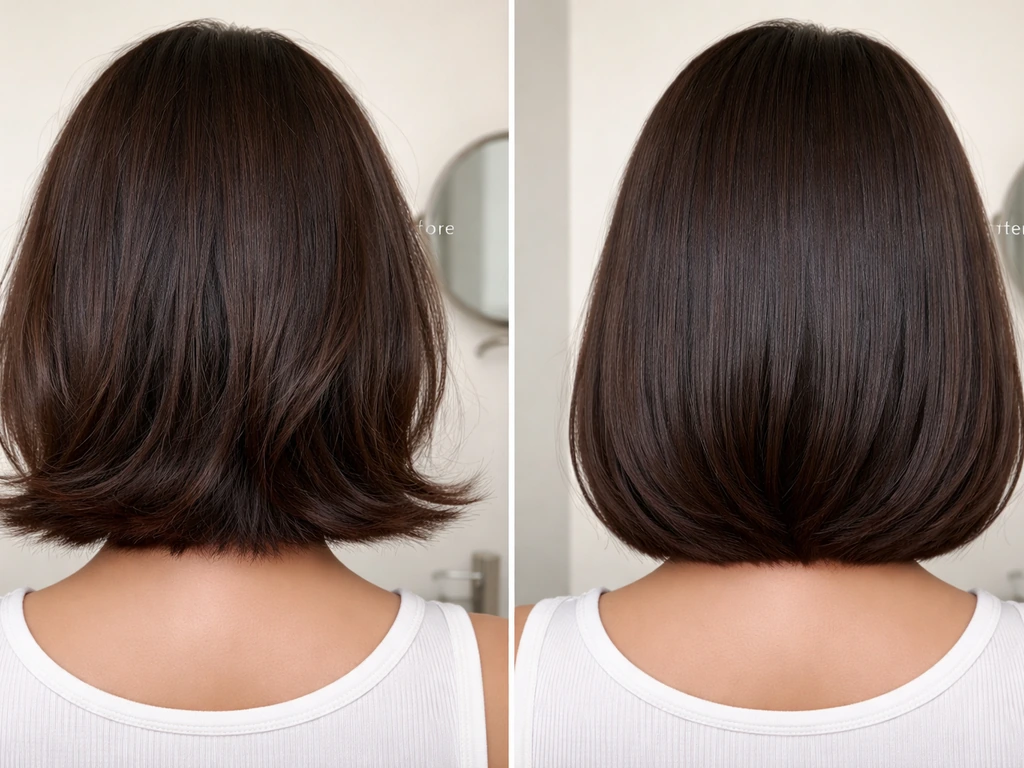
The bob-to-shoulder transition is where most people give up and cut back to a clean bob, often because the ends start to flip outward in an unflattering way. The fix is simple: when blow-drying, turn the ends inward deliberately using a round brush. This makes the shape look intentional rather than grown-out. The "lazy bob" style, popular right now in 2026, leans into this exact phase by keeping the length just past jaw level with minimal structure, which is much easier to maintain than a precise bob. If you're in this phase, you don't need a cut, you need a technique.
Growing out bangs
Bangs are their own special category. The most common mistake is waiting until they're long enough to blend in before doing anything with them, which means months of pinning them back awkwardly. The smarter move is transitioning blunt bangs into curtain bangs early in the process. A stylist can reshape them into a softer, parted style that grows out much more gracefully and looks intentional at every stage. Once they reach cheekbone length, they blend into the rest of your layers naturally and the grow-out is essentially over.
Managing layers, undercuts, and uneven growth
Layers and undercuts are the two most disruptive structural issues during a grow-out, and they require different approaches. With layers, the problem is that shorter layers on top create a mushroom or poofy effect as everything grows at the same rate but from different starting points. The best approach is asking your stylist for a "dusting" (removing only the very tips of the longest layers) rather than a full reshape, which preserves length while keeping the shape manageable. Avoid adding new layers if your goal is length, because you'll be growing them out again.
Undercuts are harder. The disconnected section grows in at scalp rate, which means you'll have a visible line of shorter hair beneath longer hair for a significant stretch. If the undercut is at the nape, you can grow it in without much visibility. If it's on the sides, you may want to ask your stylist to gradually blend the line with small trims on the longer section rather than cutting it all to one length, which would set your length goal back considerably. If you've been wondering whether shaving your head to start fresh makes sense for your specific situation, that's worth thinking through carefully, because it resets the clock entirely.
Uneven growth is often texture- or damage-related rather than a follicle issue. If one side is consistently shorter, check whether that side gets more friction (sleeping on it, wearing a bag strap) or heat damage from your styling routine. Protective styles and silk pillowcases genuinely help here, not as a gimmick but because they reduce mechanical breakage on the strands you're trying to keep.
If you decide to cut: how to do it without wrecking your grow-out
Choosing to cut doesn't have to mean starting over. The key is being specific about what kind of cut you're getting and why. A maintenance trim (a quarter inch to half an inch every 10 to 12 weeks) removes only damaged ends and keeps the shape clean without losing meaningful length. A shape-up cut addresses a specific structural problem, like an uneven hemline or a too-wide bob, without going dramatically shorter. A reset cut is the deliberate choice to go shorter to a specific style, usually because the current length isn't working and you want a clean starting point.
If you're leaning toward a reset but aren't sure, take a photo of your hair now and compare it to where you want to be. If a reset cut sets you back 6 months of growth, ask yourself whether the next 6 months managing your current length would be more frustrating than starting fresh. Often the answer is yes and the cut is the right call. Just be clear with your stylist about your eventual length goal so they cut with that trajectory in mind rather than giving you a style that's hard to grow out from.
Also worth considering: if hair thinning is part of why you're debating a cut, that's a separate conversation with different variables. The question of whether thinning hair should be grown out involves factors like density, scalp health, and whether length is visually helping or hurting your situation.
Handling color and regrowth during the transition
Color is one of the biggest reasons people give up on a grow-out before they need to. A sharp line between dyed hair and natural regrowth looks harsh, and that harshness can make the whole grow-out feel worse than it is. The good news is there are low-effort ways to manage this that don't require full color appointments every few weeks.
Root smudging (also called shadow roots) is the most practical tool here. A stylist applies a glaze or toner to the root area to soften the contrast line between your natural color and the dyed section, creating a gradient that looks intentional rather than grown-out. This technique works well for both highlights and single-process color, and it extends the time between full color appointments significantly. Between smudge appointments, a gloss or toner treatment every 4 to 6 weeks refreshes the tone of the dyed section and keeps the overall look cohesive. That schedule is much more manageable than root touch-ups every 3 to 4 weeks and causes less chemical stress to the strands you're trying to preserve.
If you're growing out a single-process color and want to eventually return to your natural color, the most efficient path is gradual: ask for a shadow root blend at each appointment, letting the natural root grow in a little more each time. Going cold turkey and just waiting for the line to grow out takes 12 to 18 months of a two-tone look. The blended approach is slower to complete but much easier to live with month to month.
Still not sure? Take it one step at a time
If you've read this far and still feel genuinely torn, that's actually useful information: you probably don't have a strong enough reason to cut right now, which means the default move is to keep growing and reassess in 8 to 12 weeks. Give yourself a specific check-in date, try one styling strategy you haven't tried yet for your current length, and see if the frustration is still there.
Most people who decide to cut impulsively during a grow-out regret it within a few months when they would have cleared the awkward phase. Most people who hold on through the awkward phase are glad they did. If you want to work through the decision more thoroughly, a structured quiz to decide whether to cut or grow your hair can help you get to a clearer answer based on your specific situation. Your hair, your pace, your call.
FAQ
If I’m on the fence, what’s the safest “do nothing dramatic” option while growing out my hair?
Book a low-commitment maintenance trim (about a quarter inch to a half inch) and avoid changing the overall shape. That keeps ends healthy and gives you a realistic checkpoint in 8 to 12 weeks, so you are not gambling on a full reset during the awkward phase.
How often should I trim if my goal is maximum length, but I still want my hair to look good?
Use a two-part approach: trim on schedule (roughly every 10 to 12 weeks) for split-end prevention, and adjust only the styling between appointments. If you notice increased shedding or tangling, ask for a slightly more conservative dusting rather than adding layers or reshaping.
What should I tell my stylist if I want to grow out but my ends keep flipping outward?
Ask for an instructionally specific plan, for example “dust the ends only, preserve the perimeter, no new layers,” then request a blow-dry technique for your exact length (round brush direction and a set of product choices). This focuses the appointment on controlling shape without sacrificing length.
My hair tangles more as it grows out. Does that mean I should cut?
Not automatically. Tangling can come from dryness, friction, or hair that needs better detangling habits. Try conditioner concentrate on mid-length to ends, detangle gently when damp, and consider a satin/silk pillowcase. If you still see progressive fraying or knots that only improve after trimming, then a dusting is the right call.
Is it a mistake to skip trims for a few months when I’m trying to grow my hair long?
Sometimes, but it depends on the state of your ends. If you already have split ends, skipping increases the chance they travel upward, which can force a longer cut later. If your hair is already clean-edged and you are maintaining low heat and low tension, you can sometimes stretch the timeline, but it is higher risk.
How do I decide between a maintenance trim and a shape-up cut without losing my length goal?
Use the “problem type” test. If the issue is damaged or weak ends, choose maintenance. If the issue is layout, like a hemline that looks uneven or a silhouette that does not suit your face, choose shape-up with a clear ask to remove only what fixes the line (not an overall shortening).
Will a reset cut set my timeline back more than I think?
It can, but you can estimate it. Compare the shortest length you can tolerate during grow-out to the growth you will gain by your next check-in date, then decide if managing awkward length is more tolerable than starting over. If a reset would cost you more than one awkward season of regrowth, many people regret it later.
What’s the best way to handle cowlicks and uneven regrowth when I’m not ready to cut?
Treat them as a styling direction issue, not a cutting problem. Comb the hair in its final fall direction each time, air-dry without constantly re-positioning it, and use a small amount of lightweight oil or serum to reduce flyaway texture that makes cowlicks look worse.
How should I approach bangs when growing them out, if I do not want to commit to curtain bangs right away?
Ask for an early softening plan instead of waiting for a full blend. If your bangs are close to needing management, transitioning toward curtain bangs earlier reduces months of pinning. If you truly prefer to keep them shorter, you can still ask for minimal reshaping to avoid a harsh line.
I have layers that are making my hair look poofy. Should I remove all layers?
Usually not all at once. Instead, ask for a “dusting” style adjustment (removing only tips of the longest areas) so the top does not create a mushroom silhouette. Avoid adding new layers during grow-out, because you are just restarting the same grow-out challenge at different starting points.
How can I tell if uneven length is from breakage versus natural growth?
Look for patterns. If one side looks consistently shorter and feels rougher, or you see more flyaways and snap-like ends, friction or heat damage is more likely than a growth-rate issue. If the hair looks intact but just sits differently, cowlicks or styling direction could be the culprit.
If I dye my hair, how do I avoid the “two-tone line” without frequent root touch-ups?
Use shadow roots, where the root area is softened into a gradient rather than matched with a hard line. Then refresh tone less often with gloss or toner every 4 to 6 weeks. This reduces both the visual contrast and the frequency of chemical stress.
Should I plan a consultation if I have thinning hair and I am considering cutting versus growing out?
Yes, because thinning is a different decision than length preference. Focus the conversation on density, scalp health, and whether length helps disguise or highlights the pattern you are experiencing. A stylist can also recommend cuts that improve volume placement rather than relying only on growing length.
What’s a good rule for when to reassess and possibly cut during a grow-out?
Set one check-in date and stick to it. If you are still unhappy after roughly 8 to 12 weeks, try one targeted styling strategy for your current length first, then decide. Impulsive cuts during the first several months are the most common source of regret.