
Yes, you can absolutely let your natural hair color grow out, and for most people it's the right long-term move. But the honest answer is: it depends on how much contrast exists between your dyed color and your natural regrowth, how long your hair currently is, and how much awkwardness you can live with for the next 6 to 18 months. If you're still deciding whether you should i grow my hair out, start by comparing your dyed ends to your natural root and be honest about the months of awkward in between. If your natural color is close to what you've been coloring, the transition will be nearly invisible. If you've been bleaching dark hair platinum, you're looking at a more deliberate plan. Either way, it's very doable, and this guide will walk you through exactly what to expect and how to handle it.
Should I Let My Natural Hair Color Grow Out? A Plan

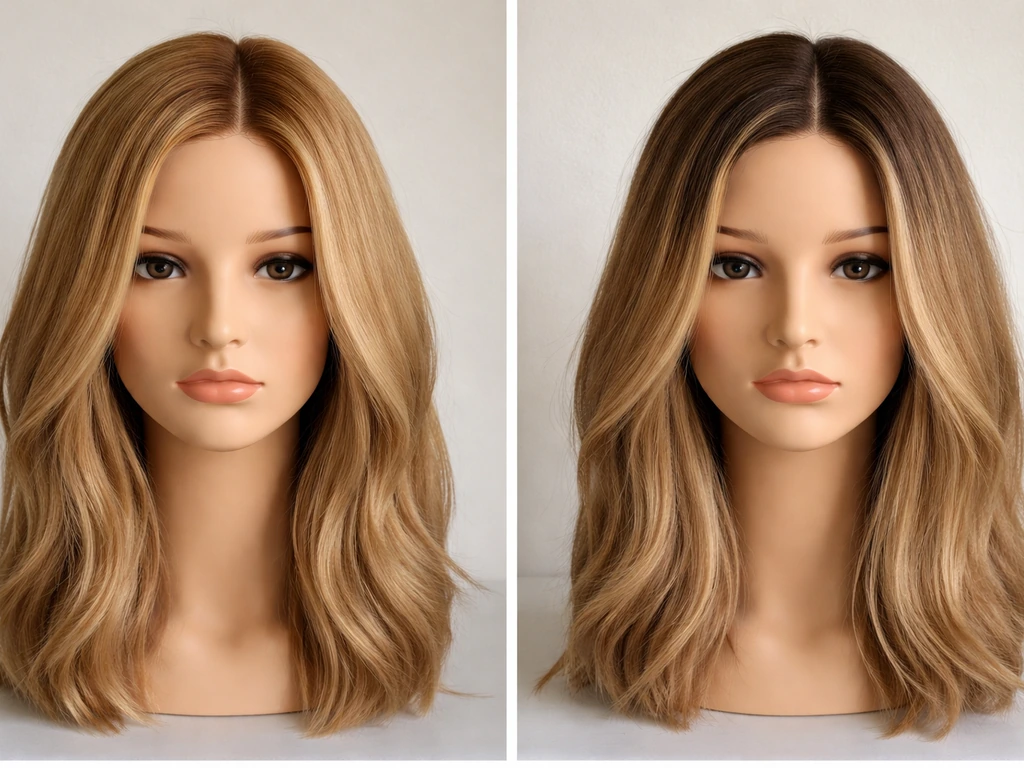
How to decide: your goals, maintenance level, and timeline
Before committing to a grow-out, get honest about three things: what your natural color actually looks like, what your current color looks like, and how long you're willing to be in an in-between state. Those three factors determine everything about your strategy.
Hair grows roughly half an inch per month, which means a full grow-out from a short cut to a medium length takes about a year, and a full return to natural color from bleached hair can take 12 to 18 months depending on your starting length. That's not meant to scare you. It's meant to help you plan so you're not surprised at month three wondering why this is taking so long.
Ask yourself these questions before you decide:
- How much contrast is there between my natural root color and my current ends? One shade is easy. Three or more shades is a project.
- Do I have a work event, wedding, or photos in the next 3 to 6 months where I need to feel pulled together?
- Am I willing to schedule one or two salon visits for blending help, or am I going fully cold turkey from color?
- What is my current hair length? A pixie or buzz cut means your natural color arrives faster but the length transition takes longer. Long hair means more patience with color contrast but less length-related awkwardness.
- Is my hair currently healthy, or is there bleach damage I need to address first?
If you answered that the contrast is high, you have important events soon, and your hair is already damaged, you might not want to go cold turkey. A blending approach (more on that below) can still get you to your natural color without the harsh line of demarcation. If the contrast is low, your hair is healthy, and you're not under any deadline pressure, going natural with simple trims is the most straightforward path. Either way, you're not locked in. This is your hair and your pace.
What happens as your natural color grows out (stages and expectations)
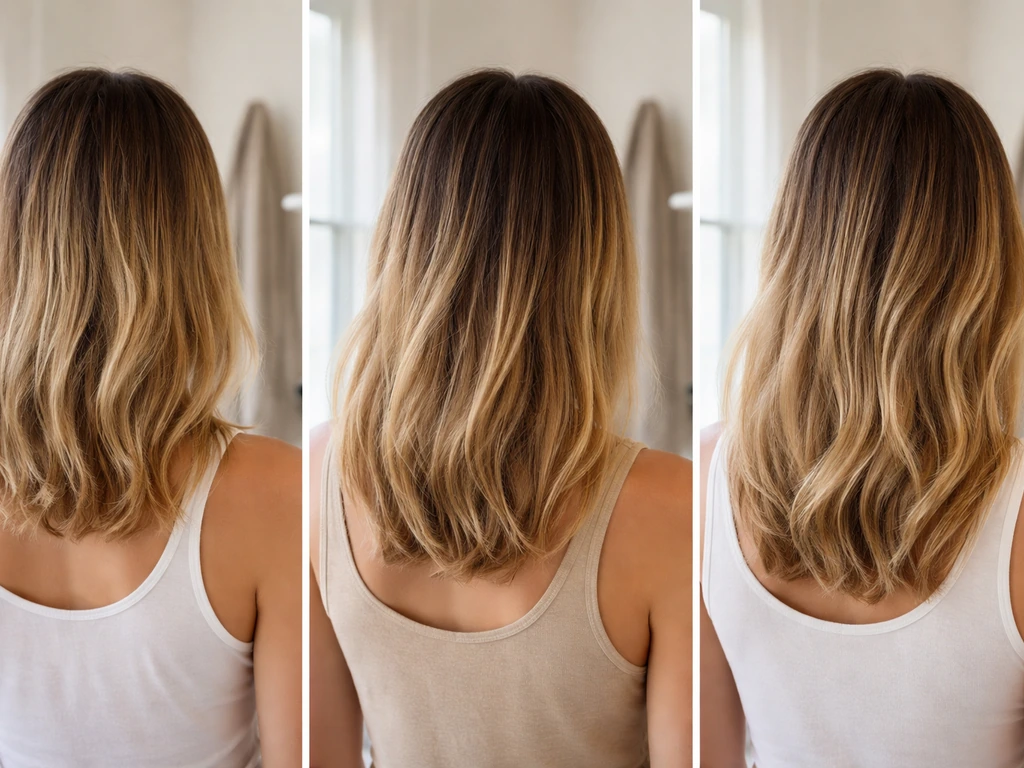
The grow-out doesn't happen all at once. It moves in visible stages, and knowing what to expect at each one keeps you from panicking and cutting everything off at month two.
Weeks 1 to 4: the first signs of regrowth
Within two to four weeks, especially if you've been coloring with a high-contrast single-process permanent color, you'll start to see about a quarter inch of new growth at the scalp. For platinum or very light colors over dark natural hair, this can look noticeable almost immediately. For highlights or balayage over a natural color that's close to your base, regrowth at this stage is subtle and easy to ignore.
Weeks 4 to 8: the contrast becomes clear
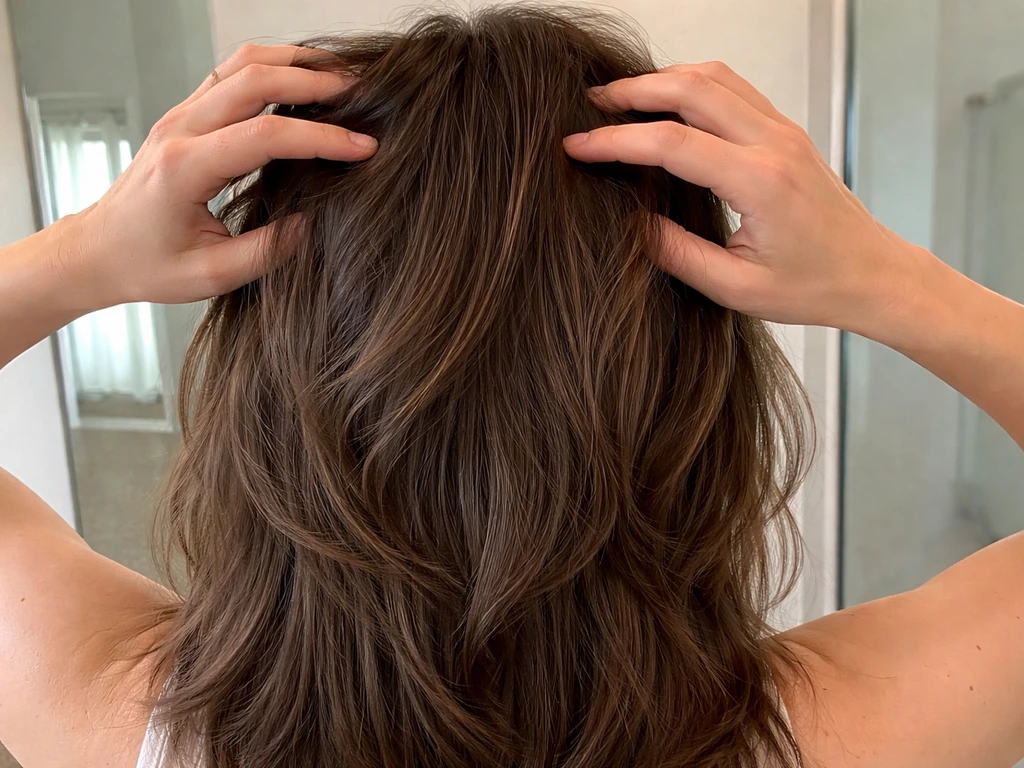
At around the eight-week mark, most people have about one inch of new growth showing. This is typically when the contrast between your natural color and your color-treated ends becomes the most visible and hardest to style around. Single-process color users often schedule touch-ups every four to six weeks specifically because of this window. If you're growing out, this is the stage where you'll want your clearest styling strategy in place.
Weeks 8 to 16: the blending zone
Between two and four months in, you have enough natural growth that blending becomes genuinely possible, and this is where many people find the process most manageable. Balayage and highlights can often be stretched to the 10 to 14 week mark before they need refreshing, which means you're not far from a natural-looking blended root even with coloring. If you're going cold turkey, this is the stage to lean hardest on styling strategies and possibly a one-time gloss or shadow root service.
Month 4 onward: the long game
From month four forward, growth is cumulative and the natural color starts to genuinely take over the look, especially if you're trimming regularly. By month 12 to 18, most people who started from bleached hair will have the majority of their natural color restored, assuming they're keeping up with trims to remove the oldest colored ends. The last few inches of old color at the tips are what keep the timeline long.
Managing the awkward phases (length, bangs, layers, and undercuts)
The awkward phase is real, and it's the main reason people quit. But it's also highly manageable if you plan for it instead of reacting to it.
Growing out a pixie or short cut
A pixie grow-out takes roughly a year before you're at a comfortable short bob length, and the back and sides often grow unevenly. The trick is to shape selectively: trim the back and sides more frequently to keep them from flaring out while the top catches up. This approach, similar to what stylists recommend for managing a pixie-to-bob transition, reduces the visual chaos without cutting off your progress. Plan on managing a distinct awkward phase from about month two through month six. It passes.
Growing out bangs
Bangs have their own specific awkward stage when they're too long to style as bangs and too short to sweep cleanly to the side. The best approach here is to ask your stylist for layers that start from where the fringe line currently sits. This blends the bang growth into the rest of your haircut rather than leaving it looking disconnected. Only trim bangs if the ends are genuinely dry or need a reshape, not just because they feel long. Use clips, headbands, and texture spray to manage them while they grow. If they're truly unbearable, a light trim every eight weeks or so can keep them looking intentional.
Growing out an undercut or layered cut
Undercuts and very layered cuts can create weird volume pockets and disconnected sections as they grow. The goal is to blend those sections gradually rather than letting them pop out at odd angles. Regular shaping appointments, every eight to twelve weeks, that focus on blending rather than cutting length off the top, will get you through this phase much faster than either ignoring it or over-trimming.
Color-regrowth realities: contrast, blending, and partial solutions
This is the part most guides gloss over. The contrast between your natural color growing in and the color sitting on your ends is the single biggest factor in how uncomfortable the grow-out looks and feels. Here's how to think about it practically.
High contrast (platinum, heavy highlights, or very warm over dark roots)
If your natural color is two or more shades darker than what's on your ends, the line of demarcation can look stark within just a few weeks. You have a few options that don't mean abandoning the grow-out goal. A shadow root service deposits a darker tone at the root to soften the transition zone, making the natural root look intentional rather than neglected. A gloss smudge blurs the line between your natural root and the color below it. Both of these are low-commitment, semi-permanent options that fade gradually and don't lock you into continued color appointments. They buy you months of looking polished without derailing your natural grow-out plan.
Low to medium contrast (natural brown or blonde growing into highlighted or tinted hair)
If your natural color is close to your current color, you may not need to do anything at all. Balayage and highlights placed with some distance from the root were designed with grow-out in mind, and they can look natural for 12 to 16 weeks without any touch-up. In this case, just trim regularly and let the process happen.
What about doing a partial tone correction?
A demi-permanent glaze or toner can unify the sheen and tonality between different zones of your hair without permanently altering your natural regrowth. It's a good middle-ground option for people who want to look polished during the grow-out without committing to more color. It won't dramatically change the contrast, but it does help everything look more cohesive and less patchy.
Protecting hair health during regrowth
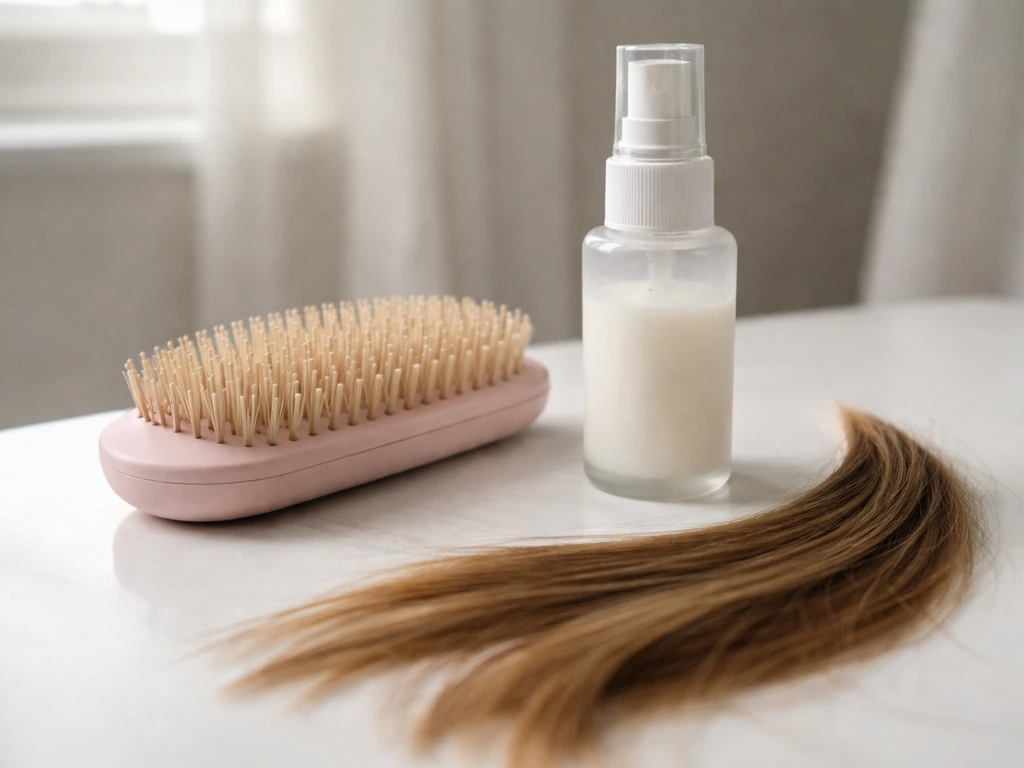
This step matters more than people expect. Damaged ends break off faster than they grow, which can make the grow-out feel like you're running on a treadmill. The goal is to protect what you already have while your natural hair comes in.
- Wash less frequently if you can. For some hair types, especially textured or coarser hair, washing once a week or once every week and a half is plenty, and it reduces the mechanical stress on fragile color-treated ends.
- Use a sulfate-free, color-safe shampoo. Sulfates can strip both moisture and remaining color, speeding up how fast the ends look dull and damaged.
- Condition every single wash. If your ends are bleached or heavily processed, use a deep conditioning mask at least every two weeks. Leave-in conditioner after washing helps with detangling and day-to-day moisture.
- Detangle carefully. Start from the ends and work your way up with a wide-tooth comb, ideally while your conditioner is still in the hair. This reduces the breakage that comes from forcing a brush through knots.
- Use a bond-building or protein treatment if your hair is significantly bleach-damaged. These products help repair the internal structure of the hair shaft and reduce breakage at the most fragile points.
- Trim split ends on schedule. Splits travel up the shaft and create more damage if left unchecked. Regular small trims, rather than letting damage accumulate, keep the ends from undermining your length progress.
Styling strategies for each stage
Looking good during the grow-out isn't about hiding the process. It's about having a styling plan that makes each stage look intentional. If you want a starting point for whether it makes sense for you, see should i grow my hair out black male for how goal and upkeep considerations vary.
| Stage | Hair length approx. | Best styling moves | Color management |
|---|---|---|---|
| Weeks 1 to 4 | Same as starting length | Work with your existing cut; use root powder or dry shampoo to reduce contrast at the scalp | Nothing needed yet; monitor contrast |
| Weeks 4 to 8 | About 0.5 to 1 inch new growth | Texture spray, braids, or updos to downplay the root line; headbands for bangs | Consider gloss smudge if contrast is high |
| Weeks 8 to 16 | 1 to 2 inches new growth | Tuck styles, half-updos; ask stylist for shaping that blends growth zones | Shadow root or toner if needed; last chance for easy blending |
| Month 4 to 6 | 2 to 3 inches new growth | Natural texture emphasis; braids and buns become more useful as length increases | Let grow; only refresh gloss if needed |
| Month 6 to 12 | 3 to 6 inches new growth | More styling versatility; focus trims on blending layers and removing old damaged ends | Trim away processed ends as growth allows |
| Month 12 and beyond | 6 inches or more of new growth | Full range of styling; treat as healthy natural hair | Old color mostly removed via trims |
One universal rule for the whole process: minimize heat when you can. Air drying, diffusing on low, and using a heat protectant every time you do style with heat all reduce the cumulative damage that can make the ends look terrible right when you're trying to grow them out.
When to interrupt the grow-out (trim rules, blending, and red flags)
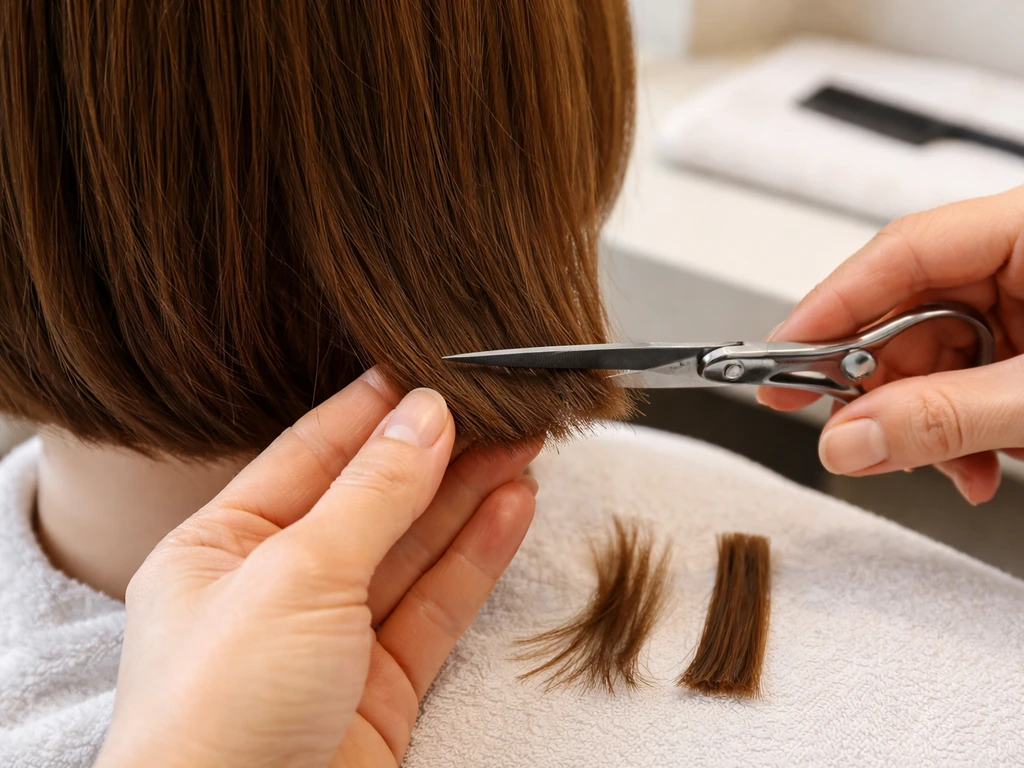
A trim is not the same as a setback. Getting a quarter to half an inch trimmed every 12 weeks or so is part of a healthy grow-out, not a detour from it. A bleach-damage care guide recommends trimming split ends regularly and using leave-in treatments to help protect against further breakage during regrowth. What you want to avoid is reactive cutting, where you cut more than you planned because you're frustrated in an awkward phase. Make a trimming plan before you start so that every trim is strategic.
There are also situations where continuing the grow-out as planned doesn't make sense without an adjustment:
- Significant breakage or active damage: if your ends are snapping off and not just splitting, a more aggressive trim and a bond-rebuilding treatment should come before you worry about growing length.
- Scalp issues: irritation, dryness, or flaking that started or worsened with the grow-out should be looked at by a dermatologist. Don't ignore scalp health in favor of length.
- Regrowth that has exceeded about 2 cm since your last bleach appointment: the further bleach gets from the scalp on a retouch, the more unevenly it processes and the higher the risk of damage and breakage. If you've crossed this threshold and were planning to go back to bleaching, talk to your stylist first.
- Unrealistic timeline pressure: if you have a major event in two months and you're currently at peak awkward phase, a blending service now is smarter than white-knuckling it and feeling bad in photos.
- You genuinely don't like your natural color: that's a valid reason to redirect. Growing it out to see what it looks like is a reasonable experiment, but you're not obligated to keep going.
The grow-out process is one of those things that's almost always worth starting, even if you eventually decide to blend rather than go fully natural. Every week you go without color is a week of healthier regrowth and a week less of processing your hair. Whether you go the full distance or find a middle ground, you're making progress either way.
FAQ
If my hairline or crown has different natural color than the rest, should I still let my natural hair color grow out?
Not always. If you have a strong mismatch (especially if your ends are significantly lighter), your hair can look “two-toned” long before enough regrowth arrives. In that case, using a low-commitment option like a shadow root or gloss that fades over time can keep the grow-out looking intentional while you wait.
What if my ends look worse than my roots after a few months of growing out?
Yes, but avoid trimming only the ends reactively. Dry, damaged ends may snap as they grow, making the transition feel like it is stalling. A better approach is to set a trim schedule (for example, every 10 to 12 weeks) and use split-end focused trimming rather than cutting more because the color looks rough.
Should I stop all color at once, or does it matter when I stop?
If you stop coloring mid-cycle, plan for the “toner fade” period. Toners and demi-permanents often soften contrast at first, then wash out unevenly, which can temporarily make the line more obvious. Keep your first expectations focused on how your product fades, not just how your hair grows.
How do I adjust my hair care routine while I let my natural color grow out?
A deep conditioning or protein routine can help, but overdoing protein can make hair feel stiff and break more easily. If your ends feel rough and stretchy, lean more toward hydration. If they feel mushy or overly elastic, add protein carefully and space treatments so you are not guessing.
What is the best styling strategy for the hardest months of the transition?
Usually, the most manageable path is to plan styling around the “contrast peak” window (often around the 8-week mark) and then rely on blending later. That means protective styles, darker root-friendly parts, and reduced heat during the period when the line of demarcation is most noticeable.
If I want to “help it along,” can I just dye the roots to my natural shade?
Be careful with box dye shade-matching. If you choose a root shade that is too warm or too dark, it can look unnatural as your true regrowth shows through. When you want to help the transition, consider a semi-permanent root smoothing effect or a gloss in the direction of your natural undertone so it fades without boxing you into a new color.
Does the plan change if my highlights or balayage were placed close to my roots?
Going fully natural can still work, but you may need extra patience with highlights or balayage that are placed close to the root. If your highlights start very near your scalp, the regrowth can look banded for longer. In that scenario, consider stretching refreshes or using a glaze to reduce patchiness while you wait.
Will a haircut appointment set back the grow-out, or can it actually help?
Your haircut shape matters a lot. If you have a bob, long layers, or a blunt cut, the contrast can look different at each angle, so a small reshape can make the transition feel smoother without taking length off “just to fix it.” Ask for blending focused on the regrowth boundary rather than only removing bulk.
How much does heat styling affect how my grow-out looks?
If you are using heat tools, keep them lower and less frequent during the grow-out peak because heat damage exaggerates dryness and makes color look dull. Using a protectant every time is useful, but the biggest improvement often comes from changing your styling routine (air-dry when possible, diffuse gently, and avoid repeating the same section).
Can toners or glosses make the transition look more even, and are they safe for grow-out goals?
A gloss can be a good “reset” when you notice dullness or uneven tonality, especially if your ends feel dry and look lackluster. If your goal is to keep growing out, avoid permanent depositions during the transition unless you are sure you want to keep the maintenance schedule.