
Yes, growing your hair out as a Black male is absolutely worth it if you want more styling options, a different look, or just to see what your natural texture can do. But going in with realistic expectations makes the difference between sticking it out and grabbing the clippers out of frustration three months in. Your hair will shrink, there will be awkward phases, and the process takes longer than it looks on social media. None of that means you shouldn't do it. It just means you need a plan.
Should I Grow My Hair Out as a Black Male? A Guide

Marcus Vickers
2 Jun 2026

When growing out actually makes sense for you
Before you commit, it helps to be honest about your reasons and your lifestyle. Growing your hair out is a great move if you want more versatility in how you style it, you're drawn to looks like twists, locs, braids, a defined afro, or even just more length to work with. It also makes sense if you're ready to invest a bit more time in a wash-and-care routine, even a basic one. If your current short cut is feeling limiting or you just want a change, that's reason enough.
On the other hand, it's worth pausing if you're expecting zero maintenance effort or if your workplace has strict grooming policies you can't work around during the transition. The awkward middle phases are real, and they last weeks to months depending on where you're starting from. If you're on the fence, the honest answer from most people who've been through it is: you'll probably regret giving up more than you'll regret starting. But it's your hair, your pace, your choice.
- You want more styling options (twists, braids, afro, locs-adjacent styles)
- You're curious about your natural texture and curl pattern
- You're willing to learn a basic moisture and detangling routine
- You have some flexibility in how you present your hair day-to-day
- You're okay with a transition period of 6 to 18 months depending on your goal length
The hair reality check: shrinkage, texture, and growth rate
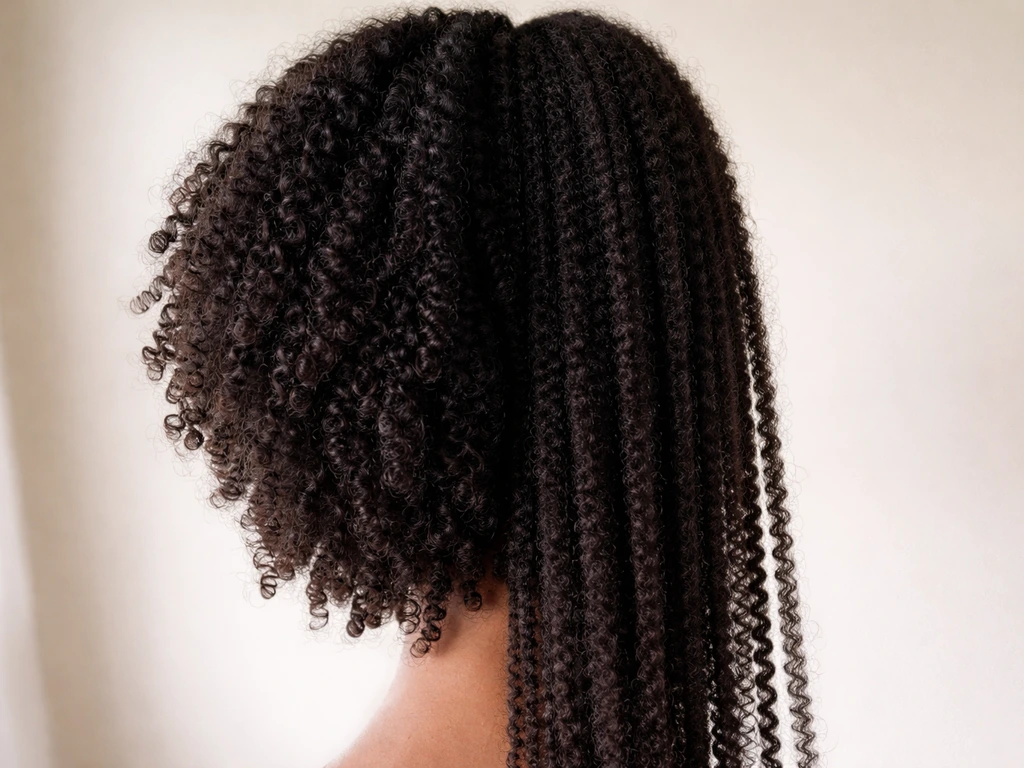
Here's the thing nobody tells you clearly enough: your hair is growing, but it might not look like it. Hair grows roughly half an inch per month on average, which works out to about 6 inches per year. That's the same general rate for most people regardless of race or hair type. What makes Black hair feel different is shrinkage. Because tightly coiled and coily hair (typically Type 4 textures) recoils so much when it dries, you can lose up to 50% of your actual length just from the curl pattern snapping back. So if you've grown two inches of hair, it might only look like one inch, or less.
Afro-textured hair is also more prone to dryness than other hair types because the tight curl pattern makes it harder for sebum, your scalp's natural oil, to travel down the hair shaft. That dryness is the main reason breakage happens during grow-outs. It's not that Black hair is weak. It's that it needs moisture that straight hair gets almost automatically. Understanding this from day one will save you a lot of frustration.
Also worth knowing: hair doesn't always grow at the same rate from all areas of your scalp. The sides and back often grow more slowly, which can make shaping feel uneven during the transition. This is normal, not a sign something's wrong.
What to expect at each stage of the grow-out
Months 1 to 3: the early phase (short to in-between)
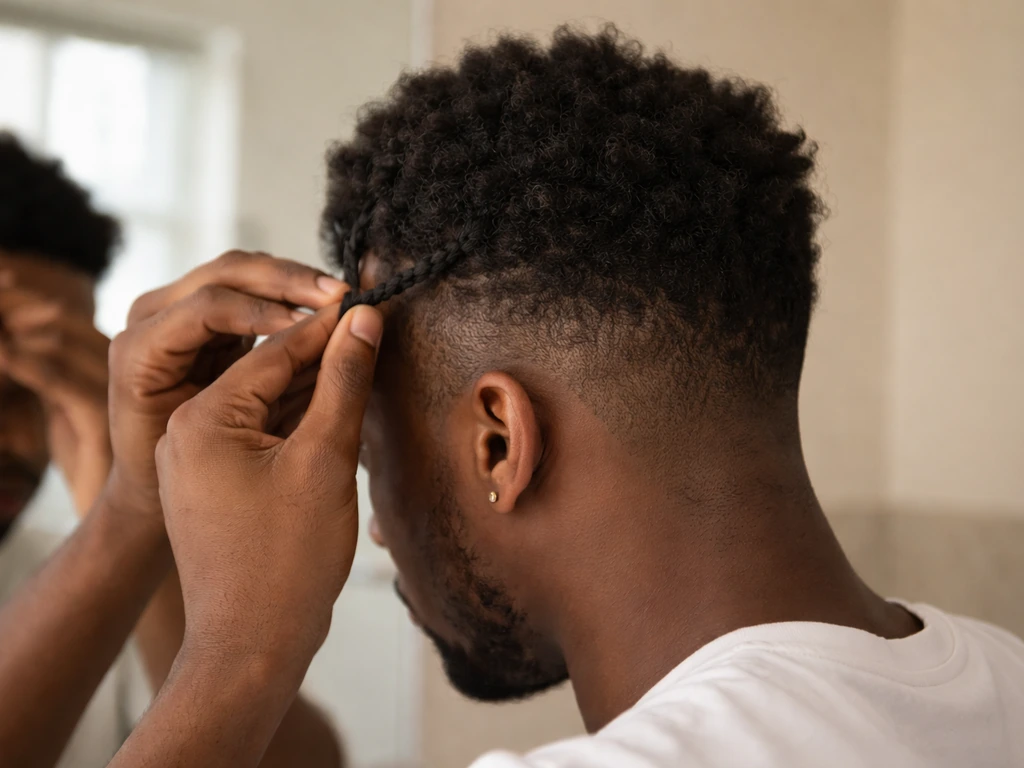
This is the hardest phase mentally because your hair isn't long enough to do much with but it's definitely not as clean as a fresh cut. If you're coming from a low fade or a very short cut, you'll spend the first couple of months looking like you just missed a haircut appointment. The good news is this is temporary. Keep your edges and neckline clean with a regular lineup (every 1 to 2 weeks), which maintains a polished look even as the top grows out. A well-maintained lineup does a lot of work during this phase.
Months 3 to 6: enough to work with
By month three or four, most people have enough texture to start doing basic styles. Two-strand twists, twist-outs, and braid-outs become possible and they do double duty: they're a style and they protect the hair at the same time. This is also when shrinkage starts to feel real. Your hair might look shorter some days than others depending on humidity and moisture levels. Stretching methods like banding (using hair ties at intervals along small sections) or African threading can show you your true length and reduce single-strand knots.
Months 6 to 12: the real transition
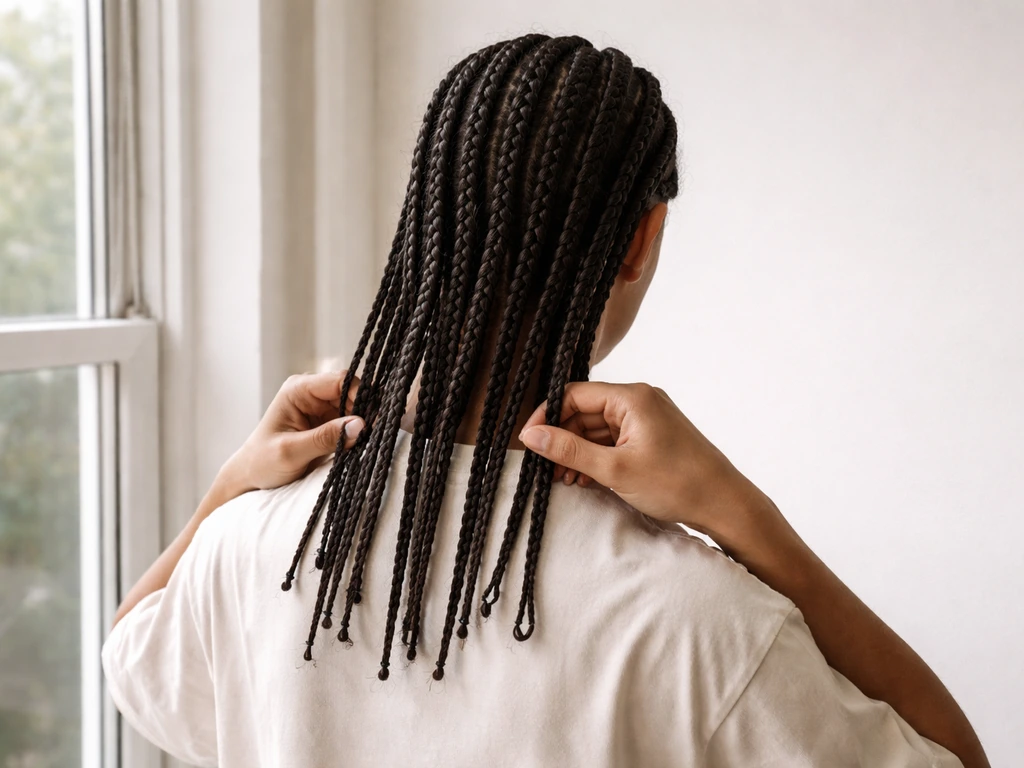
This is where things get more interesting. You'll have enough length for protective styles like box braids or cornrows if you want them, and a wash-and-go starts to look intentional rather than unfinished. Shape and curl definition become more visible. You might also notice the most uneven growth patterns during this phase, particularly if one side grows faster than the other or the top is denser than the sides. A light shape-up from a barber who understands natural hair can clean things up without costing you real length.
Month 12 and beyond: longer length goals
Getting to shoulder-length or beyond as a Black man with tight coils takes time, often 2 to 3 years or more depending on your texture and how much shrinkage you deal with. The key at this stage is retention: keeping the hair you've grown healthy enough that it doesn't break off at the same rate it's growing. Protective styles, consistent moisture, and minimal heat will do most of the heavy lifting here.
Styling options during the awkward phases
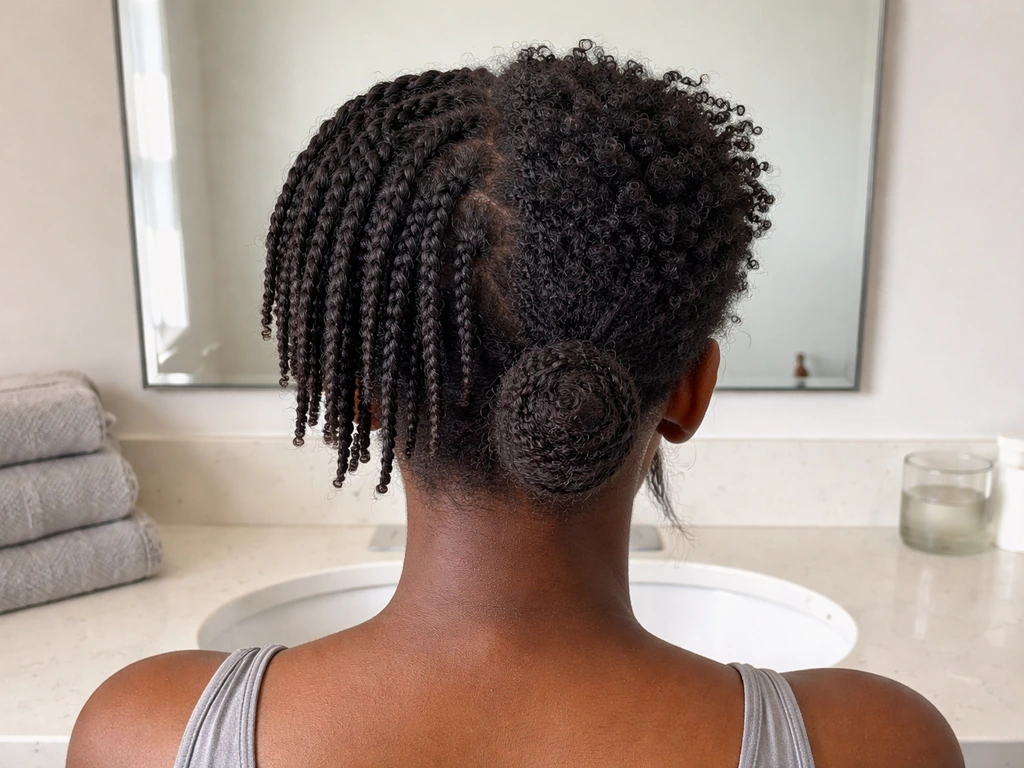
The awkward phase is manageable if you have a small arsenal of go-to styles. You don't need to master all of them, just find one or two that work for your texture and your lifestyle.
- Two-strand twists: works on hair as short as 2 to 3 inches, easy to do at home, and leaves a nice twist-out definition when taken down
- Braid-out: similar to a twist-out but with a slightly different texture; good for adding volume and hiding uneven lengths
- Wash-and-go: works best once you have at least 2 to 3 inches of defined curl; just apply a leave-in and a light gel or cream to wet hair and let it dry naturally
- Protective styles (braids, cornrows): excellent for keeping hands out of hair during growth and reducing daily manipulation; wear for 2 to 4 weeks at a time with breaks in between
- Banding or stretching: use small hair ties at intervals down sections of hair to stretch the curl and reduce tangling while the hair dries; not a style exactly but a tool to manage shrinkage
- Lineup maintenance: keeping your edges sharp is probably the single most effective way to look intentional during the grow-out, even when the top is still finding its shape
A note on protective styles specifically: they're a great tool but they're not a hands-off solution. Wearing them too long, too tight, or without moisturizing the scalp underneath can cause tension and even traction alopecia over time. Keep each style in for no more than 2 to 4 weeks, and give your hair a break between installs.
Keeping it moisturized and reducing breakage
Moisture is the most important variable in a successful grow-out. Dry hair breaks, and broken hair doesn't get longer. The good news is the routine doesn't have to be complicated.
- Wash every 1 to 3 weeks: over-washing strips natural oils; under-washing leads to product buildup. Find your frequency based on your scalp and how much product you use.
- Always follow with a rinse-out conditioner: this step is non-negotiable for textured hair. Let it sit for a few minutes before rinsing.
- Detangle carefully: use a wide-tooth comb (not a brush) on wet, conditioned hair. Start from the ends and work up toward the root. This reduces snapping and breakage.
- Apply a leave-in conditioner: while hair is still damp, this locks in moisture and makes the hair easier to style.
- Seal with an oil or butter: a light oil like jojoba or a shea butter-based product helps slow moisture loss, especially important for coily textures.
- Sleep on a satin or silk pillowcase: cotton pillowcases create friction that causes breakage and dryness overnight. This is a cheap, easy fix with real results.
- Avoid excessive heat: blow-drying on high heat or using flat irons regularly on natural hair causes cumulative damage. If you use heat, use a heat protectant and keep it to a minimum.
When detangling or removing a protective style, take your time. Safeway notes that removing styles that have matted can be traumatic and lead to significant breakage when working through matted sections. If you feel a lot of snapping or notice heavy shedding when taking down braids or twists, don't force it. Work through the hair section by section with a detangling product and your fingers first, then the wide-tooth comb. Rushing this step causes more breakage than almost anything else.
How often to trim (and what to actually ask for)
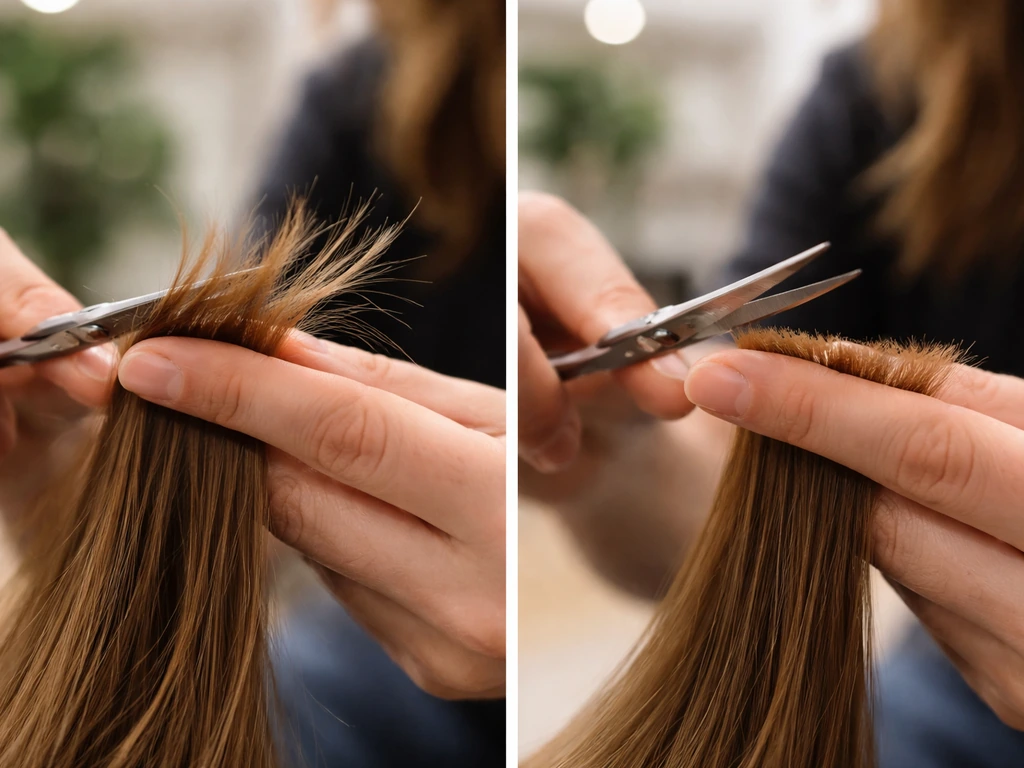
A lot of people skip trims while growing out because they're worried about losing length. That's understandable, but it can backfire. Split ends travel up the shaft, causing more breakage over time. If your hair is healthy, you can go 12 to 16 weeks between trims and focus on light dusting (removing just the very ends) rather than a real cut. If your hair is dry, brittle, or prone to breakage, trimming every 2 to 4 months helps remove the weakest sections and lets the stronger hair catch up.
When you go to the barber or stylist, be specific. Say you're growing your hair out and ask for a shape-up or dusting only, not a trim. If you have an undercut or a fade on the sides, you'll need to decide at some point whether to grow those out too or maintain the fade while the top grows.
Keeping a low fade on the sides while the top grows is a very manageable approach for the first 6 to 12 months. It looks intentional and gives the top hair time to build length before you start blending everything out. If you do have undercut layers from a previous cut, they'll eventually grow into the overall length, but expect some unevenness for a few months while that happens.
If you have color or a relaxer: read this first
If you've had a chemical relaxer, growing out your natural texture involves managing two very different hair types at once: the relaxed ends and the new natural growth coming in at the root. The line where these two textures meet is called the demarcation line, and it's the most fragile point in your hair. Breakage almost always happens at this line if you're not careful.
Chemical relaxers break the hair's disulfide bonds to loosen the curl, and that damage is permanent. A dermatologist-focused review reports that chemical relaxers can cause loss of tensile strength and increase hair-shaft fragility, raising the risk of breakage and thinning [chemical relaxers break the hair's disulfide bonds](https://pubmed. ncbi. nlm.
nih. gov/27472987/). The relaxed sections can't be repaired, only removed over time through trims. Some people choose to do a big chop (cutting off all the relaxed hair at once) to avoid managing both textures.
Others transition gradually over 6 to 12 months, keeping the relaxed ends while the natural hair grows in. If you're transitioning gradually, protective styles like twists or braids worn loosely under a durag or wave cap are the best tools for protecting that fragile demarcation line. Detangle with extra care and patience, always sectioning the hair and working gently with a wide-tooth comb and a detangling product.
If you have color on your hair, the situation is similar. Chemically colored or bleached hair is more fragile and prone to breakage, especially at longer lengths. Deep conditioning regularly (every wash day or every other wash day) becomes more important, and you'll want to avoid any additional chemical processing while you're growing out. Some people choose to let their natural color grow back in while they grow the length, which avoids the added stress on the hair shaft. Whether to grow out your natural color at the same time is a personal call, but the less processing the hair goes through during a grow-out, the better the results tend to be.
A simple grow-out plan with a realistic timeline
Here's a practical framework to get started and stay on track. The exact timeline varies depending on your starting length, texture, and goals, but this gives you anchors to work from.
| Phase | Approximate Timeframe | Focus | What to Do |
|---|---|---|---|
| Starting out | Month 0 to 1 | Commit to the grow-out and start your routine | Set up your wash/moisture routine, get a lineup, stop using heat |
| Early growth | Months 1 to 3 | Survive the awkward phase | Keep edges sharp, try two-strand twists, use leave-in daily |
| Building length | Months 3 to 6 | Experiment with styles | Add braid-outs, protective styles, start banding to reduce shrinkage |
| Real progress | Months 6 to 12 | Shape and define | Light trim or dusting, consider growing out the fade, try wash-and-gos |
| Longer length | Month 12 onward | Retain what you've grown | Consistent protective styling, regular moisture, trims every 12 to 16 weeks |
If things aren't going as expected
If you're seeing breakage: check your detangling method first, then your moisture routine. Breakage almost always traces back to dryness or mechanical damage from rough handling. If you're dealing with uneven growth on the sides versus the top, give it time before panicking. A light shape-up from a barber can even things out without losing real length.
If shrinkage is making it feel like nothing is happening, try stretching methods like banding or a twist-out to see your actual length. It's almost always longer than it looks when dry. And if you genuinely can't stand a particular phase, protective styles are your best friend. Put your hair away in braids or twists for a few weeks, come back to it, and you'll often find you've turned a corner you didn't notice while it was happening.
The decision to grow your hair out isn't really all-or-nothing. If you want to make the decision with less guesswork, it helps to understand both the benefits and the tradeoffs of growing your hair out first. You can always reassess at 3 months, 6 months, or a year. But most people who get through the first awkward phase are really glad they did.
If you’re wondering, should i let my hair grow out, the key is lining up your expectations with a moisturizing and protective routine. If you're on the fence about growing your hair out in general, or thinking about letting your natural color or gray grow back in alongside this journey, those are related decisions worth thinking through together.
If you're wondering, "should i let my gray hair grow out," think of it as a similar patience-and-routine decision as growing out your natural color gray grow back in. The core commitment is the same: patience, a decent routine, and a willingness to let your hair do its thing.
FAQ
Can I grow my hair out while keeping a fade or low haircut on the sides?
Yes, but plan for it. If you keep a professional low fade, you can still grow the top, and it usually looks intentional for the first 6 to 12 months. Just ask for “shape and dusting” on top and a consistent side length, so you avoid removing density while you build length.
How long should I keep braids or twists in to avoid hair damage?
If you wash and moisturize consistently, you can keep hair in protective styles longer, but “no more than 2 to 4 weeks” is the safe rule because tension builds even when your hair looks fine. Also check the hairline and edges every few days for soreness, flaking, or bumps, and remove the style early if any of those show up.
What’s the difference between normal shedding and breakage during a grow-out?
If your hair feels soft but you see lots of tiny broken pieces, you are likely dealing with mechanical breakage from detangling, not just normal shedding. Fix the method first (detangle section by section with product, finger detangle before combing, avoid tugging). Then reassess dryness, because dry hair snaps faster during take-down.
How can I tell if I’m seeing shrinkage or actual hair loss?
Use your own “growth length” checkpoints, not how it looks when dry. One practical method is stretching on wash days (twist-out or banding) and comparing length after the hair is fully moisturized, then again after it dries. That helps you see whether shrinkage is the issue or if true breakage is happening.
Should I avoid heat completely while growing my hair out?
Yes, but do it strategically. Heat can be used occasionally if your hair is well moisturized and you’re using a heat protectant, but frequent straightening or high heat can undo retention by causing dryness and single-strand breakage. If you use heat, schedule it after a thorough detangle and deep condition, and limit sessions rather than doing it every week.
How do I ask for trims without losing too much length?
A “dusting” trim is usually fine, but be specific about what you want: remove only the very ends and avoid taking a visible chunk of length. If your hair is brittle, focus on micro-trims every 2 to 4 months. If it’s healthy and moisturized, you can often stretch trims to 12 to 16 weeks.
If I’m transitioning from a relaxer, what’s the safest way to manage the demarcation line?
If you’re transitioning from a relaxer, prioritize the demarcation line. Protective styles should be worn loosely, and you should avoid detangling that area aggressively because the bond damage is permanent and that line breaks first. Many people either do a gradual transition with careful sectioning, or choose a big chop to stop the ongoing mismatch damage.
If my hair is color-treated or bleached, how should my deep conditioning schedule change during the grow-out?
If your hair is coarser or drier, you may need more than “every wash day or every other wash day” for deep conditioning, especially once you’re past shoulder length. Watch for signs like tangling faster than before, rough texture, and increased breakage at take-down, then increase conditioning frequency and reduce any extra processing.
What are practical go-to styles when I’m stuck in the awkward middle phase?
Start with two or three repeatable styles that protect during the week. For example, twists or braids to reduce friction, plus one “show” style when you want definition. The mistake is trying to constantly change methods, which increases handling and detangling frequency, and that can reduce retention.
What should I do if my job has strict grooming rules while my hair is growing out?
Yes, but it depends on where you’re starting and what you can realistically maintain. If your workplace forces a very short or neat look, consider a plan for the first 3 to 6 months, like keeping the sides tighter and using protective styles while the top grows. The key is choosing a timeline that you can follow without repeatedly cutting it back.