
Yes, you should grow your hair out, if you have a clear reason to, a realistic timeline in mind, and a plan for the awkward phases. Those three things are the difference between a successful grow-out and cutting it short again in frustration three months in. This guide gives you all of them, starting right now.
Should I Grow My Hair Out? A Step-by-Step Plan

Marcus Vickers
4 Apr 2026
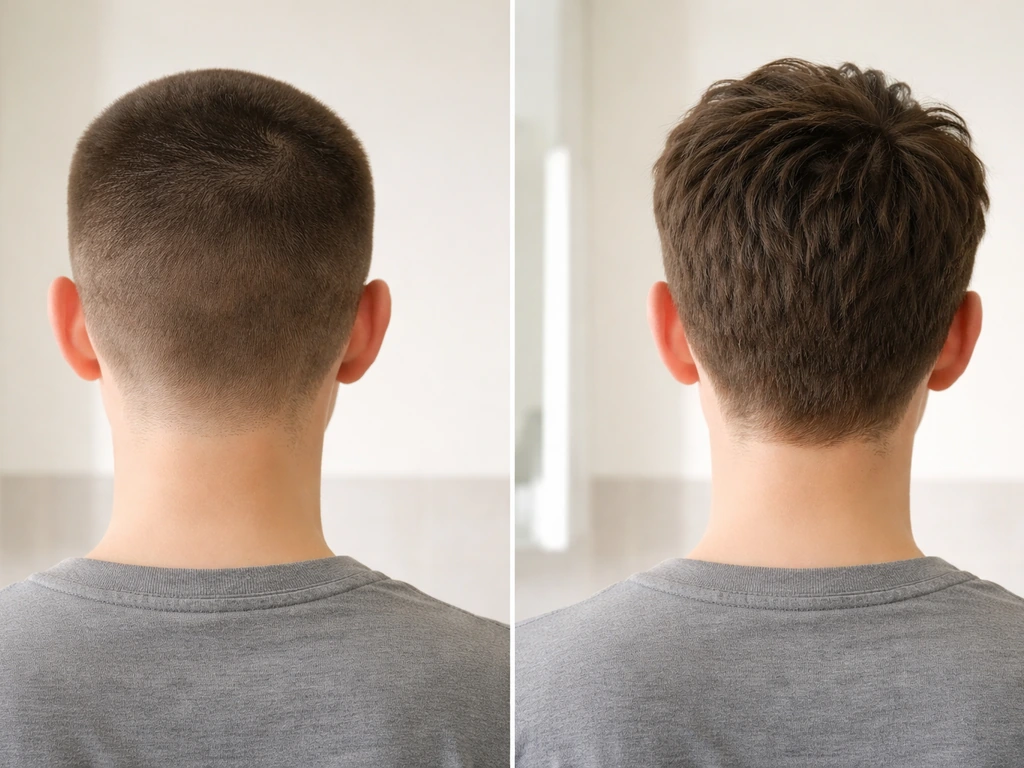
Grow it out or keep it short? A quick decision checklist
Before committing, spend two minutes honestly going through this. People who skip the decision step are the ones who bail during month four when their hair hits that impossible in-between length.
Reasons to grow it out:
- You want more styling flexibility — updos, braids, ponytails, or longer waves that your current cut can't do
- You're recovering from a haircut or color you didn't love and want to get back to something that felt more like you
- You've been short for years out of habit, not preference, and you're genuinely curious what longer hair would feel like
- You want to transition your color — either to your natural shade or away from damage — and growing out is the cleanest path
- Life circumstances have changed (less maintenance budget, different lifestyle, or you just want a change)
Reasons to stay short or wait:
- You hate not being able to style your hair and have zero patience for a mullet phase — be honest with yourself here
- Your hair is heavily damaged or chemically compromised right now and needs to recover first
- You're going through a major stressor (illness, surgery, postpartum) that's already causing shedding — growing during active telogen effluvium is harder to manage
- You don't have the budget or time for the trims and conditioning routine a grow-out actually requires
- You genuinely love your short cut and are only considering growing because someone else suggested it
If you cleared the first list and none of the second list stopped you cold, you're ready. If you're on the fence, deciding whether to let your hair grow out comes down to one honest question: does the version of you with longer hair feel more like you, or are you chasing someone else's idea of what you should look like? Go with whatever answer comes up first.
How long this actually takes from your starting point
Scalp hair grows about half an inch (roughly 1.25 cm) per month on average. That number is consistent across most clinical sources and is a reliable planning figure. Some people grow slightly faster, some slower, but half an inch a month is the working estimate you should use for your timeline. That means reaching your collarbone from a pixie cut takes roughly 18 to 24 months, not six. Here's what to expect from the most common starting points:
| Starting cut | Target length | Realistic timeline | Hardest phase |
|---|---|---|---|
| Buzz cut (under 1 inch) | Shoulder length | 24–30 months | Months 3–8: the shaggy, shapeless stage |
| Pixie cut (1–3 inches) | Shoulder length | 18–24 months | Months 4–10: the awkward bob/mullet crossover |
| Bob (chin to jaw) | Shoulder length | 6–12 months | Months 2–5: poking out at the sides, no shape |
| Blunt bangs (forehead) | Grown into face frame | 9–14 months | Months 2–5: too long to style, too short to tuck |
| Undercut (shaved underneath) | Blended with top | 12–24 months | Months 3–10: visible line between lengths |
These timelines assume you're keeping up with light maintenance trims and not cutting more than necessary. If you're growing from a buzz cut, the guidance is especially worth understanding before you start, growing out a buzz cut as a Black male involves its own specific texture and shrinkage considerations that can affect how you read your length progress month to month.
What to expect at each stage (and when it gets hard)
Months 1–3: The easy honeymoon phase
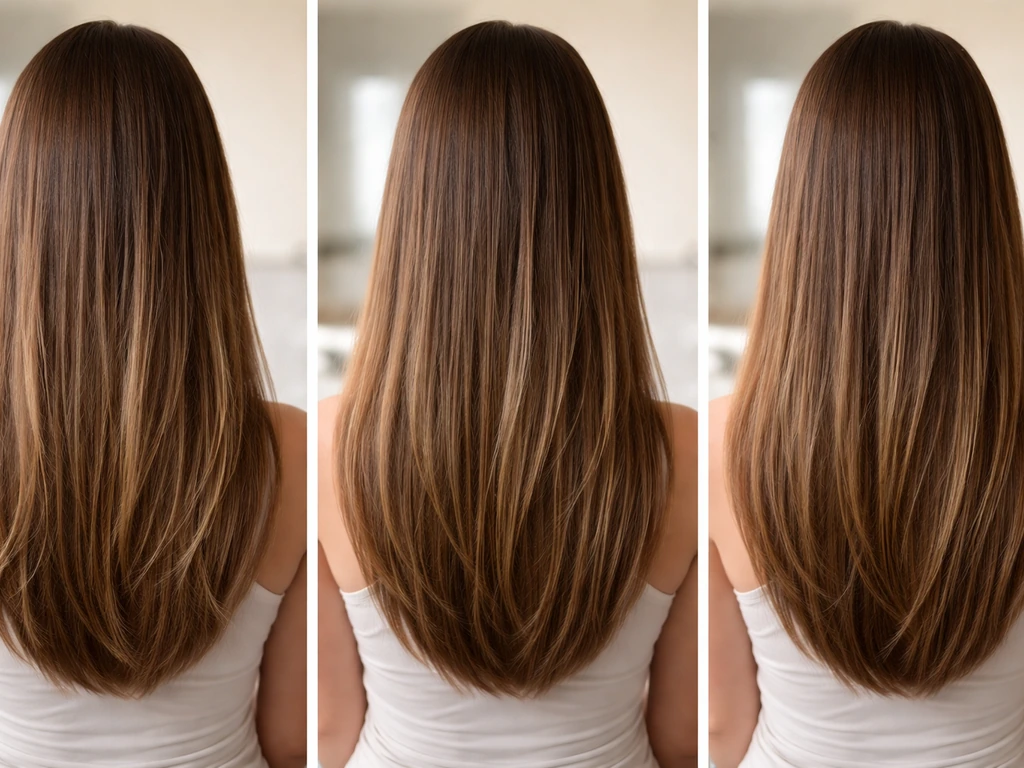
Growth is obvious and encouraging in the first few months because you're going from very short to slightly less short. Every half inch matters. Your hair starts to soften at the edges and gains a little weight, which actually makes it easier to manage than the initial cut. This is also the phase where most people feel confident they made the right call. Enjoy it, month four is a different story.
Months 3–8: The awkward phase everyone warns you about
This is the real test. Hair is too long to lie flat like a short cut and too short to behave like longer hair. It sticks out at the sides, flips at the neckline, and resists every styling attempt. If you're growing from a pixie, this is your mullet zone. If you're growing bangs, this is when they're hitting the bridge of your nose and doing nothing useful. The urge to cut it all off is strongest here. Don't. This phase ends.
On top of the shape frustration, you may also notice more shedding during a grow-out. In r/TelogenEffluvium discussions, people often compare what they see as normal shedding, with some saying 50, 100 hairs per day may be typical and higher shedding may point to telogen effluvium blank" rel="noopener noreferrer">50–100 hairs/day may be typical. blank" rel="noopener noreferrer">Losing 50 to 100 hairs per day is completely normal, that's a well-established clinical range. What surprises people is that they notice it more once hair is longer because each shed hair is more visible. Unless you're losing noticeably more than that in clumps, it's not a problem. Shedding from a stressor like illness, surgery, or major hormonal changes (telogen effluvium) is a separate issue and typically resolves within 6 to 8 months once the trigger is removed, with cosmetically visible regrowth following 12 to 18 months after that. A literature review notes that acute telogen effluvium typically occurs about 2 to 3 months after the triggering event.
Months 8–14: Things start to cooperate
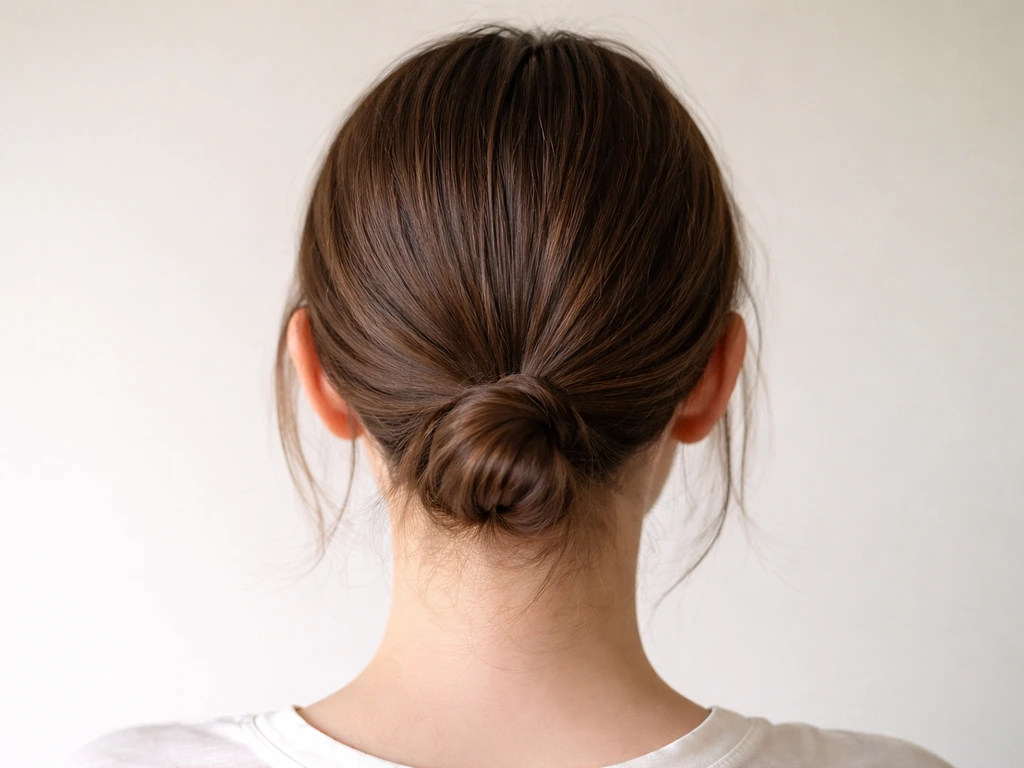
Once hair has enough length to have weight, it starts to behave. It tucks behind ears, goes into a small ponytail or bun, and blends more naturally at problem spots like the neckline or undercut line. This is when most people feel relief. You're not at your goal yet, but you can see it from here.
Months 14 and beyond: Maintenance and patience
From here, you're managing steady growth toward your target length. Progress feels slower because each additional inch is less dramatic against the overall length you already have. This is also when the health of your hair becomes more visible, any dryness, breakage, or color-related damage that's been building up since month one starts to show at the ends. Good conditioning habits set in the earlier months pay off here.
Styling plan for each phase of the grow-out
Short phase (months 1–3): Work with what you have
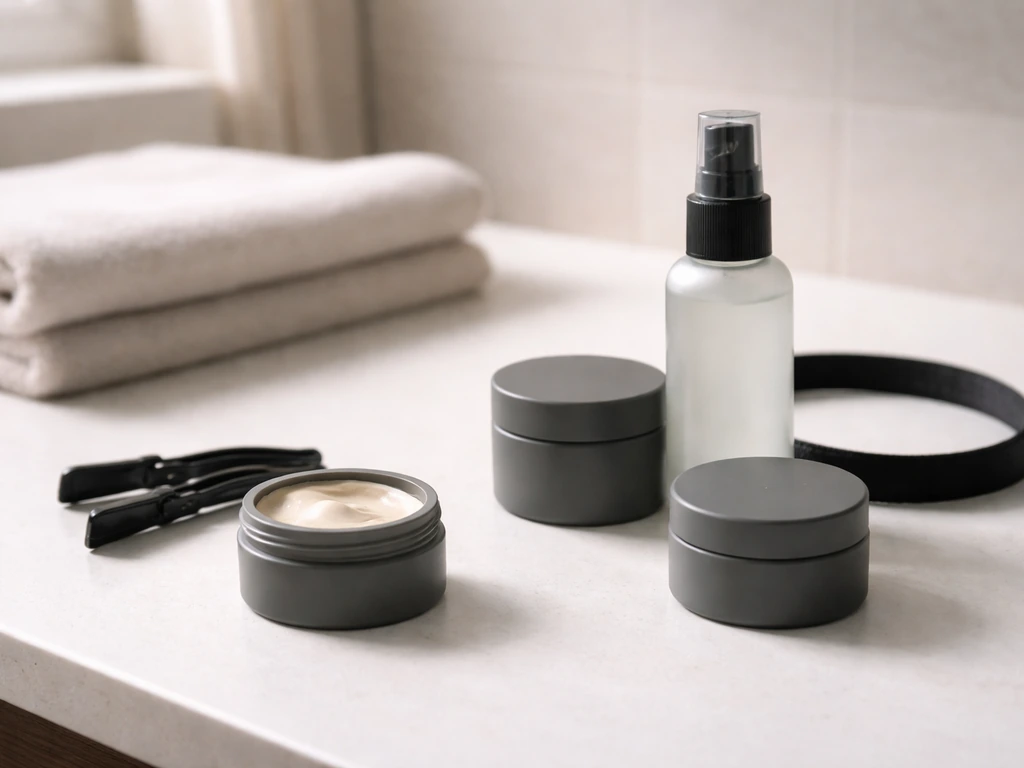
Use texture. Matte pomades, light clays, and sea salt sprays give short hair grip and shape without making it look overdone or stiff. Finger-styling works better than brushing at this length. If you're growing a pixie, ask your stylist to soften the perimeter, a hard edge gets more obvious as it grows and creates that rectangular shape nobody wants. The goal at this stage is controlling direction, not controlling length.
Awkward phase (months 3–8): Use accessories and blending cuts
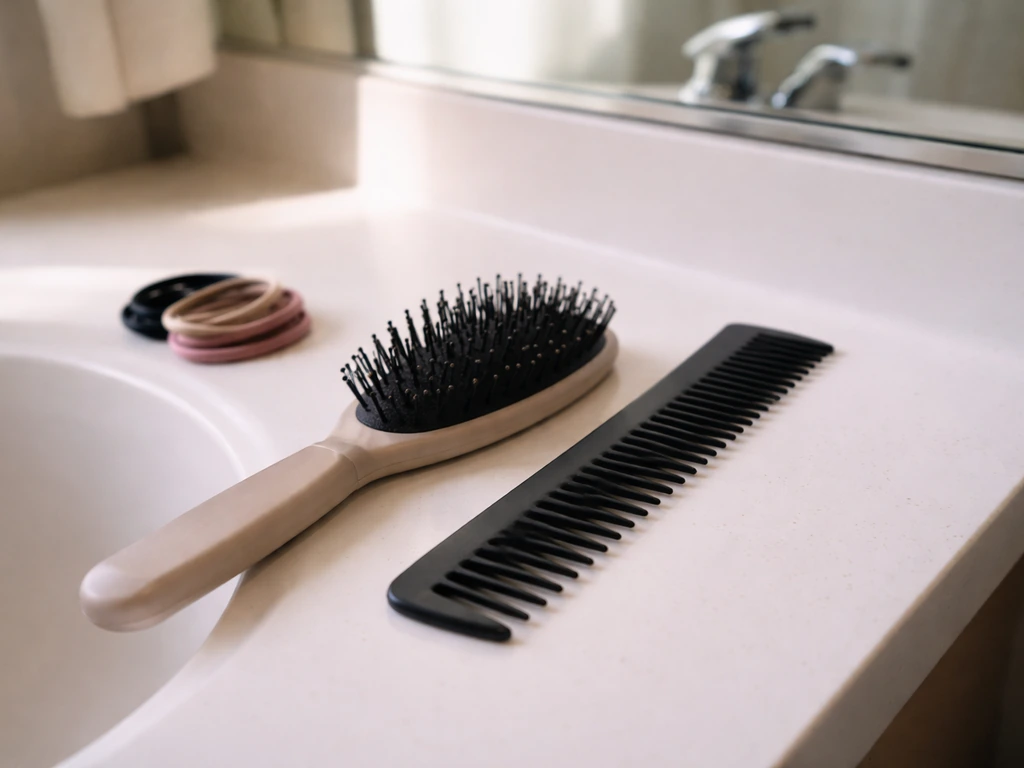
This is where accessories save you. Headbands, clips, and bobby pins are not a cop-out, they're a strategy. A clip at the side sweeps problematic wings back. A thin headband pulls growing bangs off your face and makes them look intentional. Wide-tooth comb or diffuser styling reduces frizz without heat. If you're growing bangs specifically, side-sweeping them with a round brush during blow-drying trains them to go in a direction rather than just falling in your face.
For undercut grow-outs, this is the blending phase. A good stylist can gradually fade the undercut line upward every 6 to 8 weeks so the contrast between the shaved section and the top becomes less visible month by month. Don't try to rush it, shaving it back down just restarts the clock.
Heatless options are your friend during this phase, especially if your hair is already stressed from color or prior heat use. Braiding damp hair overnight creates waves with zero heat. Twisting sections and pinning them while hair dries gives natural curl definition. The awkward phase is actually a great time to discover what your hair does naturally, because you're not fighting the cut anymore, you're working with the growth.
Getting-there phase (months 8–14): Layers and shape
Once you have enough length to work with, a small shape-up trim, targeting just the perimeter and removing any damaged ends, can make a huge difference in how the overall grow-out looks. This is not the same as cutting length. A skilled stylist removes weight and adds layers without setting you back. Layers are especially useful at this stage because they allow longer hair to move and blend instead of sitting heavy and blocky. Small ponytails, half-up styles, and loose braids all become available here and are worth using to give your hair a break from being styled daily.
How to take care of your hair while it's growing
Growing hair out is not passive. The habits you build in the first few months directly affect what you're working with a year from now. Here's what actually matters:
- Condition every wash, even if you don't shampoo every time. Hair at an in-between length is more prone to tangles and dryness than either short or long hair. A lightweight conditioner applied from mid-length to ends prevents breakage before it starts.
- Detangle gently and always when wet. Use a wide-tooth comb or a wet brush, start at the ends, and work upward. Ripping through dry tangles causes mechanical breakage that shows up as split ends and frizz.
- Trim every 10 to 12 weeks — but only the ends. The goal is shaping and removing damage, not cutting length. Communicate clearly with your stylist: 'I want to keep length but clean up the ends and add some shape.' If they suggest taking more than half an inch, get a second opinion.
- Minimize heat when possible. Blow-drying on a lower heat setting with a diffuser, or air-drying when you have time, reduces cumulative heat damage that builds up invisibly over months.
- Use a silk or satin pillowcase or a loose sleep bun. Cotton pillowcases create friction that causes breakage, especially at the neckline and around the face where growing-out hair is already fragile.
- Eat enough protein. Hair is made of keratin, and protein-deficient diets genuinely slow growth and increase shedding. This isn't a supplement pitch — just eat reasonable amounts of protein-rich food and don't cut calories dramatically while trying to grow hair.
If your grow-out involves transitioning from color or highlights back to your natural shade, the maintenance equation gets more specific. Growing out your natural hair color requires a plan for managing the line of demarcation, that visible contrast between your roots and the colored portion, so it doesn't look jarring as months pass. Toning, glossing, and strategic highlights can all soften the transition.
If gray is part of what you're growing out, the maintenance approach is slightly different because gray hair tends to be coarser and more porous. Growing out gray hair takes patience, plan for at least 12 to 18 months to reach a point where the natural color dominates, but it's very doable with the right hydration routine and a stylist who understands transition blending.
When to stop, pivot, or just give yourself a break
Growing out your hair is worth doing, but it's not worth destroying your hair health or your confidence to get there. Here are the situations where stopping or adjusting the plan is the smarter move, not a failure:
- Your ends are breaking faster than you're growing: If you're losing length at the ends to breakage at the same rate you're gaining it at the root, something in your routine needs to change before the grow-out can work. Protein treatments, reduced heat, and protective styling should come before any further growth attempts.
- You're losing more than 100 hairs a day for more than two months: This is worth checking with a doctor. Excessive shedding that doesn't resolve on its own may have an underlying cause (nutritional deficiency, thyroid issues, hormonal changes) that needs treatment — not just patience.
- A major life event changes your timeline or capacity: Postpartum hair changes, illness, surgery recovery, or starting a new medication that affects hair growth all change what's realistic. It's okay to pause the plan, focus on hair health, and restart when your body is in a better place.
- The awkward phase is genuinely affecting your quality of life: If you've been in the awkward phase for six months and you're miserable every single day, a strategic in-between cut — something with intentional shape that works at your current length — is not quitting. It's adapting. You can always restart the grow-out from a better foundation.
- You've changed your mind about the goal: This is allowed. Goals shift. If you've been growing for six months and realize you actually love your short hair, cut it back. You don't owe anyone a grow-out.
So, should you actually do it?
If you finished this guide and your honest answer is still yes, then start today. Decide on your goal length, calculate your rough timeline using the half-inch-per-month rule, book a consultation with your stylist so they know your plan, and stock up on a good conditioner and a wide-tooth comb. That's your starting kit. The styling strategies and maintenance habits above carry you through each stage as you reach it, you don't need to solve all of it on day one.
The grow-out process is genuinely worthwhile for most people who approach it with clear expectations. Growing out your hair has real benefits beyond just length, many people find that the process itself teaches them more about their hair's natural texture and behavior than years of styling the same short cut ever did. That knowledge sticks with you whether you end up long-term long or eventually cut it short again.
The awkward phases are real, the timeline is longer than most people expect, and there will be days where you seriously question the whole thing. That's normal. The people who get to their goal length are the ones who planned for those moments instead of being blindsided by them. You now have the plan. The rest is just patience and a good conditioner.
FAQ
Should I grow my hair out if I’m not sure what “goal length” I want yet?
Yes, but pick a minimum milestone instead of a final target (for example, reaching chin, collarbone, or the point where you can do a half-up style). Having a concrete “stop-and-evaluate” length helps you ride out the month-four awkward stage without turning it into an open-ended commitment.
Is half an inch per month always accurate for planning?
It’s a good planning average, but your real growth timeline can look slower if you regularly trim only damaged ends, because breakage can reduce apparent length gain. If you track progress by photos at the same angle and location, you’ll get a better sense of actual change than relying only on combing results.
What if my hair seems to stop growing during the awkward phase?
Often it’s not growth that stopped, it’s that the hair is breaking or curling outward so the length doesn’t read the way it used to. Try reducing friction (less aggressive brushing, detangling with a wide-tooth comb on conditioner), and give it the full phase since shedding and outward shape can mask progress.
How often should I trim while I’m growing it out?
Aim for light maintenance trims rather than waiting until the ends look extremely damaged. A common strategy is to trim just the perimeter or remove split ends at intervals your stylist recommends, so the hair looks healthier without resetting the overall timeline.
I’m growing out bangs, when should I expect them to finally “behave”?
Bangs usually improve once they gain enough length to tuck to the side or blend into a routine style, not just fall. If yours are constantly sitting on the bridge of your nose, use a side-sweep with a round brush during blow-drying or a thin headband for a look that feels intentional until they move past that in-between length.
Should I stop using heat if I’m growing my hair out?
Not necessarily, but reduce frequency and switch to gentler methods. Heatless styles (overnight braids, pinned twists) are especially helpful if your hair is already stressed from color or prior heat use, because the ends tend to show damage first.
How do I handle shedding during a hair grow-out without panicking?
If shedding is in the normal range (roughly dozens of hairs per day), focus on how much comes out during detangling and whether shedding happens in clumps. If you notice sudden heavy loss after illness, surgery, or major hormonal changes, treat it as a separate issue and plan on gradual improvement over months rather than cutting your grow-out short immediately.
Is it okay to use hair accessories and hold styles while I’m growing out?
Yes, and it can be a smart way to control shape during the sticking-out phase. Just avoid tight tension that pulls the hair at the same spots daily (which can increase breakage), and rotate placements so you’re not stressing one hairline area.
What’s the best way to blend an undercut or shaved line while growing everything out?
Use gradual blending with a stylist instead of shaving it back down on your own. If the contrast is fading too slowly, discuss a plan that adjusts the undercut line every several weeks, so you’re not restarting visibility of the shaved area while you’re trying to progress.
Can I grow out dyed hair without it looking messy?
You’ll likely need a deliberate “line-of-demarcation” plan. That can include toning or glossing to soften contrast, plus timing re-color so the transition looks intentional instead of stark, especially when roots start catching up to the colored portion.
If I’m growing out gray hair, what should I do differently than regular grow-outs?
Gray hair often feels coarser and can be more porous, so hydration and conditioner choice become more important to keep the hair from looking dry or rough as it grows. Building a moisture routine early makes the transition look smoother and reduces the odds that damaged ends make the grow-out look uneven.
When should I adjust the plan instead of pushing through and forcing it?
If your hair health issues are increasing (more breakage, persistent matting, or noticeable scalp problems) or your confidence is consistently dropping week after week, it’s smarter to recalibrate with your stylist. The goal is progress you can sustain, a small perimeter cleanup or targeted layer adjustment can help without erasing length.