
Yes, a bad haircut will grow out. Hair grows roughly half an inch (about 1.25 cm) per month on average, which means most haircut mistakes look noticeably better within 6 to 12 weeks and are largely resolved within 3 to 6 months. The catch is that not every problem fixes itself on its own. Some issues, like uneven layers or a choppy blunt line, need a small corrective trim to grow out gracefully rather than just longer and messier. An uneven haircut typically improves noticeably as the longer and shorter sections get closer together with time. Knowing which category your haircut falls into saves you months of frustration.
Will a Bad Haircut Grow Out? Timelines and Fixes

Marcus Vickers
9 Jun 2026
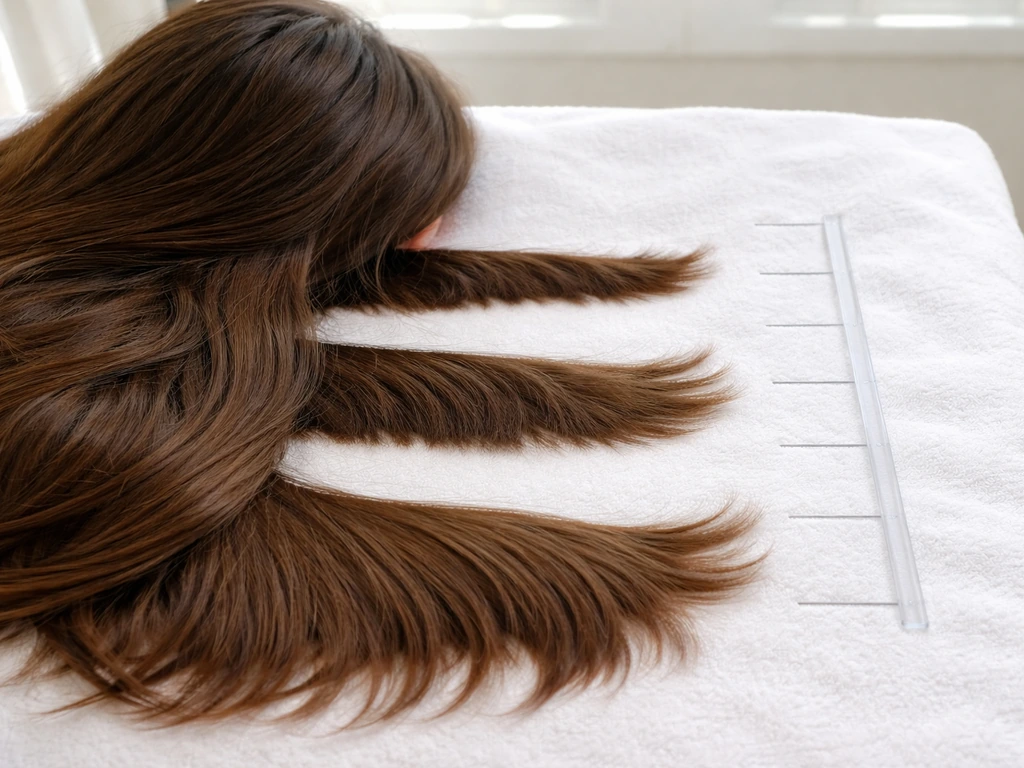
Yes, it grows out, here's how fast
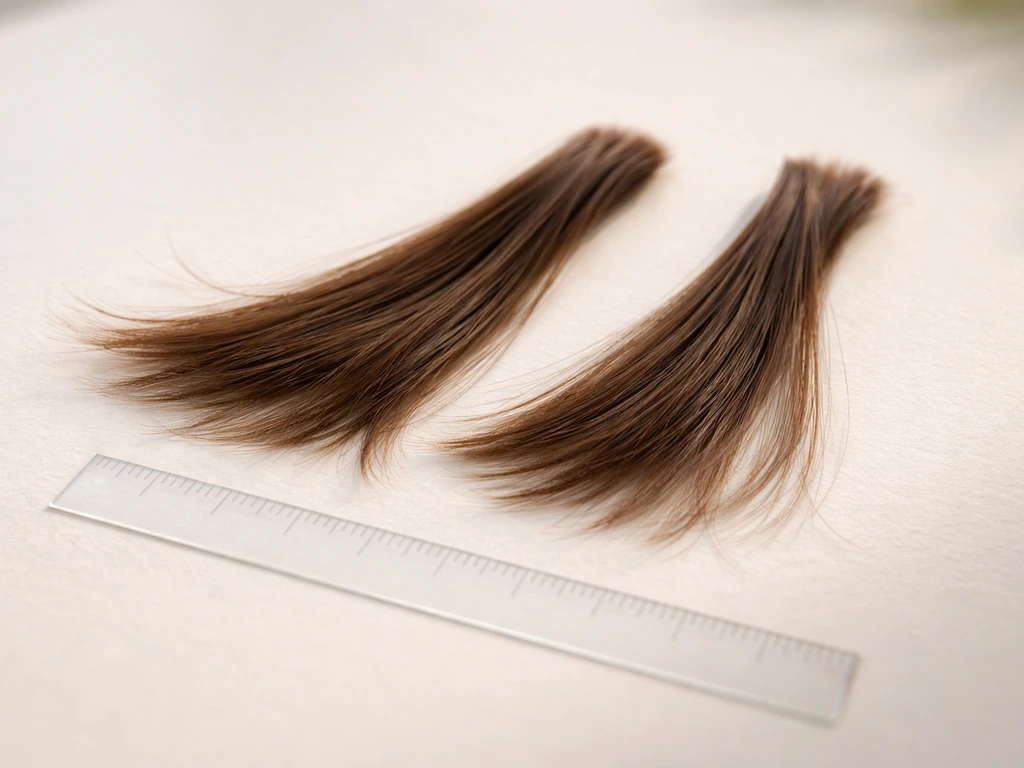
The science on this is pretty consistent: healthy scalp hair grows about 0.35 mm per day, which adds up to roughly 1 cm (just under half an inch) per month, or about 6 inches per year. That rate can vary depending on your age, health, and genetics, and some people grow as fast as 3 cm per month while others grow closer to 0. Scalp hair growth rate can vary by person and somewhat depends on age, often slowing with age, as well as sex and ethnicity That rate can vary depending on your age, health, and genetics. 6 cm. But for planning purposes, the half-inch-per-month rule is a reliable baseline.
What that means practically: if your bangs were cut two inches too short, expect to wait about four months before they hit a length where you have real styling options. If a layer was cut an inch shorter than you wanted, you're looking at roughly two months before it catches up. The waiting is real, but it's finite. The worst thing you can do is panic-cut more off trying to even things up, because that just resets the clock.
What fixes itself vs. what needs a stylist's help
This is the most important question to answer before you decide whether to wait or book an appointment. Some problems genuinely resolve on their own as hair grows. Others will just become a longer, messier version of the same problem.
Problems that improve on their own with time
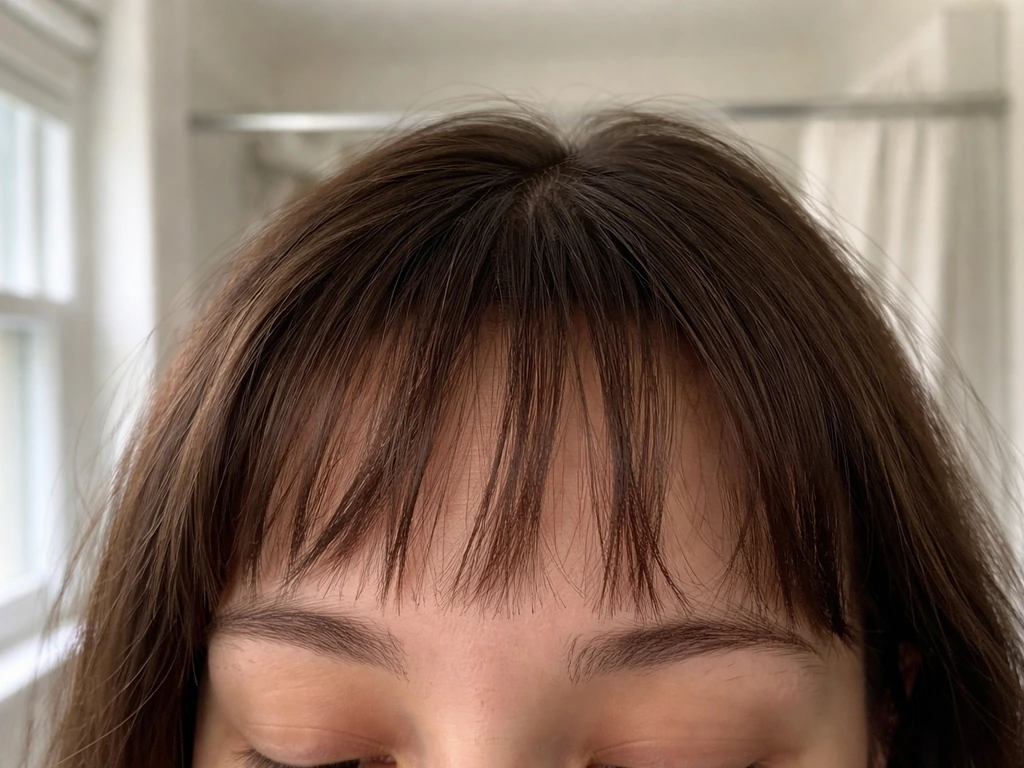
- Bangs that are too short: they simply grow down toward your preferred length. You just have to survive the in-between stage.
- A haircut that's shorter than you wanted overall: with no additional cuts, the length will return. The shape may look a bit blunt or boxy as it grows, but that improves month by month.
- A blunt bob that you want to soften: as the ends grow past the initial blunt line, the weight distributes more naturally and the shape relaxes.
- Minor asymmetry of less than half an inch: small differences in length often become imperceptible as the hair grows a few centimeters.
- A style that just doesn't suit you but is technically well-cut: this is a patience issue, not a correction issue.
Problems that get worse without a fix
- Heavily uneven layers where one side is significantly shorter: the difference in length becomes more obvious, not less, as everything grows longer.
- A choppy or razored texture cut that wasn't what you wanted: the ends continue to look frayed and unpredictable. A clean-up trim helps reset the baseline.
- A botched fade or undercut where the line was cut too high: the contrast between lengths becomes more visible as the top grows out. A small tidy-up on the line can buy you weeks of better-looking hair.
- Damage from over-processing during color or chemical services: damaged ends don't repair themselves. You'll need to gradually trim them off as the healthy hair grows in.
- Crown or top sections cut significantly shorter than the sides: this creates a shape problem that grows awkwardly rather than gracefully. A stylist can often blend this with minimal length loss.
Real timelines for common bad haircut situations
Here's a practical look at the most common scenarios and what to expect, based on the half-inch-per-month growth rate.
| Haircut Problem | Typical Wait to Look Better | Typical Wait to Fully Resolve | Correction Needed? |
|---|---|---|---|
| Bangs cut too short (1–2 inches) | 4–6 weeks | 3–5 months | No, but a reshape at 8 weeks helps |
| Full fringe grow-out to no bangs | 8–10 weeks (blendable) | 6–12 months (fully gone) | Shaping trims every 6–8 weeks |
| Uneven layers (1 side noticeably shorter) | Doesn't fully self-correct | Depends on correction | Yes — blending trim recommended |
| Blunt bob you want to soften | 6–8 weeks | 3–4 months | Optional — a point-cut trim helps |
| Too-short overall length (want to grow long) | Ongoing — monthly progress | 6–18+ months depending on goal | No, but shape trims every 8–12 weeks |
| Botched fade or high undercut line | 2–3 weeks (fast-growing area) | 6–8 weeks | A line cleanup helps immediately |
| Crown cut shorter than sides | Hard to self-correct | Depends on correction | Yes — blending is usually needed |
| Choppy/razored texture (unwanted) | Doesn't improve without trim | After corrective trim: 2–3 months | Yes — clean trim resets the ends |
One thing worth flagging: if you also have uneven hair from natural growth differences (rather than a bad cut), that's a slightly different challenge covered in detail in the guide to how to grow uneven hair. Sometimes what feels like a bad haircut is partly just asymmetric growth, which responds differently to correction.
How to style through the awkward phase right now
The awkward phase is real and nobody enjoys it, but there are genuinely good ways to make it less noticeable. Here's what actually works, depending on what you're dealing with.
For too-short bangs
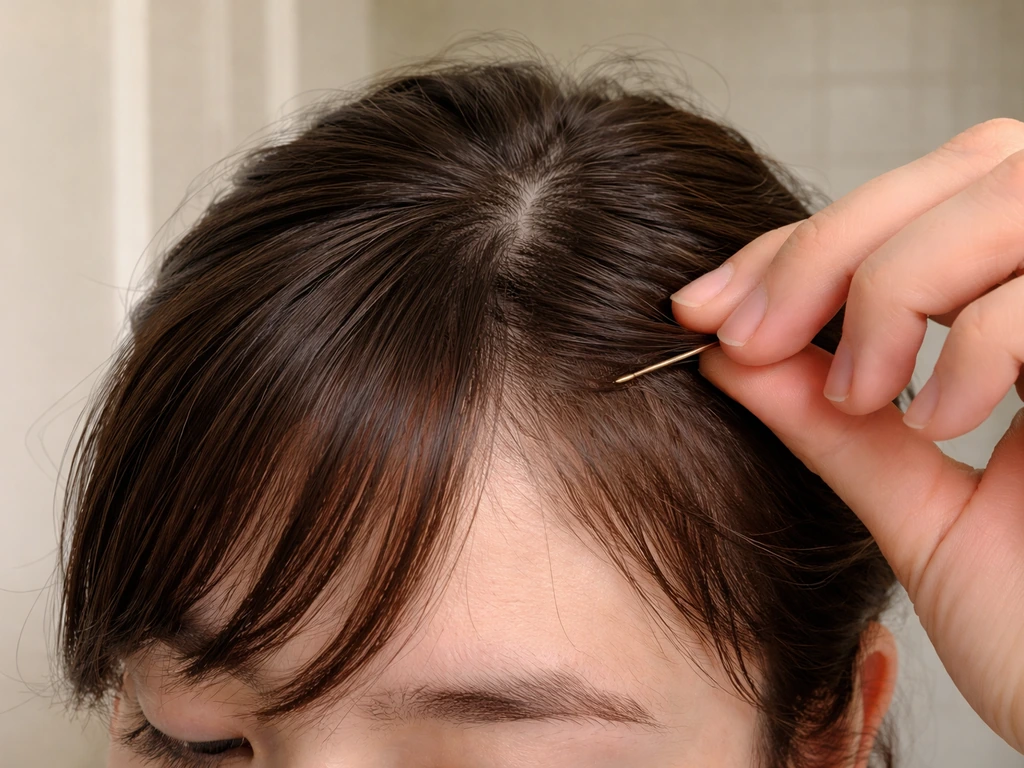
Pin them to the side with a small clip or bobby pin. Sweeping them to one side with a bit of hold product (a light pomade or edge gel works well) turns an awkward fringe into something that looks intentional. Once they hit brow length, a side part can disguise the fact that they're growing out entirely. Headbands are also genuinely useful here, not just a concession to a bad hair day.
For uneven layers or choppy texture
Texture sprays and dry shampoos are your best friends because they break up the visual weight of uneven sections. If you have straight hair, a light wave from a curling wand or flat iron makes layers blend more naturally by adding movement. Braids and half-up styles are excellent for hiding length differences, especially in the first few months. If one side is noticeably shorter, styling the longer side forward and using a deeper side part draws the eye away from the shorter section.
For a too-short overall cut
Hats, scarves, and headbands are the most direct solution and there's nothing wrong with leaning on them. Beyond accessories, focus on condition: well-moisturized, shiny hair always looks more intentional than dry, rough hair at any length. If you’re trying to grow out an A-line haircut, keeping your hair moisturized and smooth can make the longer, blending phase look much more intentional condition: well-moisturized, shiny hair. A gloss treatment or a weekly hair mask can make a short cut look polished rather than rough while you wait it out.
For a botched fade or undercut
If the fade line was cut too high, keeping the top styled forward and down (rather than pushed up) reduces the visual contrast. A matte clay or paste gives you the control to direct hair where you want it. The grow-out on shaved and very short sections is actually fast because there's so little distance to cover, so this often looks better within two to three weeks without any intervention.
When to book a correction and what to say
Go back sooner rather than later if you have visible asymmetry of more than about an inch, a shape problem that gets worse as it grows (like a crown that's significantly shorter than the sides), or damage from over-processing. Waiting for these to fix themselves wastes months. A good corrective appointment is usually shorter and less expensive than people expect because the goal isn't a new haircut, it's targeted blending.
When you go in, be specific rather than emotional. Instead of saying 'it just looks wrong,' describe what you see: 'The left side is about an inch shorter than the right,' or 'The layers around my crown are sitting much shorter than the length at the bottom and I want them blended.' Bring a photo of what you originally wanted and a photo of what you have now if you can. Ask the stylist to explain what they're planning to do before they start, so you know how much length you'll lose in the correction process.
If you're nervous about going back to the same stylist, that's completely valid. You can go to a different salon for a second opinion without it being a drama. Most experienced stylists are used to fixing cuts from elsewhere and appreciate clear, calm communication about what went wrong.
Color, texture, and natural regrowth make things more complicated
Color-treated hair
If your bad haircut removed a significant amount of colored or highlighted hair, you now have a different color situation than you planned for. As natural regrowth comes in, you may have a visible root line that wasn't part of the original plan. The practical move is to schedule a color appointment before a cut appointment, so you can assess how the color sits at the new length before trimming anything else. Avoiding permanent color on already-damaged ends is also wise: use a gloss, toner, or semi-permanent color to refresh until the hair is healthier.
Curly and textured hair
Growing out a bad haircut on curly or textured hair has an extra layer of complexity: shrinkage. Curls can contract significantly when dry, sometimes reducing visible length by as much as 75% compared to stretched wet length. This means that even though your hair is growing at the same rate as straight hair, the progress feels invisible for longer. Measuring your growth while hair is wet and stretched gives you a much more accurate picture of how far along you actually are.
Uneven cuts on curly hair also tend to look more chaotic because the curl pattern emphasizes weight differences between sections. Regular moisture treatments keep curls clumped and defined, which actually helps disguise length variation better than anything else. If your curl pattern was disrupted by a cut that removed too much length from the wrong place, it often takes a few months of consistent moisture and minimal heat before the natural pattern reasserts itself and looks uniform again.
Natural regrowth after chemical services
If you had a relaxer, keratin treatment, or other chemical service before the bad haircut, the regrowth will have a different texture than the treated ends. As you grow out, the line of demarcation between natural and treated hair becomes more prominent. The safest strategy is to gradually trim the treated portions as healthy natural hair grows in, rather than trying to transition all at once. This is a slow process, typically 12 to 24 months for most lengths, but it's far less damaging than a drastic cut.
Products and tools that genuinely help
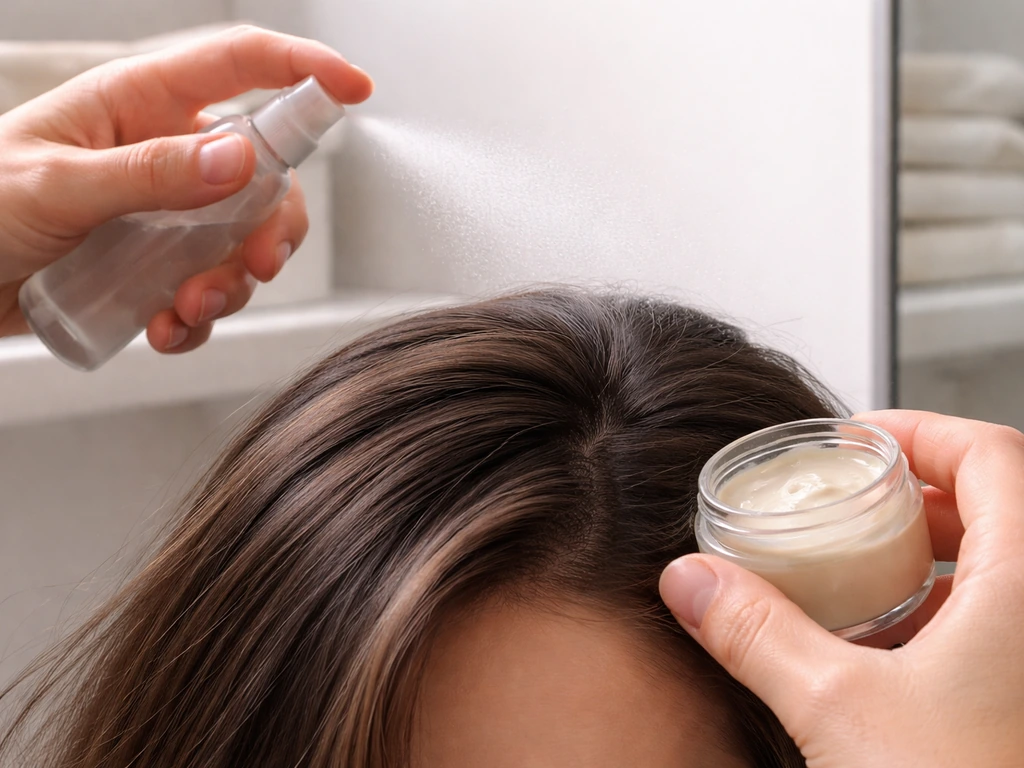
You don't need a complete overhaul of your routine, but a few targeted products make the grow-out phase much more manageable.
- Texture spray or sea salt spray: adds grip and movement to straight hair, making layers and uneven sections blend rather than separate.
- Light hold pomade or paste: gives you control to direct short sections without looking stiff or overdone.
- A wide-tooth comb and a silk or satin pillowcase: reduces breakage so your hair actually reaches its growth potential instead of snapping off at the ends.
- A nourishing hair mask used once a week: improves shine and elasticity, which makes any length look more intentional.
- Bobby pins, mini clips, and thin elastic bands: the most practical camouflage tools for pinning awkward sections out of the way during the grow-out phase.
- A good hair oil (argan, jojoba, or marula): smooths frizz and flyaways that make growing-out hair look messier than it is. Apply to damp or dry hair, focusing on the ends.
- Dry shampoo: extends style between washes and adds volume to short sections that are lying flat during grow-out.
- A quality curling wand or flat iron (if you use heat): adding wave or softening blunt ends with heat makes layers and uneven cuts look far more deliberate. Always use a heat protectant.
One product category worth skipping: anything marketed as 'hair growth accelerators' or supplements promising dramatically faster growth. The evidence for most of these is weak. Your hair will grow at its natural rate regardless. The better investment is in keeping the hair you have in good condition so none of that growth gets lost to breakage.
Your next steps, depending on where you are right now
If the cut is technically even but just shorter than you wanted, your move is to wait, protect, and style through it. Book a shape trim every 8 to 12 weeks to keep the ends healthy without losing real length. Glamour notes that trimming bangs at least every eight weeks helps keep them looking fresher during the grow-out process: hair typically grows about half an inch per month shape trim every 8 to 12 weeks. That's the entire strategy for a lot of grow-out situations, and it works.
If the cut has a visible problem, like uneven layers, a shape mismatch, or damaged ends, book a corrective appointment within the next two to three weeks. The longer you wait on these, the more obvious they tend to look. A targeted correction now saves you months of a messier grow-out later.
If you're dealing with the full process of growing from a short cut to a longer length, whether that started with a pixie, a buzz cut, or an A-line bob, the awkward stages are normal and predictable. The guide on how to grow out a bad haircut goes deeper into stage-by-stage strategies if you want a month-by-month breakdown of what to expect and how to style through each phase. The honest truth is that almost every bad haircut looks dramatically better within three months and is a distant memory within six. Your hair is growing right now, even today.
FAQ
If I do nothing, will an uneven haircut eventually look normal?
Usually, yes. Hair growth continues even if the cut is blunt or uneven, but you may need a small “blending” trim if the problem is shape-related (for example, an obviously choppy edge or layers that don’t sit together). If you wait too long, the mismatch can become more noticeable before it improves.
When should I stop waiting and book a correction appointment?
It depends on the type of mistake. If the issue is mostly length, you can often just style and protect while it catches up. If the issue is a line that’s clearly wrong (like a heavy blunt shelf, a visibly higher fade line, or layers that are sitting shorter around the crown), a short corrective appointment can prevent the gap from getting more obvious as it grows.
Should I trim it myself to even things up faster?
Avoid cutting more off to “fix it” right away, because every extra trim resets the timeline and can worsen the imbalance. A safer approach is to either (1) wait a few weeks while using styling to minimize the contrast, or (2) get a correction that specifically blends without removing unnecessary length.
How often should I trim while growing out a bad haircut?
Even trims can be counterproductive if you’re trying to grow length quickly, because frequent “tiny fixes” add up. A more effective cadence is to keep ends healthy with a trim every 8 to 12 weeks when you’re mainly growing out an otherwise even cut, and only shorten more than that if a stylist identifies a true growth or shape issue.
Will growing it out also make my dye or highlights look worse at the transition line?
If you dye, tone, or highlight, regrowth can reveal a new line where your cut sits now, especially around roots and previously processed ends. Plan the order as color assessment first, then cutting, so your stylist can blend both color and shape without creating a second visible demarcation.
What can I do so it grows out instead of looking like it’s stuck?
Protecting hair reduces breakage, which is the main reason growth can “feel” slower. If ends are snapping, you effectively lose length as fast as it grows. Focus on moisture and gentle detangling, and consider heat minimization so your progress actually stays on the head.
Why does my curly hair not look like it’s growing yet, even though it is?
Yes, but track progress in a way that matches the hair type. For curls, dry shrinkage can hide growth dramatically, so compare stretched or wet, fully conditioned hair, not just the way it looks after drying. This helps you judge timing accurately and prevents unnecessary extra trimming.
If I had a relaxer or keratin treatment, will the grow-out be different?
For chemically treated hair (relaxers, keratin, other services), the regrowth can be a different texture, and the transition area becomes more obvious over time. The usual safer plan is gradual trims of the treated portions as healthy natural hair grows in, rather than trying to switch everything at once.
Is there a rule of thumb for when asymmetry will get worse as it grows?
If your asymmetry is large or worsening (for example, more than about an inch difference, or one section significantly shorter around key areas like the crown), waiting can make the mismatch harder to fix later. A targeted corrective appointment sooner tends to require less “reworking” overall.
What should I say to the stylist at my corrective appointment to avoid making it worse?
Bring photos of the original goal and the current result, and be specific about measurements or placements (for example, “the left is about an inch shorter” or “the layers around my crown sit too high”). Ask the stylist to explain how much length they expect to remove and how they will blend, before they start.