
A bad haircut is one of the most frustrating things to sit with, because you can't fix it overnight. But you can make it look intentional faster than you think, and you can avoid the common mistakes that actually slow things down or make the grow-out worse. The short answer: hair grows roughly half an inch (about 1 to 1.25 cm) per month on average, which means patience is non-negotiable. The good news is that with the right styling moves and a smart trim strategy, you can get through every awkward phase without feeling like you need to start over.
How to Grow Out a Bad Haircut Fast: Every Stage Guide

Marcus Vickers
20 Apr 2026
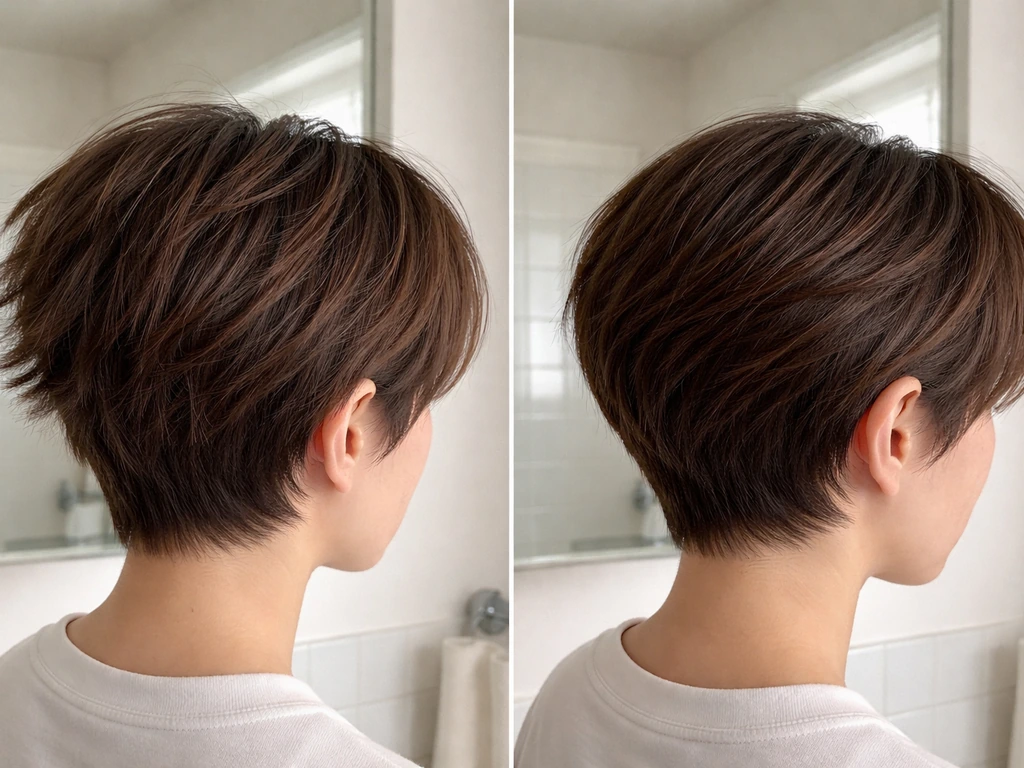
How long this is actually going to take
Let's be honest about timelines so you're not blindsided. Hair grows at roughly 0.5 to 1. Cleveland Clinic estimates that hair grows about 1 centimeter per month (about 0.4 inch per month). 7 cm per month depending on your genetics, health, and even the season. The commonly quoted average sits around 1 to 1.25 cm per month. That's approximately half an inch. There's a wide biological range, so some people grow closer to a full inch a month, and some grow less. You can't dramatically change your personal growth rate, but you can stop doing things that slow it down.
| Starting Point | Target Length | Estimated Time |
|---|---|---|
| Buzz cut / very short pixie | Bob length | 6–9 months |
| Pixie / short crop | Shoulder length | 12–18 months |
| Bad layered cut (shortest layer several inches short) | Even, blended length | 6–8 months for shortest layers to catch up |
| Bob with uneven layers | One-length bob or lob | 3–6 months depending on layer gap |
| Short bangs | Brow-length / side-swept | 2–4 months |
If your haircut has uneven layers, keep in mind that the shortest layer is the one setting your timeline, not your longest hair. If a bad layer cut left some pieces several inches shorter than the rest, you could be looking at 6 to 8 inches of growth before things feel balanced again. That's a real commitment. One thing worth knowing: different follicles sit in different growth phases at different times, so your regrowth won't look uniform at first. That's normal, not a sign something is wrong.
What to do right now (the first 1–2 weeks)
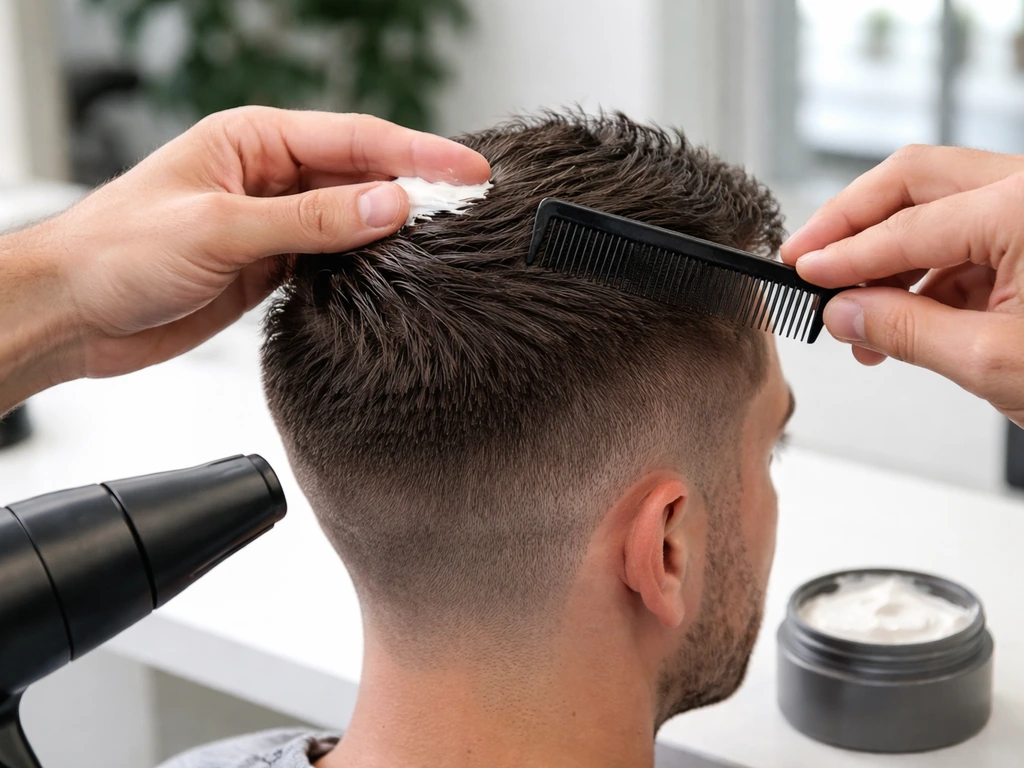
The goal for the first two weeks is simple: make the cut look like it was deliberate. You're not fixing anything yet, you're reframing it. Here's what actually helps right away.
- Lean into texture. Short cuts that look "off" often just need product. A small amount of paste, clay, or texturizing cream worked through dry hair adds definition and makes uneven lengths look styled rather than accidental.
- Use accessories to buy yourself time. Claw clips, headbands, and thin scarves are genuinely useful for managing awkward bangs or uneven face-framing pieces in the first weeks while you figure out your plan.
- Part your hair differently. Switching from a center part to a side part (or vice versa) can dramatically change how an uneven cut sits and disguises asymmetry.
- Call the salon if you genuinely think it was a technical mistake. Within the first week, many salons will offer a correction appointment. This is worth doing if the cut is structurally wrong, not just shorter than you wanted.
- Take a photo of how it looks right now. You'll want this to track growth and to show a stylist exactly what changed if you decide to get a shape correction.
If your cut has choppy or mismatched layers that look disconnected, try blow-drying with a round brush to smooth and blend them temporarily. Start when hair is about 60 to 80 percent dry rather than soaking wet, work in small sections from the bottom up, and focus heat on the ends to encourage them to curl under or sit flatter. This won't fix the cut, but it can make it look intentional enough to get through the next few weeks.
A stage-by-stage growth plan
Instead of counting days, it helps to think in growth stages. Each stage has its own set of challenges and styling moves, and knowing what's coming next makes the process feel a lot more manageable.
Months 1–2: the "just past the bad haircut" stage
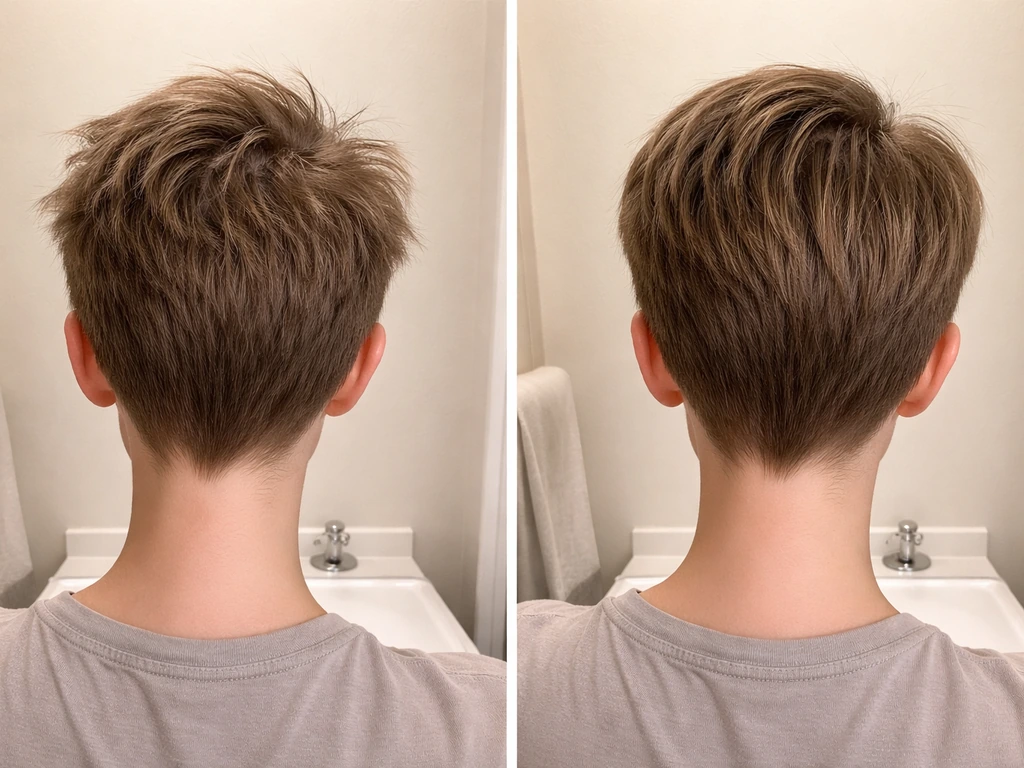
Hair is still short but starting to shift. For pixie and buzz-cut lengths, this is when hair starts to look overgrown in a messy way rather than styled. The fix: lean hard into product. Wax, pomade, or a lightweight gel can direct pieces where you want them. This is also when a nape and sideburn cleanup (just those areas, not overall length) can make the whole cut look intentional again without sacrificing any meaningful growth. If your issue is layered hair, month two is when the shortest layers start softening into the longer ones and you can use a curling wand or wave spray to blur the line.
Months 2–4: the genuinely awkward middle stage
This is the stage most people bail on. Hair is too long to look like a neat short cut and too short to behave like longer hair. For pixie growers, this is the "boy's cut" transition zone: the sides get floppy, the top gets heavy. The move here is to embrace a slightly undone, textured style rather than fighting it. Slick it back, diffuse it if you have waves, or use a headband to control the sides while the top catches up. For layered-cut growers, this is when the shortest pieces finally start reaching the chin or collarbone, and you can start using the length of the longer layers to actually style your hair in ponytails or half-up styles.
Months 4–9: the "getting somewhere" stage
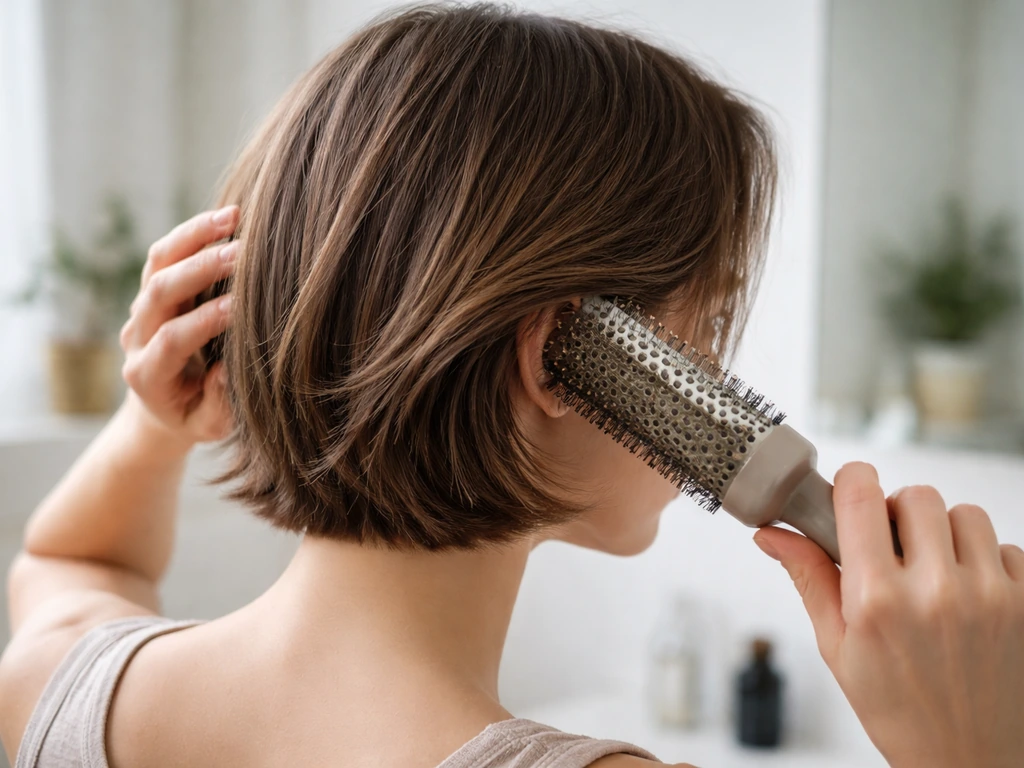
From a pixie, you're moving into a soft bob zone around months 6 to 9. This is where the grow-out starts feeling rewarding because you finally have options: tuck behind the ear, wear it wavy, add a clip. For layered cuts, this is the phase where you can start getting light dusting trims to even things out without sacrificing length. The shape starts looking more deliberate and less like an accident. You're not done, but you're definitely through the worst of it.
Months 9–18: the long game
Shoulder length from a very short pixie takes somewhere between 12 and 18 months for most people. At this stage the main challenges are managing splits from all the growing and keeping layers that are still catching up from looking stringy. This is the phase where consistent moisture and occasional micro-trims make the biggest difference in how healthy the length looks.
Styling strategies for specific cut types
Growing out a short haircut (including buzz cuts and crops)
Short cuts have the longest grow-out timeline and the most dramatic awkward phases, but they're also the most forgiving in terms of styling flexibility month to month. In the early stages, matte product for textured styles is your best friend. As the top grows past 2 to 3 inches, you can start directing it forward or to the side rather than straight up, which instantly reads as intentional. If the sides are growing unevenly, a taper or fade at the sides only keeps everything looking clean without touching the length on top.
Growing out a bad layered haircut
The biggest mistake with a bad layered cut is over-trimming in an attempt to "even it out." If you cut the long pieces to match the short ones, you're just starting over at the shortest layer. The actual strategy is to grow the shortest layers up to meet the rest of the hair. While you're waiting, use waves and curls to blend the visual gap between lengths. A loose curl or beachy wave makes layers look intentional rather than mismatched. Straight, smooth styling tends to highlight exactly where the layers don't connect.
Growing out bangs and face-framing pieces
Bangs are their own particular challenge because they hit the "awkward curtain" stage right around brow to nose length, where they're too short to tuck behind your ear and too long to sit neatly on your forehead. Pinning them to the side with a clip or small barrette is the most practical solution during this phase. Bobby pins pushed flat give a sleeker look; a small decorative clip gives a more intentional fashion vibe.
As they reach the cheekbone, you can start training them to sweep to the side with a round brush and some light hold spray. If the face-framing pieces from a bad haircut are uneven rather than too short, work with the longer side first and use a wave or curl to distract from the mismatch.
Pixie, bob, and A-line transitions
Pixie to bob takes roughly 6 to 9 months, and the trick for getting through it is recognizing that around the 2-month mark you'll enter what looks like a "soft boy cut" phase. Don't panic. This phase lasts about 2 to 3 months and is best managed with soft wax and a side part.
A-line bobs (shorter in the back, longer in the front) have a unique grow-out challenge because the back catches up faster than the front; regular nape trims keep the back from looking overgrown while the front continues to grow. Growing out a standard bob is generally faster to feel resolved because the hair is already one length; the main goal is just adding length, which you can accelerate with deep conditioning and protective styling.
When to trim and when to leave it alone
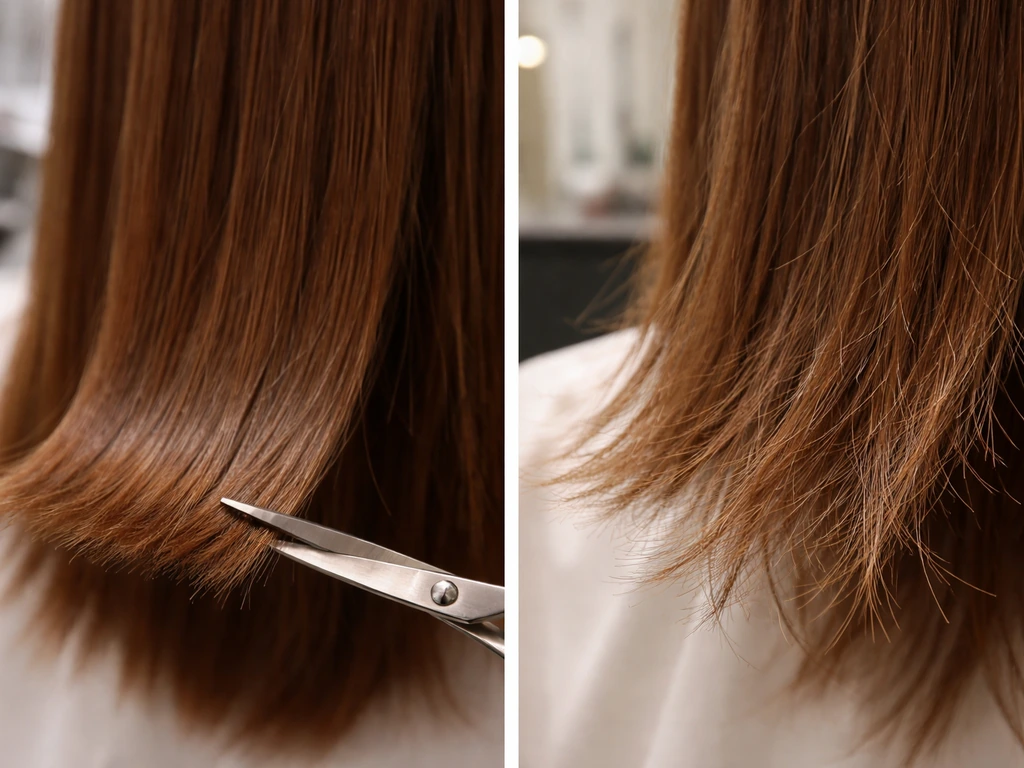
This is where a lot of people go wrong. The instinct when a haircut looks bad is to go back to the salon and get it "fixed," but if the fix involves cutting more length, you're often just resetting your grow-out clock. Here's a simple framework for deciding when a trim actually helps versus when it sets you back.
| Situation | Trim or Wait? | Why |
|---|---|---|
| Split ends appearing | Micro-trim (dust the ends) | Splits travel up the shaft and cause more breakage; trimming a tiny amount protects length long-term |
| Shape looks overgrown and messy | Targeted cleanup only (nape, sideburns, perimeter) | You can clean up the outline without touching overall length |
| Shortest layers still several inches from the rest | Wait | Trimming the longer hair to match short layers destroys your progress |
| Uneven layers starting to blend | Light dusting every 6–8 weeks | Maintains health and shape without undoing growth |
| Style is structurally wrong (not just short) | See a stylist for a correction | A skilled correction can fix the shape without taking more length than needed |
A micro-trim removes about a quarter of an inch or less. Done every 6 to 8 weeks, it keeps the ends healthy and the shape from looking completely lost without meaningfully slowing your growth. Every 8 to 12 weeks is a reasonable general schedule for most people in grow-out mode. If you're growing out a pixie or very short cut, a nape and sideburn cleanup every 4 to 6 weeks keeps those areas looking intentional while the rest continues to grow.
Taking care of your hair while it grows
Healthy hair grows at the same rate as unhealthy hair, but healthy hair retains more length because it breaks less. During a grow-out, the goal of your hair care routine is retention, not acceleration.
Moisture and conditioning
A weekly deep conditioning treatment makes a real difference during grow-out, especially if your hair has been through color, heat styling, or a cut that left damaged ends. For wavy or curly hair, leave-in conditioner is worth adding to your daily routine to reduce frizz and keep the texture looking defined rather than puffy. Using a leave-in conditioner or detangler after washing and conditioning can help reduce breakage, split ends, and frizz, according to the American Academy of Dermatology leave-in conditioner to reduce frizz. For straight or fine hair, a lightweight conditioning spray works better than a heavy cream that weighs things down.
Detangling without the damage
When hair is in an awkward mid-length phase, tangles are more common because the hair doesn't have the weight to lie flat yet. Always detangle starting from the ends and working your way up toward the roots, never from root to tip. A wide-tooth comb used while hair is wet and coated with conditioner is the gentlest option for most hair types. For textured hair, wet detangling with conditioner is usually best. For straight hair, you can often detangle dry, but conditioner still reduces friction and breakage significantly.
Managing frizz and texture during regrowth
Frizz tends to get worse during grow-out because shorter pieces have less weight pulling them down. Blow drying with a nozzle attachment and directing airflow downward (not against the cuticle) helps smooth things significantly. Start with hair at about 60 to 80 percent dry rather than soaking wet, and always use a heat protectant before any tool. Anti-frizz serums applied to damp hair before drying also help tame the shorter pieces that tend to halo around the head.
Protecting color during grow-out
If your bad haircut also involved a color change you didn't want, or if you're managing a visible regrowth line from color, the grow-out gets more complicated. A toner applied between appointments can soften the line between roots and colored lengths. Root blending or shadow root techniques at the salon can make a noticeable grow-out line look like a deliberate balayage effect rather than neglect. Use a color-protecting shampoo and conditioner, wash with cooler water, and minimize heat styling to slow color fade while you grow.
The fastest options (and what's actually realistic)
You've probably already searched for ways to speed up hair growth. Here's the honest version.
What actually helps (a little)
- Scalp massage: Increases blood circulation to follicles and is one of the few low-risk DIY habits with some support behind it. Even a few minutes a day while shampooing can help.
- Reducing breakage: Protective hairstyles, satin pillowcases, and gentle detangling preserve length you've already grown. This is the real "speed hack," not growth acceleration but length retention.
- Eating enough protein and iron: Hair is made of keratin (a protein), and deficiencies in protein, iron, or certain vitamins can slow growth. If your diet is already solid, you're unlikely to see a boost from supplements.
- Biotin: Only helps if you're actually deficient in biotin, which is rare. The evidence for biotin supplementation speeding up growth in people without a deficiency is weak. Most specialist shampoos and growth supplements have similarly limited support.
Styling alternatives while you wait
Clip-in extensions are the most practical "fast fix" for a bad layered cut or a cut that removed too much length. They clip in and out daily with no commitment, and they can instantly make a short or choppy cut look like it has more length and volume. They work best when hair is at least a few inches long and there's enough to blend with. Halo extensions (a single wired piece that sits on top of the head) are a good option if clip-ins feel complicated. For very short cuts like a pixie or buzz, extensions aren't practical yet, but styling accessories like hats, beanies, headbands, and scarves genuinely buy comfort during the worst of the awkward phase.
When a stylist visit is actually worth it
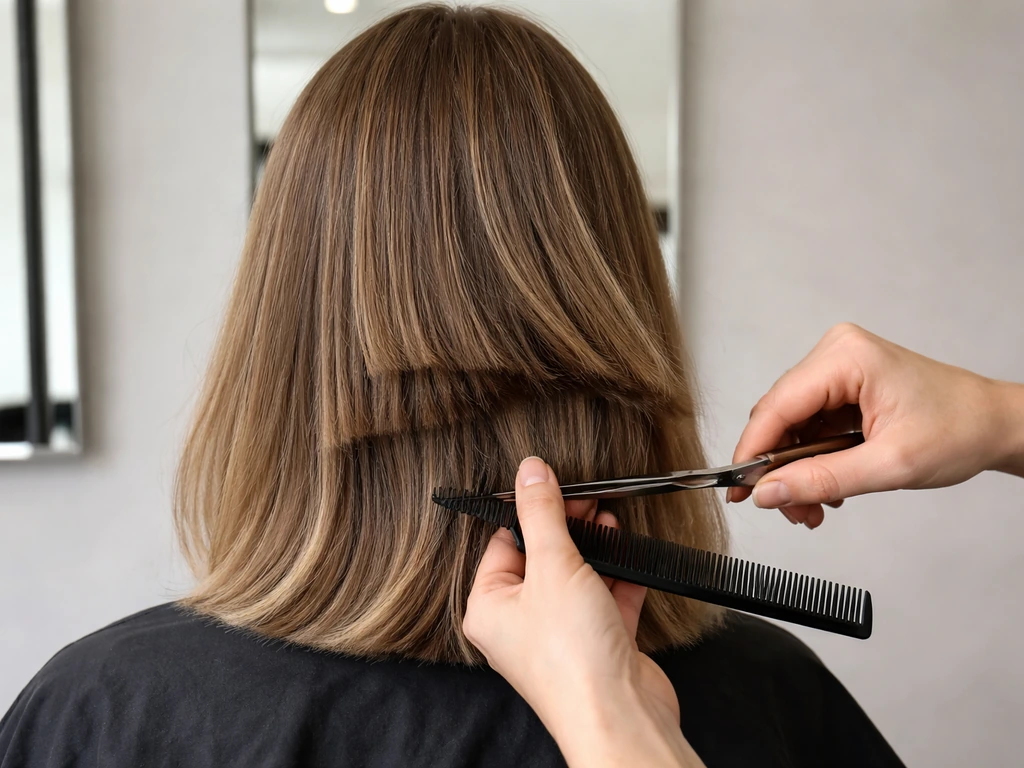
If the cut is structurally wrong (meaning the layers were cut at the wrong angle, the shape is unbalanced, or there's a visible staircase effect from blunt choppy layers), a skilled correction from a different stylist can fix the shape without taking you back to square one. The key is going to someone experienced in grow-out corrections and being very specific: show them your reference photo and your current photo, and explicitly ask them not to remove length unless it's absolutely necessary to fix the shape. A good correction appointment can make a 6-month grow-out look like a deliberate style immediately, which makes the rest of the process much easier to live with.
It's also worth noting that if your main concern is unevenness rather than overall length (for example, one side growing faster than the other, or patches that seem to be lagging), this is a known part of the grow-out process. If you’re wondering how to grow uneven hair, focus on protecting the shorter areas with targeted styling while you wait for regrowth to catch up unevenness rather than overall length. Will a bad haircut grow out?
In most cases, yes, but targeted styling and a little patience help it look better while it does grow uneven hair. Different follicles cycle in and out of growth phases at different times, so some unevenness during regrowth is completely normal and typically evens out on its own.
If you're curious about whether an uneven or bad haircut will eventually resolve itself with no intervention at all, the short answer is yes, though styling strategies make the process much more manageable in the meantime. If your question is, will an uneven haircut grow out, the answer is still yes, but it may take longer for shorter layers to catch up.
Your next steps starting today
- Take a photo of your hair right now from the front, side, and back. This is your baseline for tracking progress and for showing any future stylist exactly what you're working with.
- Decide within the first week whether you need a structural correction or whether this is a "just grow it out" situation. If the cut is fundamentally shaped wrong, book a correction now. If it's just shorter or different than you wanted, move to grow-out mode.
- Pick one styling approach for the current stage of growth (product for texture, a part change, an accessory for bangs) and use it consistently for the next four weeks so you stop fighting your hair every morning.
- Set a micro-trim appointment for 6 to 8 weeks from now. Book it now so it's on the calendar, and tell the stylist you're in grow-out mode and want only the minimum removed to keep the ends healthy.
- Add one moisture step to your routine: a weekly deep conditioner or a daily leave-in spray. Healthy hair retains more length.
- Stop checking every day. Take a new photo at the one-month mark and compare it to your baseline. Seeing actual growth is the most motivating thing you can do for your patience.
FAQ
How do I know if my haircut issue will grow out normally versus needing a correction?
If the problem is mainly texture, heaviness, or mismatched blending, it usually smooths out as layers lengthen. It may need correction sooner if the cut has a visible staircase, choppy blunt edges that create a harsh ridge at one level, or the shape is clearly imbalanced from the start (for example, one side towers over the other).
Should I wash, style, or avoid heat to make a bad haircut grow out faster?
You cannot speed up growth meaningfully, but you can prevent setbacks from breakage. Use heat sparingly and always with heat protectant, aim airflow downward when blow-drying, and keep ends conditioned. If your ends feel rough or snap when stretched, reducing heat matters more than any styling trick.
Does taking supplements or changing my diet help hair grow out a bad haircut faster?
Hair regrowth rate is mostly genetic and slowed by general health issues. If you might be low in iron, vitamin D, or protein, addressing that can support healthier retention, but it usually does not create a dramatic speed boost. Focus on reducing breakage (moisture, gentle detangling, less heat) while you wait.
My hair grows unevenly, one side looks shorter. When should I worry?
Unevenness is common because follicles cycle at different times, especially right after a cut. Reassess after 3 to 4 months, and consider targeted styling first. If a specific patch is consistently lagging with no sign of catching up, or if it looks like thinning rather than length differences, get input from a professional.
How often should I get trims if I’m trying not to lose length?
Use micro-trims for retention: about a quarter inch or less every 6 to 8 weeks is a common rule of thumb. For very short cuts, a focused nape or sideburn cleanup every 4 to 6 weeks can keep the shape intentional without touching the length on top.
What’s the safest way to ask a stylist to “fix it” without making it worse?
Bring before and current photos and explicitly request a correction that preserves length. Ask for a plan based on your end goal (pixie to bob, shoulder length, bangs style) and confirm what they will not do, for example, removing more inches or re-layering at a new angle unless absolutely necessary.
Can I use extensions to hide a bad haircut if my hair is short?
Clip-ins work best when you have at least a few inches for blending and enough grip around the clips. Halo extensions can work for short-medium lengths without requiring blending at the crown. For true pixie or buzz lengths, extensions are usually not practical, but hats, headbands, and scarves can make the awkward phase easier.
How do I detangle without making my grow-out look thinner?
Detangle from the ends upward, not from roots to tips. Use conditioner as slip (especially for textured hair), and consider detangling when hair is wet and coated. If you shed more than usual or notice scalp pain, pause styling that pulls at tangles and focus on gentle care.
What should I do about bangs during the awkward curtain phase?
Don’t try to force them to behave at brow to nose length. Pinning to the side with a small clip or bobby pins pushed flatter is usually the most reliable option, then start training them with a round brush and light hold once they reach cheekbone length.
My hair looks frizzy or puffy while it grows out. How can I stop it from looking worse?
Frizz often increases because shorter pieces lack weight to fall into place. Blow-dry with a nozzle, direct airflow downward, and apply anti-frizz serum to damp hair before drying. Also choose a lightweight leave-in or spray if your hair gets weighed down easily.
Should I change my part or styling direction to make layers look more intentional?
Yes, direction changes can help disguise uneven lines while you wait. Once the top is long enough (commonly a couple inches), directing it forward or to the side can read as a deliberate style. Use headbands temporarily if the sides are flopping while the top still catches up.