
Yes, most uneven haircuts do grow out and soften on their own, but how long that takes depends heavily on what kind of unevenness you're dealing with. True length imbalance (one side genuinely longer than the other) can take anywhere from a few weeks to several months to become unnoticeable, depending on your starting length. Styling illusions caused by cowlicks, graduation, or part placement can sometimes be fixed the same day with the right product and technique. The good news: you almost never have to start from scratch.
Will an Uneven Haircut Grow Out? Timeline and Fixes

Marcus Vickers
17 May 2026
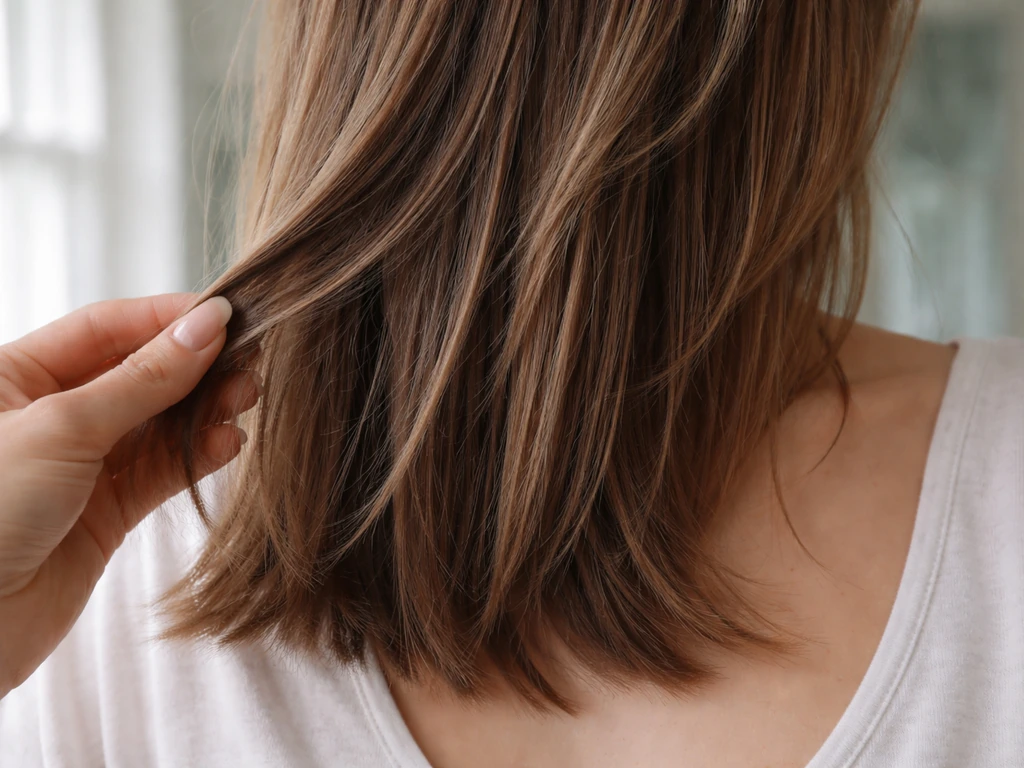
Does uneven hair actually even out on its own?
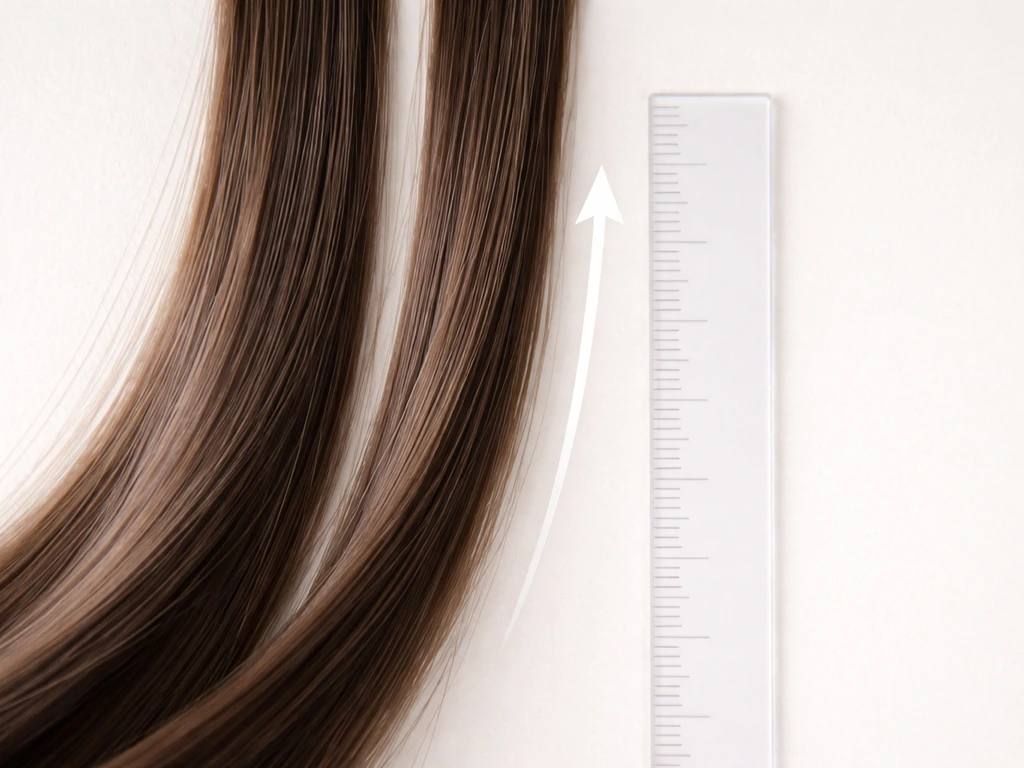
The short version: often yes, but not always passively. Hair grows about half an inch (roughly 1.25 cm) per month, which means even a noticeable length difference of an inch will look much softer in about six to eight weeks just from new growth. But the key word is softer, not gone. If one side is genuinely cut shorter than the other, the difference in raw millimeters stays roughly the same while it grows, but it becomes proportionally less obvious as total length increases. A half-inch difference on a two-inch cut looks massive. The same half-inch difference on six inches of hair is nearly invisible.
Where it gets more complicated is when the unevenness is structural, meaning built into how the cut was layered, graduated, or blended. A lopsided bob, an asymmetric layer pattern, or a crooked fade line doesn't just grow its way into symmetry. Those situations usually need at least a targeted trim to rebalance before growth can do the rest of the work.
True length difference vs. a styling illusion
Before you panic about your cut being uneven, it's worth figuring out which kind of unevenness you're actually dealing with. A lot of what looks like a length problem is actually a weight, texture, or cowlick problem. Here's a quick way to check: wet your hair completely, then pull small sections straight up from the scalp and compare them side to side. Wet hair removes most of the styling and curl pattern, so you're looking at real length without the visual noise. If the sections match or come close, you're probably dealing with a styling illusion. If they're visibly different, that's a true length imbalance.
Cowlicks and whorls are a surprisingly common cause of apparent unevenness. Because hair in those areas grows at an angle instead of straight out, it can make one section appear shorter or thinner even when it's technically the same length. A strong cowlick at the crown or hairline will keep playing tricks on you through the whole grow-out, not just right after a cut. The practical fix there isn't cutting more, it's usually growing the hair longer until there's enough weight to push the cowlick down and control the direction.
- Cowlick or whorl in the grow-out zone: looks uneven but measures even when wet
- Different hair densities or textures on each side: one side may have more volume and appear shorter
- Part placement: a strong natural part can make one side look fuller and one side flatter, creating a visual length gap
- Graduation or layering that was cut differently on each side: this is real structural unevenness and usually needs a correction
- Heat styling habits: if you always curl away from your face on one side, that side visually appears shorter
How long does it actually take to grow out, by haircut type
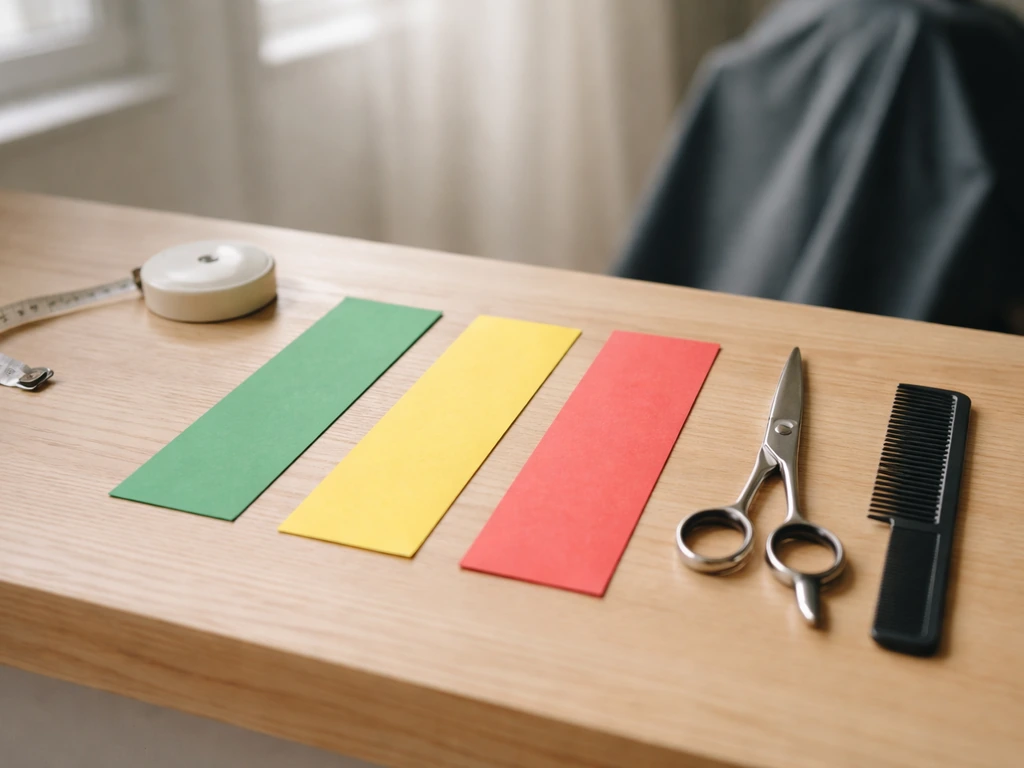
At roughly half an inch per month, you can do a lot of rough math on your own situation. Here's what typical grow-out timelines look like by starting length and cut type.
| Starting Cut/Situation | Approximate Grow-Out Time | What to Expect |
|---|---|---|
| Buzz cut or very short pixie (under 1 inch) | 2–4 months to reach a workable length | Unevenness visible early but softens fast as weight builds |
| Pixie to bob transition | 6–9 months to reach shoulder length | Several awkward phases; layering and texture help most |
| Uneven bob or lob | 2–4 months for minor imbalance to soften | A single blending trim at week 4–6 often speeds this up significantly |
| Crooked fringe or full bangs | 6–12 months to fully grow out | Awkward phase peaks around 4–8 weeks; styling carries you through |
| Soft framing fringe or curtain bangs | 8–10 weeks to blend into face-framing pieces | Much faster than full bangs; often self-correcting with length |
| Undercut grow-out (shaved sides) | 3–6 months for sides to reach blendable length | High contrast grows more slowly; strategic shaping recommended |
| Uneven layers (mid to long hair) | 2–3 months for minor differences | Layers blend naturally as length increases; rarely needs major correction |
One month is roughly the minimum window before most barbers and stylists can do anything useful with a rebalancing trim. Before that, there often isn't enough new growth to work with, especially on very short cuts. If you had a bad cut last week, the honest answer is: wait at least three to four weeks, then reassess.
When waiting works, and when you should rebalance now
Waiting works well when the unevenness is subtle, when you have medium to long hair where proportional difference is small, when the issue is a styling illusion rather than a true cut difference, or when the cut is only a week or two old. In those cases, trying to fix it right away usually creates more problems than it solves because there isn't enough hair to blend properly.
You should go back sooner rather than later if the unevenness is obvious and structural, if the asymmetry is affecting how your hair falls and sits every single day regardless of styling, or if the graduation or blending was done differently on each side. A targeted cleanup trim, not a full restyle, can often rebalance one side without costing you significant length. A good stylist or barber can work with very little hair to re-establish a cleaner line, and then growth takes over from there.
- Wait it out: unevenness is subtle, less than 0.5 inch difference, or the cut is under two weeks old
- Wait it out: medium to long hair where a small difference is proportionally invisible
- Wait it out: the issue is likely a cowlick, part, or styling habit rather than a true cut error
- See a stylist soon: one side is clearly shorter and it's noticeable from a normal viewing distance
- See a stylist soon: the fade line is crooked or the blending is obviously asymmetric
- See a stylist soon: the issue is affecting your confidence every day and styling workarounds aren't cutting it
How to make it look intentional while you wait
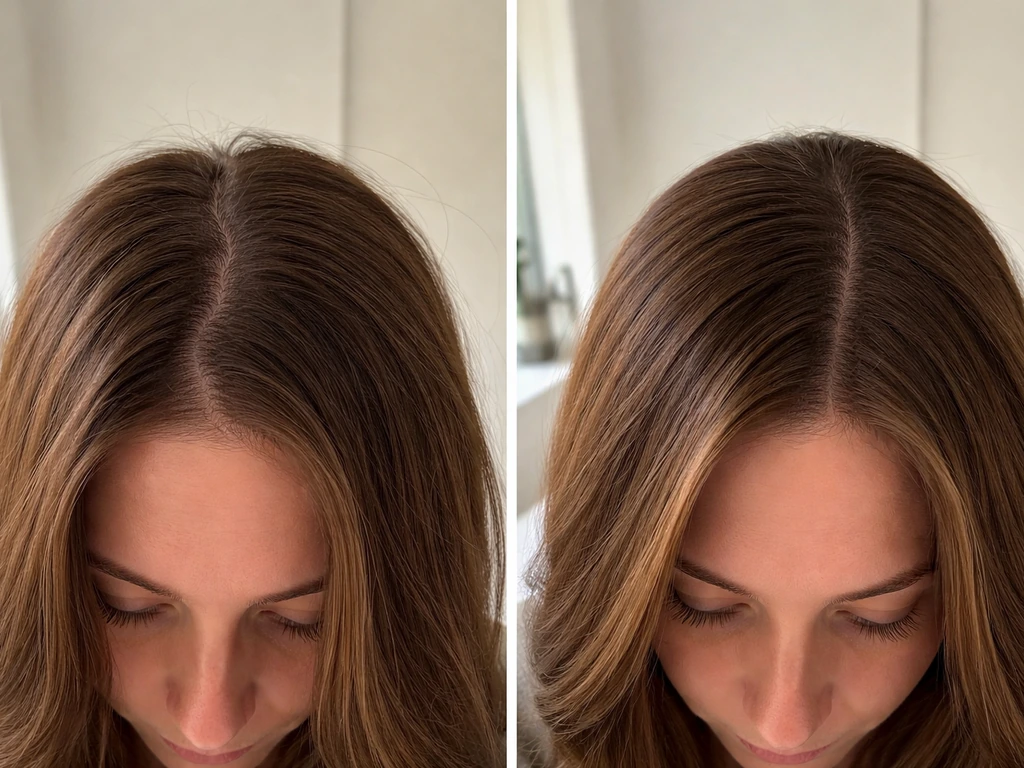
The grow-out phase is genuinely manageable with the right styling moves. The goal isn't to hide the hair, it's to make the current shape look deliberate. Here are the most effective approaches by situation.
Change your part
A different part placement redistributes where hair falls and where it sits flat, which can easily swing the visual balance by half an inch or more. If you normally part in the center and one side looks heavier, try a deep side part. The extra volume on top on one side often compensates for a shorter length on that same side. A side part also adds lift and body on grow-out bobs, preventing the flat, heavy look that comes with the in-between stage.
Use texture and movement strategically
Texture is your best friend during uneven grow-out. Wavy, piece-y, or tousled hair is far more forgiving than sleek, straight hair, which exposes every millimeter of length difference. If your hair is naturally straight, using a light mousse or salt spray and scrunching it slightly as it dries will add enough movement to blur the unevenness significantly. For short and medium cuts, a clay or matte paste can help define the direction of individual sections and make the shape look sculpted rather than uneven.
Use clips, pins, and accessories without shame
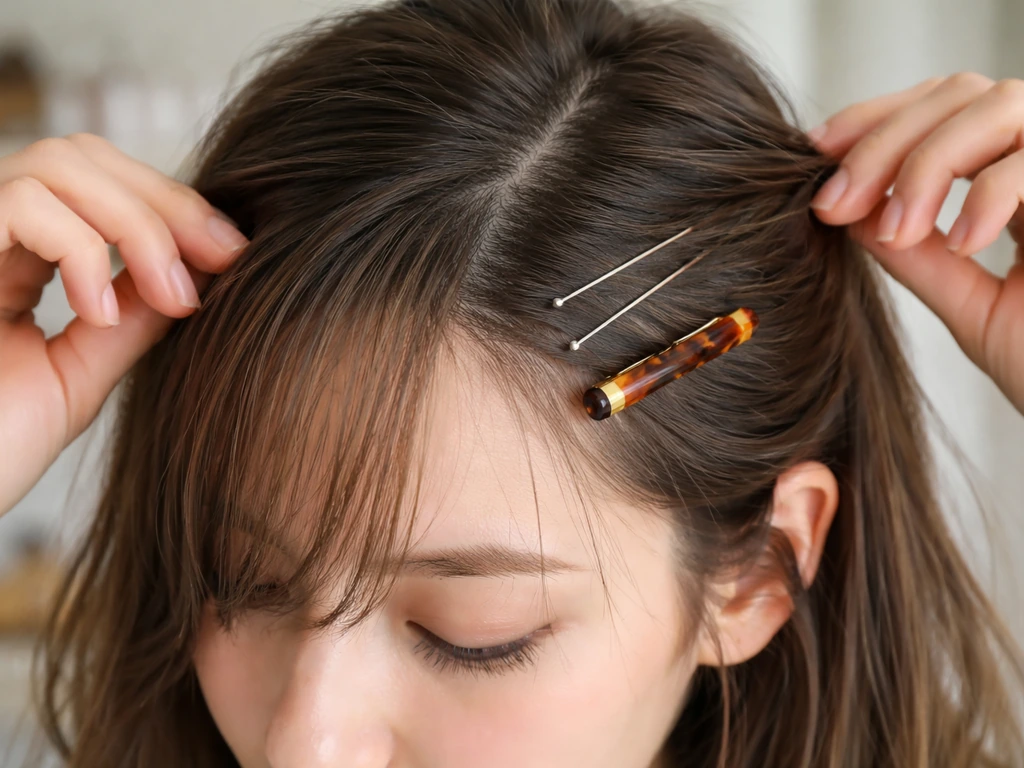
Clips and barrettes aren't just for kids, they're a genuinely effective way to redirect awkward sections during the grow-out phase, especially for bangs and short side pieces. Pinning one side back while the other grows to match is a classic interim move that reads as intentional styling rather than damage control. Bobby pins, claw clips, and even headbands can redirect uneven fringe or short pieces around the ears without making it obvious you're managing a problem.
Lean into the asymmetry
Sometimes the most effective move is to make the unevenness look like a choice. A piece-y, asymmetric fringe, one side tucked behind the ear, or a deliberately one-sided style can turn what feels like a mistake into something that reads as intentional and modern. During a pixie grow-out specifically, targeted stacked bobs and face-framing pieces can make the uneven phases feel like style evolutions rather than awkward in-between stages.
Targeted trimming without starting over
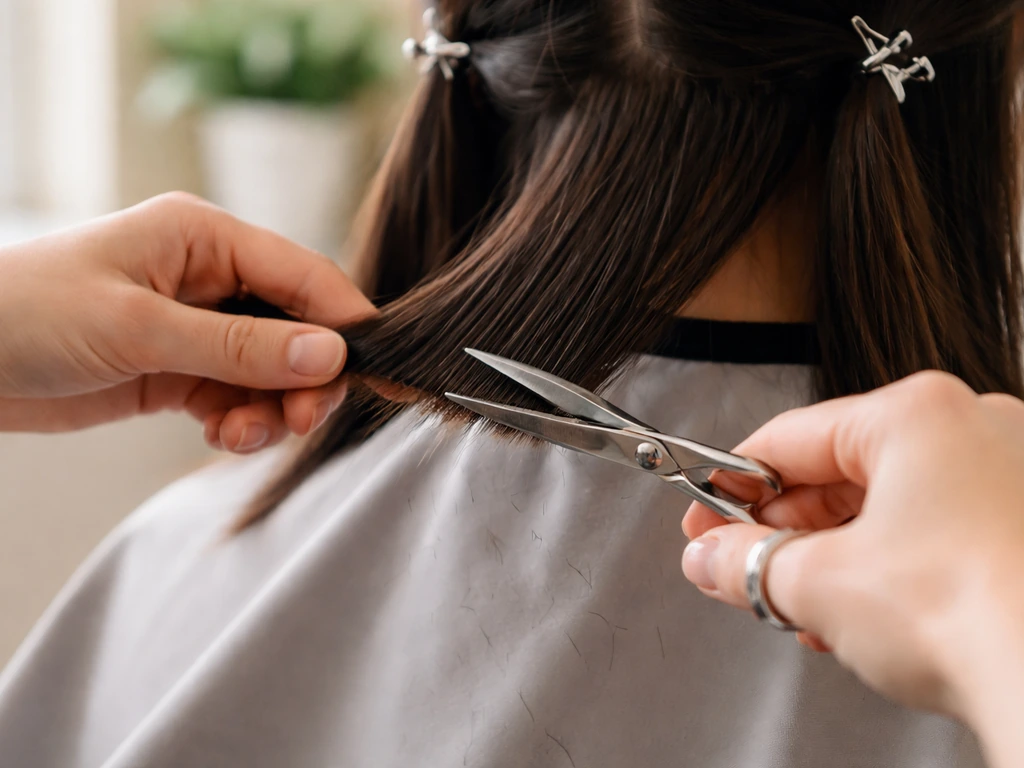
The fear with going back to a stylist or barber is that they'll take too much off and you'll lose progress. That's a legitimate concern, but it's also very manageable if you go in with clear, specific language. As you grow out an A-line haircut, you can use the same “targeted trimming without starting over” approach to rebalance the front-to-back shape while preserving your progress manageable if you go in with clear, specific language. You're not asking for a restyle. You're asking for a blending trim or a balancing trim.
When you sit down, be specific about what you're seeing. Point to the sections that feel off, show them the wet-section comparison if you can, and say something like: 'I just want to rebalance these two sides without losing overall length. Can you take as little as possible from the longer side to match the shorter one?' A skilled stylist will check the weight distribution and work on the graduation or blending rather than trimming the perimeter straight across, which is often what causes the imbalance in the first place.
For fades and shaved styles, the guidance is even more specific: don't attempt to clean up the fade line yourself. The contrast between a shaved section and regrowth is stark, and trimming into it at home almost always makes it worse. A barber can show you exactly where to clean up and can reshape the transition so regrowth looks intentional as it comes in. Wait until you have at least three to four weeks of regrowth before asking for this.
Bangs, undercuts, layers, and texture: specific scenarios
Growing out uneven bangs
Bangs are one of the most common sources of uneven haircut frustration because even a small asymmetry is front-and-center on your face. [The awkward phase typically kicks in around four to six weeks into the grow-out](https://www. margauxsalon. co.
uk/post/how-to-grow-out-bangs-without-the-awkward-stage-a-hairstylist-s-guide) and can last until month three or beyond depending on starting length. Full, blunt bangs can take anywhere from six to twelve months to fully grow out. Softer curtain bangs or framing fringes reach a blendable length much faster, often in eight to ten weeks. During the awkward phase around month three, the main job is concealment: side sweeping, pinning, or using a small amount of styling cream to direct the fringe toward one side.
Keeping the ends clean with a small trim every eight weeks or so actually helps because it removes splits and keeps the shape looking deliberate rather than neglected.
Growing out an undercut
Undercuts create a specific kind of grow-out unevenness because you have two completely different lengths on the same head. The most effective strategy here is not trying to grow everything at the same rate. Instead, let the top grow first and then have the sides shaped progressively to catch up, rather than the reverse. This avoids the extreme mushroom or shelf effect that makes the transition look harsh. Strategic shaping appointments every four to six weeks during the grow-out keep things looking cleaned up without sacrificing progress on the top length.
Dealing with uneven layers
Uneven layers on medium to long hair are usually the most forgiving situation of all. As your hair grows, the weight naturally falls differently and layers that were cut at angles tend to blend into each other over time. If the layers were cut dramatically shorter on one side, that can take two to three months to soften, but in most cases adding texture (through diffusing, sea salt spray, or light curl cream) helps blend the transition faster than waiting in straight, sleek hair.
Texture differences and cowlicks
If cowlicks or natural texture variation are the main culprits, the grow-out actually helps you over time. Cowlicks are hardest to manage at in-between lengths. Once there's more length and weight above the whorl, you have better control over which direction it falls. In the meantime, training it with a medium-hold product while the hair is slightly damp gives you the best day-to-day control.
If your hair is colored or bleached during the grow-out
Color adds a layer of complexity to an uneven grow-out because regrowth doesn't just change the length, it changes the visible line between processed and natural hair. If you have bleached or highlighted hair, the contrast at the root line can make unevenness look even more pronounced, especially if the cut left one side higher than the other.
Bleached hair is also more porous and fragile, which means heat styling to correct uneven shapes needs to be done more carefully. Use a heat protectant every single time, avoid repeat passes over the same section, and keep the sun exposure managed because UV damage accelerates breakage in already-porous bleached strands, which can create actual length loss in the most vulnerable areas.
On the color maintenance side, toner needs refreshing roughly every four to eight weeks depending on how often you wash and what shampoo you're using. Letting the tone go brassy while you're also dealing with an uneven cut tends to make the whole situation feel worse than it is because the hair looks inconsistent in both shape and color at the same time. Keeping the tone fresh is one of the highest-impact things you can do for overall appearance during the grow-out, even if you're not touching the cut itself.
If you're planning a color service while the cut grows out, coordinate the timing carefully. Bleaching or lifting is best spaced at least six to eight weeks apart to minimize cumulative damage. If you can time a root touch-up or toning appointment to coincide with a small blending trim, you get double the visual refresh in one session without doing twice the chemical processing. For root touch-ups specifically, most people find they can go five to seven weeks before the contrast becomes too obvious, giving you a workable rhythm to plan around.
Color-depositing conditioners and toning masks are a useful in-between option: they refresh the tone without additional chemical processing and can be used at home. Just follow the stated leave-on time carefully, because over-depositing on bleached hair can shift the tone more dramatically than you expect.
Your decision framework: when it grows out vs. when it won't
Here's the honest summary. If you want a step-by-step way to grow uneven hair with fewer frustrating weeks in the middle, use the timelines and decision points below how to grow uneven hair. Most unevenness will soften and become less noticeable with time, but the timeline and the effort required vary a lot based on the type of unevenness you started with.
Styling illusions and cowlick-driven asymmetry often resolve with a product and a technique change, sometimes on the same day. True length differences at short lengths grow proportionally less noticeable in about six to eight weeks. Structural issues like asymmetric graduation or a crooked perimeter line need at least a targeted blending trim to resolve, but that trim doesn't have to sacrifice much length at all.
If your bad haircut created structural problems, it may not fully look better just by waiting, and you may need a targeted blending trim Structural issues like asymmetric graduation or a crooked perimeter line.
The most time-efficient path in almost every case is: wait three to four weeks after the original cut, reassess when wet, try a different part and texture approach in the meantime, and if it's still clearly off, go in for a specific blending trim rather than a full restyle. That keeps your length progress intact while giving a stylist enough to work with. Growing out an uneven cut and growing out a bad haircut in general follow a very similar playbook, and so does managing hair that's uneven in texture or natural growth patterns. The common thread is using growth strategically rather than trying to fix everything at once.
Give yourself the grace to be in an in-between stage. Almost every great grow-out goes through a few weeks where the hair looks more awkward before it starts looking intentional. That's normal, it's temporary, and it's absolutely survivable with the right styling approach.
FAQ
How can I tell if the “unevenness” is actually breakage instead of a haircut length difference?
Check for shorter, frayed pieces with uneven ends rather than a consistent left-right length pattern. In wet comparison, breakage usually looks like patchy stubs that do not match a clean side-to-side line, and it grows out only when new, healthy growth replaces it.
Will uneven hair look better faster if I cut the longer side down sooner?
Sometimes, but it can backfire if the problem is cowlicks, weight, or layering that is just out of balance. If the wet-section comparison shows true length mismatch, a tiny targeted cleanup on the longer side can help, but ask for blending that removes the least possible from the longer side.
What should I do if my hair is uneven in wet comparison but also looks “fine” when dry?
That usually means the cut is slightly off, but styling and texture are masking it. Try keeping your routine consistent for two to three weeks, then reassess. If it stays masked, you may only need occasional rebalancing trims rather than a structural correction.
How often should I get a trim during a grow-out for an uneven haircut?
For most people, the practical window is every 6 to 8 weeks for general shape cleanup, and about every 4 to 6 weeks for fades, undercuts, and quickly changing short styles. If you just need blending after reassessing at 3 to 4 weeks, you might do only one targeted appointment before letting growth handle the rest.
Is there a specific product strategy that helps most with uneven grow-out?
Use something that adds control and separation, not just shine. For straight hair, a light mousse or salt spray with gentle scrunching helps blur length differences. For short styles, matte paste or clay can “sculpt” direction so the shape reads intentional.
Can brushing or blow-drying make an uneven haircut look worse or even cause it to look uneven when it is not?
Yes. Concentrating heat or brushing the same direction every day can emphasize cowlicks or create a permanent part curl that makes one side look shorter. Blow-dry with a gentle lift, change the direction during drying, and avoid repeatedly overworking the same section.
If I have bangs, can I trim them myself to “even them up” sooner?
Be careful. Uneven bang growth is common because the hair is in your face, but DIY trimming often removes more than intended and can create a new asymmetry. If you must touch them, do micro trims (tiny amounts), and stop as soon as the shape changes, then reassess after a wash and dry because wet bangs shrink and shift.
What should I tell my stylist so they do not take too much off?
Ask for a “balancing or blending trim” with a specific constraint, for example, remove as little length as possible from the longer side and focus on correcting weight distribution or graduation only. Bring a wet comparison if you can, point to the exact sections, and request perimeter trimming be minimal.
Do deeper side parts and part changes damage hair or prevent it from “settling” into a balanced look?
They typically do not damage hair by themselves, but forcing the same part angle daily while using heavy heat can make cowlicks feel more stubborn. Use moderate heat, let it cool, and consider rotating the part slightly over time to avoid training one rigid direction.
Will bleaching or highlights make an uneven grow-out more noticeable, and how should I manage it?
Yes, because the processed-to-natural contrast at the root line can highlight any height difference. Plan color timing around your grow-out, use heat protectant every time, and consider refreshing toner within the 4 to 8 week range so color inconsistency does not amplify the haircut inconsistency.