
When highlights grow out, the visible line or contrast you see is caused by your natural hair color pushing up from the root underneath the lightened strands. Hair grows roughly half an inch per month (about 1 cm), so within 6 to 8 weeks you'll typically notice a clear separation between your natural base and the highlighted portions. The good news: you don't have to cut it off or re-highlight everything. Toning, shadow root techniques, smart styling, and a few at-home tricks can carry you through every awkward stage while your hair grows to where you want it.
When Highlights Grow Out: Fix the Awkward Regrowth Stage

Marcus Vickers
21 Jun 2026
Why highlights look different as they grow out
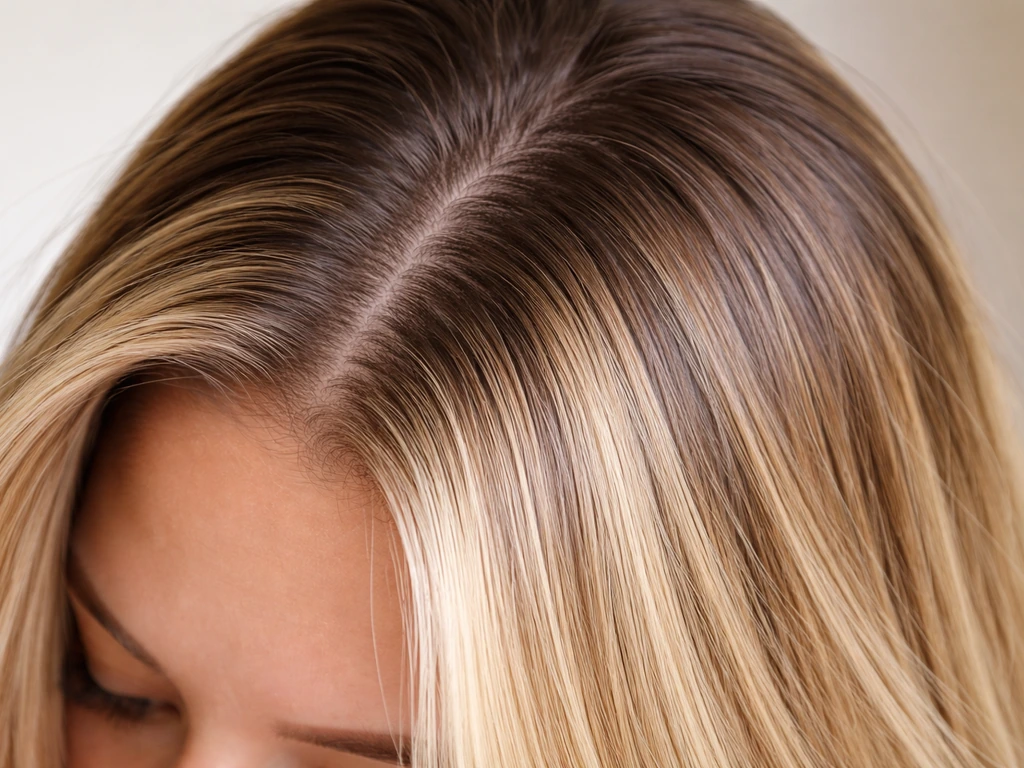
Highlights work by lifting your hair several shades lighter than your natural base. When the highlighted strand sits close to the scalp, the contrast is softened by proximity. As new growth pushes that lightened section downward, you get a gap of your natural color sitting between the scalp and the start of the highlight. That gap is the line of demarcation everyone dreads.
How harsh that line looks depends heavily on the technique used. Traditional foil highlights placed right at the root create a very precise, high-contrast edge as they grow. Balayage and freehand techniques, which were painted further from the root to begin with, tend to grow out much more gradually because there's already a built-in blend zone. If you went very blonde against a dark base, the grow-out will be more obvious than if your highlights were only a shade or two lighter than your natural color.
Tone also plays a role. Lightened hair loses its warm pigment first, leaving it more vulnerable to brassiness as the toner fades. So even before you see significant root growth, your highlighted sections may shift toward orange or yellow, which makes the contrast with your natural root look even more dramatic than it actually is. This is a toner issue, not a grow-out issue, and it's one of the easier things to fix at home.
How long highlights take to grow out
At the average rate of about 0.5 inches (1 cm) per month, here's a realistic picture of what your timeline looks like depending on where you're starting from:
| Starting length / cut | Time to visible root line | Time to fully grow out highlights | Notes |
|---|---|---|---|
| Pixie / buzz cut | 3 to 5 weeks | 4 to 6 months | Fast-growing roots are very visible at short lengths; new length disguises them quickly though |
| Bob (chin to shoulder) | 6 to 8 weeks | 8 to 14 months | Line of demarcation appears mid-shaft as it grows; blend is key here |
| Mid-length (shoulder) | 6 to 10 weeks | 12 to 18 months | Most common awkward phase; shadow root techniques work best at this stage |
| Long hair | 6 to 10 weeks visible | 18 to 30+ months | Lower maintenance window per inch of growth; refresh toner every 6 to 8 weeks |
| Bangs (highlighted) | 2 to 4 weeks | 3 to 5 months | Front-facing, so contrast is very noticeable; styling tricks help most here |
| Undercut | 3 to 6 weeks at shaved line | Varies by growth pace | Highlighted top growing over shaved sides creates its own visible edge |
These timelines assume the standard ~0.5 inch per month growth rate, but individual variation is real. Wikipedia’s hair overview notes that scalp hair is commonly stated to grow about 1 cm per month on average, but it depends on factors like age, sex, and ethnicity ~0.5 inch per month growth rate. Research puts the range anywhere from 0.6 to over 3 cm per month depending on age, genetics, hormones, health, and even the season. If your hair grows faster than average, you'll hit each stage sooner. If it grows slowly, you'll spend longer at each phase but will also have more time to adjust your approach.
The grow-out stages most people run into
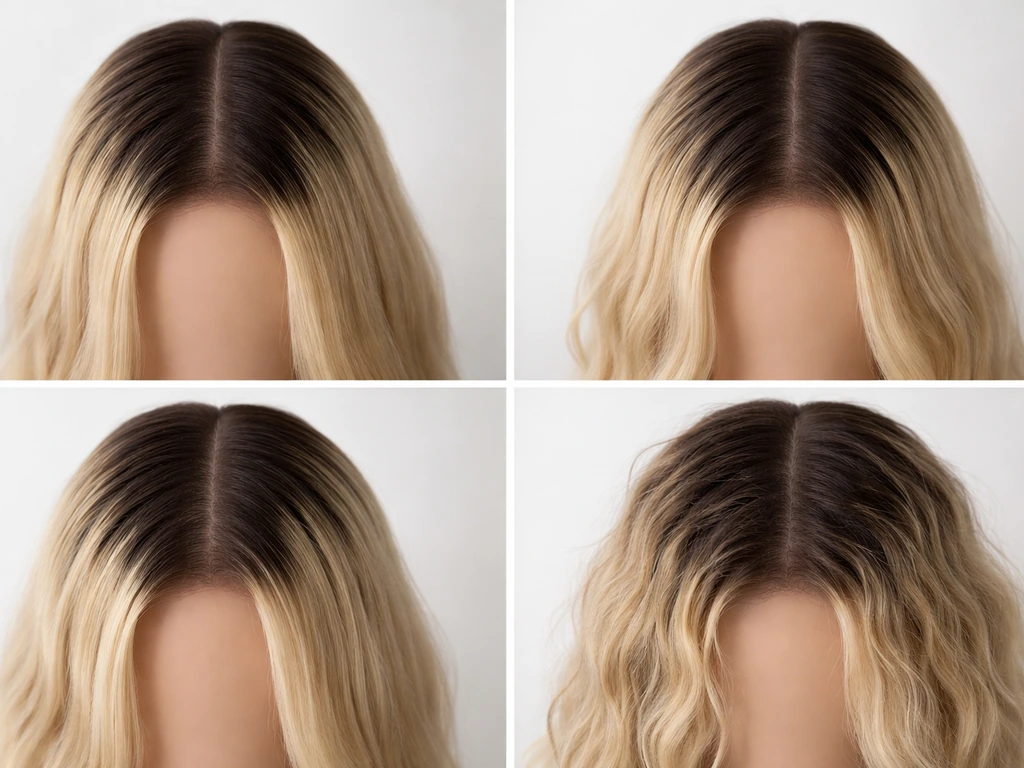
Knowing which problem you're actually looking at makes it much easier to fix. Here are the four most common grow-out patterns and what causes each one:
The hard root line (line of demarcation)
This is the sharp, visible band where your natural color meets the highlighted section. It's most pronounced with foil highlights placed at the root on a high-contrast base. At around 6 to 8 weeks of growth, this line is typically half an inch from the scalp. The darker your natural hair and the lighter your highlights, the harder this line looks. If you're also wondering can highlights help grow out grey, focusing on a natural-looking shadow root can blend the transition more smoothly line of demarcation. A shadow root applied in-salon or a root smudge gloss at home can soften it dramatically in a single session.
Two-tone or banded regrowth
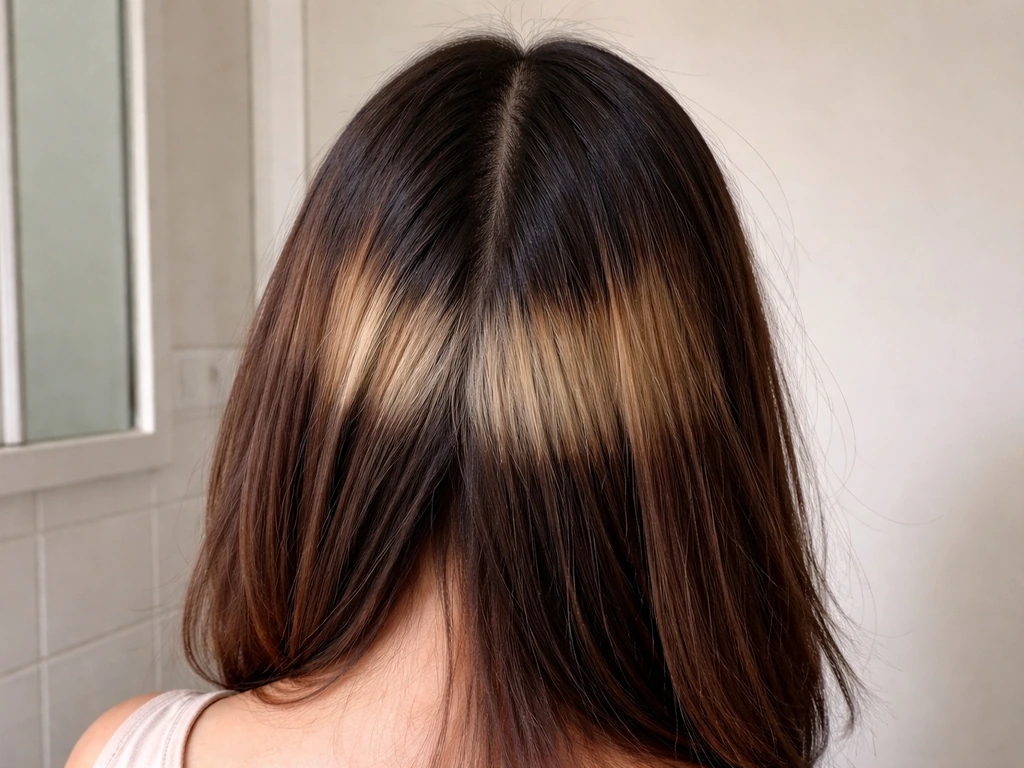
If you've been highlighting regularly for a long time, your mid-lengths might actually be lighter than both your roots and your ends, creating a banded striped effect. This usually happens when highlights have been placed in the same sections repeatedly. It can look like your hair has three distinct color zones. This one genuinely benefits from a salon appointment because it requires strategic re-placement to restore dimension.
Brassiness in the highlighted sections
When toner fades (usually 4 to 6 weeks after color), your highlighted sections shift toward orange, gold, or yellow depending on how much lift was done. This isn't grow-out in the traditional sense, but it makes the contrast between your natural root and the highlighted lengths look worse. Purple or blue toning shampoo used once a week, or a violet toning mask left on for 15 to 30 minutes, can correct this at home without any color application.
Scattered or uneven regrowth
If your highlights were freehand or balayage-painted, the grow-out is usually softer but it can look uneven across different sections of your head. Some pieces will have more root showing than others, creating a patchy feel. This is actually the easiest type to manage at home because the natural variation means there's no single hard line to disguise.
At-home options to blend and soften grow-out
You have more options at home than most people realize, and several of them work well enough to carry you several months into a grow-out without looking like you've given up on your hair.
Purple and blue toning shampoos or masks
These neutralize brassiness in lightened hair without lifting or depositing permanent color. Use a purple shampoo in place of your regular shampoo once or twice a week, or apply a violet toning mask to dry hair for 20 to 30 minutes. Start conservative with timing because over-toning can leave hair with a purple cast. This is your best first move if your highlighted sections have gone brassy, because correcting the tone makes the overall contrast look far less dramatic.
Root smudge or root shadow products
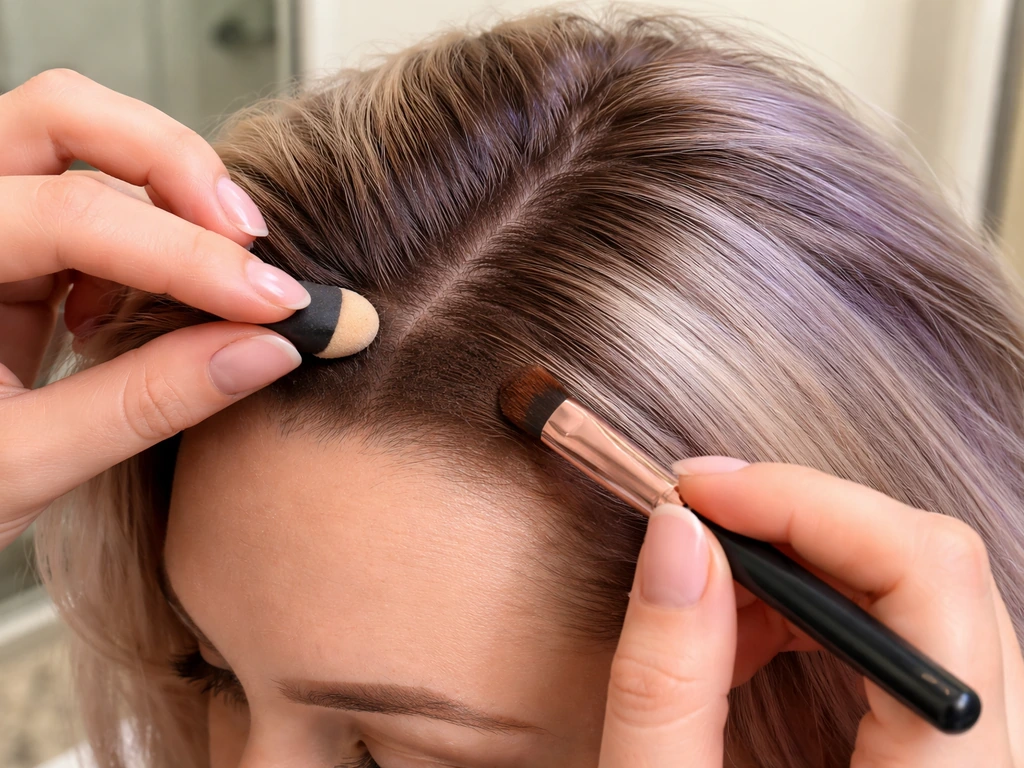
At-home root shadow products (powder or cream-based) deposit a small amount of color at the root to create a gradual transition between your natural base and the highlighted lengths. Semi-permanent glosses in a shade close to your natural color can be applied at the root area and feathered down about an inch to mimic a shadow root effect. This is the at-home version of the in-salon shadow root and it can buy you 3 to 6 weeks of seamless-looking grow-out.
Root concealer sprays and powders
For a completely non-committal, wash-out fix, root concealer sprays or touch-up powders in your natural hair color can disguise a root line in under a minute. They're not a color treatment, but they genuinely work well on non-sweaty, low-humidity days and are especially useful for events or photos when you need the line to disappear quickly. Choose a shade that matches your natural root, not your highlights.
Styling hacks that make grow-out less obvious
- Add loose texture with a diffuser or salt spray: waves and curls break up the visual line between root and highlight far better than sleek, straight hair where the demarcation sits in a single horizontal band
- Try a center part if you've been doing a side part (or vice versa): shifting your part changes where the root line falls and can make a noticeable section disappear into the hair
- Half-up styles: pinning the crown section back hides the root area while leaving length visible
- Headbands and scarves: not a cop-out, genuinely useful for disguising the root line during the 6 to 12 week awkward window
- Dry shampoo at the root: adds texture and slightly obscures the color contrast by evening out the surface tone
In-salon options when you want a more lasting fix
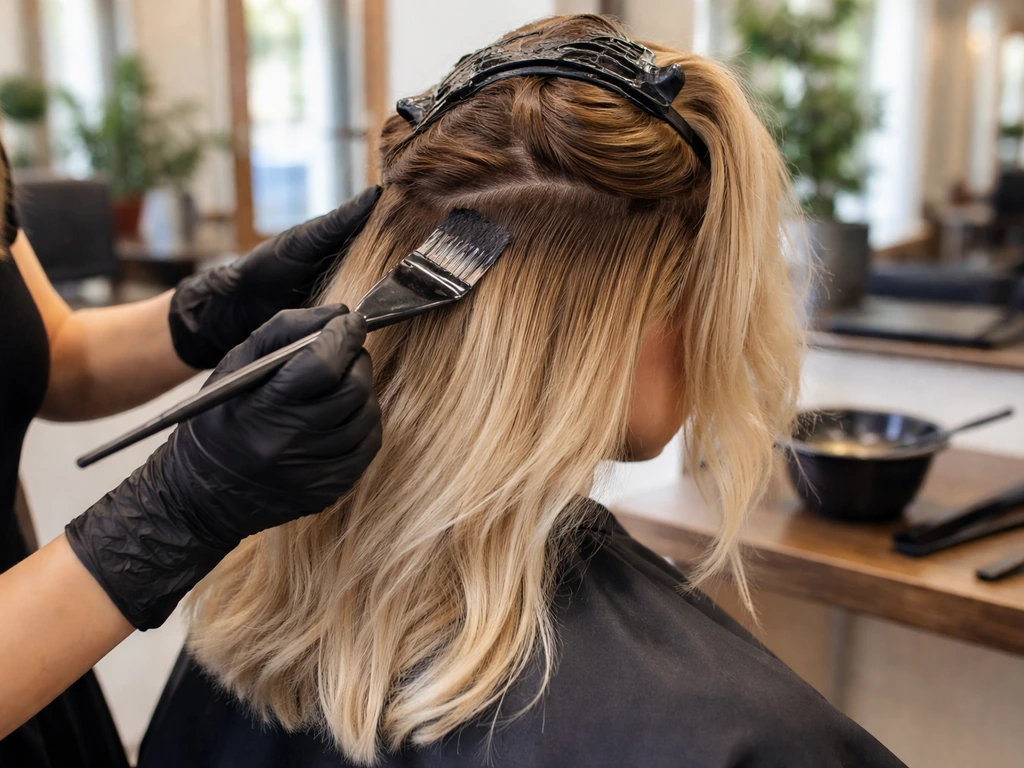
If you're ready to invest in a salon appointment, you have several targeted options that don't require re-doing your entire color. The right choice depends on how much contrast you're dealing with and what your end goal is.
| Technique | What it does | Best for | How often needed |
|---|---|---|---|
| Shadow root / root smudge | Softens the root line by darkening the root area slightly and feathering it into highlights | High-contrast root lines, foil grow-out | Every 3 to 5 months |
| Gloss or toner treatment | Refreshes tone, neutralizes brassiness, adds shine | Faded or brassy highlighted sections | Every 4 to 8 weeks |
| Balayage refresh | Re-paints highlights with a softer root placement to grow out more gracefully | Transitioning from foils to a more natural look | Every 4 to 6 months |
| Partial re-highlighting | Adds new highlights selectively (usually at the face frame and part line) without a full re-color | Sparse or uneven fading at key visible areas | Every 8 to 12 weeks |
| Corrective color | Addresses banding, extreme contrast, or multiple-tone issues | Two-tone or banded regrowth patterns | Once or twice, then maintenance |
A shadow root is the most versatile and lowest-commitment salon fix for most people in a highlight grow-out phase. It preserves your lightened lengths, softens the visible line, and grows out naturally over the following months. If you're trying to transition away from highlights entirely, asking your stylist for a shadow root with a toner refresh is a smart first step rather than going straight to an all-over color.
It's worth knowing that whether highlights look bad as they grow out is largely a matter of technique and maintenance rather than inevitability. A gloss or toner appointment, which is typically less expensive than a full highlight service, can make a significant difference every 6 to 8 weeks.
Styling through awkward lengths during regrowth
The length your hair is at when you're managing grow-out matters as much as the color itself. Here's how to work with the most common awkward-length scenarios:
Pixie and buzz cut grow-out
Short highlighted hair shows root growth very quickly, often within 3 to 4 weeks, because there's less length to visually absorb the contrast. The upside is that the new length itself is growing fast relative to how much hair you have, so each month is a proportionally bigger change. Use a tinted pomade or clay to blend the root zone and add texture that breaks up any visible lines. At this length, a root concealer powder applied lightly at the part or crown works well without looking heavy.
Bob grow-out with highlighted lengths
A bob in the grow-out phase tends to show the line of demarcation right at the cheekbone or chin level, which is unfortunately one of the most face-framing spots for contrast to sit. Tucking the hair behind the ear or adding a slight wave removes the eye from that horizontal line. If you're growing a bob out to longer lengths, ask for a dusting trim every 8 weeks to remove the oldest highlighted ends while preserving length. This gradually reduces the contrast zone without setting your length progress back significantly.
Bangs with highlighted regrowth
Highlighted bangs grow out fast and visibly. Within 2 to 4 weeks, the new natural root is front and center. If you're growing bangs out, side-sweeping them and pinning them back removes the contrast from the main focal point of your face. If you're keeping bangs, a toning treatment applied specifically to the bang section every 4 to 5 weeks keeps brassiness from making the contrast worse. Avoid over-washing bangs since frequent shampooing strips toner faster than the rest of your hair.
Undercuts with highlighted top
An undercut creates its own transition challenge: the highlighted top hair grows down over the buzzed sides, and if the highlighted ends brush against or past the shaved line, you get a very visible color edge sitting on top of a literal physical edge. Keeping the undercut trimmed regularly (every 4 to 6 weeks) so the highlighted top hair doesn't hang below the shaved line is the cleanest solution. If you're growing out the undercut entirely, the contrast actually becomes less visible as the side hair catches up in length and the highlighted top blends into a longer silhouette.
Protecting your hair and color during the transition
Highlighted hair is already more porous and more fragile than unprocessed hair, so the grow-out phase is not the time to add extra stress. Here's how to keep both your natural root and your highlighted lengths in the best possible shape while you wait it out:
- Wash with lukewarm water instead of hot: hot water opens the cuticle and accelerates toner fade, which makes grow-out contrast worse faster
- Use a sulfate-free, color-safe shampoo to preserve toner and avoid stripping the highlighted sections
- Deep condition at least once a week: highlighted hair needs more moisture than natural hair, and keeping it in good condition means the grow-out line is less visible because the hair doesn't look fried
- Apply a heat protectant every single time before any hot tool use: highlighted sections are more susceptible to heat damage and breakage than the new natural root growth
- Limit bleach or permanent color touch-ups at home unless you're confident in your technique: uneven DIY color over a grow-out line is much harder to correct than the original grow-out
- Protect hair from UV exposure with a leave-in containing UV filters, especially in summer months, since sun exposure fades toner and causes additional lightening in highlighted sections
- Avoid tight hairstyles that create tension at the root: the new growth and the highlighted section meet at a structurally weaker point along the strand, making it more prone to breakage from elastic bands or tight braids
If you're also wondering whether highlights actually fade or grow out (the answer is both, at different rates), that distinction matters for knowing which product to reach for. Fading toner requires a toning fix. True root growth requires blending or patience. Most people are dealing with both at the same time, which is why a combined approach of regular toning plus a shadow root technique tends to work better than either option alone.
The overarching truth about growing out highlights is that the awkward phase is real but manageable. You don't need to cut it all off, re-highlight everything, or go dark overnight. With a toning routine, one or two targeted salon appointments, and a few styling habits that work with your current length, you can get through every month of the transition looking intentional rather than neglected.
FAQ
How soon after highlights are done should I expect the grow-out line to show?
Most people notice it around 4 to 6 weeks, even if the exact “band” line is clearer at 6 to 8. If your highlights were placed very close to the root or you chose a high-lift contrast, the visible separation can start earlier, so it helps to plan your first toning or root-softening action before the line gets too stark.
What’s the difference between fixing brassiness versus fixing the actual root grow-out line?
Brassiness happens in the lightened hair because the toner fades, so purple or violet products will improve the shade but won’t reduce the gap itself. To blur the line of demarcation, you need root shading (smudge gloss, root powder, or shadow root technique), or strategic blending with cut and styling, not just toning.
Can I use purple shampoo every time I wash during highlight grow-out?
It’s better to start with once or twice per week because overuse can leave a noticeable violet cast, especially on porous, lighter pieces. If you wash more frequently, rotate with a gentle sulfate-free shampoo on non-toning days and keep the timing consistent (for masks, stick to the 15 to 30 minute window).
Will root shadow products damage my highlights or make them worse over time?
They are generally lower-risk than lifting your hair again because they deposit color rather than lighten. Still, choose a formula meant for the root area and apply lightly, since buildup can make the transition look muddy and can complicate future salon blending.
Is it safe to try to blend highlights at home with hair dye meant for all-over coverage?
Be cautious, all-over permanent dye is more likely to grab unevenly on lifted, porous strands and can create darker patches or a “halo” at the transition. If you want an at-home color fix, use targeted semi-permanent glossing or root-specific products closer to your natural root shade, then patch-test on a hidden section.
How do I stop the grow-out line from looking worse between salon visits?
Use styling that changes where the light hits the contrast, try a side part or tuck behind the ear for a few weeks, and keep the toning schedule steady. Also avoid frequent clarifying washes during the awkward phase because stripping products can accelerate toner fade and make the contrast more obvious.
What should I tell my stylist if I want the grow-out line to soften without losing my lighter ends?
Ask for a shadow root or root smudge targeted to the exact demarcation area you’re seeing, plus a toner refresh for the mid-lengths. If your main issue is unevenness rather than a hard line, mention which zones look patchiest (crown, sides, or underneath) so they can re-place dimension only where needed.
I’m growing highlights out but I want to avoid going darker. What’s the least-commitment path?
Start with toning to control warmth, then add a root concealer or root shadow product for a gradual transition. If you choose a salon step, a shadow root with toner is usually the lowest-commitment option compared with full retouching, because it preserves your existing lighter lengths.
My highlight grow-out looks striped. Should I tone it more or book a salon visit?
If you have a striped, banded effect, it usually comes from repeat highlight placement in the same sections, so toning alone won’t restore dimension. A salon appointment is typically the most effective fix because it involves strategic re-placement or targeted reshaping rather than just changing the shade.
How often should I trim during highlight grow-out to reduce the awkward stage?
You can keep length progress by doing small, periodic dusting trims rather than cutting aggressively, for example every 8 weeks in scenarios where the oldest highlighted ends are most noticeable. Trimming helps only with the end contrast, it won’t address the root line, so pair it with shadowing or toning for best results.
What if my hair is short or I have bangs, the line shows too fast. What’s the best routine?
For short hair and bangs, speed is the challenge, so rely more on quick blending tools and targeted root concealment (light touch powder or tinted product) plus faster toning intervals for the front pieces, since they can lose toner sooner. Limit over-washing on bangs to slow down toner fade and keep the transition consistent.
When should I stop trying to “fix it” and instead re-do or re-balance my highlights?
If the grow-out has progressed to multiple distinct color zones that look uneven from every angle, or if you’re seeing persistent patchiness that toning cannot neutralize, it’s usually time for a salon strategy. A good rule is, when at-home toning improves color but the pattern still looks off, request targeted dimension work instead of another round of DIY toning.