
Highlights do both: they fade in tone over time AND they grow out with a visible root line. Because highlights are a bleaching or lift process, new growth makes them appear to move farther down the shaft, creating a grow-out effect rather than “growing off” your roots bleaching or lift process that creates a grow-out effect. The bleached sections themselves won't return to your natural color (that lift is permanent), but the tone sitting on top of them will shift warmer and dull with every wash, while your roots grow in at about half an inch per month, pushing the highlighted band further down the shaft. So what you actually see over a few months is a double change: brassier, softer color on the lengths AND a growing gap of darker natural hair at the roots. Once you understand that, the whole grow-out process makes a lot more sense and becomes a lot easier to manage.
Do Highlights Fade or Grow Out? What to Expect by Stage

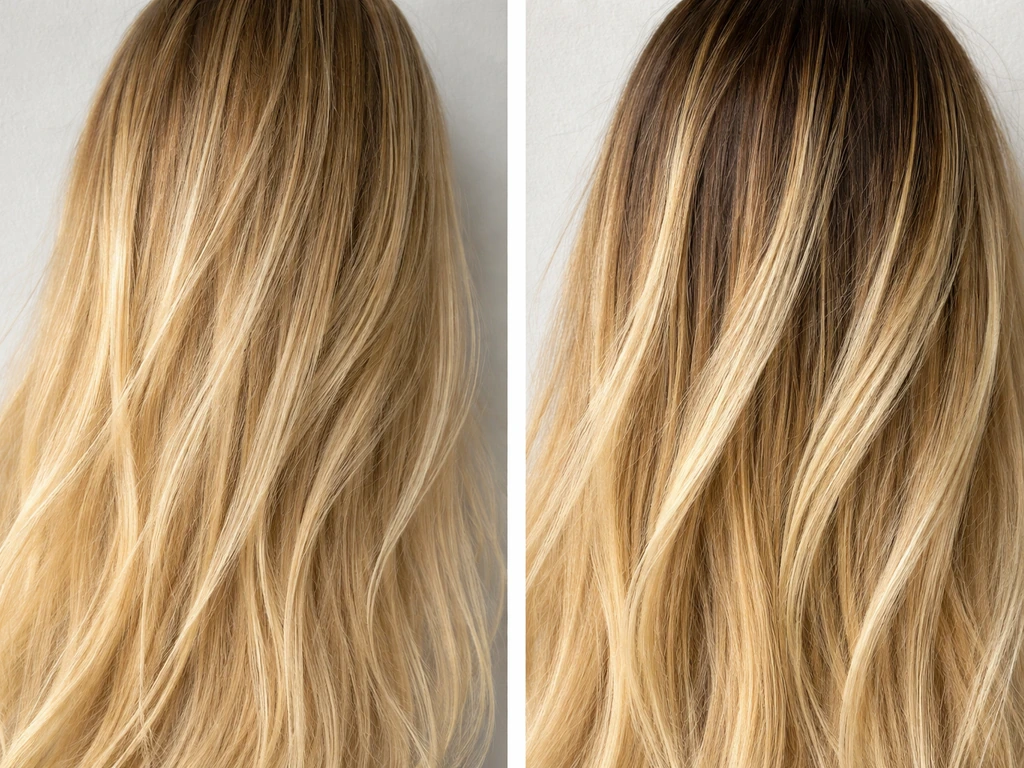
What's actually happening: fade vs grow-out explained
When a colorist puts highlights in your hair, they're using a bleach or lift formula to permanently remove pigment from those strands. That change to the hair's structure is locked in. But the toner applied afterward (the cool, ashy, or golden shade you walk out with) is a temporary deposit sitting on the outside of the hair shaft. That toner fades with every shampoo, every minute of sun exposure, and every pass of a hot iron.
At the same time, your scalp keeps doing its job. Hair grows roughly half an inch (about 1.25 cm) per month, and none of that new growth is highlighted. So after 4 to 6 weeks, you start to see a band of your natural color sitting above the lightened sections. Root touch-ups with permanent dye are described as typically becoming needed when the demarcation line becomes visible at about 4, 6 weeks a visible contrast line. The highlighted hair hasn't gone anywhere or changed position on your head; it just looks like it has because there's now a visible contrast line between what grew in underneath and what was lightened above. That's the grow-out effect.
These two things (tone fading and roots growing in) happen simultaneously and independently. You could have very faded, brassy highlights with barely any root showing if your hair is slow-growing and you're washing frequently. Or you could have crisp, beautifully toned highlights with a sharp root line because your hair grows fast and you've been using purple shampoo consistently. Most people get some combination of both.
Why highlights change over time
The lifted (bleached) part of your hair is more porous than untreated hair. That porosity is what makes it absorb toner so well in the salon, but it also means it releases tone faster than natural hair would. Every shampoo strips a little more of the deposited color. Sulfate-based shampoos speed this up significantly. Hard water minerals build up on the shaft and push color out. UV rays break down the color molecules. Heat styling from flat irons and curling wands accelerates the process further, and chlorine in swimming pools is one of the fastest ways to go brassy almost overnight.
What you're left with, as the tone fades, is the raw lifted color sitting underneath. For most people that's some shade of yellow or warm gold, which is why highlights almost always shift brassy over time rather than turning white or silver. The brassy tone was always there under the toner; the toner just masked it. Once the toner goes, the warmth shows up.
On the root side, the contrast is a function of how different your natural color is from your highlighted sections. Someone with dark brown natural hair going platinum blonde will see a hard, obvious demarcation line within a few weeks. Someone with lighter brown or natural blonde going a few shades lighter will have a much softer, more gradual transition. The bigger the gap between your natural level and the highlighted level, the more dramatic the grow-out line becomes.
What to expect at each stage of growth
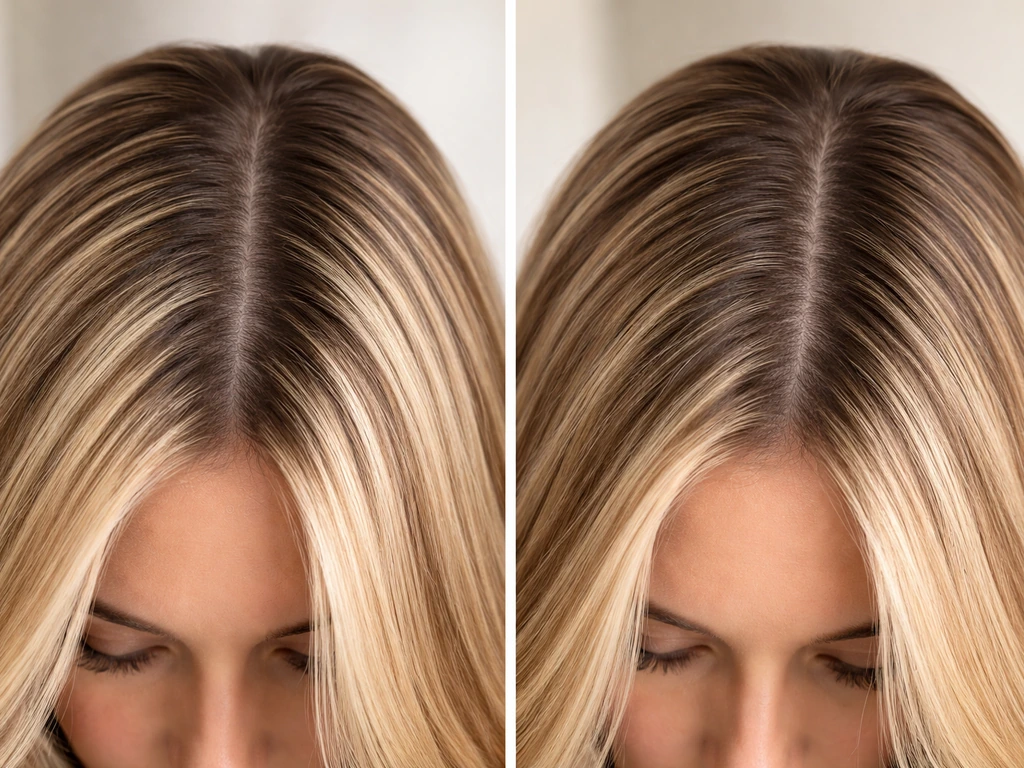
Here's a realistic timeline based on average growth of half an inch per month. Your timeline may shift slightly depending on how fast your hair grows, what highlight technique was used, and how aggressively you're washing or heat styling.
| Time Since Highlights | What You'll See | How Noticeable Is It? |
|---|---|---|
| Weeks 1–4 (0–½ inch growth) | Tone starts to soften; barely any root showing | Very manageable; most people look great |
| Weeks 4–6 (½–¾ inch growth) | Root line becomes visible; some brassiness emerging | Noticeable up close; still wearable |
| Weeks 6–10 (¾–1¼ inches growth) | Clear demarcation band; highlights look warmer/faded | The awkward phase kicks in |
| Weeks 10–16 (1¼–2 inches growth) | Distinct two-tone look; highlights near mid-shaft or ends | High contrast, especially with dark bases |
| 4+ months (2+ inches growth) | Highlights sitting at mid-length or lower; roots fully grown in | Can look intentional or very grown out depending on technique |
The 6 to 10 week window is where most people start feeling frustrated. If your highlights look bad when they grow out, it’s usually the grow-out contrast plus tone fading that makes the line feel more obvious do highlights look bad when they grow out. The root line is clear enough to bother you but not dramatic enough to feel intentional. This is exactly when a toning gloss, root smudge, or targeted styling can buy you several more weeks before you need to book an appointment. Waiting past 12 to 16 weeks without any maintenance tends to increase the contrast significantly, especially if your natural color is more than 3 shades darker than your highlights.
How the type of highlights you got changes everything
Not all highlights grow out the same way. The technique your colorist used has a major impact on how noticeable the transition is and how long you can comfortably go between appointments.
Foil highlights
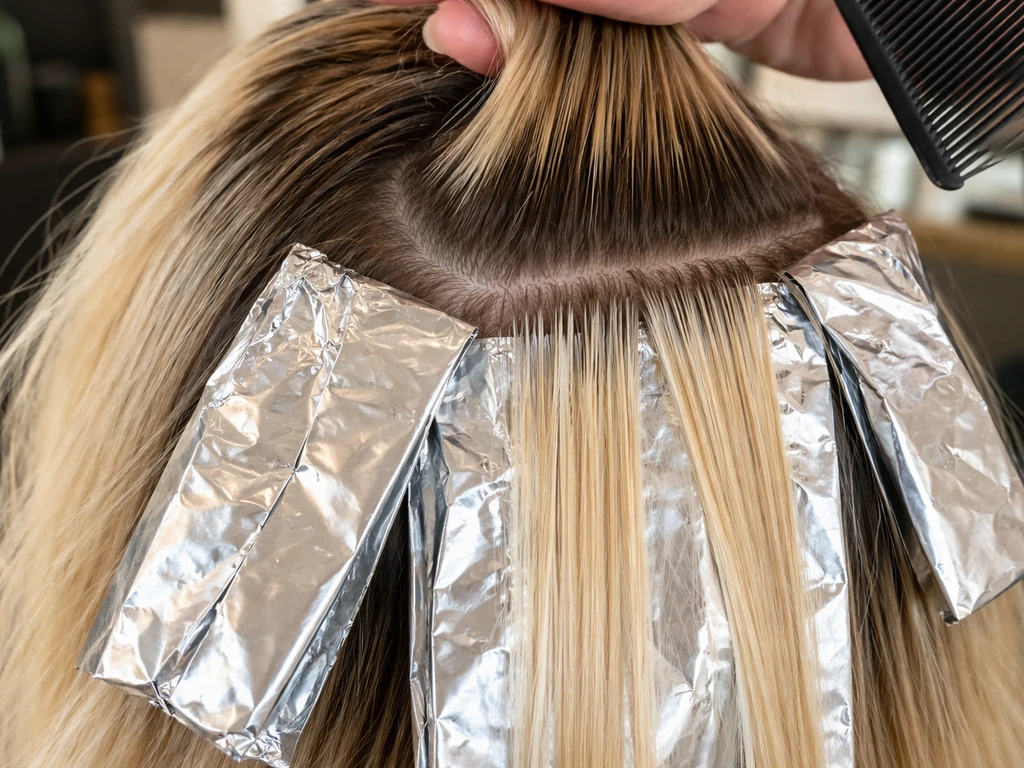
Traditional foil highlights are placed very close to the root, sometimes right at the scalp. This gives you great brightness and coverage from day one, but it also means there's a fairly hard line where highlighted hair ends and natural root begins. Foils tend to show regrowth the fastest and most clearly, often becoming obvious at the 4 to 6 week mark. If you have dark hair and went several levels lighter, that line can look stark by week 5 or 6.
Balayage
Balayage is the most forgiving technique for growing out because the color is painted onto the hair with a gradual fade from root to tip, rather than starting at the scalp. There's no hard root line built into the service from the beginning, so as your natural hair grows in, the blend stays relatively soft. Most balayage clients can comfortably go 10 to 14 weeks (sometimes longer) before needing a refresh. If you're in a grow-out journey, this is the technique worth requesting at your next appointment.
Ombré
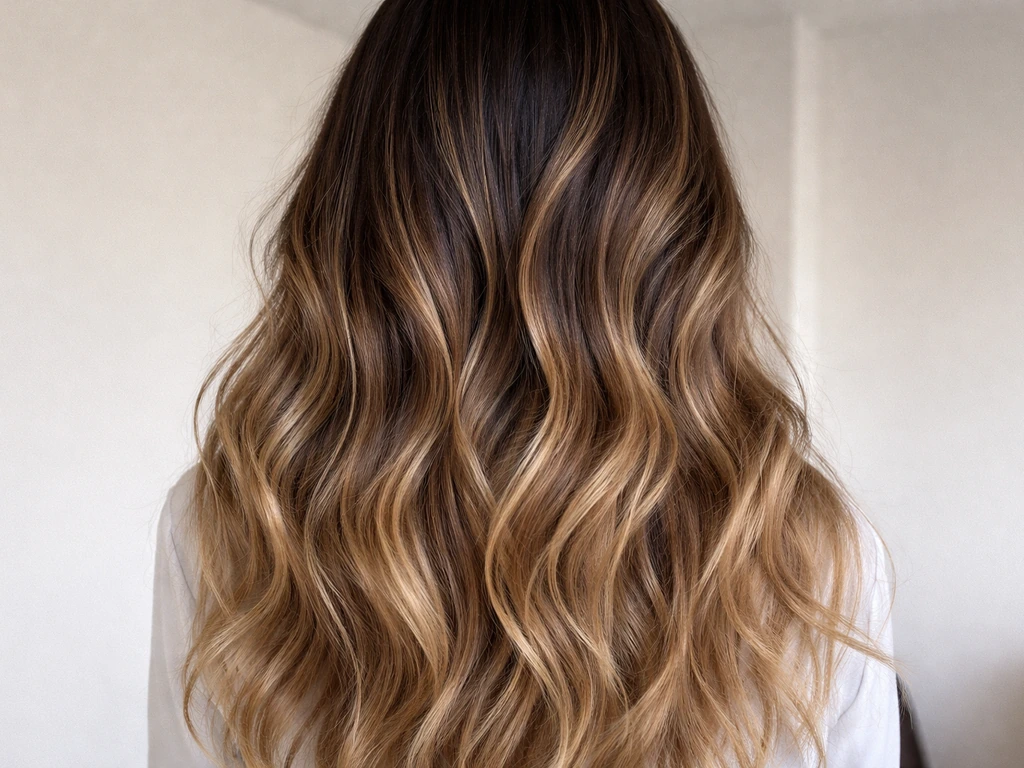
Ombré keeps darker color at the roots by design, so it actually grows out quite naturally. Because the contrast is intentional and the darkest part is already near the scalp, new growth blends right in at the top. The main concern with ombré over time is tone fading at the lighter ends, not root visibility. Regular toning of the ends and sun protection will keep it looking fresh longer.
Babylights
Babylights are very fine, delicate sections of highlight placed throughout the hair to mimic the natural variation you'd get from spending a summer outdoors. Because the highlighted pieces are so small and scattered, the grow-out tends to be subtle. The root line exists, but it's broken up by so many tiny strands of natural color in between that it reads as dimension rather than regrowth. Babylights are an excellent option if you want a lower-maintenance highlight that grows out gracefully.
What makes the contrast look worse (and what helps)
The speed and severity of both fading and contrast are not fixed. Several factors directly under your control make a real difference in how your highlights look week to week.
- Sulfate shampoos: Strip tone faster than sulfate-free formulas. Switching to a sulfate-free shampoo is one of the single most effective things you can do to slow color fade.
- Wash frequency: Every wash removes a little more deposited tone. Washing every 2 to 3 days instead of daily adds weeks of life to your color.
- Heat styling: Flat irons and curling wands over 350°F accelerate tone loss. Always use a heat protectant spray and keep tools at a lower temperature when possible.
- Sun exposure: UV rays are a major driver of brassiness. A UV-protectant hair spray or leave-in conditioner with SPF can make a significant difference if you spend a lot of time outside.
- Hard water: Mineral buildup from hard water sits on the hair and pushes color out while depositing warm tones. A chelating shampoo used once every few weeks (not every wash) helps clear mineral buildup without over-stripping.
- Chlorine and saltwater: Both aggressively strip tone and dry out already-porous highlighted hair. Rinse thoroughly before and after swimming, and consider a swim cap for regular swimmers.
- High-porosity hair: Heavily bleached or damaged hair releases color faster because the cuticle is more open. Deep conditioning regularly helps close the cuticle temporarily and slow tone loss.
What to do right now: toning, root care, and camouflage strategies

You don't have to wait for a salon appointment to feel better about your hair. Here are practical steps you can take today depending on where you are in the grow-out timeline.
If your highlights are fading brassy
Reach for a purple shampoo, but use it correctly. Leave it on for 2 to 3 minutes (the Wella guidance on this is pretty consistent) and rinse thoroughly. Leaving it on for 15 minutes or longer on already-porous highlighted hair can deposit a visible purple or grey tint that's hard to remove without a clarifying wash. Use it once or twice a week, not every day, and alternate with your regular sulfate-free shampoo. If you want more toning power, a purple or blue conditioner left on for 5 minutes gives a bit more deposit with less risk of over-toning.
Color-depositing shampoos and conditioners in blonde, champagne, or golden tones are also worth trying if you want to add warmth back in a controlled way rather than neutralize it. These typically last about 5 to 10 washes before the effect fades, so they're low commitment. Just be aware that uneven application on damaged or very porous sections can lead to patchiness, so follow the instructions carefully and apply evenly.
If your root line is the main issue
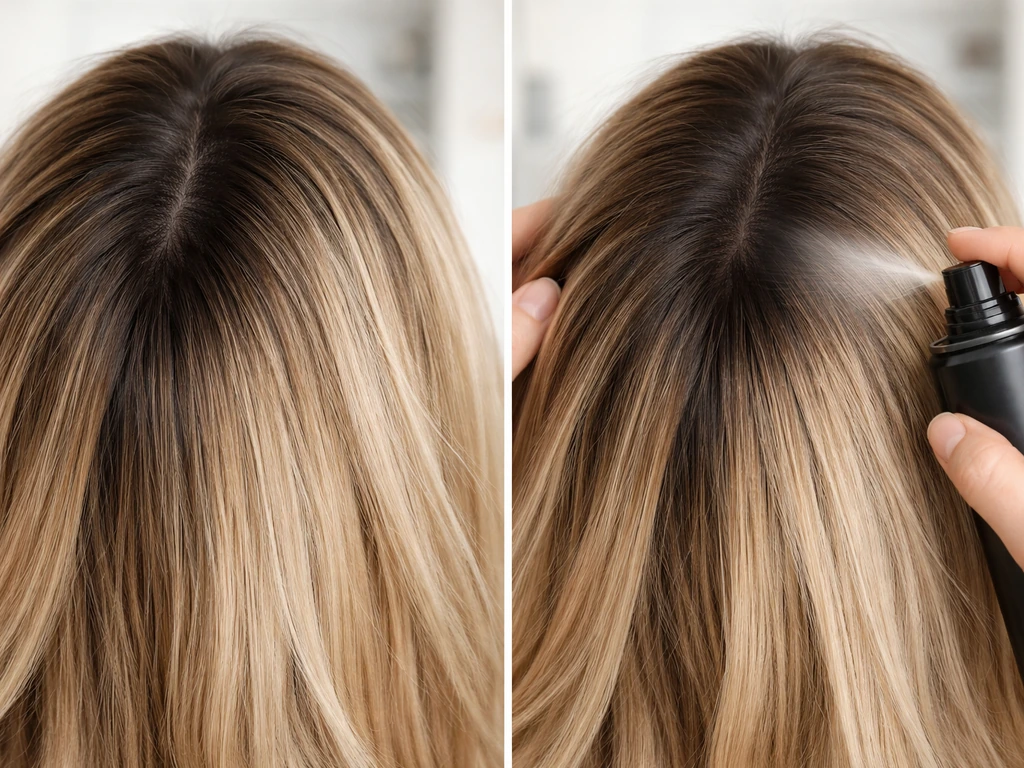
A shadow root is one of the best professional solutions for a visible demarcation line. A colorist applies a slightly darker toner or gloss to the first 1 to 2 cm of your root, blending it downward into the highlighted sections. This softens the hard line without fully coloring over your highlights, and it can keep you comfortable for 8 to 12 weeks longer than you'd otherwise feel okay. Ask for a root smudge or shadow root gloss at your next salon visit.
At home, root-concealing products (powder, spray, or stick formulas) can camouflage the line between washes. They won't fix the underlying contrast, but they're genuinely useful for getting through a few more weeks without feeling self-conscious. Root sprays in blonde, light brown, and even auburn shades are widely available, and they wash out cleanly.
Styling tricks that reduce how noticeable the line is
- Middle parts tend to expose a root line more dramatically; a side part or textured middle part can break up the visual contrast.
- Waves and curls naturally scatter light and disguise demarcation lines far better than straight, sleek styles.
- Buns, half-up styles, and braids can tuck the root line away entirely during awkward phases.
- If you're growing out a pixie or bob with highlights, the transition phases are compressed because there's less overall length, but the contrast can be more visible because the highlighted tips are close to the roots. Embrace textured, piece-y styling in these phases.
- For those growing out bangs with highlights in them: the grow-out looks more intentional if you pin them to the side or sweep them rather than wearing them blunt, which emphasizes the root contrast.
When to retone or refresh vs when to just wait it out
This is really a personal call, but here's an honest framework. If the contrast between your roots and your highlights is still within 2 to 3 levels (meaning not dramatically different), and you're using toning products consistently, you can often wait 12 to 16 weeks between professional appointments without looking unkempt. Balayage clients often stretch to 14 to 16 weeks comfortably. Foil highlight clients with darker natural bases tend to feel the need for a touch-up sooner, around 6 to 10 weeks.
If brassiness is your main complaint and the root line isn't yet dramatic, a salon gloss or toning treatment (not a full highlight service) is the right move. It refreshes the tone on your lengths and ends without lifting the roots, which keeps everything looking cohesive. A gloss service is typically 20 to 30 minutes in the salon and much less expensive than a full highlight appointment.
If you're genuinely trying to grow your highlights out (meaning you want to return to a natural look over time), the strategy shifts. You're not trying to match your roots to your highlights; you're trying to let the two coexist as gracefully as possible while the natural color takes over. In that case, a shadow root service to blur the line, consistent toning to reduce brassiness at the ends, and strategic trims to remove the most processed sections gradually are your best tools. Each trim takes a little more of the old highlighted length off and brings the two colors closer to even.
Trims matter more than people realize during a color transition. Cutting 1 to 1.5 inches every 8 to 10 weeks doesn't slow your growth meaningfully (you're still netting significant length), but it progressively removes the oldest, most faded, most brassy highlighted ends and makes the overall look fresher and more intentional. It's one of the most underrated tools in a highlight grow-out plan.
If you're weighing whether to keep maintaining highlights or let them fully grow out, that decision has its own nuances worth thinking through carefully, including how to manage the specific shade contrast at different lengths and whether certain approaches (like using highlights to blend grey) make the transition easier or harder. The fact that highlights do fade in tone over time, rather than staying crisp, actually works in your favor if you're growing them out: the lengths will soften naturally while your roots fill in, making the overall shift more gradual than most people expect. If your main goal is handling the exact moment when highlights grow out and start looking too warm, retone timing and toner selection can make a big difference. A helpful part of that plan is knowing what to do when highlights grow out so you can keep the transition looking intentional.
FAQ
If highlights grow out, will the bleached parts ever turn back to my original color?
No. The lift from bleach is effectively permanent, so the highlighted strand will not regain your original pigment. What changes is the surface tone (toner) fading to reveal the underlying warm, porous color, while your natural roots grow upward to create the visible gap.
Why do my highlights look more brassy right after toning or after a salon visit?
It can be timing and product overload. Toner can fade unevenly on more porous areas, and if you use purple shampoo too long (or too frequently), you may get patchy deposits that later wash out, making remaining warmth look stronger. If you see fast re-brassing within days, consider switching to a shorter leave-on routine and check your water hardness and heat use.
Does the grow-out line look worse if my hair is naturally darker or my highlights are much lighter?
Yes, contrast is the main driver. A bigger level gap (for example, dark brown going several levels lighter) creates a sharper demarcation within the 4 to 6 week window. If your levels are only a couple shades apart, the transition typically reads more like blended dimension than regrowth.
Will using purple shampoo daily stop the fading or the root line from appearing?
It will not stop the grow-out. Purple shampoo only helps manage yellow or brassy undertones on the lengths, and overwashing can lead to uneven toning or even a temporary grey-purple cast that then fades. A better approach is limited frequency (around once or twice a week) and correct leave-on time.
How can I tell whether my issue is toner fading versus true root regrowth visibility?
Look at where the color problem lives. If warmth is the main complaint while the root line feels soft, it is likely tonal fading on porous highlights. If you can clearly see a darker strip at the scalp area, that is primarily contrast from regrowth and base color difference, and a shadow root, gloss targeted at the root zone, or root-conceal products will help more than extra toning.
Do sulfate shampoos always make highlights fade faster?
They tend to speed up toner loss more than gentler options, but the bigger issue is how often you shampoo and how much heat you apply. If you want slower fading, reduce frequency, rinse with cooler water, and consider sulfate-free formulas, especially if you notice color dropping quickly between washes.
Is there a best time to add a shadow root or root smudge during the grow-out phase?
Most people benefit when the root line starts to look noticeable but before it becomes stark. Practically, that is often around the 6 to 10 week period for many foil highlight situations. If your line shows up earlier, you may want it sooner; if it is still soft, you can usually wait a bit while keeping tone in check on the ends.
Can I use color-depositing conditioners or shampoos to blend the grow-out instead of toning regularly?
They help manage tone on the lengths, but they do not erase the root contrast. Use them to counteract brassiness or adjust warmth, and rely on shadow-root services or root-concealing products to reduce the visual boundary near the scalp.
Do different highlight techniques grow out in the same way at home?
No. Foil highlights often show regrowth faster because they can be placed very close to the scalp. Balayage typically transitions more softly because color placement is gradual. Ombré is designed for darker roots, so root visibility is usually less of a concern, while end tone fading becomes the main issue.
Will heat styling and sun exposure make my highlights fade faster even if my roots are filling in normally?
Yes. Heat and UV mainly affect the toner and underlying lifted color on the lengths, so you can still get the grow-out gap from regrowth while also watching the ends turn warmer sooner. If you are committed to stretching time between salon visits, prioritize heat protectant and UV protection for the highlighted sections.
What is a realistic plan for trimming during highlight grow-out, and does it remove too much length?
Trims are about removing the oldest, most processed ends, not stopping growth. A common approach is cutting roughly 1 to 1.5 inches every 8 to 10 weeks (adjust based on how faded the ends look). You still net significant length overall, and the overall look often becomes fresher and less “banded” as the transition progresses.
Can root-concealing powders or sprays damage my hair or stain clothes?
They usually rinse out cleanly, but staining risk increases if you overapply and then hit it with heat or if product builds up. Apply to dry hair, keep amounts light, and do a quick patch test if you have very porous ends or a sensitive scalp.
Should I retone with a full highlight appointment when my highlights start to grow out?
Often, no. If your main problem is brassiness or faded tone on the lengths, a gloss or toning service refreshes without lifting new pigment from the roots. A full highlight is usually only needed when you want additional lightness or repositioning of the highlight placement, not just better blending.