
Yes, highlights can genuinely help you grow out grey hair with a lot less drama. The right placement and technique soften the contrast between your natural grey and the rest of your hair, so instead of a stark, obvious line at the root, the two blend into each other gradually. It won't stop grey from coming in, but it can buy you months of looking intentional rather than in-between, which is often exactly what you need to get through the awkward phase without reaching for a box of dye in frustration.
Can Highlights Help Grow Out Grey? A Practical Guide

Marcus Vickers
21 May 2026
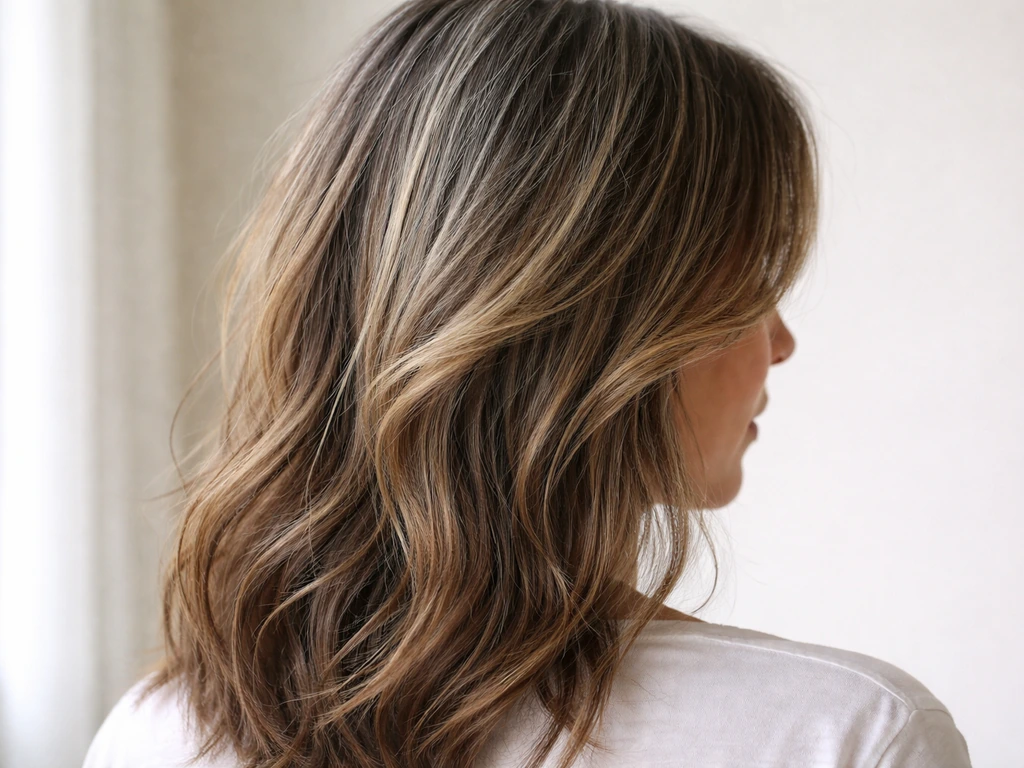
Will highlights hide grey as it grows out?
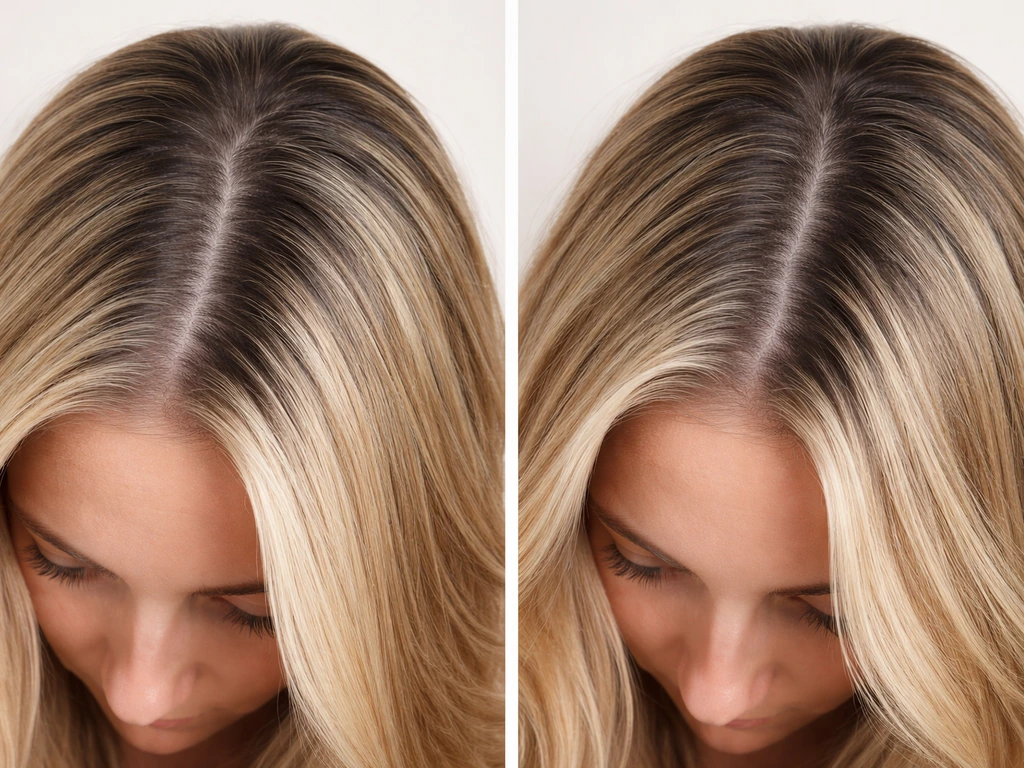
Not completely, but they do something arguably more useful: they break up the demarcation line. That harsh, ruler-straight boundary between where your color ends and your grey begins is what makes a grow-out look rough. Highlights scatter lighter pieces through that boundary zone so the eye doesn't lock onto a single line. blank" rel="noopener noreferrer">L'Oréal's guidance on grey blending confirms this directly: when done correctly, highlights can soften a harsh line at the root and make silvery strands appear less obvious.
The psychology of this matters too. A sharp line reads as 'neglected roots.' Blended highlights read as 'dimensional color.' Even if the grey is plainly visible, it looks like a choice, and that shifts how both you and other people perceive it. For a lot of people growing out grey, that mental shift alone is worth the appointment.
What highlights can't do is eliminate contrast entirely if your natural hair is very dark. If you have deep brown or black hair and bright white grey, no amount of strategic highlighting will make the grow-out invisible. What it can do is reduce the contrast enough that you're comfortable going 10 to 14 weeks between appointments instead of 6, which significantly lowers both your cost and chemical exposure over time.
Best types and placement of highlights for blending grey
Not all highlighting techniques behave the same way during a grow-out, and the one you choose should match your starting point, grey pattern, and how much maintenance you're willing to do.
Balayage: the lower-maintenance option
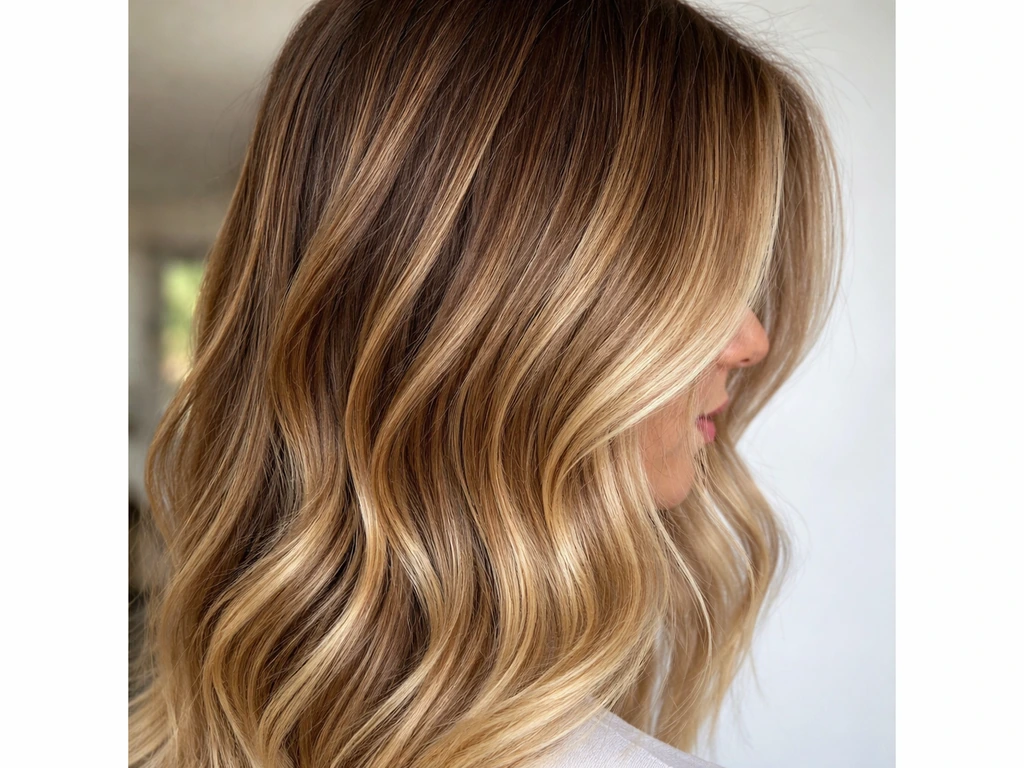
Balayage is hand-painted onto the hair and typically starts a few inches away from the root, which is exactly why it works so well for grey grow-outs. Because the lightening begins lower on the strand, the grow-out appears natural and gradual rather than a sudden stripe. The root area stays darker and closer to your natural tone, which is actually what you want when grey is coming in at the scalp. Balayage is generally the best starting point if you want longer stretches between appointments, typically 16 to 20 weeks, and a softer, more sun-kissed result.
Babylights: subtle and very natural-looking
Babylights are very fine, closely spaced highlights applied in foils, designed to mimic the natural variation you'd see in a child's hair. For grey blending, they're particularly effective because the tiny pieces integrate with grey strands rather than sitting next to them in obvious chunks. If your grey is scattered and patchy rather than concentrated in one zone, babylights can mimic that scattered pattern and make the whole thing look intentional. The tradeoff is that they take longer to apply and, because they do start closer to the root, grow-out is a bit more visible than balayage after about 10 to 12 weeks.
Classic foil highlights: higher contrast, more frequent touch-ups
Traditional foil highlights start close to the scalp and produce a more defined, higher-contrast result. They can work well for grey blending when placed strategically, but because the lightening begins right at the root, grow-out is more visible. Salon maintenance guides consistently flag this: highlights and babylights applied via foil grow out more obviously than balayage because you're starting from the root. If you go this route, expect to be back in the salon every 8 to 10 weeks for the blend to hold.
Root smudging and toning: underrated tools
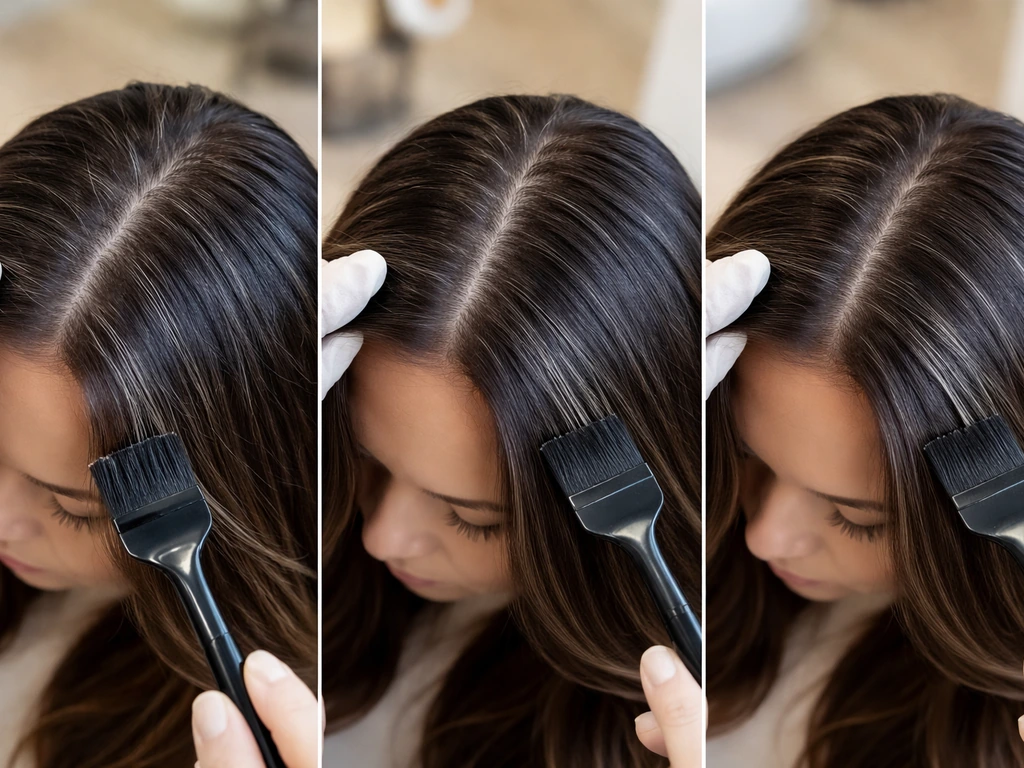
Root smudging is a technique where a colorist applies a slightly darker or neutral tone right at the root to blur the line between your natural grow-out and the highlighted mid-lengths. It doesn't lighten anything; it just softens the boundary. For grey grow-outs, a skilled colorist can use a cool-toned or ashy root smudge that makes incoming grey look like it was planned. Toners are applied over lightened hair to shift the tone toward silver, ash, platinum, or champagne, which helps newly lightened sections blend with your grey rather than fighting it. These two techniques together can dramatically extend the life of a highlighting service.
Placement based on your grey pattern
Grey doesn't grow in the same place on everyone. Some people go grey first at the temples, others get a stripe down the center part, and some get scattered strands throughout. Your highlight placement should mirror your grey pattern as closely as possible. If your grey is mostly at the temples, concentrate highlights there. If it's at the part, weave lighter pieces through the part line specifically. The goal is to make the highlighted pieces and the grey pieces indistinguishable from each other in terms of tone and location.
| Technique | Root visibility after grow-out | Maintenance interval | Best for |
|---|---|---|---|
| Balayage | Low (starts lower on strand) | 16 to 20 weeks | Low-maintenance, gradual transition |
| Babylights (foil) | Medium (starts at root) | 10 to 12 weeks | Scattered grey, natural-looking result |
| Classic foil highlights | Higher (starts at root) | 8 to 10 weeks | More defined coverage, higher contrast |
| Root smudge + toner | Very low (blurs boundary) | 12 to 16 weeks | Extending a highlight service, softening demarcation |
| Balayage + toner | Very low | 16 to 20 weeks | Best overall for long grow-out transitions |
How often you'd need maintenance and what to expect over time
Here's the realistic timeline: in the first few months, your highlights will look intentional and fresh. By month 2 to 3, new grey will start showing at the root, but if your highlights were placed well, it reads as dimensional rather than grown-out. If you're wondering whether do highlights look bad when they grow out, the key is making sure the highlights are placed well enough that the new root growth reads as dimensional rather than neglected. By month 4 to 5, you'll likely feel ready for a refresh, especially if your highlights started at the root. With balayage, many people comfortably stretch to month 5 or 6 before it feels necessary.
Over the longer term, something interesting happens if you're committed to growing out grey: the proportion of natural grey in your hair keeps increasing relative to the highlighted sections, and eventually the grey takes over in a way that actually looks good. This is a gradual transition strategy that many colorists actively design for: they highlight less aggressively over time, let the grey dominate more each visit, and over 12 to 24 months guide you toward a fully natural look without any harsh before-and-after moment.
If you're aiming for a salt-and-pepper look rather than full grey, you'd maintain highlights longer and at a more consistent intensity, just spaced out further between appointments. The difference is intention: a gradual-transition plan has an endpoint; a maintenance plan keeps the blend going indefinitely.
Salon questions: what to ask for to match your grey pattern
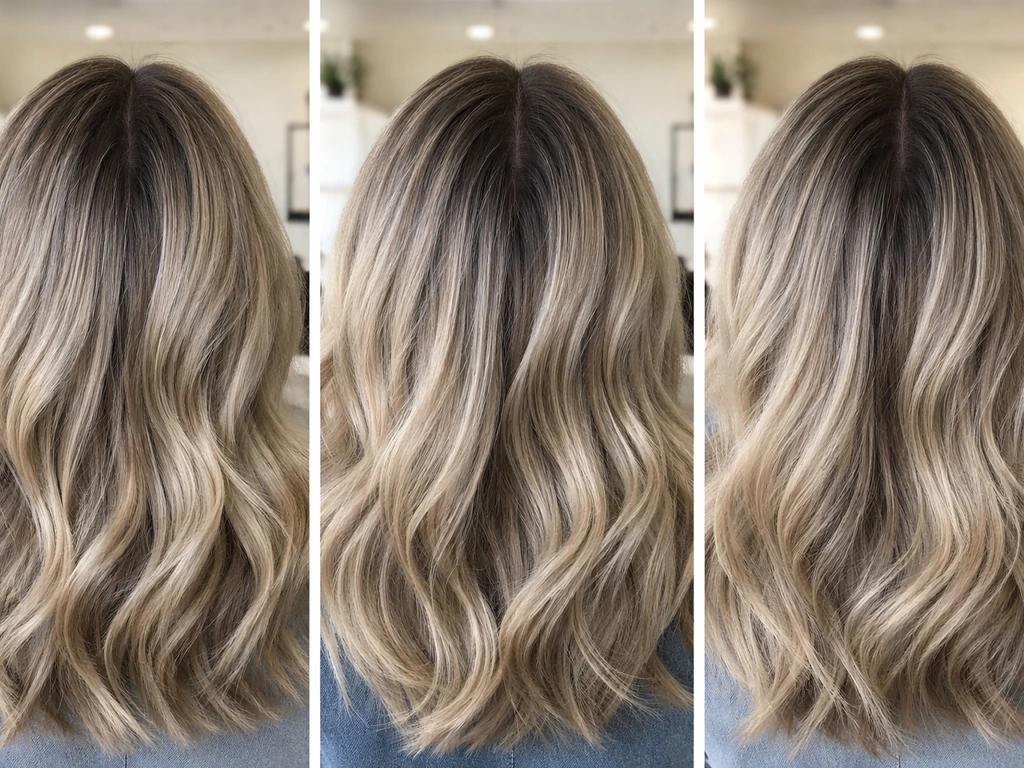
Being specific with your colorist makes a real difference. Vague requests like 'I want to blend my grey' leave too much open to interpretation, and you may end up with something that doesn't serve the grow-out goal. Here's what to ask and say:
- Tell them your end goal first: do you want to maintain a highlighted look indefinitely, gradually transition to full grey, or land somewhere in salt-and-pepper territory? This changes the entire approach.
- Ask specifically for 'grey blending highlights' or 'transitional highlights' rather than just 'highlights.' These terms signal that you're growing out rather than covering.
- Ask the colorist to concentrate placement where your grey is most visible, especially around the hairline and part if that's where it shows most.
- Ask for a cool-toned or ashy toner rather than a warm one. Warm gold or honey tones can clash with grey and make it more obvious. Ash, silver, and platinum tones integrate much better.
- If you're starting from previously colored (darker) hair, ask about a 'root smudge' or 'shadow root' to soften the transition zone rather than applying highlights all the way to the scalp.
- Ask how they plan to handle the demarcation line specifically. A good colorist should have a clear answer about technique and placement.
- Ask how long the service should last before you need to come back, and whether they'd adjust the approach at the next visit based on how much grey has grown in.
If your hair is very dark (dark brown or black) and heavily grey, bring reference photos to the consultation. The contrast math is different for very dark bases, and a realistic conversation upfront will prevent disappointment. It may take two or three sessions to achieve a grey-friendly blend without overlightening.
Risk, damage, and hair care during the grow-out
Highlights involve lightening, and lightening always has a cost. Grey hair specifically tends to be coarser, drier, and more porous than pigmented hair, which means it can absorb color and bleach differently, sometimes more aggressively. That's not a reason to avoid highlights entirely, but it is a reason to be thoughtful about frequency and technique.
The main risks to watch for during a grow-out are over-lightening (applying bleach too close to previously lightened hair, which causes breakage at the overlap), color correction headaches if grey appears unevenly after toning, and cumulative dryness if you're highlighting every 8 weeks without giving hair recovery time. To manage these:
- Use a bond-building treatment (like Olaplex or a similar bond protector) during lightening services. Many salons include this; ask if it's not offered.
- Deep condition at home weekly if you're actively highlighting. Grey hair especially benefits from heavy moisture, and lightened hair is more porous.
- Use a purple or blue shampoo once or twice a week to keep toned sections from going brassy, which can make the contrast with grey worse.
- Avoid heat styling at high temperatures daily. Grey hair breaks more easily when repeatedly stressed, and highlighted sections are already compromised.
- Don't overlap bleach onto previously lightened sections. If a colorist is refreshing your highlights, they should only lighten new growth, not re-process what's already been lightened.
- Space appointments further apart deliberately. Every extra week you wait is one less lightening session on your hair annually.
If you notice unusual shedding, breakage at mid-lengths, or a texture change that feels mushy or overly elastic when wet, those are signals the hair is over-processed. Stop lightening and focus on protein and moisture treatments before the next color service.
Alternatives to highlights and when to stop highlighting
Highlights are one tool, not the only tool. Depending on how much grey you have and how fast it's coming in, other approaches may work as well or better, especially as the grow-out progresses.
Glossing is a semi-permanent toning treatment that doesn't lighten at all. It deposits a cool or neutral tone over your existing hair to help grey blend with the darker sections by bringing everything closer in tone. It's much gentler than highlighting and typically lasts 4 to 6 weeks. If your grey is moderate and well-distributed, a gloss alone can look quite good, and it's a smart option to rotate in between highlight appointments.
Root touch-ups in reverse, meaning darkening roots to match incoming grey rather than covering grey with a darker dye, are another option some people explore. This is trickier because you're essentially introducing grey-matching pigment, but some colorists use demi-permanent toners in silver and ash tones to bring the non-grey hair closer in tone to the grey, reducing overall contrast without lightening.
As for when to stop highlighting: there isn't a single right moment, but there are clear signals. If your hair is more than 70 to 80 percent grey naturally, highlights have less and less work to do, and the lightening is mostly redundant because the grey itself is already light. At that point, a great toner or gloss to unify tone and add shine does more for less damage. If you're exhausted by the maintenance schedule, that's also a clear signal. And if you're finding that each appointment is more about color correction than blending, that's a good time to step back and let the grey lead.
The grow-out process has natural stages, and highlights are often most useful in the early-to-middle phase when contrast is highest and the ratio of grey to colored hair is still uneven. Once grey becomes the dominant texture and tone, embracing it fully with a flattering cut and good hair care often produces a more striking result than trying to highlight your way to something it's no longer.
If you're navigating related questions like what to actually do when highlights have fully grown out, or whether highlights look bad at various grow-out stages, those are worth thinking through alongside this, because the choices you make now about placement and technique will affect how things look 6 and 12 months from now. Growing out grey isn't a single decision; it's a series of them, and the earlier you build a plan, the smoother each stage tends to be.
FAQ
How long can I realistically go between appointments if my goal is to grow out grey comfortably?
If you choose balayage with lighter pieces starting a few inches down, many people can stretch to about 16 to 20 weeks. If you choose babylights or foil near the root, plan closer to roughly 8 to 12 weeks, because the boundary becomes more noticeable as new growth shows. Your exact timing depends on how fast your grey emerges at the scalp.
Will highlights make my new grey look more obvious when it grows in at the root?
They should not create a single sharp stripe if your highlights are placed with your grey pattern in mind. The key is starting the lightening lower on the strand (balayage) or blending at the boundary zone (using root smudging or precise tone matching). If the contrast is very high, especially with a deep base, even a good placement can still look more visible at the root.
What’s the safest highlighting plan for coarse, porous grey hair that tends to grab color or bleach?
Ask for a conservative lightening approach and expect your colorist may do the transformation in multiple sessions rather than one heavy session. Grey hair can process differently, so also request targeted bonding and moisture support after appointments. This reduces the chance of uneven tone, mushy texture, or overlap breakage during grow-out.
Can I do a gloss instead of highlights, and will it help the grow-out phase?
A gloss can help unify tone without adding more lightening, especially when grey is moderate and fairly distributed. It typically lasts 4 to 6 weeks, so it works well as a rotation tool between highlight services or when you want a lower-maintenance, lower-damage option while you wait for grey to settle in.
What should I tell my colorist if my grey comes in unevenly (like temples first or a center part stripe)?
Bring specific reference photos, and ask for highlight placement that mirrors your grey location, not just general “grey blending.” For temples, request more concentration there; for a part stripe, request weaving lighter pieces through the part line so the highlighted areas and grey occupy the same visual zone.
Should I avoid foil highlights if I want the easiest grow-out?
Foil highlights often look higher contrast because they start closer to the scalp, which can make grow-out more noticeable. If you still want foil, ask your colorist to adjust placement and consider combining it with toning and a boundary-softening strategy (like root smudging) to reduce the “line” effect.
How do I prevent breakage when I keep re-highlighting during the grow-out?
Watch for breakage or a texture shift such as overly elastic or mushy feeling when wet. If that happens, stop further lightening and focus on rebuilding with protein and deep moisture before booking again. Also ask for spacing that allows recovery, because repeated overlap where old light meets new bleach is a common damage trigger.
What are common mistakes that make highlights look bad as grey grows in?
The biggest ones are vague requests (no clear placement plan), over-lightening that starts too close to the root, and choosing a technique that does not match your grey distribution. Another common issue is relying on toner alone to fix unevenness, instead of correcting the highlight placement and underlying tone first.
When should I stop highlighting and switch to toner or gloss to finish the transition?
Consider stopping when your natural grey is already around 70 to 80 percent and highlights become mostly redundant. At that stage, unifying tone with a toner or gloss (plus shine-focused care) usually gives a cleaner result with less processing. Also stop if appointments are turning into frequent color-correction rather than gradual blending.
If I’m aiming for salt-and-pepper instead of full grey, can highlights still help?
Yes, but the goal changes. You’ll usually want highlights maintained at a more consistent intensity and tone, just spaced out longer, so the colored pieces and grey read as intentional mix. Ask your colorist to design for a gradual “salt-and-pepper” balance rather than maximizing lightness until the grey fully dominates.