
Growing out layers means waiting for the shorter pieces (usually at the crown, face frame, or mid-lengths) to catch up to the longest layers underneath. That catch-up takes roughly 3 to 12 months depending on how short and how many layers you have, and hair grows about half an inch per month on average. The awkward part is real, but it's manageable with the right trim strategy and a few styling tricks that actually hold up in everyday life.
How to Grow Out Layers Reddit Guide: Steps and Timelines

Marcus Vickers
27 May 2026
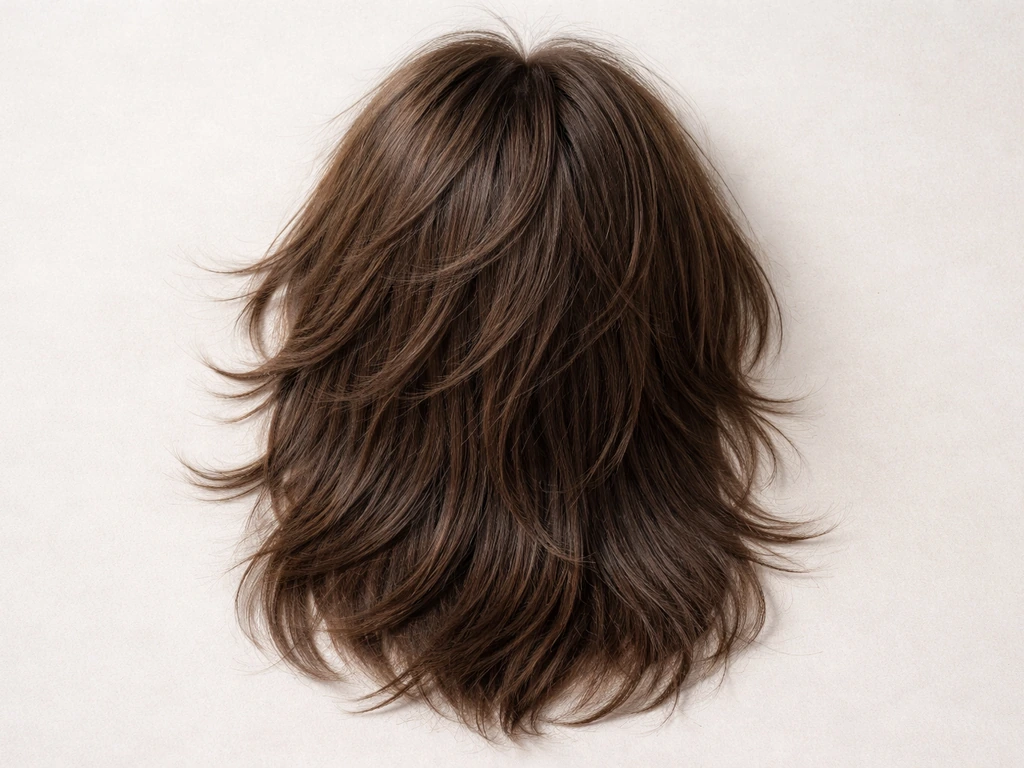
What 'growing out layers' actually means (and why it feels so annoying)
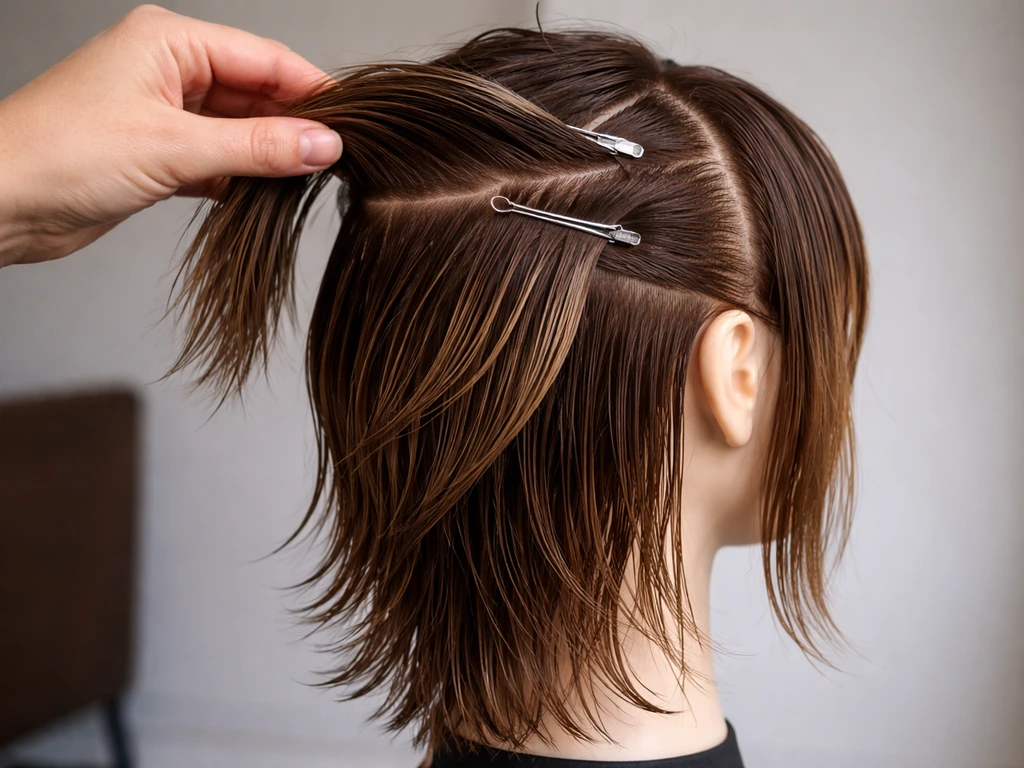
Layers are cut by elevating sections of hair to different heights so the top pieces are shorter than the lengths beneath. That internal graduation is what creates volume and movement when the cut is fresh. The problem during grow-out is that all those shorter pieces at the crown, around the face, and through the mid-section are all racing to reach the same destination at different starting points. Until they blend in with the longer underlayers, they can stick out, flip, look stringy, or add weird bulk in places you don't want it.
The flip-out issue is especially common when shorter pieces lose enough weight to lie flat. Without sufficient length pulling them down, they literally spring outward or upward, especially at the ends of mid-length layers and around the perimeter. This is not a sign something went wrong with your growth. It's just physics, and it usually resolves itself once layers gain another inch or two of length.
Figure out what you're actually working with
Before you can make a plan, you need to take an honest look at your current cut. Stand in front of a mirror in natural light, pull your hair back, then let it fall. Ask yourself four questions.
- Where do your layers start? Crown-only layers are a shorter grow-out than layers that start at the ears and run all the way through. The higher up the shortest layer, the longer the full process.
- What's your overall length right now? Pixie and bob layers have very different timelines than shoulder-length or longer layers. Shorter starting points feel more dramatic during the awkward phase.
- How dense is your hair? Density is highest at the crown for most people. Fine or low-density hair tends to show uneven layers more visibly because there's less hair to hide the blending zone. Thick, high-density hair is more prone to triangle shape and bulk.
- What's your texture and wave pattern? Straight hair shows every uneven piece. Wavy and curly hair can actually hide blending issues better, but layers that grow out curl-pattern changes at different lengths, which can shift your whole texture presentation.
It's also worth a quick porosity check if you color-treat or heat-style often. Drop a clean, product-free strand in room-temperature water and watch for 2 to 3 minutes. If it floats or sinks very slowly, you likely have low porosity hair (product tends to sit on top, so lightweight application matters). If it sinks fast, you're high porosity (needs sealing and moisture retention). This affects which styling products will actually work for you during the grow-out, not just which ones are pretty on the shelf.
Realistic timelines: what to expect month by month
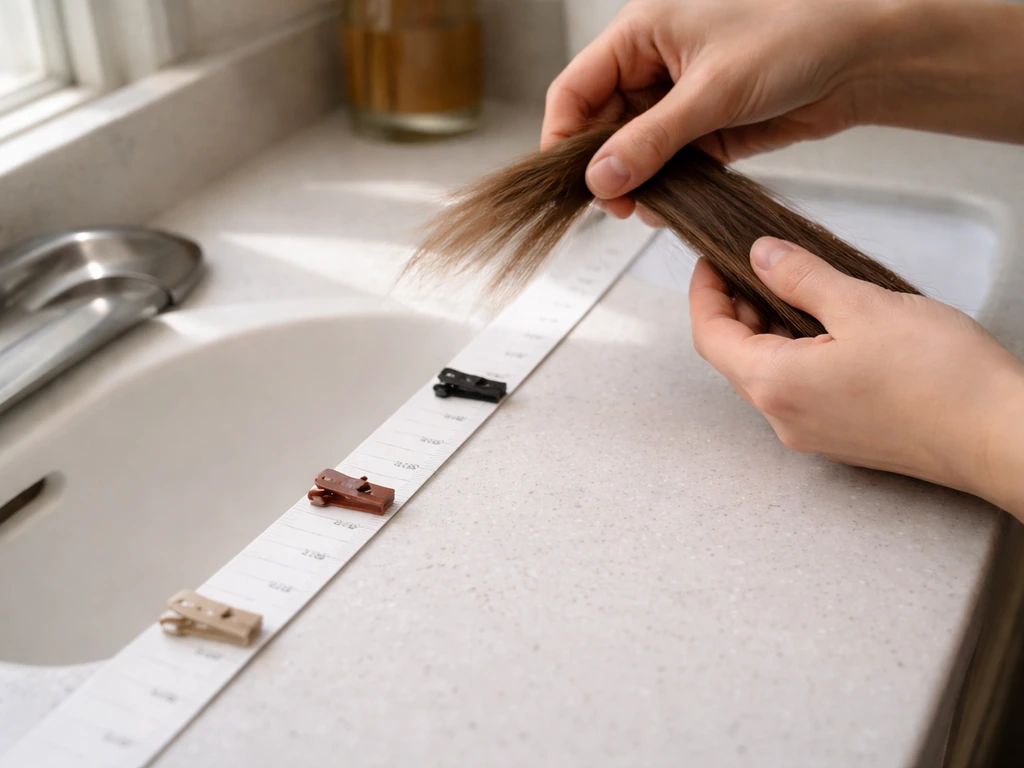
Hair grows roughly half an inch per month, give or take. Some people consistently see closer to a quarter inch, others closer to three quarters. Genetics, health, and season all matter. Plan around half an inch and treat anything faster as a bonus.
| Starting Cut | Awkward Phase Length | Rough Timeline to Blend |
|---|---|---|
| Pixie or buzz cut with short top layers | Most intense from months 2 to 6 | 9 to 18 months to fully blend into a longer style |
| Bob with internal layers | Months 2 to 5 feel choppy or boxy | 6 to 12 months depending on how many layers |
| Shoulder-length with mid layers | Months 1 to 4 show the most unevenness | 4 to 8 months to even out |
| Long hair with crown or face-framing layers | First 2 to 3 months look most disconnected | 3 to 6 months for layers to blend into length |
The hardest visual stage is almost always about 2 to 4 months in, regardless of where you started. That's when the shorter layers are long enough to be noticeable but not long enough to blend or be pinned up easily. This is the stage most people panic and cut back short. Push through it. It passes.
The trim decision: when to cut, when to leave it alone
This is the question that drives most Reddit threads on the topic, and the community is honestly divided. Here's the practical answer: don't trim the shortest layers. Trim the longest ones, and only when the ends genuinely need it.
Dusting vs trimming: which one you actually need
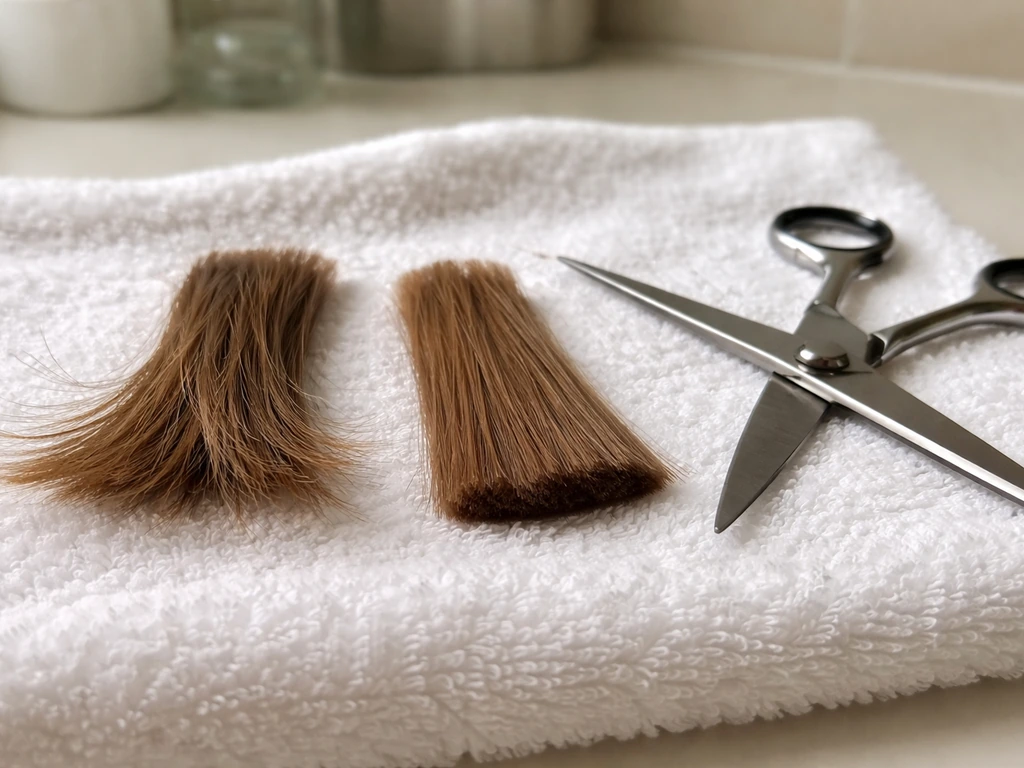
Dusting means removing only the very tips of the hair, less than a quarter inch, specifically to get rid of splits and single-strand knots without touching actual length. It's a length-retention move, not a shape move. If your ends feel rough or snag, dust them. You won't set back your grow-out. A full trim, typically anything over half an inch, is a shape move. Reserve that for when your perimeter has become genuinely ragged or the overall shape is fighting you every single day.
A reasonable rhythm for most people growing out layers is dusting or a micro-trim every 8 to 12 weeks on the longest lengths only, and asking your stylist explicitly not to touch the short layers. Prose also suggests a similar schedule: dusting or a micro-trim every 8 to 12 weeks on the longest lengths only, while telling your stylist not to touch the short layers. Tell them you're growing out layers and want the perimeter cleaned up but nothing removed from the top or crown sections. Many stylists will reflexively reshape the whole cut unless you're specific.
When a real weight-removal trim actually helps
If your hair is thick and dense, you may hit a point around months 3 to 5 where the midlengths look puffed out or the ends look blocky because two different layer lengths are sitting at the same zone. In this case, asking your stylist for some weight removal (thinning or point-cutting through the perimeter, not the crown) can help the hair move and lie flatter without sacrificing length. This is different from adding new layers. You're smoothing the transition that already exists, not creating new short pieces.
Styling through the awkward stages
Styling is where you buy yourself the most sanity during the grow-out. None of these require salon visits or expensive tools.
Blow-drying for straight and wavy hair
Direction matters more than temperature. Always dry airflow downward along the hair shaft, not blasting upward at the roots. Drying downward keeps the cuticle flat, which reduces frizz and helps uneven pieces lay flatter. Use a round brush on mid-lengths and ends to control where they point. The brush size affects the result: a smaller round brush creates more curl and definition, a larger one smooths and adds body without much bend. For short crown layers that keep flipping, dry them forward first, then direct them back once they're 80 percent dry. This simple sequence can prevent the spring-up that makes short top layers look messy.
Diffusing for wavy and curly hair
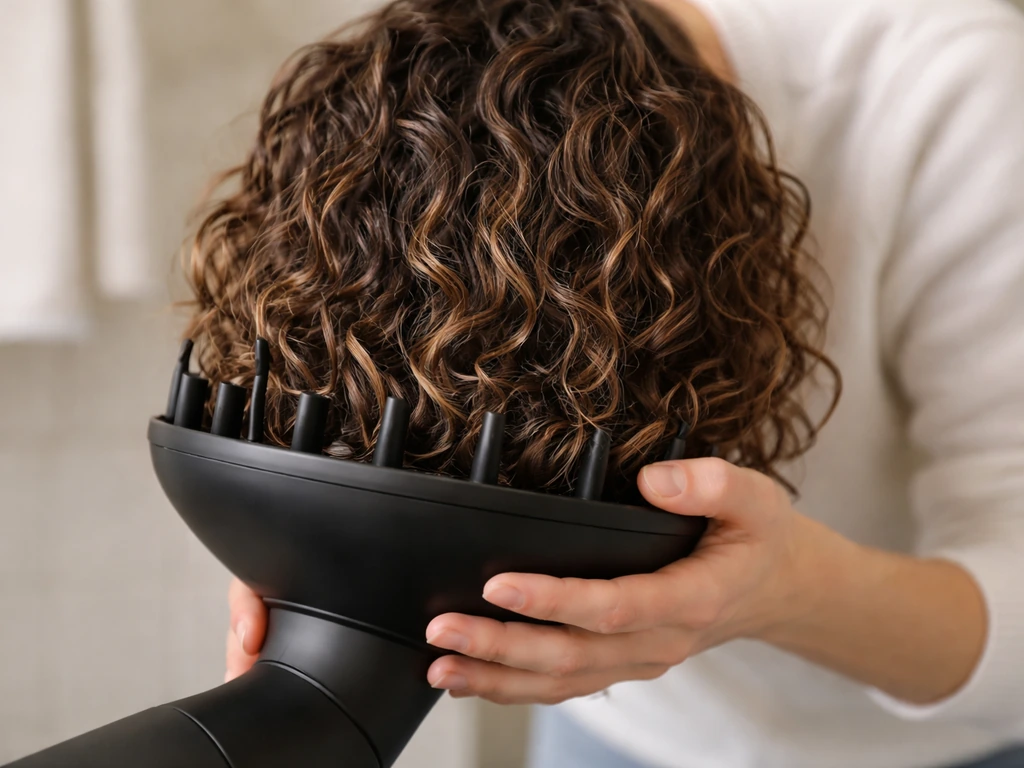
If you have wavy or curly hair, a diffuser attachment is your best friend during the grow-out. Flip your head forward, cup sections into the diffuser bowl, and let the air circulate without raking through the curl. This reduces frizz and keeps the curl clumping intact, which visually hides the different layer lengths far better than letting it air dry unattended or diffusing aggressively. Apply your curl cream or gel on soaking wet hair before diffusing, not halfway through.
Part changes and easy styling moves
Changing your part is one of the fastest ways to rebalance the visual weight of an uneven grow-out. If your layers are mostly on one side or your crown looks flat and heavy, shifting your part an inch in either direction redistributes volume immediately. A deep side part can cover a lot of sins during the worst months of a layer grow-out. Half-up styles, bun clips, claw clips, and loose ponytails also disguise uneven blending at the crown and mid-lengths without requiring any cutting. These aren't just cosmetic fixes. They genuinely reduce the wear and breakage on the shorter pieces, which helps them grow out healthier.
Managing triangle shape, bulk, and uneven crown ends
The triangle silhouette is the most common complaint in layer grow-out discussions, and it's almost always a weight distribution issue. It happens when layers at the crown have grown out enough to add volume there, while the perimeter below hasn't caught up, or vice versa. The result looks like your hair narrows at the top and expands at the sides and bottom.
For thick hair, the fix is usually targeted thinning or point-cutting through the widest part of the triangle (often through the mid-lengths and perimeter) to redistribute weight without shortening. Ask your stylist specifically for this: 'I want to remove bulk from the perimeter without taking length.' For fine hair, the triangle often happens in reverse, where the crown thins and the ends look heavy. In this case, volume-building at the roots (dry shampoo, root-lifting spray, a quick blast of heat at the root before styling) counteracts the visual imbalance while you wait for layers to catch up.
Crown cowlicks become much more obvious during a grow-out because the shorter pieces around them don't have enough length to weigh them down. Drying that section last, with a brush pushing flat against the direction of the cowlick, and finishing with a small amount of firm-hold cream on just those pieces can tame most of them. This takes about 90 seconds once you've done it a few times.
Specific situations: bangs, pixie to long, undercuts, and color
Growing out bangs alongside layers
Bangs are essentially the shortest layer of all, so growing them out while you're also growing out the rest of your layers means managing two grow-out timelines at once. If your cut is more shaggy than layered, the same principles apply, with a few extra styling steps to keep the shorter face and crown pieces from poking out how to grow out shaggy layers. Bangs typically take 4 to 6 months to reach the cheekbone, which is roughly when they can be swept to the side or pinned without looking intentionally grown out. One commonly cited stylist rule is to hold off on trimming bangs during grow-out until they're past the cheekbone, because trimming resets the clock and keeps them in the most annoying middle stage longer. The article on growing out layers and bangs covers the combined timeline in more detail. Side-swept styling with a light pomade, bobby pins, or a clip is the most practical daily solution until they reach a manageable length.
Pixie, bob, and buzz cuts growing into longer styles
These transitions involve the longest timelines and the most pronounced awkward stages. If you're coming from a pixie, expect 12 to 18 months before the shape looks intentionally grown out rather than just uncut. The back tends to grow fastest, the sides and top slowest, which creates a mullet-adjacent shape around months 3 to 6. A nape trim every 8 weeks helps control the back without touching the length you're trying to build. Shag-style cuts are a popular transitional cut at this stage, because they use the uneven lengths intentionally and give structure to the in-between phase. Similarly, buzz-to-long grows require patience with density unevenness at the sides before the crown fully catches up.
Undercuts growing out
An undercut adds a specific layer situation: a hard disconnection between the shaved or very short underlayer and everything above it. As that shaved section grows in, you'll hit a stage where it's long enough to poke through the top layers but too short to blend. Keeping the overall top length as long as possible helps hide the growing undercut longer. Once the undercut section reaches roughly 3 to 4 inches, a stylist can start blending it into the rest of the cut with graduation techniques. Until then, styling the top layers down and over the underlayer (with a firm product if needed) is the most reliable daily strategy.
Color-treated hair during a layer grow-out
Color-treated hair is usually more porous, meaning the cuticle is more open and the hair loses moisture and elasticity faster. This matters during a grow-out because the shorter layers that are growing in may be healthier and less porous than the older, colored lengths below, which means they can behave differently: less frizz, more shine, different curl response. This texture shift at the demarcation line between new growth and colored hair is normal. Deep conditioning every 1 to 2 weeks on the older lengths (not necessarily the roots) helps equalize behavior. If you're also dealing with a strong color contrast at the roots, talking to your colorist about blending techniques like balayage or shadow root can visually smooth the transition zone without requiring a cut.
What Reddit actually gets right (and a few things it gets wrong)
Reddit hair communities have collectively worked through essentially every layer grow-out scenario, and there are patterns in what keeps coming up as genuinely useful versus what's repeated myth.
What actually works, according to the community
- Don't cut the short layers. Trim the perimeter, leave the crown alone. This comes up in nearly every 'how long do layers take to grow out' thread, and it's correct.
- Dust when you see splits, not on a strict calendar. Strict 6-week trims are fine for maintenance cuts, but during grow-out they can set you back. Dust reactively, not preventively.
- The ponytail test is a useful home check for density and layer evenness. Pull all your hair into a centered ponytail and look at where the different lengths fall. It quickly shows you which layers are the furthest behind.
- Blending issues improve dramatically once the shortest layers hit the chin or collarbone. Many Reddit users report that the grow-out felt impossible until that point, then suddenly everything started working.
- Changing your part and using claw clips are almost universally cited as the most useful daily tools. Simple, free, and effective.
Common myths the community keeps repeating
- Trimming makes your hair grow faster. It does not. Trimming removes dead ends and can prevent breakage from traveling up the shaft, but the growth rate is set at the scalp, not the tips.
- Supplements will dramatically speed up growth. Most healthy adults are not deficient in the nutrients hair supplements provide, and there's limited evidence they accelerate growth beyond normal in non-deficient people.
- You need to cut layers back into it to 'fix' the shape. Sometimes a small amount of weight removal helps, but cutting new layers resets the shortest piece and extends your timeline. Most people regret it.
- Curly hair grows slower. It may appear to grow slower because of shrinkage, but the actual scalp growth rate is similar across textures. The difference is visible length, not actual growth.
What works depends on your texture
Straight hair shows blending issues most obviously, so styling precision matters more. Wavy and curly hair hide the transition zones better with the right product and technique, but the curl pattern shift that happens as layers grow is its own challenge. Shaggy layer grow-outs, which have a lot of community discussion, are particularly relevant if you're working with a cut that had heavy face-framing or lots of short interior layers. The grow-out from a shag and from shaggy layers both follow the same core logic: protect the ends, don't touch the short pieces, and work with your texture rather than fighting it every morning.
Your next steps starting today
Here's what to actually do right now, not eventually. If your goal is specifically to grow out face-framing layers, the approach is similar but you need to pay extra attention to blending around the perimeter while the shorter pieces catch up how to grow out face-framing layers.
- Assess your cut today using the four questions above (layer start point, overall length, density, texture). Write it down or take a photo. You'll want to compare it in 6 to 8 weeks.
- Decide on a trim approach: if your ends are clean, skip the appointment and revisit in 8 weeks. If you have splits or roughness at the tips, book a dusting with specific instructions to leave the short layers alone.
- Pick one styling change to implement immediately. For straight or wavy hair, try the blow-dry-direction fix. For curly hair, try diffusing if you haven't. For everyone: try a part change.
- Set a 4-week checkpoint reminder. At 4 weeks, check whether the shortest layer has moved noticeably (about half an inch of new growth). Take another photo. This keeps the timeline real and stops the 'nothing is happening' panic.
- Commit to a no-cut-the-short-layers rule for at least 3 months. If you're itching to cut something, dust the ends only. Give the layers a real runway before reassessing the shape.
The honest truth is that layer grow-outs are not fast, but they're also not as chaotic as they feel in the middle of them. Most of the hard weeks are behind you by month 4 to 6. The readers who make it through without cutting back short are usually the ones who found two or three styling tricks that worked for their specific texture and just kept using them. Find yours, set your timeline expectations realistically, and let the calendar do most of the work.
FAQ
How do I know if I should do a micro-trim versus waiting it out for my layers to blend?
Use the snag-and-split test. If the ends feel rough, shed more when you detangle, or you see single-strand knots, do a dusting (under a quarter inch) on the longest lengths only. If the hair feels smooth at the ends but the shape looks awkward, skip trimming and focus on drying direction (downward) plus a hold product, since the issue is usually weight distribution, not length damage.
Can I use heat during a grow-out without making the uneven layers worse?
Yes, but apply heat strategically. Dry the hair first, then do a short root or perimeter touch-up (like a quick blast at the root or through the widest area) rather than repeatedly blasting the ends. Also use a heat protectant and avoid focusing heat on the shortest, newest layers, since they are often less porous and can start to behave differently faster than the older lengths.
What’s the biggest mistake people make on Reddit when growing out layers?
They trim the shortest pieces to “fix” the awkward crown or face frame before those pieces have length to blend. That resets the timeline and keeps you stuck in the most noticeable stage (usually around months 2 to 4). A better pattern is to keep the short layers untouched, only dust the longest ends, and adjust styling to redirect the flip-out while you wait.
My layers flip outward even after drying downward, what should I try next?
Change the sequence. Dry the short crown area last, press it into the direction of the cowlick with a brush, then once it is about 80 percent dry, redirect forward then back (or back then slightly down for stubborn pieces). Finish those specific short sections with a small amount of firm-hold cream, not a light oil that can make them springier again.
Should I switch my shampoo or conditioner routine during layer grow-out?
Focus on consistency rather than chasing new products. If your ends look drier or frizzier than the roots, deep condition the older, colored lengths (not just the roots) every 1 to 2 weeks as the grow-out progresses, since texture differences between new growth and older hair show up most at the transition line.
How often should I ask my stylist to trim while growing out layers?
A common low-risk rhythm is every 8 to 12 weeks, but only on the longest lengths. Ask for perimeter cleanup that does not remove from the crown or short interior layers, and be explicit that you want length retention. If your hair is healthy and not snagging, stretch the interval and skip trims during the peak awkward window (often months 2 to 4).
What should I tell my stylist if my goal is to remove bulk without creating new layers?
Ask for weight removal through the widest transition zone, not “more face framing” or “adding layers.” A useful script is: you want to remove bulk from the perimeter or mid-lengths without taking length, and you do not want any additional short pieces at the crown or interior sections.
My “triangle silhouette” comes and goes depending on humidity, is that normal?
Yes, especially for thick or high-porosity hair. Humidity changes how much the hair lifts and how it lays, which can exaggerate a crown-heavy or perimeter-heavy look. If it shifts after wash days, your fix is usually technique-based (downward drying, targeted weight removal once, and a humidity-resistant styling gel or cream for the widest area) rather than repeated trimming.
How do I blend layers when my hair is fine and gets flat at the roots?
Build volume where the crown goes flat rather than trying to weigh down the ends. Use root-lifting spray or dry shampoo at the base, then style with minimal product through the lengths. If the ends look heavy, focus product only on mid-lengths and ends and keep the root area lighter so layers have a visual “lift” while you wait for blending.
Can I grow out layers faster by cutting bangs or face-framing pieces more aggressively?
Cutting too early usually slows you down visually. Because bangs and face-framing pieces are effectively the shortest layers, trimming them keeps them in the most noticeable awkward stage longer. A safer approach is to wait until they reach a manageable length (often around the cheekbone for bangs) before trimming, unless they are causing painful tangling or severe irritation.
What’s the best way to hide uneven layers while still being gentle on the hair?
Use low-tension styles that reduce tugging at the shortest sections, like loose ponytails, half-up clips, or claw clips that gather without pulling. These help because they reduce daily manipulation of the short crown and mid-length pieces, which can reduce breakage and make the grow-out feel less chaotic.
How long should I expect before my layers look intentional if I started with a pixie or very short cut?
Expect a longer shaping period. For pixie-to-grown-out transitions, a realistic range is about 12 to 18 months for the overall shape to look intentional rather than “in-between.” During months 3 to 6, you may see a mullet-adjacent phase as the back gains length faster than the top and sides, and the fix is usually a controlled nape trim (about every 8 weeks) plus styling that blends the silhouette.
I have colored hair with darker roots and lighter lengths, will that affect my layer grow-out?
It can, because new growth often behaves differently from older colored hair, leading to a noticeable texture shift at the demarcation line. Deep condition the older lengths on a schedule, and consider asking your colorist about blending options like a shadow root or balayage style transitions to soften the visual “line” while the layers catch up.