
You can grow out gray hair discreetly by combining smart styling, selective trimming, and low-commitment concealment options that make the transition look deliberate rather than accidental. The secret is not hiding that your hair is changing, it is controlling how that change is framed at every stage so it looks like a choice, not a crisis. If you want more guidance on the full process, check out grey hair how to grow it out as a related overview for planning your timeline and routine.
How Do You Secretly Grow Out Gray Hair Without Dye

Marcus Vickers
7 Jun 2026
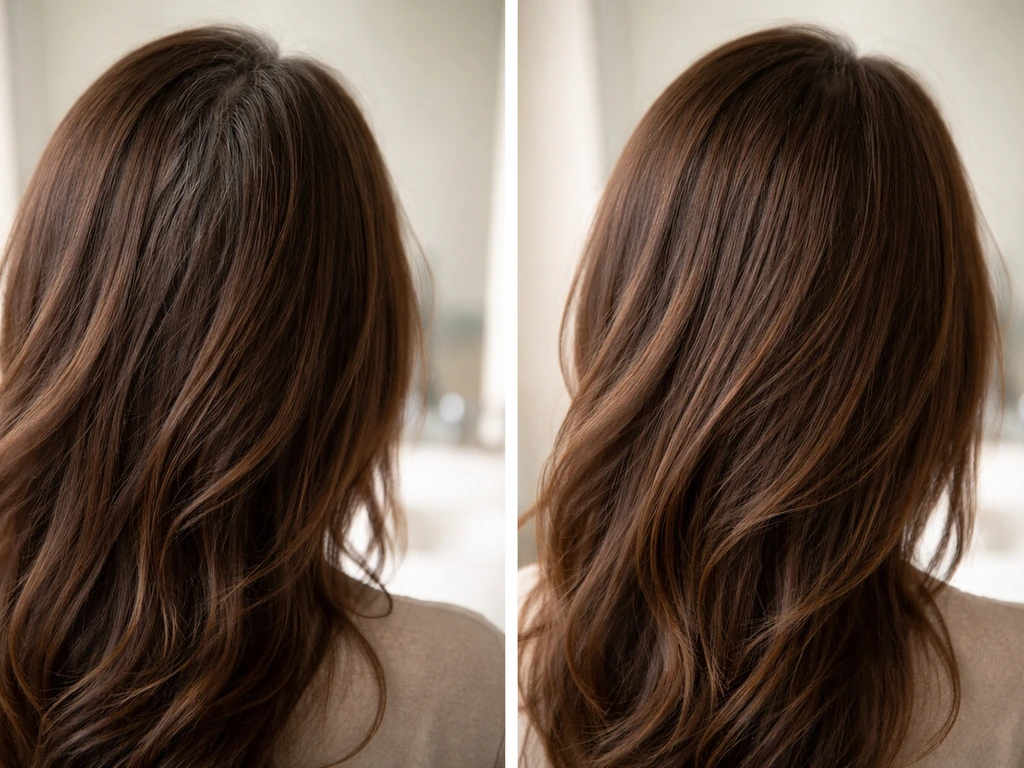
Reality check: what growing out gray hair actually looks like
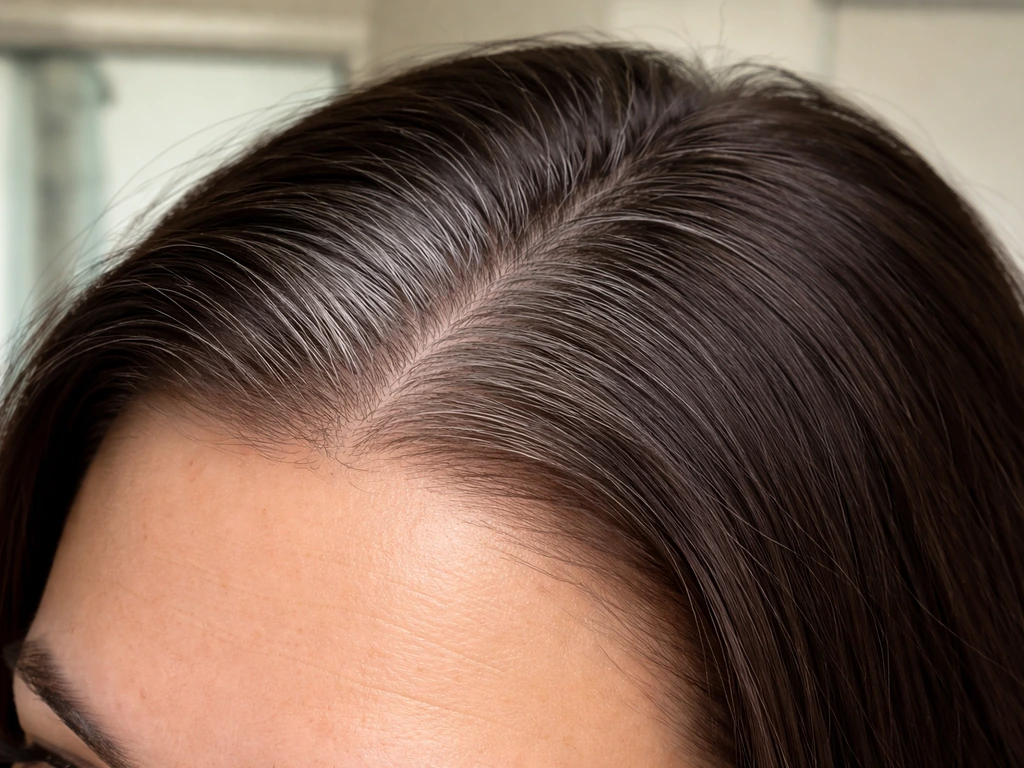
Most people searching for ways to secretly grow out gray hair are dealing with one of two situations. Either they have been coloring their hair for years and are tired of the maintenance cycle, or they have been holding off on dyeing and now have a visible line of demarcation they do not know what to do with. Both are completely normal, and both are solvable, but only if you go in with realistic expectations about timing.
Scalp hair grows at roughly 0.5 inches (about 1 centimeter) per month on average, though that range spans from just under half a centimeter to over 3 centimeters depending on genetics, health, and age. That means growing two inches of new gray root takes approximately four months minimum. If you have shoulder-length hair and you are starting from scratch, you are looking at a multi-year process. That is not a scare tactic, it is the kind of honest framing that stops people from panicking at month two and reaching for the box dye again.
The other thing worth naming early: gray hair is physically different from pigmented hair. It tends to be coarser, stiffer, and more wiry because the structural and chemical properties of the hair shaft change as pigmentation decreases. That affects how it behaves during the grow-out, how it takes color if you use any transitional techniques, and what styling products actually work for it. Knowing this upfront means you will not spend months blaming your technique when the real issue is the texture shift.
How to grow without dye: a haircare routine built for regrowth
If you are going fully natural, no color, no concealment, your haircare routine needs to shift. Gray hair is more porous and can pick up yellow or brassy tones from hard water, product buildup, and sun exposure. A purple or violet toning shampoo used once or twice a week keeps the gray looking cool and clean rather than dingy. You do not need to use it every wash; alternate it with a moisturizing shampoo because toning formulas can be drying.
Hydration is the single biggest lever you have over how this process looks. Coarser gray strands absorb moisture less efficiently than pigmented hair, so deep conditioning once a week is not optional, it is the difference between gray hair that looks polished and gray hair that looks dull and frizzy. Look for products with humectants like glycerin or hyaluronic acid, plus emollients like shea butter or argan oil. A leave-in conditioner or lightweight hair oil applied to damp hair before styling makes a visible difference in how the regrowth blends with your existing color.
- Use a sulfate-free shampoo to avoid stripping the scalp or drying out the new growth
- Add a purple or blue toning shampoo one to two times per week to neutralize yellow tones in gray
- Deep condition weekly with a product that contains both humectants and emollients
- Apply a UV-protectant hair product or wear a hat in strong sun — UV exposure yellows gray faster
- Minimize heat styling where possible; when you do use heat, use a protectant spray
- Avoid clarifying shampoos more than once a month unless you have significant buildup
Transition timelines by haircut stage
Where you are in your cut right now completely changes what the next six to twelve months will feel like. Here is a realistic breakdown by starting point.
Pixie or buzz cut
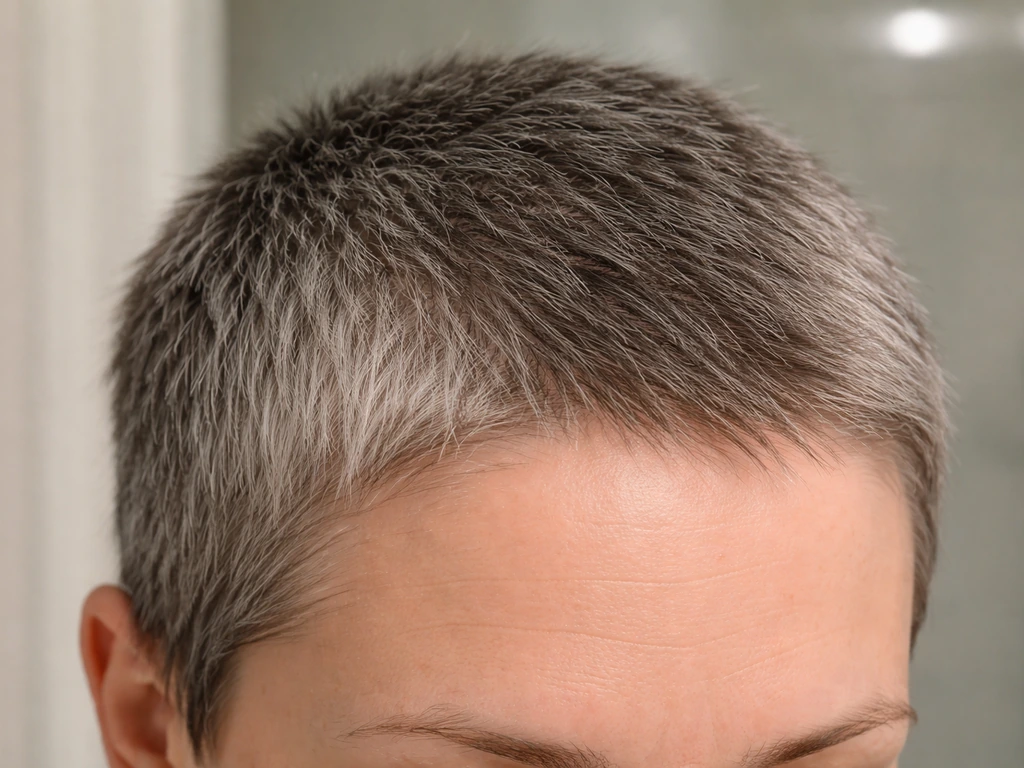
Starting from a pixie or buzz is genuinely the easiest entry point for a gray transition because there is very little previously colored hair to grow out. Within three to four months you will have enough length to start shaping the regrowth into something intentional. Allure, citing a dermatologist, notes hair commonly grows about 0. 5 inches per month, which helps frame realistic timelines for pixie to longer styles [How Long Can You Grow Out a Pixie Haircut?
](https://www. allure. com/story/how-to-grow-out-pixie-cut). By month six you can typically rock a short textured cut where the gray is clearly the feature, not the problem.
The challenge at the pixie stage is the awkward in-between phase around months two and three when the hair is too long to be close-cropped but too short for most styling options. This is when targeted trims, not full cuts, on the sides and back keep the shape clean without sacrificing length on top.
Bob or lob (long bob)
A bob is the trickiest starting point because there is often a significant amount of previously colored hair hanging below a visible gray root line. At half an inch of growth per month, a chin-length bob with two inches of root has already been in progress for about four months, which means the line of demarcation is visible and often harsh. The strategy here is to use the bob's shape to your advantage: ask your stylist for soft, face-framing layers that break up the line rather than emphasizing it. Many people growing out gray successfully from a bob find the transition actually easier than expected once they hit about three to four inches of new growth, because the gray starts to read as an ombre rather than a root.
Undercut or shaved sections
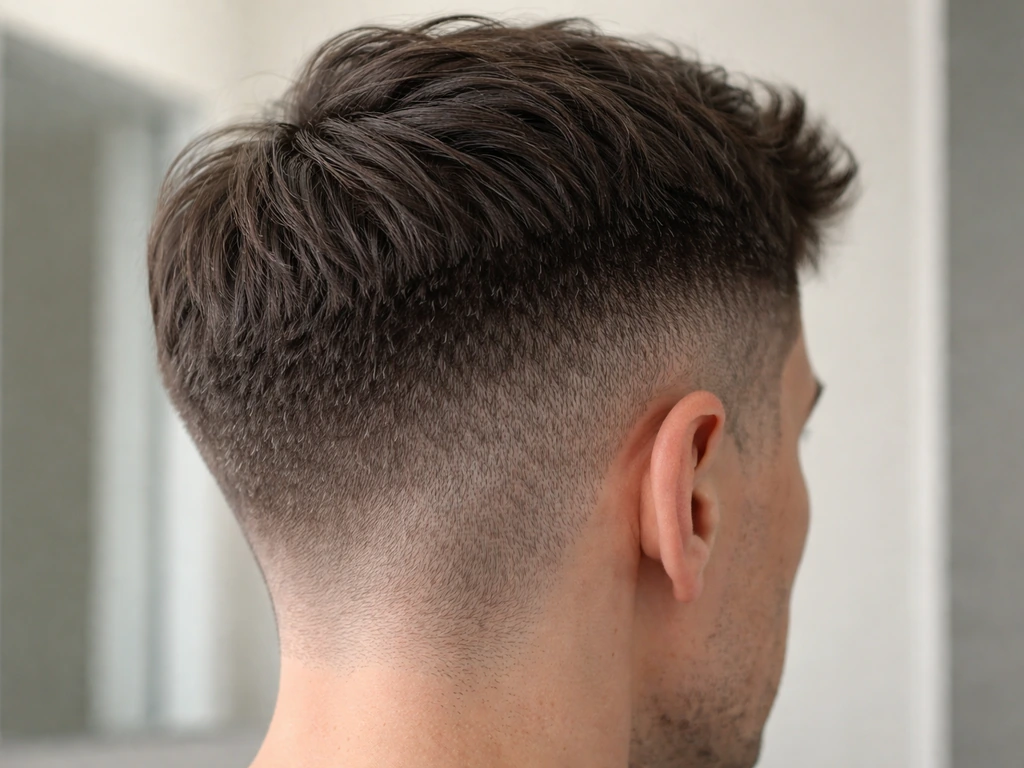
If you have an undercut, the shaved sections grow in fast and visibly. The gray at the nape or sides will be obvious because the hair is so short. Some people lean into this by keeping the undercut fresh with close trims while growing the top section longer, this actually works well for a gray transition because the contrast looks deliberate. If you want to conceal the undercut grow-out, styles that cover the nape (low buns, half-up styles) buy you time while the undercut catches up to the rest.
Bangs
Bangs are a wildcard. Gray at the temples and hairline shows up fast, and if you have bangs they often frame the most visible area of regrowth directly. If your bangs are dyed and your root is growing in gray, you have two realistic paths: keep trimming the bangs to maintain the style while gradually blending the color, or start growing the bangs out alongside the gray to reset everything at once. Growing bangs out alongside gray regrowth is longer but often cleaner in the end. Side-swept styling, headbands, and clips can make the grow-out phase look intentional rather than unkempt.
Make the awkward phase look intentional

The real secret to secretly growing out gray hair is styling it so it looks like you meant it. Here is the thing: most people cannot tell the difference between "growing out gray" and "doing a gray ombre on purpose." The key is framing.
- Wear your hair in styles that show the contrast as a gradient rather than a hard line: loose waves, braids, and textured updos all soften the regrowth
- Use accessories strategically — headbands, scarves, and clips worn at the hairline draw the eye to the accessory, not the root
- Add volume at the roots with a volumizing mousse or dry shampoo; flat, limp hair emphasizes the line of demarcation while lifted, textured hair diffuses it
- Side parts and deep parts can shift the visible root line into a more shadow-root-like effect
- Ask your stylist to add soft, face-framing highlights or lowlights that blend toward the new gray — this creates a gradient that reads as intentional color work
- Embrace the two-tone look by naming it: if someone comments, saying "I'm doing a silver transition" sounds confident and deliberate, not stuck
Temporary vs permanent color: how to use them during the transition
This is where the "secretly" part of the question comes in for a lot of people. You want to look put-together while the gray grows in, but you do not want to lock yourself back into a full color cycle. The good news is there is a wide middle ground between permanent dye and going cold turkey.
| Option | Commitment Level | Best For | Watch Out For |
|---|---|---|---|
| Root touch-up sprays or powders | Zero — washes out same day | Covering regrowth for events or photos | Rain, sweat, transfer onto clothing or pillows |
| Temporary root concealer (cream or stick) | Very low — lasts until next wash | Day-to-day coverage of the hairline | Can look heavy if overapplied; needs reapplication |
| Semi-permanent or demi-permanent color | Low — fades over 6 to 12 washes | Blending the line of demarcation without harsh regrowth later | Still adds color that will fade unevenly; requires some maintenance |
| Highlights or balayage at salon | Moderate — grows out gracefully | Blending gray into existing color so both coexist naturally | Cost and time; not suitable if you want to go fully natural quickly |
| Permanent hair dye | High — creates a new line of demarcation | Not recommended during grow-out unless resetting entirely | Restarts the cycle and creates the harsh root line you are trying to avoid |
The most ethical and sustainable approach during a gray grow-out is to go lighter in commitment over time. Many people start with a semi-permanent color to soften the line, then switch to root powders for spot coverage, then eventually stop covering altogether once the gray length is long enough to look like a finished style. This stair-step approach prevents the harsh regrowth lines that come from stopping permanent color abruptly. If you have been using permanent dye for a long time, a single session of balayage or highlights at the salon, specifically designed to blend toward your natural gray, can buy you six to twelve months of graceful grow-out without creating a new hard line.
Managing blends, layers, and regrowth textures (and the mistakes to avoid)
Layers are your best friend during a gray transition and one of the most misunderstood tools in the process. A lot of people avoid getting any cut because they are afraid of losing length. But leaving the hair without any shape during the grow-out creates bulk and disconnection between the gray new growth and the older colored hair. Strategic layers, placed in the mid-lengths and ends, remove weight without shortening the overall length significantly, and they help the two textures blend rather than sitting in visible separate blocks.
One of the most common mistakes is waiting too long between trims and then cutting off too much at once in frustration. A trim every eight to ten weeks that removes half an inch to an inch keeps the ends healthy and the shape intentional without setting back the timeline meaningfully. Another common mistake is using heavy, oil-based styling products on new gray growth. Gray hair is already coarser and tends to be more porous, so heavy products create buildup and a flat, dull appearance. Lightweight mousses, leave-in sprays, and gel-cream hybrids work better and give the texture something to work with rather than weighing it down.
- Do not skip all trims — shapeless grow-outs look accidental, not intentional
- Avoid using dark permanent dye to "fix" an uneven grow-out; it creates a new harsh line in a few weeks
- Do not use hot tools on dry gray hair without a heat protectant — gray hair is already more fragile at the cuticle level
- Avoid clarifying shampoos too frequently; they can strip the moisture that gray hair already struggles to retain
- Do not compare your timeline to someone else's — growth rate genuinely varies by up to five times between individuals
Your confidence plan: maintenance schedule and decision points
The grow-out process has natural decision points where you need to check in with yourself and decide whether to stay the course, adjust the approach, or pivot. During lockdown, building your plan around your access to salons and supply timing can make the grow-out feel smoother and more realistic. Building these into your schedule ahead of time removes the reactive panic that leads people to grab the box dye at month three.
- Month 1 to 2: Establish your haircare routine (toning shampoo, deep conditioning, heat protectant). Do not cut anything yet. Get familiar with your gray pattern — is it concentrated at the temples, the crown, or distributed evenly? This affects your styling strategy.
- Month 3: Book a shape trim (not a cut). Discuss with your stylist whether blending highlights, balayage, or a different part placement would help the transition look more deliberate. This is also when many people feel the most frustrated — plan for it.
- Month 4 to 6: Reassess the line of demarcation. If it is harsh, a single session of non-permanent color blending can smooth the transition without restarting the cycle. If it is softening naturally, keep going.
- Month 6 to 9: The gray is now long enough to start reading as a style feature rather than a regrowth situation. Lean into it. Experiment with styles that showcase the contrast as intentional ombre or shadow root.
- Month 9 to 12 and beyond: Depending on your starting length and cut, you may be approaching a point where most of the old color has been trimmed away. Celebrate the milestones — even half an inch of progress is real progress.
Your next step depends entirely on where you are starting. If you are at a pixie or buzz, you are in the best possible position, lean into the short style while the gray grows in and plan a shape trim around month three. If you are starting from a bob or longer, look into a blending session with a colorist who has experience with gray transitions specifically, not just general color. The question of how to grow out gray hair without a visible line is one many people navigate, and the answer usually involves that single strategic blending appointment that makes the rest of the grow-out look like a plan rather than an accident.
Above all, remember that no one is scrutinizing your roots as closely as you are. Most of what feels obvious to you is invisible to everyone else. The goal is not perfection at every stage, it is maintaining enough shape and intentionality that you feel confident walking out the door while the real work happens on your scalp over the next several months. If you are in the UK, you can also look for products and salon services that suit your local water quality and seasonal conditions how to grow out grey hair uk.
FAQ
How can I make the regrowth look intentional if my gray starts at the roots but my ends are still dyed darker?
Aim for a “root-to-mid” blur rather than trying to match everything at once. Use layers so the shorter mid-lengths sit closer to the gray root, then refresh shape with a small trim interval (every 8 to 10 weeks) so the transition reads like an ombre effect, not a line. If you want extra help during the harshest months, a stylist can place a low-commitment blend that targets the demarcation zone only (not a full re-color).
What’s the safest option if I don’t want to use permanent dye again but I still need coverage right now?
Choose temporary or semi-temporary coverage that fades without leaving a hard edge. Root powder or a color-depositing tinted spray is usually easier to manage than semi-permanent dye, because you can spot-apply exactly where the line is. Keep the rest of the hair neutral with a moisturizing routine so the coverage can gradually “give” as you trim and grow.
How do I prevent gray hair from turning brassy or yellow while I’m growing it out?
Toning is only part of it. In addition to using a violet or purple shampoo once or twice a week, reduce the “yellow drivers” by clarifying occasionally to remove buildup, and protect from sun when you can (a hat or hair UV protection spray). If your water is hard, consider a shower filter or a chelating treatment periodically, since buildup can mimic or intensify brassiness.
If gray hair feels coarser, what should I change in my products and washing routine?
Switch from heavy creams and oils to lightweight, water-based conditioning. Use a deep conditioner at least weekly, then follow with a leave-in spray or gel-cream on damp hair, and avoid piling multiple dense products at the roots. If you use toning shampoo, alternate with a moisturizing shampoo because toning formulas can make hair feel drier over time.
How often should I trim during a grow-out if I’m trying to avoid losing length?
Don’t wait until you’re fed up and then cut a big section. A practical approach is a trim every 8 to 10 weeks, removing about half an inch to an inch, focusing on split ends and maintaining shape. Layers in the mid-lengths and ends can reduce bulk so the gray blends better without taking away much overall length.
What should I do about bangs if only the roots are gray but the rest is dyed?
Decide whether you want “blend over time” or “reset all at once.” If you blend, keep trimming to preserve the style while using clips or side-swept positioning to move attention away from the root line. If your bangs are dyed and the root is visible, growing them out alongside the gray can be cleaner long-term because you are not fighting two timelines at once.
Can I use hair oil on gray regrowth, or will it cause buildup and dullness?
You can, but use it sparingly and only on the areas that need it. Because gray hair can be more porous and buildup-prone, choose lightweight formulas and apply a small amount to mid-lengths and ends, not the scalp. If your hair looks flat or feels coated, reduce oil frequency and rely more on conditioner and leave-in for slip.
How do I handle the awkward stage at 2 to 3 months, when hair is too long to look short but too short to style well?
Use “shape-focused” tactics, not full hairstyle changes. Target trims on the sides and back to keep the silhouette clean while letting the top length hold, then rely on quick styling tools that work at short lengths (texturizing mousse, a simple side part, or a controlled blow-dry). This reduces the visibility of the demarcation because the overall cut guides the eye.
Is it better to blend with a single salon appointment or keep DIYing with powders and toning at home?
If the demarcation is currently harsh, a single salon blend can be a time-saver because it smooths the transition zone that you cannot easily fix at home. After that, maintain the look with at-home toning and selective spot coverage. If your line is mild and you are early in the process, DIY usually works, but be consistent so the fading stays gradual.
How can I tell whether my hair is getting brassy from water or from product buildup?
If brassiness looks worse around the first days after washing, it can be water or sun related. If it intensifies after you add styling products, it may be buildup. In that case, use an occasional clarifying step and then resume toning (violet shampoo) in the wash cycle that follows, so you can separate “yellow from buildup” versus “yellow from exposure.”
What’s the best way to make “secrecy” easier if I wear my hair up sometimes?
Plan for visibility changes. Updos expose the hairline, temples, and nape, so focus your most careful coverage and styling on those areas (root powder spot checks, tidy clips, or a low bun that lets the transition look smooth). If you keep the undercut or shaved sections, frequent small trims can keep the contrast looking deliberate instead of patchy.