
Bar hair is facial hair, and growing it out well takes about three to six months of committed patience, a consistent grooming routine, and decent skin care underneath. Most people quit during the awkward four-to-eight-week phase when it looks patchy, feels itchy, and sits at that terrible in-between length. If you can push through that window with the right habits, the hair almost always fills in more than you expected.
How to Grow Bar Hair: A Step-by-Step Guide

Marcus Vickers
21 Jun 2026
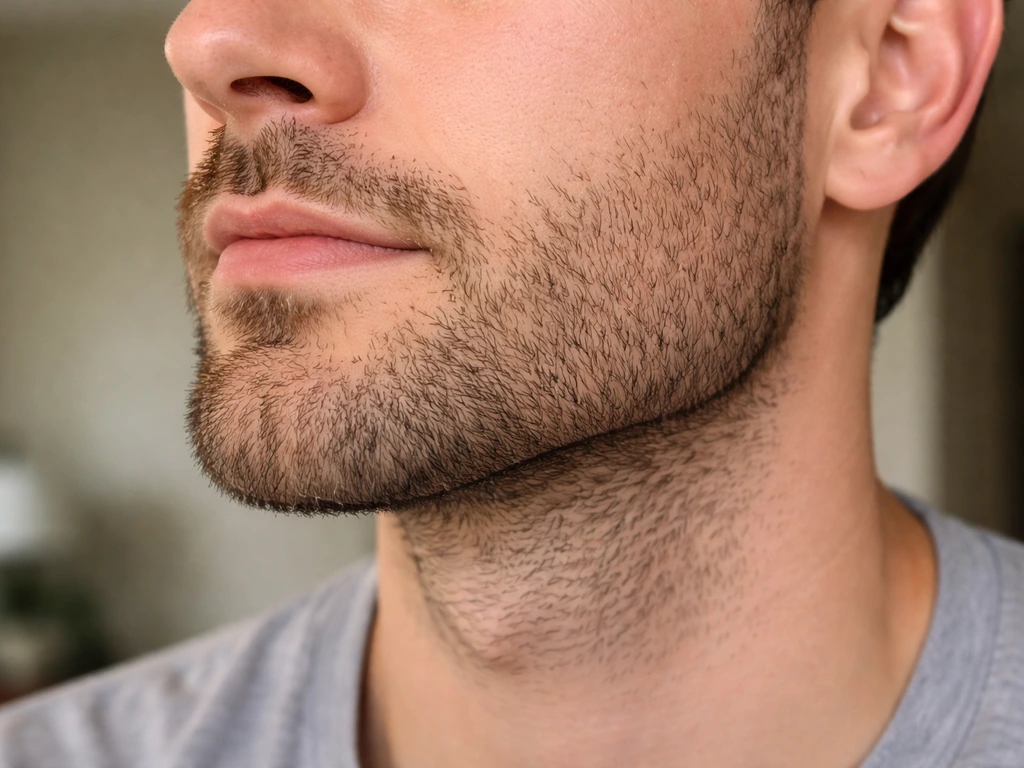
What 'bar hair' actually means and what's realistic to expect
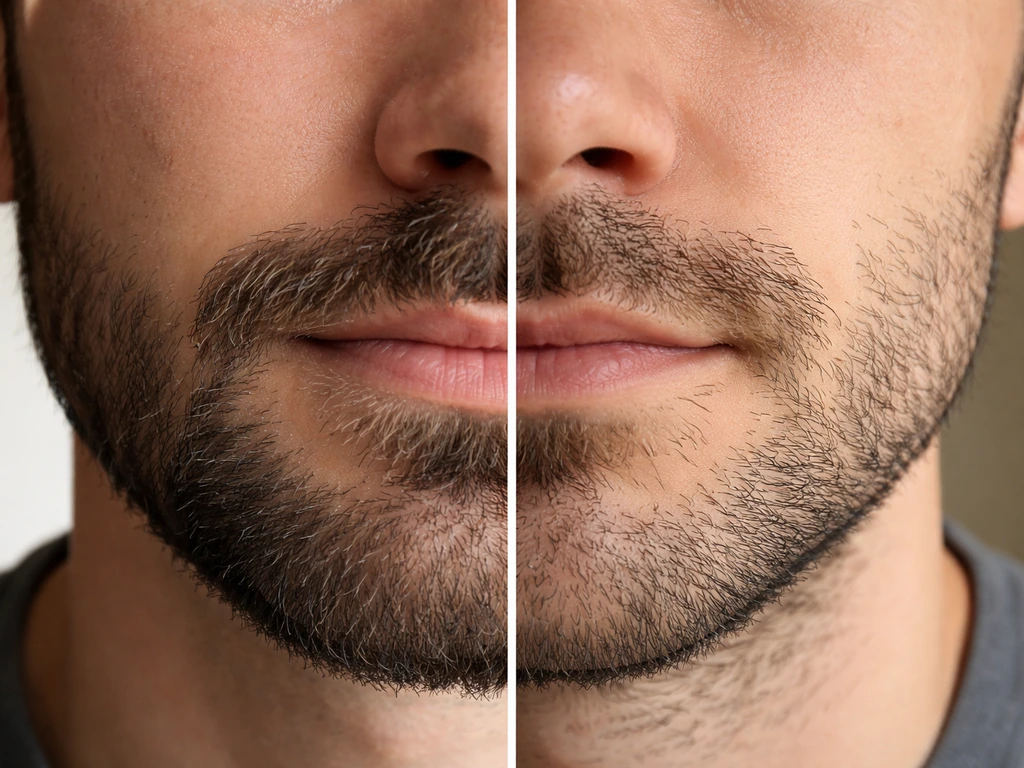
Bar hair refers to facial hair, specifically the kind of full, well-kept beard or mustache you'd associate with a classic barbershop look: dense, intentional, styled. Whether you're starting from a clean shave, a patchy five-o'clock shadow, or a short beard you're trying to take longer, the grow-out process is essentially the same. You're working with the natural hair follicle cycle, which runs through four phases: blank" rel="noopener noreferrer">anagen (active growth), catagen (brief regression), telogen (rest), and exogen (shedding). Facial hair follicles each run on their own independent schedule, which is exactly why growth looks uneven at first. That's not a defect. It's just biology catching up with itself.
Realistic expectations matter here. Facial hair grows roughly half an inch per month on average, though genetics, age, and hormone levels influence that number significantly. A full beard from a clean shave typically takes three to six months to look intentional rather than accidental. A mustache alone can look solid in six to eight weeks. Patchiness during the first month is almost universal, and thickness often improves dramatically between weeks four and twelve as slower follicles catch up. If you've grown facial hair before and know your pattern, you have a head start. If this is your first serious attempt, give yourself at least three full months before drawing any conclusions.
Month-by-month growth stages: what to expect and when
Understanding where you are in the process makes the awkward phases much easier to tolerate. Here's a practical breakdown of what most people experience.
| Stage | Timeframe | What It Looks Like | What To Do |
|---|---|---|---|
| Stubble | Days 1–10 | Short, sharp, slightly uneven; may feel rough | Leave it alone, cleanse daily, moisturize skin |
| Early growth | Weeks 2–4 | Patchy, coarser texture emerging, itch peaks | Resist trimming, focus on skin care, stay hydrated |
| Awkward phase | Weeks 4–8 | Uneven lengths, some gaps visible, shape unclear | Light shaping of neckline only, keep washing and conditioning |
| Filling in | Weeks 8–12 | Patches start to close, shape becomes readable | Begin regular trimming to guide shape, condition beard hair |
| Established growth | Months 3–6 | Density improves, length gives styling options | Trim and style intentionally, full grooming routine in place |
| Full bar hair | Month 6+ | Dense, shaped, well-maintained look achievable | Maintain with trims every 2–4 weeks, ongoing skin and beard care |
The single biggest mistake people make is trimming too early. Shaping the beard before week six almost always makes patchiness look worse because you're cutting down areas that were about to fill in. The exception is the neckline: keeping that clean from week two onward makes the whole thing look more intentional even during the awkward phase.
Your daily grooming routine during the grow-out

A simple, consistent routine does more for bar hair than any product alone. The goal during grow-out is to keep the hair clean, the skin healthy, and the edges just tidy enough to look deliberate without interrupting growth. Here's what that looks like day to day. If you want to keep improving as a barber, focus on consistent technique and grooming habits as your beard grows how to grow as a barber.
Washing
Wash your beard two to three times a week with a dedicated beard wash or a gentle, sulfate-free shampoo. Daily shampooing strips the natural oils that keep facial hair soft and the skin underneath balanced. On non-wash days, rinse with warm water and let it air dry. Avoid hot water directly on the beard for long periods, it dries out the hair shaft and makes the whole thing feel wiry.
Conditioning
Beard conditioner or beard balm applied after washing makes a real difference in how the hair lies and how soft it feels. Facial hair is coarser than scalp hair, so it benefits from conditioning more, not less. Work a small amount through the hair when it's still slightly damp, then comb through. If you're using beard oil, apply it to slightly damp skin and hair right after washing, not to dry hair at the end of the day when it won't absorb properly.
Trimming and shaping
During the first four weeks, only touch the neckline. Find the natural curve about an inch above your Adam's apple and keep everything below that clean. From weeks four to eight, you can lightly tidy flyaways with scissors but resist clipper work on the beard itself. From week eight onward, use a trimmer with a guard to even out the longest areas and start defining a shape. Trim less than you think you need to. It's much easier to take more off later than to wait for hair to grow back after an over-enthusiastic session.
The skin underneath: stopping itch, flakes, and irritation
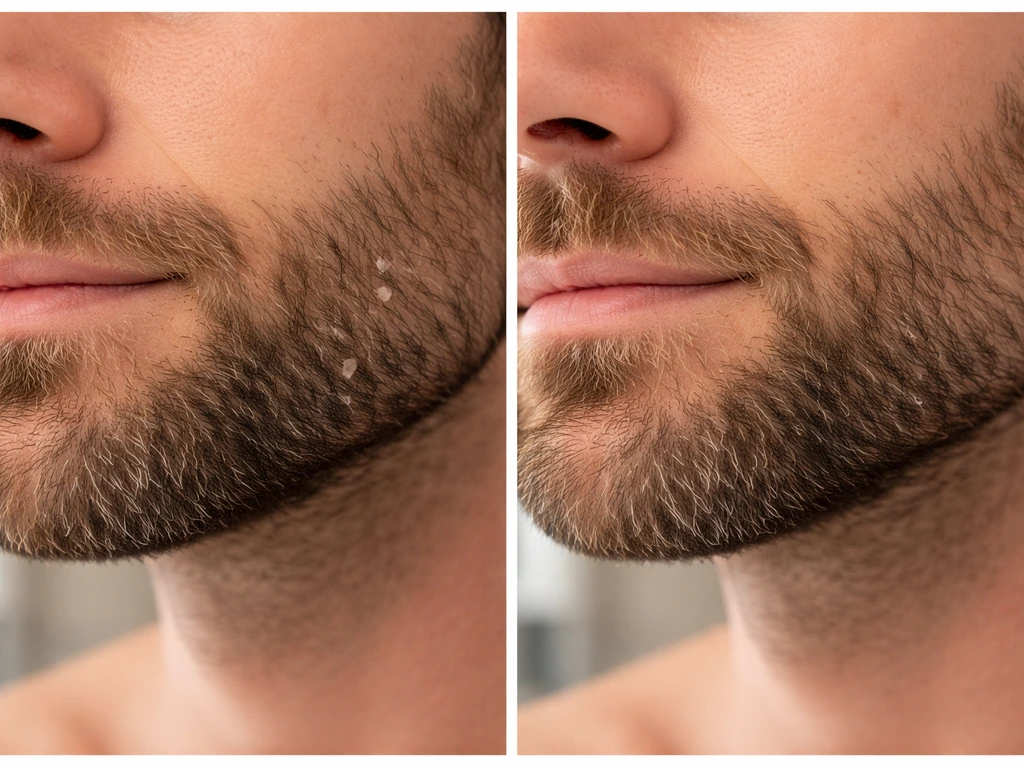
Most of the misery people associate with growing a beard comes from what's happening at skin level, not the hair itself. The good news is almost all of it is manageable with a few simple adjustments.
- Itch is caused by dry skin and the sharp ends of newly grown hairs grazing the skin. It usually peaks around weeks two to four and fades significantly once hair is long enough to lie flat. Daily beard oil or a light facial moisturizer applied to the skin directly combats this.
- Flaking (beard dandruff or seborrheic dermatitis) happens when skin gets dry or fungal imbalance occurs under the hair. Use an antifungal shampoo like one containing zinc pyrithione or ketoconazole once a week on the beard area if flaking is persistent.
- Ingrown hairs are most common along the neckline and cheeks, especially in people with curly or coarse hair. Exfoliate the skin two to three times a week with a gentle facial scrub or soft brush to lift trapped hairs before they curl back in.
- Razor bumps (pseudofolliculitis barbae) appear when shaved hairs re-enter the skin. If you're shaping edges with a razor, use single-blade razors, shave with the grain, and follow with a fragrance-free aftershave balm rather than an alcohol-based one.
- General irritation often comes from using the wrong products. Skip anything with synthetic fragrance or alcohol high on the ingredient list. Both dry out skin and disrupt the microbiome under the beard.
One underrated move: combing the beard daily with a wide-tooth comb or boar bristle brush. It distributes natural oils, trains hairs to lie in one direction, and keeps the skin exfoliated without any extra effort.
What actually helps bar hair grow: lifestyle, nutrition, and habits
No serum or supplement overrides your genetics when it comes to where your follicles are distributed and what your maximum beard density looks like. That said, your lifestyle has a real and measurable effect on whether your follicles are operating at their best or underperforming due to nutrient deficiency, stress, or poor sleep.
Nutrition
Hair is made of keratin, a protein, so adequate protein intake is foundational. Aim for at least 0.7 to 1 gram of protein per pound of body weight daily from whole food sources. Biotin (vitamin B7) gets a lot of attention for hair growth, and while a genuine deficiency can slow growth, most people eating varied diets aren't deficient. More directly useful are zinc (found in meat, seeds, and legumes), vitamin D (sunlight and fatty fish), and iron (red meat, lentils, leafy greens). Low levels of any of these are consistently linked to slower hair growth and increased shedding across multiple studies.
Sleep and stress
This one gets dismissed as generic advice, but it's genuinely relevant to hair growth. High chronic cortisol (the stress hormone) can push hair follicles from the growth phase (anagen) into the resting phase (telogen) prematurely, which means more follicles sitting idle at the same time.
High chronic cortisol can push hair follicles from the growth phase (anagen) into the resting phase (telogen), which aligns with the hair growth cycle described as anagen followed by catagen and telogen from the growth phase (anagen) into the resting phase (telogen) prematurely.
Consistently sleeping less than six hours amplifies that effect. Seven to nine hours of quality sleep is when the body runs most of its repair and growth processes, including hair follicle cycling. If you're dealing with patchiness or slow growth alongside poor sleep and high stress, fixing those two things first is worth more than any topical product.
Hydration and circulation
Dehydration affects skin elasticity and the delivery of nutrients to follicles. Drink enough water daily (the rough guide is half your body weight in ounces as a baseline), and don't forget that caffeine and alcohol both have dehydrating effects if consumed in excess. Light exercise that improves circulation to the skin also supports follicle health, this isn't about going to the gym for aesthetics, just about keeping blood flowing to the face regularly.
Hair-care habits that help versus hurt
- Do use beard oil or balm consistently: it keeps hair flexible and prevents breakage that makes thin growth look even thinner.
- Do comb daily with a soft brush: it stimulates the skin and trains growth direction.
- Don't over-trim: every unnecessary trim session is weeks of lost progress during grow-out.
- Don't use scalp hair products on facial hair routinely: the formulations are often too heavy or too stripping for the facial skin environment.
- Don't pick at ingrowns: it creates scarring that can permanently damage follicles in that spot.
Dealing with patchiness and slow growth
Patchiness is the most common reason people give up on growing bar hair, and it's almost always premature. Here's how to actually assess what you're dealing with and what to do about it.
Patchiness before week eight
If you're in the first two months, wait. Full stop. The majority of patchy beards fill in substantially between weeks four and twelve as follicles that enter the anagen phase on different schedules catch up with each other. Growing the hair longer also helps individual hairs lie across thinner areas and create the visual impression of density even when follicle count hasn't changed. The beard length that looks patchy at one inch often looks full at two inches.
Patchiness after three months
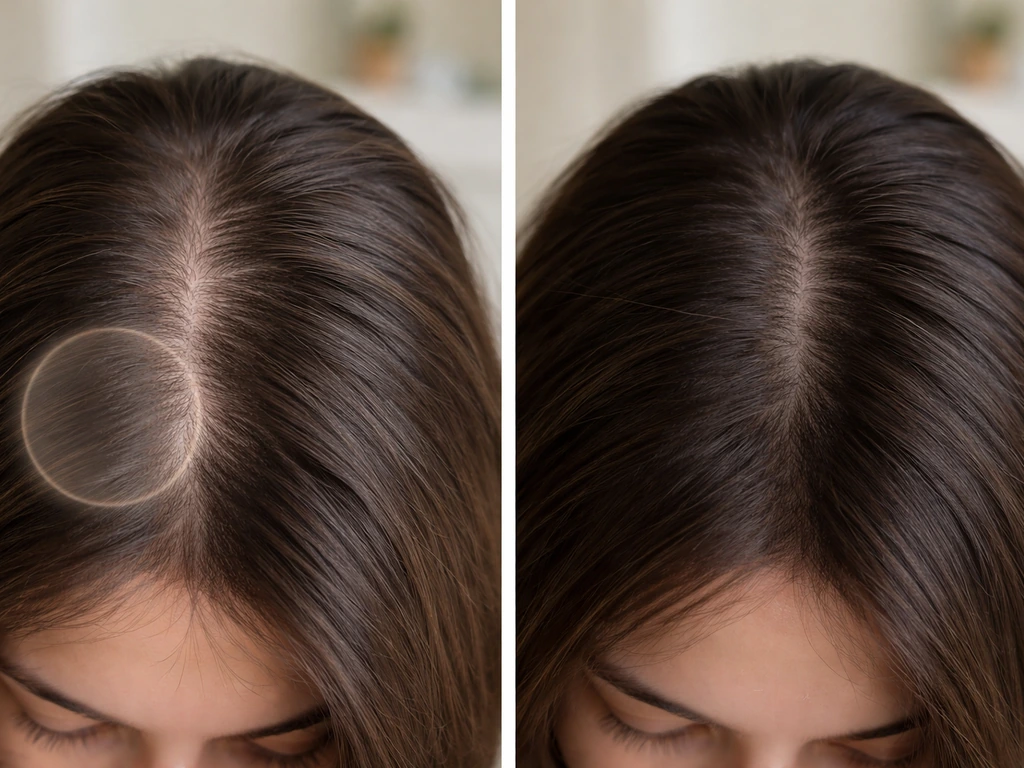
If you've been at it for three or more months and specific areas simply aren't producing hair, that's a different situation. First, rule out lifestyle factors: are you sleeping, eating enough protein, managing stress, and staying hydrated? If those are solid, the patch may reflect your genetic follicle distribution in that area. Some options here include styling the beard shape around the sparse area (working with your growth pattern rather than against it), using a beard brush to train neighboring hairs to cover thinner spots, or speaking to a dermatologist about evidence-based topical options.
Slow overall growth
If everything is growing but slowly, check nutrition and sleep first. A blood panel checking for low iron, vitamin D, zinc, and thyroid function can rule out the most common medical causes of slow hair growth. Minoxidil (more on this below) has good evidence behind it for stimulating beard growth in people with functional follicles that are underperforming. But before going that route, give lifestyle changes a genuine three-month trial and track what you're actually doing consistently.
When to bring a clinician into the conversation
Most beard grow-out challenges are solved with time, patience, and better habits. For business-side growth, this same patience and routine mindset is also the foundation behind how to grow your barber business, especially once you have consistent results clients can see. But there are situations where it's worth talking to a doctor or dermatologist, and knowing when to make that call saves you from wasting months on approaches that won't work for your specific situation.
- Alopecia barbae: circular bald patches in the beard that appear suddenly are a sign of alopecia areata affecting facial hair. This is an autoimmune condition and needs a dermatologist's assessment, not just better grooming.
- Persistent folliculitis: if you have recurring infected bumps in the beard area that don't respond to gentle cleansing and skincare, a clinician can prescribe appropriate topical or oral treatment.
- No visible growth at all after three to four months of consistent effort with healthy lifestyle habits, especially if you're under 30 where facial hair is still developing, is worth discussing with a doctor.
- Topical minoxidil for beard growth: this is an off-label use with solid evidence behind it. It works by prolonging the anagen (growth) phase in follicles. A dermatologist can advise on concentration, application frequency, and what results to realistically expect. Typical timelines for visible response are three to six months of consistent use.
- Hormonal factors: low testosterone or other hormonal imbalances can affect facial hair density. A simple blood panel ordered by a primary care physician can rule this out quickly.
Medical options like minoxidil are safe for most people when used as directed, but they work best as a complement to a solid grooming and lifestyle foundation, not as a shortcut around it. And if you've tried everything and your genetics simply produce a sparser beard than you'd like, a skilled barber can do a lot with shape and styling to maximize what you have. That's a worthwhile conversation too, and it connects directly to what good barbers and hairstylists do every day for clients navigating exactly this kind of transition. A hairstylist can also help you build clientele with practical in-salon strategies that turn satisfied clients into repeat business barbers and hairstylists do every day.
Growing bar hair is a process that rewards patience and consistent small actions more than any single product or hack. If you want a structured month-by-month plan for your routine, check out how to grow a barbershop beard step by step as you work through the awkward phase. Nail the daily routine, protect the skin underneath, keep your lifestyle basics solid, and give your follicles the time they actually need. The awkward phase is temporary. The result, when you stick with it, is worth the wait.
FAQ
How do I know I should stop growing it out and start shaping earlier than usual?
If you are in weeks 1 to 4, only adjust the neckline. For everything else, wait until at least week 6, since shaping too soon can make patchiness look worse. The only exception is uneven sideburn edges that you can tidy with tiny scissor snips (no clippering the beard itself).
What should I do if my beard itch is unbearable during the first month?
Treat itch as a skin problem first. Wash with a gentle, sulfate-free beard wash 2 to 3 times weekly, apply conditioner or balm after washing, and comb daily to reduce friction. Avoid heavy oils on dry skin, if you use oil, apply right after washing when hair and skin are slightly damp.
Should I oil my beard every day, or will it block growth?
Beard oil is for skin and softening, not for “unlocking” new follicles. If you use it daily, apply it to slightly damp skin after washing and keep the amount light so it does not leave a greasy film. Overdoing oil can worsen acne for some people, in that case reduce frequency and focus on balm/conditioner plus clean rinses.
Can I exfoliate my beard to help it fill in faster?
You can exfoliate, but keep it gentle and infrequent. Daily harsh scrubs can irritate follicles and increase itch. If you exfoliate, do it lightly with your normal rinse routine and use a beard brush or wide-tooth comb to handle mild buildup rather than adding strong acids or physical scrubbing.
Is it better to comb with a wide-tooth comb or a boar bristle brush?
Both work, but for different goals. A wide-tooth comb helps detangle without snagging and is good during the first weeks when hairs are shorter. A boar bristle brush can help distribute oils and train direction, but use light pressure so you do not tug sparse areas.
What length should I aim for before I judge whether my beard is actually filling in?
Do not make a final call until at least 8 to 12 weeks. Many beards look thin around 1 inch, then look fuller at 2 inches because hairs lay differently and slower follicles catch up. If you are under 2 months, the most useful move is to let it grow while keeping the neckline tidy.
If one patch is stubborn after three months, should I shave it or keep growing through it?
Usually keep growing and reassess the lifestyle factors first. If the area still does not produce after 3 months, it often reflects genetic follicle distribution. Instead of shaving (which resets your timeline), you can adjust shape to work around it and consider a dermatologist for evidence-based options if you want targeted treatment.
Does shaving clean reset the beard cycle and make it grow back thicker?
No. Shaving can change how your beard looks, but it does not guarantee thicker regrowth. It also erases progress you would otherwise use to assess fill-in over time, so for most people, trimming the neckline and waiting is more productive than full resets.
How often should I wash during the grow-out phase?
Aim for 2 to 3 washes per week. Daily shampoo can strip natural oils and make hair feel wiry, so on non-wash days rinse with warm water and air-dry. If you have oily skin or dandruff-like flaking, you may need more frequent wash, but keep products gentle.
What’s the safest trimming approach if I want an even look without ruining the grow-out?
From week 4 to 8, tidy flyaways with small scissor work and avoid clipper trimming on the beard itself. From week 8 onward, use a trimmer with a guard, take less off than you think you need, and re-check every few trims so you do not overcorrect before growth catches up.
Do supplements like biotin actually help if my diet is decent?
If your diet is varied, biotin usually is not a major driver, since true deficiency is uncommon. Focus first on meeting protein needs and getting adequate zinc, vitamin D, and iron. If you suspect a deficiency or have symptoms like fatigue or heavy shedding, ask a clinician about targeted blood work rather than starting multiple supplements blindly.
Can stress and sleep really affect beard thickness that much?
Yes, they can. High stress can shift follicles toward a resting phase earlier, and consistently short sleep can amplify that. If you are dealing with patchiness plus low sleep, improving sleep duration and stress management often gives more noticeable improvement than switching products.
When should I consider a blood test for slow beard growth?
If you have been consistent for 3 or more months and growth is still slow, consider a blood panel that includes iron status, vitamin D, zinc, and thyroid function. This is especially useful if you also have fatigue, widespread shedding, or other hair or skin changes.
Is minoxidil worth considering, and what’s the main risk to watch for?
Minoxidil can help if your follicles are functional but underperforming, it is best as a complement to routine and lifestyle basics. The main practical downside is irritation, so start carefully as directed and stop and seek advice if you get significant redness, swelling, or worsening dermatitis.
How do I choose a barber or stylist approach when my goal is a fuller barbershop look?
Ask for shaping that supports your natural growth pattern rather than fighting it. A good approach usually includes protecting the neckline early, using incremental trims after week 8, and styling that makes sparse areas look intentional. If you want targeted coverage for a specific patch, bring photos from different lengths so they can plan around your fill-in timeline.