
To grow your barber business, you need three things working together: a clear local brand that attracts the right clients, a repeatable system for turning those clients into regulars and referrers, and the operational setup to handle more bookings without running yourself into the ground. That sounds like a lot, but most barbers are only missing one or two pieces. Fix those, and the growth follows fast.
How to Grow Your Barber Business: Client Growth Plan

Marcus Vickers
27 Apr 2026
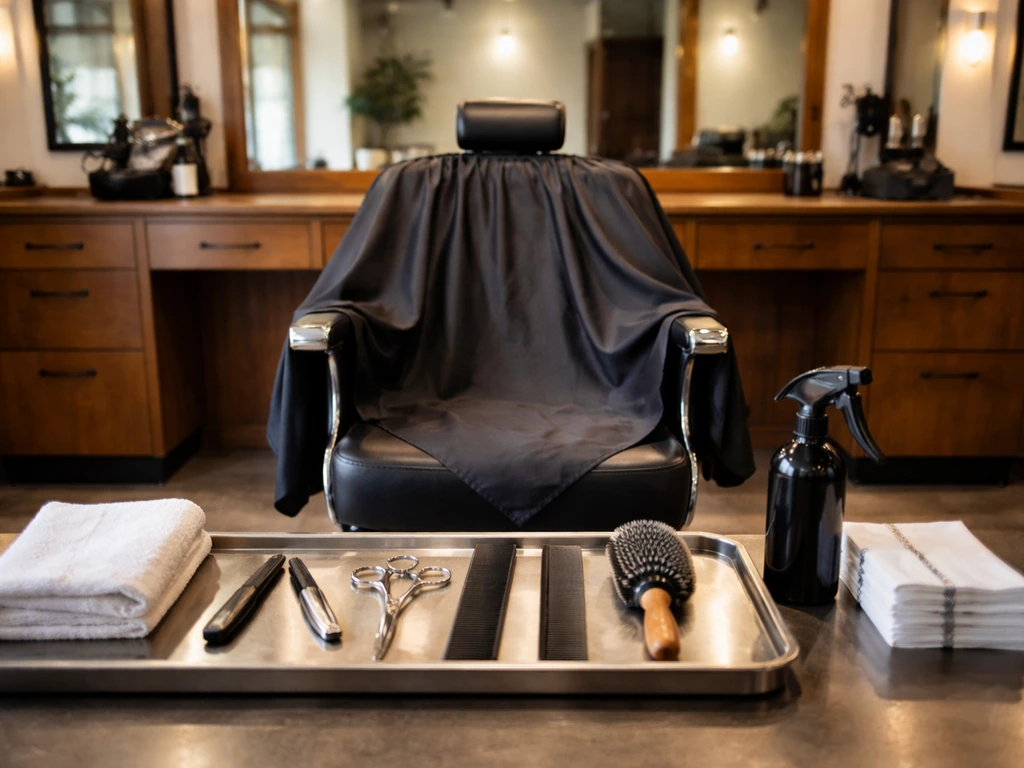
Positioning your barber brand in your city
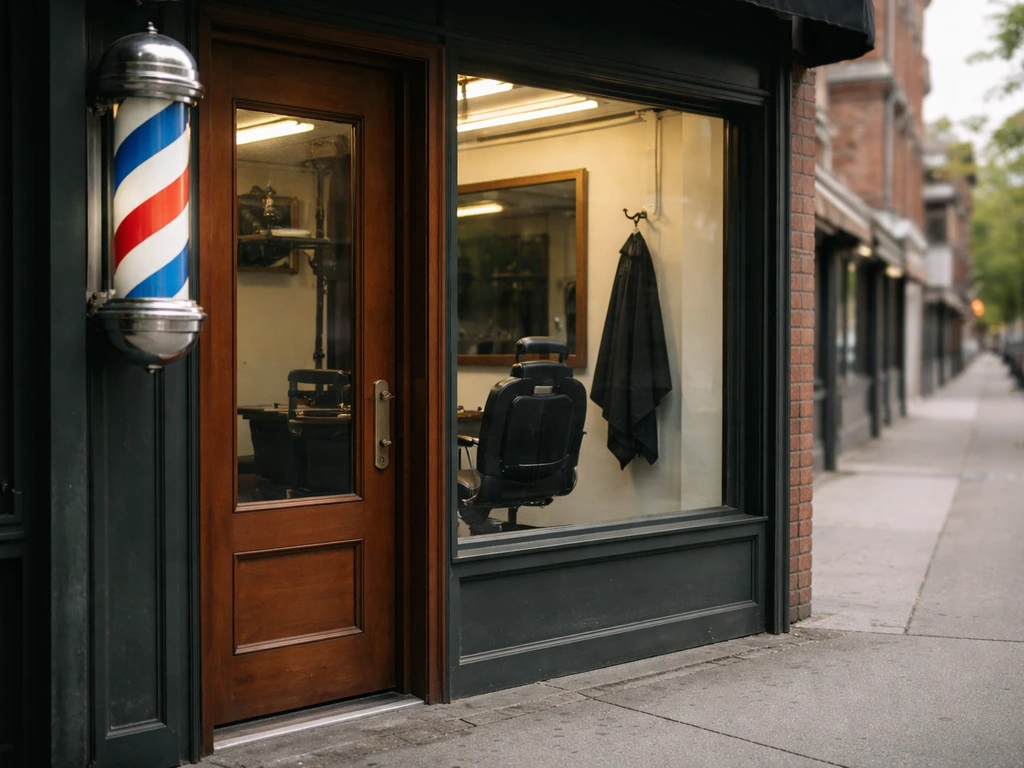
Most barbers try to appeal to everyone and end up being memorable to no one. The fastest way to grow locally is to become the obvious choice for a specific kind of client. That does not mean turning people away. It means leading with a specialty so clearly that when someone in your city searches for that thing, your name comes up.
Think about what you genuinely do better than the other shops in your area. Fades? Textured cuts for natural hair? Classic tapers for professionals? Helping clients through tricky grow-out transitions, like managing an undercut as it fills in or keeping a client looking sharp while their hair moves through an awkward in-between length? That last one is a real gap in most barbershops, and it can set you apart quickly.
Once you know your angle, your branding needs to reflect it everywhere: your Google Business Profile, your Instagram bio, even the way you describe yourself when someone asks what you do. "I specialize in fades and grow-out transitions for guys who are done starting over" is infinitely more powerful than "I do all hair types."
Claim and fully fill out your Google Business Profile if you have not already. This is non-negotiable. It is the first thing a local person searching for a barber will see, and a complete profile with real photos, updated hours, and 20-plus genuine reviews will beat a half-finished competitor profile every single time. Ask every satisfied client to leave a review immediately after their appointment. Make it easy by texting them the direct link.
Building clientele with a steady referral pipeline
Referrals are the single most efficient source of new clients for a local barber. A referred client already trusts you before they sit in your chair, they show up more reliably, and they tend to stay longer. The problem is that most barbers wait for referrals to happen naturally instead of building a system that generates them consistently.
The simplest referral system that actually works: tell your clients directly that you are growing your book, and ask if they know anyone who would benefit from your services. Do this when the client is freshest, right at the end of the appointment when they are looking in the mirror and feeling good. A simple "Hey, if you know anyone looking for a barber, send them my way" is enough. Most people will say yes and actually follow through if you ask in person.
To make referrals repeatable, add a small incentive. A referral card or a digital promo works well: the existing client gets a discount on their next cut, the new client gets a discount on their first. Keep it simple. A ten-dollar credit for each side is enough to make people think of you when the topic comes up.
Your best referral sources are not always your highest-paying clients. They are your most social ones. Identify five or six clients who are naturally talkative, who work in offices or gyms or other environments where they interact with a lot of people, and nurture those relationships deliberately. When you do exceptional work for them and they feel genuinely valued, they will mention you constantly without any prompting.
Marketing basics that actually work for local barbers
You do not need a big marketing budget to fill your chair. You need to show up consistently in the places your ideal clients are already looking. For most local barbers, that means three channels: Google, Instagram, and word-of-mouth infrastructure. Everything else is optional until those three are dialed in.
Instagram and short-form video
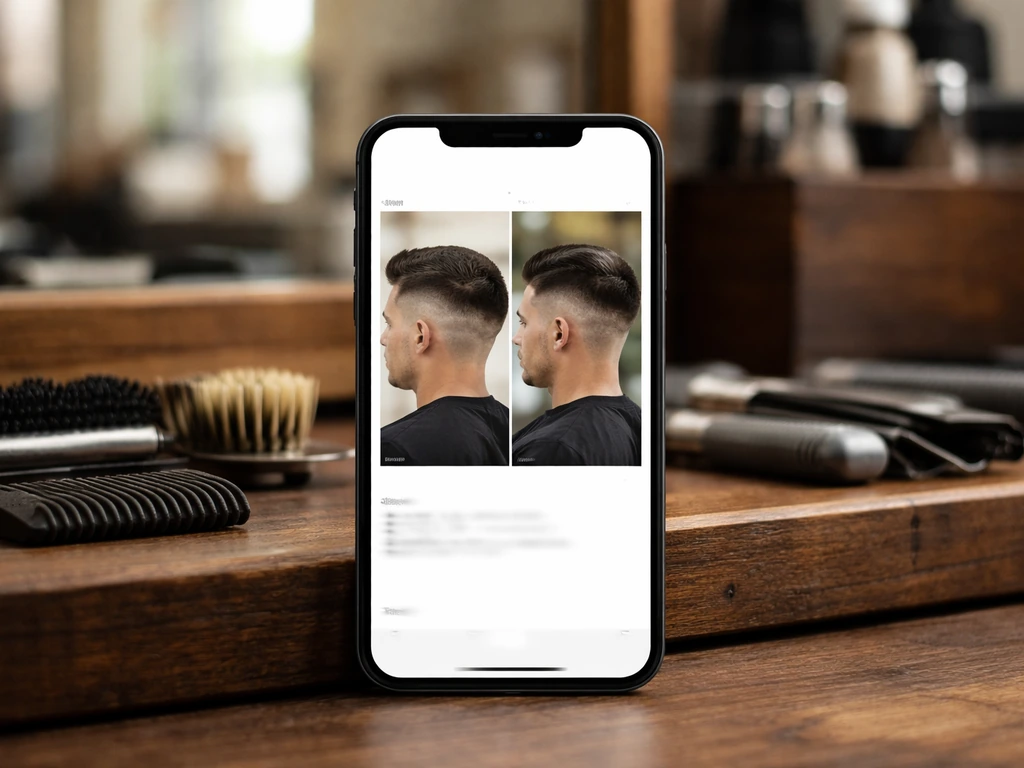
Instagram is still the most effective visual portfolio for barbers. Post before-and-after photos of every cut worth showing. Add your city and neighborhood name in the caption, not just generic hashtags. Reels get more reach than static posts right now, and even a simple 15-second clip of a fade blending out or a transformation on a client growing through an awkward phase performs well. Consistency beats perfection: three posts a week beats one polished post a month every time.
Local SEO and Google
People searching "barber near me" or "best fade in [your city]" are ready to book. Make sure your Google Business Profile is updated weekly with new photos, that your booking link is prominently listed, and that you are responding to every review. Google Business Profile Help recommends adding relevant business photos, such as exterior photos, to help customers recognize your business new photos. If you have a website, make sure your city and neighborhood name appear naturally in your page headings and descriptions. You do not need to hire an SEO agency for this. Basic consistency over a few months will move you up in local results.
Community and in-person presence
Sponsor a local sports team, show up at community events, or partner with a nearby gym or coffee shop for a small cross-promotion. These things feel old-fashioned but they work at the local level because they build real familiarity and trust faster than any ad can. One partnership with a popular local gym or fitness studio can send you a steady stream of new clients who are already exactly your demographic.
Pricing, packages, and retention
Pricing is where a lot of barbers either undercharge for years or raise prices clumsily and lose clients over it. Neither has to happen. The goal is to price in a way that reflects your skill, keeps clients coming back on a predictable schedule, and gives you room to grow without resentment creeping in.
Start by benchmarking against other skilled independents in your market, not the cheapest shop in town. If you are consistently delivering better results, you should be charging more. A ten to fifteen dollar gap between you and the budget chain shop is entirely sustainable if clients feel the difference.
Membership packages are one of the most powerful retention tools available to a local barber right now. A monthly membership, such as two cuts a month for a flat fee that works out to a slight discount per cut, does several things at once: it locks in recurring revenue for you, it creates a habit for the client, and it reduces the friction of booking because members tend to book ahead automatically. A simple three-tier structure works well for most shops.
| Tier | What's Included | Best For |
|---|---|---|
| Basic | 1 cut per month at a modest discount | Clients on a tighter budget or those with slower-growing hair |
| Regular | 2 cuts per month, priority booking | Your bread-and-butter weekly or bi-weekly client |
| Premium | 2 cuts plus a specialty service (beard, scalp treatment, grow-out consultation) | Clients who want the full experience and spend the most per visit |
Even if you do not launch a formal membership, pre-booking the next appointment before the client leaves your chair is the single easiest retention move you can make. Clients who pre-book show up at twice the rate of those who say they will call when they need it. Make it a habit to end every appointment with "Let's get your next one on the calendar."
In-demand services and booking systems
The services that fill chairs fastest are the ones solving a specific problem clients cannot easily solve elsewhere. Fades and tapers are always in demand, but the barbers who grow fastest right now are also the ones offering grow-out management consultations, natural texture work, and help for clients navigating in-between lengths after undercuts or short cuts. If you want to grow bar hair successfully, focus your service on grow-out management and guidance through the in-between stages grow-out management consultations. If you can position yourself as someone who helps clients through the whole hair journey, not just the fresh-cut moment, you create a longer-term client relationship.
On the operational side, a digital booking system is not optional anymore. Manual text booking wastes your time, creates scheduling errors, and makes you look less professional to newer clients who expect to book online in under two minutes. Tools like Square Appointments, Booksy, or GlossGenius let clients book 24/7, send automatic confirmations, and handle reminders without you lifting a finger.
No-shows are a serious drag on revenue. Data from appointment reminder platforms shows that no-show rates typically sit around 18% without reminders, and that a well-timed SMS reminder system can cut that rate down to around 6%. In a private orthodontic practice study, SMS text reminders reduced the no-show rate to about 14. 5% in the SMS arm versus no-reminder conditions [SMS reminder system can cut that rate down to around 6%](https://pmc.
ncbi. nlm. nih. gov/articles/PMC8288327/).
That is roughly a 67% reduction in missed appointments just from adding automated texts. Even a single reminder reduces no-shows by an estimated 14 to 18% on its own, and adding a day-of reminder improves that further. Set up automated reminders at 48 hours and again the morning of the appointment. Most booking platforms have this built in.
Once your booking system is running smoothly, look at your schedule for capacity gaps. If you consistently have open slots on Tuesday afternoons but are turning people away on Saturdays, consider a Tuesday-specific promotion or lower your weekend availability slightly to create more perceived demand. Scarcity is real when it is honest, and clients book faster when they see limited slots available.
Exceptional client experience: consistency, communication, and upsells
The client experience is not just the haircut. It starts the moment someone books and ends when they walk out the door. Every touchpoint in between is an opportunity to make them feel like they made the right choice, and that feeling is what drives both loyalty and referrals.
Consistency is the most underrated part of this. Clients should get the same quality, the same energy, and the same result whether you are at the top of your game that day or running on four hours of sleep. Build routines that protect quality: a standard consultation for new clients, a quick check-in with returning clients about what they want the same or different, and a clean finish every time before they leave the chair.
Communication matters more than most barbers realize. When a client is growing out an undercut or managing a tricky phase between lengths, tell them what to expect at the next stage. Explain the timeline, suggest how to style it in the meantime, and give them a reason to come back at a specific interval rather than waiting until it feels unmanageable. This is the same mindset the best grow-out guidance uses: stage-by-stage honesty, not pressure to cut it all off and start over. Clients remember and appreciate barbers who help them feel confident through the awkward phases.
Upsells work best when they feel like genuine recommendations, not a sales pitch. After the cut, a natural moment to mention a scalp treatment, a beard shape-up, or a styling product is when the client is looking in the mirror. "Your scalp has been looking a little dry lately, I have something that would help" lands completely differently than reading from a menu. Only recommend what is actually relevant to what you see, and your close rate on add-ons will be much higher than if you ask every single person.
Growing from solo to scaling: hiring, commission, and partnerships
At some point, you will hit a ceiling as a solo barber. There are only so many hours in the day, and if you are consistently booked out two or more weeks in advance with a waitlist, you are leaving money and potential clients on the table. That is the signal that it is time to think about scaling.
The two main models for bringing in another barber are booth rent and commission. With booth rent, the barber pays you a flat weekly or monthly fee to use the space and keeps everything they earn. With commission, they give you a percentage of every service they do, typically between 40% and 60% on your end, and you provide more support, supplies, or clientele. Booth rent is lower risk and easier to manage when you are starting out. Commission makes more sense if you are actively building a brand and feeding clients to the person you bring on.
Before you hire or bring on a booth renter, get your own systems airtight. If your booking, retention, and client experience processes are solid, they will transfer to a second barber with minimal friction. If they are not, adding another person just multiplies the chaos.
Partnerships with other local service businesses can also accelerate growth without adding overhead. A referral relationship with a nearby hair salon, a natural hair stylist, or a colorist means you are getting clients who are already invested in their hair care.
A referral relationship with a nearby hair salon, a natural hair stylist, or a colorist means you are getting clients who are already invested in their hair care, and if you want a deeper playbook for salon growth, see how to grow clientele as a hairstylist as a related option.
This kind of collaboration ties neatly into a grow-out-focused clientele: someone getting color work done at a salon while growing out a short cut is exactly the kind of person who also needs a skilled barber helping them manage the transition on the sides or back. Connecting with professionals who serve the same client in adjacent stages creates a network that benefits everyone.
If you are thinking about growing beyond just your own chair, the considerations overlap with what it takes to grow a full barbershop as a business, from managing staff culture to handling overhead. The individual and business-level growth paths are closely linked, and the habits you build now as a solo barber are what will make or break a larger operation later. If you want a broader roadmap beyond branding and marketing basics, use this as your start for how to grow as a barber.
Your action plan for this week
You do not need to do everything at once. Pick the highest-leverage moves and execute them this week. Here is a realistic checklist to get your first real momentum going.
- Update your Google Business Profile with at least three new photos, your booking link, and a clear description of your specialty. Ask two current clients to leave a review today.
- Set up or activate automated booking reminders in your scheduling system. If you are still taking bookings by text, sign up for Booksy, Square Appointments, or a similar tool this week.
- Tell five of your most social clients that you are growing your book and ask them directly if they know anyone. Hand them a referral card or send them a digital promo link.
- Pre-book your next appointment with every client before they leave the chair, starting at your very next appointment.
- Post one before-and-after on Instagram with your city name in the caption. Keep it simple: just take the photo, write two sentences, and post it.
- Write down your top two service specialties and make sure your bio, booking page, and any signage reflects them clearly.
- Identify one local business (gym, salon, coffee shop) to approach about a simple cross-referral arrangement and send them a message this week.
None of these steps require a big budget or a marketing degree. They require consistency and follow-through, which is exactly what separates the barbers who stay stuck at the same chair count from the ones who build something real. Start this week, track what moves the needle, and double down on what works.
FAQ
How do I choose a specialty if I do “everything” right now?
If you do not have a clear specialty yet, start by tracking your last 30 services. List the top 3 cut types you delivered (including grow-out help) and which ones clients booked again for within 30 to 60 days. Your specialty becomes the intersection of “what you do best” and “what clients keep coming back for,” not just what you enjoy.
What makes a good barber niche actually marketable locally?
Choose a niche that shows up in search intent and in your chair time. A good test is whether someone could realistically type your angle into Google (for example, “fade for natural hair” or “grow-out management for undercut”). If your specialty does not translate into a real phrase a client would search, it is harder to market consistently.
When is the best time to ask for Google reviews, and what should I do for no-shows?
Treat review requests as part of the booking workflow, not a one-time favor. If a client just left and you ask later, they often forget. Aim for immediate requests at checkout, and for no-shows or last-minute cancellations, do not spam, instead send a polite rebooking link once after the appointment was missed.
What is a practical referral incentive that won’t attract bargain shoppers?
Incentives work best when they are simple and time-bound. For example, give the existing client a $10 credit only when their referral books and attends, and give the new client the $10 credit on their first visit (not a vague “sometime” discount). This prevents freeloaders and protects your margins.
Clients say they’ll book later, how do I get more pre-booking without sounding pushy?
When someone says “I’ll book next time” at the end of the appointment, your job is to make it easy and specific. Offer 2 or 3 time windows that match their usual schedule (for example, “I can do Tuesday at 4:30 or Wednesday at 1:00”). Also confirm what they want next (same cut, fade level, or grow-out stage) so they feel confident pre-booking.
How should I run promotions without lowering my brand value?
If you run promotions, avoid blanket discounts on every service. Use targeted offers for your strongest appointment drivers, like “grow-out check-in consult” or “first booking fade consultation,” and keep discounts limited to new clients or slower days. This preserves perceived value and reduces resentment from regulars.
How do I know when it is time to raise prices versus improving marketing or offers?
Do not set your prices based only on what other shops charge. Set them based on your capacity and conversion rate. If you are consistently booked out two weeks ahead, your pricing is likely below what your demand supports. If you are not filling, you may need package offers or stronger booking conversion, not an immediate price cut.
What should a barber membership include so members actually renew?
A membership is easiest to sell when it solves one real problem: forgetting to book or unpredictable timing. Structure it around a cadence clients already follow (for example, every 3 weeks for fades). Also include clear rules for what counts as a “cut,” and whether members can roll credits forward to avoid frustration.
What reminders message schedule works best, and how should I phrase the texts?
If you are implementing automated reminders, start with two messages: one at 48 hours and one the morning of the appointment. Keep the text short and include a single action (reply to confirm, click to reschedule, or reply to cancel). Test one reminder style for a week, then adjust based on reply and reschedule rates.
What should I do if I have empty slots on certain days every week?
When you see repeat open slots, adjust one variable at a time. For instance, keep your services and staffing the same, then run a Tuesday-only “grow-out check-in” offer for new clients, or reduce weekend availability slightly to create visible scarcity. Track booking source so you know whether the promotion actually brings the right clientele.
How do I handle clients who want unrealistic changes (especially during grow-out phases)?
If a client requests an extreme change, you can reduce churn by setting expectations in a consultation before you touch clippers. Confirm the goal, show what is realistic for their current growth stage, and give a follow-up plan with a suggested interval. This is especially important for undercut grow-outs where “one-and-done” usually disappoints.
What systems should I standardize before bringing in another barber?
If you add a second barber, the most common mistake is letting each barber work “however they want” without shared standards. Create a checklist for consultations, booking notes, haircut finishing steps, and quality checks. Require consistent photo capture for before-and-after and maintain the same review and follow-up routines across both barbers.
Booth rent vs commission, what details should I define upfront?
If you are booth renting, a good practice is to tie booth rent to your shared assets without mixing them. For example, provide the booking link, the customer communication workflow, and shared branding, but keep individual pricing and service selection separate. For commission, define what counts as a billable service, how add-ons are split, and when inventory or product costs are handled.
How do I pick the right local partnership, and what should I offer?
Yes, but make it specific to shared client journeys. If you partner with a gym, offer “fresh fade before events” only if the gym audience matches your specialty, or do a “grow-out consistency” referral where members get a product or consult. For salons, propose a “color-to-cut timeline” collaboration where the salon handles color and you handle sides and transitions.