
Growing your clientele as a hairstylist comes down to three things working together: getting in front of the right people, making it easy for them to book, and giving them a reason to come back and tell their friends. If even one of those pieces is missing, you're working harder than you need to. The good news is you don't need a huge following or a big marketing budget to build a full book. You need a clear system, and you can start building it this week.
How to Grow Clientele as a Hairstylist: A Step Plan

Marcus Vickers
2 May 2026
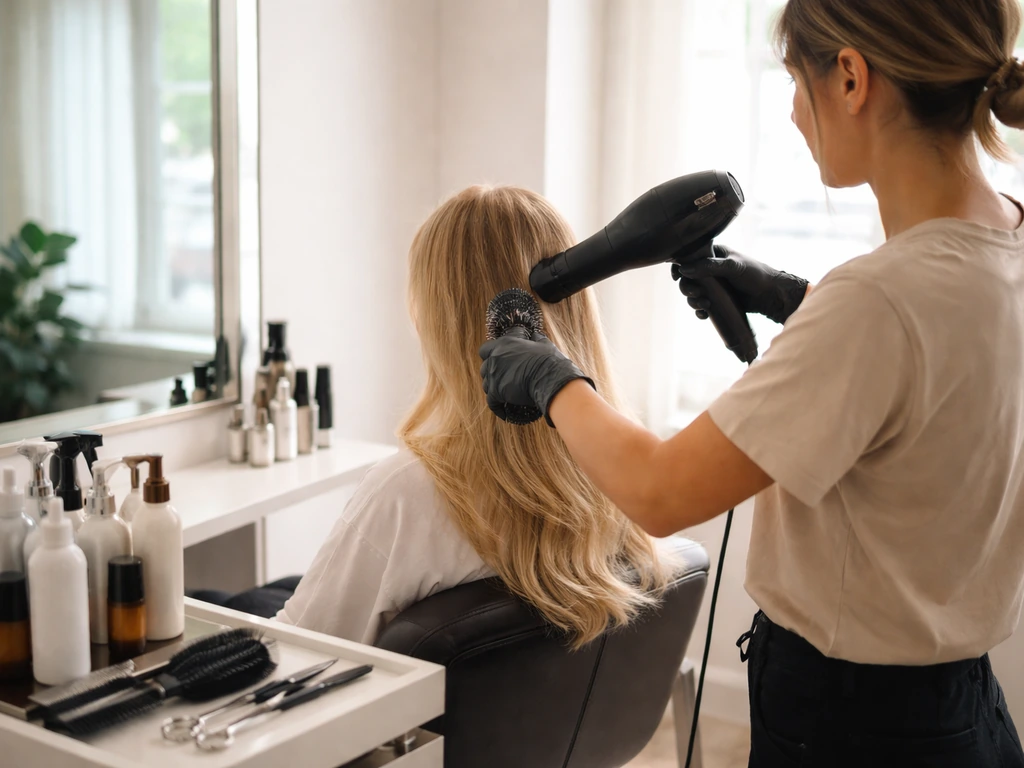
Clientele growth fundamentals for stylists
Most stylists who struggle to grow their clientele are skipping the fundamentals, not the advanced tactics. Before you invest time in ads or influencer collabs, get the basics locked in. That means knowing exactly who you want to serve, having a way for new people to find you, making booking frictionless, and showing up consistently even when it feels like nothing is working.
Think of clientele growth like compounding interest. The first few months feel slow. But every new client you retain and every referral they send starts multiplying. A stylist with 80% retention who adds just five new clients a month will have a significantly fuller book in six months than one who adds ten new clients but loses half of them. Retention is the engine. Acquisition is the fuel.
The practical starting point is to audit where you actually stand right now. How many clients do you see per week? What percentage come back within 8 to 12 weeks? How many found you through a referral versus stumbling on your Instagram? You can't improve what you don't measure, and you don't need fancy software to start tracking. A simple spreadsheet works fine at first.
Branding and positioning: your niche, your style, your people
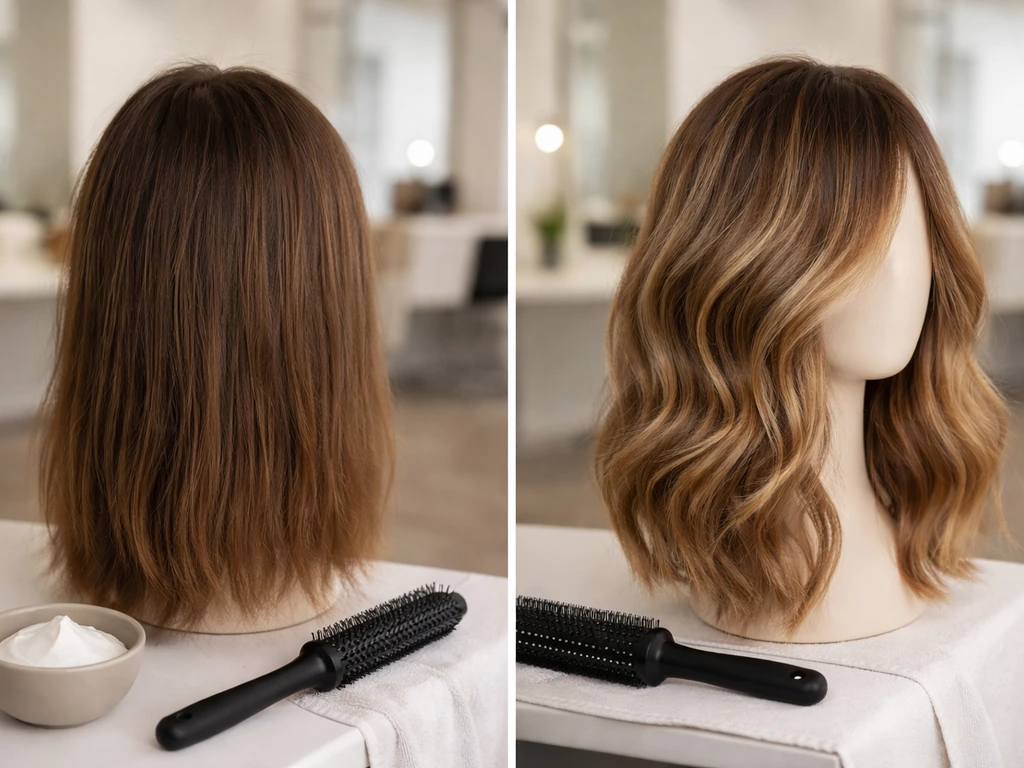
The stylists who grow fastest are rarely trying to do everything for everyone. They're known for something specific. That specificity is what makes people say "you have to go to her" instead of "she does hair." Your brand doesn't need to be a logo or a color palette. It's the answer to the question: what do you do better than anyone else nearby, and who is it for?
Your niche might be lived-in color that photographs beautifully outdoors, or precision cuts for curly hair, or helping clients navigate grow-out transitions, which is genuinely underserved. There's a real gap in the market for stylists who specialize in managing the awkward phases of growing out a pixie, a buzz cut, or a bob, with stage-by-stage guidance and styling strategies built into every appointment. If that's your wheelhouse, say it clearly and lean into it. Clients who are eight months into growing out an undercut and feeling frustrated will seek you out specifically.
Once you know your niche, every part of your brand should reflect it. Your bio on Google, Instagram, and booking platforms should name it plainly. Your portfolio photos should show your best work in that lane, not a mix of everything you've ever done. The more consistent your positioning, the faster word spreads.
- Write a one-sentence brand statement: who you help, what you do, and what makes you different
- Update your Instagram bio, Google Business Profile, and booking platform bio to use that statement
- Curate your portfolio to show 80% of your niche work and 20% of everything else
- Pick a posting style and tone that reflects how you actually talk to clients in the chair
- Be consistent: people need to see you multiple times before they decide to book
Lead generation channels: online, local, and referrals
You don't need to be everywhere. You need to be visible in the places your ideal clients are actually looking. For most hairstylists in 2026, that's a combination of Google, Instagram or TikTok, and word of mouth. Pick two channels and work them consistently before adding a third.
Online discovery
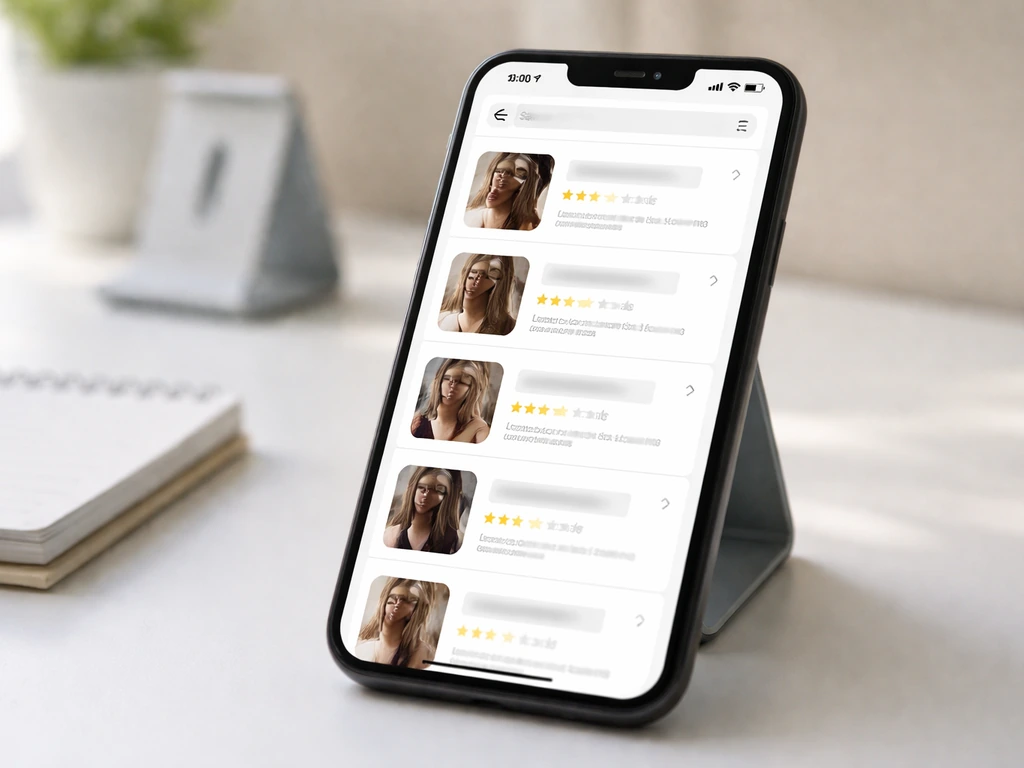
Google is wildly underused by stylists. When someone types "hairstylist for growing out a pixie cut near me" or "grow-out specialist [city name]," you want to show up. Claim and fully complete your Google Business Profile, add photos regularly, and actively ask happy clients to leave a review. Reviews are one of the highest-leverage things you can do for free local SEO. Reviews are one of the highest-leverage things you can do for free local SEO, and Search Engine Journal cites new Google Business Profile data showing that review signals such as volume and content help influence local visibility and positioning. Aim for at least 20 genuine reviews before you start worrying about anything else.
On social media, short video content consistently outperforms static photos for reach right now. You don't need to be a filmmaker. A 30-second clip showing a client's before-and-after grow-out progress, paired with a quick tip about managing their awkward phase, will perform better than a perfectly lit photo every time. Post three to four times per week, respond to every comment, and use location tags in your posts and stories. This is how new people find you organically.
Local visibility
Don't underestimate in-person visibility. Introduce yourself to neighboring businesses, leave cards at coffee shops, yoga studios, and boutiques that attract your ideal client, and show up at local events. Stylists sometimes feel awkward about this, but it works. People trust recommendations from places they already love. If the boutique down the street knows you specialize in color and grow-out transitions, they'll naturally mention you when a customer complains about their awkward hair phase.
Referrals

Referrals are your highest-converting lead source because new clients arrive already trusting you. The problem is most stylists wait passively for referrals instead of actively encouraging them. Simply asking works: "If you know anyone who's been struggling to grow out their hair or just needs a stylist they can trust, I'd love for you to send them my way." You can also build a small referral incentive, like a $15 credit toward the referring client's next visit for every new client they send who books an appointment.
Booking flow and conversion: making it easy to say yes
A lot of potential clients get lost between the moment they discover you and the moment they actually book. Your job is to remove every possible obstacle in that path. That starts with online booking. If someone has to DM you, wait for a reply, go back and forth about availability, and then finally book, some of them won't bother. Stylists with best-in-class retention rates consistently use online booking systems that let clients self-schedule 24/7 without any friction.
Your service menu matters more than most stylists realize. Vague menu items like "cut and style" or "color" without pricing ranges create anxiety for new clients. Be specific and transparent. List what's included, give price ranges, and note what a consultation covers. New clients booking for the first time are already nervous about choosing someone new. Remove that uncertainty upfront and they're much more likely to commit.
For first-time clients specifically, a new client offer can dramatically improve conversion. This doesn't have to be a deep discount. A free add-on treatment, a complimentary style consultation, or a small percentage off their first service gives people a low-risk reason to try you. Once they're in your chair and love the experience, price is rarely the reason they don't come back.
Follow-up is also part of your booking flow. If someone inquires but doesn't book, send one gentle follow-up message within 24 to 48 hours. If they book but don't show up or cancel, reach out to reschedule. These touchpoints feel small but they convert a surprising number of almost-clients into actual clients.
Client retention and referrals: keep the ones you've got
Getting a new client in the chair is only half the job. The real win is getting them to rebook, come back consistently, and tell people about you. The experience you create during every appointment is your most powerful retention tool. That means remembering details about their life, making thoughtful product recommendations, and genuinely educating them, especially if they're working through a grow-out process and need guidance on what to expect over the next several months. If you want to learn how to grow bar hair, you can use the same grow-out planning mindset in every appointment and follow-up grow-out process.
Rebooking at checkout is one of the highest-leverage habits you can build. Top-performing salons rebook 30% of clients within 24 hours of their appointment, compared to just 10% at average salons, according to Zenoti's 2025 benchmark data. The difference is almost entirely behavioral: the best stylists ask every single client before they leave. "When do you want to come back? Let's get you on the schedule now while I'm thinking about your color timeline." That one sentence, said consistently, will transform your retention rate over time.
Post-visit communication is the other piece most stylists skip. A simple text or email two to three days after their appointment, checking how they're loving their hair and sharing a quick styling tip, goes a long way toward building loyalty. It shows you're invested in them beyond the transaction. If you can automate this through your booking software, do it. If not, set a reminder and do it manually for your top clients.
For clients on a grow-out journey, consider building a "growth plan" into their service. Map out approximate timelines, what each stage will look like, and what appointments they'll need along the way. Clients who have a clear plan they feel good about are far more likely to stick with it and stick with you. It positions you as a trusted guide, not just a service provider.
Partnerships and community marketing: expand your reach
Your fastest path to new clients who are already warm is through people and businesses they already trust. Strategic partnerships multiply your visibility without multiplying your ad spend. Think about who else serves your ideal client and find ways to show up in their world.
- Partner with a local photographer for model calls: they get portfolio shots, you get new faces and content
- Connect with a makeup artist for a referral exchange, sending clients to each other for events or headshots
- Approach local gyms, yoga studios, or wellness brands about cross-promotions or gift card bundles
- Reach out to boutiques or clothing brands that share your aesthetic for collaborative social posts
- Offer to do a short hair care or grow-out workshop at a local shop or community space to establish expertise
- Build relationships with barbers and other stylists who serve different niches; they'll send overflow your way
Community visibility also means showing up digitally in local spaces. Join neighborhood Facebook groups or local subreddits and answer hair-related questions genuinely, without pitching yourself. When someone asks where to find a stylist who can help them grow out a pixie cut without it looking terrible for six months, be the knowledgeable person in the comments. That kind of organic visibility builds trust faster than any ad.
If you're building relationships with barbers or thinking about the business-growth side of a barbershop context, those conversations share a lot of DNA with building a hairstyling clientele but tend to focus on different service cadences and community marketing approaches. The fundamentals of visibility, retention, and referrals apply across both.
Tracking, scaling, and your next-step action plan
You can't grow what you don't track. Start with four simple metrics: new clients per month, rebooking rate (what percentage rebook before leaving), retention rate at 90 days, and referral source (how did they find you). Check these numbers monthly, not obsessively, but consistently. When one dips, you'll know exactly where to focus.
| Metric | What to track | Target benchmark |
|---|---|---|
| New clients per month | First-time bookings only | Set your own baseline, then grow 10% month over month |
| Rebooking rate (within 24 hrs) | Clients who rebook at checkout | 30% (top salons per Zenoti 2025) |
| 90-day retention | Clients who return within 3 months | 50% or higher |
| Referral rate | New clients who came from a referral | 20–30% of all new clients |
As your book fills, scaling looks different for everyone. Some stylists raise prices, which naturally filters toward clients who value your work and improves your per-hour revenue without adding hours. Others add a waitlist and use it as social proof in their marketing. Some bring on an assistant or move to a larger space. The right move depends on your goals, but all of them become options only after your retention and referral systems are humming.
Here's your concrete "do this next" checklist. Pick a few items you can realistically start in the next seven days and work through the rest over the next month. Small, consistent action beats a perfect plan every time.
- Write your one-sentence brand statement and update your Google Business Profile, Instagram bio, and booking platform today
- Audit your last 30 clients: how many rebooked, how many returned within 90 days, how many came from referrals
- Set up or optimize your online booking so new clients can self-schedule without contacting you first
- Add price ranges and clear descriptions to every service on your menu
- Create or refine a first-time client offer (a free add-on, treatment, or small discount) to lower the barrier for new bookings
- Start asking every single client to rebook before they leave the chair
- Send a follow-up message to your last 10 clients three days after their appointment
- Identify two local businesses to approach for a referral partnership this month
- Post three times this week on your strongest social platform using location tags and a hair tip relevant to your niche
- Ask your top five clients directly for a Google review and for referrals by name
- Set a monthly check-in date to review your four key metrics and adjust one thing based on what you find
Growing a clientele takes longer than most people want it to, and there will be slower weeks that feel discouraging. But if you work this system consistently, you'll look back in six months and barely recognize how different your book looks. The stylists who build strong, loyal clientele aren't doing anything magical. They're just doing the fundamentals, consistently, in a way that makes clients feel genuinely taken care of. That's a standard anyone can reach. If you are running a barbershop, these same fundamentals can guide you step-by-step on how to grow your barber business.
FAQ
I’m posting and trying things, but my bookings are flat. What should I check first?
Start by tightening your funnel: choose one niche promise, one primary acquisition channel (Google or short-form social), and one booking path (online self-scheduling). Set a 14-day baseline for new leads, bookings, and how many drop off between clicking and confirming. Then fix the biggest friction point first, for example unclear pricing, slow response, or a portfolio that does not match your niche.
What’s the difference between retention, rebooking, and repeat visits for a hairstylist?
Protect your retention math by defining what “rebook” means for your context. If you have grow-out clients, rebooking timelines may be 8 to 16 weeks, not 4 to 6. Track rebooking within your realistic service cadence, and separately track how many clients return at all within 90 days, so you do not misjudge progress.
Do I need a discount or promo to attract new clients, or is there a better approach?
Before adding deals, fix your first-visit experience and booking conversion. A small offer can work, but it should remove uncertainty, not train bargain-hunting. Use an offer that maps to your niche, like a free grow-out consult or a specific add-on treatment, and limit it (for example, first-time clients only for a set time window).
How do I convert more people from inquiry to booked appointment?
If you’re mostly getting inquiries but not booked appointments, audit the “last mile”: availability visibility, response time, and how easy it is to confirm. Make sure your booking page shows open times, your service menu includes price ranges, and your follow-up message includes a direct next step (a link to available times or a proposed slot).
What’s the best way to ask for Google reviews without feeling pushy?
Do not over-request reviews. Aim for a respectful, consistent ask at the right time, typically after the client has left the chair and the service outcome is clear. If your shop has policies, follow them, and avoid incentives tied directly to positive review wording, since that can backfire.
How can I make my local SEO and social content actually bring local clients, not just views?
Use location targeting in a realistic way: add your city or neighborhood in your bio, Google Business Profile categories, and post captions, and then create content that addresses local context (weather-related hair challenges, commuting schedules, or common local events that affect style). Consistency beats virality, one to three well-targeted clips a week.
Is it better to raise prices or start a waitlist when my calendar is filling up?
A waitlist can help, but it works best when you already have a strong conversion path. Build a waitlist through your booking system so people see availability constraints, then communicate expected timelines. If you have many no-shows or late cancellations, tighten deposits and rescheduling rules first, otherwise demand will not translate into a full book.
How do I build a “growth plan” so clients actually follow it?
For grow-out or transition clients, standardize what “plan” means: the approximate stage timeline, what the client should do between appointments, and what you will adjust at each visit. Also confirm their preferred rebook cadence during checkout so they are not guessing, for example “every 8 to 10 weeks” for maintenance while transitioning.
My portfolio is mixed. How do I update it without starting from scratch?
If you are niche-focused, your portfolio should still show range inside that niche. Include before-and-after sets that match the same problem your audience has (like undercut grow-out frustration) and show different hair textures or lengths only when they support your niche promise. Avoid posting unrelated trends that dilute the message.
What do I do when a client likes their hair but still won’t book again?
If a client is not rebooking, the issue is often not the haircut, it is the next appointment not being scheduled, expectations not being set, or communication gaps. Ask a simple question at checkout and confirm the next slot, then send a brief post-visit message that ties to their specific timeline (what to expect this week and what the next appointment will do).
Which metrics should I track weekly versus monthly, and how do I interpret dips?
Track at least monthly, and review the numbers by channel and service type if you can. If new clients are steady but retention drops, focus on onboarding and rebooking flow. If retention is fine but acquisition dips, focus on visibility channels and review volume. Tie changes to one variable at a time so you can tell what caused the shift.
How do I use local groups and partnerships without it turning into random networking?
Community participation works best when you answer questions repeatedly and share mini-lessons, not just business announcements. Pick 10 to 20 recurring questions in your niche and respond with actionable guidance. If you do partnerships, choose businesses that attract your exact client profile (for example, boutiques or studios serving people likely to do the type of transformation you specialize in).