
You can expect the shaved section of an undercut to grow roughly half an inch (about 1.25 cm) per month. That means if your sides were clipped down to near-skin level, you're looking at three to six months before they blend naturally into the longer top. There's no shortcut that doubles that number, but there's a lot you can do to make the grow-out look intentional, keep the hard line from announcing itself at every angle, and avoid the temptation to shave it all back down when things get awkward.
How to Grow Out an Undercut Fast: Timeline and Plan

Marcus Vickers
19 May 2026
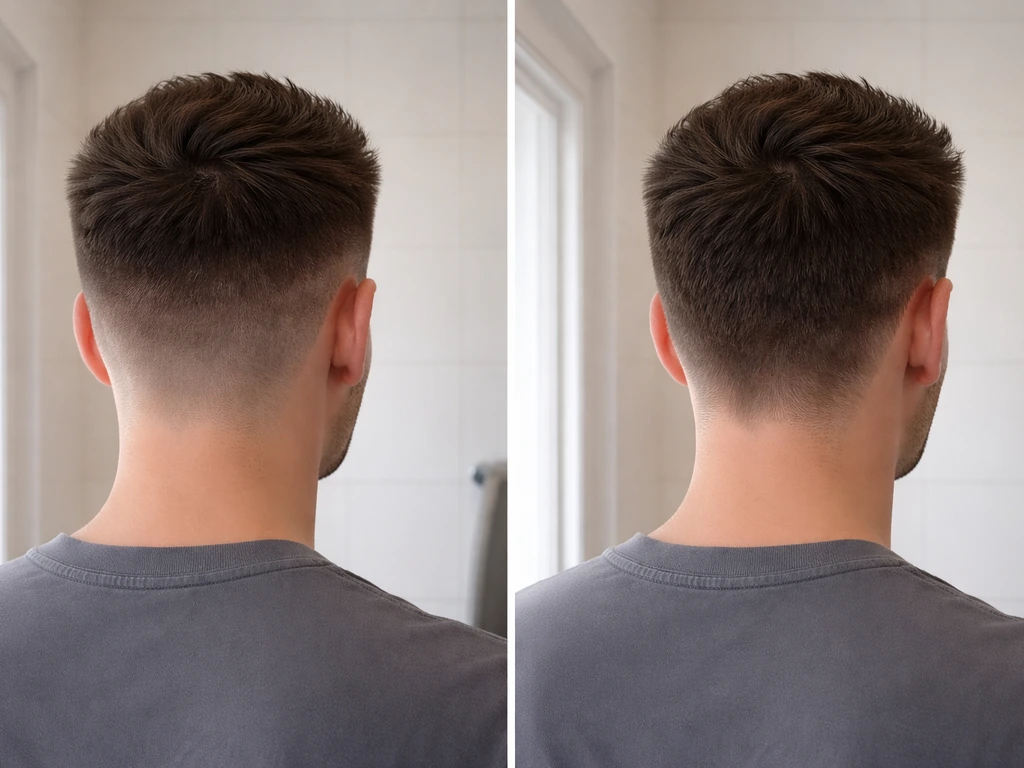
What the Timeline Actually Looks Like
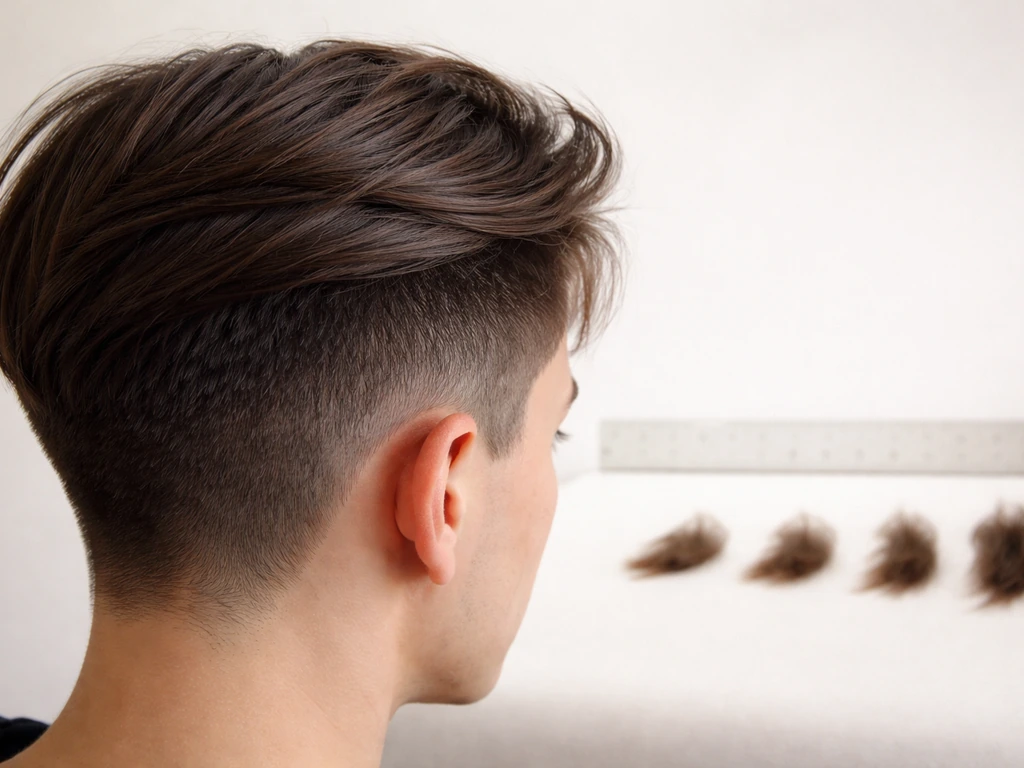
Half an inch a month is the baseline most people work with, though individual rates range from about 0.5 cm to 1.7 cm per month depending on genetics, health, and age. For a typical undercut where the sides were cut to a very short guard (number 1 or 2, so roughly 3–6 mm), here's what to realistically expect:
| Timeframe | Approximate Side Length | What You'll Notice |
|---|---|---|
| Month 1 | ~1.25 cm (0.5 in) | Hard line starts to soften slightly, but the disconnection is still obvious |
| Month 2 | ~2.5 cm (1 in) | Sides have some length but still look choppy without blending; cowlicks and texture changes appear |
| Month 3 | ~3.75 cm (1.5 in) | Enough length to blend with a taper; shape becomes manageable with styling |
| Month 4–5 | ~5–6 cm (2–2.5 in) | Sides can be incorporated into the overall style; most of the hard line is gone if you've been blending |
| Month 6+ | ~7.5 cm (3 in) | Full blend is achievable for most undercut depths; the undercut is effectively grown out |
If your undercut went higher up the head (above the temples rather than just the nape and sides), add another month or two. High undercuts have more territory to cover before the blending point. People growing out a nape undercut with long hair on top often hit a blendable point faster because the length contrast is less extreme to begin with. And if you're growing out an undercut man bun style, the timeline is similar but the styling options are actually broader once you hit month two.
Making the Sides Look Longer Sooner
You can't force your follicles to work faster, but you can stop sabotaging the growth you do have. Most people lose more length to breakage than they realize, and on short sides that just starting to grow in, even a little damage sets you back visually.
Scalp care that actually matters
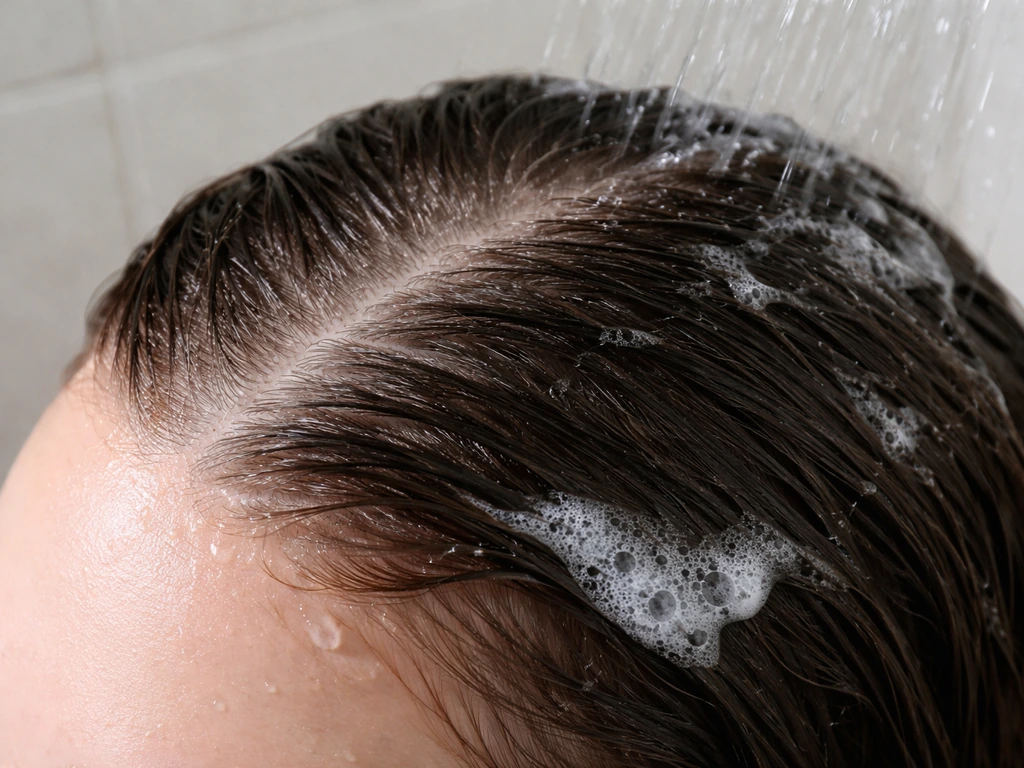
Healthy follicles start with a clean, unclogged scalp. Use a gentle shampoo (not something that strips oils daily) and make sure you're rinsing product buildup thoroughly, especially if you're using pomades or waxes on the sides to control the grow-out. Scalp massage is low-risk and has some early evidence suggesting it can improve circulation to the follicle area, so if you spend two minutes massaging with your fingertips a few times a week while shampooing, you're not wasting your time. It's not a miracle, but it costs nothing and feels good.
Reduce breakage on the growing sides
The sides of your head are where the undercut was, and that new growth is delicate. The American Academy of Dermatology is clear that hair is most vulnerable when wet, so detangle with a wide-tooth comb rather than dragging a brush through damp hair. Add a leave-in conditioner or detangling spray to the sides when the hair is long enough to tangle (usually by month two). Heat damage is also a quiet killer here: if you're flat-ironing or aggressively blow-drying the sides every day to get them to lie flat, you're creating split ends and breakage that make the hair look shorter and thinner than it is. Cut the heat frequency to every other day at most, and always use a low or medium setting.
Consistency beats intensity
There's no "intensive treatment week" that accelerates undercut regrowth. What moves the needle is steady, boring consistency: eat enough protein, stay reasonably hydrated, sleep, and don't create new damage while the sides are catching up. If you have a chronic health issue, are on medications that affect hair growth, or have noticed sudden or patchy shedding, it's worth a conversation with a dermatologist before trying anything else.
Your Haircut Plan During the Grow-Out
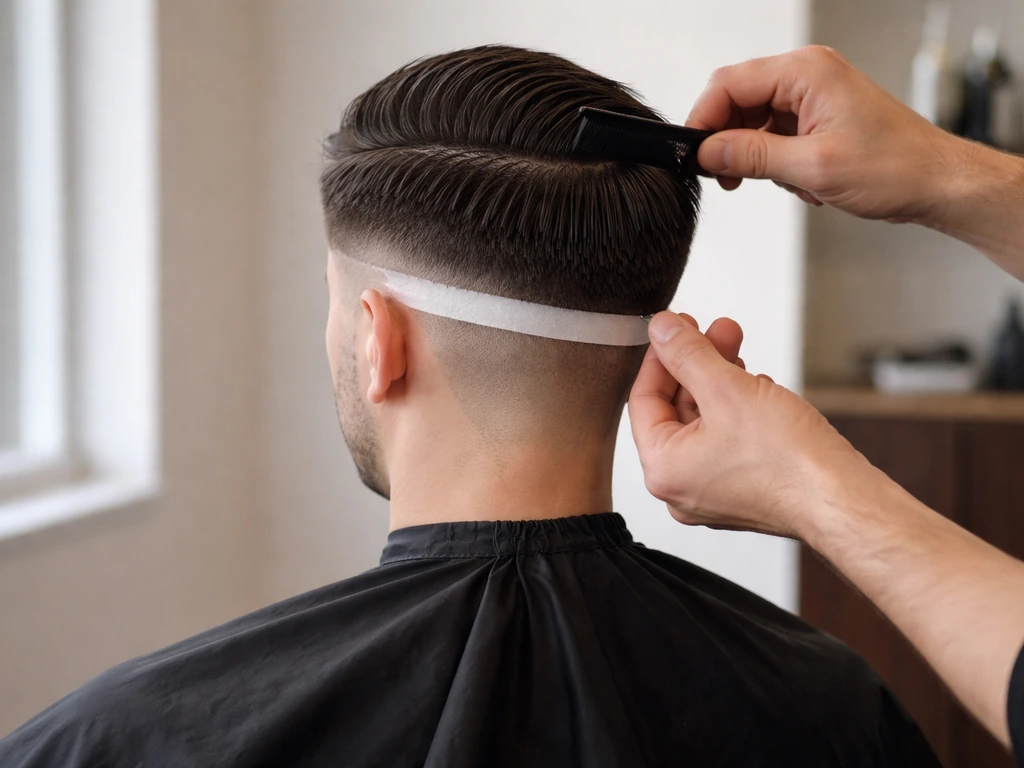
This is the part most people skip, and it's the reason their grow-out looks messy instead of intentional. You still need to visit a barber or stylist regularly while you're growing it out. The goal is not to maintain the undercut, but to blend the hard line away gradually without cutting the sides back down.
What to ask for (and how to say it)
At your first post-undercut appointment, ask your barber or stylist to "soften the line" by converting the hard undercut into a taper or a soft low fade. For undercut grow-out, that kind of blending, tapering, or soft fade helps the hard line disappear instead of forcing you to fully restart the cut soften the line" by converting the hard undercut into a taper or a soft low fade. This means they're blending the shaved section up into the longer sides gradually rather than leaving a sharp contrast line. The key phrase is: "I'm growing it out, I don't want the sides taken shorter, just blend the hard line into a gradual taper." A taper is your best friend during this phase because it holds up longer than a fade (roughly three to four weeks between touch-ups versus more frequent upkeep for a sharp fade), which means you're actively growing length between visits instead of constantly resetting.
How often to go in
Plan on a blending appointment every three to four weeks for the first three months. After that, you may be able to stretch to five or six weeks as the sides gain enough length that the transition becomes less noticeable. Skipping these appointments entirely is tempting but counterproductive: when you skip them, the sides grow outward and puffy rather than downward and blended, which creates that classic awkward "mushroom" or disconnected bulk effect. A quick trim to remove that outward bulk and redirect the growth actually makes the hair look longer and more intentional, not shorter.
Guard lengths as a guide
If your undercut was cut at a guard 1 (3 mm), ask for the perimeter to be blended starting at guard 2, then gradually transitioning up through guard 3 and 4 as the weeks pass. You're essentially "walking" the guard lengths up over time so each visit, the blending point rises slightly higher and the contrast disappears section by section. Don't let anyone take the top shorter unless there's a genuine reason (like split ends traveling up), because the top length is your main asset for covering and blending.
Styling Through the Awkward Phase

Every undercut grow-out has at least one stage where nothing quite works. Usually it's around month two, when the sides are just long enough to be visible but not long enough to lie flat or blend into the top. Here's how to manage it.
Change your part
A deep side part is one of the fastest ways to visually cover the undercut area. If you sweep the longer top section down and over the sides, the contrast between the growing section and the top becomes far less obvious. This works best when the top has enough length to drape over rather than sitting up. Even a slight shift in where your part falls can change how much of the grow-out is visible.
Use clips, ponytails, and braids
If you have enough length on top to pull back, a low ponytail or half-up style keeps the contrast zone out of sight. Braids along the side can incorporate the shorter growing sections and make the length difference look deliberate rather than accidental. Headbands work well in the first couple of months to hold back the top while drawing the eye away from the sides. These aren't compromises: they're genuinely good styles during the transition, not something to be embarrassed about.
Blow-dry direction matters
Once the sides are long enough to blow-dry (usually month two onward), use your dryer to train the hair downward and toward the face rather than outward. Apply a light styling cream or mousse to damp hair, then blow-dry while pressing the hair flat against your head with your hand or a soft brush. This flattens the growing sides and reduces the visual gap between the shaved area and the longer sections.
Products for control
A light pomade or a styling cream applied to the sides while slightly damp can keep shorter hairs lying flat rather than spiking outward. Avoid heavy waxes that build up on the scalp, especially if you're only shampooing every other day. For the top, use whatever gives you the texture and hold you want, but keep the product away from the scalp to prevent buildup that can slow things down over time.
Products and Supplements: What Helps vs. What's Hype
The supplement market around hair growth is enormous and mostly oversells. Here's a clear breakdown:
| Product/Supplement | Evidence Level | Honest Take |
|---|---|---|
| Biotin supplements | Weak (for most people) | Biotin deficiency is rare in the US. If you're not deficient, supplementing is unlikely to speed up growth. Save your money unless a doctor has flagged a deficiency. |
| Minoxidil (topical) | Moderate (for hair loss) | Does stimulate growth, but it's designed for hair loss conditions, not undercut grow-out. Takes 12–24 weeks to show results and hair reverts when you stop. Use only with medical guidance and not on inflamed or infected scalp. |
| Scalp massage | Low but low-risk | Some early evidence it helps; no risk if done gently. Worth doing a few times a week. |
| Protein-rich diet | Indirect but real | Hair is made of keratin (a protein). Chronic low protein intake genuinely slows growth. Eating enough protein supports your baseline. |
| Leave-in conditioner | High (for breakage prevention) | Proven to reduce breakage and make detangling easier. This one actually moves the needle on retention if you're losing length to breakage. |
| "Hair growth" gummies/vitamins | Very weak | Most contain biotin plus generic vitamins. Unless you have deficiencies, they won't accelerate growth beyond your genetic baseline. |
| Caffeine shampoos | Very preliminary | Some lab studies look interesting; no strong clinical evidence for meaningful growth acceleration in healthy scalps. |
The clearest wins are the boring ones: reduce breakage with gentle handling and moisture, keep your scalp clean, don't crash diet, and be consistent. MedlinePlus notes that topical minoxidil can help stimulate hair growth, but it does not cure baldness, and most new hair is lost within a few months after stopping topical minoxidil helps stimulate hair growth. If you suspect something more is going on (slow growth, unusual shedding, patches), see a dermatologist rather than trying to solve it with supplements.
When the Sides Grow in Uneven, Weird, or Won't Lie Flat
Uneven regrowth is probably the most common complaint during undercut grow-out, and there are usually a few different things going on.
Uneven sides
One side often appears longer or fuller than the other. Sometimes this is actual growth variation (the right side of most people's hair grows slightly differently than the left), and sometimes it's breakage on one side from habitual sleeping position, always parting on the same side, or heat damage. Before assuming your follicles are uneven, check your habits: do you sleep on one side, always part the same direction, or apply heat more aggressively to one side? Switching your sleep side (or using a silk pillowcase to reduce friction) can help even things out. If the asymmetry persists after a few months, a stylist can shape the longer side to match the shorter one during a blend appointment, rather than cutting the shorter one back down.
Cowlicks and growth that won't lie flat
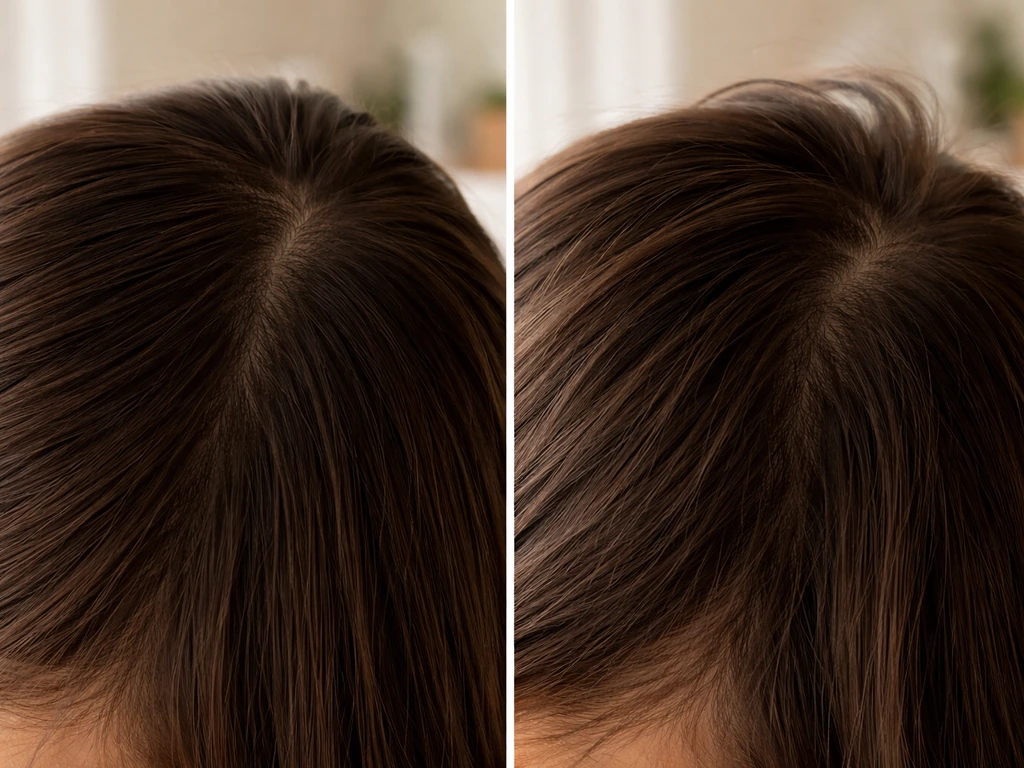
Cowlicks often become more obvious during grow-out because the short hair doesn't have enough weight to fall in a direction. The most effective technique is to blow-dry against the cowlick direction first (to disrupt the growth pattern), then immediately redirect the dryer to blow in the direction you want the hair to go, while pressing it flat with your hand. Apply a light styling cream to the area while the hair is still damp before you start. It won't permanently change the cowlick, but it will keep things looking controlled day to day. If the cowlick is at the nape or back of the head, a lower bun or ponytail style often hides it completely until the hair has enough weight to fall naturally.
Texture changes in the regrowth
It's genuinely common for hair growing back in after a close clip to feel or look different from the rest of your hair, at least temporarily. The new growth may seem coarser, wavier, or more prone to frizz. Part of this is real: the hair shaft that was clipped has a blunt end rather than a tapered one, which can make it feel coarser to the touch. This normalizes as the hair gets longer and the ends wear down naturally. In the meantime, a smoothing serum or light oil on the sides after styling can reduce the visual contrast between the newer growth and the older hair. If you're growing out colored hair alongside an undercut, the regrowth texture difference can feel more dramatic, but it follows the same pattern.
The "bulk growing outward" problem
Around month two to three, the sides often hit a length where they grow outward rather than downward, creating a puffed-out look at the ears. This is one of the top reasons people give up and shave it back down. Don't. This is exactly when a blending trim does the most work: a barber can remove that outward-growing bulk and redirect the shape downward without shortening the sides overall. Think of it as correcting the direction of growth, not undoing progress.
Staying the Course
Growing out an undercut is a commitment of several months, not several weeks, and the middle part is reliably awkward for almost everyone. The people who get through it successfully aren't the ones with faster-growing hair: they're the ones who have a plan, keep their blending appointments, and use styling to stay intentional rather than hoping it'll just work itself out. Start today with what you can control: book a blending appointment, grab a leave-in conditioner, and settle in for the process. If you want a smoother grow-out, the same principles apply to a how to grow out undercut female look: protect the new sides, keep blending appointments, and use styling to cover the awkward stages. Three months from now, you'll have options you don't have today.
FAQ
Will using minoxidil help me grow out an undercut faster?
It can increase thickness and, for some people, speed up visible growth, but it is not a reliable “faster grow-out” shortcut and it takes months. It also can cause shedding early on. If you are considering it, talk with a dermatologist first, especially if you have scalp irritation or a history of patchy hair loss.
What should I do if my sides itch or get oily buildup while growing out?
Swap to a consistent gentle shampoo routine (often every other day is enough) and make sure conditioner and leave-ins stay off the scalp, apply them only to the sides and mid-lengths. If itching continues, stop heavy pomades and consider a scalp check, because irritation and buildup can increase breakage and make regrowth look uneven.
How can I avoid the “mushroom” puff at the ears without cutting the sides back down?
Focus on shaping and control: at your regular blending appointment, ask the barber to remove outward bulk and reduce triangle shape while keeping the length. At home, blow-dry damp sides downward with light product, then use a small amount of cream to keep the hairs from springing outward. Avoid adding heavy waxes that encourage clumping and scalp buildup.
Can I grow it out fast by skipping shampoo or using dry shampoo more often?
Skipping regular washing usually makes the scalp more oily or congested, which can increase breakage and make the new short hairs look limp or stringy. Dry shampoo can help between washes, but use it sparingly and still rinse and cleanse the scalp on your normal schedule.
Should I keep the top longer or cut it during the undercut grow-out?
You usually want to preserve top length so it can cover the transition area as the sides catch up. If the top gets damaged (split ends moving upward) or feels too heavy for your style, take small scissor trims to maintain shape, but do not reduce length specifically to “match” the sides too early.
How do I handle split ends that make the sides look shorter even though they are growing?
Split ends can travel upward and make hair appear to stop growing. The practical move is a targeted trim at blending appointments, focusing on the ends rather than taking overall length. If splits are severe, a dermatologist or hair specialist may be needed to address underlying dryness or heat damage.
What if my undercut was cut with a higher guard and my blend line still looks harsh?
A higher guard means the contrast may be less extreme, but the line can still be visible due to different lengths by section. Tell your barber you want a taper that gradually transitions within the same guard range, and ask them to “blend the perimeter first” so the shortest regrowth zone is corrected early.
How long should I wait before I worry about uneven regrowth?
Give it at least a few blending cycles, typically around 2 to 3 months, before assuming it is a growth problem. In that window, unevenness is often caused by breakage, sleeping position, heat patterns, or product placement. If one side is still persistently behind after consistent care, a stylist can shape the longer side to match.
What hairstyles are best for covering the undercut when the sides are too short to comb down?
Use styles that move the contrast zone away from view, like a deep side part that lets the top drape, a half-up style if the top has enough length, or a braid that incorporates the shorter side hairs. If your hair is short and won’t cooperate, a headband can temporarily control the top while you wait for the sides to lengthen enough to lay down.
Is it okay to use heat to train the sides every day during grow-out?
Daily aggressive heat often backfires by creating split ends, which makes the sides look shorter and thinner. If you need heat, limit sessions and use a low or medium setting, apply a heat protectant, and prioritize blow-drying to press hair flat rather than repeatedly using high-heat tools.
How often should I get a trim for the top while I’m booking blending appointments?
If the top is healthy, you can often keep it untouched between blending visits. If it starts to feel uneven, frizzy, or develops splits, request micro-trims that preserve length and texture. Avoid large top cuts that reduce your ability to cover the transition.