
Growing out short hair takes roughly 6 months to reach a chin-length bob from a pixie, and about 2 to 3 years to hit shoulder length or beyond from a buzz cut or very short crop. blank" rel="noopener noreferrer">Hair grows an average of about 1 cm per month, though the realistic range is 0. Medical News Today also describes scalp hair growth as averaging about 0.5, 1.7 cm per month, with roughly 1 cm per month often cited blank" rel="noopener noreferrer">Hair grows an average of about 1 cm per month. 5 to 1.7 cm depending on your genetics, health, and how well you look after your scalp. That timeline can feel brutal when you're staring at the mirror in month three, but knowing what to expect at each stage, and having a plan for styling through the awkward bits, makes the whole process much more manageable.
I Have Short Hair and Want to Grow It Out: A Step-By-Step Guide


Realistic timelines from your current cut
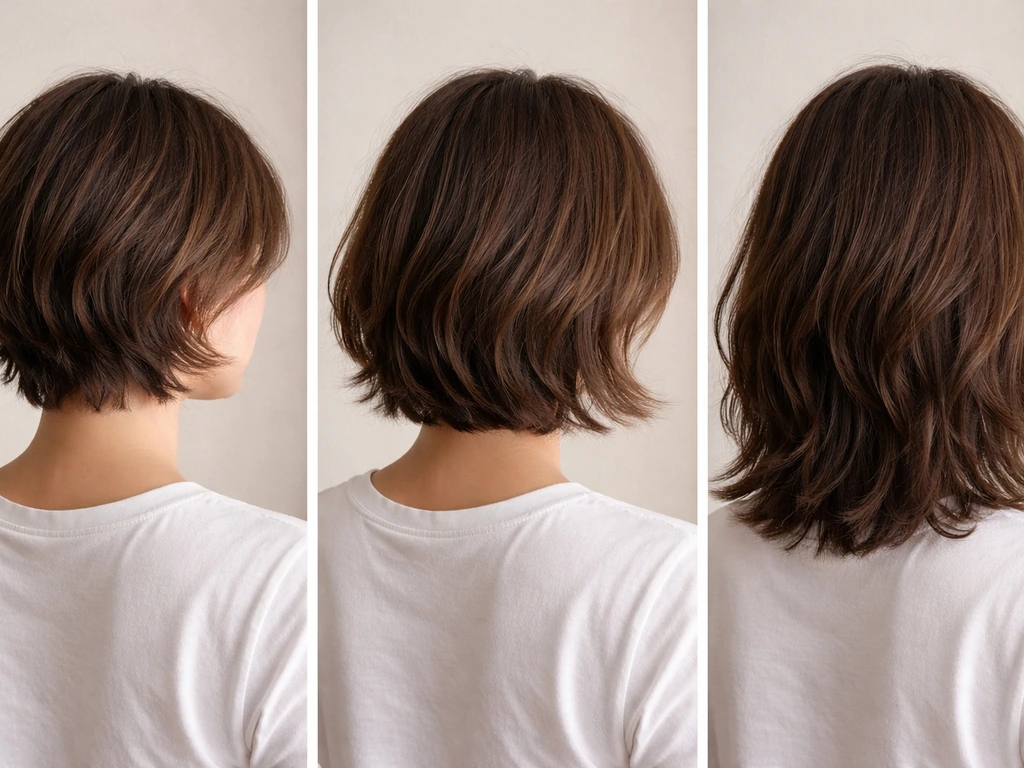
The first thing to do is stop thinking about where you want to end up and start thinking in stages. Your immediate goal isn't waist-length hair. It's getting through the next two inches without cutting it again. Here's roughly what to expect depending on where you're starting from.
| Starting cut | Time to ear-length | Time to chin-length | Time to shoulder-length |
|---|---|---|---|
| Buzz cut (grade 2–3) | 3–5 months | 8–12 months | 18–24 months |
| Pixie cut | 2–4 months | 6–9 months | 14–20 months |
| Short bob (jaw level) | Already there | 1–2 months | 8–12 months |
| Undercut (top only) | 3–5 months (sides) | 6–10 months | 16–22 months |
| Cropped bangs | 2–4 months to brow | 4–6 months to nose | 8–12 months to tuck |
These are averages, and your personal rate matters. If your hair tends to grow slowly, add a few months to each column. If you have a lot of breakage or chemical damage, the effective growth you see can feel even slower because you're losing length at the ends while gaining it at the root. That's why hair care during the grow-out isn't optional, it's the whole game.
Hair care basics that actually support growth
Hair grows from the scalp, so scalp health is the foundation. An unhealthy, flaky, or inflamed scalp can slow growth and cause shedding. Keep it clean without over-stripping it. If your scalp is oily, washing every other day or daily with a gentle shampoo is fine. If your scalp is dry or you have coily or textured hair, once or twice a week is usually enough. Over-washing dry hair strips the natural oils that protect the strand, which leads to breakage over time.
Conditioner is not optional during a grow-out. It reduces friction between strands, makes detangling easier, and dramatically cuts down on the breakage that steals your length. Focus conditioner on the ends and mid-lengths, not the roots, which tend to get moisture from your scalp naturally. For short hair that's all ends right now, that means conditioning everything. If your hair is curly or coily, it needs more conditioning than straight hair does. A leave-in conditioner applied to damp hair gives you an extra layer of protection throughout the day, but make sure to wash it out properly with shampoo at least once a week so it doesn't build up.
One habit that damages short-to-medium growing hair more than people realize: going to bed with wet hair. Wet hair is more elastic and fragile, and friction against a cotton pillowcase all night adds up to real breakage. Let your hair air-dry before you sleep, or switch to a satin or silk pillowcase, which creates far less friction. It sounds minor but it's genuinely one of the easier wins during a grow-out.
Beyond cleansing and conditioning, give your scalp a gentle massage for a minute or two when you shampoo. It increases circulation and feels good. Eat well, stay hydrated, and if you're under a lot of stress or notice unusual shedding, take note. Those are signals worth paying attention to.
The trimming question: when to cut and when to leave it alone
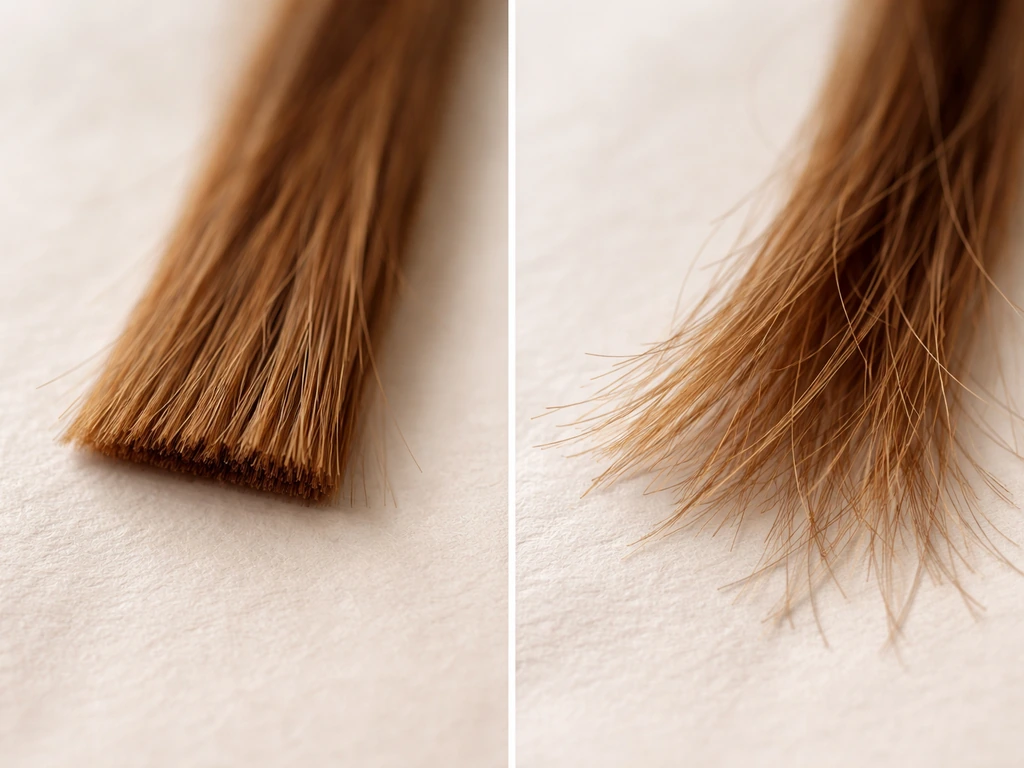
This is where a lot of people go wrong. They hear 'don't cut your hair while growing it out' and skip all trims for two years, then wonder why their ends look like a broom. If you're wondering how to let short hair grow out, start by sticking to small, planned trims and focusing on styling that works for each awkward stage growing out short hair. Or they go to a salon, the stylist takes off too much, and they're back at square one. The truth is somewhere in the middle.
Split ends don't stay put. They travel up the shaft, cause more breakage, and make your hair look thin and scraggly at the ends. A 'dusting' is the technique you want: removing just the very tips of the hair, maybe 3 to 5 mm, to get rid of splits without sacrificing meaningful length. If you're growing from a pixie, you might not need any trimming at all in the first four to six months because the hair is too short for split ends to become a major issue. Once you hit ear length and beyond, dust every three to four months.
When you go to a stylist, be specific. Don't say 'just a trim,' because that phrase means different things to different people. Say: 'I'm growing my hair out and I only want the very ends cleaned up, no more than a quarter inch off.' If you're dealing with layers that have grown out unevenly, ask the stylist to soften the layers rather than remove them, which keeps more length while reducing bulk. Knowing how to grow out a short haircut specifically is a different ask than a regular trim, and a good stylist will understand that.
Stage-by-stage guide for the most common grow-outs
Growing out a pixie
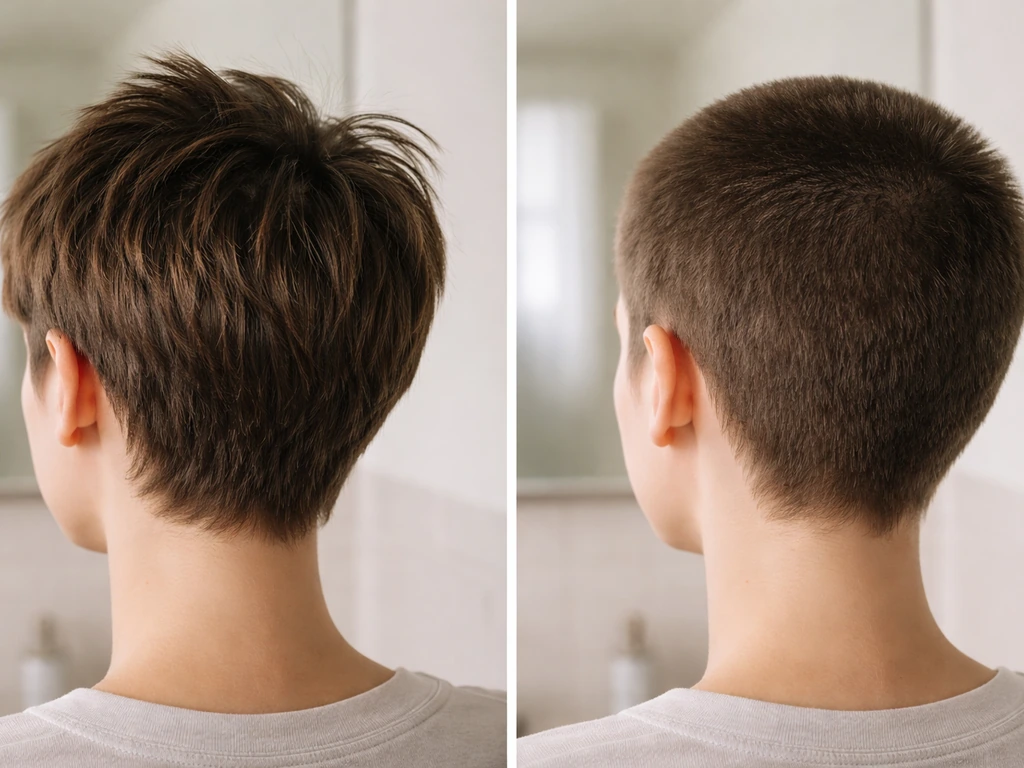
Months one and two are actually the hardest emotionally because nothing is quite long enough to do anything with yet. The top will grow faster than the sides, which creates a slightly mushroom-like shape. This is normal and temporary. The key strategy here is to let the top get some length and resist the urge to trim it back down to match the sides. By month three or four, you'll have enough top length to use a bit of texture or product to style it forward or to one side. Small clips or bobby pins become your best friends during this phase to keep the sides from sticking out awkwardly. By month six, most pixies reach a shaggy ear-length style that can be textured, pushed back, or even tucked behind the ears on the longer side.
Growing out a buzz cut
The buzz cut grow-out has a different challenge: it's relatively even all over, which is actually a strength. You won't have layers fighting each other. What you will have is a few months of looking like you just forgot to go to the barber, followed by a phase where the hair is long enough to show your natural texture. Embrace that texture early. Around month three to four, you'll notice your hair has a direction. Start working with it, not against it. Use a light pomade or cream to guide it rather than fighting it flat.
Growing out a short bob
You're in a relatively easy position. The bob grow-out is mostly about managing the weight line as it drops. As it gets heavier at the bottom, it can start to flare out. Regular dusting every few months keeps the ends clean. The main staging challenge is the period between a jaw-length bob and the collarbone, when the hair is too short to tie up but too long to feel polished on its own. That's the stage where a low half-up, a simple clip, or a texturizing spray to add movement saves the day.
Growing out an undercut
Undercuts are probably the trickiest grow-out because the contrast between shaved and unshaved sections is so dramatic. You have two choices: grow everything together and accept visible contrast for 12 to 18 months, or get regular fade trims to gradually reduce the contrast while the rest catches up. Most people find the second approach less frustrating because it looks intentional. Tell your barber you're growing out the undercut and want to gradually blend the transition every few months rather than keep the shaved section fresh.
Growing out bangs
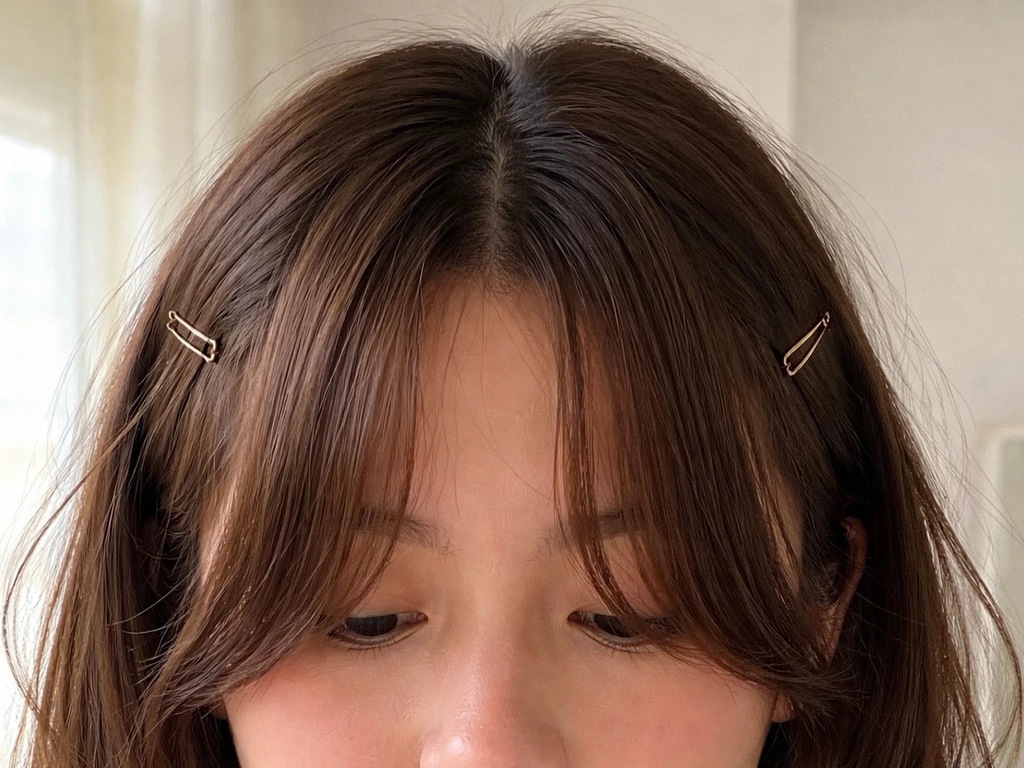
Cropped bangs have their own awkward phases. The first is the 'curtain phase,' where they're long enough to part but not long enough to tuck behind the ear. Bobby pins, small clips, or a headband do the job here. The second phase is when they reach nose or mouth length and want to fall in your face constantly. At this point, sweeping them to one side and pinning or using a light texturizing wax to hold them gives you control without looking like you're trying too hard. Most people get through bang grow-out in six to twelve months depending on their goal length.
Styling tactics for in-between lengths
The awkward phase is real, but it doesn't have to look awkward. The right styling approach for each length makes the difference between feeling like you're in limbo and feeling like your current length is just your look right now.
- Slick it back: Once hair is long enough to reach the back of the head (usually around ear length), a small amount of gel or pomade slicked straight back gives a clean, intentional look on almost any hair type.
- Use clips and pins strategically: Small jaw clips, butterfly clips, and bobby pins aren't just functional. They're styling tools. A single pin holding one side back can turn a floppy grow-out into something that looks deliberate.
- Hats and headbands: A well-chosen hat or headband buys you weeks during the worst phases. For hats, this works best for casual days. Wide headbands work across more settings.
- Braids and twists: Once hair reaches about 3 to 4 inches in length, small braids and flat twists start becoming possible. Even one or two at the temples change the whole look.
- Work with texture, not against it: A texturizing cream or salt spray used on slightly damp hair and then air-dried gives the impression of a styled, effortful look even when your hair is just sitting there being in-between.
- Heat tools: A flat iron on a low to medium setting can make awkward lengths look polished. But use a heat protectant every single time and keep temperature below 200°C (390°F) to avoid compounding damage on already-growing hair.
- No-heat waves: Braiding slightly damp hair overnight and releasing it in the morning gives soft waves that make medium-length hair look lush rather than limp.
Special situations: color, natural texture, and layers
Growing out colored or chemically treated hair
If your short hair is dyed, bleached, or chemically relaxed, you're growing out two things at once: the length and the treatment. The new growth will look different from the treated ends, and that contrast gets more obvious as months pass. One way to manage this gracefully is to gradually bring the color closer to your natural shade over a few appointments, so the contrast softens as it grows. If you're growing out bleached hair to your natural color, that transition can take a year or more to look fully seamless depending on your length goals.
If you're continuing to color while growing out, watch the regrowth length before touching up. Color banding can happen when roots grow out significantly before a touch-up, making it hard for the new color to develop evenly. A rough guideline is to schedule touch-ups around the one-inch root mark rather than waiting longer. On the damage side: every color and chemical treatment adds stress to the strand. If your ends are already fragile, limit additional chemical processing and focus on deep conditioning to keep the treated portion intact long enough to grow past it.
Natural hair and texture regrowth
If you've been using relaxers or texturizers and are now growing out your natural texture, you'll encounter a line of demarcation where the natural new growth meets the chemically treated hair. This section is fragile and prone to snapping. Keep it well moisturized with a leave-in conditioner, handle it gently, and consider protective styles like flat twists or braids near that zone to reduce manipulation. Over time, as you dust away the treated ends, you'll be left with your true natural texture. This process can take anywhere from one to three years depending on your starting length and how much you trim.
For anyone with naturally coily, kinky, or tightly curled hair growing from any short style: your hair may shrink significantly, which makes growth feel slower than it really is. Stretching techniques like banding, braiding before wash day, or using a diffuser can show your true length and help you track progress without heat damage.
Growing out heavy layers
Layered hair during a grow-out creates a lot of unevenness as different layers hit different lengths at different times. The temptation is to cut everything even, but that sets you back. Instead, ask a stylist to soften the shortest layers gradually over multiple visits, blending them into the longer ones without taking off more than necessary. As the layers grow, they'll naturally start to merge. Using volumizing or texturizing products helps blend the visual difference between layers while they catch up to each other.
Common blockers and how to fix them
Breakage stealing your length
If your hair is growing but never seems to get longer, breakage is usually the culprit. Check your routine: Are you using heat without a protectant? Sleeping on cotton with wet hair? Skipping conditioner? Pulling hair too tightly into clips or elastics? Fixing these habits first often produces visible progress within a month or two. Protein treatments (once a month for damaged hair) can help rebuild the strand's structure if it feels mushy or stretches too much before snapping.
Uneven growth and cowlicks
Some areas genuinely grow faster than others. The top of the head tends to grow faster than the nape. Cowlicks and whorls mean certain sections grow in a direction that fights your overall style. Work with cowlicks rather than flattening them, because they'll win eventually. Often, cutting the hair around a cowlick in a way that lets it follow its natural direction gives much better results than styling it against the grain. A good stylist can advise on shaping around problem cowlicks specifically.
Thinning or patchy growth
Thinning during a grow-out can be caused by stress, nutritional gaps, hormonal changes, or scalp conditions like seborrheic dermatitis. A normal amount of shedding is about 50 to 100 hairs per day, so some shedding is not a sign of a problem. But if you're noticing significant patchiness, a widening part, or clumps of hair coming out, that warrants a look from a professional. A dermatologist or trichologist can identify whether what you're experiencing is temporary (like post-stress shedding, known as telogen effluvium) or something that needs treatment. Don't wait six months hoping it resolves on its own if the shedding seems excessive.
When to see a professional
Visit a stylist if: your layers have become so uneven that styling feels impossible, or if your grow-out has stalled visually for more than three months despite good care habits. Visit a dermatologist or trichologist if: you're experiencing unusual shedding, patchy growth, scalp irritation, or no noticeable growth after six months on a healthy routine. These issues aren't always DIY-fixable, and getting an answer early saves months of frustration.
What to actually do starting today
The best time to start a solid grow-out routine is right now, whatever length you're at. Here's a simple starting framework: If you want the best way to grow short hair out, focus on scalp health, consistent conditioning, and keeping trims minimal but timely Here’s a simple starting framework.
- Identify your current cut from the timeline table above and set a realistic 3-month milestone, not a 2-year goal.
- Audit your current routine: Are you conditioning every wash? Protecting from heat? Not sleeping on wet hair? Fix the biggest gaps first.
- Book a 'dusting only' appointment if your ends are already damaged, and tell the stylist exactly how little you want taken off.
- Find two or three styling techniques from the list above that work for your current length and practice them this week.
- Take a photo today. Do it every four weeks. Growth is invisible day to day but obvious month to month when you have the comparison.
The grow-out process is genuinely one of the more patience-testing things in personal styling, and the awkward stages are real. But every person with long hair has been exactly where you are. The ones who make it through without cutting it short again are almost always the ones who had a plan for each stage rather than just hoping it would look fine. Now you have one. If you’re figuring out how to grow out short hair gracefully, use the stage breakdown to guide styling decisions month by month.
FAQ
How can I tell the difference between normal shedding and breakage while I grow my short hair out?
Normal shedding usually looks like whole hairs with a small white bulb at the end. Breakage is shorter fragments and uneven “stubby” ends. If you see mostly fragments, focus on friction reduction (satin pillowcase, detangling with conditioner) and trimming split ends with dusting.
Should I avoid heat entirely if I’m growing short hair longer?
You do not always need to avoid heat, but you should control it. Use a heat protectant, keep the temperature as low as it can be for your texture, and limit hot tools on the fragile demarcation zone if you’ve dyed or relaxed your hair. If you must blow-dry, do it on damp, not soaking wet hair, and finish with a cool setting when possible.
What’s the best way to detangle short-to-growing hair without losing length?
Detangle when hair is damp and fully coated with conditioner or a slip-rich leave-in. Start at the ends, work upward in small sections, and avoid aggressive brushing when the hair is dry. Use wide-tooth combs for coily textures and be extra gentle near any treated or chemically damaged areas.
How often should I wash when I have short hair that’s oily at the roots but dry at the ends?
A common approach is washing based on scalp needs and then protecting length. Wash as often as your scalp requires (often every other day), but concentrate shampoo only on the scalp. Condition thoroughly from mid-lengths to ends, then consider a leave-in on the ends only if your hair feels dry.
Can I use protective styles while growing out short hair, even if it’s not long enough to tie up?
Yes. Options include pinning, mini twists, braiding in small sections close to the scalp, or using headbands and clips to reduce friction. Keep styles loose enough that they do not tug, and remove gently to avoid pulling at cowlicks or the weaker transition zone.
What should I do if my hair grows, but it looks like it’s not getting longer in the mirror?
Look for styling camouflage versus actual growth. If your top grows faster than the sides, the haircut may simply keep “resetting” your silhouette. Use stage-appropriate shape building (clips, bobby pins, light texture product) and measure growth from the root to a consistent reference point every 4 to 6 weeks to confirm length change.
Is it better to dust split ends or to wait for a bigger trim when I’m growing out a pixie or bob?
Dusting is usually the safer option for maintaining momentum. Removing only 3 to 5 mm keeps splits from traveling upward while preserving most length. If your hair is still very short (first couple months), you may not need trims right away, but once you reach ear length and beyond, dusting every few months helps prevent a gradual thinning look.
What’s the best way to ask for trims at a salon when growing out short hair?
Be specific about the amount and the goal. Instead of “just a trim,” ask for end-cleaning only (for example, no more than a quarter inch) and say you are growing out and want layers softened, not removed. If you have an undercut, request blending changes to the transition rather than shaving maintenance.
How do I handle color regrowth so the transition doesn’t look messy as my hair lengthens?
Monitor the root band before your next touch-up. If you wait too long, you can get uneven color development across the roots. If you’re transitioning from bleached or dyed hair to your natural shade, plan gradual sessions so the contrast softens as new growth becomes a larger percentage of the overall length.
If my short hair is curly or kinky, how do I measure progress when it shrinks on my head?
Use stretch methods to track true length without causing extra heat. Banding or braiding before wash day can show how much length is actually growing. If you use a diffuser, keep heat moderate and avoid repeatedly blasting the same spot, since excessive heat can still contribute to dryness and breakage.
When should I see a dermatologist or trichologist during a grow-out?
Seek help sooner if you have patchy loss, a widening part that keeps expanding, scalp pain or intense irritation, or shedding that feels excessive beyond normal seasonal changes. A practical checkpoint is if you do consistent, gentle care for about six months and still see no noticeable length or severe shedding despite a healthy routine.
How can I reduce the awkward “in-between” stage when hair is too short to tie up but too long to style neatly?
Use quick placement styling that creates a finished shape: low half-up clips, a simple barrette, or a texturizing spray for movement. The goal is to control the outline (especially around jaw to collarbone) without repeatedly cutting back to “fix” it.