
The best way to grow short hair out is to protect the length you already have, keep your scalp healthy, and resist the urge to chop it all off during the awkward middle stages. If you are specifically wondering how to grow out short hair cut styles, focus on retention first and only trim strategically to avoid setback. This same retention-first approach is the core of how to let short hair grow out successfully over time.
Best Way to Grow Short Hair Out: Step-by-Step Plan

Marcus Vickers
28 Apr 2026
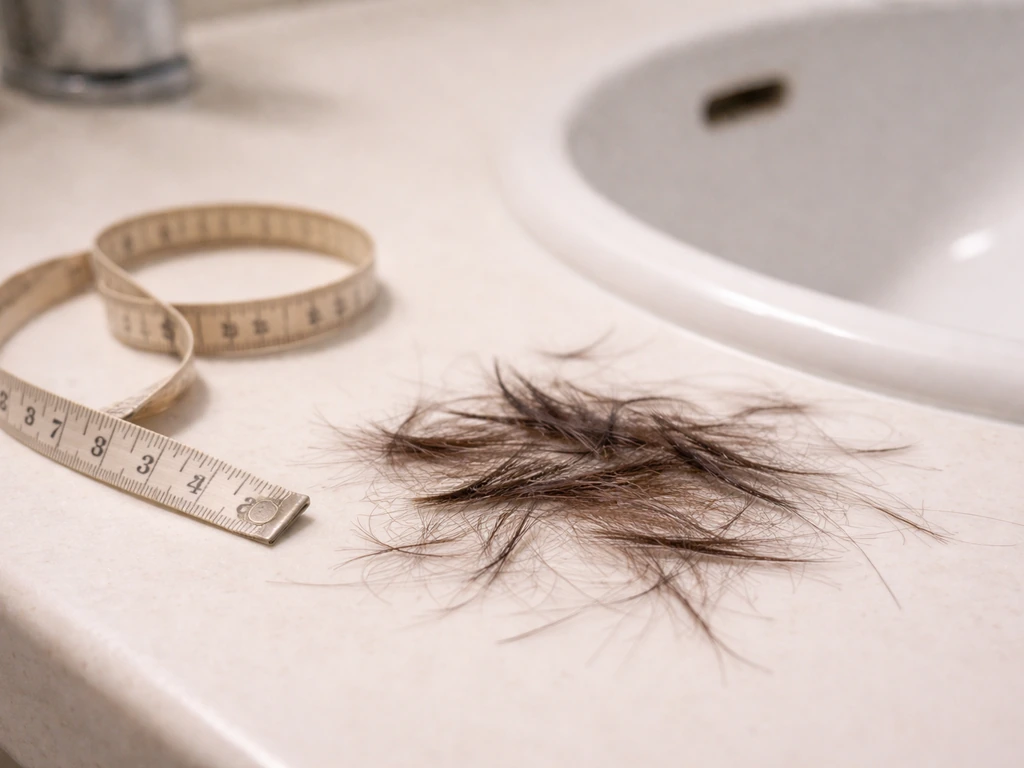
This same retention-first approach is the core of how to let short hair grow out successfully over time i have short hair and want to grow it out. Hair grows roughly half an inch per month no matter what you do, so the real job is preventing breakage from eating up that progress. Get that part right, and you will see real length change every 6 to 8 weeks.
How long this actually takes (honest timelines)
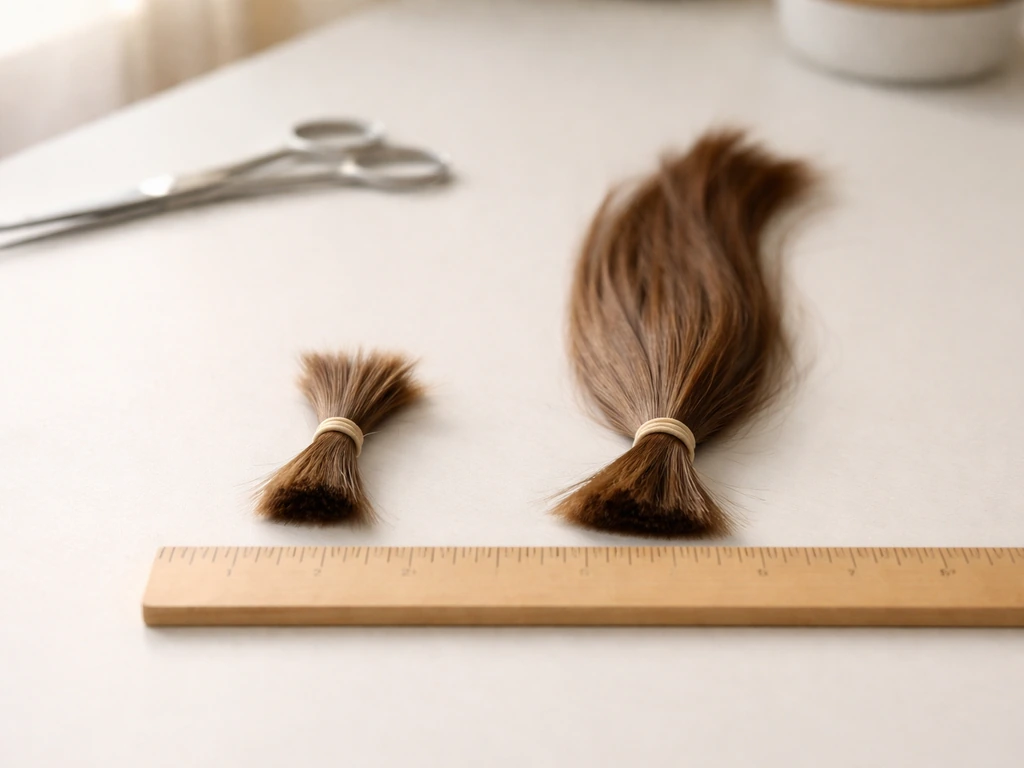
Scalp hair grows about 0.5 inches (13 mm) per month on average, which adds up to roughly 6 inches per year. Some people grow closer to 0.7 inches per month; others land at 0.3. Genetics set your ceiling, and no product changes that ceiling in any meaningful way. What that means in practice:
| Starting Point | Target Length | Estimated Time |
|---|---|---|
| Buzz cut (under 1 inch) | Pixie length (2–3 inches) | 3–5 months |
| Pixie cut (2–3 inches) | Chin-length bob (6–8 inches) | 6–10 months |
| Short bob (5–6 inches) | Shoulder length (12–14 inches) | 12–18 months |
| Pixie cut (2–3 inches) | Shoulder length (12–14 inches) | 18–24 months |
| Bob with undercut or layers | One-length shoulder cut | Add 3–6 months to blend layers |
These timelines assume average growth and minimal breakage. If your hair is damaged, color-treated, or very fine, the lower end of each range is more realistic until you get the health piece sorted. Think of the 18-to-24-month window for pixie-to-shoulder length as the honest middle estimate, not a worst case. Once you accept that, the whole process feels less frustrating because you stop waiting for a miracle and start managing the stages instead.
The daily and weekly routine that actually supports growth
Hair growth happens at the scalp, so that is where your routine needs to focus first. The hair shaft itself is dead protein; once it is damaged, you cannot repair it, only cut it off. Your goal is to keep the scalp environment healthy and keep the existing hair intact long enough to reach your target length.
Daily habits
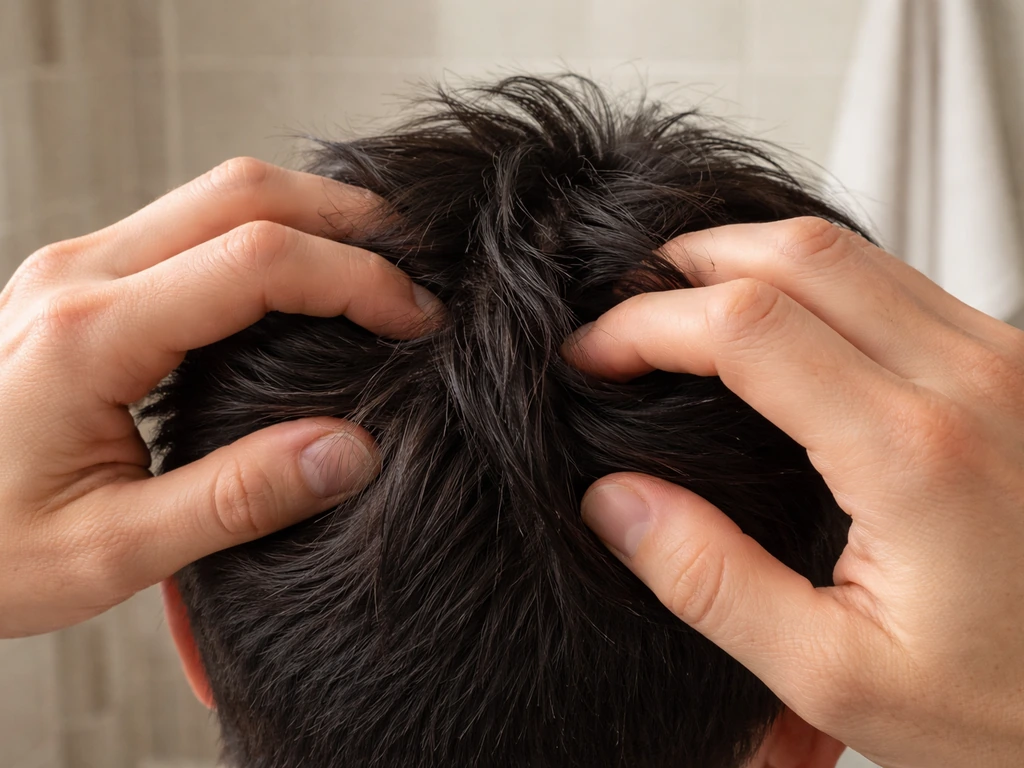
- Scalp massage for 3 to 5 minutes: Use your fingertips (not nails) to move the scalp in small circles. Studies have linked regular scalp massage to increased hair thickness over time, and it also stimulates blood flow to the follicle. Do it in the shower or dry, daily if possible.
- Sleep on a satin or silk pillowcase: Cotton creates friction overnight, especially on short to medium lengths where hair has no weight to hold it down. A satin pillowcase or a satin bonnet cuts that friction dramatically.
- Do not brush short hair dry if it tangles: Use a wide-tooth comb or a wet brush on damp hair with a leave-in conditioner or detangling spray. Even at 2 to 3 inches, forcing a brush through dry tangles snaps strands.
- Keep heat styling occasional, not daily: Air-dry when you can. If you use a blow dryer or flat iron, use a heat protectant every single time and keep tools below 375°F (190°C).
Weekly habits
- Deep condition once a week: A protein-free moisturizing mask (or an alternating protein and moisture mask if your hair is color-treated) for 10 to 20 minutes improves elasticity and reduces breakage significantly. Short hair needs conditioning just as much as long hair does.
- Clarify once or twice a month: Product buildup blocks moisture from reaching the hair shaft. A clarifying shampoo once or twice monthly resets the scalp and hair without stripping if you follow it with a deep conditioner.
- Check your elastic bands: Hair ties with metal closures and tight rubber bands snap short hair at the point of contact. If your hair is long enough to pull back (usually around 3 to 4 inches), use only seamless, fabric-covered elastics.
- Assess your ends: Run your fingers down individual strands once a week. If you feel roughness, splits, or single-strand knots at the tips, note where the damage is. This tells you whether a micro-trim is coming up.
Nutrition and supplements: what is actually worth it
If your diet is already balanced, blank" rel="noopener noreferrer">biotin supplements will not make your hair grow faster. blank" rel="noopener noreferrer">They help correct a deficiency, not supercharge a healthy follicle. Iron, zinc, vitamin D, and protein are the nutrients most commonly linked to hair shedding when they are low. If you are noticing unusual hair loss alongside slow growth, get bloodwork done before spending money on supplements. What does help across the board: enough protein in your diet (hair is mostly keratin), staying hydrated, and managing chronic stress, which genuinely disrupts the growth cycle.
The trim question: micro-trims vs. waiting it out
This is the most argued-about topic in the grow-out world, and the answer is nuanced. Trimming does not make hair grow faster. But leaving split ends alone lets them travel up the shaft, causing more damage that you eventually have to cut off anyway, losing more length than a small trim would have cost you. The key is trimming strategically, not on a rigid schedule.
The micro-trim approach
A micro-trim removes only 1/8 to 1/4 inch (3 to 6 mm) of the very tips of the hair. Done every 10 to 12 weeks, this keeps split ends from traveling while still netting you positive length gain each month. If your hair is healthy and you are not seeing visible splits, you can stretch this to every 14 to 16 weeks. If your hair is damaged, colored, or heat-styled regularly, stick closer to 10 weeks.
When to skip the trim entirely
If your hair is truly healthy (no splits visible, no roughness on the ends, no heat damage), you can go longer without trimming. Some people skip trims entirely during the first 6 months of growing out a pixie or buzz cut because the hair is too short to develop significant split ends. Inspect rather than schedule. Your hair tells you when a trim is needed.
The shape trim: different from a length trim
One underrated strategy is asking your stylist for a shape trim rather than a length trim. This means taking more off sides and back to let the top catch up, or blending bulky layers without touching overall length. This is especially useful if you are growing out an undercut, a layered pixie, or a graduated bob. A good shape trim every 8 to 10 weeks can make the grow-out look intentional rather than neglected, without costing you length on the parts that are already where you want them.
Styling the awkward stages so they look intentional
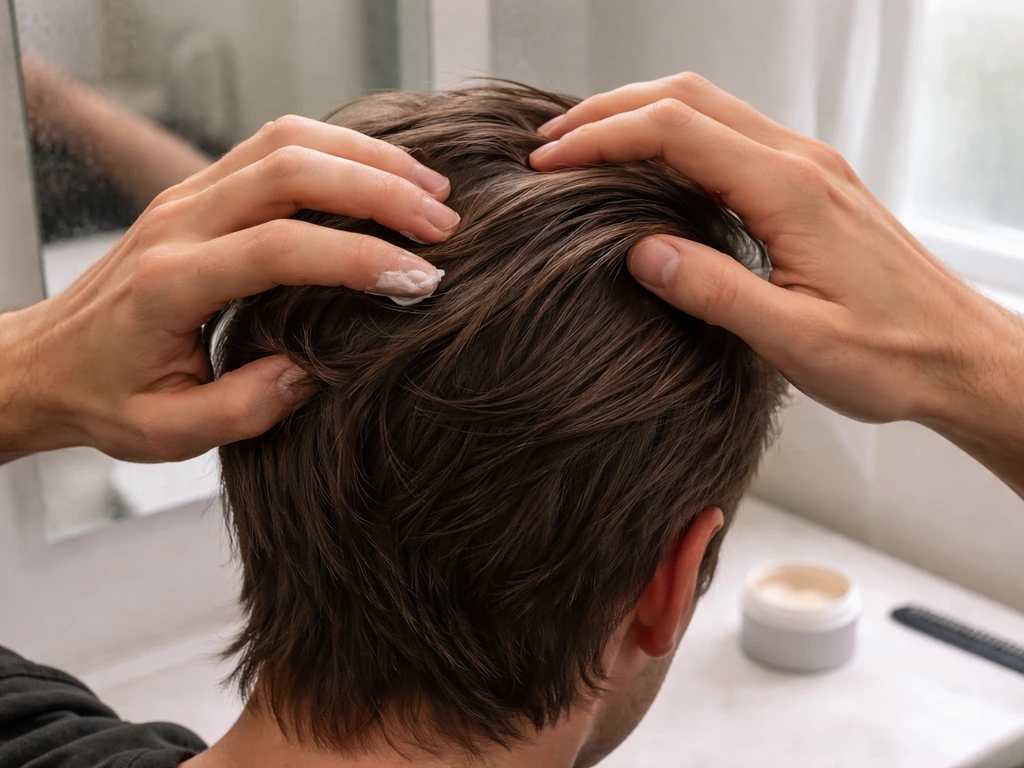
Every short-to-long transition has at least two or three stages that feel unmanageable. Knowing what to expect at each one makes the difference between sticking with the grow-out and booking a cut out of frustration. Here is how to work with each common starting point.
Growing out a pixie cut (months 1 through 6)
The first 2 months are actually fine because the pixie still looks like a pixie. Month 3 is when things get difficult: the sides and back get fluffy, the top gets heavy, and it stops looking like any recognizable style. At this stage, a small amount of pomade or matte paste worked through damp hair and air-dried can give the illusion of a purposeful short style. Tuck the sides behind your ears if they are long enough.
Headbands and wide clips work well here and look deliberate, not desperate. By months 4 to 6, you have enough length on top for soft finger waves, a small slicked-back look, or a side part with a bobby pin hold. Let the sides and back grow without touching them except for shape trims.
Growing out a bob (months 1 through 12)
A bob to shoulder length is mostly a length and texture management problem. The main issues are flipping ends, uneven layers, and the in-between stage where hair is too short to tuck behind the ear but too long to style as a bob. Braids, half-up styles, and clips through this phase are genuinely useful. A curl cream or light mousse can control flip on straighter hair textures. If you have a stacked bob, the back will need regular shape trims to keep up with the longer front sections, or you will end up with a mullet silhouette before the back catches up.
Growing out bangs
Bangs growing out go through three genuinely awkward phases: too short to pin back, long enough to fall in your eyes, and long enough to pin but not long enough to blend with the rest. For the first phase, a headband or a side sweep with product holds them. For the second, a small clip or pin on the side gives a retro look that actually works. For the third, a deeper side part can blend growing bangs into the rest of the hair surprisingly well. Avoid trimming the bangs during this process unless they are completely unmanageable. Every time you trim them, you reset the clock.
Growing out an undercut
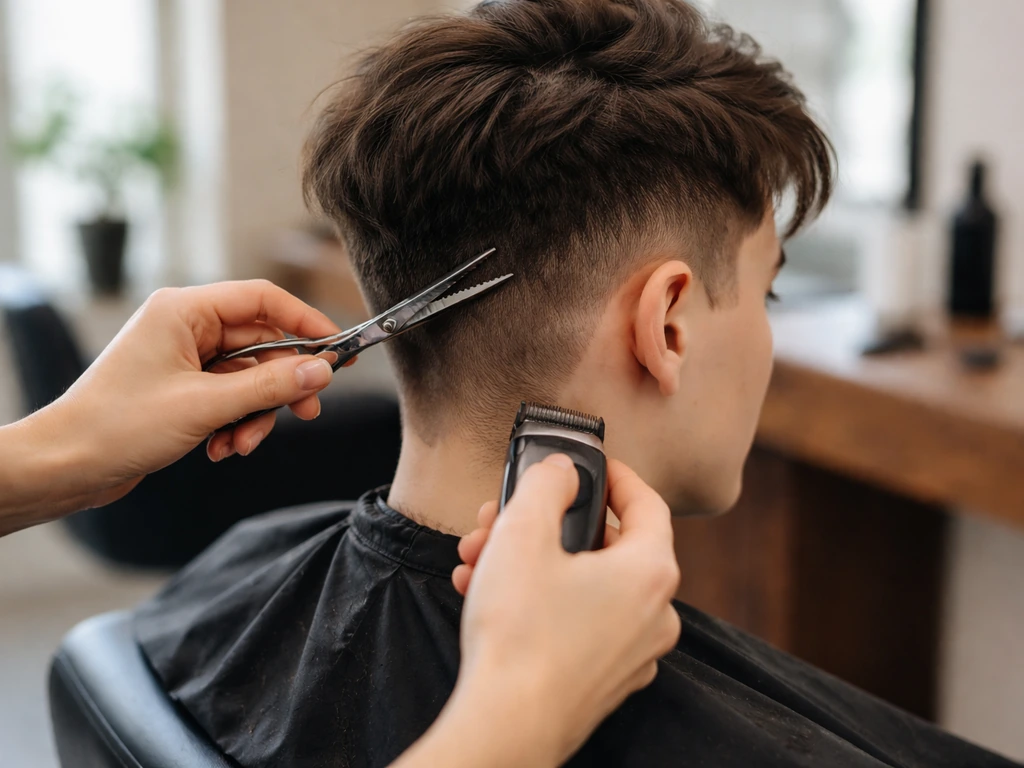
Undercuts are the trickiest grow-out because the shaved or closely-clipped sections need to catch up with the longer top sections, and that creates a visible ridge of two different lengths. If the undercut is on the nape or sides, strategic styling (wearing hair down, using the longer sections to cover the shorter ones) buys time. Shape trims on the longer sections help the two lengths merge gradually. Expect the merge phase to take 6 to 12 months depending on how short the undercut was. Do not try to rush it by cutting the long sections down to match; that just sets the whole grow-out back.
Growing out a buzz cut
The first 3 months of buzz cut grow-out are mostly about patience. There is not much to style at under 2 inches. A small amount of styling cream can add definition and make very short hair look intentional. The tricky stage hits around months 3 to 5 when hair is long enough to have texture but not long enough to lay flat or style with variety. This is when most people give up and buzz again. Do not. A soft brush-forward style, a subtle quiff, or even just working with your natural growth pattern using a lightweight pomade gets you through this phase.
Protective styling and detangling for short-to-medium lengths
Protective styling is usually talked about in the context of natural or textured hair, but the principle applies to all hair types during a grow-out. The goal is to minimize manipulation, friction, and tension on the hair shaft so that the length you grow stays on your head instead of ending up in your brush.
For straight and wavy hair
- Loose buns or twists at night once hair is long enough (around 4 to 5 inches) reduce overnight friction without the tension of a tight ponytail.
- Pin curls or flat twists before bed can set a style for the next day while also protecting the ends.
- Avoid pulling the same section of hair tightly in the same direction every day. Tension traction over time causes breakage along the hairline and temples, which is particularly noticeable at shorter lengths.
For curly and coily hair
Shrinkage makes the grow-out feel slower than it is, which is genuinely frustrating. Curly and coily hair is also more prone to single-strand knots and dryness at shorter lengths because the curl pattern makes it harder for scalp oils to travel down the shaft. A LOC (liquid, oil, cream) or LCO method applied to damp hair seals in moisture and reduces knot formation. Detangle only on wet, conditioned hair with a wide-tooth comb starting from the ends and working upward. Never detangle dry coily hair; it is the fastest way to lose length. Protective styles like two-strand twists, bantu knots, and finger coils all work well even at 3 to 4 inches and protect ends while adding definition.
Detangling rules that apply to every hair type
- Always detangle from the ends up to the roots, never root to tip.
- Use a detangling product or conditioner as slip before combing.
- Use a wide-tooth comb or a wet brush, not a fine-tooth comb or paddle brush, on hair under 6 inches.
- Section the hair if it is thick or textured, even at short lengths.
- Never rip through a knot. Hold the hair above the knot with one hand and work the comb through gently with the other.
Color, texture damage, and what to do about it
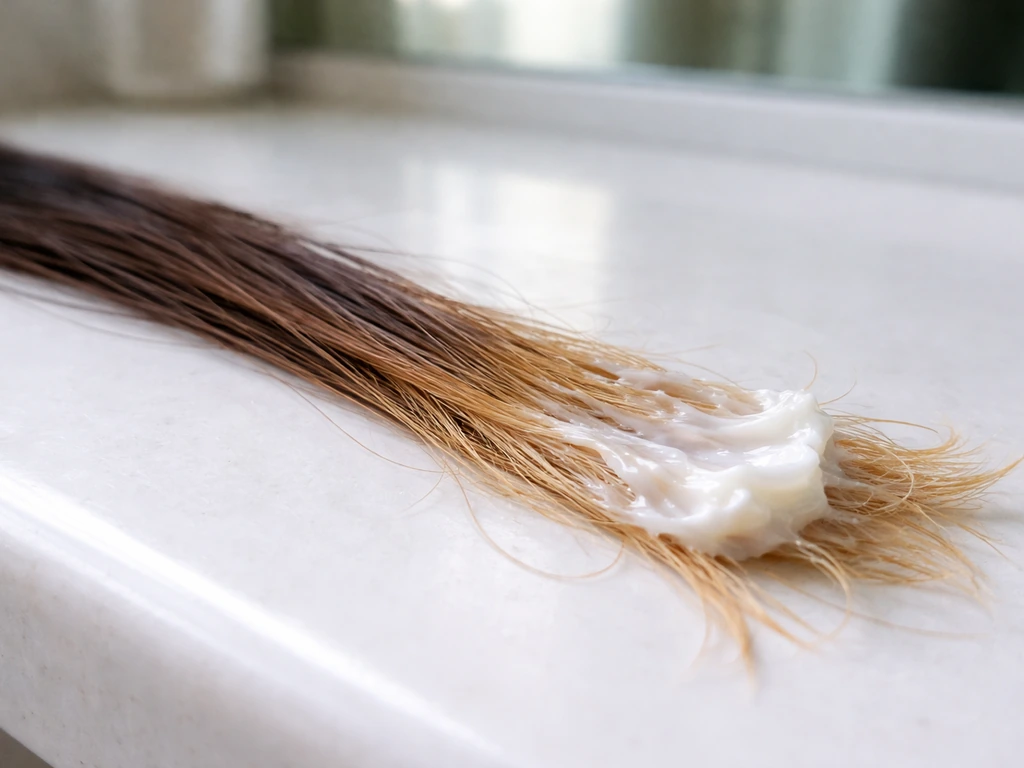
Growing out colored, bleached, or heat-damaged hair adds a layer of complexity because you are dealing with two different hair conditions on the same head: the new growth coming in at its natural texture and color, and the older, processed sections. Both need different care, and the contrast between them becomes more visible the longer your hair gets.
Growing out bleached or lightened hair
Bleached hair is structurally weaker because the bleach process opens the cuticle and removes protein. If you are growing out bleached hair, protein treatments every 3 to 4 weeks (alternating with moisturizing treatments) help strengthen the older sections while the new growth comes in. Limit bleach touch-ups to every 10 to 12 weeks at minimum, and never overlap bleach onto already-processed sections. If you want to transition away from bleach entirely, a gloss or toner in a shade that bridges your natural color and the bleached sections can soften the line of demarcation and make the grow-out look more gradual.
Growing out color or dye
If you are growing out a solid color back to your natural shade, the line of demarcation becomes visible around the 2- to 3-inch mark. A few options make this less stark: ask your colorist for a shadow root or a blended balayage that softens the transition, or use a root-blending product (spray, powder, or temporary color) between appointments. Semi-permanent color matched closer to your natural shade can also help blend as you grow without the commitment of permanent dye.
Growing out heat-damaged hair
Heat damage alters the hair's protein bonds and often shows as permanently straight sections on naturally wavy or curly hair, or as limp and porous sections on any hair type. The honest answer is that you cannot fully repair heat-damaged hair; the only complete fix is growing it out and gradually cutting the damaged sections off over time. In the meantime, protein treatments help the damaged sections feel stronger and reduce breakage. Drastically reducing heat styling going forward lets the new growth come in at its natural, undamaged texture, which makes it easier to blend the two sections with the right styling products.
Managing texture differences during the grow-out
If your natural texture is wavy or curly and your grown-out ends are straighter from heat or chemicals, styling with curl-enhancing products on damp hair can temporarily encourage the processed ends to mimic the natural sections. Braids and twists set overnight can also unify the texture visually. Long term, gradual trims that remove the processed ends a little at a time is the cleanest solution.
What you can control and what you cannot
Your genetics set your growth rate, your hair density, and how your hair responds to each stage. No supplement accelerates growth beyond your genetic rate if you are already healthy. No topical product grows hair from the outside of the shaft. Minoxidil (Rogaine) does increase growth rate and density for some people, but it is a medication with side effects and is typically used for hair loss rather than general grow-out goals. It is worth discussing with a dermatologist if you have noticed significant thinning alongside slow growth.
What you can control is how much of the hair you grow gets to stay. Breakage is the biggest barrier between where you are now and where you want to be. Moisture, gentle handling, heat reduction, and smart trimming are all within your control, and together they make a meaningful difference over a 12- to 24-month grow-out. The people who reach their length goals are almost always the ones who focused on retention, not acceleration.
A stage-by-stage roadmap to longer hair
Think of the grow-out in rough 3-month blocks. This is not a rigid plan, just a way to set expectations so each stage feels manageable rather than endless.
| Stage | Approximate Length | Main Challenge | What to Focus On |
|---|---|---|---|
| Months 1–3 | 0.5–1.5 inches gained | Not much to style; temptation to buzz or cut again | Scalp routine, patience, shape trims only if needed |
| Months 3–6 | 1.5–3 inches gained | Fluffy, undefined, no-man's-land length | Product for texture, protective sleep habits, first moisture routine |
| Months 6–9 | 3–4.5 inches gained | Long enough to style but not long enough for versatility | Half-up styles, clips, first detangling routine, assess damage |
| Months 9–12 | 4.5–6 inches gained | Layer or undercut blending issues become obvious | Shape trims, deep conditioning weekly, start protective styles |
| Months 12–18 | 6–9 inches gained | Approaching bob or lob territory; managing two textures if color-treated | Regular micro-trims, moisture-protein balance, styling variety increases |
| Months 18–24 | 9–12 inches gained | Almost at shoulder; ends may be older and more damaged | Trim more frequently to clean up ends, maintain scalp health |
The grow-out process is covered in more depth across several related guides here, including detailed breakdowns of the specific stages of growing out short hair gracefully, advice for people just starting the process with a short cut, and guidance for those who want to let hair grow out with minimal intervention. Each of those digs deeper into specific transitions, but the core rules stay the same: protect what you grow, manage your scalp, and style each stage with what you have instead of fighting it.
Your next steps starting today
- Measure your hair now and note the date. Remeasure in 8 weeks. This gives you your personal growth rate, which is more useful than any average.
- Switch to a satin pillowcase tonight if you have not already. It is the single easiest, cheapest friction reduction you can make.
- Buy a wide-tooth comb and a leave-in conditioner or detangling spray if you do not have them. Use them on damp hair only.
- Start a weekly deep conditioning session this weekend.
- Book a shape trim (not a length trim) in 10 to 12 weeks if you need your style blended or layered sections evened out.
- If you are color-treated or heat-damaged, schedule a protein treatment this week and set a reminder to alternate moisture and protein treatments going forward.
- Pick one styling approach for your current stage from the section above and commit to it for 6 weeks before deciding it is not working. Most grow-out frustration comes from switching strategies every 2 weeks.
The grow-out is a long game, but it moves faster than it feels like it does. Six months from now you will have 3 full inches more hair than you do today. Get the routine right early, manage the awkward stages with the styling approaches above, and you will get there without losing your mind or your length along the way.
FAQ
How can I tell if my trim is helping or if I’m trimming too much?
Use a “split traveling” check, look at the last 1 to 2 cm of the ends in bright light. If you see splits, roughness, or single-strand fraying at the tips, a micro-trim is likely helping. If your ends look smooth and you only trim by calendar, reduce frequency (for example stretch to 14 to 16 weeks) because over-trimming can erase progress without improving breakage.
Should I stop trimming completely when I’m growing out a pixie or bob?
Not necessarily. In the first 6 months, some people can skip trims if there are no visible splits, but you still need “inspect, don’t schedule.” If the ends start catching on towels or feel dry and pebbly, keep micro-trims in place. Think in terms of breakage control, not removing length every time you feel impatient.
Does washing less help prevent hair from breaking during a grow-out?
Washing frequency alone does not stop breakage, friction and dryness do. Instead, focus on gentle detangling on conditioned, wet hair and consistent moisturizing. If you wash less because you are afraid of shedding, note that mild shedding during wash is normal, but snapping, tangles, and dry-end roughness are not.
What’s the safest detangling method for curly hair at short lengths?
Detangle only when hair is fully wet and coated with conditioner, then start at the ends and work upward with a wide-tooth comb. For coily textures, consider sectioning into 4 to 6 parts to reduce tugging. Avoid detangling dry because it increases single-strand breakage and creates uneven, frizzier growth patterns.
If my hair grows slowly, how do I know it’s breakage and not a growth-rate problem?
Compare length change between the same style days, for example wash-day photos every 4 to 6 weeks, using the same hair positioning. If your overall thickness at the ends keeps decreasing or the ends look progressively more see-through, that suggests breakage. True slow growth usually shows more consistent ends, but smaller total length gain over time.
Can I use protein treatments while growing out color or bleach?
Yes, but alternate carefully. For bleached or heavily processed hair, protein every 3 to 4 weeks is reasonable, then balance with moisturizing treatments so hair does not feel stiff. If your hair becomes rough or tangles more after protein, switch to a lighter protein or reduce frequency until it feels elastic again.
How do I blend regrowth with my natural color without making it obvious?
If the line becomes visible around the 2 to 3 inch mark, ask for a shadow root or a blended option that keeps the gradient soft. Between appointments, use a root-blending spray, powder, or temporary color only on the regrowth area, then feather with your fingers or a brush so it does not look like a hard stripe.
Should I avoid heat entirely during a grow-out?
You do not have to go zero heat, but you should reduce to the minimum needed for your style and protect the hair when you do use it. Limit high-heat tools, use lower settings, and apply heat protection on damp hair. If you have visibly processed ends, prioritize styling methods that set shape with minimal heat, like twists or braids.
Is minoxidil worth it for growing short hair out faster?
Usually not for general grow-out goals. Minoxidil can increase growth and density for some people with hair loss, but it is a medication with potential side effects, and it is best decided with a dermatologist. If you are shedding more than usual or notice scalp visibility, get evaluated first rather than using it to “speed up” a normal grow-out.
What’s the best way to grow out an undercut without getting a ridge line?
Use coverage and gradual merging, style the longer sections to consistently cover the shorter ones, especially at the nape and sides. Request shape trims on the longer areas to let the lengths blend over time, instead of cutting the long hair down to match. Expect the ridge to soften as the undercut catches up, commonly 6 to 12 months depending on how short it started.
How should I style bangs during the grow-out without constantly trimming them?
Rotate between short-term solutions: headbands or a side sweep when they are too short to pin, then add a small clip or pin once they reach your face comfortably. When they start growing long enough to blend, try a deeper side part to merge bangs with the rest of your hair. If bangs are truly “unmanageable,” fix the styling first before trimming, because trims reset the timeline.
When should I contact a dermatologist during a grow-out?
If you have noticeable thinning, widening part, patchy loss, scalp pain, or heavy shedding that continues beyond normal wash-day shedding patterns. Consider bloodwork for iron, vitamin D, zinc, and thyroid-related issues before buying many supplements. If you have slow growth plus changes in density, it is safer to troubleshoot the cause than to extend the grow-out with no answers.