
Growing out a short haircut is mostly a patience game, but the way you manage the process month by month makes a massive difference between hair that looks intentional and hair that just looks forgotten. The core steps are simple: let the bulk grow, protect the ends, trim only what needs trimming (not everything), and learn a few styling tricks to carry you through each awkward stage. Here is exactly how to do that.
How to Grow Out Short Hair Cut: Timeline and Styling Tips

Marcus Vickers
4 Apr 2026

Realistic timelines: how long this actually takes
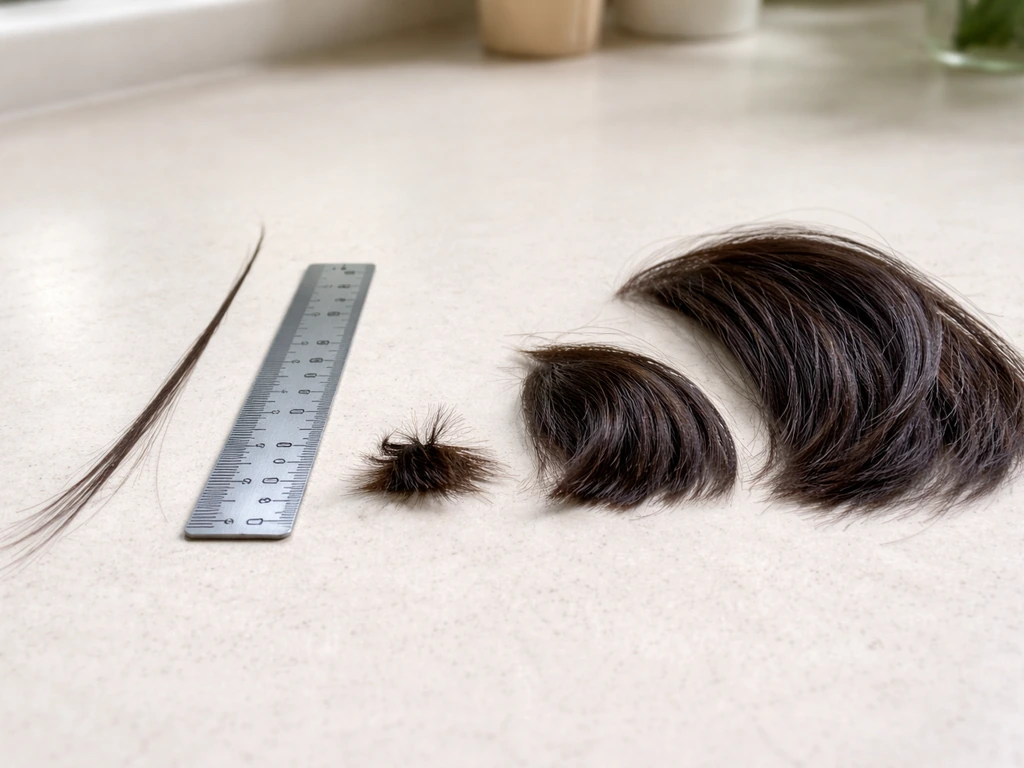
Hair grows about 1 to 1.25 centimetres per month on average, which works out to roughly half an inch. ATSDR/CDC hair analysis reports state scalp hair grows at an average rate of about 1 centimeter per month, with reported ranges of roughly 0. StatPearls (NCBI Bookshelf) also reports that scalp hair grows at an average rate of about 0.35 mm per day, roughly 1 cm per month and about 15 cm per year blank" rel="noopener noreferrer">0.35 mm per day (about 1 cm/month). 6 to 3.36 centimeters per month SUMMARY REPORT. Individual variation is real and wide (anywhere from 0.6 cm to over 3 cm per month depending on age, health, and genetics), so do not stress if your neighbour seems to grow hair faster than you do. What those numbers mean in practical terms:
| Starting point | Approximate time to chin/bob length | Approximate time to shoulder length |
|---|---|---|
| Buzz cut (under 1 cm) | 12–18 months | 18–24+ months |
| Pixie cut (2–5 cm) | 6–9 months to a short bob | 12–15 months |
| Short layered cut / textured crop | 5–8 months to a tidy bob | 10–14 months |
| Short bob (at jaw) | 3–5 months to shoulder | 6–9 months |
The pixie-to-shoulder estimate lines up with what stylists consistently report: expect around 6 to 9 months to reach a bob and up to 15 months before you can pull your hair into anything resembling a real ponytail. A buzz cut adds several more months at the front end. Plan for that and the process feels manageable rather than endless. If you want a deeper look at what each month actually looks like, the stages of growing out short hair gracefully breaks it down phase by phase.
What to cut, what to leave alone
This is where most people accidentally stall their progress. The instinct when hair starts looking shaggy is to tidy everything up, and you end up right back where you started. The goal during a grow-out is selective trimming, not a full reset.
What to trim
- Split ends and visibly damaged tips: even 1 to 2 mm is enough to stop a split travelling up the shaft and causing breakage.
- The neckline: let it get shaggy at the sides and top, but a clean neckline keeps the overall shape looking intentional rather than neglected.
- Any single section growing noticeably faster than the rest: a quick snip to even out a patch stops the whole style from looking lopsided.
- Bangs (if you have them): trim only enough to keep them out of your eyes, but resist cutting them back to where they started.
What to leave alone
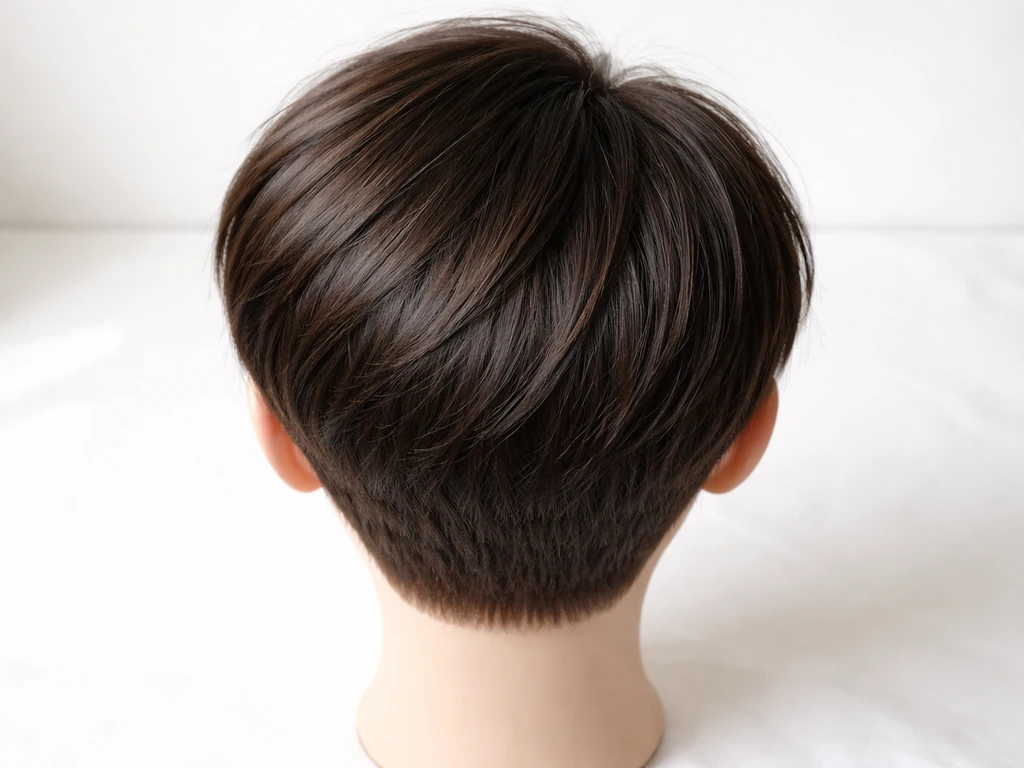
- The top and sides of a pixie: these are the sections you need to build length, so do not let a stylist re-crop them to restore the original shape.
- Layers that are just starting to grow out: they will integrate into the overall length given time.
- The undercut section (if you have one): this is its own challenge covered below, but the answer is still mostly to leave it and let it catch up.
How often should you go in? Every 8 to 10 weeks works well for most people growing out a pixie or short cut. Some stylists suggest every 4 to 6 weeks to keep the shape looking fresh, and that is reasonable if your hair grows fast or looks chaotic quickly. However, if your hair is growing evenly and you can style it confidently, stretching to every 8 to 10 weeks protects your length progress. Discuss this explicitly with your stylist: tell them you are growing it out and ask them to shape around the existing length rather than reduce it.
Daily styling through the regrowth months
The right products and a consistent morning routine are what make the difference between hair you feel good about and hair you want to hide under a hat. Here is a practical approach by growth stage.
Months 1 to 3 (very short to starting-to-grow)
At this stage, a small amount of a light pomade or matte clay gives you enough control to direct hair where you want it, especially at the crown where new growth tends to stick up or fall flat unevenly. A tiny amount of product worked through dry fingertips and pressed into the hair from root to tip is usually enough. Avoid heavy waxes at this length because they weigh fine regrowth down and can make scalp buildup worse.
Months 3 to 6 (the mullet-adjacent phase)
This is the hardest period for most people. The back and sides are growing faster than the top looks polished, and everything seems to flip, curl, or puff in the wrong direction. A lightweight mousse applied to damp hair and then diffused or air-dried gives body without stiffness. For cowlicks, the most reliable fix is directing the hair opposite to its natural fall while it is still damp, holding for 30 seconds, then releasing. A small barrel brush and a hairdryer on medium heat can train stubborn sections over a few weeks.
Months 6 and beyond (enough to work with)
Once you have enough length to tuck behind the ear or clip back, your daily options expand quickly. A light hold gel or cream gives definition, and you can start experimenting with simple half-up styles or small clips that keep growing sections off your face while looking deliberate rather than desperate. This is also when a silk or satin scrunchie becomes genuinely useful because your ends are still fairly delicate.
Managing the awkward phases without losing your mind

Every grow-out has its specific problem zones. Here is how to handle the most common ones.
The neckline flip
Hair at the nape of the neck tends to flip outward or curl under unevenly as it grows past the collar. The easiest fix is a small amount of smoothing cream applied to the nape when hair is slightly damp, then combed flat and allowed to dry in that position. If flipping is severe, a light straightener pass on low heat (under 180°C) tames it quickly. Keeping the neckline lightly trimmed (every 8 weeks or so) prevents the worst of the shaggy-collar look while the rest grows.
Growing out bangs
Bangs growing out pass through an eye-poking, forehead-clinging phase that lasts roughly 2 to 4 months. Bobby pins, small claw clips, and headbands are your practical tools here. The trick is to stop thinking of them as bangs and start thinking of them as the front section you are building length into. A side-swept style held with a single pin is consistently the most flattering way to handle this transition. Resist trimming them back; each trim restarts the clock.
Layers and undercuts
Layers create uneven lengths throughout the grow-out, and an undercut creates a section at the back or sides that is dramatically shorter than the rest of the hair. For layers, patience is the main strategy: a texturizing spray or curl-enhancing cream can blend different lengths by adding visual texture that disguises the unevenness. For undercuts, the shaved or clipped section will need 3 to 6 months just to reach the same length as the next-shortest layer. During that time, strategic styling (keeping the rest of the hair down and away from the growing section) or, for longer top sections, letting the upper hair fall over the growing undercut is the most practical approach. Some people choose to keep lightly trimming the undercut during this period to control it; others go cold turkey and let it all grow at once. Both approaches work, and the right one depends on how much the length mismatch bothers you day to day.
Gender-specific notes for growing out short hair
The biology of hair growth is the same for everyone, but social context and styling expectations vary. For women and people who are growing toward traditionally feminine styles, the awkward in-between phase often comes with more external pressure (comments, unsolicited opinions) because longer hair is still read as the default. Knowing that the phase is finite and having a few go-to styles for each month helps push back against that pressure. The pixie-to-bob transition, for example, can actually look quite polished with a good texturizing product and a bit of confidence, even at the most in-between lengths. If you are a woman who just got a short cut and are already second-guessing it, the article on what to do when you have short hair and want to grow it out has a lot of practical starting-point advice.
For those growing out a buzz cut or very closely cropped style (common for men but increasingly a starting point for all genders), the first three months are the most awkward because there is not enough length to style at all. A very light pomade or a skin-friendly SPF on the scalp is about all you can do early on. By month four or five, you will have enough length to start directing the growth with a comb and light product, and the process starts feeling more manageable.
Keeping your hair healthy while it grows
Hair that breaks off at the ends is not getting longer, even if it is growing at the scalp. Protecting the length you already have is just as important as letting new growth come in. The basics are not complicated, but they are worth being deliberate about.
Washing and conditioning
Shampoo gently and focus the product on the scalp rather than dragging it through the ends. Conditioner, on the other hand, goes primarily on the mid-lengths and ends. A weekly deep conditioner or mask makes a noticeable difference in end health once your hair reaches 4 to 6 cm. If your hair is color-treated, colored, or chemically processed in any way, conditioning more frequently (every second wash at minimum) is worth the extra two minutes.
Detangling without breakage
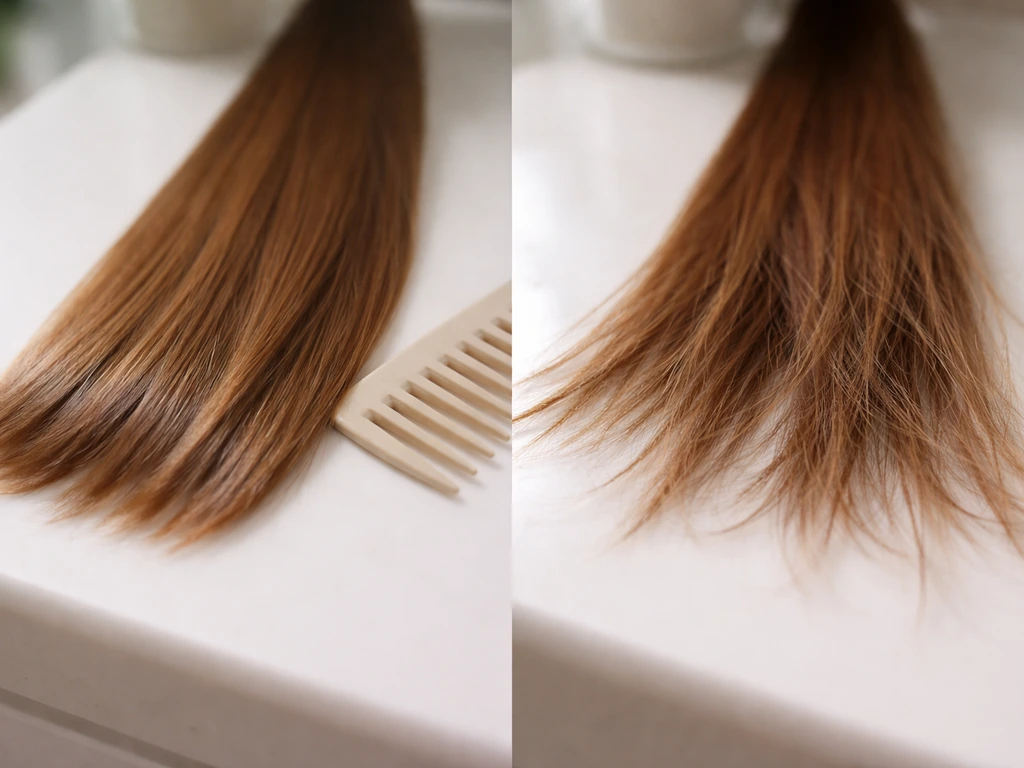
Always detangle from the ends upward, working out knots at the tips before moving toward the roots. A wide-tooth comb or your fingers are the gentlest tools, especially when hair is damp. A leave-in conditioner applied as you let short hair grow out makes detangling dramatically easier and reduces the mechanical damage that causes breakage at exactly the lengths you are trying to preserve.
Heat styling causes cumulative damage, so when you do use a dryer or straightener, use a heat protectant spray and keep the temperature moderate (under 180°C for fine or color-treated hair). Air-drying when you have the time is always gentler on growing ends.
Color, texture, and product choices during the grow-out
If you have colored hair, the grow-out adds a visible roots dimension to the awkward-phase challenge. Root touch-ups every 6 to 8 weeks keep permanent color looking intentional; for bleached or highlighted hair, addressing regrowth before it reaches about 1 inch (2.5 cm) prevents a jarring line of demarcation. Between color appointments, a gloss or glaze treatment every 4 to 6 weeks refreshes tone and adds shine without the commitment of a full color service. Temporary root touch-up sprays and powders are also worth keeping on hand for days when the contrast is bothering you but your next appointment is two weeks away.
If you are growing out a single-process color or a bold fashion shade, consider asking your colorist about transitioning to a balayage or lived-in technique as the hair gets longer. These techniques are specifically designed to grow out gracefully, with softer demarcation lines that blend rather than draw attention to regrowth. It is a practical way to keep color interesting during a process that already asks a lot of your patience.
On the product side, the general principle is: lighter at the roots, more nourishing at the ends. A volumizing mousse or spray at the root, a smoothing or defining cream through the mid-lengths, and a light oil or serum on the very tips covers most of what you need through the grow-out process. As the hair gets longer and heavier, you may find you need less volume product at the root and more moisture at the ends.
When to re-cut and when to keep going
There are two legitimate reasons to consider a reset trim: the hair has become so uneven or damaged at the ends that it looks worse than it would slightly shorter, or the current in-between length is genuinely not working for your life and a tidier shorter style would serve you better right now. Neither of those is failure. A small reset trim of 1 to 2 centimetres to clean up the shape is not the same as going all the way back to the starting point.
The reason most people feel the urge to cut everything off is that they hit an awkward phase without a plan for styling through it. That is exactly why having stage-specific strategies (covered above) matters so much. If you find yourself at month four wondering whether to give up, check whether you have tried the styling approaches for that specific stage before deciding the length is the problem. Often it is not the length; it is just the lack of a go-to routine for that length.
If you want a thorough look at the best overall approach to growing short hair out, including the decisions that tend to speed up the process versus the habits that slow it down, that is worth reading alongside this guide. The decision to re-cut or keep going ultimately comes down to what your daily life needs right now, and there is no wrong answer as long as it is actually your choice rather than a reaction to a bad hair morning.
FAQ
My hair feels like it is not growing out, how can I tell if it is breakage or just slow growth?
If your ends look thinner or see-through, treat it as breakage rather than “not growing.” Focus on reducing mechanical stress (detangle gently from ends upward, use a wide-tooth comb or fingers), add a leave-in conditioner, and switch to a weekly mask once the hair is a few inches long. A trim helps only if the damage is obviously split and worsening, otherwise the bigger win is strengthening and friction control.
When I see my stylist during the grow-out, what exactly should I ask for so I do not restart the process?
Aim for shape maintenance, not length shaving. Tell your stylist you want “thinning only if necessary” and “keep the bulk growing,” then ask for targeted clean-up at the neckline and any visibly fraying sections. Many people benefit from a light refresh around weeks 8 to 10, but the key is that each visit should remove damaged ends, not create a new short haircut silhouette.
Is it ever okay to trim during a grow-out, or will it always delay my length?
Not always. You can usually keep trimming very selectively, for example, cleaning the neckline every 8 weeks or snipping only split tips. A full uniform haircut is what resets your timeline. If your hair gets uneven because layers or an undercut are fighting each other, blending with texturizing products is often better than cutting shorter every few weeks.
How do I stop my hair from flipping in random directions as it grows?
If you have cowlicks or “flip zones,” train them while the hair is damp and use controlled tension. Try applying a lightweight mousse, combing in the desired direction, holding for 30 seconds, and letting it dry without touching. For persistent areas, a small barrel brush with medium heat over the same section can help over several weeks.
What is the best way to measure progress so I do not feel discouraged halfway through?
Track progress by measuring from a consistent reference point (for example, from your scalp to the longest visible edge) about once a month. Also note what “length milestone” you are aiming for, such as tucking behind the ear, covering the jawline, or reaching the shoulders, since styling satisfaction usually arrives before ponytail length.
Why does my hair look worse even though it is growing, could product build-up be the problem?
If your scalp product build-up or dandruff is flaring, you may need to clarify less aggressively and adjust how you apply. Keep shampoo on the scalp only, use conditioner from mid-lengths down, and avoid heavy waxes that can sit at the crown. If you use styling products daily, consider an occasional gentle clarifying wash to keep texture from getting stiff or greasy.
Can I make the grow-out faster, or is the timeline mostly fixed?
If you are trying to speed up visible length, the fastest safe lever is protecting the ends from breakage and managing heat. Reduce high-heat sessions, keep temperature moderate with heat protectant, and air-dry when possible. Hair growth rate is mostly biology, so “speed” usually comes from keeping more of the growing length instead of losing it at the tips.
What should I do at night to avoid tangles and breakage while growing out short hair?
Choose protective sleep habits that match your stage: once you have enough length to gather, use a satin or silk scrunchie, or a loose braid to reduce tangling. At shorter lengths, try a satin pillowcase and keep hair loosely positioned so it is not crushed against the same spot all night. This reduces the end damage that makes growth look uneven.
How should I handle root regrowth and tone differences if my hair is bleached or previously highlighted?
Yes, for some people. If you have bleached or previously lightened ends, they can look stringy or dull as new darker roots come in, even when the length is healthy. In that case, prioritize gloss or tone refreshes and protect ends with conditioner more consistently, so the grow-out reads intentional rather than uneven.
When is a small reset trim actually worth it, and when is it better to keep going?
A reset trim can be helpful, but decide based on function. If the current cut forces you into constant hiding or you cannot style it in a way that supports your life, a 1 to 2 centimetre clean-up may improve your daily reality. If the only problem is “awkward but manageable,” try stage-specific styling first before cutting, because the urge often comes from lack of a go-to routine.