Curtain bangs almost always go through at least one weird phase as they grow out, and that's completely normal. The shape that makes them look good at their original length (that soft, face-framing curtain split in the middle) is also exactly what makes them lose their charm once they hit certain awkward in-between lengths. They start flipping outward, clumping unevenly, sitting flat when they should have volume, or just refusing to part the way they used to.
Do Curtain Bangs Grow Out Weird? Fix the Awkward Stages
Marcus Vickers
23 May 2026
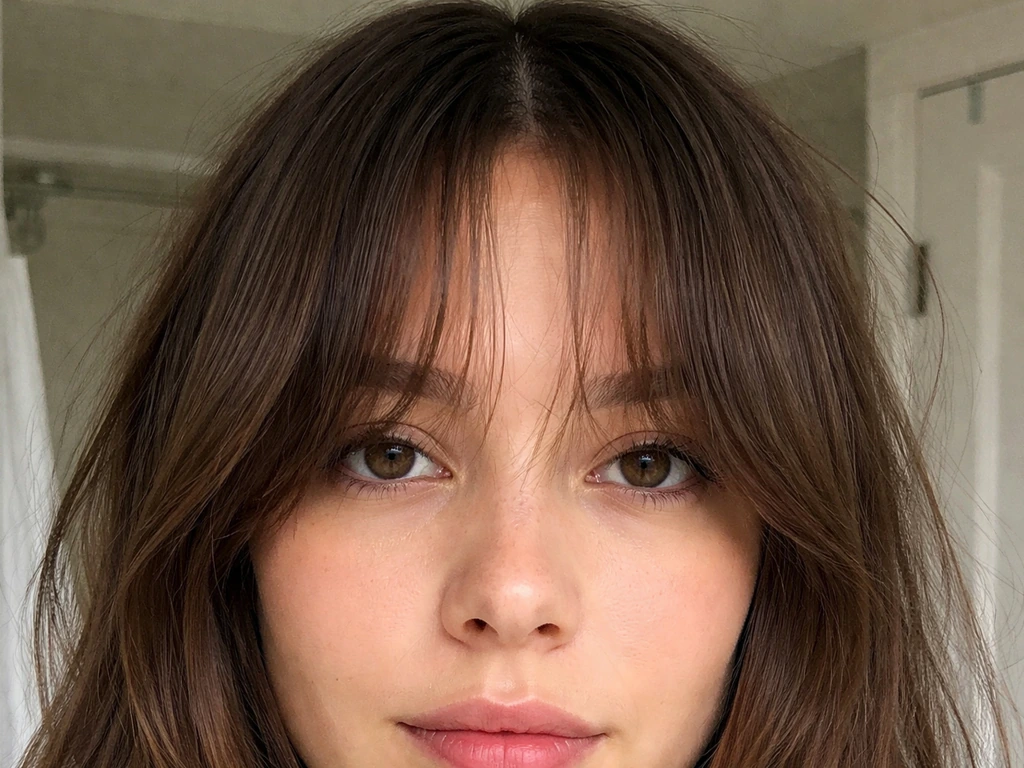
The good news: none of this means your hair is broken or that you need to cut them back. It mostly means you're in a predictable phase that most people with curtain bangs go through, and there are real fixes for each of it.
Why curtain bangs look weird while growing out
The curtain bang is a length-dependent style. It looks intentional when it's short enough to frame the face but long enough to part and sweep to the sides. That sweet spot is roughly between eyebrow and cheekbone length. The moment the hair pushes past that window, a few things start going wrong at once.
First, the weight distribution changes. Shorter curtain bangs have a natural arc because there isn't much length to weigh them down or pull them in random directions. As they get longer, gravity and your hair's own texture start competing with that shape. If you have any natural wave, the ends start to flip or curl outward rather than softly draping. Straight hair can go limp and stick to the forehead instead of framing the face. Either way, it stops looking like a curtain and starts looking more like a mistake.
Second, the layering that created the original curtain shape becomes a problem. Curtain bangs are usually cut with shorter interior pieces and longer exterior pieces to build that swept look. As growth happens, those layers start sitting at mismatched lengths, making the whole section look choppy or uneven. This is especially visible when the longest pieces are brushing cheekbone or jaw length but the shorter interior pieces are still hovering around the nose or mouth.
Third, the natural part can shift or split in the wrong place. Curtain bangs rely on a center part (or close to one) to work correctly. If your hair has a dominant natural part somewhere else, or if you have a cowlick near the hairline, growing the bangs out disturbs the balance and one side will behave completely differently from the other. That asymmetry is one of the most common complaints people have during this phase.
How length changes affect the shape
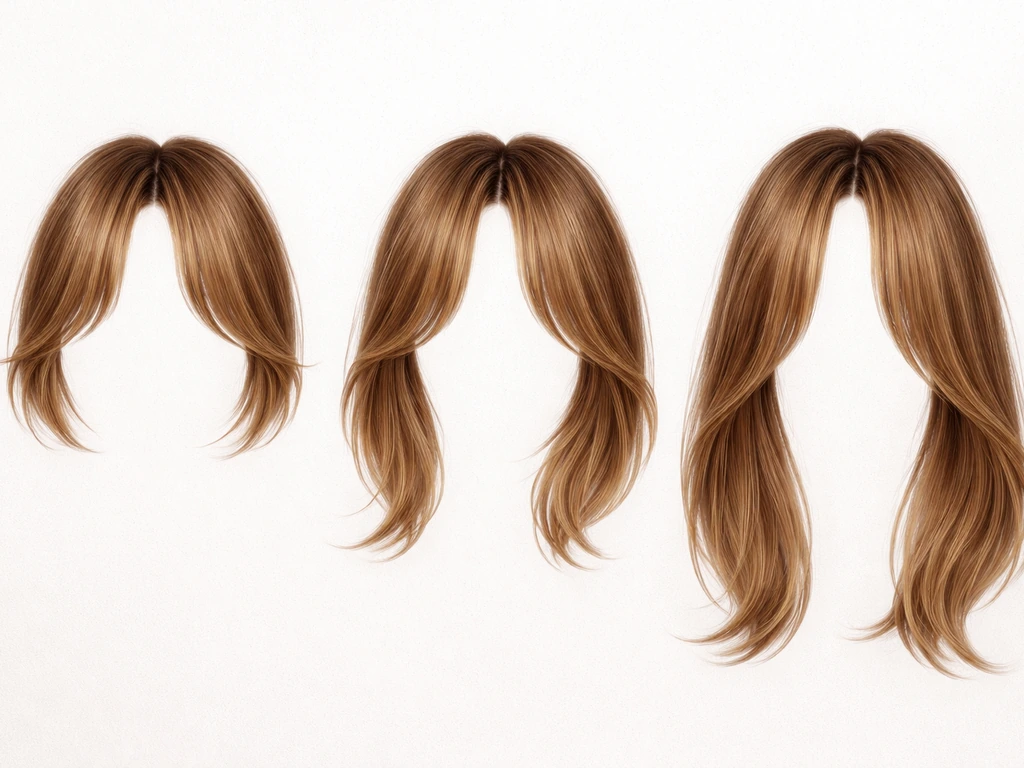
Understanding what's actually happening to the physical structure of your hair at each length makes it much easier to stop fighting it and start working with it.
The part
Curtain bangs look best when the part falls naturally in the center. At shorter lengths, that part is easy to coax into place because the hair doesn't have enough weight to fight you. As the bangs get heavier and longer, the hair starts defaulting to its natural part, which might be slightly off-center or even a hard side part. This can make one side of the curtain look fuller and swept while the other side falls flat or clumps against the forehead. The fix isn't to force the part back every morning; it's to work with where your hair wants to go while you wait it out.
The face frame
At the original cutting length, curtain bangs sit inside a face-framing zone that draws attention to the eyes and softens the forehead. Once they grow past eyebrow length and start approaching the cheekbones, they blur into the rest of the face-framing layers (or in some cases the lack of layers) in your haircut. If your main haircut doesn't already have long layers or a face frame, the growing bangs can look like a disconnected blob of extra length right in the front. This is the phase most people describe as 'they just look weird, I don't know how to explain it.' That disconnection is the explanation.
Cowlicks and texture
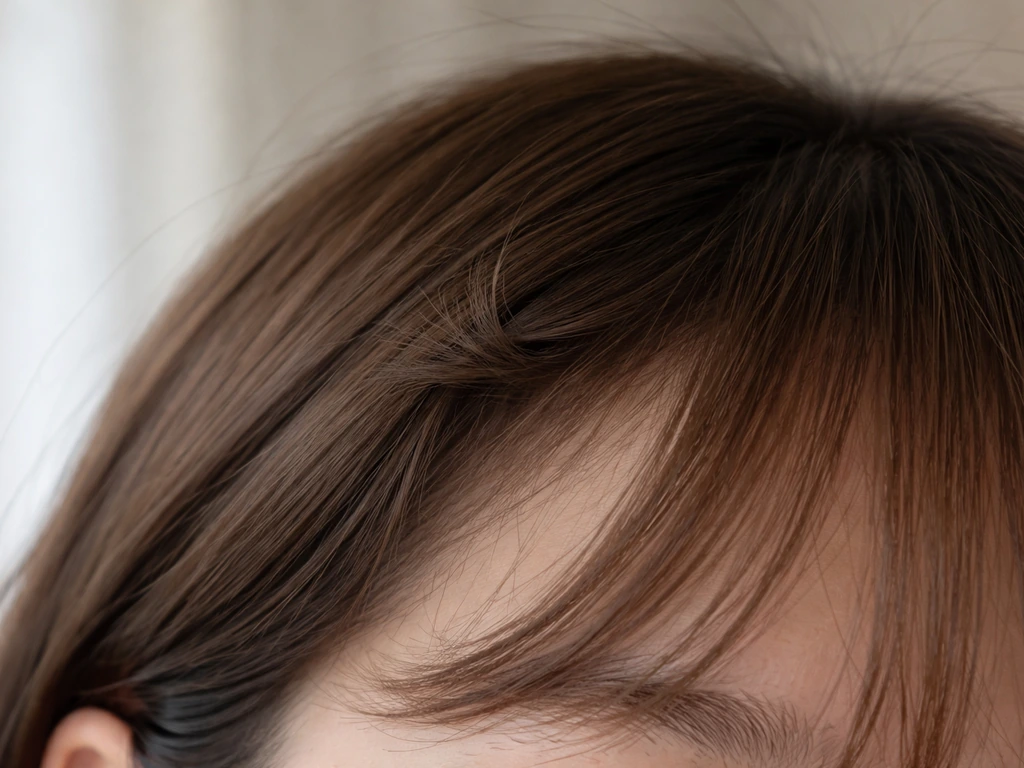
If you have a hairline cowlick, usually a small whorl near the temple or the center of the forehead, you probably didn't notice it much when the bangs were freshly cut because the stylist built the shape around it. As the hair grows, that cowlick reasserts itself. The hair around it starts growing in a different direction from the rest of the bang section, which creates a piece that sticks out, lifts oddly, or parts in a place you don't want. This is one of the hardest things to DIY-fix and is often the best reason to see a stylist.
The growth-out timeline: what to expect stage by stage
Hair grows at roughly 0.5 inches (about 1.25 cm) per month on average. Dyson Insights cites the American Academy of Dermatology average scalp hair growth rate of about blank" rel="noopener noreferrer">0.5 inches (1.25 cm) per month, which is roughly 6 inches per year. Curtain bangs are typically cut somewhere between 3 and 6 inches from the hairline depending on the look, so a full grow-out to blend into the rest of your hair takes anywhere from 6 to 18 months or more. Scalp hair growth averages about blank" rel="noopener noreferrer">0.5 inches (1.25 cm) per month, or about 6 inches per year. Here's what you'll generally encounter at each stage.
| Stage | Approximate Length | What It Looks Like | Main Challenge |
|---|---|---|---|
| Months 1–2 | Grows 0.5–1 inch past starting length | Still looks somewhat like curtain bangs but ends may start flipping or losing arc | Ends curling outward, tips losing the soft look |
| Months 2–4 | Reaching or passing the nose | Awkward, neither bangs nor face frame; may stick to forehead | Weight and gravity fighting the curtain shape; cowlicks become visible |
| Months 4–6 | Around mouth to chin level | Pieces start to blur into the rest of the hair if layers are present; can look choppy if not | Blending the different layer lengths; uneven sides most obvious here |
| Months 6–12 | Chin to collarbone | Starting to merge with the rest of the haircut; face frame emerging if managed | Patience; commitment to not cutting them back |
| Months 12+ | Collarbone and beyond | Fully blended or clearly part of the long layers or face frame | Minimal; just maintenance trims |
The most frustrating stretch for most people is months 2 through 5. The bangs are long enough to be annoying but not long enough to stay tucked behind the ear or blend cleanly into the rest of the hair. This is the window where most people give up and cut them back. If you can get through this phase with a few styling tricks, you're mostly in the clear.
Styling fixes that keep them looking intentional
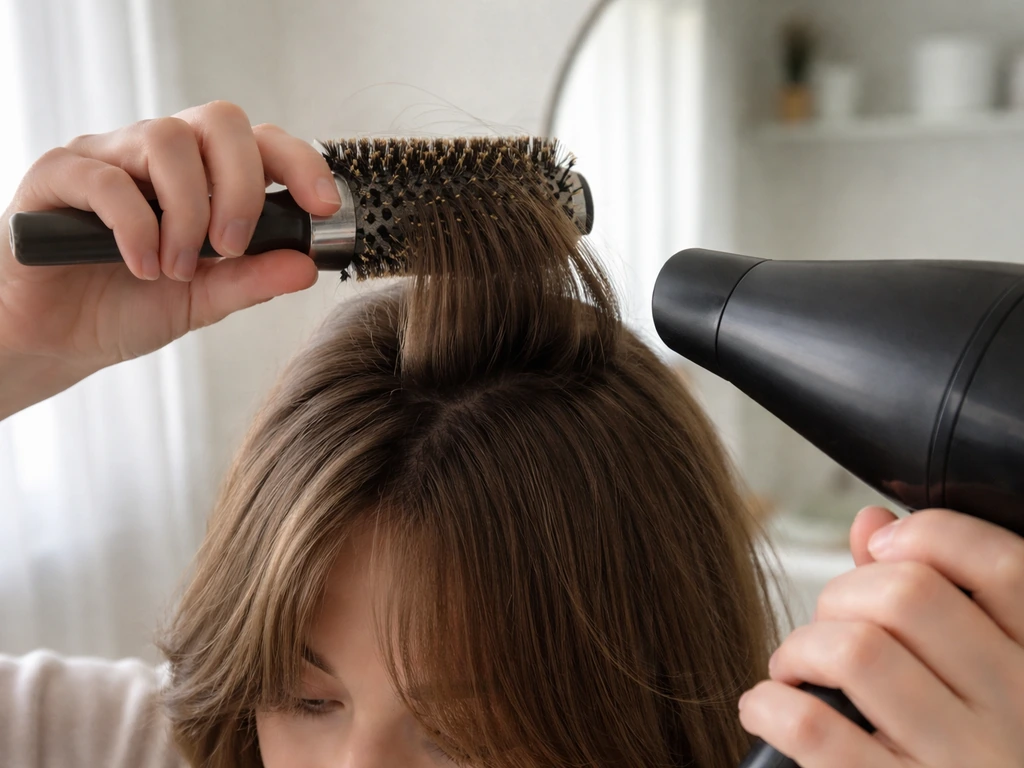
The goal during the awkward phase is not to make your hair look exactly like freshly cut curtain bangs. The goal is to make it look like a deliberate choice rather than a hair disaster. Here are the techniques that actually work. To get the best results for this style, follow a step-by-step routine for how to grow curtain bangs and keep the curtain effect as they lengthen how to grow curtains hairstyle.
Blow-drying technique
A round brush and a blow-dryer are your best tools here. Section the bang area away from the rest of your hair. Starting from the roots, direct the airflow toward the face and slightly downward as you roll the brush away from the face. This trains the shape back into a soft, away-from-the-forehead curve. Finish with a short blast of cool air while the brush is still in place to set the shape. If you don't own a round brush, a flat brush or even your fingers work for a looser, more lived-in version of this. The key is directing the heat away from the face to counteract the tendency to flip inward or lie flat against the skin.
Clips and pinning while drying
For air-dryers (or just those mornings when you have no time), duck-bill clips are a game-changer. While your hair is still damp, section the bang area, sweep each side the direction you want it to fall, and clip it flat against the head about an inch from the root. Leave it for 20 to 30 minutes while you get ready. When you remove the clips, the hair has dried in the correct direction and has lift at the root instead of flipping or going flat. This trick works especially well in months 2 through 5 when the bangs aren't quite sure what they want to do.
Products that help (and ones to avoid)
Lightweight is the word for this phase. Heavy creams, thick pomades, and anything with a lot of hold will make the growing-out bangs clump, look greasy, or lose the soft movement that makes curtain bangs work in the first place. Instead, reach for a small amount of a light smoothing serum, a flexible-hold styling milk, or a texturizing spray. Apply while damp, before drying, for the best result. A light-hold hairspray used after styling (not before) can lock the shape without making it stiff. For flyaways and frizz on the top layer, a tiny amount of hair oil rubbed between the palms and then smoothed over the surface is more than enough.
Leaning into the look
Sometimes the most stylish move during a grow-out is to stop pretending you're not growing them out. A center-parted half-up style, where the growing bangs get swept back into a loose top section or mini bun, looks completely intentional and actually suits the awkward lengths quite well. This is a particularly good option for months 3 through 6. Hair accessories like thin headbands, claw clips, and ribbon ties are genuinely useful here, not just a fallback.
Trimming and maintenance that don't reset your progress
A lot of people assume any trim during a grow-out means starting over. That's not true, and avoiding all trims can actually make the grow-out look worse, not better. Here's how to approach maintenance without losing ground.
Point-cutting the ends
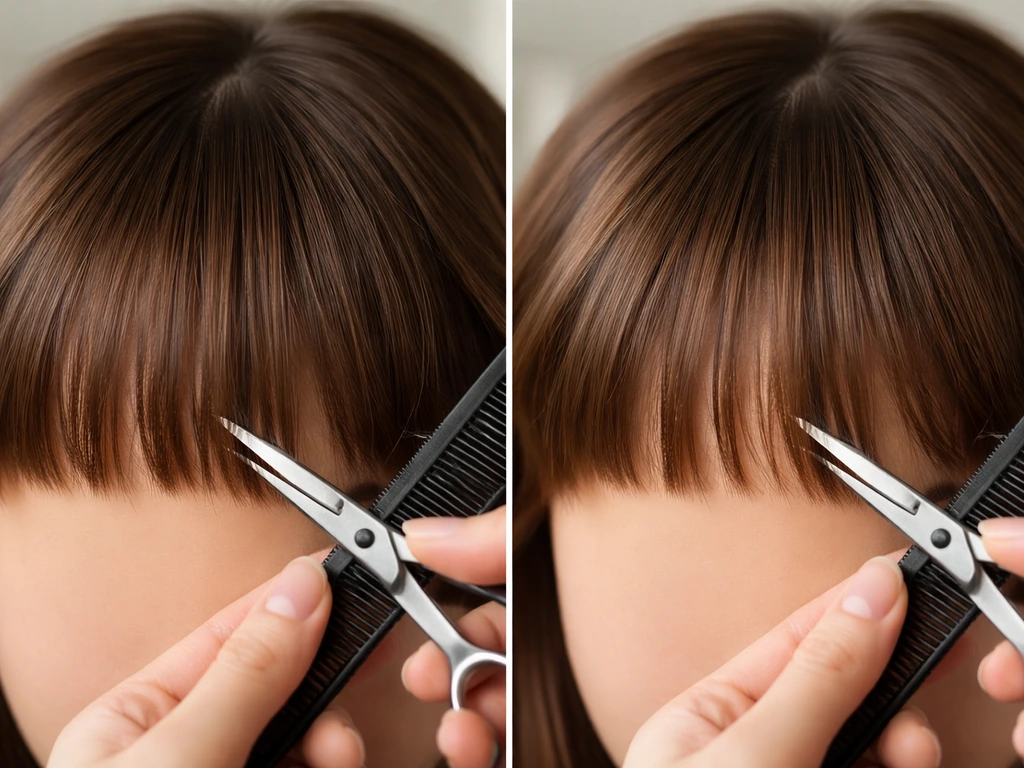
If the ends are splitting or have a blunt, heavy look that's making the bangs lie flat and clunky, a small point-cut trim can fix this without shortening the overall length significantly. Point cutting means holding the scissors vertically and making small, quick snips into the end of the hair rather than cutting straight across. This removes some weight and softens the edge so the hair moves more naturally. You can do this yourself or ask your stylist specifically for 'just a point-cut to remove bulk from the ends' so they know not to take length.
Blending with layers
If the growing curtain bangs are creating a visible step between the bang section and the rest of your hair, a stylist can add or blend layers in the front of the haircut to close that gap without significantly shortening the bangs themselves. This is especially helpful once the bangs are past nose or mouth length and sitting awkwardly between bang length and face-frame length. Ask for 'blending layers to connect the bang section to the rest of the cut.' A good stylist will know exactly what you mean.
Thinning shears
If your hair is thick and the growing bangs are heavy and stubborn, a pass or two with thinning shears through the mid-lengths and ends of the bang section can make a significant difference in how the hair falls and moves. This doesn't shorten anything; it just removes some of the density that's causing the hair to sit flat or flip outward. Ask for this specifically if you feel like your bangs are misbehaving mostly because of weight rather than length.
What to do if they're uneven or curling differently on each side
Uneven growth or sides that behave completely differently from each other is one of the most common frustrations during a curtain bang grow-out. Here's how to deal with it yourself before deciding whether you need professional help.
If one side is longer
Hair growth is rarely perfectly even across the scalp, and if your curtain bangs weren't cut identically on both sides to begin with (they often aren't, as stylists adjust for face shape), you may notice one side growing past landmarks faster than the other. The easiest DIY fix is to trim only the longer side in small increments: pull it to where the shorter side sits, make a single clean trim, and check. Do this in good lighting facing a mirror straight-on, not angled. If you're nervous about it, just clip or pin the longer side back until you can get to a stylist.
If one side curls or flips differently
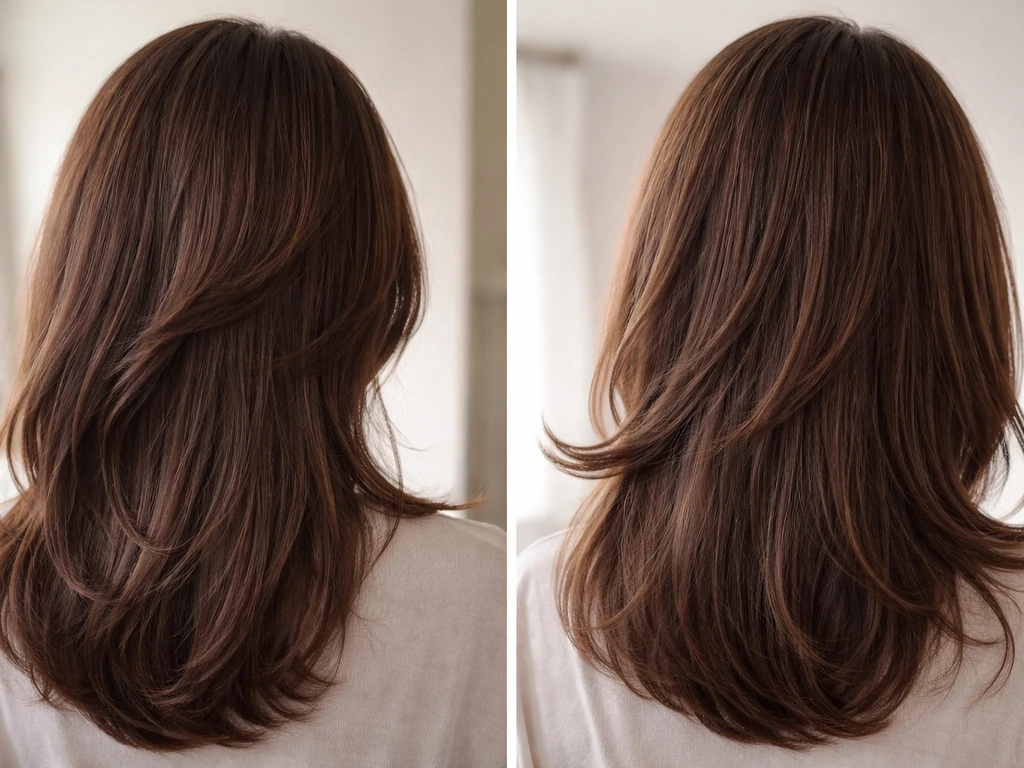
This is almost always a texture or cowlick issue, not a growth problem. If one side of your curtain bang curls outward and the other stays relatively flat, your hair has different natural movement on each side of the part. You can train the misbehaving side by consistently blow-drying it in the correct direction and clipping it while it dries. It takes a few weeks of consistent effort, but it does work for most hair types. If after a month of daily effort the side still won't cooperate, that's when it's worth seeing a stylist who can assess whether the underlying cut needs reshaping to accommodate your hair's natural direction.
If the ends are curling or flipping outward in general
This is the most common complaint and is usually caused by the bang length hitting the bone or curve of the cheekbone or jaw, which physically pushes the ends outward. It's also common in naturally wavy or slightly textured hair when the weight of the length activates curl or wave patterns that weren't visible at the shorter bang length. A small dusting trim to remove the very tips (a quarter inch or less) can sometimes fix a flip because you're removing the piece of hair that's hitting that curve. Alternatively, leaning into it with a texturizing spray and letting it wave naturally often looks more intentional than fighting it.
When it's worth seeing a professional
Most of the awkward grow-out phase is fully DIY-manageable. But there are specific situations where a 20-minute appointment with a stylist or barber will save you months of frustration.
- A stubborn cowlick at the hairline that won't respond to blow-drying or clipping after four or more weeks of consistent effort. A stylist can reshape the section to work with the cowlick's direction rather than against it.
- Visible damage like split ends that travel up the hair shaft, significant breakage in the bang section, or a noticeable difference in texture between damaged and healthy sections. Damaged hair grows out looking even more uneven and won't respond normally to styling. A small corrective trim is better than waiting.
- The two sides simply won't blend into the rest of your hair no matter what you do. This usually means the underlying layers or the original cut had a structural element that needs reshaping from the root, which is genuinely hard to assess and fix on yourself.
- You've hit month 4 or 5 and the bang section looks completely disconnected from the rest of your haircut. A stylist can add blending layers to bridge the gap without setting your grow-out back significantly.
- Your hair texture has changed due to hormonal shifts, medication, or any health change, and the bangs are behaving in a completely new way. A professional assessment will help you understand what you're working with before you commit to a styling strategy.
Going to a stylist doesn't mean you're cutting the bangs back. Be clear before they pick up scissors: say 'I'm growing these out and I need help blending or managing the shape, not shortening them.' Most stylists have navigated this conversation many times and will work with your goal, not against it.
The honest truth about the awkward phase
Curtain bangs do grow out weird for most people. That's not a reflection of the original cut, your hair type, or your styling skills. It's just the nature of a shape that depends on a specific length to work. The phase between 'looks great' and 'fully blended into long hair' is real, it lasts a few months, and almost everyone who grows out curtain bangs hits it.
If you want to get through it without looking awkward, the best strategy is to style for your current length and use the right timing for maintenance looks great. What separates a graceful grow-out from a frustrating one is mostly knowing what stage you're in and having a plan for it, rather than waking up every morning wondering what went wrong.
If you want more real-world examples and troubleshooting, searching how to grow out bangs reddit can help you compare what others did at each awkward stage.
If you're also thinking about growing out the rest of your bangs more broadly, or you're over 50 and finding the grow-out behaves differently than expected, there are strategies specific to those situations that go beyond what applies here. If you're specifically learning how to grow out bangs over 50, the same basics apply, but you may need extra attention to weight, texture, and how your hair wants to part. The core advice stays the same: work with your hair's natural movement, be consistent with styling during the awkward months, and don't reset your progress unless you genuinely want to.
FAQ
Will curtain bangs grow out weird if I have thick or heavy hair?
Yes, especially if your curtain bangs were cut on the shorter side of the range (closer to eyebrow) because there is less length to “bridge” into your face frame. If you notice one side clumping or flipping sooner, treat it as a stage issue, then check whether the cut already has enough blending in your front layers. If it does not, you may need a targeted blend rather than more styling.
What should I do if my curtain bangs are flipping outward even after I style them?
They can, but the fix is usually less about adding more hold and more about reducing bulk and re-shaping how the ends land. Ask for a point-cut to remove weight at the ends, and during the awkward months use a lightweight product applied only to damp hair, then set the direction with a blow-dry or clips.
How often should I trim curtain bangs while I’m growing them out?
If you cut too much off too often, you can keep them trapped in the exact in-between length that behaves badly (months 2 to 5). A better approach is either tiny end “dusting” (like a very small trim of the tips) when needed, or a targeted maintenance trim that removes bulk, not length, so they can keep progressing toward the sweet spot.
When is it time to stop troubleshooting at home and book a stylist?
Watch for a change around cheekbone to jaw length, when weight and curl patterns start winning. If you start getting a persistent center part that will not sit evenly, or you see a clear line where the bangs stop matching the face frame, that is usually the moment to stop DIY-only styling and get a blend or reshaping at the front layers.
Could my scalp routine or drying method be making my bangs grow out worse?
Yes. If your bangs are being exposed to frequent friction or drying in random directions, they are more likely to flip or go flat. Use a soft hair towel or microfiber, avoid rubbing while dry, and if you wear a hood, scarf, or helmet often, plan on extra clip-drying or a quick blow-dry reset after washing.
Can I keep changing my part (center to side) during the grow-out, or should I commit to one?
You can, but keep it intentional. Instead of applying thick products that weigh the bangs down, use only a small amount of lightweight serum or flexible spray, then use the part direction you want while they dry. Over time, consistent re-training helps more than repeatedly changing products or parting style daily.
What if my curtain bangs look weird because my hair is wavy, not straight?
Not always. In wavy hair, some “weird” behavior can be the wave pattern activating at a longer length. Try letting it wave with a texturizing spray, then only use minimal point-cut dusting if the ends are consistently catching on the cheekbone curve. If the wave looks intentional but the volume is uneven, it is often a styling sectioning issue.
Are half-up styles or clips actually helpful during the awkward stage, or do they make it worse?
Yes, if you are trying to hide awkward lengths with hair accessories. Aim for styles that keep light lift at the root and do not crush the bangs flat. A half-up center-parted mini bun or clip that holds the bangs back gently while you dry helps them look deliberate, while heavy tight styles can make them lie awkwardly for hours.