Growing out bangs takes about 3 to 6 months from start to finish, and yes, there will be awkward stages in the middle. But you can get through every single one of them without looking like you just had a haircut accident. The key is knowing what to expect at each length, having a few go-to styling moves ready, and making small strategic decisions about when to trim (and when to leave things alone). This guide covers all of that, from the first painful week when your bangs are just long enough to flop in your eyes, all the way to the point where they blend seamlessly into the rest of your hair.
How to Grow Out Your Bangs Without Looking Awkward

Marcus Vickers
29 Apr 2026
Why bangs look so awkward when they're growing out
Hair grows at about half an inch (roughly 1. Hair growth averages about 0.5 to 1.7 cm per month, which can vary from person to person about half an inch (roughly 1.3 cm) per month. 3 cm) per month, which means there's a long window where your bangs are too long to sit flat and styled the way they used to, but too short to tuck behind your ear or blend into the rest of your hair. That's the core of the problem: they're stuck in a no-man's-land of length.
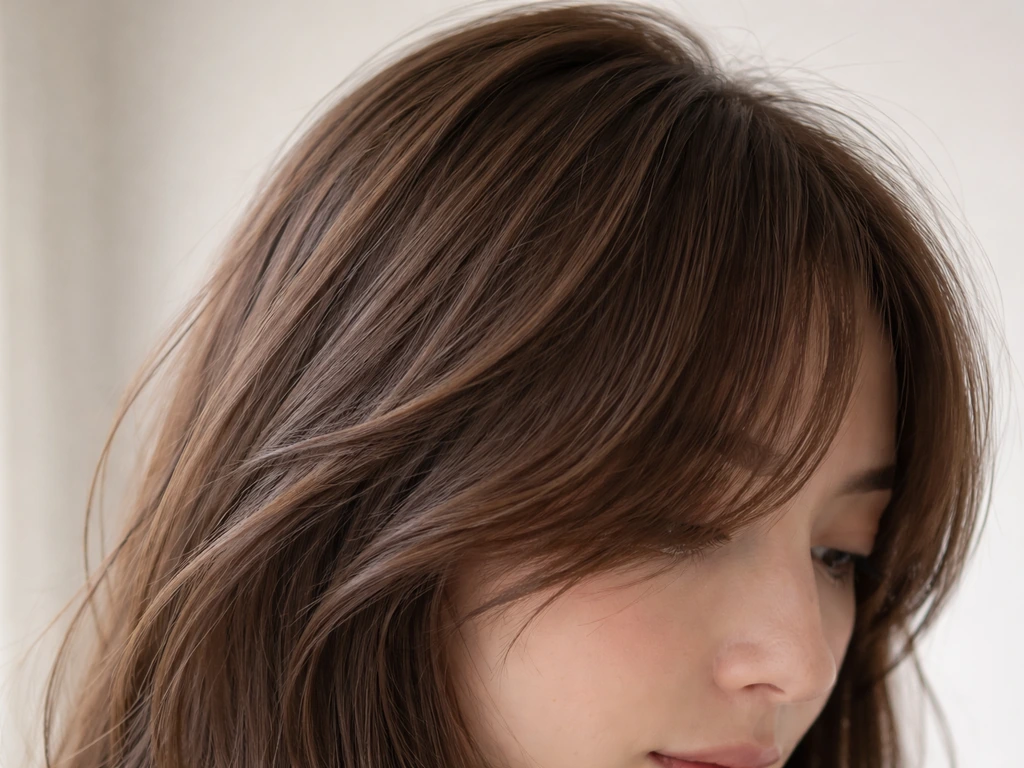
But length alone isn't the whole story. As bangs get longer, they lose the weight that was keeping them flat. When they were short and blunt, gravity held everything in place. Once they pass a certain point, usually just below eyebrow level, they start to lift, split, wave, or curl in directions you never noticed before. This is when cowlicks reveal themselves. A cowlick grows in a different direction from the surrounding hair, and when bangs were short, the cut itself masked that. Now that they're longer, the cowlick wins. You end up with a section that parts itself, stands up, or flips in an entirely unplanned direction.
Then there's the blending issue. Your bangs started shorter than the hair around your face, so as they grow, there's a visible line where the fringe section ends and your regular hair begins. That line can make your hair look choppy or unfinished, especially if there are no layers around your face to soften it. Frizz makes everything worse too, particularly with humidity, which opens the hair cuticle and makes the bang section look puffy and disconnected from the rest of your style. Put all of these things together and you get the classic 'growing out my bangs' look that everyone dreads.
Quick fixes you can use today
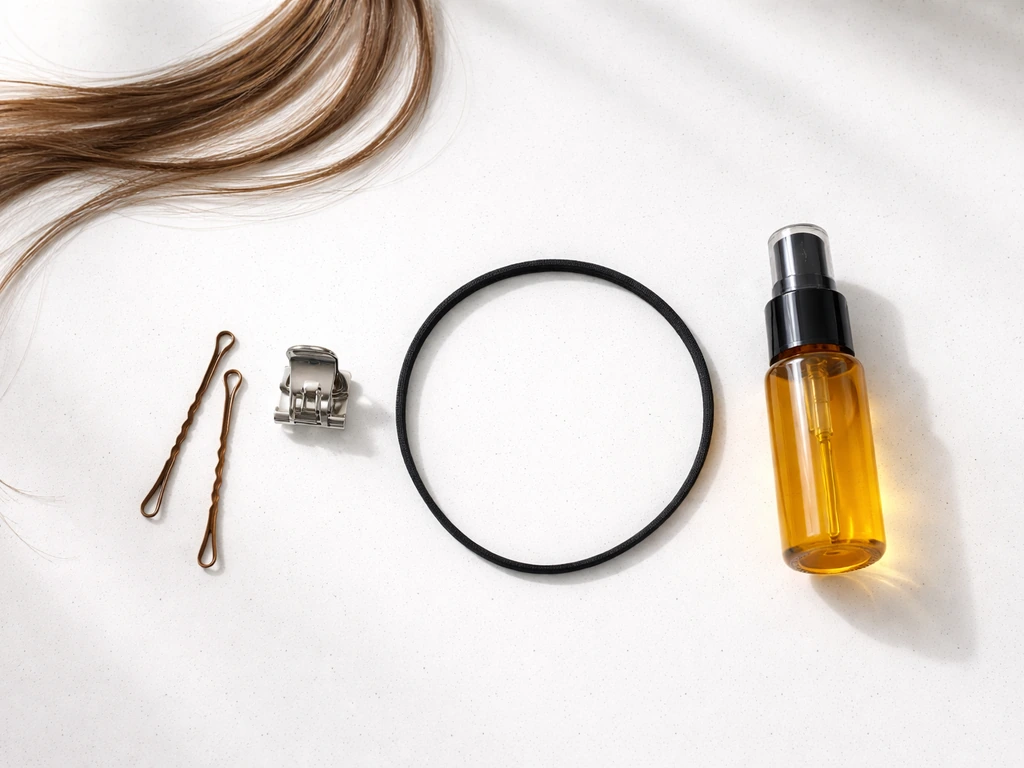
Before we get into the long game, here's what you can do right now to make your bangs look intentional rather than transitional. These are the everyday tools that carry you through the grow-out.
Pinning and clipping
Bobby pins and clips are genuinely the best friends you'll have for the next few months. The trick with bobby pins is to pin the wavy side of the pin against your scalp (wavy side down) so it grips the hair and holds. For a cleaner look, cross two pins in an X shape over the section you're pinning back.
If your bangs are sliding out constantly, try taking a small section of hair from the opposite side and pinning them together: the added texture gives the pin something to hold onto. No-crease clips are great for daytime styles where you want a slightly more deliberate, accessory-forward look. Mini claw clips positioned just at the hairline are especially useful during that cheekbone-length phase when bangs are too long to stay put but too short to pin smoothly behind the ear.
Headbands
A headband pushed back about an inch from the hairline is the fastest way to make growing-out bangs look deliberate. It holds everything off your face and gives the whole front section of your hair a styled, finished appearance. Thin fabric headbands and elastic ones work for casual days. Embellished or wider headbands can actually elevate the look. Don't underestimate how polished a headband can make an otherwise messy in-between length look.
Blow-drying with intention
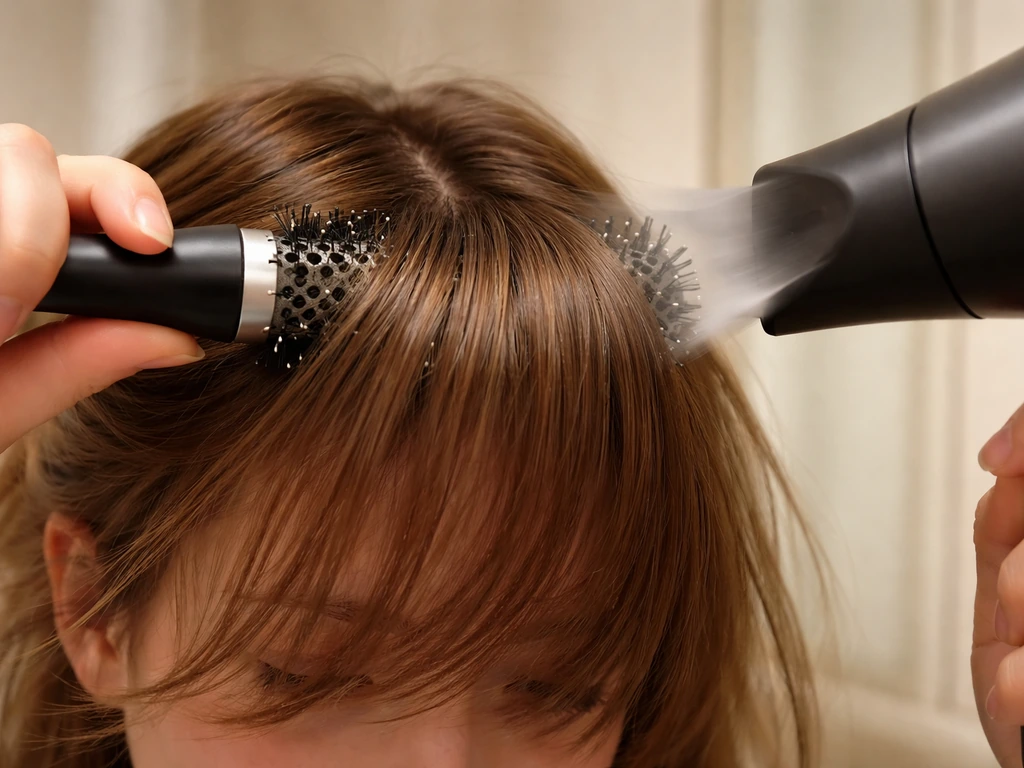
If your bangs are at a length where you can style them with heat, how you blow-dry matters. Use a round brush to direct the hair across your forehead (rather than straight down) and apply tension as you dry. This trains the bang section to lay in the direction you want and makes the style hold longer. If you have a cowlick causing a lift or split, aim the airflow in the direction the cowlick naturally wants to go rather than fighting it. Finish with a small amount of hairspray to lock everything in place. For frizz, concentrate on sealing the cuticle while the hair is still slightly damp before it has a chance to absorb moisture from the air.
Side-sweeping the bangs
One of the most natural transitions during a bang grow-out is sweeping them to the side. Once your bangs are past the eyebrow, a deep side part with the fringe swept across your forehead immediately makes the look more intentional and much less awkward. If you want a softer look as they grow out, curtain bangs are a natural next step to help your fringe blend in. You can secure this with a pin at the temple or let it fall naturally. This is essentially the first step toward curtain bangs or a fully blended side-swept fringe, and it's a style that looks good on almost everyone at almost every face length.
The grow-out timeline: what to expect month by month
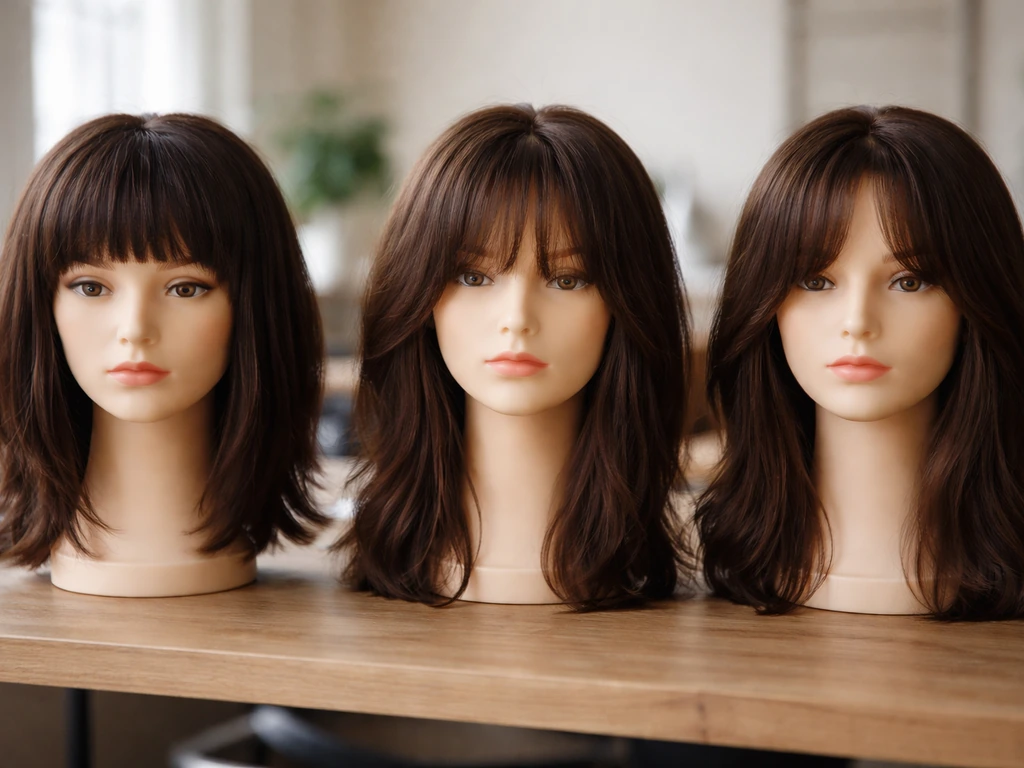
Knowing what's coming makes each stage much easier to handle. These are rough guidelines based on starting from a fairly standard blunt or straight-across fringe that hits at or just above the eyebrows. If you're starting from a very short fringe or a more dramatic cropped bang, add a month or two to the early stages.
| Stage | Approximate length | What's happening | Best approach |
|---|---|---|---|
| Month 1 | Sitting on or just below the brow | Still looks like bangs, but starts to feel heavy and may tickle the eye | Keep styling as usual; this is the easiest stage. Light trim optional. |
| Month 2 | Mid-nose to upper lip area | The most awkward point: too long to be bangs, too short for much else | Side-sweep, pin back, or use a headband daily. Trim the sides only if they look choppy. |
| Month 3 | Upper lip to chin | Starting to have real blending potential; curtain bang shape becomes achievable | Blow-dry and sweep to the side. Ask stylist to blend layers around the face. |
| Month 4–5 | Chin to jaw | Can begin tucking behind ear on one or both sides; nearly blended | Curtain or side-swept style works well. Layers and face-framing cuts help enormously now. |
| Month 5–6 | Jaw to cheekbone (if you started short) | Bangs are fully integrating into the rest of the hair | Styling is much more flexible. Focus on blending and shaping, not managing. |
Side and curtain bangs typically integrate into the rest of the hair within 4 to 6 months, depending on texture. Straighter, finer hair tends to blend faster because it lies flat more easily. Curly and coily hair takes longer to look fully blended because the curl pattern adds visual separation between sections.
What works for your hair type
Your hair texture changes how every single stage feels and which strategies work best. Here's how to adapt the grow-out approach to what you're actually working with.
Straight hair
Straight hair is the most cooperative during a bang grow-out because it lies flat and responds well to blow-drying direction. The main issue is that the blunt line where bangs end and longer hair begins is very visible. Face-framing layers added at a salon appointment are the fastest fix for this. In the meantime, a deep side part and a round-brush blowout will get you through most days looking polished.
Wavy hair
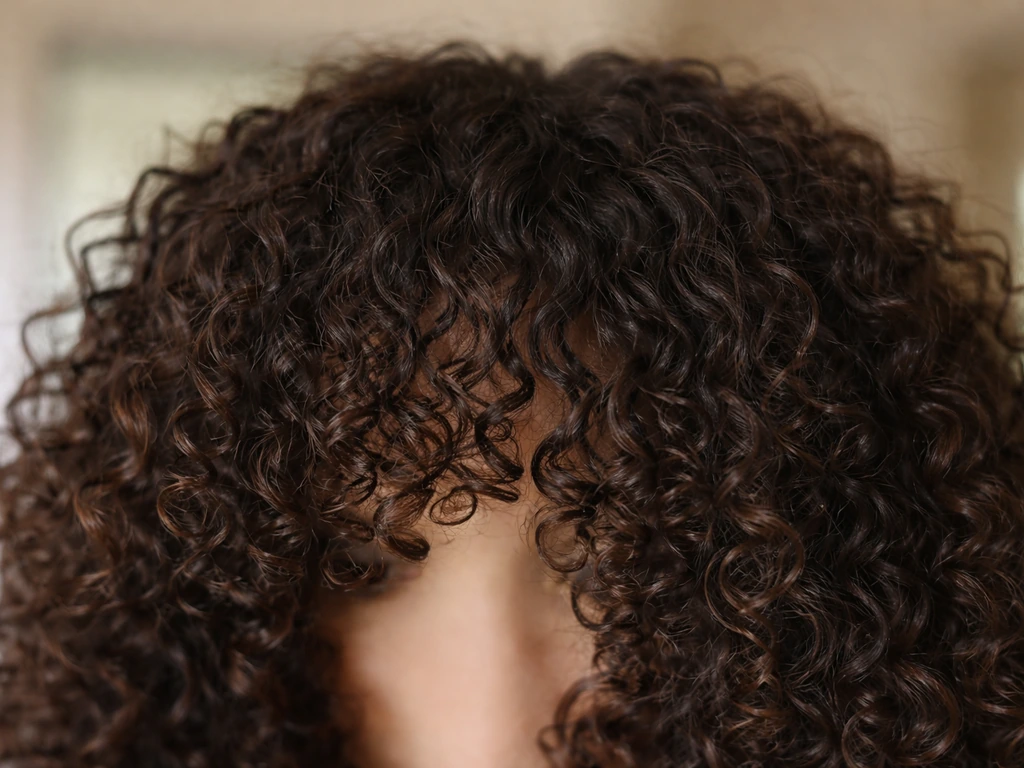
Wavy hair can actually work in your favor here because the texture creates movement that masks the bluntness of growing-out bangs. The challenge is that waves tend to go in their own direction, especially in humidity, so you need a stronger hold product (a light wax or a curl cream with hold) to keep the bang section sitting where you want it. Scrunching the front section while it's damp and letting it air-dry can also give you a more uniform wave pattern that looks intentional across the full front of your hair.
Curly and coily hair
Curly bangs grow out differently because the curl pattern means the hair is actually longer than it appears. This is both good (more length sooner than you think) and tricky (the shrinkage makes blending harder to see). Use a diffuser on low heat and low airspeed to encourage the curl pattern at the front of your hair without causing frizz. Lift and separate your curls with your fingertips rather than raking them with a brush.
Layering a gel over a curl cream gives you definition and hold that keeps the bang section looking cohesive with the rest of your hair rather than like a separate frizzy section. For thicker curl types, layering is key both in terms of products and the actual haircut shape.
Fine or thin hair
Fine hair shows every awkward phase more clearly because there's less volume and texture to hide things. The bang section will look wispy and flat during the grow-out, and it will stick to the forehead more. Using a volumizing mousse or dry shampoo at the roots of the bang section helps lift it and gives it enough body to hold a side sweep or a pinned style. Avoid heavy oils or serums at the hairline, as these will weigh the hair down even more.
Thick hair
Thick hair has a bulk problem. As bangs grow out, the section can look heavy and dense in a way that's hard to blend into the rest of the hair. Point-cutting (where scissors snip into the ends at an angle rather than straight across) can remove some of that bulk without taking length. Ask your stylist specifically for this if your fringe feels too heavy. At home, a small amount of lightweight wax or pomade worked through the ends can help you piece and separate the bang section so it looks more deliberate.
Frizz and cowlick situations
If you have a cowlick at the front hairline, work with it rather than against it. Blow-dry in the direction the cowlick naturally grows, using gentle tension. Once the bangs are long enough to be swept to the side, you can often use the cowlick's natural direction to guide the sweep, which makes the style easier to maintain. For persistent frizz, apply an anti-humidity serum or a smoothing cream to the bang section while hair is still damp, before any heat styling. This seals the cuticle before humidity has a chance to open it.
Haircuts that actually help during the grow-out
You don't have to leave your hair completely untouched while you grow out your bangs. In fact, strategic trims are one of the most underrated tools for making the process look intentional. The goal is not to cut off length, but to shape what's there so it blends better.
Regular light trims: every 8 weeks
Stylists recommend trimming bangs at least every 8 weeks during grow-out, not to shorten them, but to clean up the shape so they don't look scraggly. What this typically means is a tiny snip on the sides where the bangs meet the rest of your hair, or a bit of point-cutting to remove blunt weight. You're keeping the length but refining the shape. If you're doing this at home, be conservative: you can always take more off, but you can't put length back.
Transitioning to curtain bangs
Curtain bangs are a natural grow-out style because they frame the face softly and blend into the hair on either side. If you're transitioning to curtains, your stylist will typically cut a triangle section from the center of your hairline and angle the sides so they're longer toward the temples.
Curtain bangs are cut shorter in the center and longer on the sides toward the cheekbones, and they’re typically styled with a middle part or a slight side sweep a triangle section from the center of your hairline and angle the sides so they're longer toward the temples. .
This creates the signature parted-in-the-middle framing effect. The depth of that triangle determines how dramatic the curtain effect is. A shallower triangle gives you something that reads more like face-framing layers. This transition works especially well once bangs hit the cheekbone-to-chin range.
Side-swept blending
If curtain bangs aren't your goal, ask your stylist to blend the bang section into a side-swept fringe by adding soft layers around your face. This removes the hard line between the bangs and the longer hair on the sides. It's a subtle service that makes an enormous difference in how cohesive your hair looks at every stage of the grow-out.
What not to do
Avoid cutting your bangs back to the original length just because the middle stage is frustrating. This resets the entire grow-out clock. Also avoid cutting a blunt straight line across the bangs yourself at home during this period: any blunt trim adds visible weight and makes the blending problem worse. If you feel like you need to do something, point-cut vertically into the ends rather than cutting straight across.
How to talk to your stylist and stay on track at home
One of the biggest grow-out mistakes is sitting down in the salon chair, feeling frustrated with the in-between length, and saying something vague like 'just clean it up.' Without clear direction, a lot of stylists will default to trimming back to the original bang length because it's the most obvious fix. Be specific before you sit down.
- Say exactly what you want: 'I'm growing out my bangs and I want to keep the length. I don't want anything taken off the front, but I do want the shape cleaned up so it blends better.'
- Tell them your goal style: curtain bangs, a side-swept fringe, or fully blended into face-framing layers. This gives them something to work toward rather than just managing what's there.
- Ask for point-cutting or soft layering around the face to remove bulk without sacrificing length.
- If you have a cowlick or an uneven growth pattern, point it out before they start and ask how they plan to account for it.
- Bring a photo of what you're aiming for. Even a rough reference helps communicate the direction you want.
At-home maintenance between appointments
Between salon visits, keep a consistent routine. Every 8 weeks, check whether the ends are looking frayed or uneven and do a very conservative point-cut trim if needed. Daily, use whatever combination of pinning, blow-drying direction, and product keeps your bangs looking intentional. Keep dry shampoo handy: the bang section tends to get oily faster than the rest of the hair because it sits against the forehead. A light dusting of dry shampoo at the roots of the bang section every couple of days keeps the style looking fresh without washing it every day (which can increase dryness and frizz).
Troubleshooting the most common problems
One side is longer than the other
Uneven growth is very common and usually comes down to a cowlick, a natural part that pulls one side differently, or a haircut that wasn't perfectly even to begin with. The fix isn't to cut the longer side down. Instead, use the longer side as your sweep direction and pin the shorter side slightly behind it. As both sides grow, the difference becomes less noticeable. If the asymmetry is severe, a stylist can do a very subtle trim on the longer side to even things up without setting back your overall progress.
Bangs that stick out or refuse to lay flat
This usually means either a cowlick is lifting the hair, or the hair has a natural curl or wave that the shorter bang length used to suppress. Blow-dry with tension and direct the airflow downward and across rather than straight into the scalp. A small amount of wax or pomade worked between your fingers and smoothed over the top of the bang section can weight them down enough to hold. If a cowlick is the culprit, try blow-drying in the direction the cowlick grows rather than against it, then redirecting at the end with a brush while the hair cools.
The bang line is still visible
That visible line between the bang section and the rest of your hair is purely a blending problem. It shows up most on straight and fine hair. The fastest salon fix is face-framing layers that gradually connect the bang length to the sides and back. At home, a deep side part pulls attention away from the line by breaking the symmetry of the front section. Wearing the hair down with some texture or wave (even using a curling iron on a low setting) also helps because the movement makes the different lengths read as 'layered' rather than 'unblended.'
They're still too short to do anything with
If your bangs are in that early stage where they're hovering just at or above the eyebrow and there's genuinely nothing you can do except wear them as bangs, then wear them as bangs. The best strategy at this stage is to focus on keeping the rest of your hair looking great. A polished blowout or a clean style on the rest of your hair draws attention away from the front section and makes the whole look feel more intentional. This phase only lasts about a month, and most of the real styling options open up once the fringe passes nose level.
Frizz and puffiness that won't quit
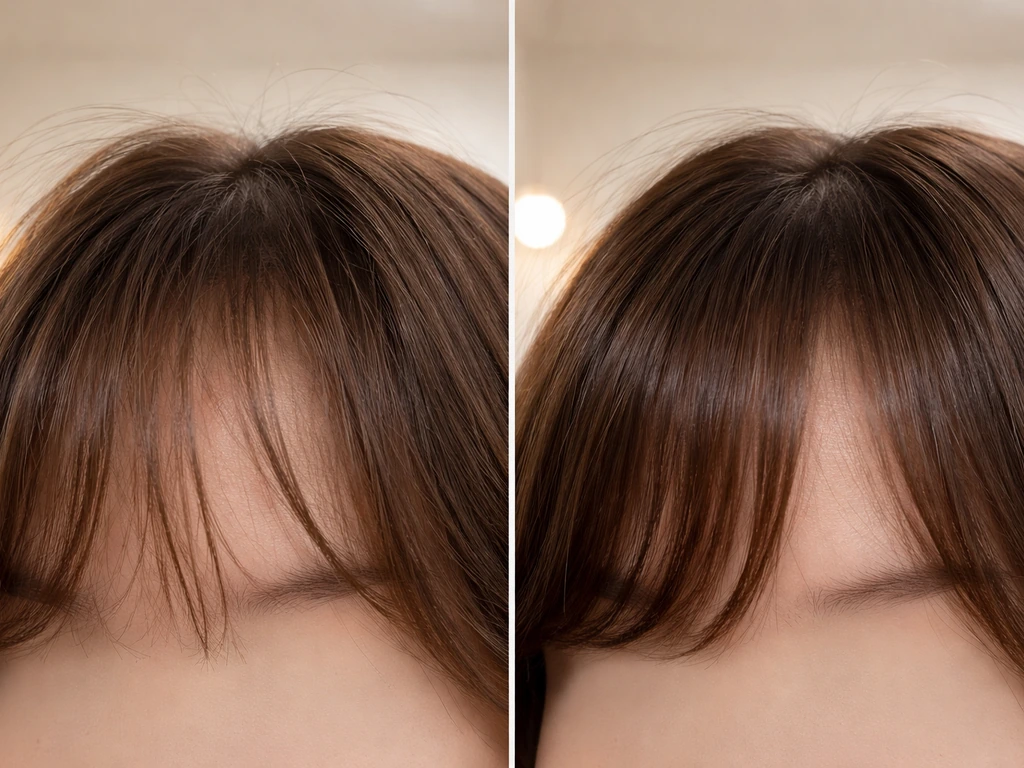
Frizz comes from the hair cuticle being open, which happens from damage, dryness, and especially humidity. Apply a smoothing serum or anti-humidity product to the bang section while it's damp, before blow-drying. Blow-dry downward (following the direction of the cuticle) rather than upward or side-to-side. Avoid touching the bang section while it's drying, as friction creates frizz. If you're in a high-humidity climate, a product with a humidity-blocking polymer (usually listed as something like 'anti-humidity' or 'humidity shield' on the label) is worth adding to your routine specifically during this grow-out phase.
Growing out your bangs is genuinely one of the more tested experiences in hair care, and the awkward phase is real. But it's also manageable at every single stage with the right combination of styling strategies, a few strategic salon visits, and realistic expectations about how long the process takes. Whether you're heading toward curtain bangs, a side-swept fringe, or fully blended face-framing hair, the path there is navigable. If you want community advice, many people share what worked for them in threads about growing out bangs on Reddit growing out your bangs. Trust the process, work with what you have at each stage, and remember: every month that goes by, you have more options, not fewer.
FAQ
Can I trim my bangs while growing them out without ruining the process?
Yes, but do it strategically. If you trim, ask for a “shape-cleanup” at the sides where bangs meet the longer hair, or a conservative point-cut to remove weight, not a fresh straight-across fringe. This keeps the blend moving forward instead of resetting the awkward phase.
What’s the best way to keep bangs from flipping up or forward during the in-between stage?
For pieces that flip forward or won’t lie flat, pinning alone may not be enough. Try a two-step approach: blow-dry the bang section with tension in the direction you want, then pin while it cools (about 2 to 5 minutes). Cool-down helps the cuticle set, so the pinned look holds longer.
How do I style bangs when they are too long to be fringe but too short to blend?
If your bangs won’t tuck behind your ear yet, use a hybrid style. Part deeply, sweep the fringe to one side, then secure with a bobby pin at the temple and a second pin slightly farther back. Add a tiny amount of light wax or pomade only on the ends, so the roots stay airy and the style doesn’t look greasy.
Should I wait until my bangs are completely dry before deciding whether I need to cut or reshape them?
Generally, yes, but it depends on how you’re cutting. Avoid taking off bulk by trimming straight across, and avoid “cutting them to match the original length.” If you have a cowlick, it can look worse temporarily when hair is wet, so make any at-home adjustments only after the bangs are dry and behave in their usual direction.
How do I fix the choppy line where my bangs end and my hair begins?
If the goal is to reduce the visible line, face-framing layers are usually the fastest route because they connect the fringe into the sides. At home, you can mimic this temporarily with a deep side part plus light styling texture (dry shampoo or a low-hold wave) so the different lengths read as intentional layering.
What should I do if my bangs look flat or greasy faster than the rest of my hair?
Start with a lighter strategy rather than heavy product. Use dry shampoo at the roots of the bang section, then apply hold only to the last third of the hair (ends), not at the scalp. Heavy oils at the hairline will flatten fine or wavy bangs and make the grow-out look more separated.
My bangs are growing unevenly, what’s the safest way to correct it?
If they’re uneven mainly from natural growth or a cowlick, use asymmetry as the plan. Pin the shorter side slightly behind the longer side so the sweep direction stays consistent. If it’s truly severe, a stylist can do a tiny cleanup on the longer side without cutting back the entire fringe length.
Is it ever worth cutting bangs shorter again to get through the awkward phase faster?
Don’t default to “cutting them back” after a frustrating phase. A single small shape fix (especially removing blunt weight at the sides) is fine, but resetting the whole length restarts the timeline and keeps you in the awkward window longer.
Can I use heat to grow out bangs without making them look worse later?
Yes, heat can help, but manage the direction and temperature. Use moderate heat, blow-dry with tension while directing airflow downward and across, then cool before styling. If you’re dealing with frizz, always apply the anti-humidity or smoothing product while hair is damp, not dry, so it seals better.
What should I prioritize when my bangs are still too short to style but too long to ignore?
If your bangs are at that early eyebrow-to-just-above phase and you cannot style them cleanly, focus on giving the rest of your hair polish. A sleek or well-shaped blowout on the main sections reduces visual attention on the fringe, and a clean side part helps the front look “designed” instead of transitional.